
15 - 20cm Variegated Alocasia Zebrina in 9cm Pot
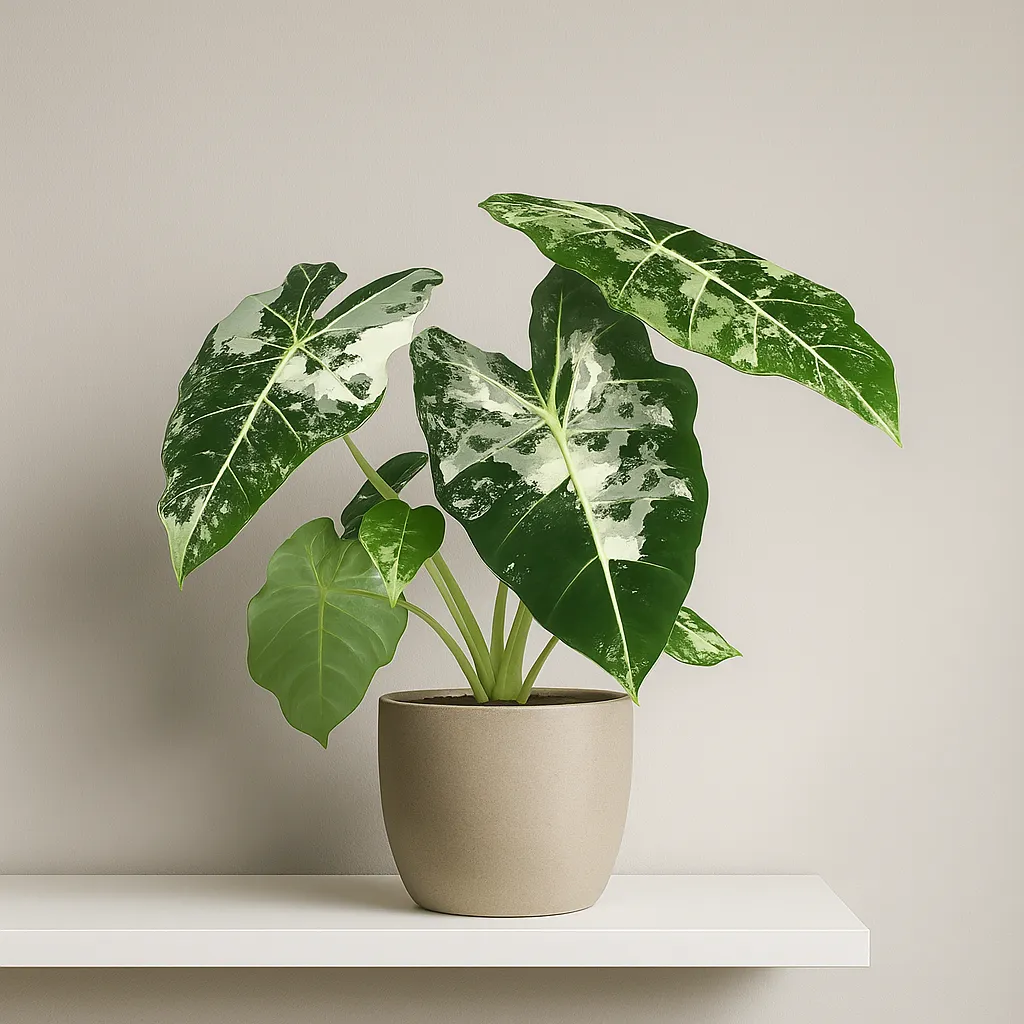
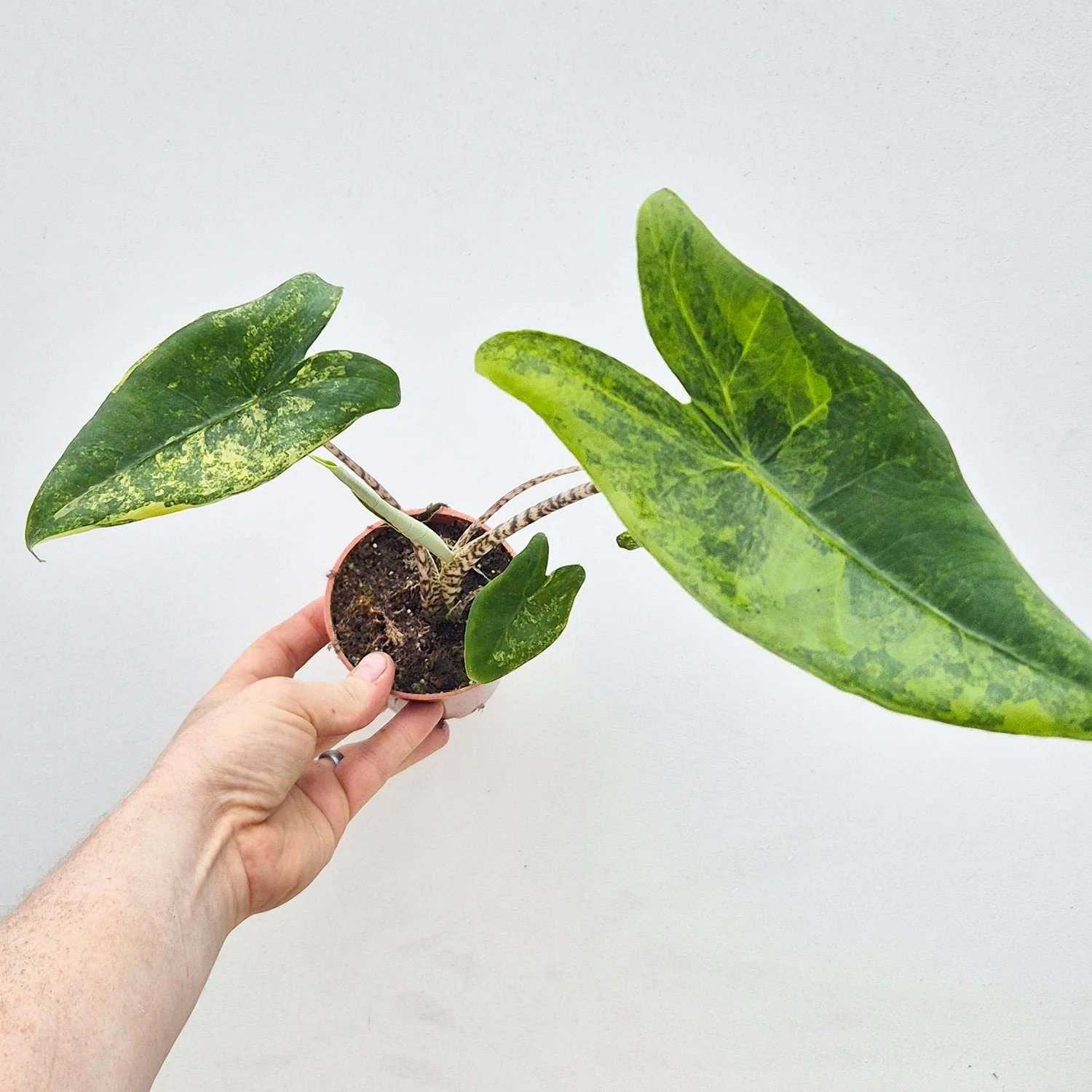
Alocasia zebrina ‘Variegata’, commonly known as the Variegated Zebra Plant, is one of the most striking and collectible Alocasia varieties, loved for its bold, tiger-striped stems and stunning marbled foliage. A member of the Araceae family and native to the tropical rainforests of Southeast Asia, this rare variegated form elevates the already iconic Alocasia zebrina with splashes of creamy white and lime variegation across its broad, arrow-shaped leaves.
The plant’s tall, slender petioles feature distinctive black-and-yellow striping that resembles a zebra’s pattern, while the variegated leaves display a vibrant mix of emerald green, ivory, and light green marbling. Each leaf is unique, making every specimen a one-of-a-kind living sculpture. Graceful, exotic, and unapologetically bold, Alocasia zebrina ‘Variegata’ is a must-have centrepiece for tropical plant lovers and collectors seeking a show-stopping statement plant.
Alocasia zebrina ‘Variegata’ – Care Guide
Light
Thrives in bright, indirect light, which enhances its variegation and supports steady growth. Too much direct sunlight can scorch the pale sections, while low light may cause reduced variegation and slower growth. Position it near an east-facing window or in filtered light for best results.
Watering
Keep the soil consistently moist but not waterlogged. Water when the top 2–3 cm of soil feels dry, ensuring the pot drains freely. Overwatering can cause root rot, while underwatering may lead to drooping leaves. During winter dormancy, reduce watering slightly but never allow the soil to completely dry out.
Temperature and Humidity
Temperature: Prefers warmth between 18–28 °C; avoid cold drafts and temperatures below 15 °C.
Humidity: High humidity (60–80%) is essential to maintain lush growth and prevent browning edges. Mist regularly, use a humidifier, or group with other tropicals to increase ambient moisture.
Soil and Potting
Use a well-draining, airy aroid mix — compost blended with perlite, coco coir, and orchid bark works perfectly. This provides root aeration while retaining steady moisture. Repot every 1–2 years in spring to refresh the mix and accommodate growth. Choose a sturdy pot to support its tall petioles.
Feeding
Feed every 4–6 weeks during spring and summer with a diluted, balanced liquid fertiliser. Over-fertilising can harm the roots or dull the variegation, so feed sparingly. Suspend feeding during autumn and winter when growth slows.
Pruning and Maintenance
Remove older or yellowing leaves at the base to keep the plant tidy and encourage new growth. Wipe leaves gently with a soft, damp cloth to maintain their sheen and display the variegation clearly. Rotate occasionally for even light exposure and symmetrical growth.
Growth and Maturity
A moderate grower, Alocasia zebrina ‘Variegata’ typically reaches 80–120 cm in height indoors. Its upright growth habit and tall, patterned stems make it a perfect statement plant for floor or pedestal displays. Like most Alocasias, it may experience a short dormancy period during cooler months, resuming growth as temperatures rise.
Common Issues
-
Yellowing leaves: Overwatering or poor drainage.
-
Brown edges: Low humidity or inconsistent watering.
-
Loss of variegation: Insufficient light.
-
Pests: Occasionally affected by spider mites or thrips — treat with neem oil or insecticidal soap.
Background and Benefits
Native to the tropical rainforests of the Philippines and Borneo, Alocasia zebrina grows beneath the forest canopy, where filtered light and high humidity support its impressive foliage. The ‘Variegata’ form is a cultivated rarity, combining the species’ distinctive zebra-striped stems with variegated leaves that offer additional texture and colour.
Symbolically, the Alocasia represents strength and vitality — fitting for a plant with such bold structure and energy. Beyond its decorative appeal, it also contributes to improved indoor air quality and adds movement, height, and vibrancy to interior plant displays.
Quick Care Summary
-
Light: Bright, indirect light; avoid harsh direct sun
-
Water: Keep soil evenly moist; allow top few cm to dry
-
Temperature: 18–28 °C; avoid below 15 °C
-
Humidity: High (60–80%)
-
Soil: Airy, well-draining mix – compost, perlite, bark, coco coir
-
Feed: Every 4–6 weeks in spring/summer
-
Growth: 80–120 cm tall; upright habit with variegated arrow-shaped leaves and zebra-striped stems
⚠️ Toxicity note: Toxic to pets and humans if ingested; may cause mouth and skin irritation.
Styling Tip
Showcase Alocasia zebrina ‘Variegata’ in a large ceramic or terracotta planter to balance its tall, slender form. Place it in a bright living room or conservatory where light can highlight its bold variegation and distinctive stems. It pairs beautifully with deep green tropicals like Philodendron ‘Imperial Green’ or silver-toned plants such as Phlebodium ‘Blue Star’ for visual contrast. Perfect for collectors and design enthusiasts alike, this rare Alocasia brings architectural drama and natural artistry to any space.
Original: $105.57
-70%$105.57
$31.67Product Information
Product Information
Shipping & Returns
Shipping & Returns
Description
Alocasia zebrina ‘Variegata’, commonly known as the Variegated Zebra Plant, is one of the most striking and collectible Alocasia varieties, loved for its bold, tiger-striped stems and stunning marbled foliage. A member of the Araceae family and native to the tropical rainforests of Southeast Asia, this rare variegated form elevates the already iconic Alocasia zebrina with splashes of creamy white and lime variegation across its broad, arrow-shaped leaves.
The plant’s tall, slender petioles feature distinctive black-and-yellow striping that resembles a zebra’s pattern, while the variegated leaves display a vibrant mix of emerald green, ivory, and light green marbling. Each leaf is unique, making every specimen a one-of-a-kind living sculpture. Graceful, exotic, and unapologetically bold, Alocasia zebrina ‘Variegata’ is a must-have centrepiece for tropical plant lovers and collectors seeking a show-stopping statement plant.
Alocasia zebrina ‘Variegata’ – Care Guide
Light
Thrives in bright, indirect light, which enhances its variegation and supports steady growth. Too much direct sunlight can scorch the pale sections, while low light may cause reduced variegation and slower growth. Position it near an east-facing window or in filtered light for best results.
Watering
Keep the soil consistently moist but not waterlogged. Water when the top 2–3 cm of soil feels dry, ensuring the pot drains freely. Overwatering can cause root rot, while underwatering may lead to drooping leaves. During winter dormancy, reduce watering slightly but never allow the soil to completely dry out.
Temperature and Humidity
Temperature: Prefers warmth between 18–28 °C; avoid cold drafts and temperatures below 15 °C.
Humidity: High humidity (60–80%) is essential to maintain lush growth and prevent browning edges. Mist regularly, use a humidifier, or group with other tropicals to increase ambient moisture.
Soil and Potting
Use a well-draining, airy aroid mix — compost blended with perlite, coco coir, and orchid bark works perfectly. This provides root aeration while retaining steady moisture. Repot every 1–2 years in spring to refresh the mix and accommodate growth. Choose a sturdy pot to support its tall petioles.
Feeding
Feed every 4–6 weeks during spring and summer with a diluted, balanced liquid fertiliser. Over-fertilising can harm the roots or dull the variegation, so feed sparingly. Suspend feeding during autumn and winter when growth slows.
Pruning and Maintenance
Remove older or yellowing leaves at the base to keep the plant tidy and encourage new growth. Wipe leaves gently with a soft, damp cloth to maintain their sheen and display the variegation clearly. Rotate occasionally for even light exposure and symmetrical growth.
Growth and Maturity
A moderate grower, Alocasia zebrina ‘Variegata’ typically reaches 80–120 cm in height indoors. Its upright growth habit and tall, patterned stems make it a perfect statement plant for floor or pedestal displays. Like most Alocasias, it may experience a short dormancy period during cooler months, resuming growth as temperatures rise.
Common Issues
-
Yellowing leaves: Overwatering or poor drainage.
-
Brown edges: Low humidity or inconsistent watering.
-
Loss of variegation: Insufficient light.
-
Pests: Occasionally affected by spider mites or thrips — treat with neem oil or insecticidal soap.
Background and Benefits
Native to the tropical rainforests of the Philippines and Borneo, Alocasia zebrina grows beneath the forest canopy, where filtered light and high humidity support its impressive foliage. The ‘Variegata’ form is a cultivated rarity, combining the species’ distinctive zebra-striped stems with variegated leaves that offer additional texture and colour.
Symbolically, the Alocasia represents strength and vitality — fitting for a plant with such bold structure and energy. Beyond its decorative appeal, it also contributes to improved indoor air quality and adds movement, height, and vibrancy to interior plant displays.
Quick Care Summary
-
Light: Bright, indirect light; avoid harsh direct sun
-
Water: Keep soil evenly moist; allow top few cm to dry
-
Temperature: 18–28 °C; avoid below 15 °C
-
Humidity: High (60–80%)
-
Soil: Airy, well-draining mix – compost, perlite, bark, coco coir
-
Feed: Every 4–6 weeks in spring/summer
-
Growth: 80–120 cm tall; upright habit with variegated arrow-shaped leaves and zebra-striped stems
⚠️ Toxicity note: Toxic to pets and humans if ingested; may cause mouth and skin irritation.
Styling Tip
Showcase Alocasia zebrina ‘Variegata’ in a large ceramic or terracotta planter to balance its tall, slender form. Place it in a bright living room or conservatory where light can highlight its bold variegation and distinctive stems. It pairs beautifully with deep green tropicals like Philodendron ‘Imperial Green’ or silver-toned plants such as Phlebodium ‘Blue Star’ for visual contrast. Perfect for collectors and design enthusiasts alike, this rare Alocasia brings architectural drama and natural artistry to any space.