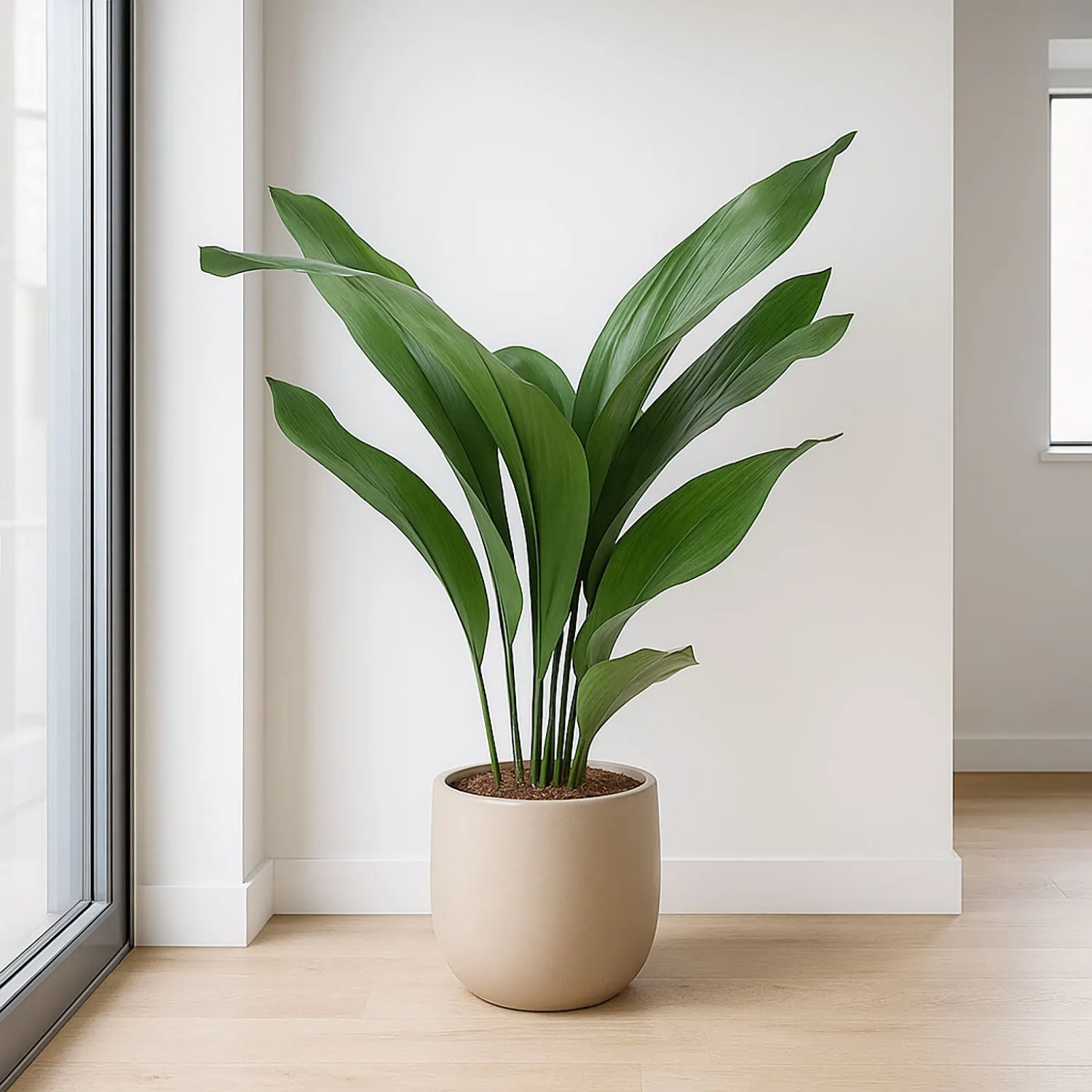
Aspidistra Elatior Cast Iron Plant
Aspidistra elatior, commonly known as the Cast Iron Plant, is a timeless and resilient evergreen perennial famed for its elegant, deep-green foliage and near-indestructible nature. A member of the Asparagaceae family and native to the shaded forest floors of Japan and Taiwan, it’s been a classic choice for homes and conservatories since the Victorian era — valued for its ability to thrive in low light and neglect.
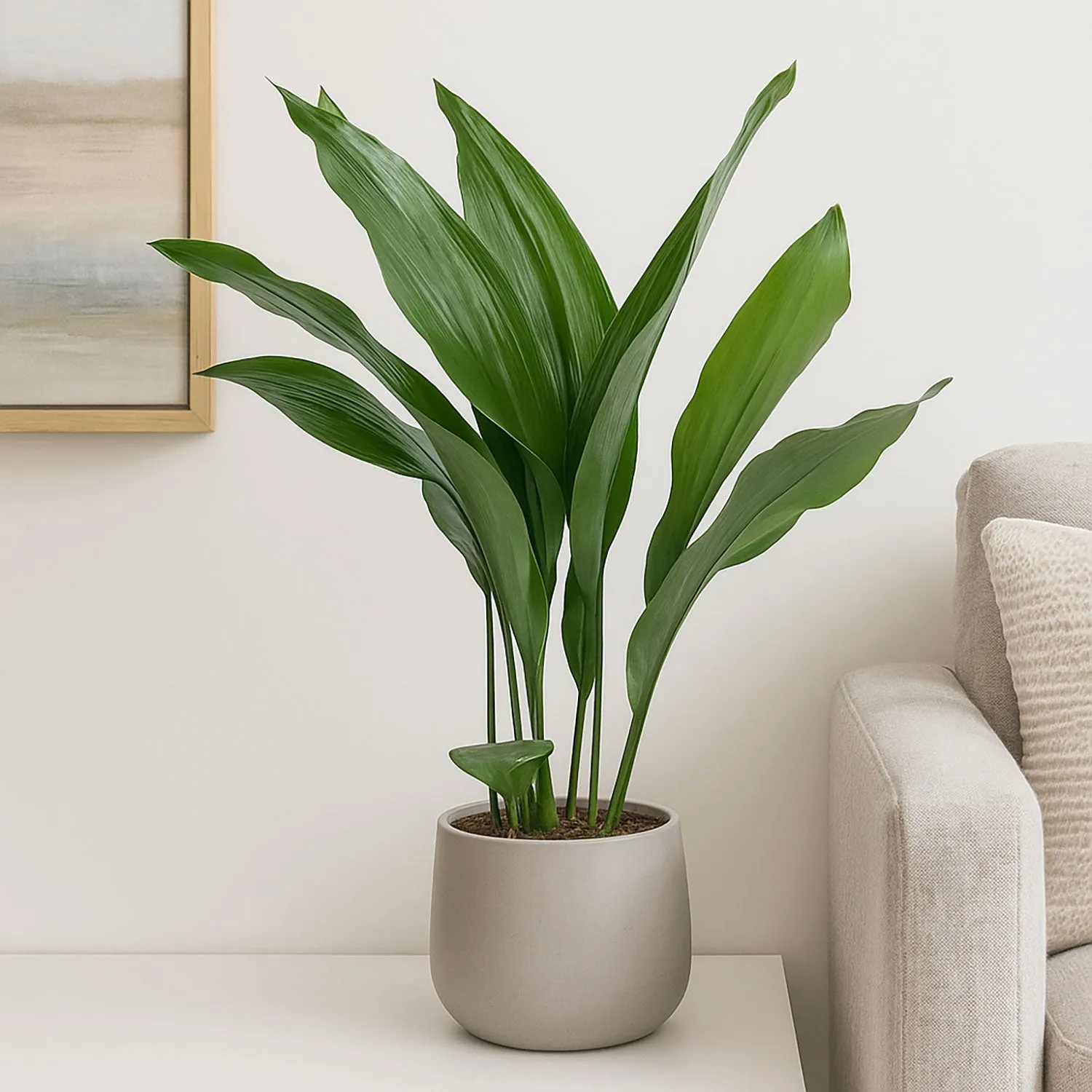
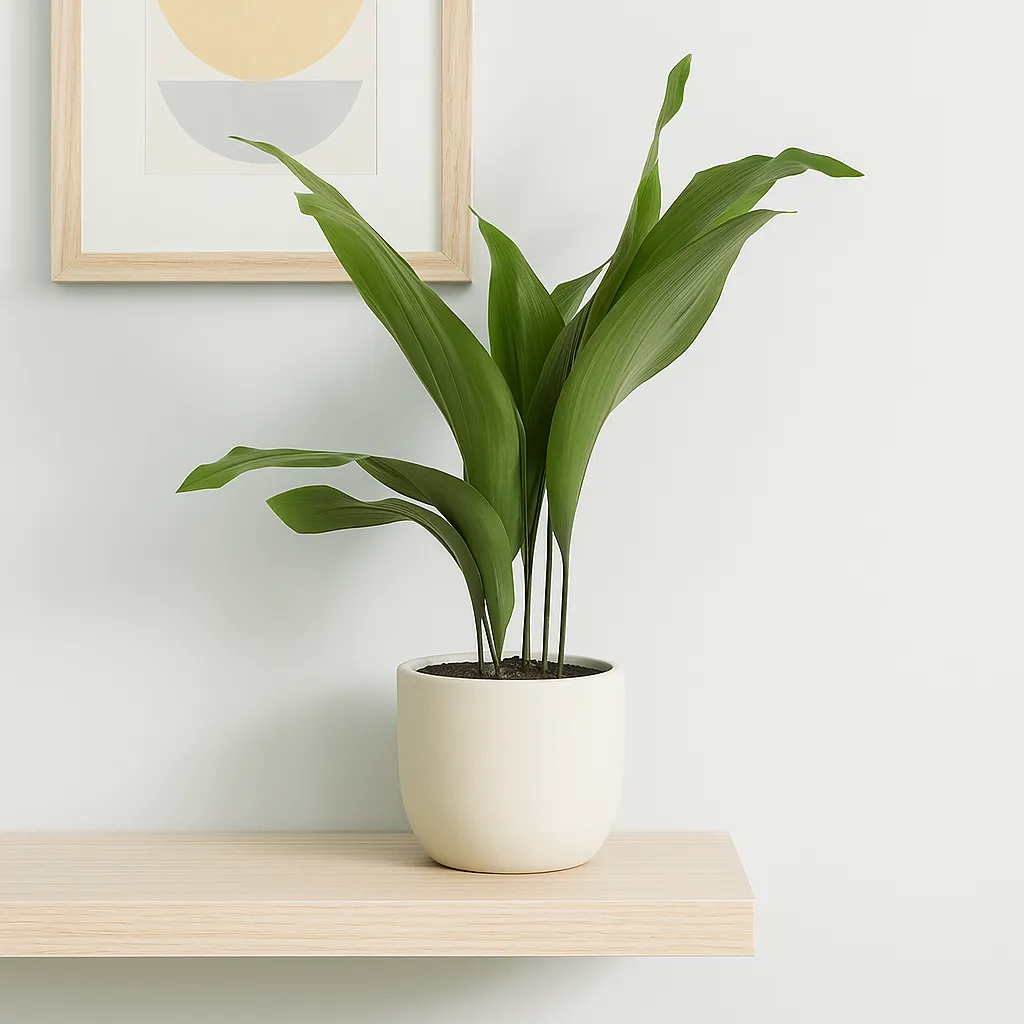
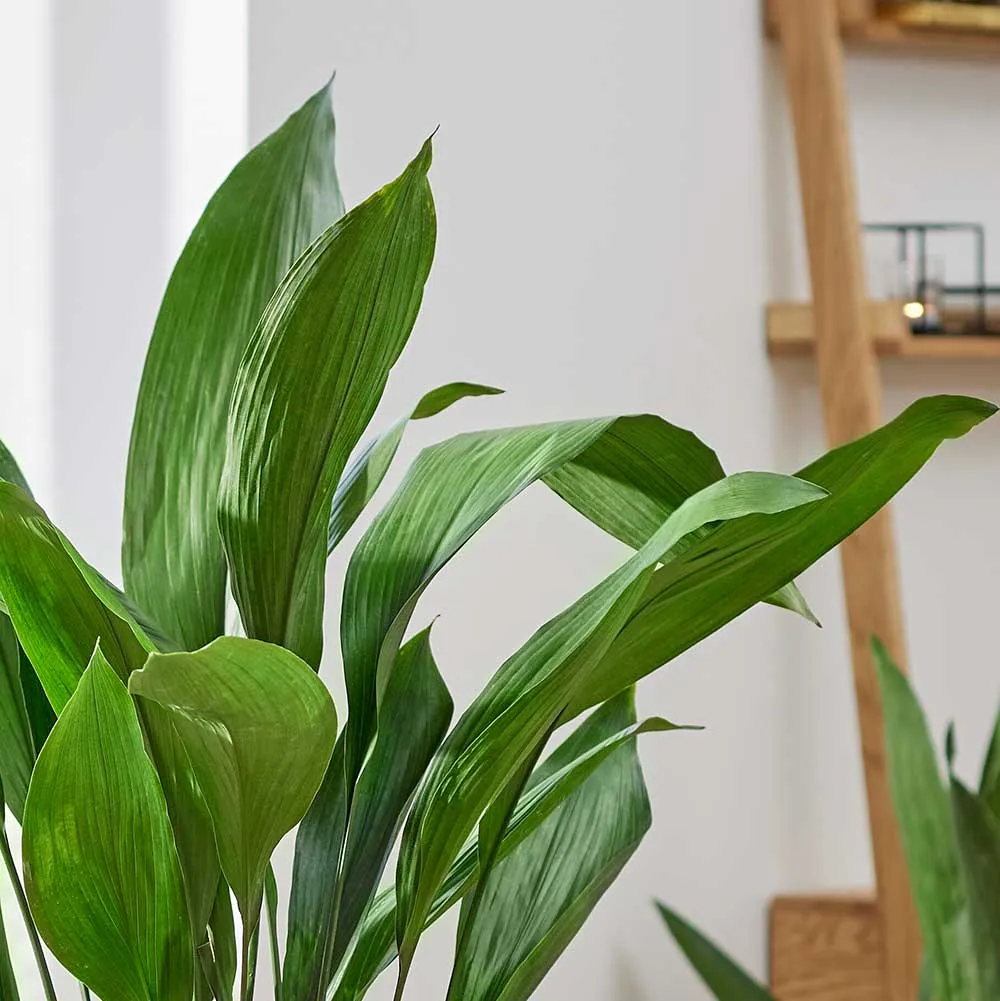
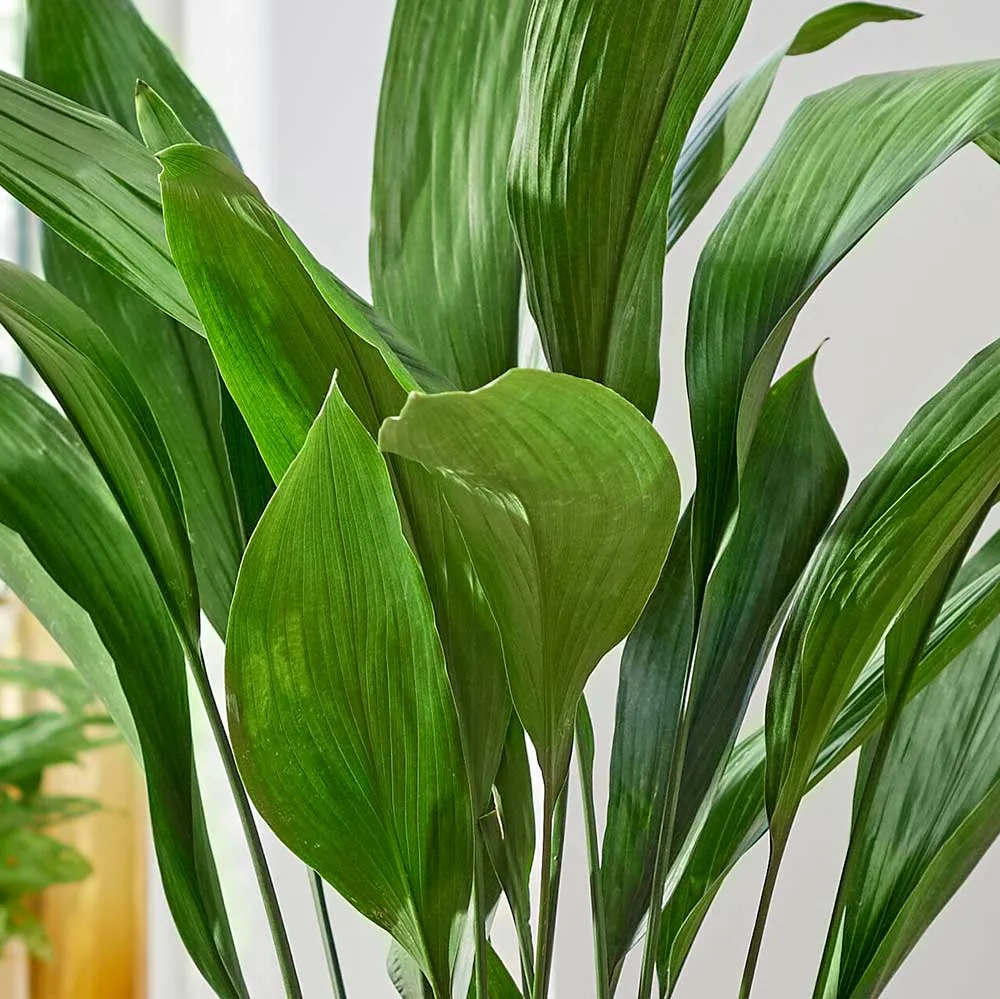
Its long, glossy, lance-shaped leaves grow in graceful clumps directly from the rhizome, forming a lush, architectural mound of foliage. Each leaf is tough, leathery, and rich green, standing upright and adding natural structure to any interior. While typically grown for its foliage, mature plants may occasionally produce small, star-shaped, purple-brown flowers near the soil surface.
Elegant, reliable, and virtually unkillable, Aspidistra elatior is the epitome of a low-maintenance houseplant — perfect for shady corners, offices, and anyone seeking enduring, effortless greenery.
Aspidistra elatior – Care Guide
Light
Tolerates a wide range of light conditions, from low to bright, indirect light. It performs best in moderate light but can thrive even in dimly lit rooms. Avoid direct sunlight, which can scorch or fade the leaves.
Watering
Allow the top 3–5 cm of soil to dry before watering. Aspidistra elatior prefers to be kept slightly on the drier side rather than overly moist. Water thoroughly, ensuring good drainage, and empty excess water from saucers. In winter, reduce watering frequency.
Temperature and Humidity
Temperature: Prefers temperatures between 15–26 °C but is tolerant of occasional dips as low as 7 °C. Avoid cold drafts or frost exposure.
Humidity: Adapts well to normal household humidity. It does not require misting but benefits from the occasional wipe-down of its leaves to remove dust.
Soil and Potting
Use a well-draining, loamy potting mix — compost blended with perlite or sand works perfectly. Repot every 2–3 years in spring or early summer, refreshing the soil and dividing the rhizomes if the plant becomes crowded.
Feeding
Feed sparingly, every 6–8 weeks during spring and summer, with a diluted, balanced liquid fertiliser. Over-fertilising can cause leaf tips to brown. Do not feed in autumn or winter when the plant is resting.
Pruning and Maintenance
Remove any yellowing or damaged leaves at the base using clean scissors. Wipe leaves regularly with a damp cloth to maintain their glossy finish. Rotate the plant occasionally to encourage balanced growth.
Growth and Maturity
A slow-growing plant, Aspidistra elatior typically reaches 50–70 cm in height and spread. It forms a dense, clumping habit that gradually expands over time. With minimal care, it can live for decades, growing more impressive each year.
Common Issues
-
Yellow leaves: Overwatering or poor drainage.
-
Brown tips: Low humidity, over-fertilising, or inconsistent watering.
-
Pale leaves: Too much direct sunlight.
-
Pests: Rarely affected, though scale insects may occasionally appear — treat with neem oil or insecticidal soap.
Background and Benefits
The Aspidistra elatior gained its nickname, the Cast Iron Plant, for good reason — it’s incredibly tough and adaptable. Historically popular in Victorian homes where light and air quality were poor, it became a symbol of endurance and understated elegance.
Beyond its classic beauty, this plant is an excellent air purifier, filtering indoor pollutants and adding lasting greenery to spaces where few others can thrive. Its slow growth and resilience make it ideal for busy households, offices, and shaded interiors where it continues to flourish with minimal attention.
Quick Care Summary
-
Light: Low to bright, indirect light; avoid direct sun
-
Water: Allow top few cm of soil to dry before watering
-
Temperature: 15–26 °C; avoid frost
-
Humidity: Average indoor humidity
-
Soil: Well-draining loamy mix – compost, perlite, sand
-
Feed: Every 6–8 weeks in spring/summer
-
Growth: 50–70 cm tall; glossy dark green upright leaves
⚠️ Toxicity note: Non-toxic to humans and pets.
Styling Tip
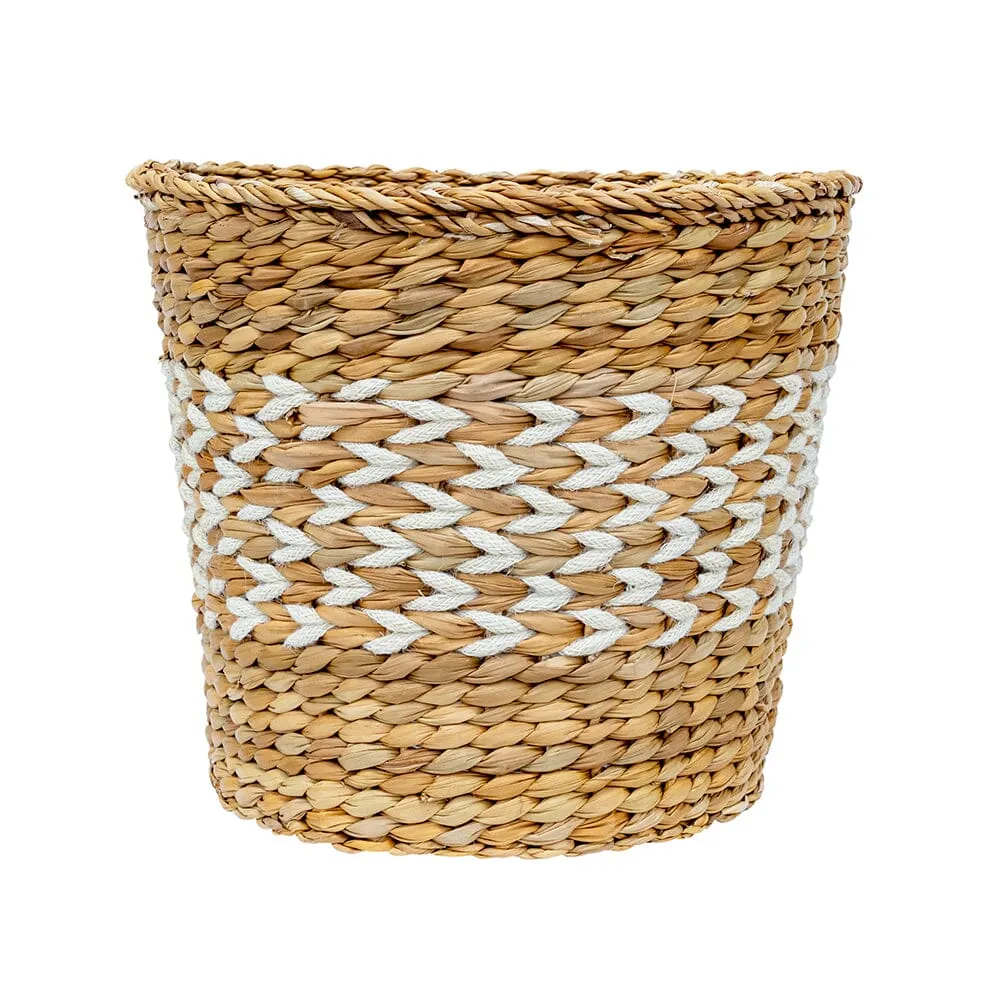
Aspidistra elatior is the ultimate low-light statement plant — perfect for hallways, offices, and corners where few others will thrive. Its dark green leaves pair beautifully with bright or patterned planters, offering a sleek contrast in contemporary or traditional settings alike. Group with ferns, Zamioculcas zamiifolia, or Philodendron ‘Imperial Green’ for a layered, textural look that celebrates lush, enduring foliage. Understated yet timeless, this plant is a living symbol of resilience and quiet elegance.
Original: $32.98
-70%$32.98
$9.89Product Information
Product Information
Shipping & Returns
Shipping & Returns
Description
Aspidistra elatior, commonly known as the Cast Iron Plant, is a timeless and resilient evergreen perennial famed for its elegant, deep-green foliage and near-indestructible nature. A member of the Asparagaceae family and native to the shaded forest floors of Japan and Taiwan, it’s been a classic choice for homes and conservatories since the Victorian era — valued for its ability to thrive in low light and neglect.
Its long, glossy, lance-shaped leaves grow in graceful clumps directly from the rhizome, forming a lush, architectural mound of foliage. Each leaf is tough, leathery, and rich green, standing upright and adding natural structure to any interior. While typically grown for its foliage, mature plants may occasionally produce small, star-shaped, purple-brown flowers near the soil surface.
Elegant, reliable, and virtually unkillable, Aspidistra elatior is the epitome of a low-maintenance houseplant — perfect for shady corners, offices, and anyone seeking enduring, effortless greenery.
Aspidistra elatior – Care Guide
Light
Tolerates a wide range of light conditions, from low to bright, indirect light. It performs best in moderate light but can thrive even in dimly lit rooms. Avoid direct sunlight, which can scorch or fade the leaves.
Watering
Allow the top 3–5 cm of soil to dry before watering. Aspidistra elatior prefers to be kept slightly on the drier side rather than overly moist. Water thoroughly, ensuring good drainage, and empty excess water from saucers. In winter, reduce watering frequency.
Temperature and Humidity
Temperature: Prefers temperatures between 15–26 °C but is tolerant of occasional dips as low as 7 °C. Avoid cold drafts or frost exposure.
Humidity: Adapts well to normal household humidity. It does not require misting but benefits from the occasional wipe-down of its leaves to remove dust.
Soil and Potting
Use a well-draining, loamy potting mix — compost blended with perlite or sand works perfectly. Repot every 2–3 years in spring or early summer, refreshing the soil and dividing the rhizomes if the plant becomes crowded.
Feeding
Feed sparingly, every 6–8 weeks during spring and summer, with a diluted, balanced liquid fertiliser. Over-fertilising can cause leaf tips to brown. Do not feed in autumn or winter when the plant is resting.
Pruning and Maintenance
Remove any yellowing or damaged leaves at the base using clean scissors. Wipe leaves regularly with a damp cloth to maintain their glossy finish. Rotate the plant occasionally to encourage balanced growth.
Growth and Maturity
A slow-growing plant, Aspidistra elatior typically reaches 50–70 cm in height and spread. It forms a dense, clumping habit that gradually expands over time. With minimal care, it can live for decades, growing more impressive each year.
Common Issues
-
Yellow leaves: Overwatering or poor drainage.
-
Brown tips: Low humidity, over-fertilising, or inconsistent watering.
-
Pale leaves: Too much direct sunlight.
-
Pests: Rarely affected, though scale insects may occasionally appear — treat with neem oil or insecticidal soap.
Background and Benefits
The Aspidistra elatior gained its nickname, the Cast Iron Plant, for good reason — it’s incredibly tough and adaptable. Historically popular in Victorian homes where light and air quality were poor, it became a symbol of endurance and understated elegance.
Beyond its classic beauty, this plant is an excellent air purifier, filtering indoor pollutants and adding lasting greenery to spaces where few others can thrive. Its slow growth and resilience make it ideal for busy households, offices, and shaded interiors where it continues to flourish with minimal attention.
Quick Care Summary
-
Light: Low to bright, indirect light; avoid direct sun
-
Water: Allow top few cm of soil to dry before watering
-
Temperature: 15–26 °C; avoid frost
-
Humidity: Average indoor humidity
-
Soil: Well-draining loamy mix – compost, perlite, sand
-
Feed: Every 6–8 weeks in spring/summer
-
Growth: 50–70 cm tall; glossy dark green upright leaves
⚠️ Toxicity note: Non-toxic to humans and pets.
Styling Tip
Aspidistra elatior is the ultimate low-light statement plant — perfect for hallways, offices, and corners where few others will thrive. Its dark green leaves pair beautifully with bright or patterned planters, offering a sleek contrast in contemporary or traditional settings alike. Group with ferns, Zamioculcas zamiifolia, or Philodendron ‘Imperial Green’ for a layered, textural look that celebrates lush, enduring foliage. Understated yet timeless, this plant is a living symbol of resilience and quiet elegance.