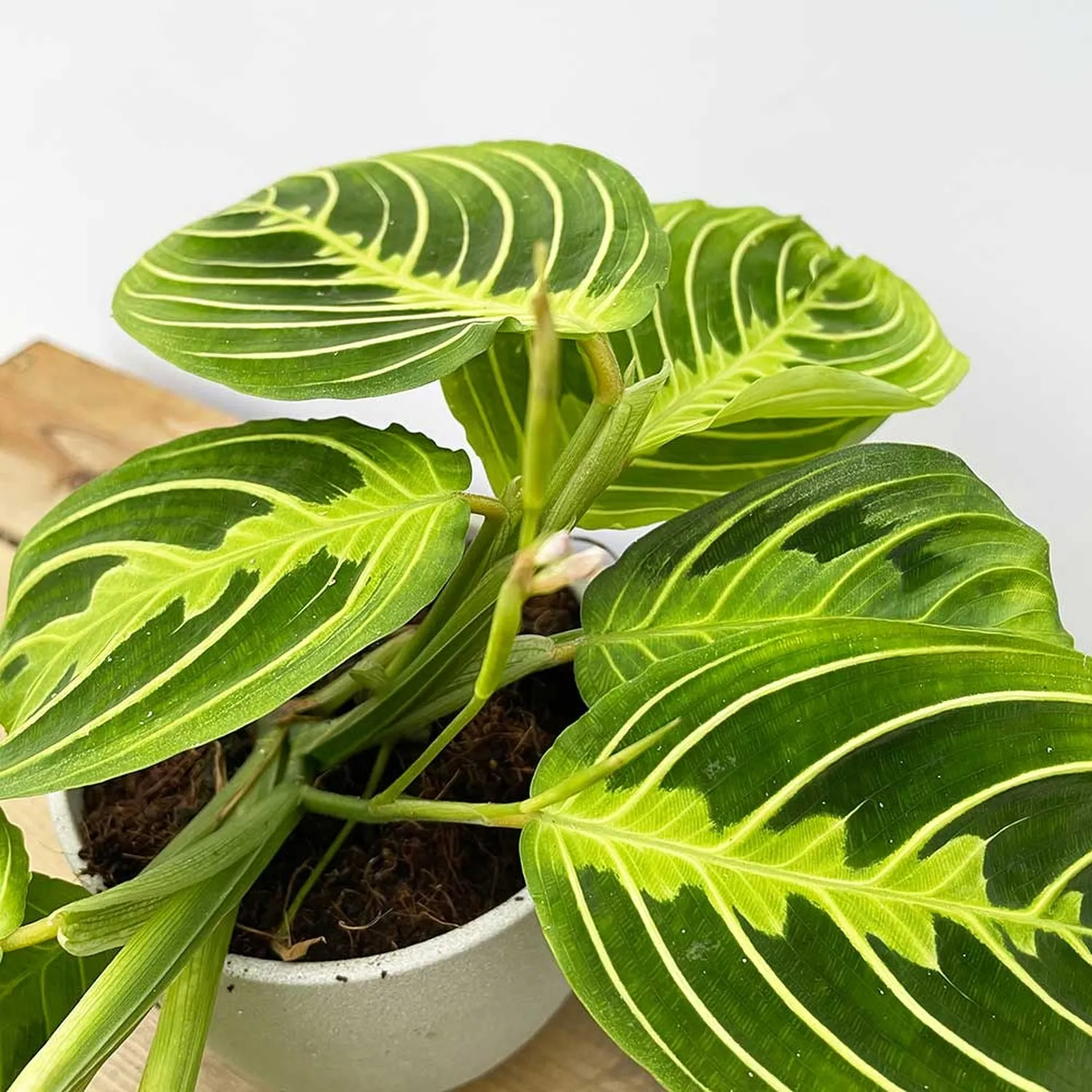
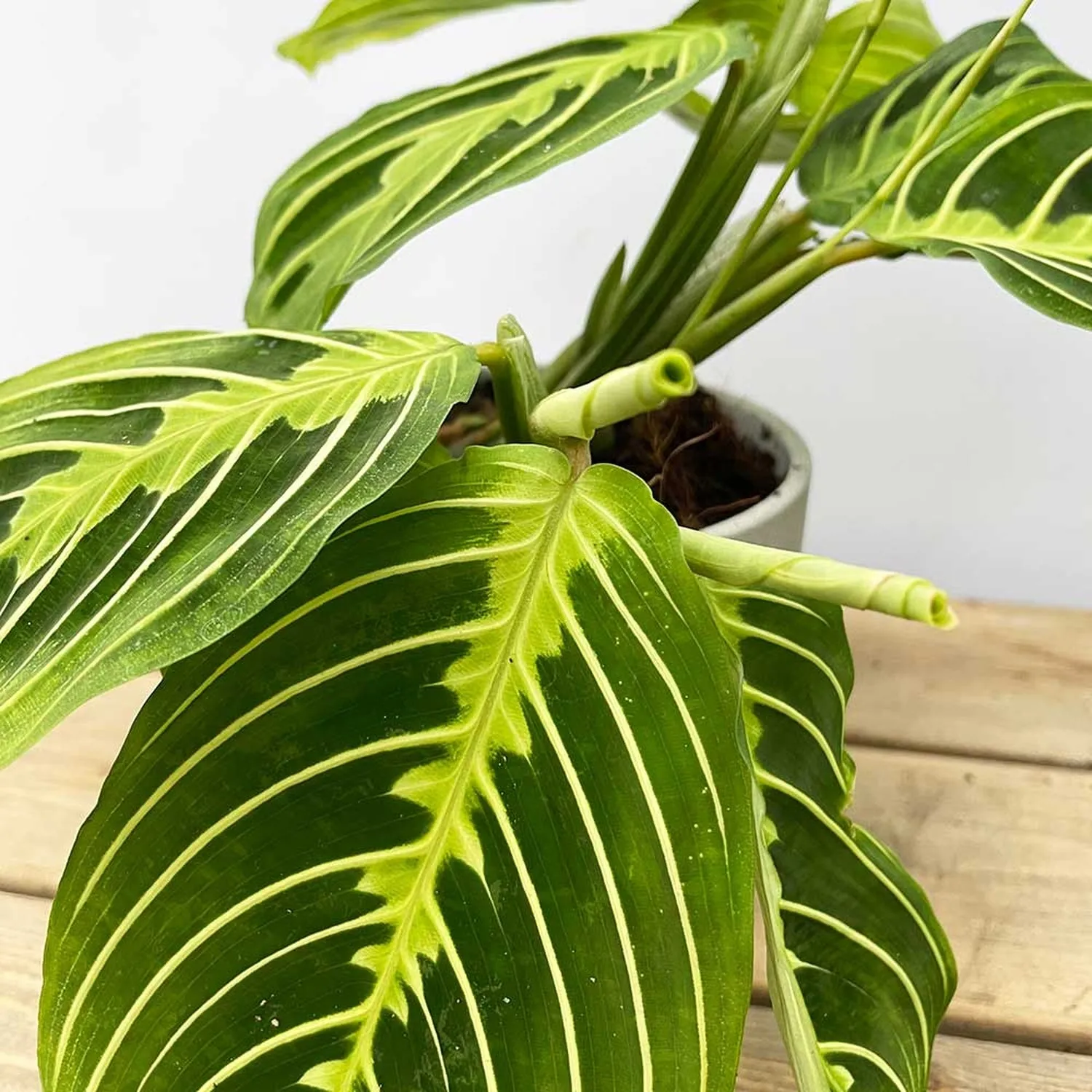
20 - 25cm Maranta Lemon Lime Prayer Plant 12cm Pot House Plant
Maranta leuconeura ‘Lemon Lime’ is a captivating tropical houseplant cherished for its vibrant neon-green veins, velvety texture, and rhythmic leaf movement. A member of the Marantaceae family and native to the tropical rainforests of Brazil, this variety is a modern favourite among collectors for its high-contrast foliage and dynamic character.
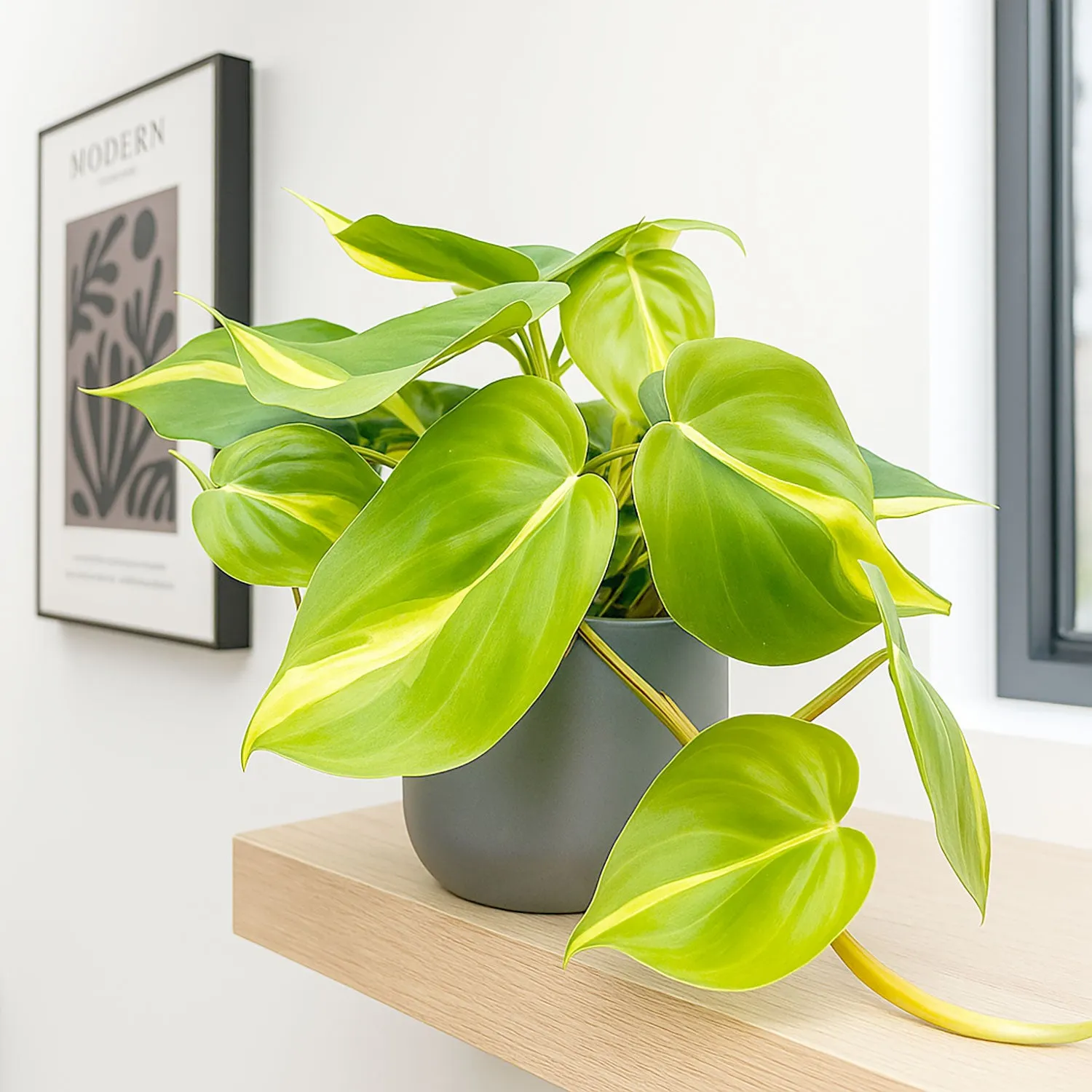
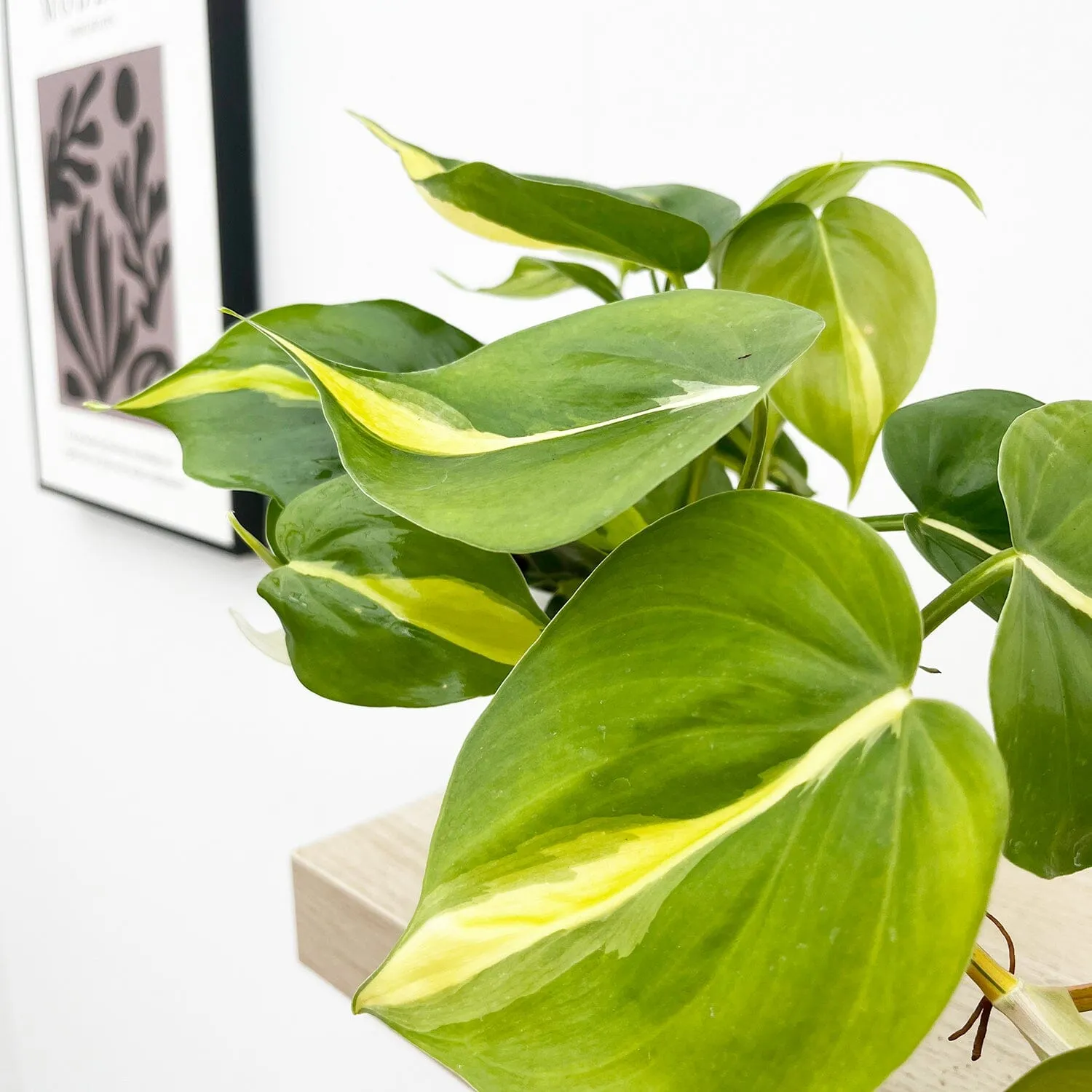
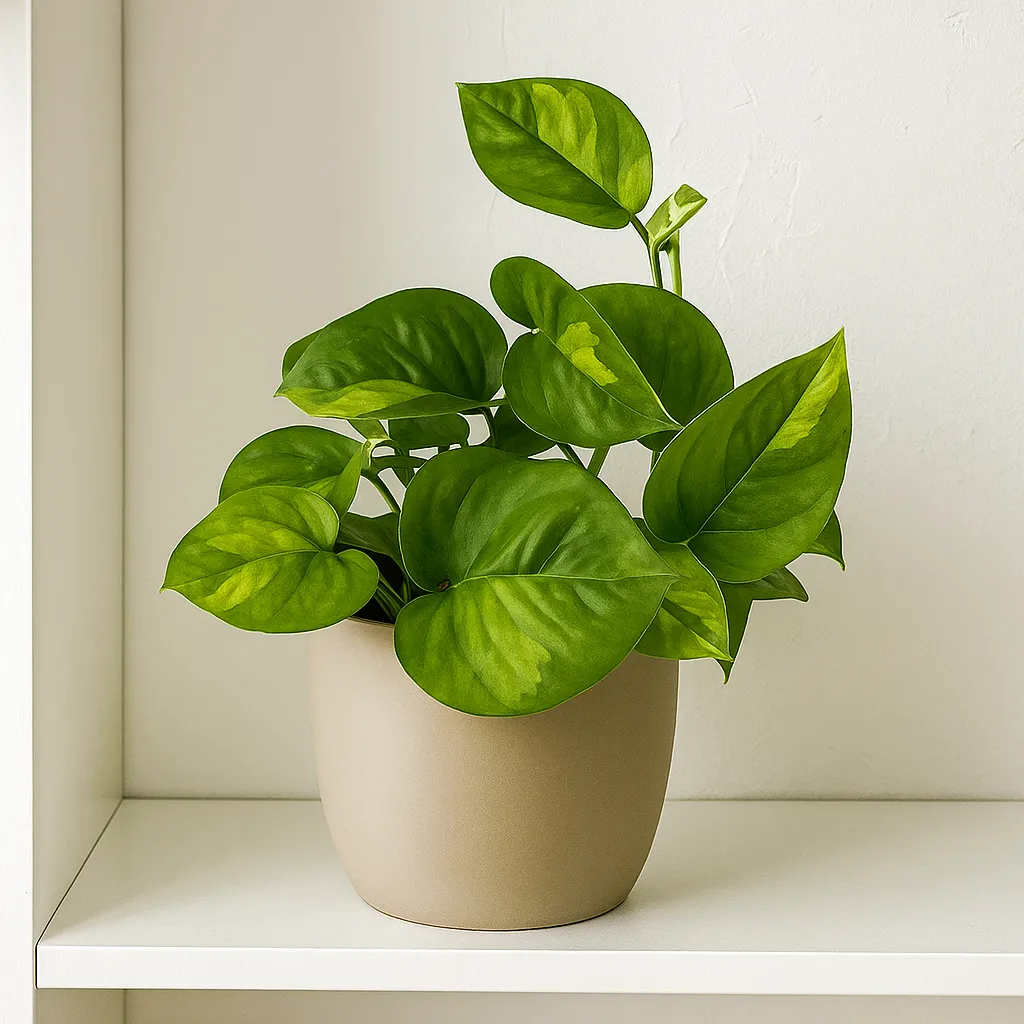
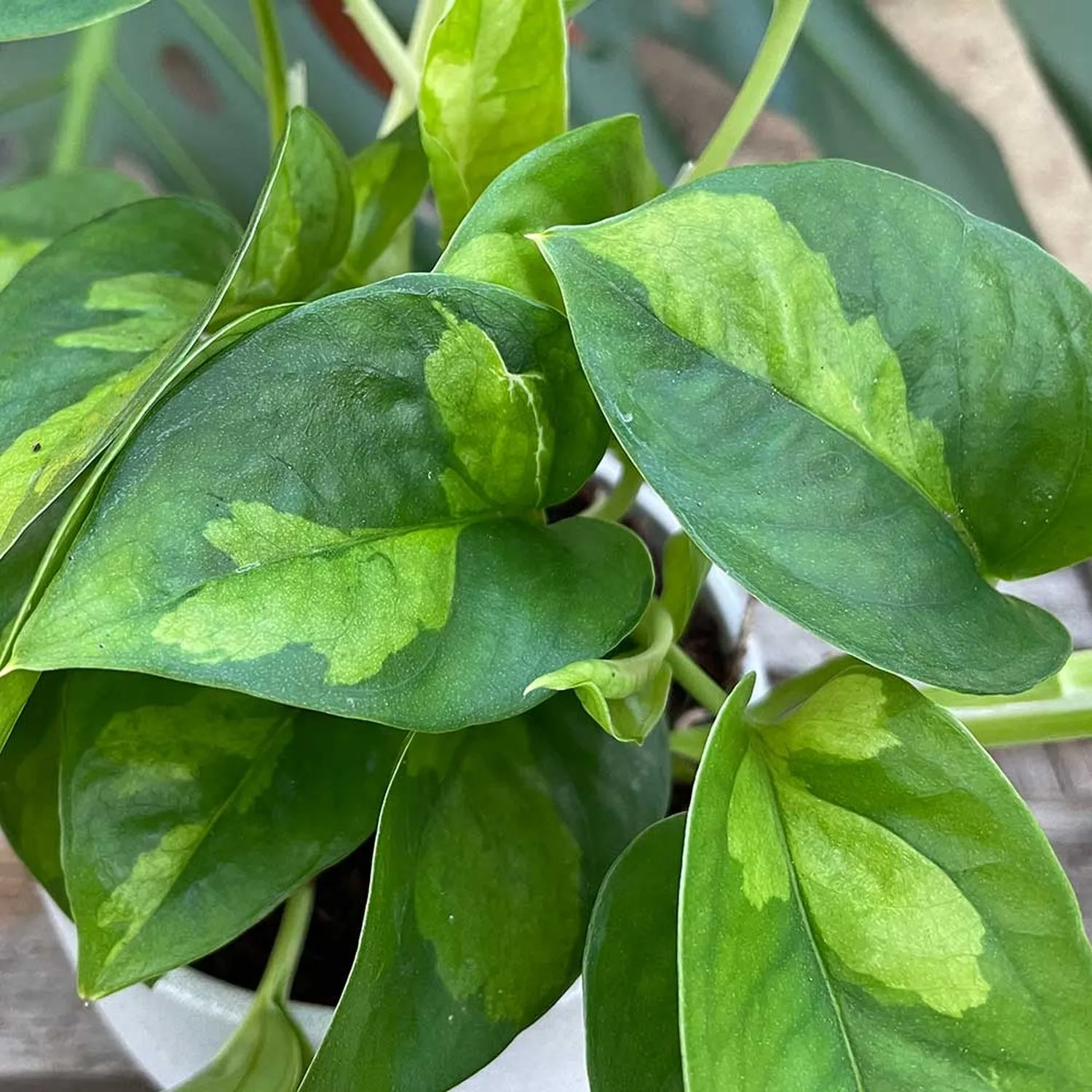
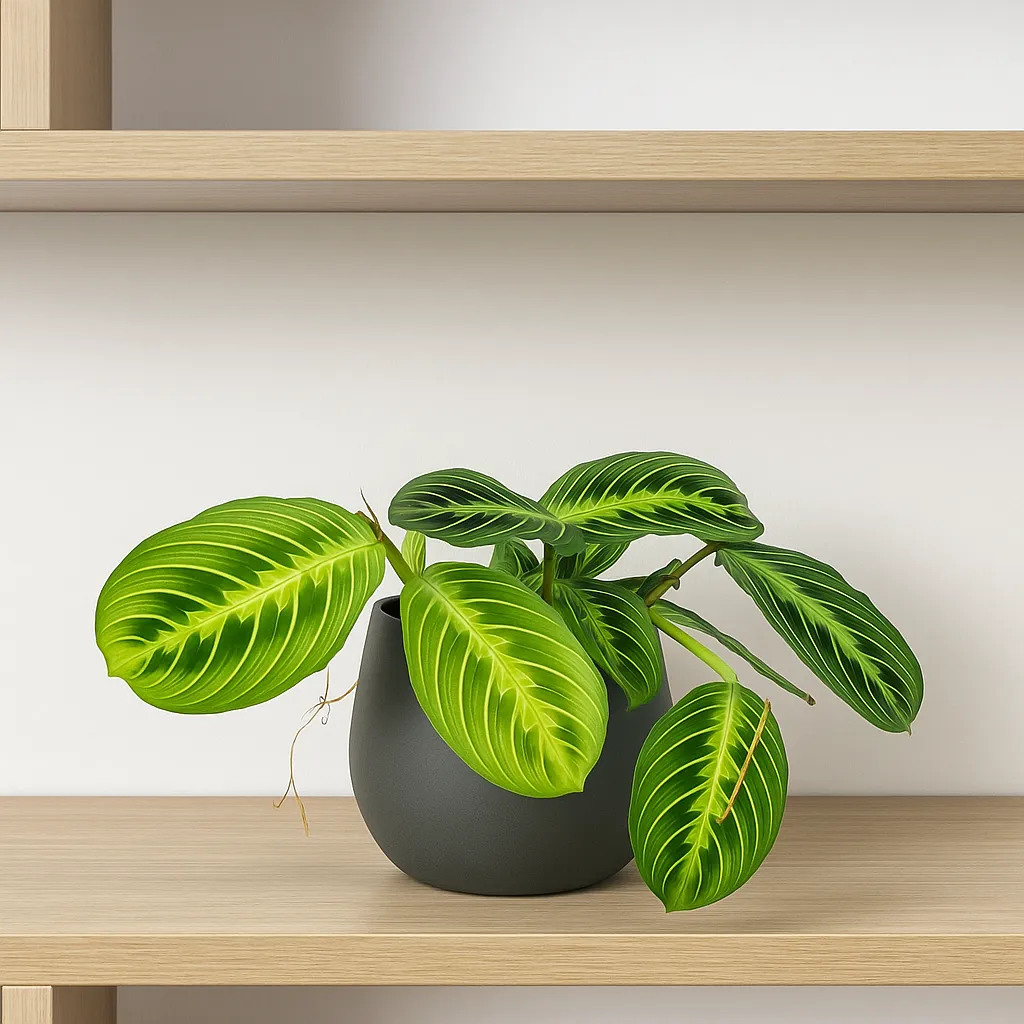
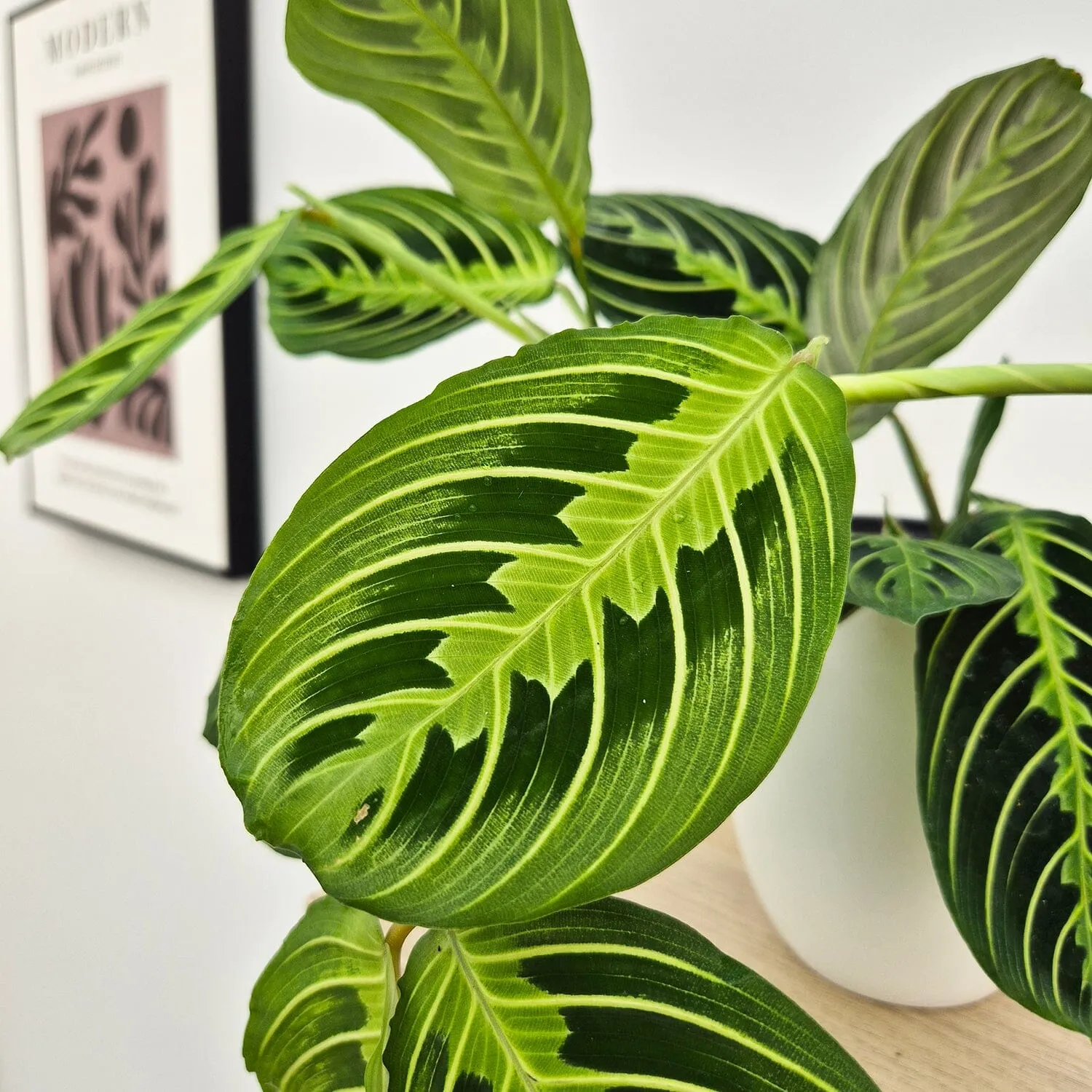
The oval leaves display a lush chartreuse-green base with bright lemon-yellow veining and lime highlights, creating an almost glowing effect under soft light. The undersides are a rich, contrasting shade of burgundy-purple, which becomes visible each evening as the leaves fold upward in their characteristic “prayer” motion — a natural response to changes in light known as nyctinasty. Compact and graceful, Maranta ‘Lemon Lime’ adds both vibrancy and movement to interior spaces, offering a perfect blend of tropical charm and modern freshness.
Luminous, interactive, and low-growing, this prayer plant is a living work of art that brings the rainforest’s serenity and rhythm into your home.
Maranta leuconeura ‘Lemon Lime’ – Care Guide
Light
Thrives in bright, indirect light. Too much direct sun can scorch the delicate leaves or fade their vibrant colouring, while too little light may reduce leaf markings and slow growth. East-facing windows or filtered natural light are ideal for this variety.
Watering
Keep the soil consistently moist but never soggy. Water when the top 2–3 cm of soil feels slightly dry to the touch, using filtered or rainwater whenever possible to prevent leaf spotting caused by mineral buildup. Avoid letting the plant dry out completely. In winter, reduce watering frequency while maintaining humidity.
Temperature and Humidity
-
Temperature: Prefers warmth between 20–28 °C; avoid temperatures below 16 °C.
-
Humidity: Requires high humidity (60–80%) for best results. Mist lightly, use a pebble tray, or run a humidifier to maintain consistent moisture in the air. Brown edges or curling leaves are signs of dry air.
Soil and Potting
Use a loose, moisture-retentive but well-draining mix, such as compost combined with perlite, coco coir, and a touch of orchid bark. This keeps the roots oxygenated while holding even moisture. Repot every 1–2 years in spring to refresh nutrients and encourage new growth.
Feeding
Feed every 4–6 weeks during the growing season with a diluted, balanced liquid fertiliser. Over-fertilising can cause leaf burn and weaken the roots. Suspend feeding in autumn and winter when growth slows.
Pruning and Maintenance
Trim older or yellowing leaves near the base to promote fresh, healthy growth. Wipe the leaves gently with a soft, damp cloth to remove dust and maintain their vibrant sheen. Rotate regularly for even growth and symmetrical leaf distribution.
Growth and Maturity
A slow to moderate grower, Maranta ‘Lemon Lime’ typically reaches 25–40 cm in height and spread. Over time, it forms a dense, spreading mat of foliage that looks beautiful trailing over pot edges or in shallow planters. Mature plants may occasionally produce small, delicate lavender-white flowers on slender stems.
Common Issues
-
Brown tips: Low humidity or hard water.
-
Yellow leaves: Overwatering or cold exposure.
-
Faded colour: Insufficient light.
-
Pests: Occasionally spider mites or thrips; maintain humidity and treat with neem oil if needed.
Background and Benefits
Native to the shaded understories of the Brazilian rainforest, Maranta leuconeura thrives in environments of high humidity and filtered light. The ‘Lemon Lime’ cultivar was bred for its bright, neon variegation and vibrant contrast, setting it apart from darker prayer plant varieties such as ‘Fascinator’ or ‘Kerchoveana’.
Beyond its ornamental appeal, it’s known for its diurnal movement, folding its leaves at night and reopening them in the morning — a subtle, meditative motion that brings a living rhythm to your space. Non-toxic and pet-safe, it’s also an excellent choice for households with animals or small children, contributing beauty, motion, and tranquillity without concern.
Quick Care Summary
Light: Bright, indirect light; avoid harsh direct sun
Water: Keep soil evenly moist; use filtered or rainwater
Temperature: 20–28 °C; avoid below 16 °C
Humidity: High (60–80%)
Soil: Moisture-retentive, well-draining mix – compost, perlite, coco coir, bark
Feed: Every 4–6 weeks in spring/summer
Growth: Low, spreading habit, 25–40 cm; chartreuse leaves with neon-yellow veins and purple undersides
⚠️ Toxicity note: Non-toxic to humans and pets, making it safe for all households.
Styling Tip
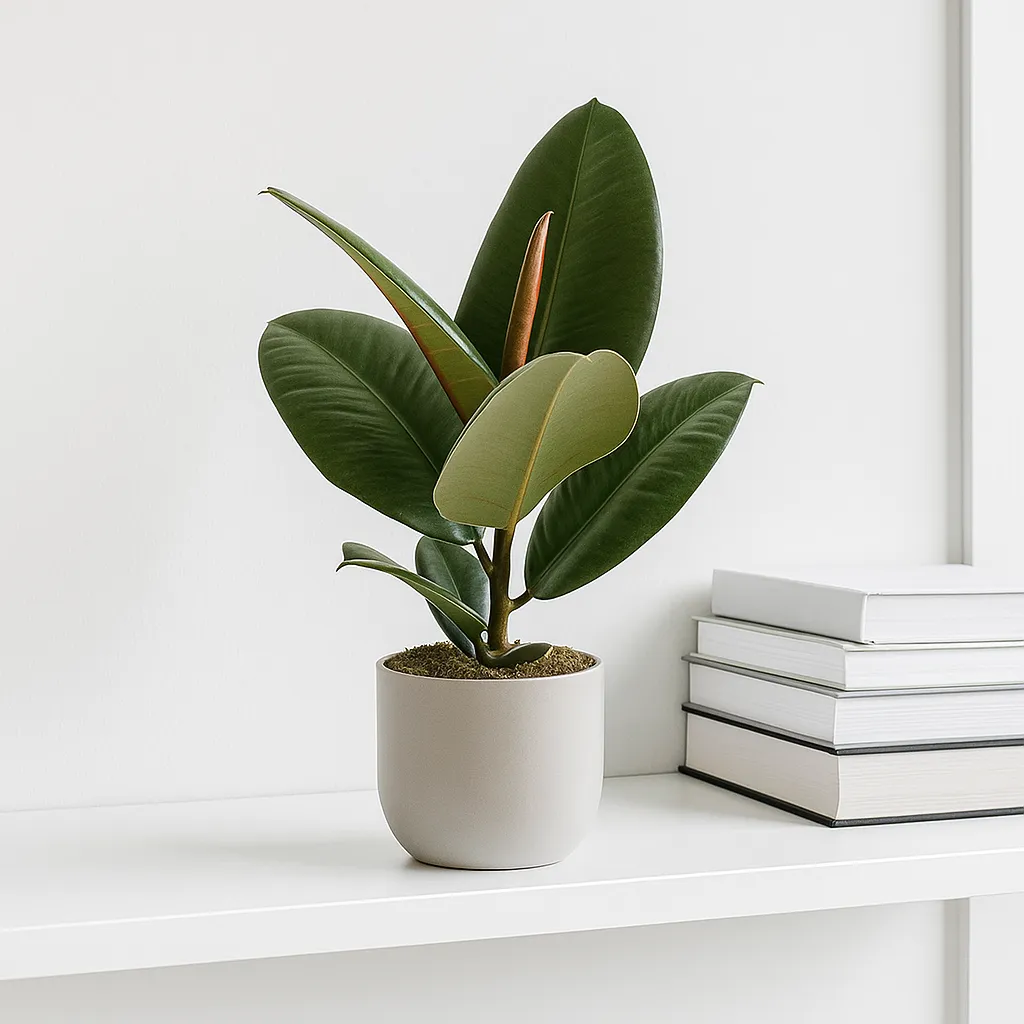
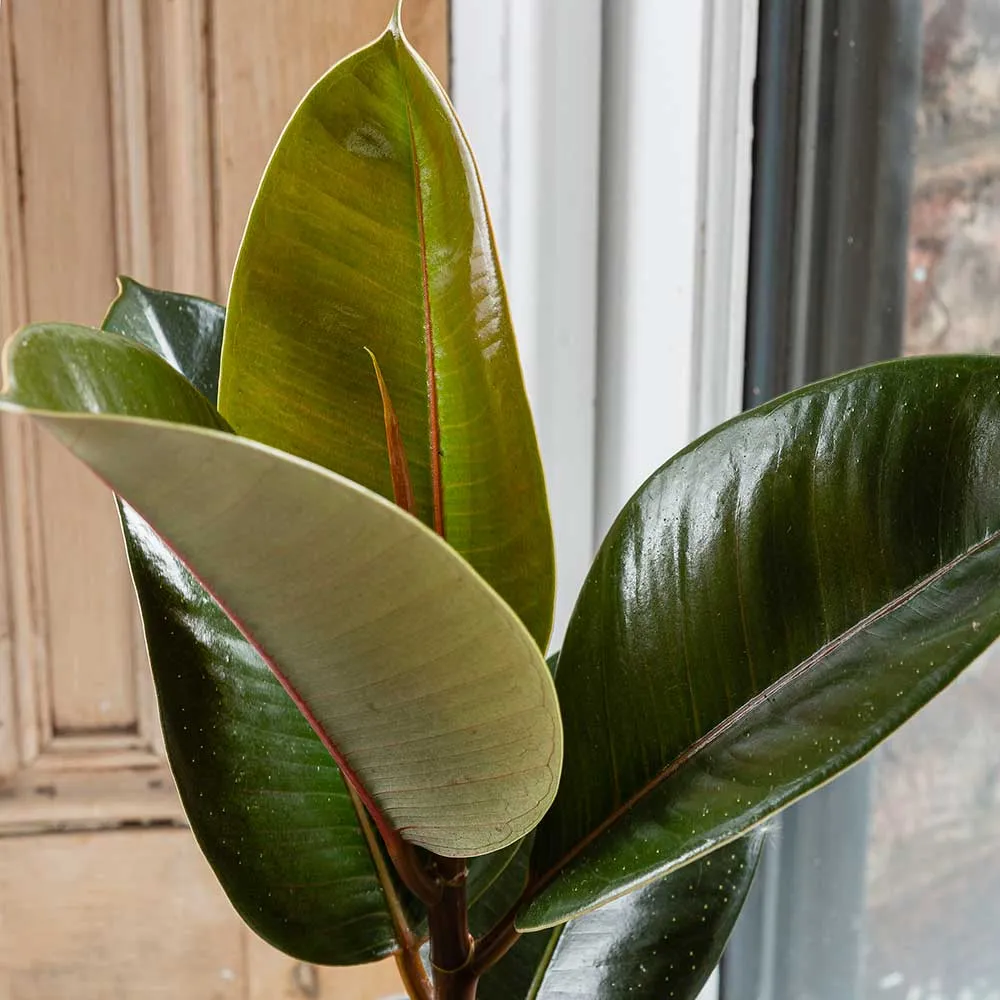
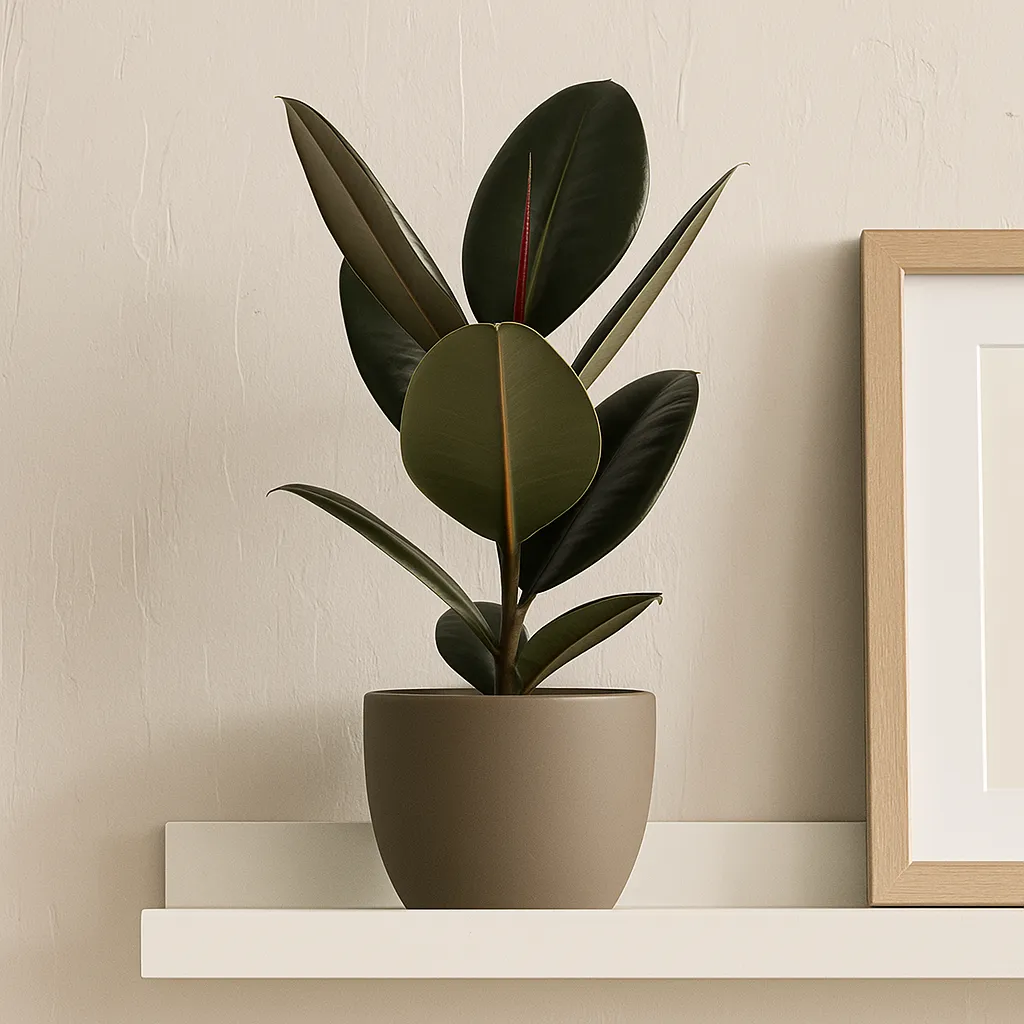
Display Maranta ‘Lemon Lime’ in a matte white, grey, or pastel ceramic planter to highlight its vivid foliage. It pairs beautifully with darker, glossy plants such as Philodendron ‘Birkin’ or Ficus elastica ‘Abidjan’, creating a dynamic balance of colour and texture. Perfect for desks, shelves, or plant clusters under grow lights, this radiant prayer plant adds energy, contrast, and movement — an instant refresh for any indoor jungle or curated tropical collection.
Original: $11.86
-70%$11.86
$3.56Product Information
Product Information
Shipping & Returns
Shipping & Returns
Description
Maranta leuconeura ‘Lemon Lime’ is a captivating tropical houseplant cherished for its vibrant neon-green veins, velvety texture, and rhythmic leaf movement. A member of the Marantaceae family and native to the tropical rainforests of Brazil, this variety is a modern favourite among collectors for its high-contrast foliage and dynamic character.
The oval leaves display a lush chartreuse-green base with bright lemon-yellow veining and lime highlights, creating an almost glowing effect under soft light. The undersides are a rich, contrasting shade of burgundy-purple, which becomes visible each evening as the leaves fold upward in their characteristic “prayer” motion — a natural response to changes in light known as nyctinasty. Compact and graceful, Maranta ‘Lemon Lime’ adds both vibrancy and movement to interior spaces, offering a perfect blend of tropical charm and modern freshness.
Luminous, interactive, and low-growing, this prayer plant is a living work of art that brings the rainforest’s serenity and rhythm into your home.
Maranta leuconeura ‘Lemon Lime’ – Care Guide
Light
Thrives in bright, indirect light. Too much direct sun can scorch the delicate leaves or fade their vibrant colouring, while too little light may reduce leaf markings and slow growth. East-facing windows or filtered natural light are ideal for this variety.
Watering
Keep the soil consistently moist but never soggy. Water when the top 2–3 cm of soil feels slightly dry to the touch, using filtered or rainwater whenever possible to prevent leaf spotting caused by mineral buildup. Avoid letting the plant dry out completely. In winter, reduce watering frequency while maintaining humidity.
Temperature and Humidity
-
Temperature: Prefers warmth between 20–28 °C; avoid temperatures below 16 °C.
-
Humidity: Requires high humidity (60–80%) for best results. Mist lightly, use a pebble tray, or run a humidifier to maintain consistent moisture in the air. Brown edges or curling leaves are signs of dry air.
Soil and Potting
Use a loose, moisture-retentive but well-draining mix, such as compost combined with perlite, coco coir, and a touch of orchid bark. This keeps the roots oxygenated while holding even moisture. Repot every 1–2 years in spring to refresh nutrients and encourage new growth.
Feeding
Feed every 4–6 weeks during the growing season with a diluted, balanced liquid fertiliser. Over-fertilising can cause leaf burn and weaken the roots. Suspend feeding in autumn and winter when growth slows.
Pruning and Maintenance
Trim older or yellowing leaves near the base to promote fresh, healthy growth. Wipe the leaves gently with a soft, damp cloth to remove dust and maintain their vibrant sheen. Rotate regularly for even growth and symmetrical leaf distribution.
Growth and Maturity
A slow to moderate grower, Maranta ‘Lemon Lime’ typically reaches 25–40 cm in height and spread. Over time, it forms a dense, spreading mat of foliage that looks beautiful trailing over pot edges or in shallow planters. Mature plants may occasionally produce small, delicate lavender-white flowers on slender stems.
Common Issues
-
Brown tips: Low humidity or hard water.
-
Yellow leaves: Overwatering or cold exposure.
-
Faded colour: Insufficient light.
-
Pests: Occasionally spider mites or thrips; maintain humidity and treat with neem oil if needed.
Background and Benefits
Native to the shaded understories of the Brazilian rainforest, Maranta leuconeura thrives in environments of high humidity and filtered light. The ‘Lemon Lime’ cultivar was bred for its bright, neon variegation and vibrant contrast, setting it apart from darker prayer plant varieties such as ‘Fascinator’ or ‘Kerchoveana’.
Beyond its ornamental appeal, it’s known for its diurnal movement, folding its leaves at night and reopening them in the morning — a subtle, meditative motion that brings a living rhythm to your space. Non-toxic and pet-safe, it’s also an excellent choice for households with animals or small children, contributing beauty, motion, and tranquillity without concern.
Quick Care Summary
Light: Bright, indirect light; avoid harsh direct sun
Water: Keep soil evenly moist; use filtered or rainwater
Temperature: 20–28 °C; avoid below 16 °C
Humidity: High (60–80%)
Soil: Moisture-retentive, well-draining mix – compost, perlite, coco coir, bark
Feed: Every 4–6 weeks in spring/summer
Growth: Low, spreading habit, 25–40 cm; chartreuse leaves with neon-yellow veins and purple undersides
⚠️ Toxicity note: Non-toxic to humans and pets, making it safe for all households.
Styling Tip
Display Maranta ‘Lemon Lime’ in a matte white, grey, or pastel ceramic planter to highlight its vivid foliage. It pairs beautifully with darker, glossy plants such as Philodendron ‘Birkin’ or Ficus elastica ‘Abidjan’, creating a dynamic balance of colour and texture. Perfect for desks, shelves, or plant clusters under grow lights, this radiant prayer plant adds energy, contrast, and movement — an instant refresh for any indoor jungle or curated tropical collection.