
Ficus Elastica Belize Rubber Plant House Plant
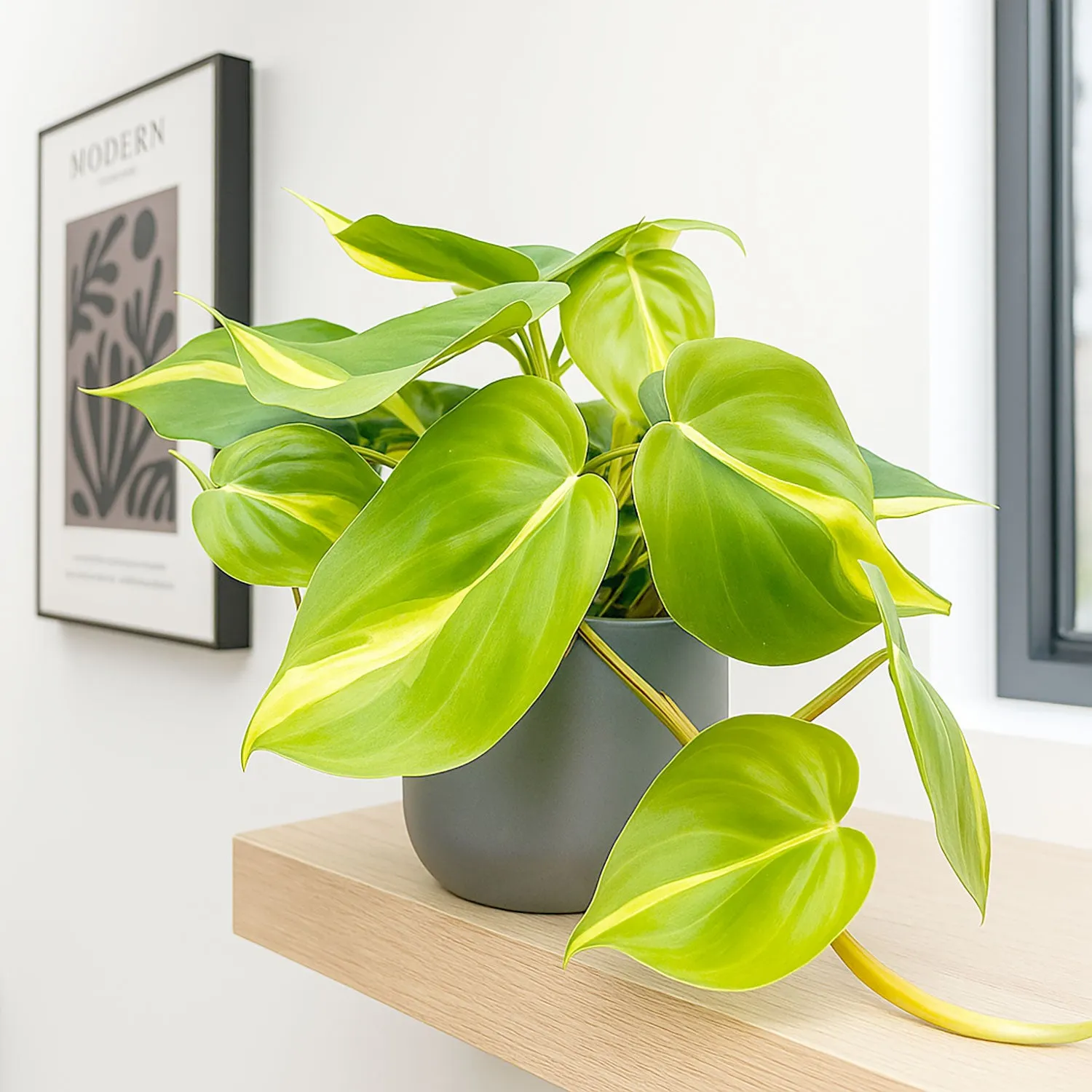
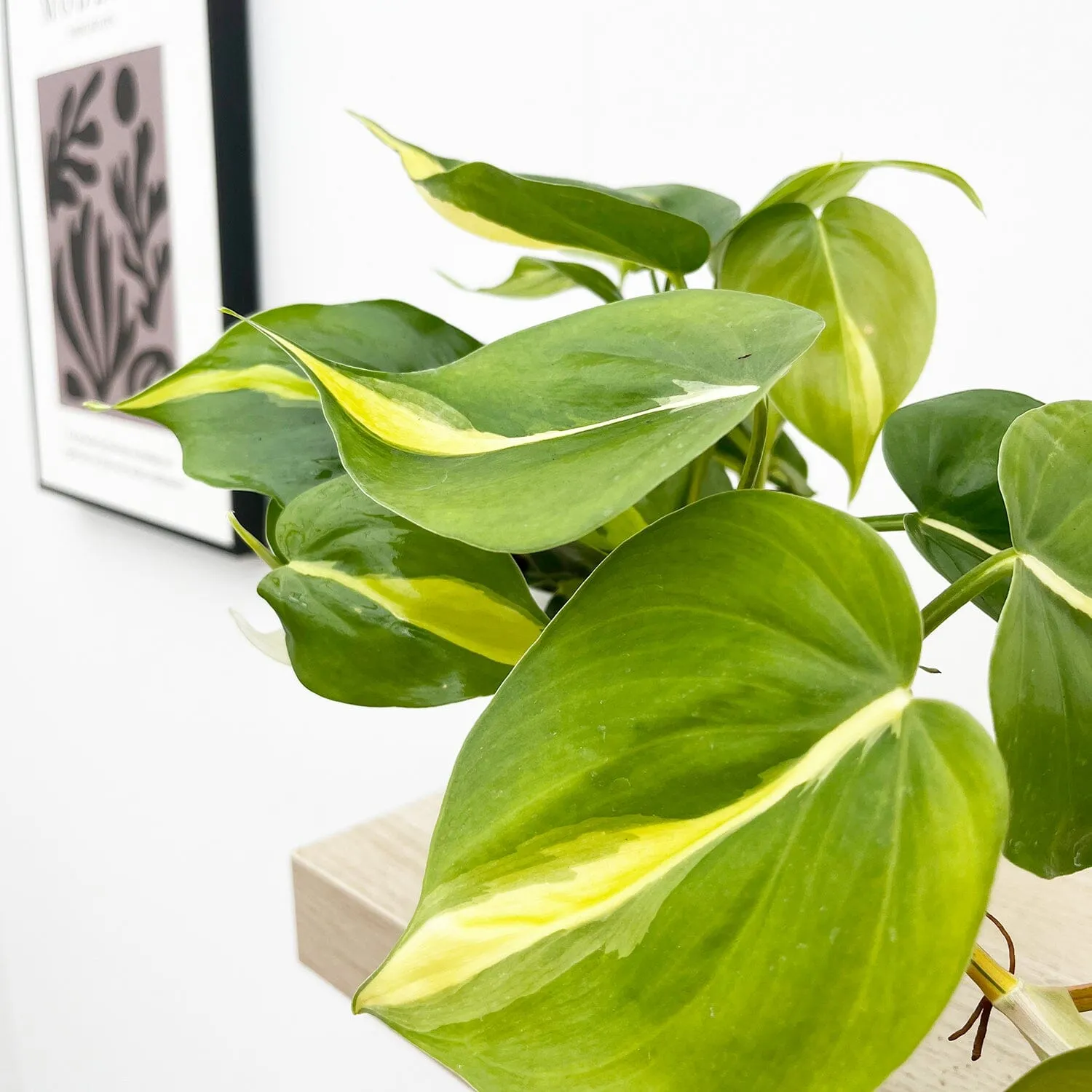
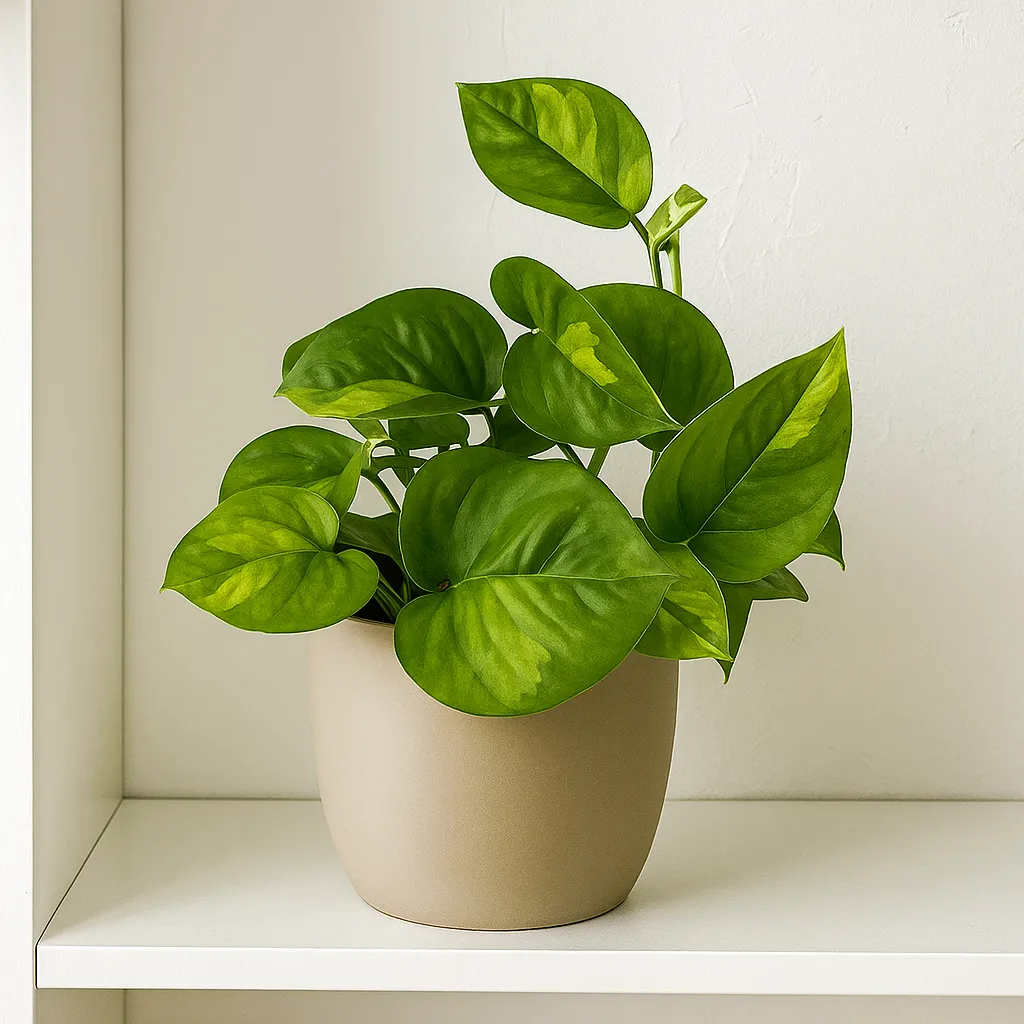
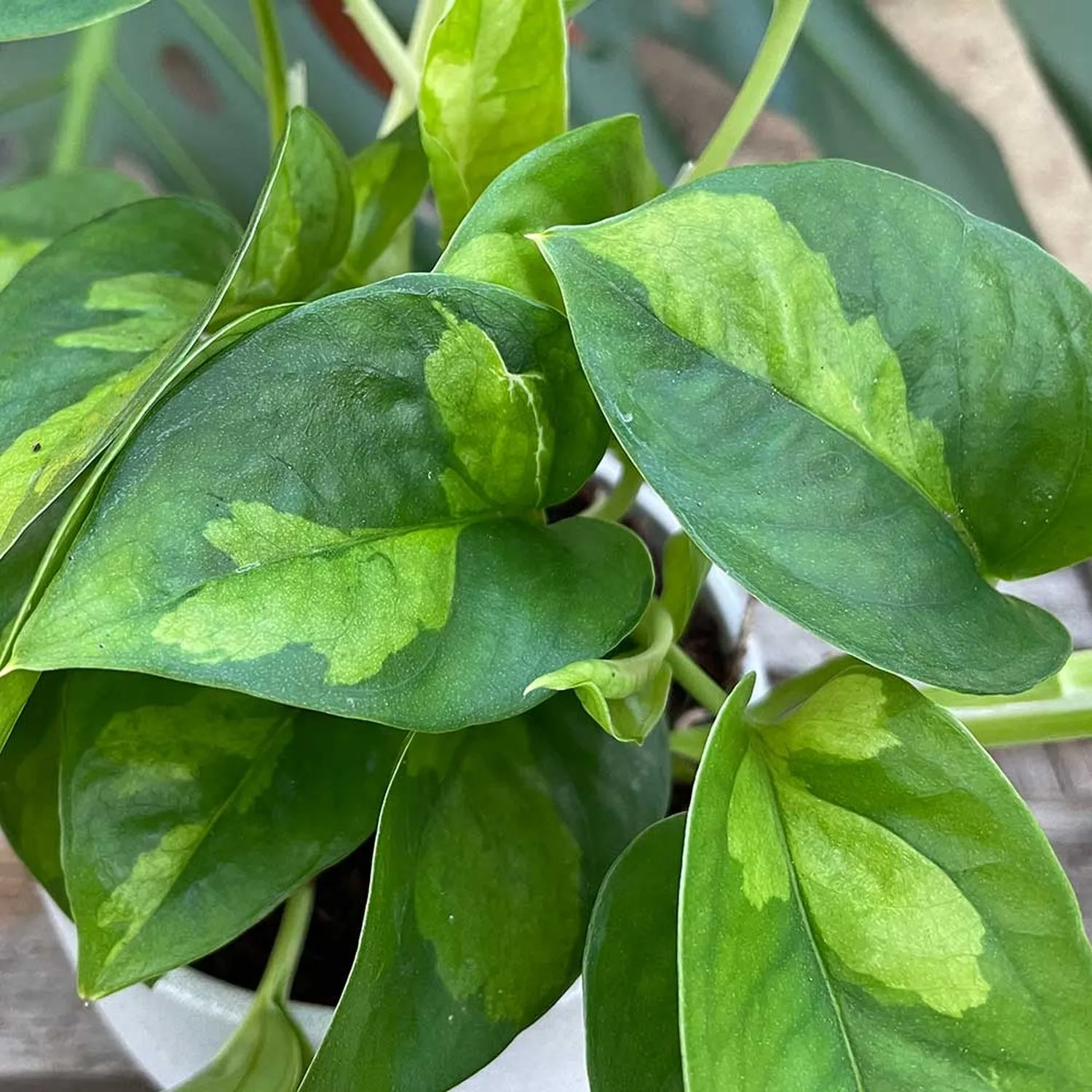
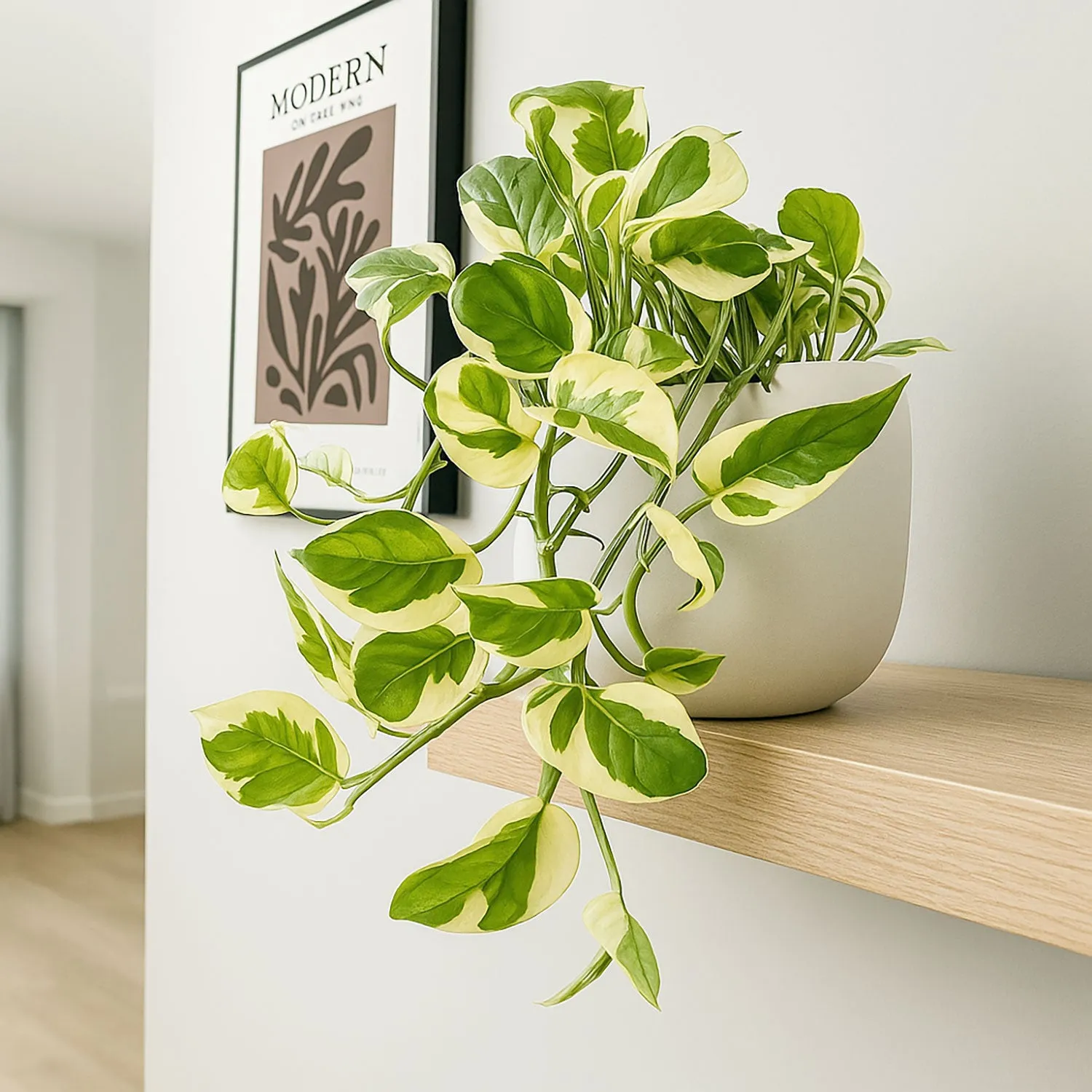
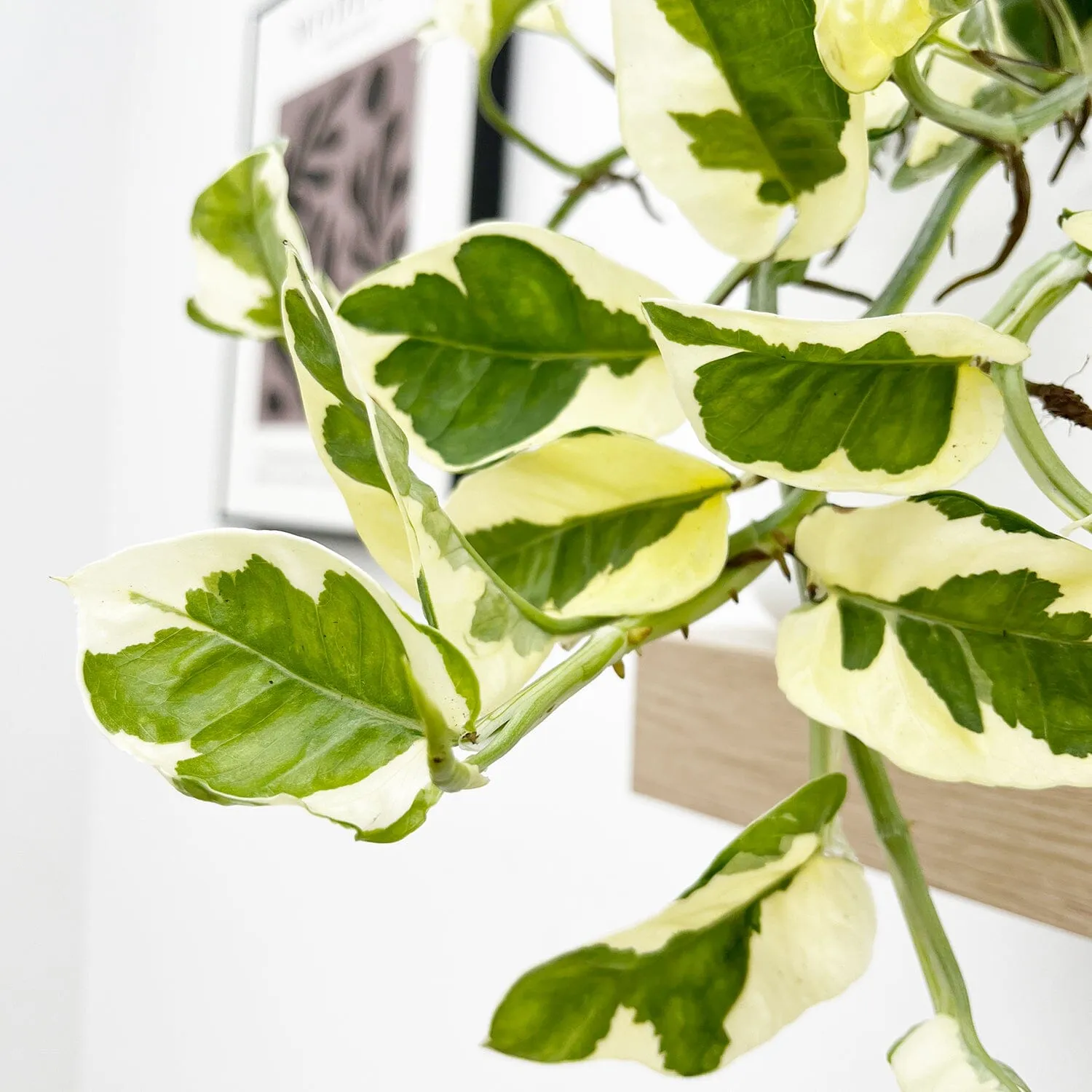
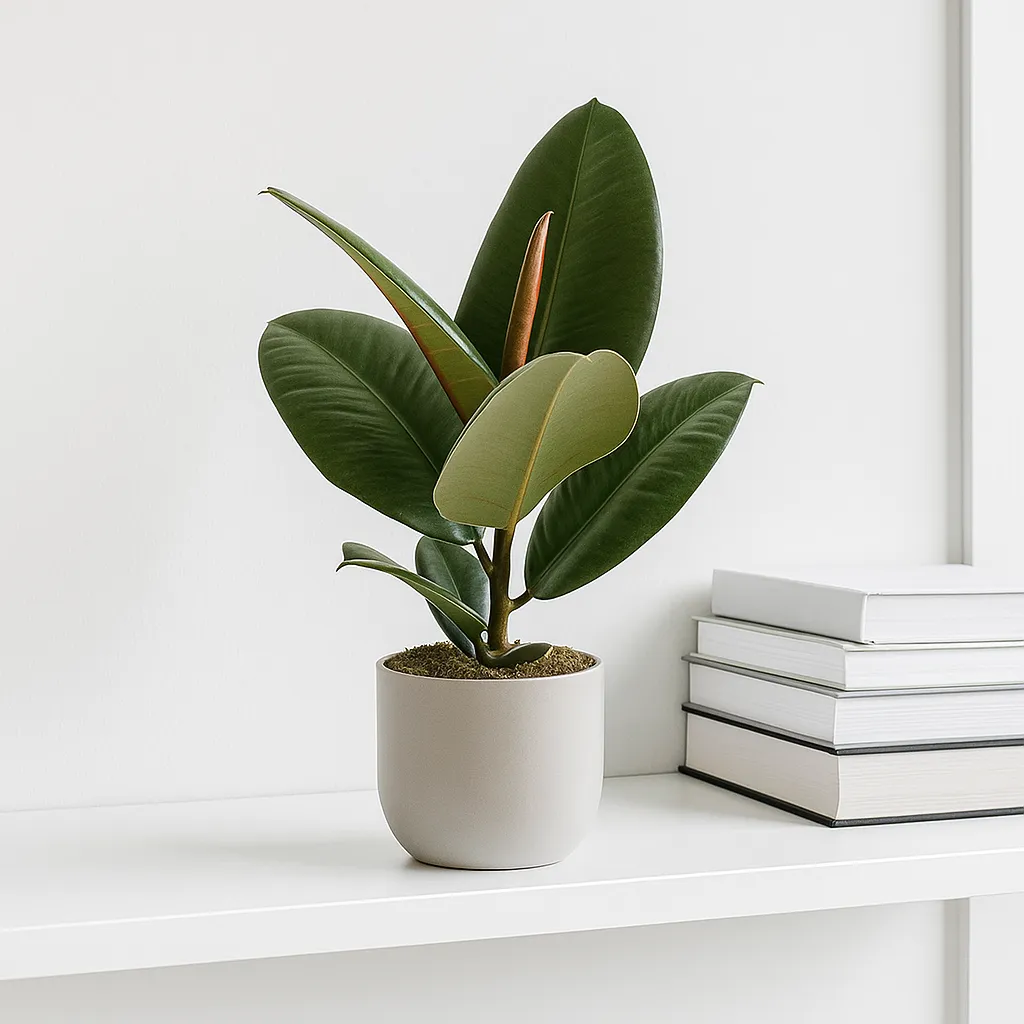
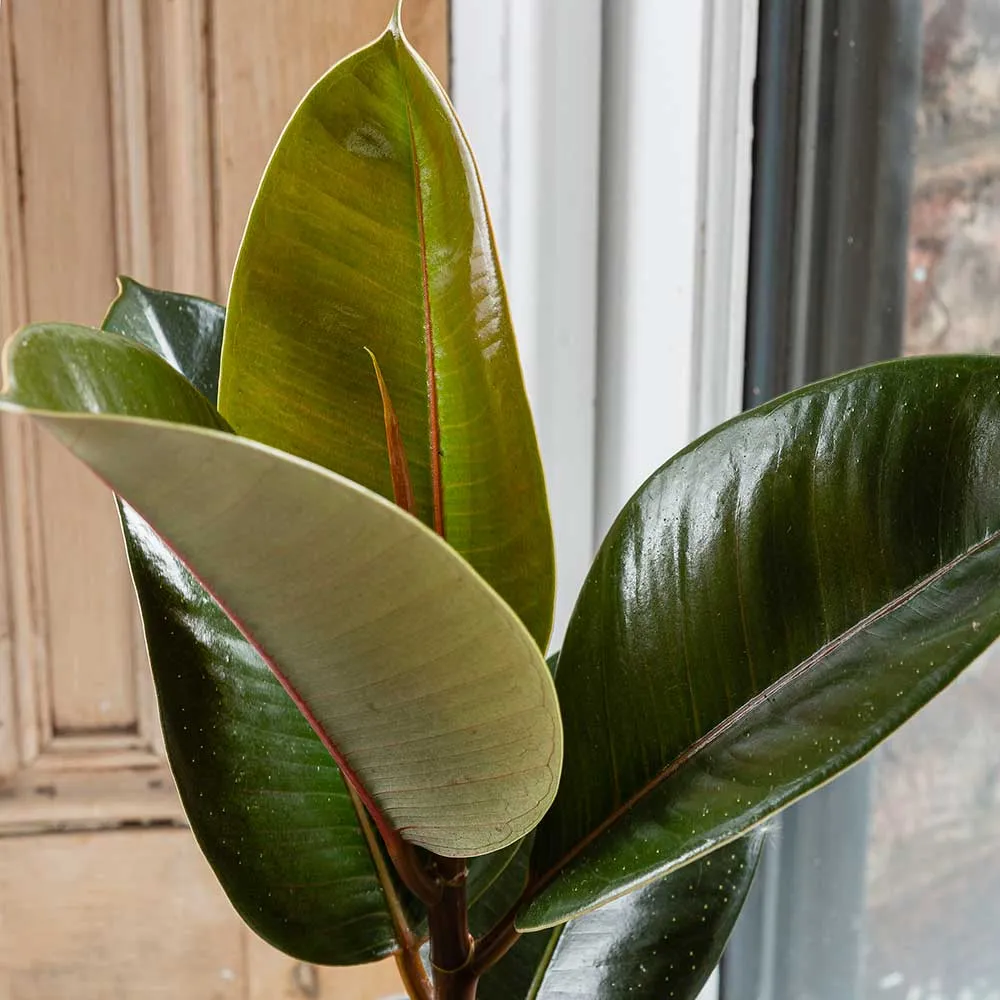
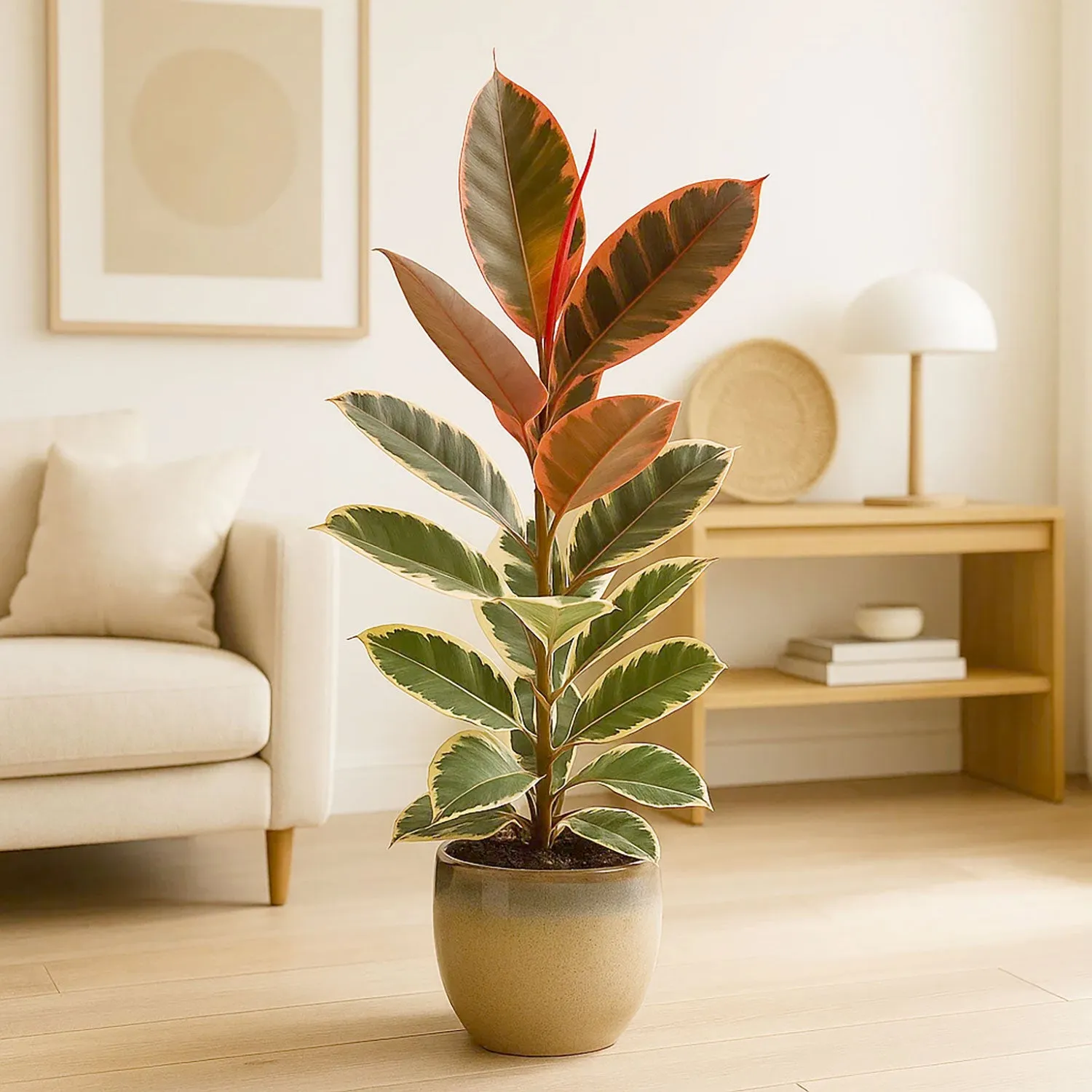
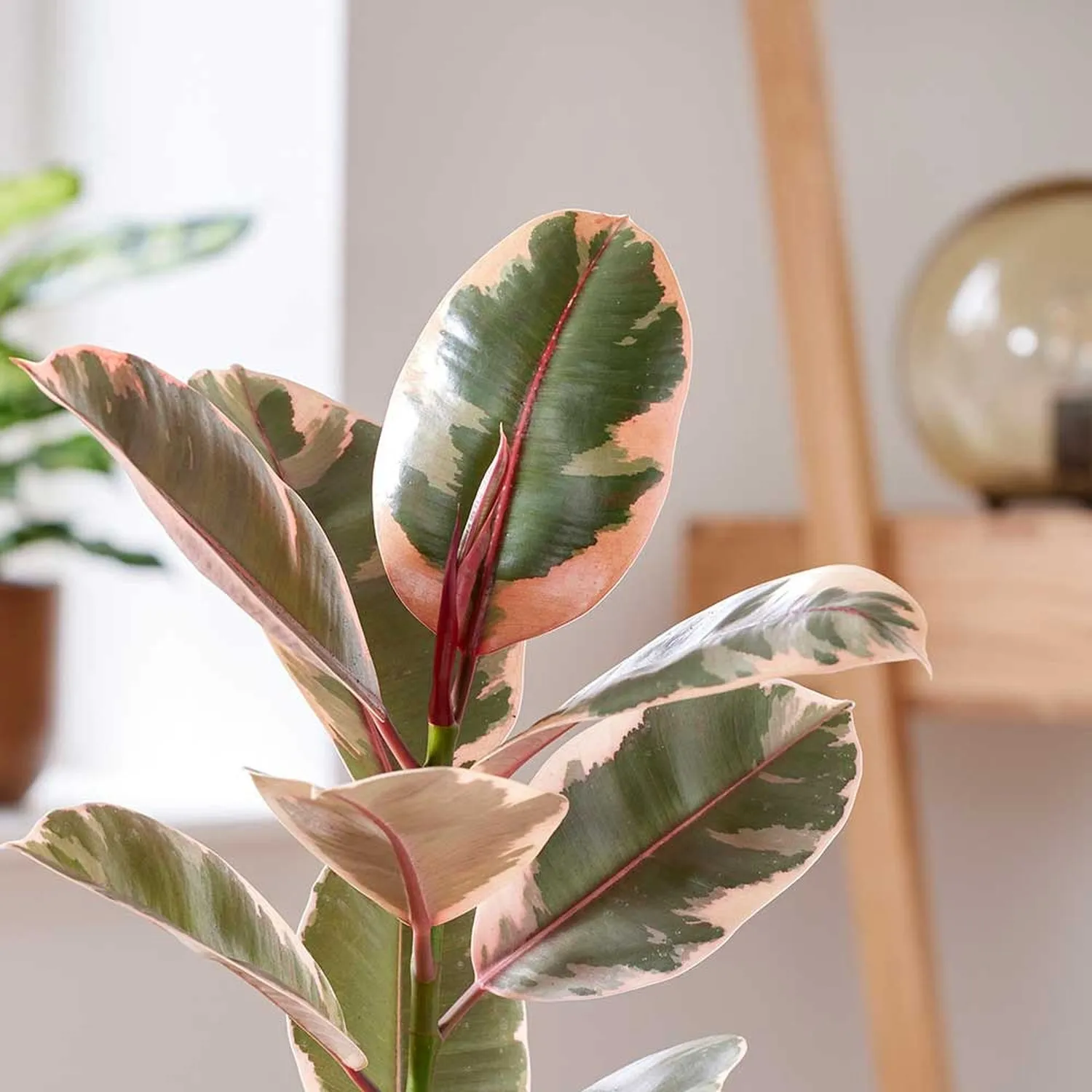
Ficus elastica ‘Belize’, commonly known as the Variegated Rubber Plant, is a stunning tropical houseplant admired for its rich tricolour foliage and strong architectural presence. A member of the Moraceae family and native to Southeast Asia, this cultivar of the classic Ficus elastica brings a vibrant, painterly twist to the well-loved Rubber Plant — combining elegance, colour, and resilience in one statement specimen.
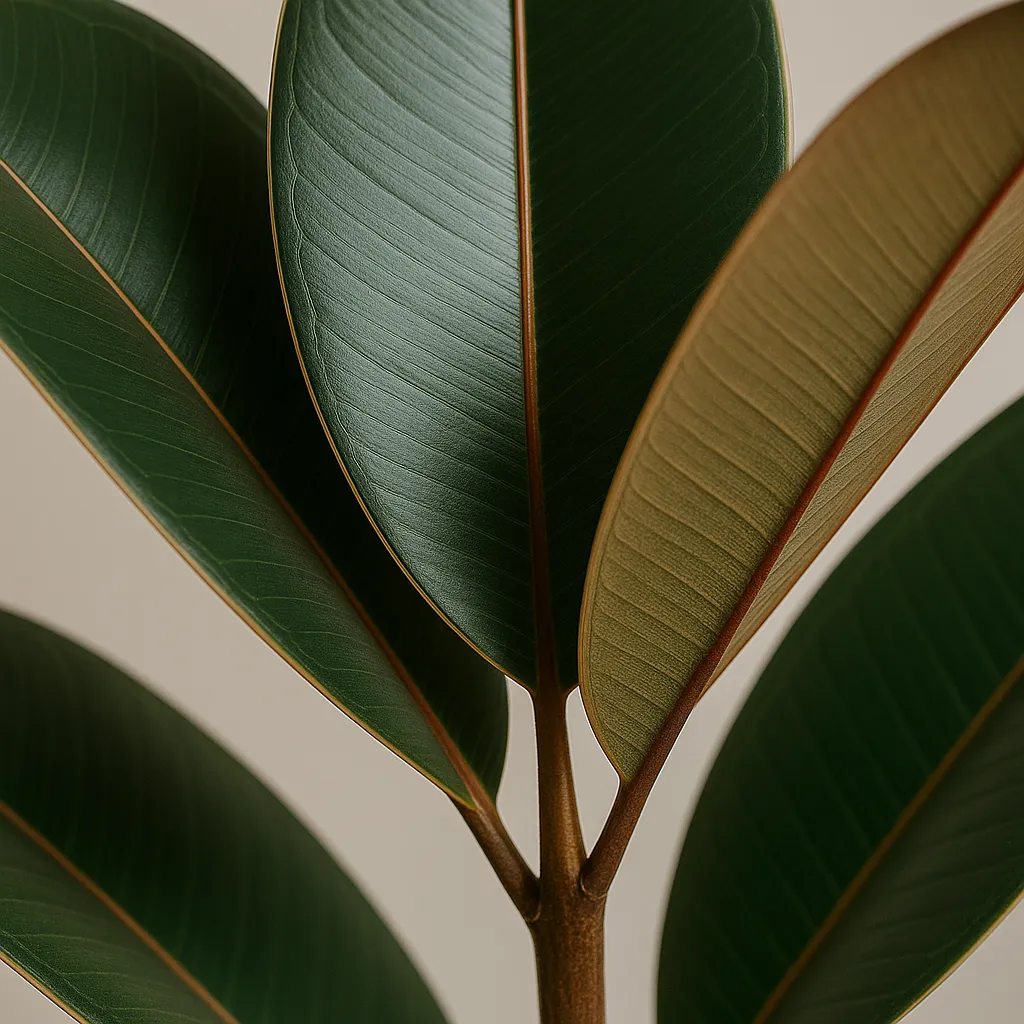
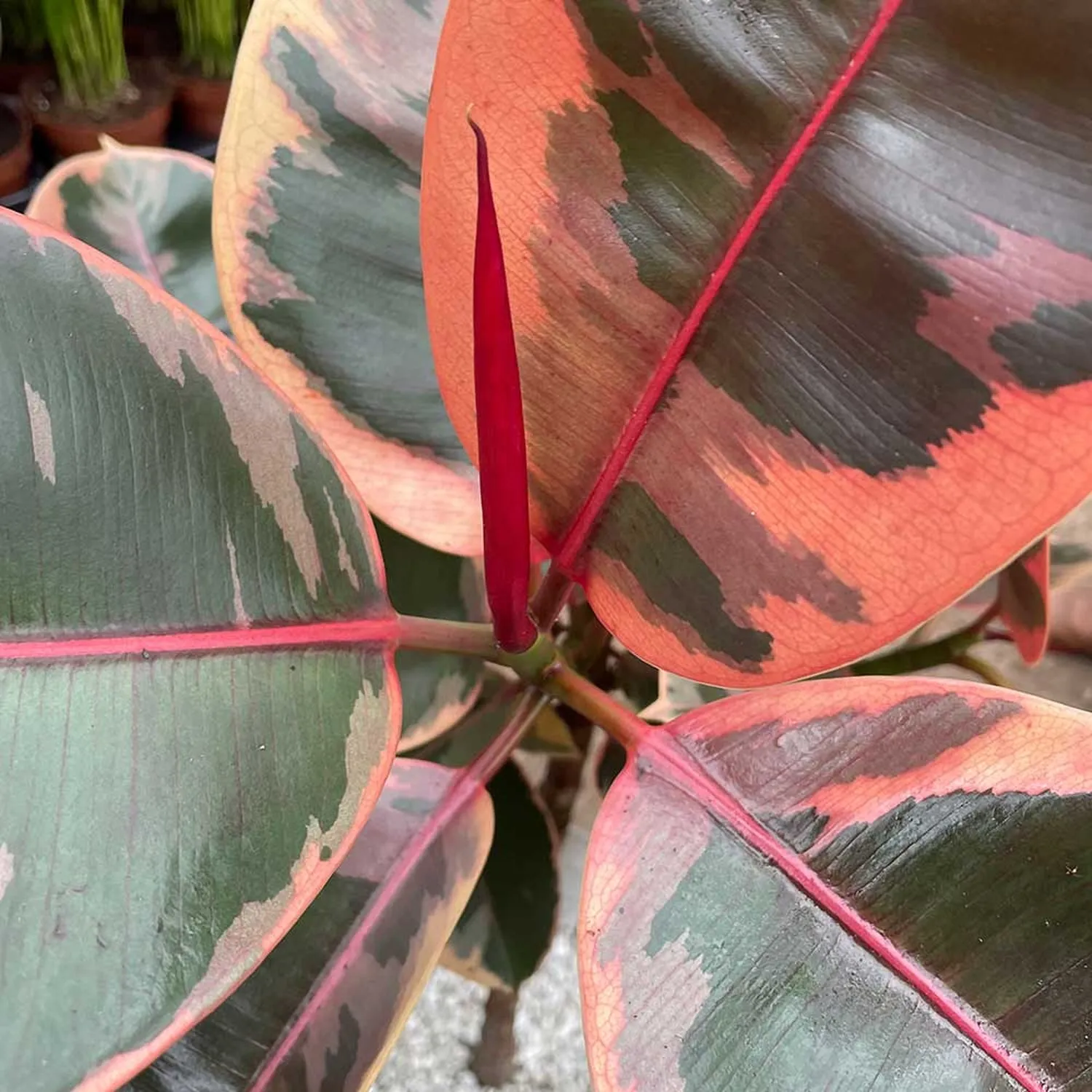
Each thick, glossy leaf displays a beautiful blend of creamy-white, deep green, and rosy-pink hues, often with subtle blush undertones that intensify in bright, indirect light. Its upright growth habit and bold, waxy leaves give Ficus ‘Belize’ a modern, sculptural appeal, making it a perfect centrepiece for contemporary interiors.
Easy to grow and visually captivating, Ficus elastica ‘Belize’ embodies tropical sophistication — a plant that radiates warmth, confidence, and effortless style.
Ficus elastica ‘Belize’ – Care Guide
Light
Thrives in bright, indirect light. A few hours of gentle morning or late afternoon sun will help maintain strong variegation and rich pink tones. Avoid harsh midday sunlight, which can scorch the lighter areas of the leaves. In low light, growth may slow and colours can fade.
Watering
Water when the top 3–5 cm of soil feels dry. Keep the soil evenly moist during spring and summer, but never waterlogged. In winter, reduce watering frequency and allow the soil to dry a little more between waterings. Always ensure the pot has good drainage — Ficus ‘Belize’ dislikes sitting in standing water.
Temperature and Humidity
Temperature: Prefers warmth between 18–28 °C. Protect from cold drafts and avoid temperatures below 15 °C.
Humidity: Average indoor humidity is sufficient, though moderate humidity (50–70%) will help maintain glossy foliage. Mist occasionally or wipe the leaves with a damp cloth to remove dust and boost moisture.
Soil and Potting
Use a rich, well-draining potting mix — compost combined with perlite and a little bark or sand works well. Repot every 2–3 years in spring to refresh the soil and encourage healthy root growth. Choose a sturdy pot to support the upright structure of the plant.
Feeding
Feed every 4–6 weeks during the growing season (spring and summer) with a diluted, balanced liquid fertiliser. Avoid over-fertilising, which can cause leaf burn. Stop feeding during autumn and winter when growth naturally slows.
Pruning and Maintenance
Prune in spring or summer to shape the plant and encourage branching. Remove any yellowing or damaged leaves at the base. Wipe the leaves regularly to restore their shine and highlight the variegation. Rotate occasionally to maintain even light exposure and symmetrical growth.
Growth and Maturity
A moderate to fast grower indoors, Ficus elastica ‘Belize’ can reach 1.5–2.5 metres in height over several years. It develops a strong central stem and broad, vibrant foliage that becomes more dramatic with age.
Common Issues
-
Yellowing leaves: Overwatering or poor drainage.
-
Faded colour: Insufficient light.
-
Leaf drop: Sudden environmental changes, drafts, or relocation.
-
Pests: Occasionally affected by scale or spider mites — treat promptly with neem oil or insecticidal soap.
Background and Benefits
A variegated cultivar of Ficus elastica, the ‘Belize’ variety originates from tropical regions of Asia, where it grows as a large canopy tree. Its popularity as a houseplant stems from its exceptional resilience, air-purifying properties, and decorative appeal.
Beyond its striking looks, it’s known for removing airborne toxins such as formaldehyde and improving indoor air quality. Symbolically, Ficus species represent strength, balance, and prosperity — fitting qualities for a plant that brings both colour and calm to the home.
Quick Care Summary
-
Light: Bright, indirect light; avoid harsh sun
-
Water: Keep soil lightly moist; allow top 3–5 cm to dry
-
Temperature: 18–28 °C; avoid below 15 °C
-
Humidity: Average to moderate (50–70%)
-
Soil: Rich, well-draining mix – compost, perlite, bark
-
Feed: Every 4–6 weeks in spring/summer
-
Growth: 1.5–2.5 m tall; pink, cream, and green variegated leaves
⚠️ Toxicity note: Mildly toxic to pets and humans if ingested; sap may cause mild skin irritation.
Styling Tip
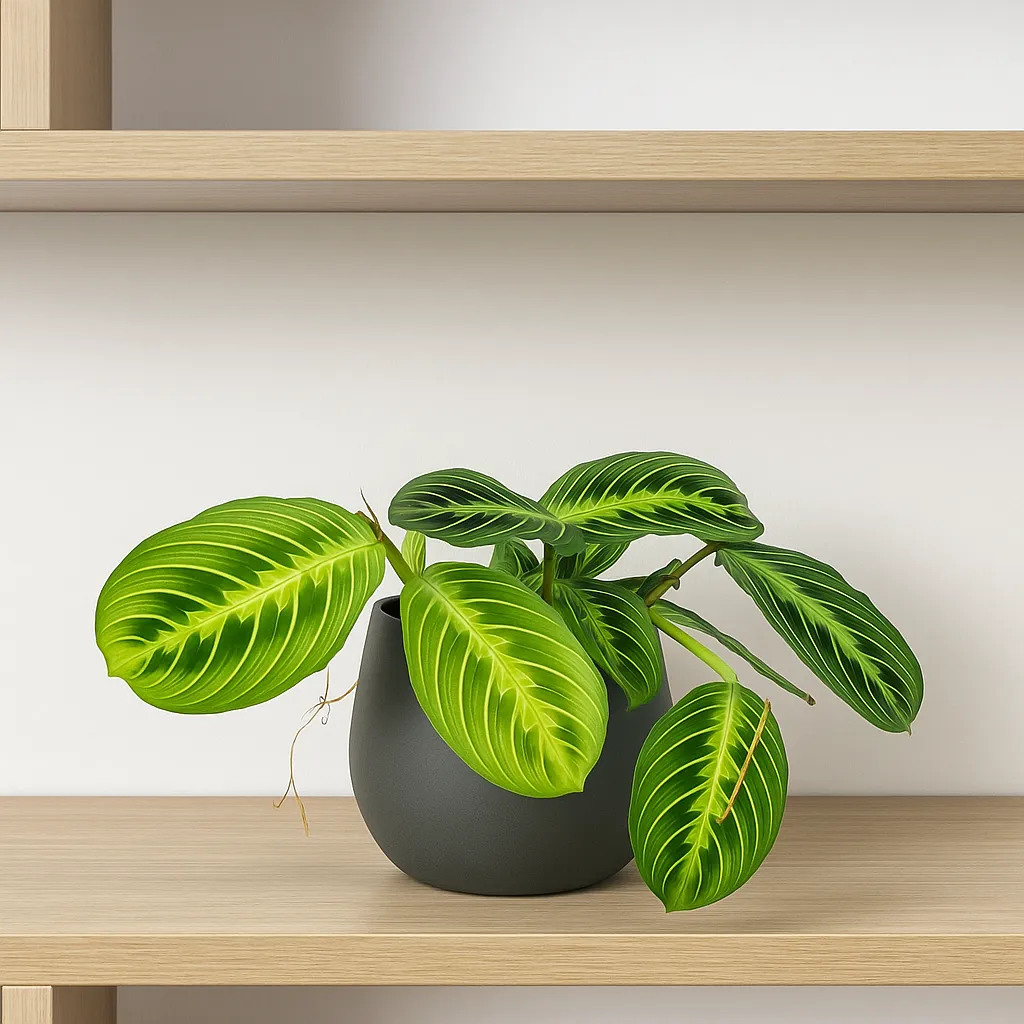
Display Ficus elastica ‘Belize’ as a statement floor plant in a bright living room, hallway, or office. Its pink, cream, and green variegation pairs beautifully with neutral décor or dark woods for a sophisticated contrast. For a curated tropical aesthetic, group with companions such as Philodendron ‘Imperial Red’, Calathea orbifolia, or Ficus altissima. Use a matte white or terracotta planter to make the foliage colours pop — a living work of art that transforms any interior with warmth and elegance.
Product Information
Product Information
Shipping & Returns
Shipping & Returns
Description
Ficus elastica ‘Belize’, commonly known as the Variegated Rubber Plant, is a stunning tropical houseplant admired for its rich tricolour foliage and strong architectural presence. A member of the Moraceae family and native to Southeast Asia, this cultivar of the classic Ficus elastica brings a vibrant, painterly twist to the well-loved Rubber Plant — combining elegance, colour, and resilience in one statement specimen.
Each thick, glossy leaf displays a beautiful blend of creamy-white, deep green, and rosy-pink hues, often with subtle blush undertones that intensify in bright, indirect light. Its upright growth habit and bold, waxy leaves give Ficus ‘Belize’ a modern, sculptural appeal, making it a perfect centrepiece for contemporary interiors.
Easy to grow and visually captivating, Ficus elastica ‘Belize’ embodies tropical sophistication — a plant that radiates warmth, confidence, and effortless style.
Ficus elastica ‘Belize’ – Care Guide
Light
Thrives in bright, indirect light. A few hours of gentle morning or late afternoon sun will help maintain strong variegation and rich pink tones. Avoid harsh midday sunlight, which can scorch the lighter areas of the leaves. In low light, growth may slow and colours can fade.
Watering
Water when the top 3–5 cm of soil feels dry. Keep the soil evenly moist during spring and summer, but never waterlogged. In winter, reduce watering frequency and allow the soil to dry a little more between waterings. Always ensure the pot has good drainage — Ficus ‘Belize’ dislikes sitting in standing water.
Temperature and Humidity
Temperature: Prefers warmth between 18–28 °C. Protect from cold drafts and avoid temperatures below 15 °C.
Humidity: Average indoor humidity is sufficient, though moderate humidity (50–70%) will help maintain glossy foliage. Mist occasionally or wipe the leaves with a damp cloth to remove dust and boost moisture.
Soil and Potting
Use a rich, well-draining potting mix — compost combined with perlite and a little bark or sand works well. Repot every 2–3 years in spring to refresh the soil and encourage healthy root growth. Choose a sturdy pot to support the upright structure of the plant.
Feeding
Feed every 4–6 weeks during the growing season (spring and summer) with a diluted, balanced liquid fertiliser. Avoid over-fertilising, which can cause leaf burn. Stop feeding during autumn and winter when growth naturally slows.
Pruning and Maintenance
Prune in spring or summer to shape the plant and encourage branching. Remove any yellowing or damaged leaves at the base. Wipe the leaves regularly to restore their shine and highlight the variegation. Rotate occasionally to maintain even light exposure and symmetrical growth.
Growth and Maturity
A moderate to fast grower indoors, Ficus elastica ‘Belize’ can reach 1.5–2.5 metres in height over several years. It develops a strong central stem and broad, vibrant foliage that becomes more dramatic with age.
Common Issues
-
Yellowing leaves: Overwatering or poor drainage.
-
Faded colour: Insufficient light.
-
Leaf drop: Sudden environmental changes, drafts, or relocation.
-
Pests: Occasionally affected by scale or spider mites — treat promptly with neem oil or insecticidal soap.
Background and Benefits
A variegated cultivar of Ficus elastica, the ‘Belize’ variety originates from tropical regions of Asia, where it grows as a large canopy tree. Its popularity as a houseplant stems from its exceptional resilience, air-purifying properties, and decorative appeal.
Beyond its striking looks, it’s known for removing airborne toxins such as formaldehyde and improving indoor air quality. Symbolically, Ficus species represent strength, balance, and prosperity — fitting qualities for a plant that brings both colour and calm to the home.
Quick Care Summary
-
Light: Bright, indirect light; avoid harsh sun
-
Water: Keep soil lightly moist; allow top 3–5 cm to dry
-
Temperature: 18–28 °C; avoid below 15 °C
-
Humidity: Average to moderate (50–70%)
-
Soil: Rich, well-draining mix – compost, perlite, bark
-
Feed: Every 4–6 weeks in spring/summer
-
Growth: 1.5–2.5 m tall; pink, cream, and green variegated leaves
⚠️ Toxicity note: Mildly toxic to pets and humans if ingested; sap may cause mild skin irritation.
Styling Tip
Display Ficus elastica ‘Belize’ as a statement floor plant in a bright living room, hallway, or office. Its pink, cream, and green variegation pairs beautifully with neutral décor or dark woods for a sophisticated contrast. For a curated tropical aesthetic, group with companions such as Philodendron ‘Imperial Red’, Calathea orbifolia, or Ficus altissima. Use a matte white or terracotta planter to make the foliage colours pop — a living work of art that transforms any interior with warmth and elegance.