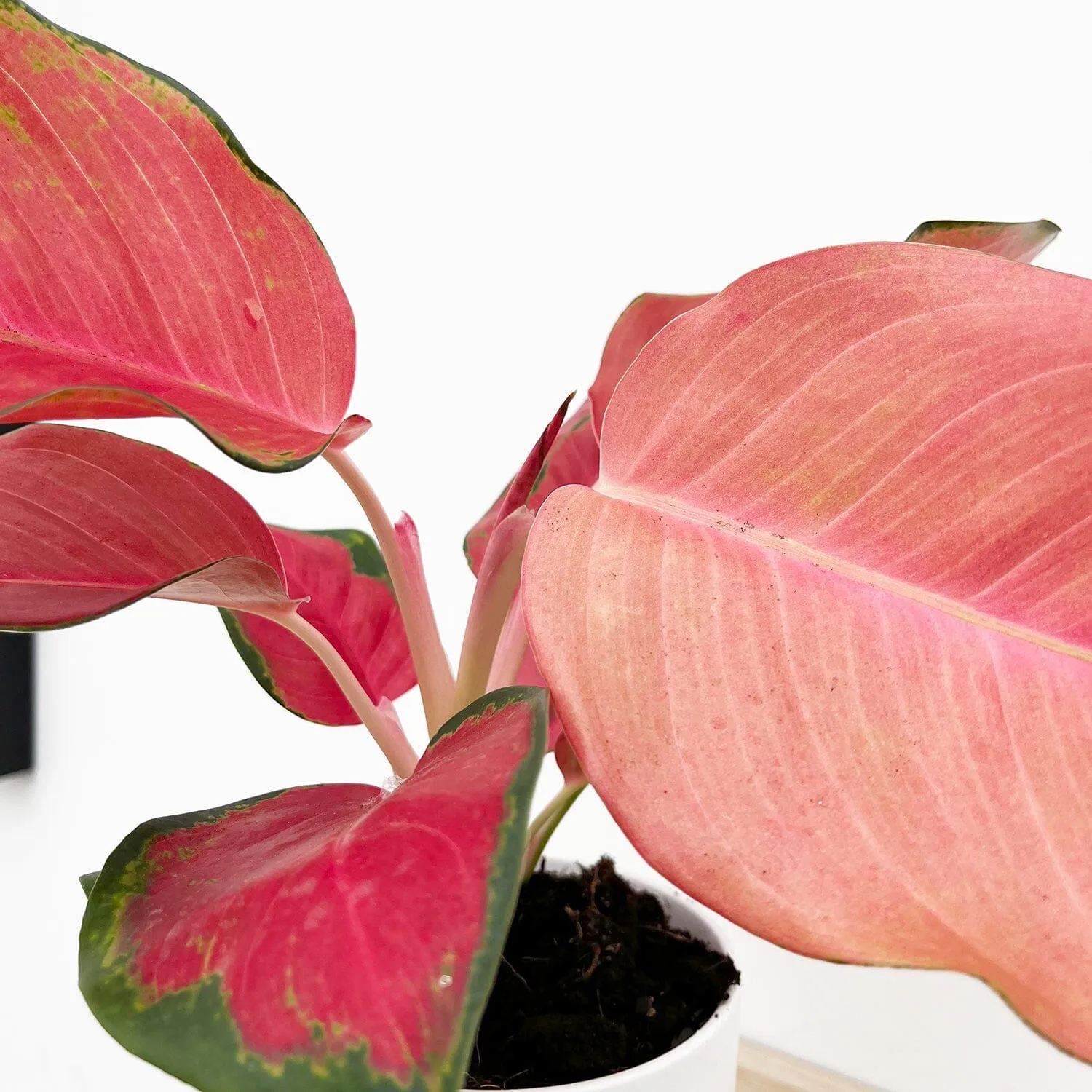
20 - 35cm Aglaonema Orange Star Chinese Evergreen 12cm Pot House Plant
Aglaonema ‘Orange Star’ is a dazzling tropical houseplant admired for its glowing, sunset-toned foliage and effortless elegance. A member of the Araceae family and native to the humid rainforests of Southeast Asia, this cultivar is part of the ever-popular Chinese Evergreen group — celebrated for its resilience, beauty, and adaptability to indoor life.
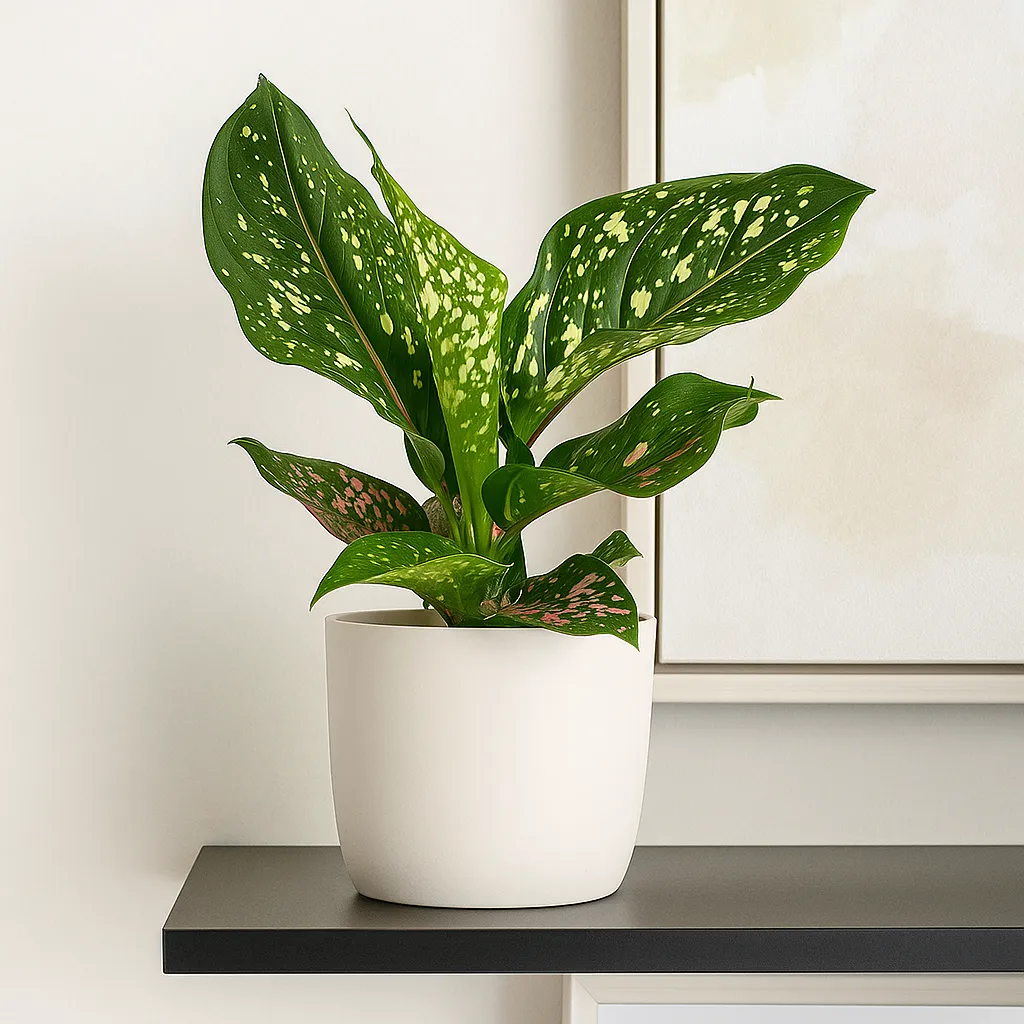
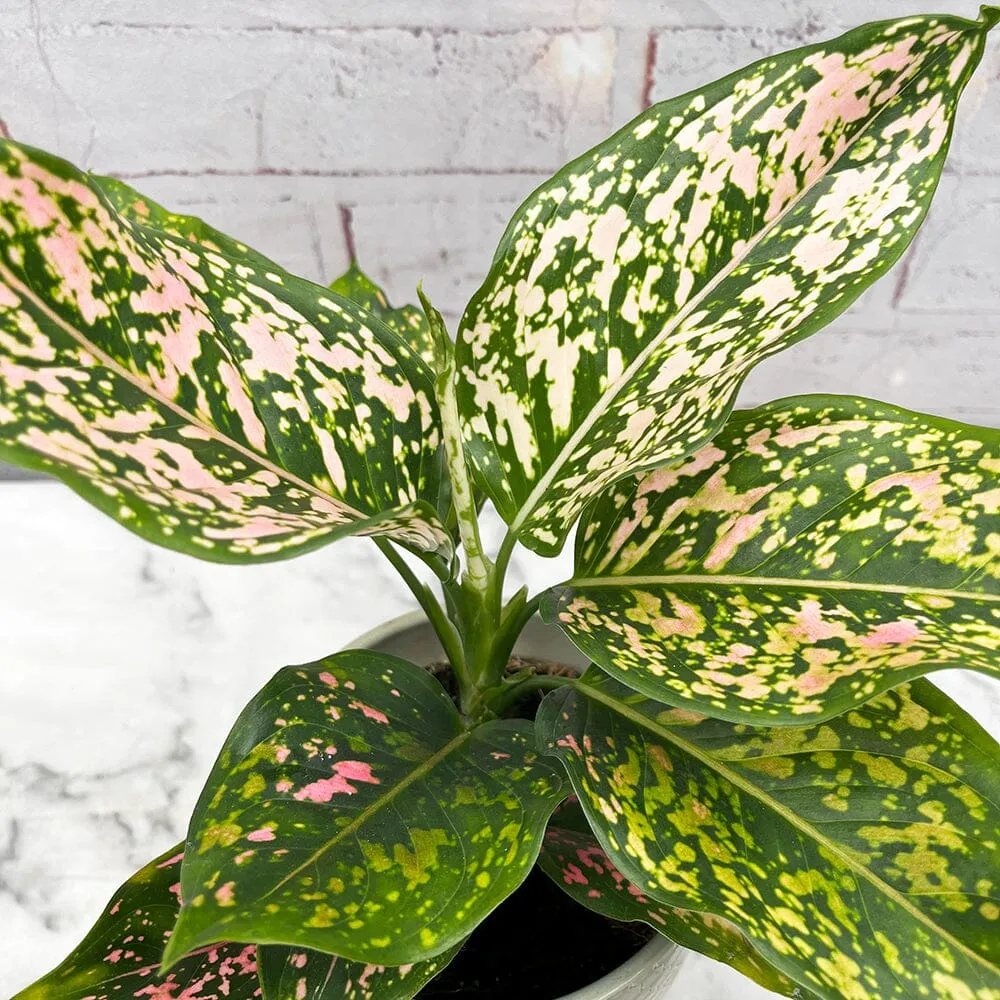
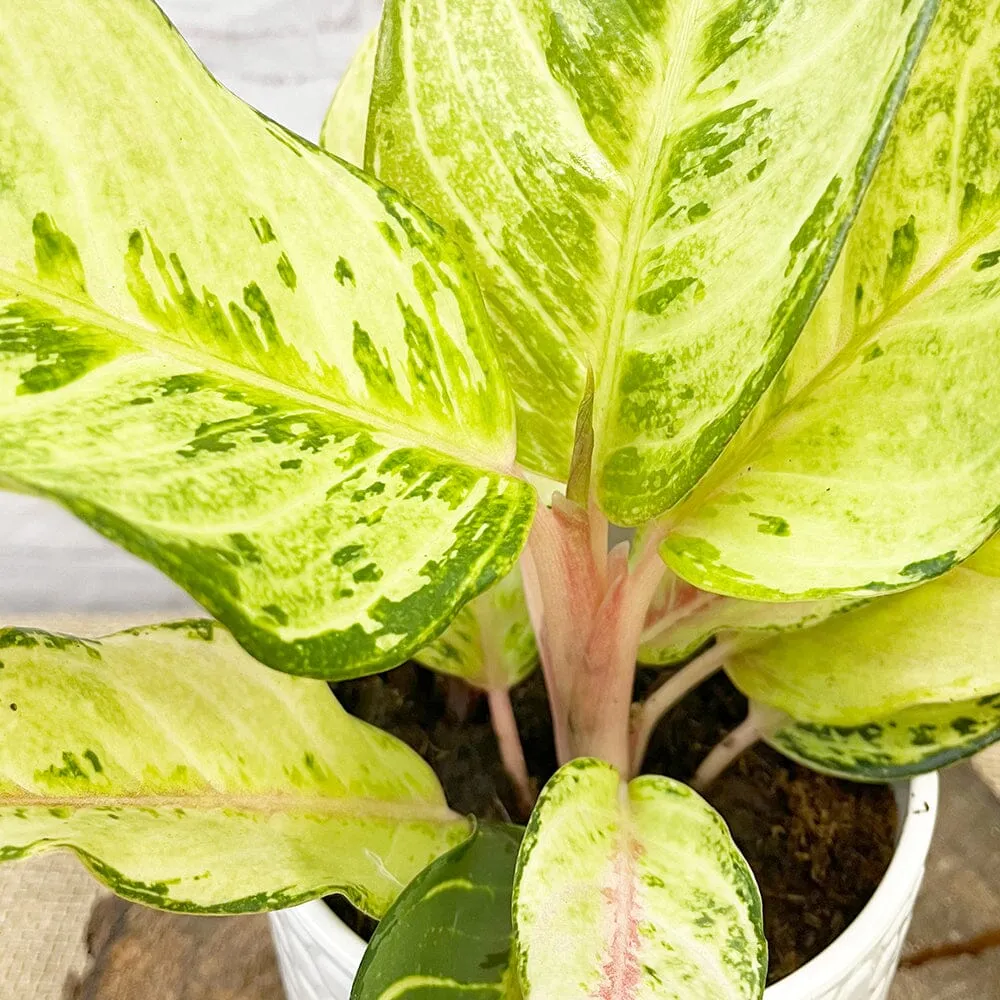
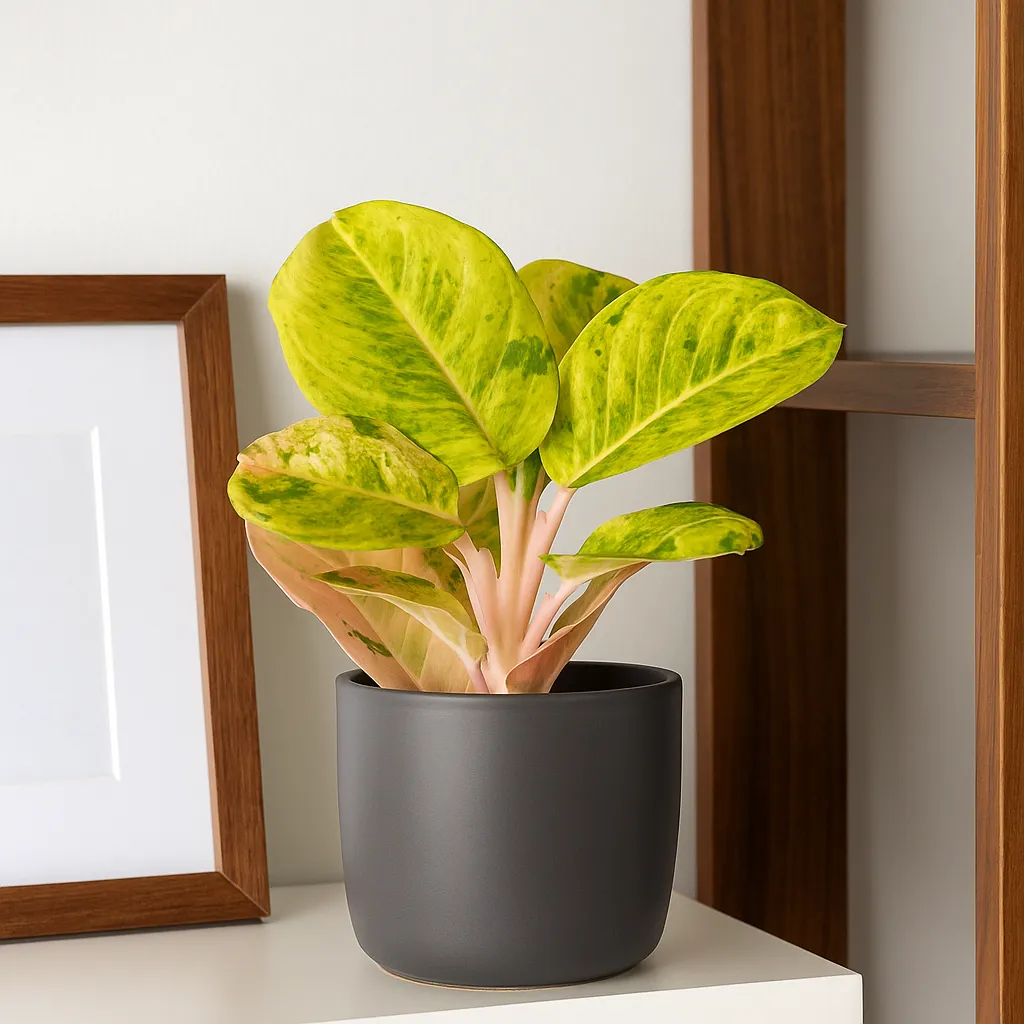
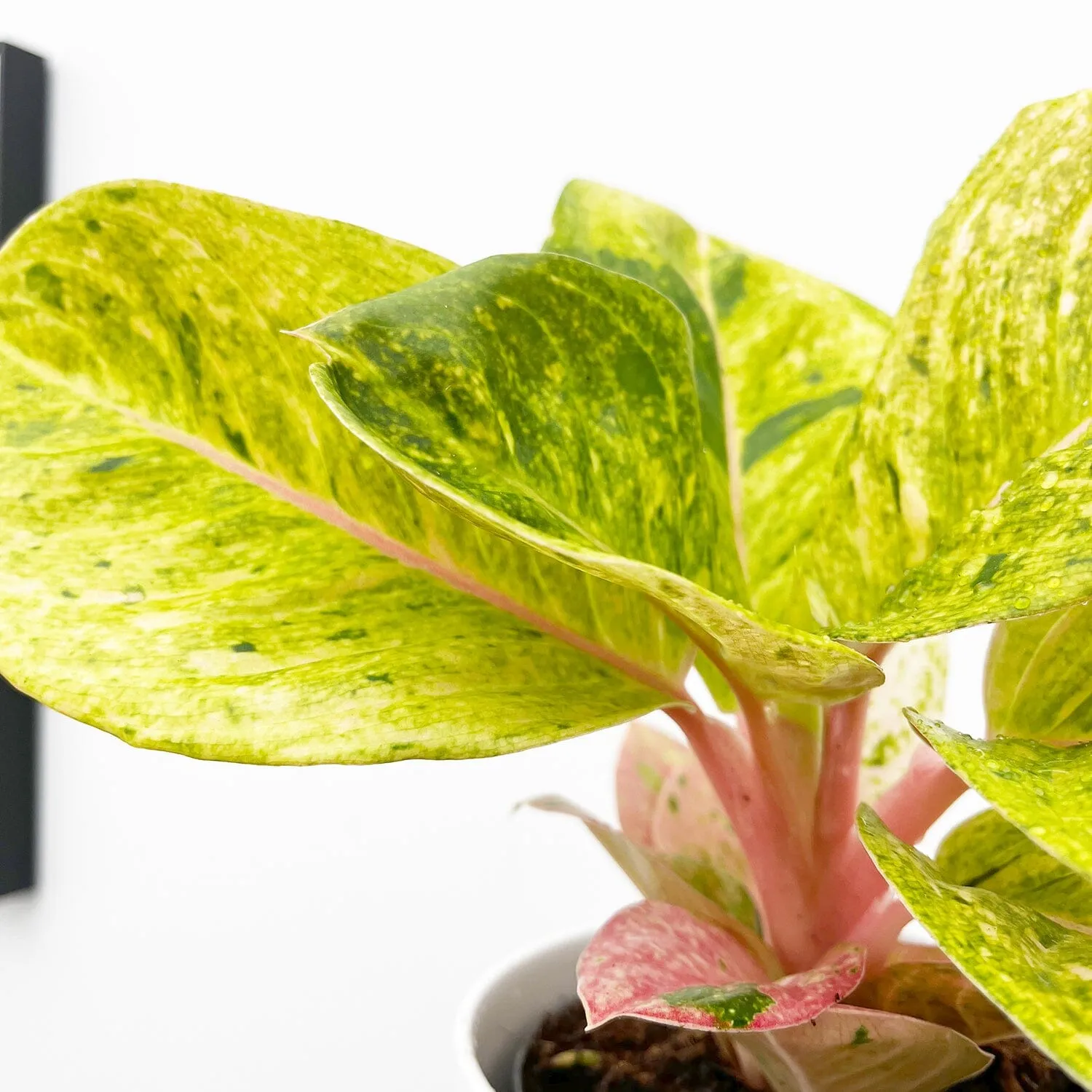
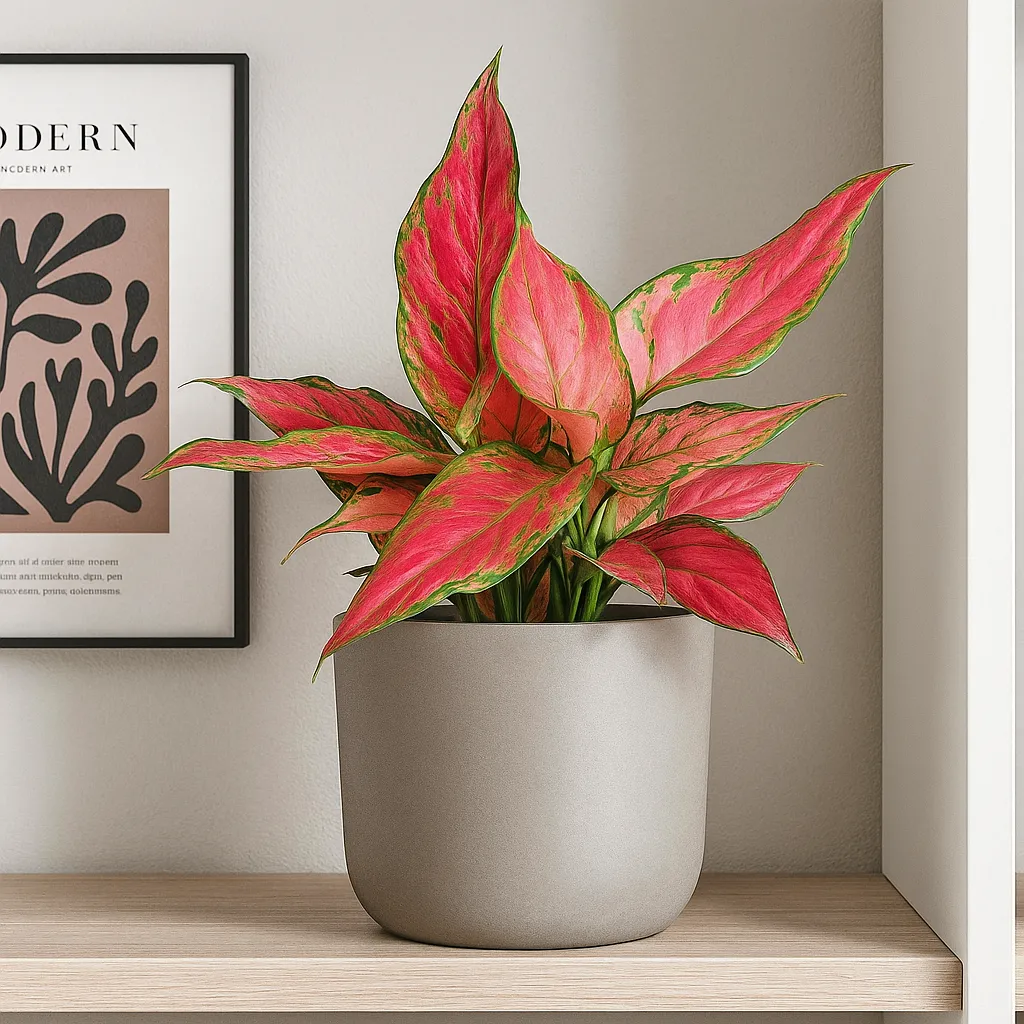
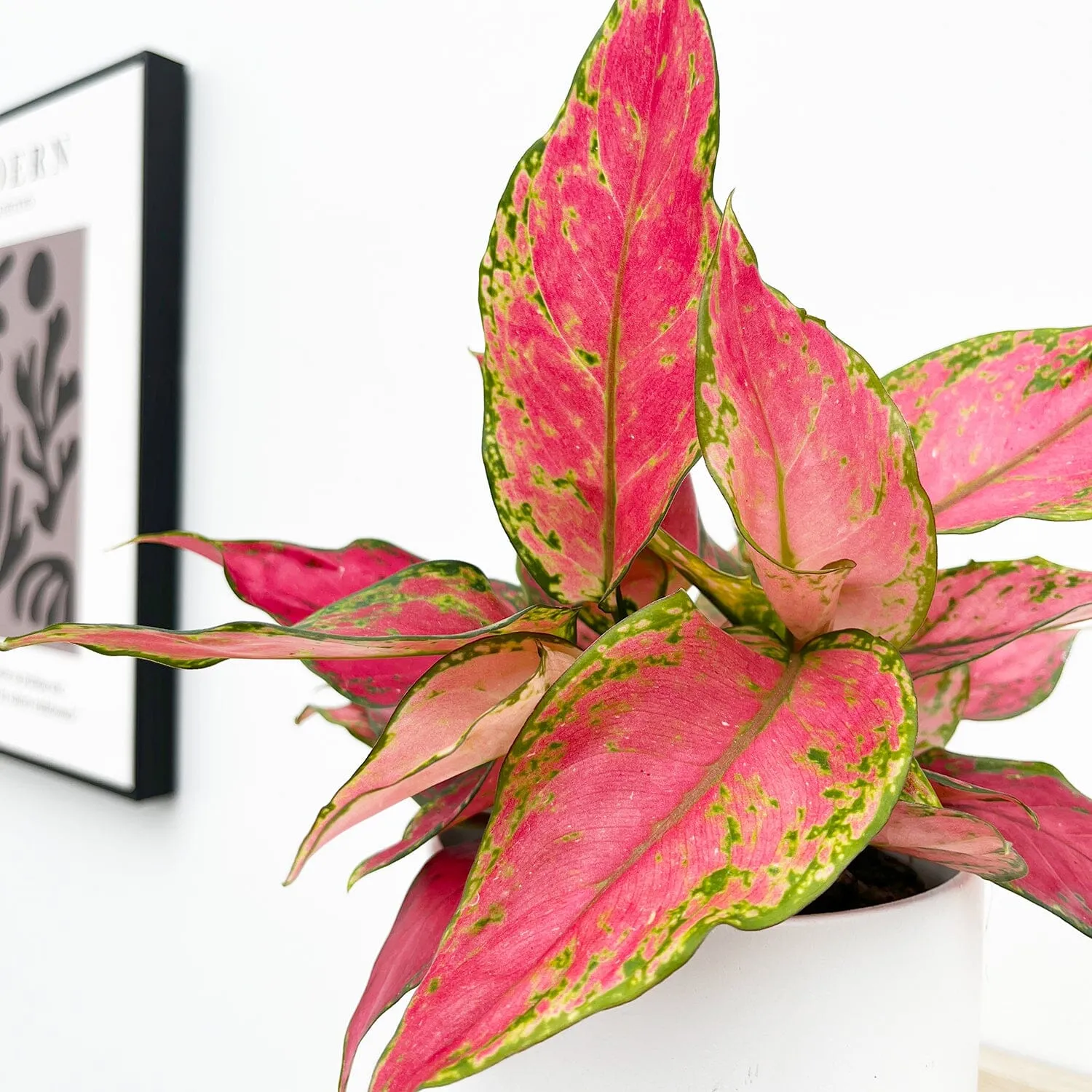
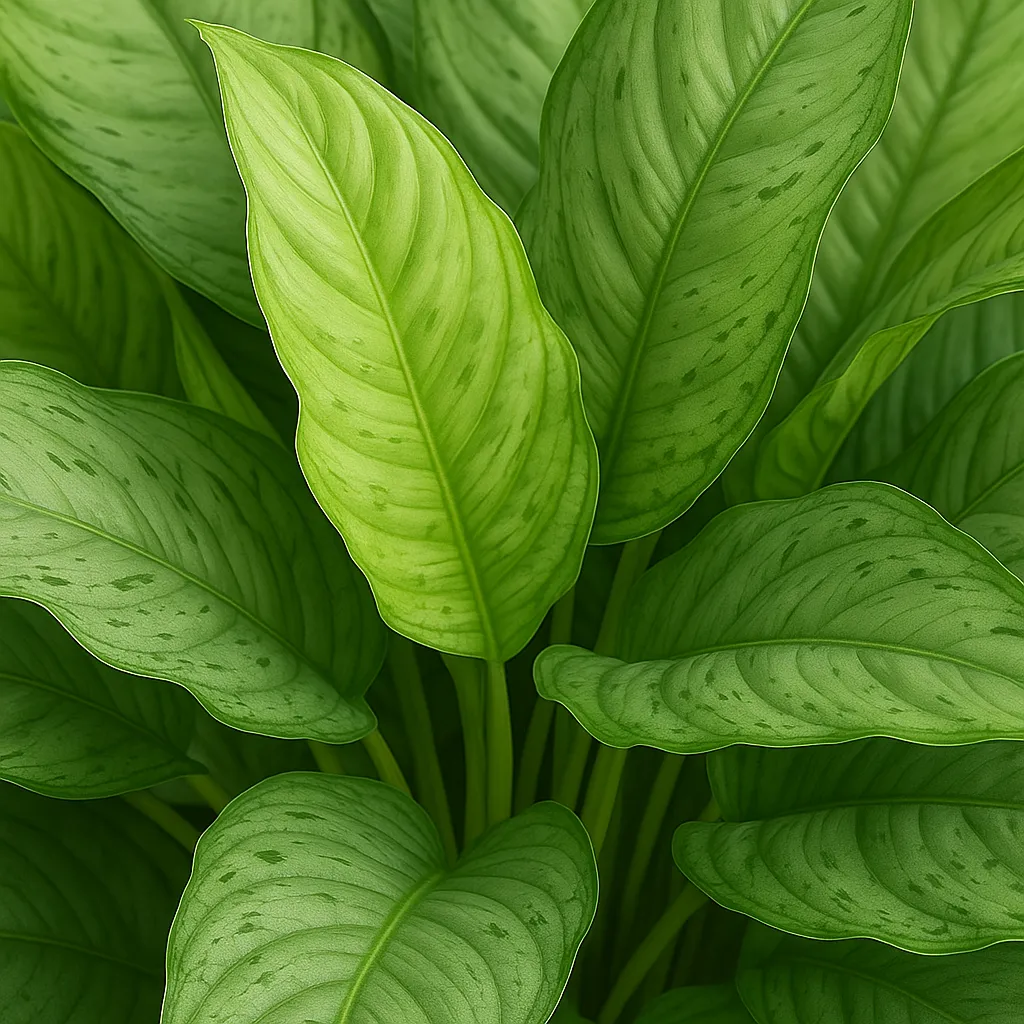
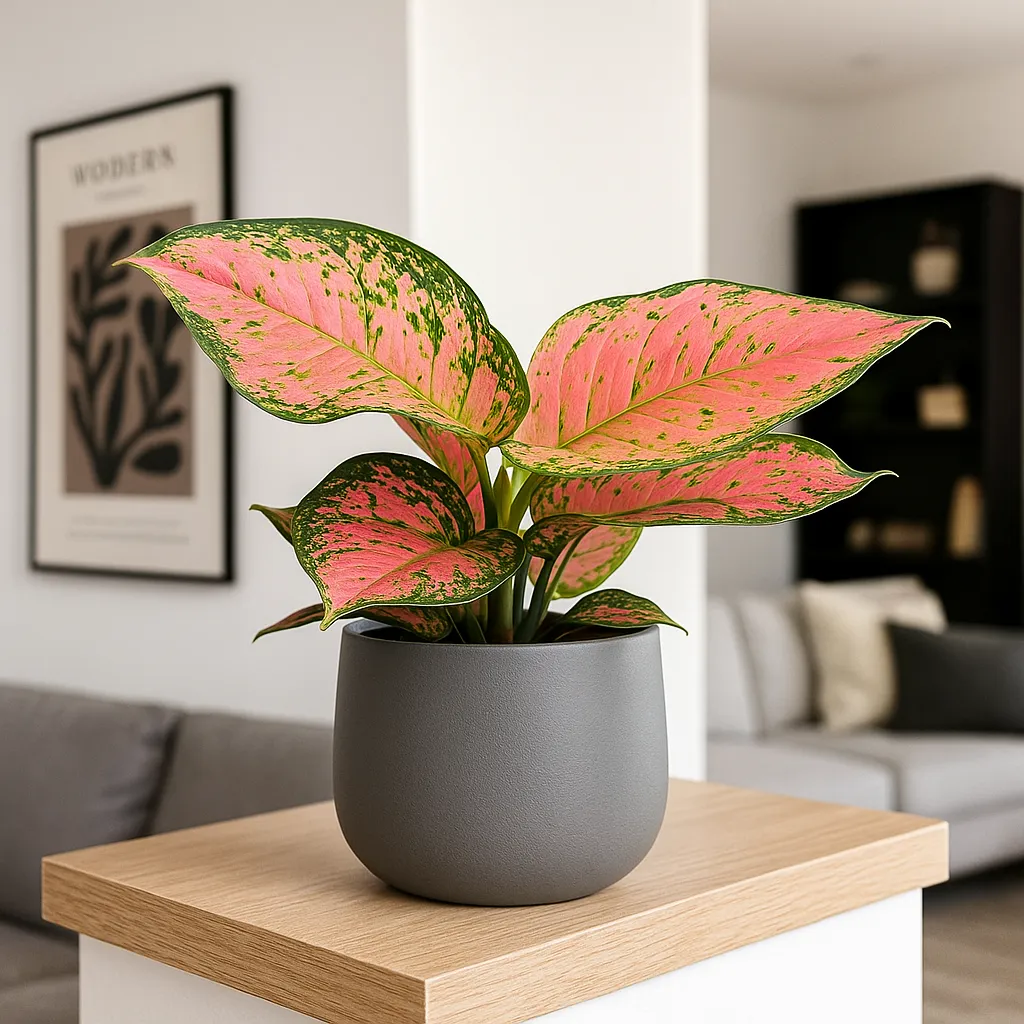
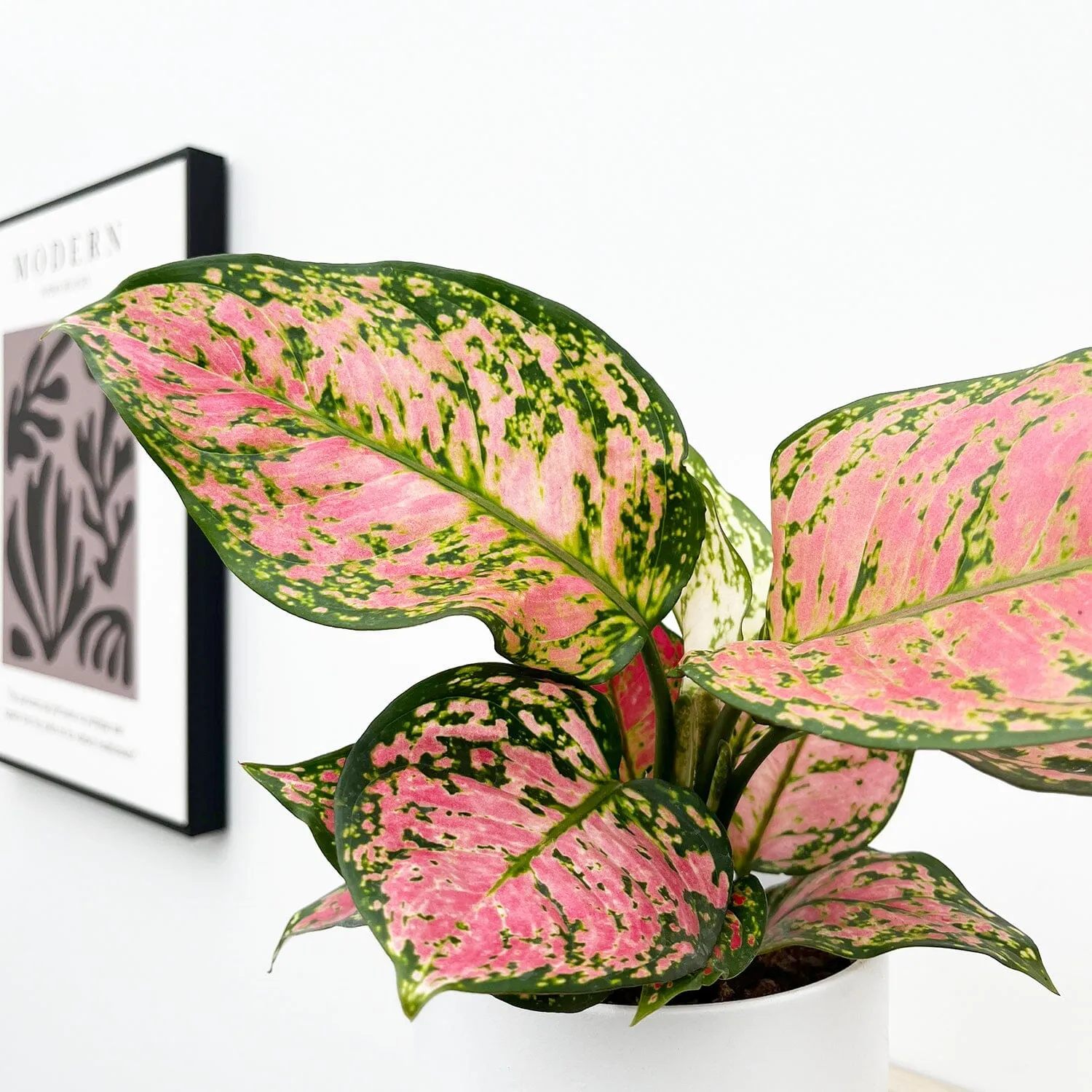
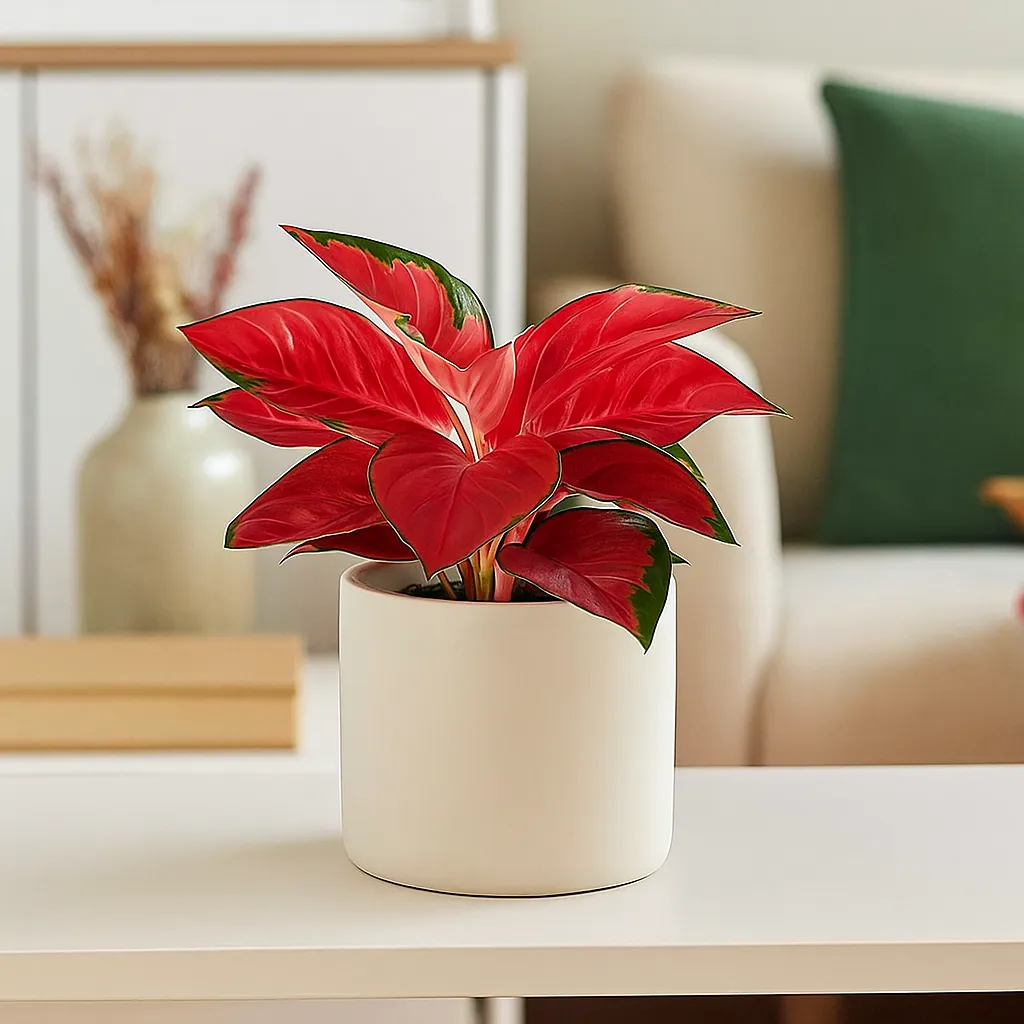
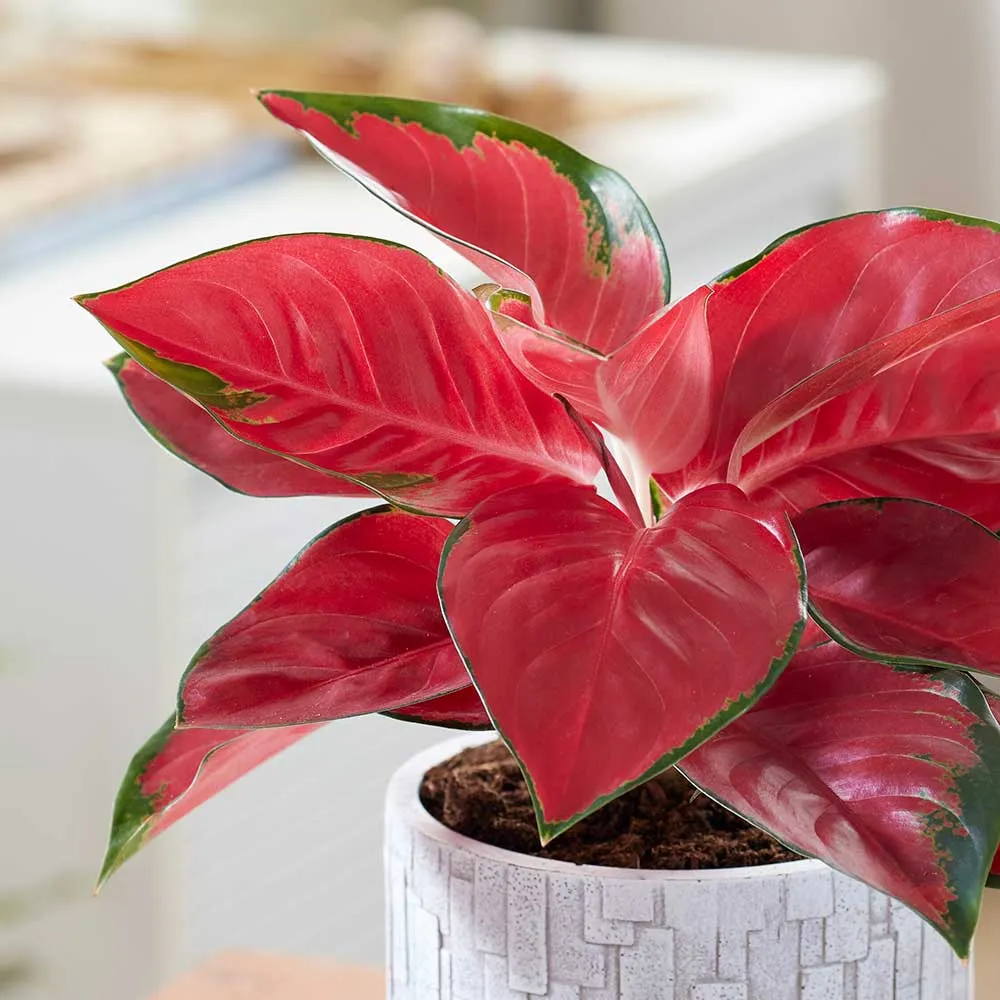
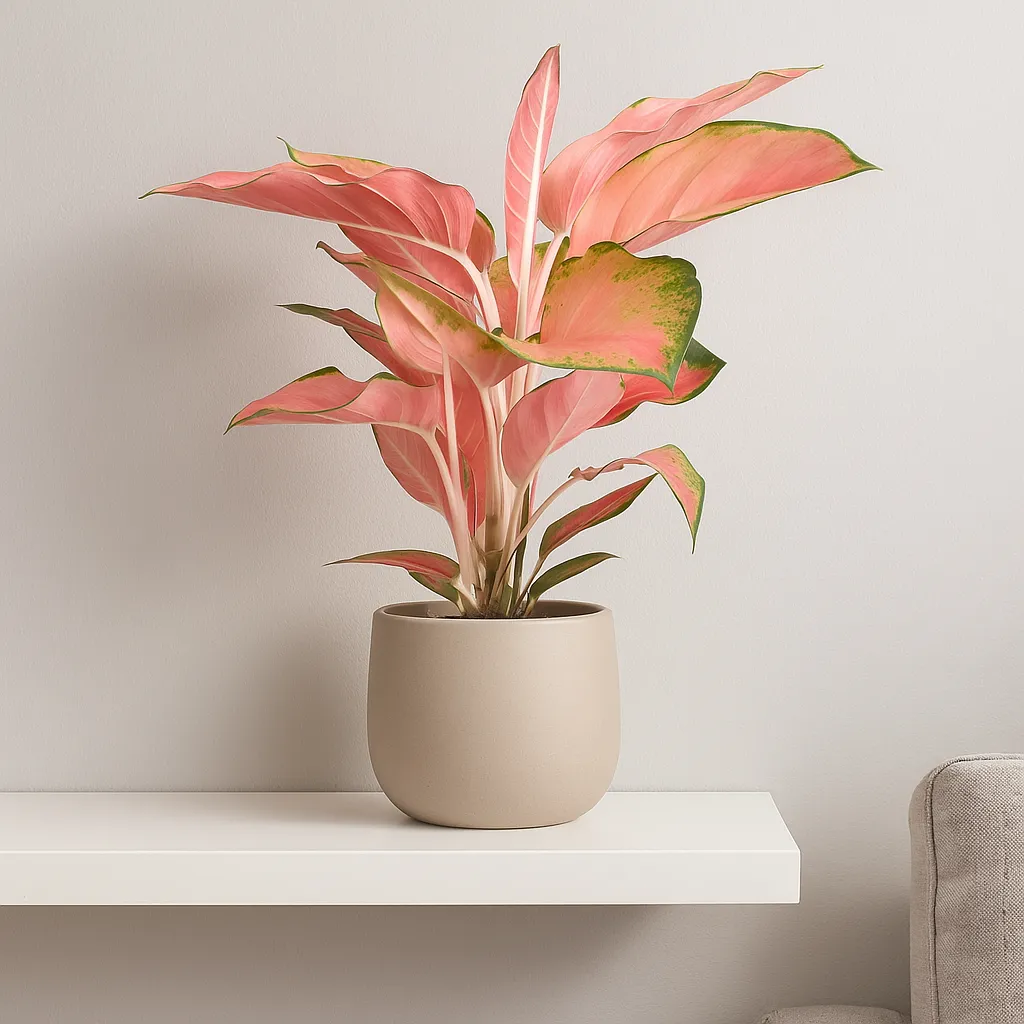
The leaves of ‘Orange Star’ feature a bold palette of coral-orange, golden yellow, and deep green, with the midribs and veins often highlighted in a fiery copper hue. The result is a warm, radiant display that seems to glow even in dim light. Each broad, lance-shaped leaf emerges with a soft blush of colour that deepens as it matures, creating a living gradient of tropical warmth.
Compact, colourful, and undemanding, Aglaonema ‘Orange Star’ brings a burst of positivity and modern flair to any room — the perfect fusion of exotic beauty and low-maintenance charm.
Aglaonema ‘Orange Star’ – Care Guide
Light
Thrives in bright, indirect light but tolerates medium to low-light conditions, making it an excellent choice for offices and shaded interiors. Too much direct sunlight can scorch the leaves or fade their rich orange tones, while too little light may reduce vibrancy. East- or north-facing windows are ideal.
Watering
Water when the top 2–3 cm of soil feels dry to the touch. Keep the soil lightly moist during the growing season (spring and summer) but never soggy. Reduce watering in winter when growth slows. Always ensure proper drainage — Aglaonemas dislike sitting in waterlogged soil. Use filtered or room-temperature water to prevent leaf spotting.
Temperature and Humidity
Temperature: Prefers warmth between 18–28 °C and should be kept away from cold drafts or air-conditioning vents. Avoid temperatures below 15 °C.
Humidity: Moderate humidity (50–70%) is ideal. While the plant adapts to average indoor conditions, it thrives in slightly more humid environments. Mist occasionally or group with other tropical plants for best results.
Soil and Potting
Use a rich, well-draining potting mix — ideally a blend of compost, perlite, and coco coir. This ensures steady moisture retention while preventing compaction. Repot every 2–3 years in spring when the plant becomes root-bound or to refresh nutrients in the soil.
Feeding
Feed every 4–6 weeks during spring and summer with a diluted, balanced liquid fertiliser. Reduce or stop feeding in autumn and winter when growth naturally slows. Over-fertilising may lead to salt build-up and leaf burn, so flush the soil occasionally with clean water.
Pruning and Maintenance
Remove yellowing or older leaves near the base to maintain a tidy, vibrant appearance. Wipe the leaves gently with a soft, damp cloth to remove dust and showcase their glossy texture. Rotate the plant occasionally to promote even growth and colour.
Growth and Maturity
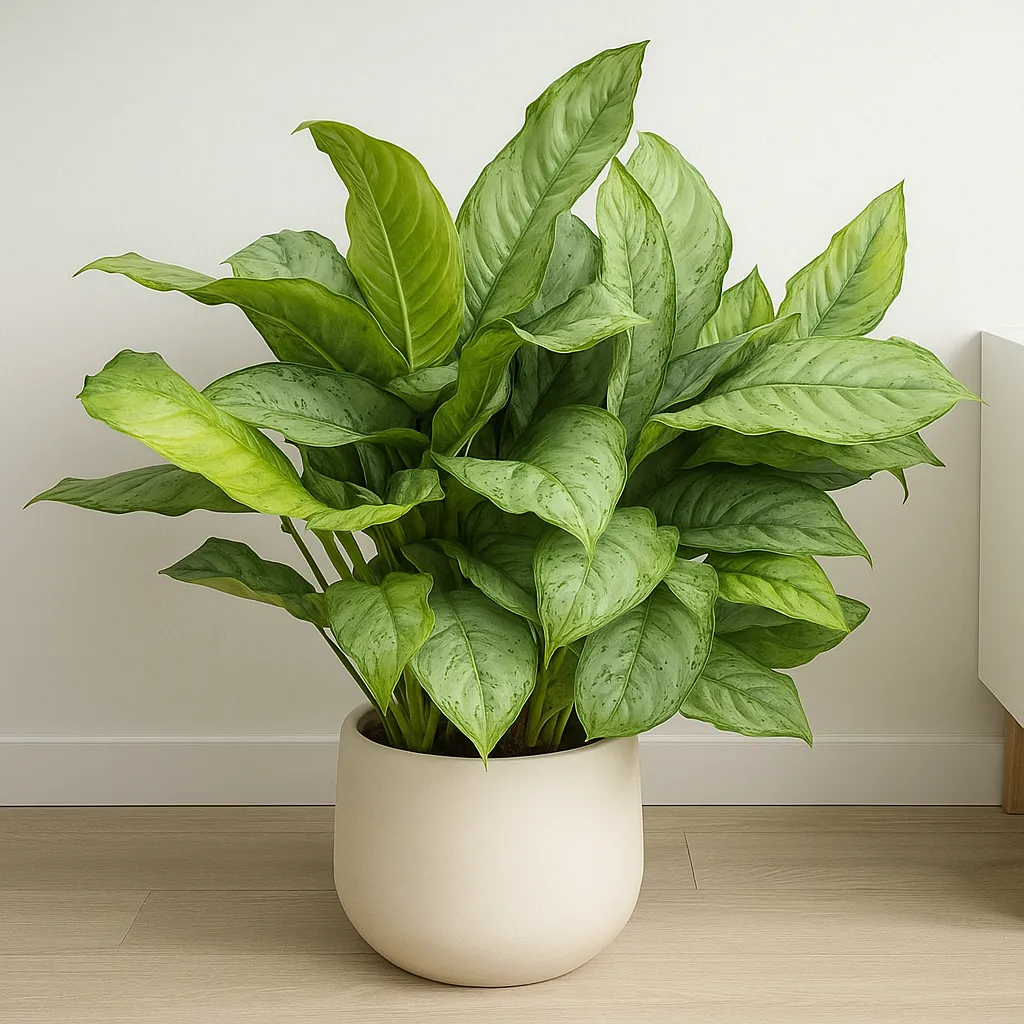
Aglaonema ‘Orange Star’ is a slow to moderate grower, typically reaching around 40–60 cm in height and width. Mature plants develop a bushy, symmetrical form with lush, upright foliage. Under optimal conditions, it may produce small white spathe-and-spadix flowers, though it’s usually grown for its ornamental leaves.
Common Issues
-
Yellowing leaves: Overwatering or poor drainage.
-
Faded colours: Insufficient light.
-
Brown leaf tips: Low humidity or tap water sensitivity.
-
Pests: Occasionally susceptible to mealybugs or spider mites — treat promptly with neem oil or insecticidal soap.
Background and Benefits
Aglaonemas have long been prized in Asian culture for their ability to bring luck, prosperity, and positive energy to a space. ‘Orange Star’ continues that tradition, radiating warmth and optimism with its sunset hues. It’s also one of the most forgiving tropical plants — perfect for beginners or busy plant parents.
Beyond its decorative appeal, this plant is known for improving indoor air quality by filtering toxins such as formaldehyde and benzene. Non-toxic to humans when handled properly, but mildly toxic to pets if ingested due to calcium oxalate crystals — keep out of reach of curious animals.
Quick Care Summary
-
Light: Bright, indirect light; tolerates medium to low light
-
Water: Keep lightly moist; allow top few cm to dry between waterings
-
Temperature: 18–28 °C; avoid below 15 °C
-
Humidity: Moderate (50–70%)
-
Soil: Rich, well-draining mix with compost, perlite, and coco coir
-
Feed: Every 4–6 weeks in spring/summer
-
Growth: 40–60 cm tall; vibrant orange, yellow, and green foliage
⚠️ Toxicity note: Mildly toxic to pets if ingested; keep out of reach of cats and dogs.
Styling Tip
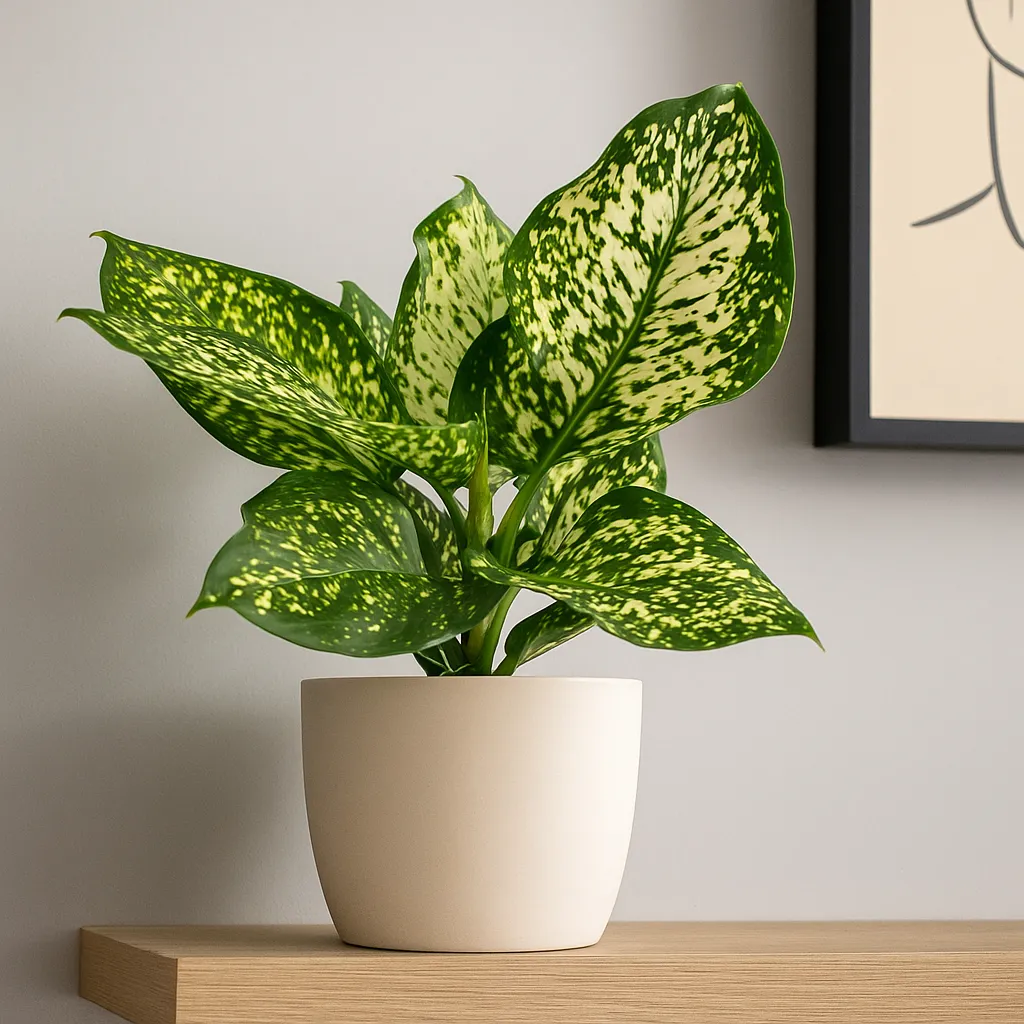
Display Aglaonema ‘Orange Star’ in a neutral or dark-toned planter to make its fiery foliage pop. It pairs beautifully with deep green or blue-hued plants such as Philodendron ‘Birkin’ or Epipremnum pinnatum ‘Baltic Blue’. Ideal for living rooms, bedrooms, or office spaces, it adds a warm, tropical accent and a sense of calm vitality. Perfect for brightening up corners or side tables where its radiant colours can glow in soft, filtered light.
Original: $26.38
-70%$26.38
$7.91Product Information
Product Information
Shipping & Returns
Shipping & Returns
Description
Aglaonema ‘Orange Star’ is a dazzling tropical houseplant admired for its glowing, sunset-toned foliage and effortless elegance. A member of the Araceae family and native to the humid rainforests of Southeast Asia, this cultivar is part of the ever-popular Chinese Evergreen group — celebrated for its resilience, beauty, and adaptability to indoor life.
The leaves of ‘Orange Star’ feature a bold palette of coral-orange, golden yellow, and deep green, with the midribs and veins often highlighted in a fiery copper hue. The result is a warm, radiant display that seems to glow even in dim light. Each broad, lance-shaped leaf emerges with a soft blush of colour that deepens as it matures, creating a living gradient of tropical warmth.
Compact, colourful, and undemanding, Aglaonema ‘Orange Star’ brings a burst of positivity and modern flair to any room — the perfect fusion of exotic beauty and low-maintenance charm.
Aglaonema ‘Orange Star’ – Care Guide
Light
Thrives in bright, indirect light but tolerates medium to low-light conditions, making it an excellent choice for offices and shaded interiors. Too much direct sunlight can scorch the leaves or fade their rich orange tones, while too little light may reduce vibrancy. East- or north-facing windows are ideal.
Watering
Water when the top 2–3 cm of soil feels dry to the touch. Keep the soil lightly moist during the growing season (spring and summer) but never soggy. Reduce watering in winter when growth slows. Always ensure proper drainage — Aglaonemas dislike sitting in waterlogged soil. Use filtered or room-temperature water to prevent leaf spotting.
Temperature and Humidity
Temperature: Prefers warmth between 18–28 °C and should be kept away from cold drafts or air-conditioning vents. Avoid temperatures below 15 °C.
Humidity: Moderate humidity (50–70%) is ideal. While the plant adapts to average indoor conditions, it thrives in slightly more humid environments. Mist occasionally or group with other tropical plants for best results.
Soil and Potting
Use a rich, well-draining potting mix — ideally a blend of compost, perlite, and coco coir. This ensures steady moisture retention while preventing compaction. Repot every 2–3 years in spring when the plant becomes root-bound or to refresh nutrients in the soil.
Feeding
Feed every 4–6 weeks during spring and summer with a diluted, balanced liquid fertiliser. Reduce or stop feeding in autumn and winter when growth naturally slows. Over-fertilising may lead to salt build-up and leaf burn, so flush the soil occasionally with clean water.
Pruning and Maintenance
Remove yellowing or older leaves near the base to maintain a tidy, vibrant appearance. Wipe the leaves gently with a soft, damp cloth to remove dust and showcase their glossy texture. Rotate the plant occasionally to promote even growth and colour.
Growth and Maturity
Aglaonema ‘Orange Star’ is a slow to moderate grower, typically reaching around 40–60 cm in height and width. Mature plants develop a bushy, symmetrical form with lush, upright foliage. Under optimal conditions, it may produce small white spathe-and-spadix flowers, though it’s usually grown for its ornamental leaves.
Common Issues
-
Yellowing leaves: Overwatering or poor drainage.
-
Faded colours: Insufficient light.
-
Brown leaf tips: Low humidity or tap water sensitivity.
-
Pests: Occasionally susceptible to mealybugs or spider mites — treat promptly with neem oil or insecticidal soap.
Background and Benefits
Aglaonemas have long been prized in Asian culture for their ability to bring luck, prosperity, and positive energy to a space. ‘Orange Star’ continues that tradition, radiating warmth and optimism with its sunset hues. It’s also one of the most forgiving tropical plants — perfect for beginners or busy plant parents.
Beyond its decorative appeal, this plant is known for improving indoor air quality by filtering toxins such as formaldehyde and benzene. Non-toxic to humans when handled properly, but mildly toxic to pets if ingested due to calcium oxalate crystals — keep out of reach of curious animals.
Quick Care Summary
-
Light: Bright, indirect light; tolerates medium to low light
-
Water: Keep lightly moist; allow top few cm to dry between waterings
-
Temperature: 18–28 °C; avoid below 15 °C
-
Humidity: Moderate (50–70%)
-
Soil: Rich, well-draining mix with compost, perlite, and coco coir
-
Feed: Every 4–6 weeks in spring/summer
-
Growth: 40–60 cm tall; vibrant orange, yellow, and green foliage
⚠️ Toxicity note: Mildly toxic to pets if ingested; keep out of reach of cats and dogs.
Styling Tip
Display Aglaonema ‘Orange Star’ in a neutral or dark-toned planter to make its fiery foliage pop. It pairs beautifully with deep green or blue-hued plants such as Philodendron ‘Birkin’ or Epipremnum pinnatum ‘Baltic Blue’. Ideal for living rooms, bedrooms, or office spaces, it adds a warm, tropical accent and a sense of calm vitality. Perfect for brightening up corners or side tables where its radiant colours can glow in soft, filtered light.