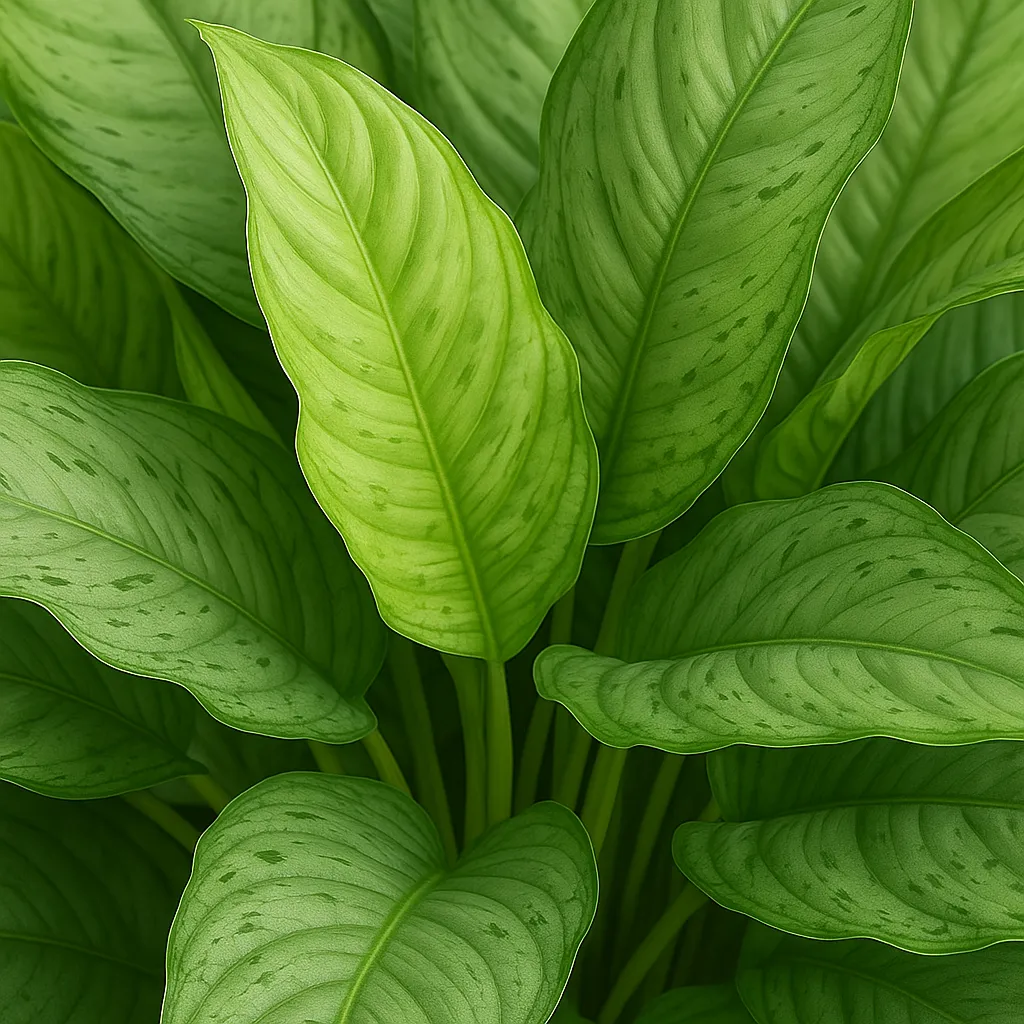
30 - 45cm XL Aglaonema B.J Freedman Chinese Evergreen 24cm Pot House Plant
Aglaonema ‘B.J. Freedman’ – Plant Description
Aglaonema ‘B.J. Freedman’ is a beautiful and highly decorative cultivar of the Chinese Evergreen, belonging to the Araceae family. Native to the tropical and subtropical regions of Asia, Aglaonema species are renowned for their colourful foliage and adaptability, and ‘B.J. Freedman’ is a particularly striking example.
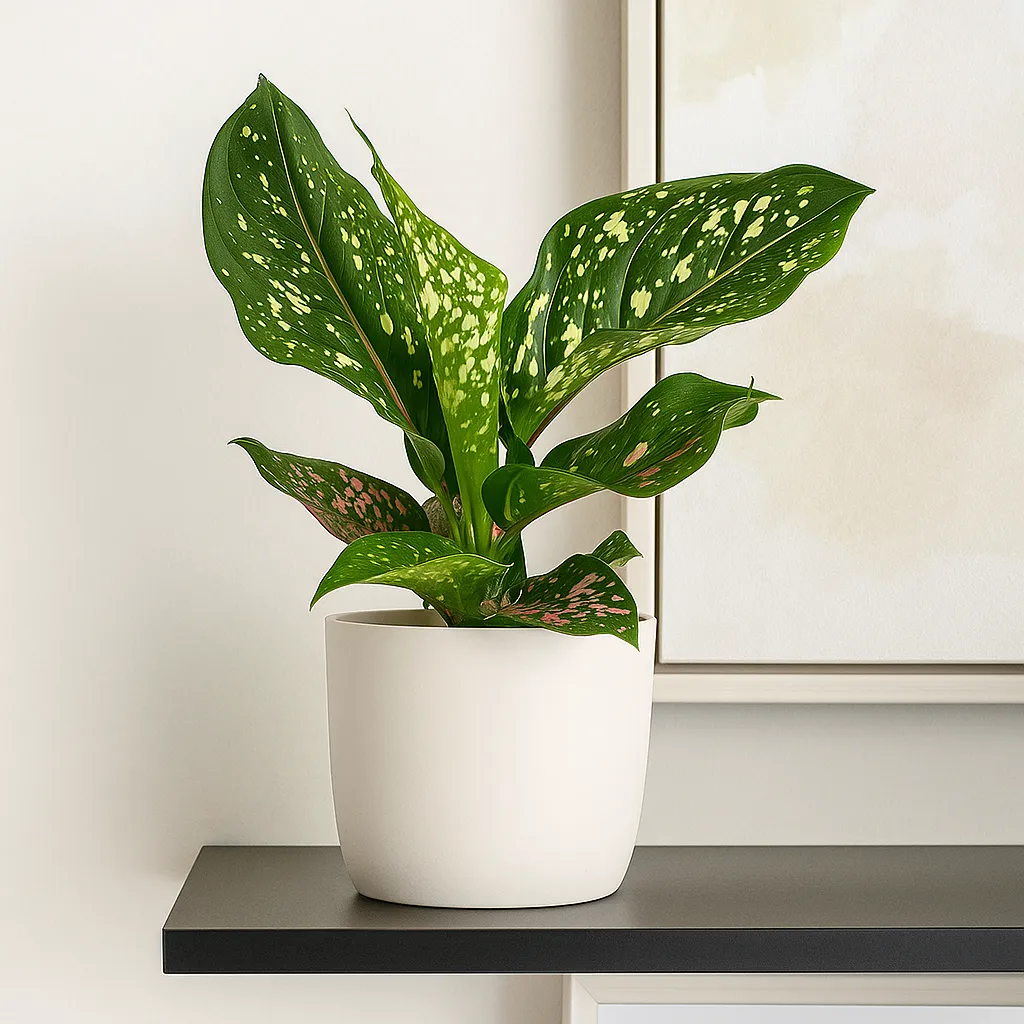
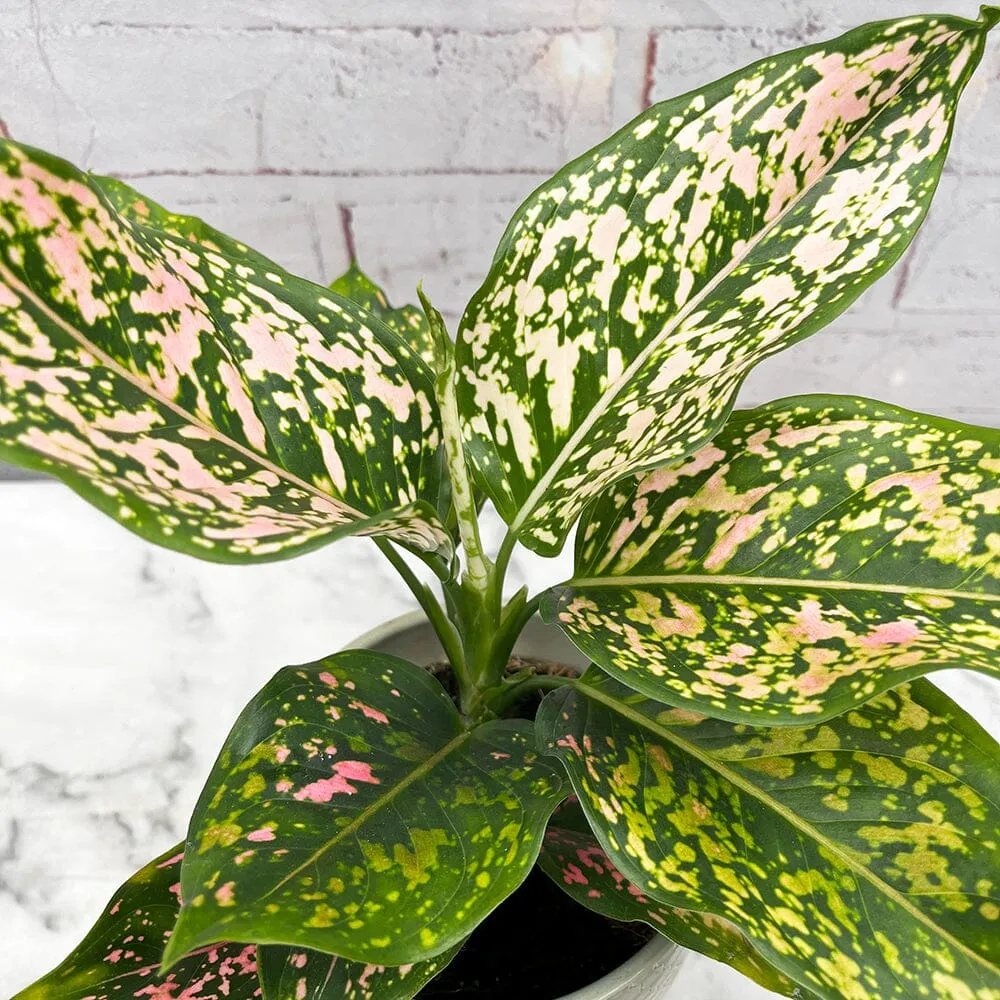
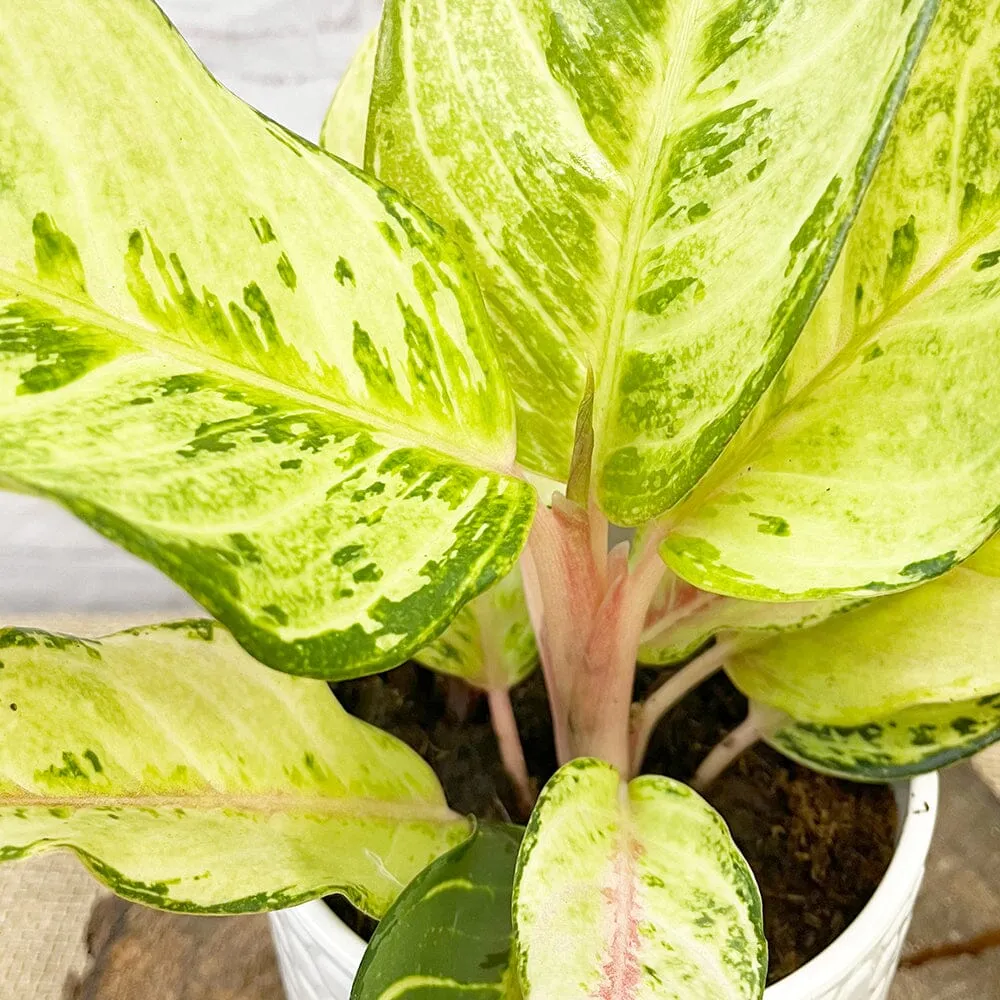
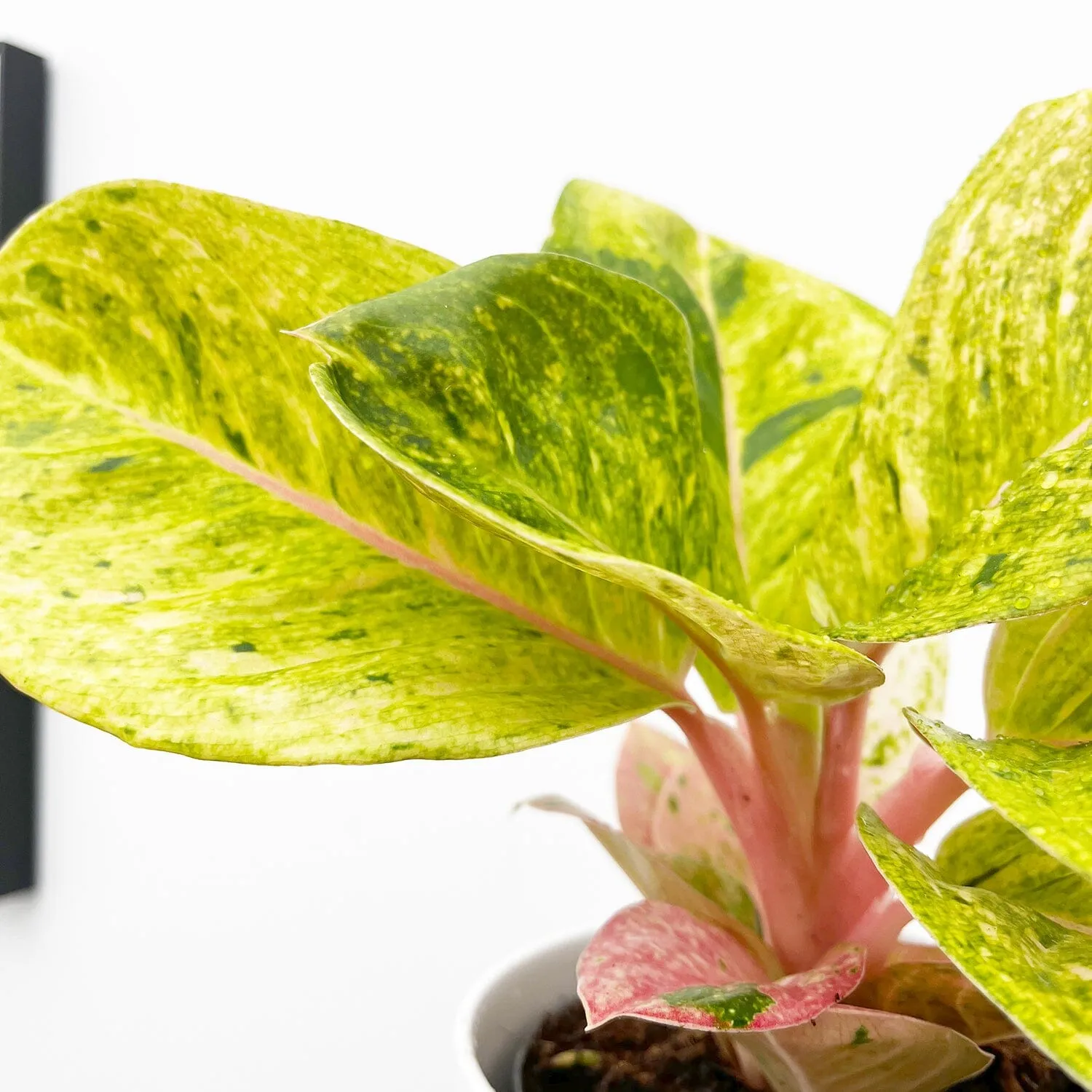
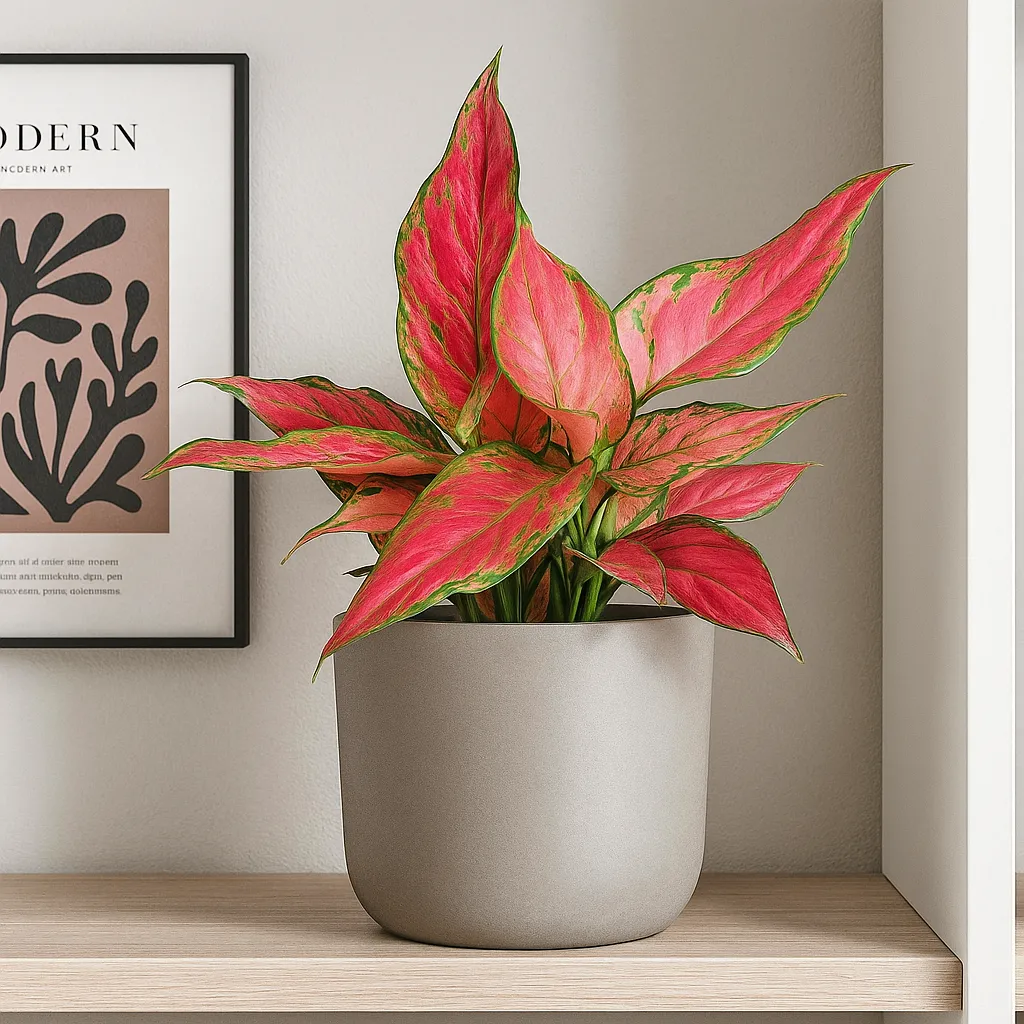
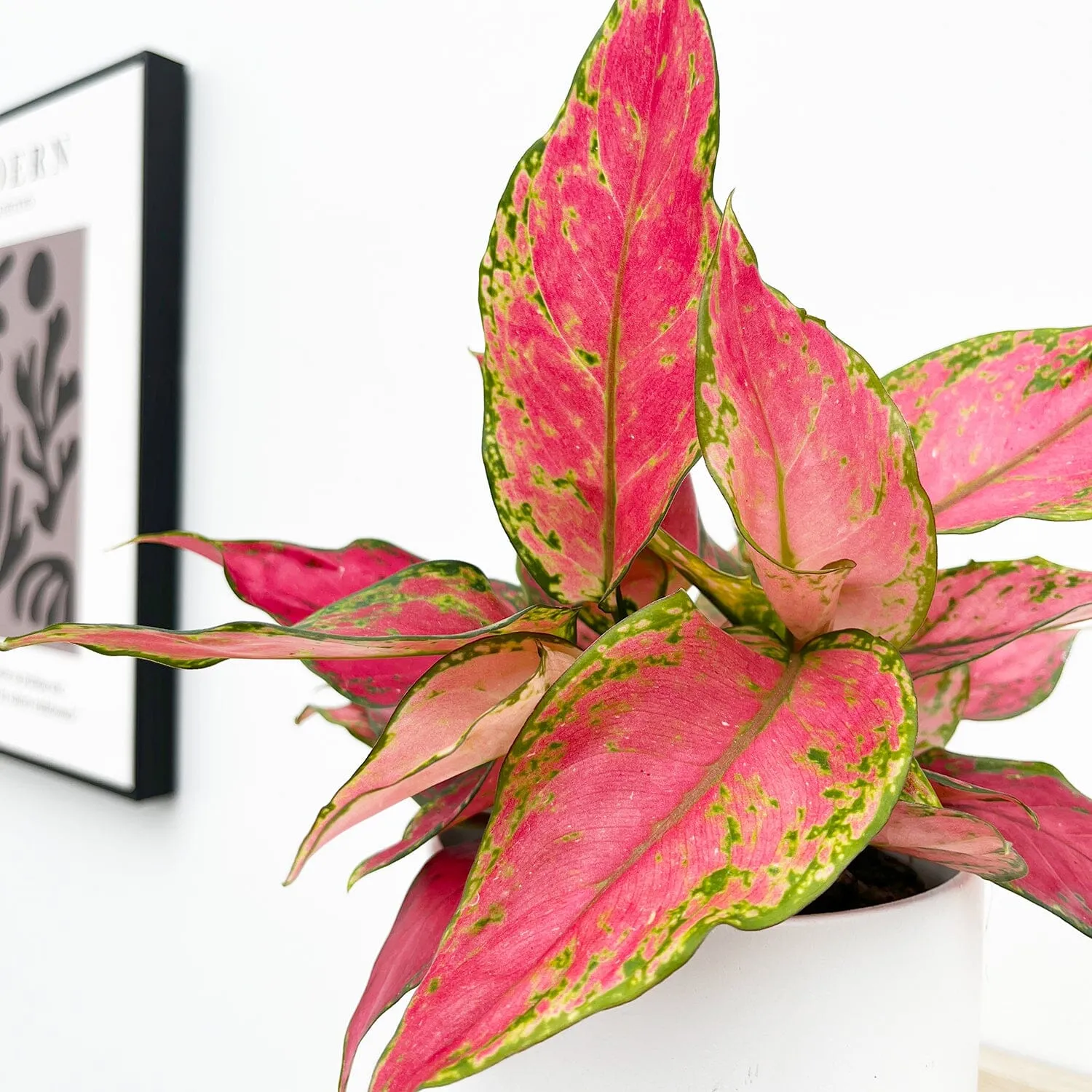
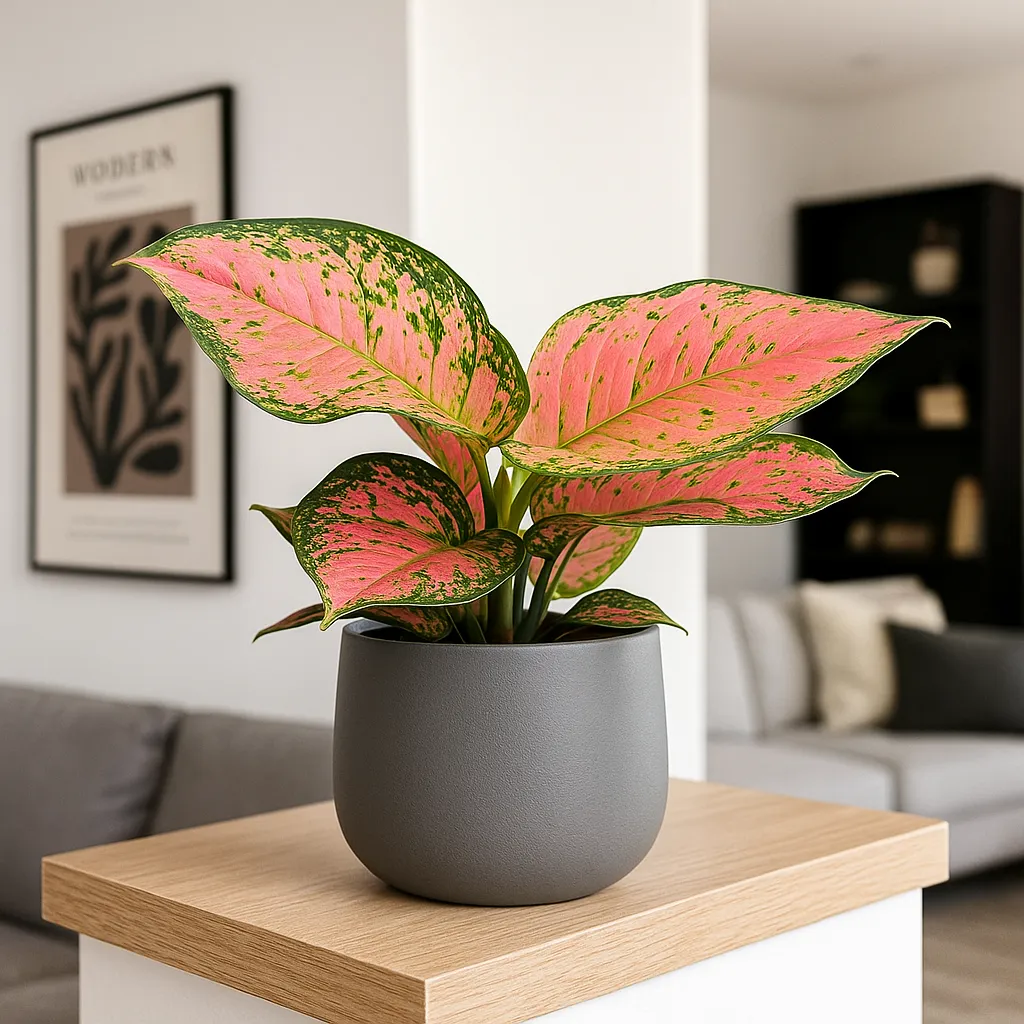
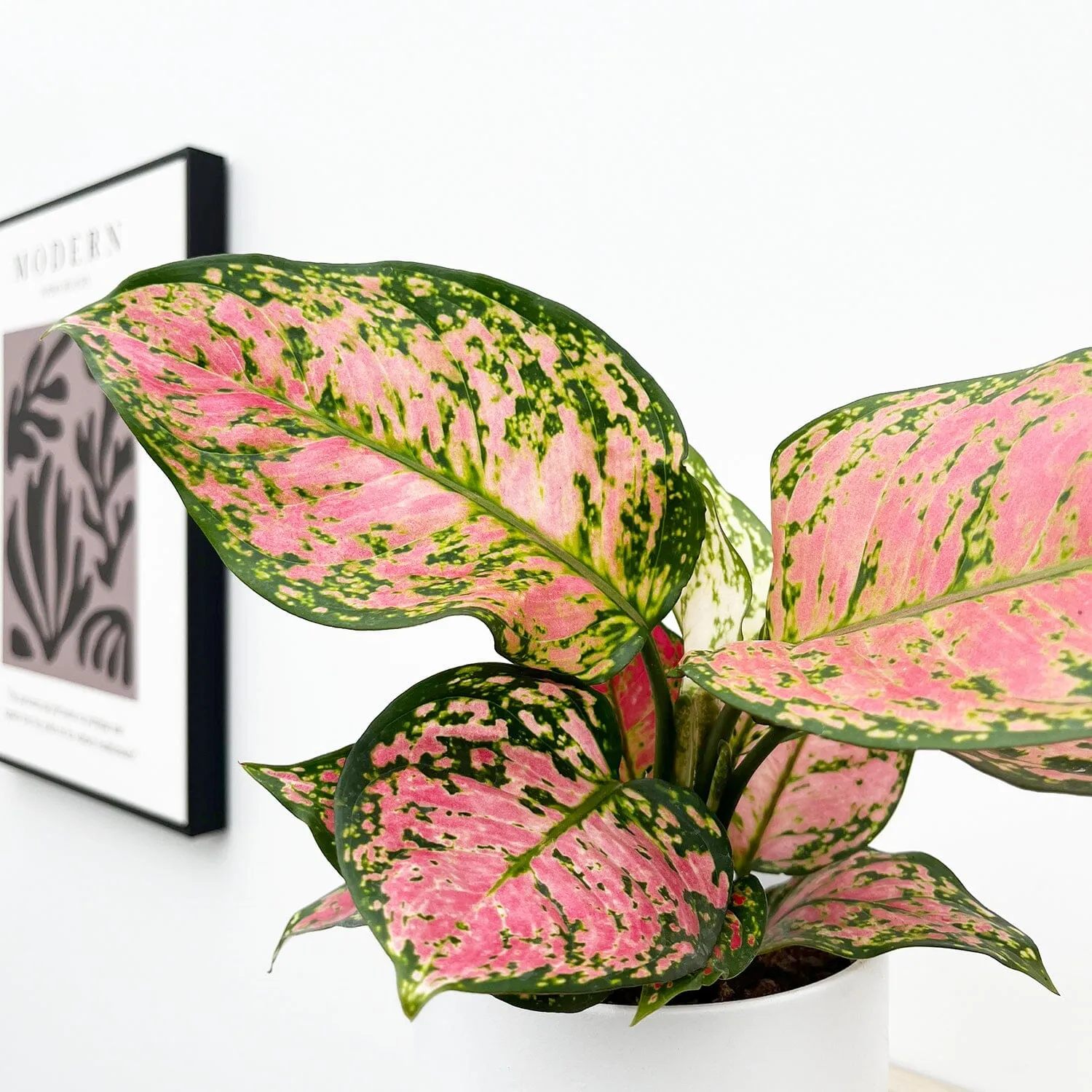
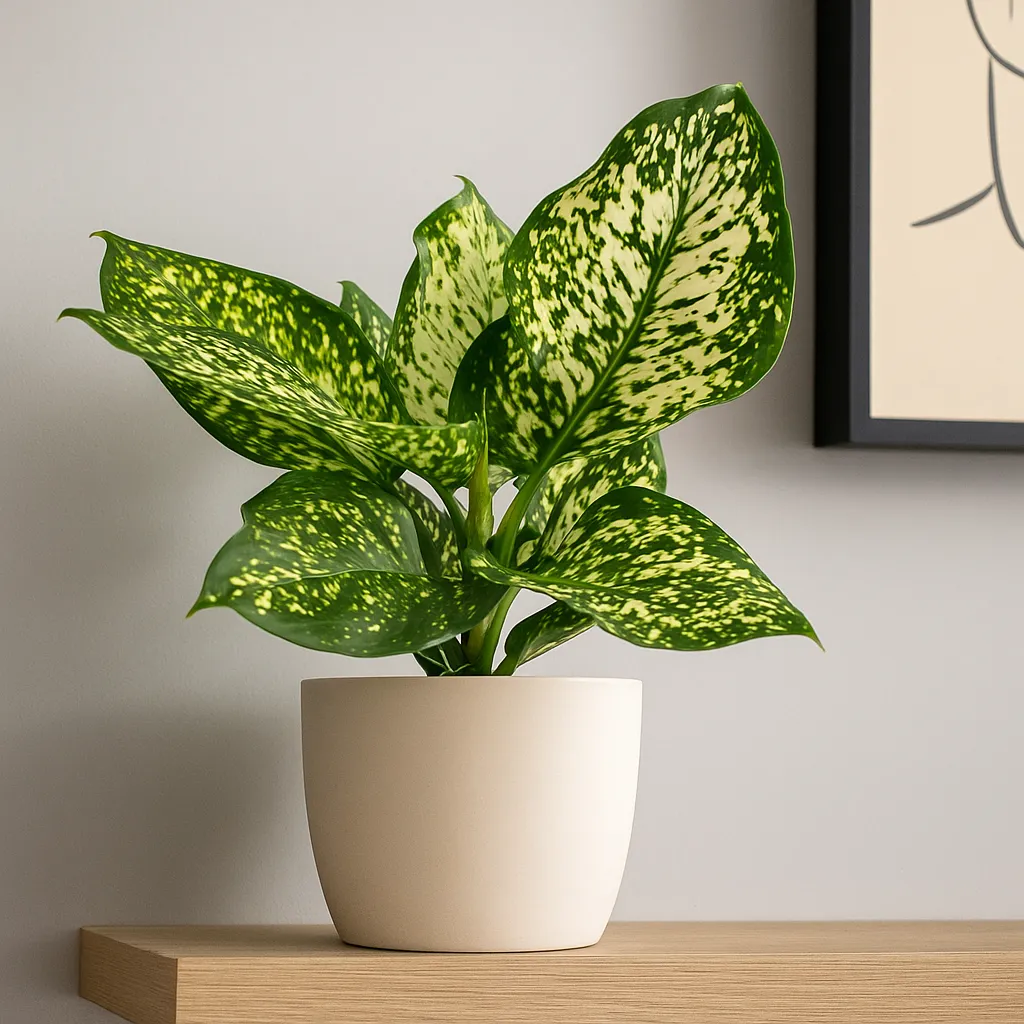
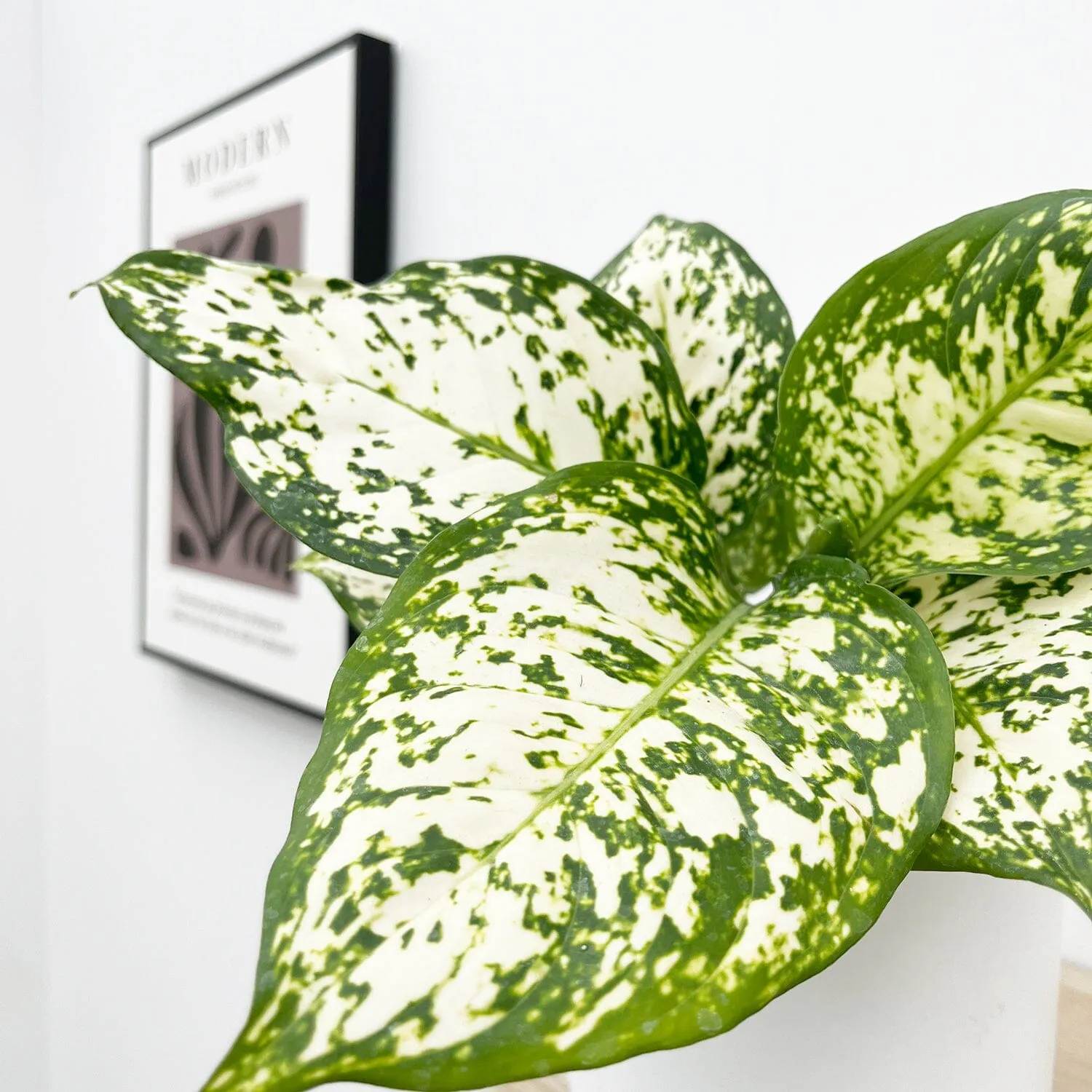
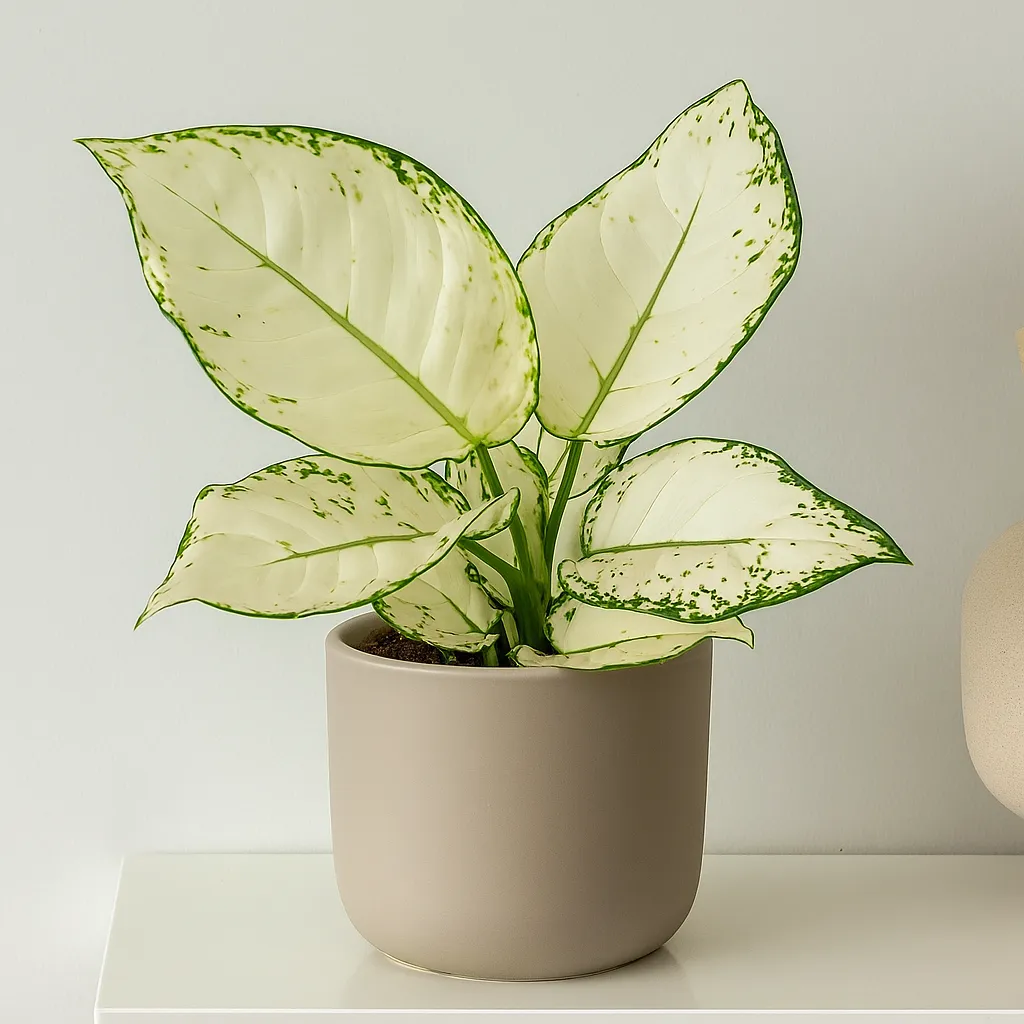
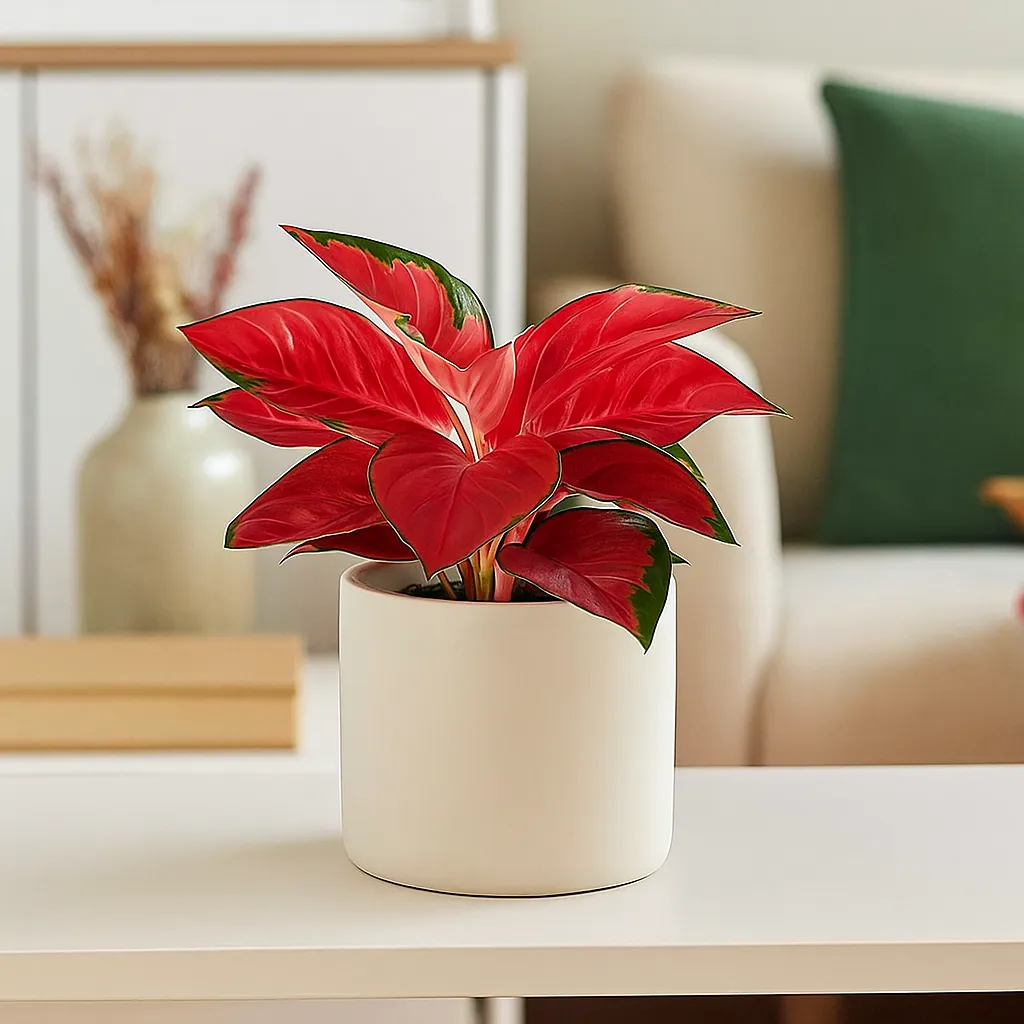
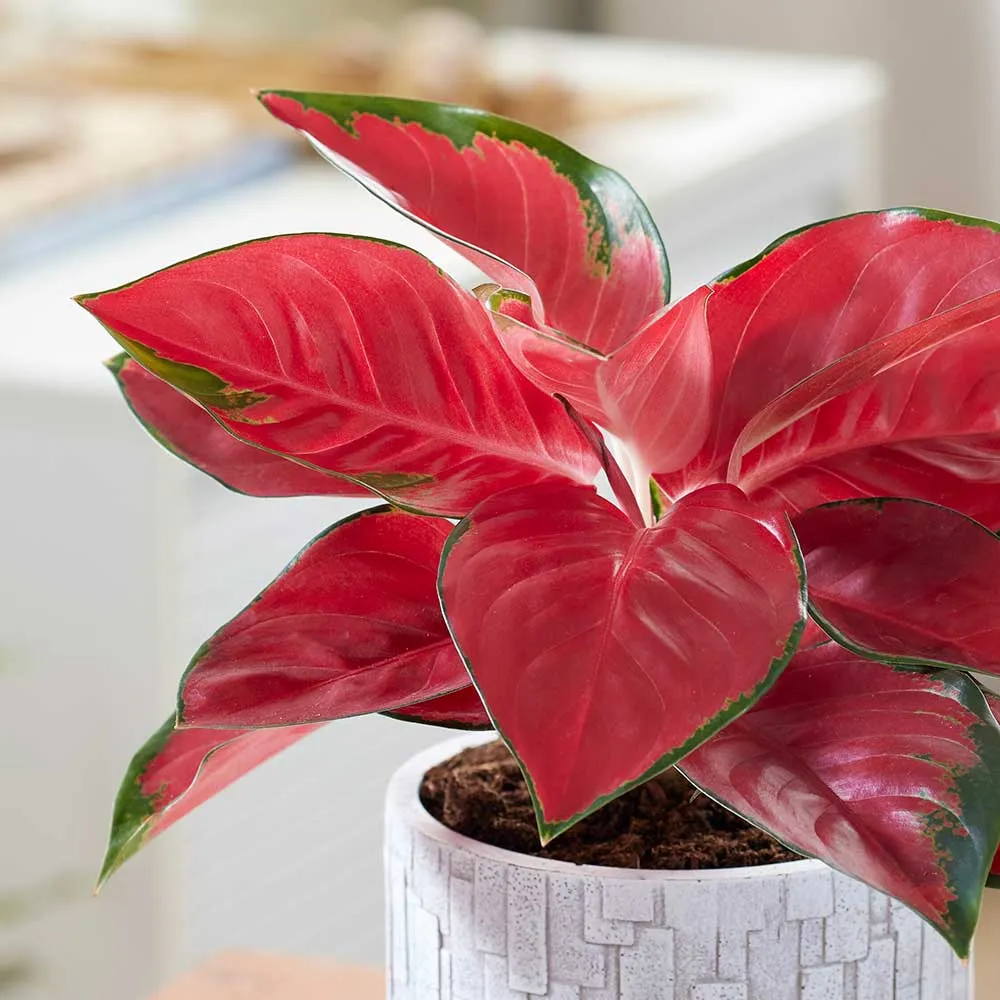
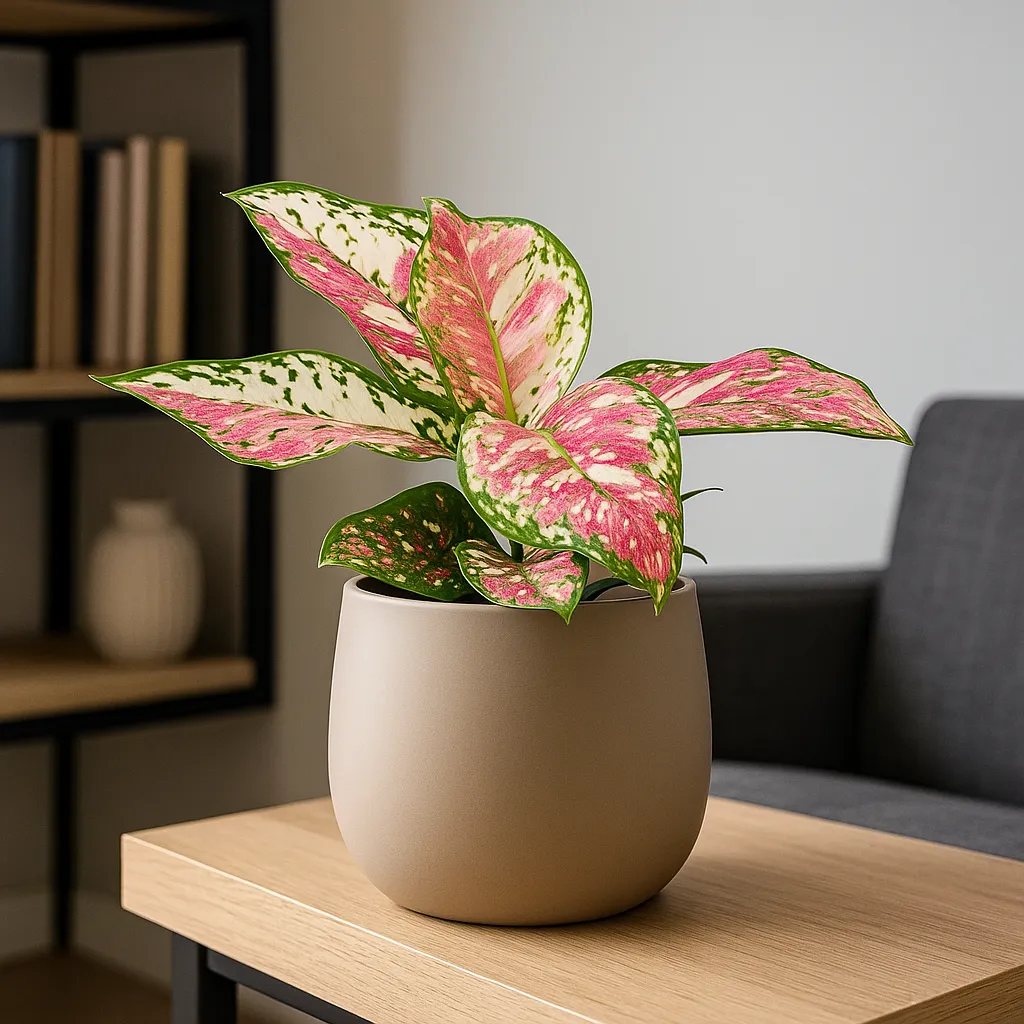
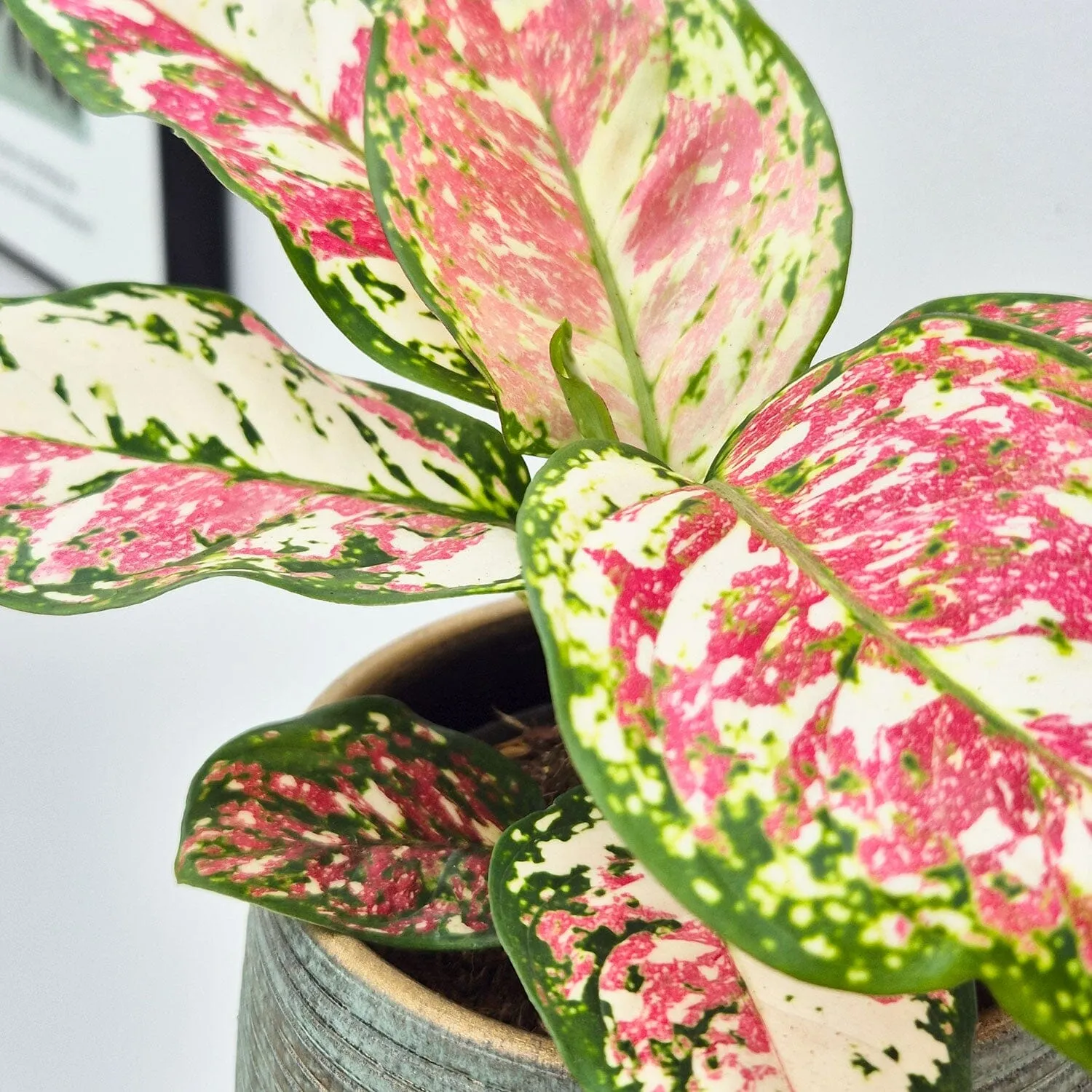
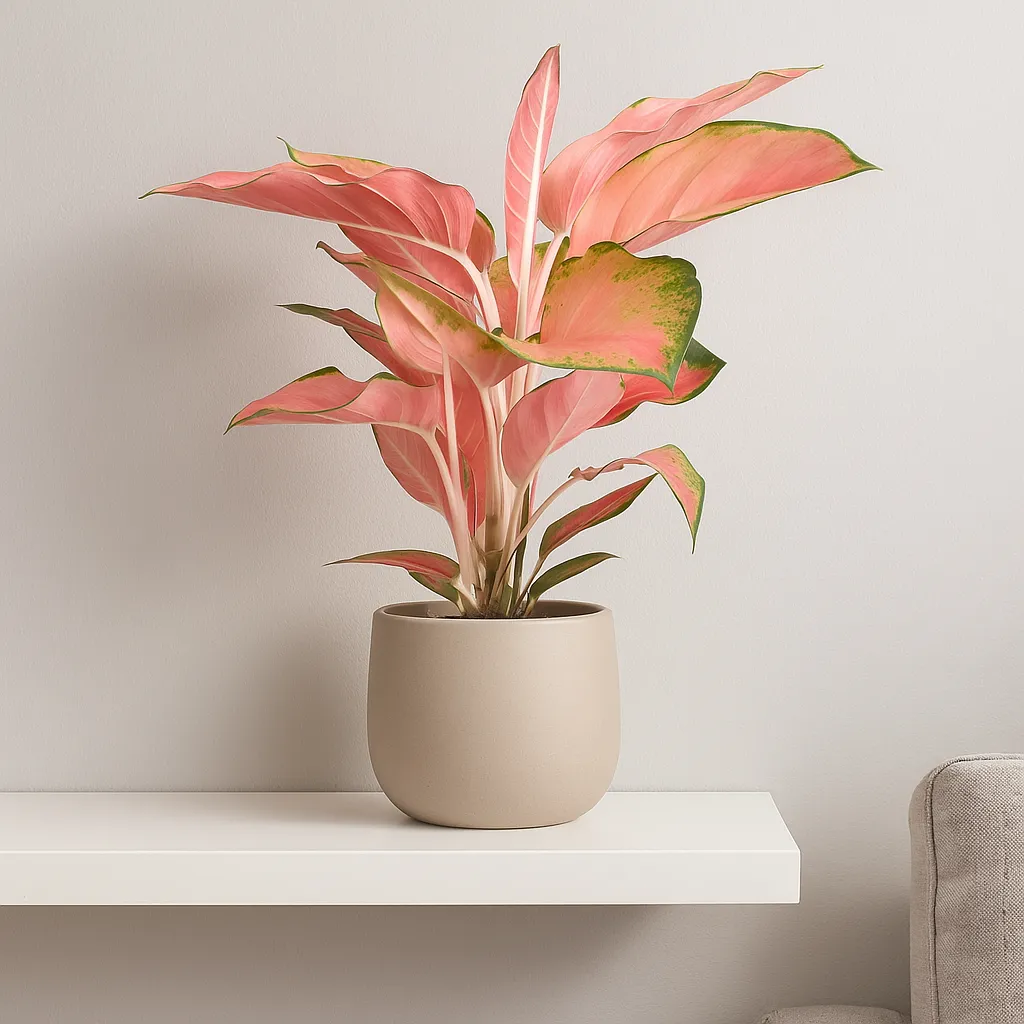
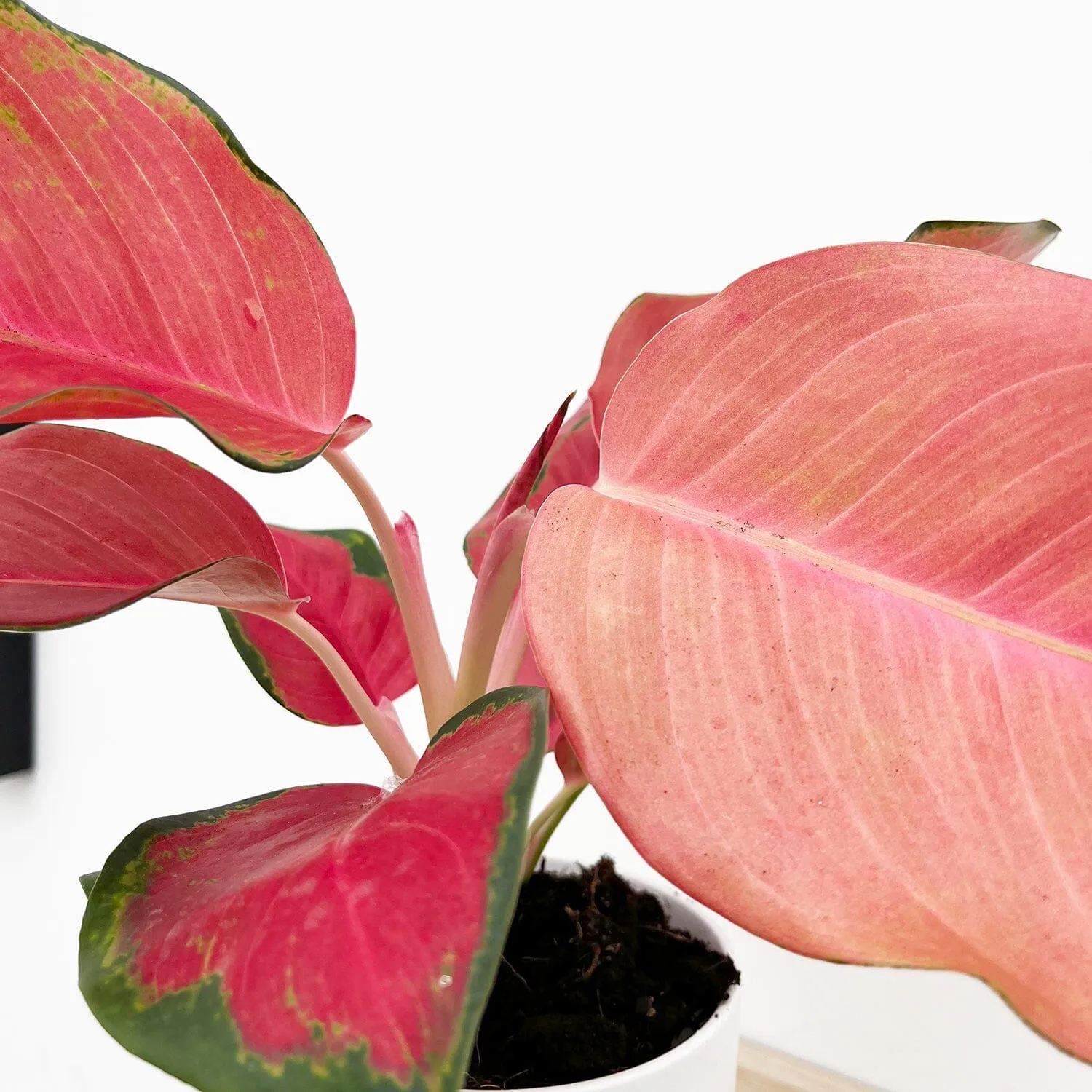
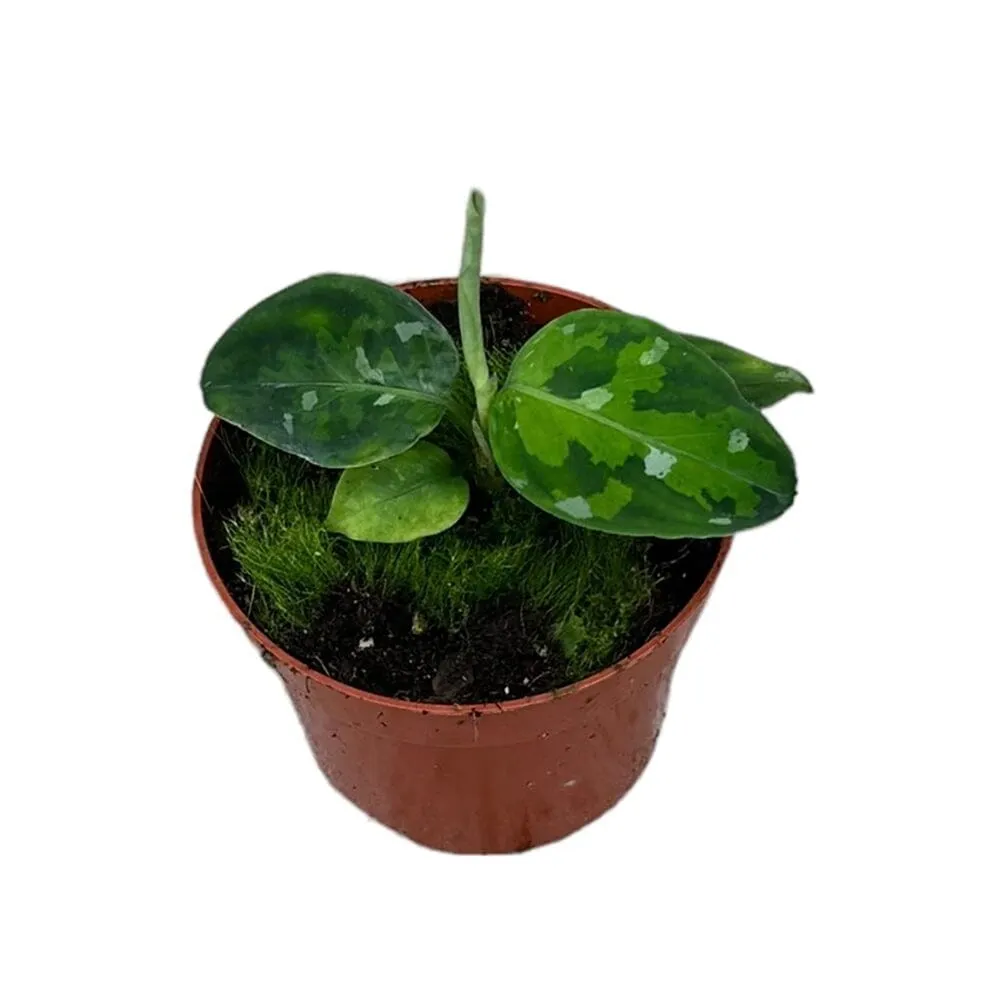
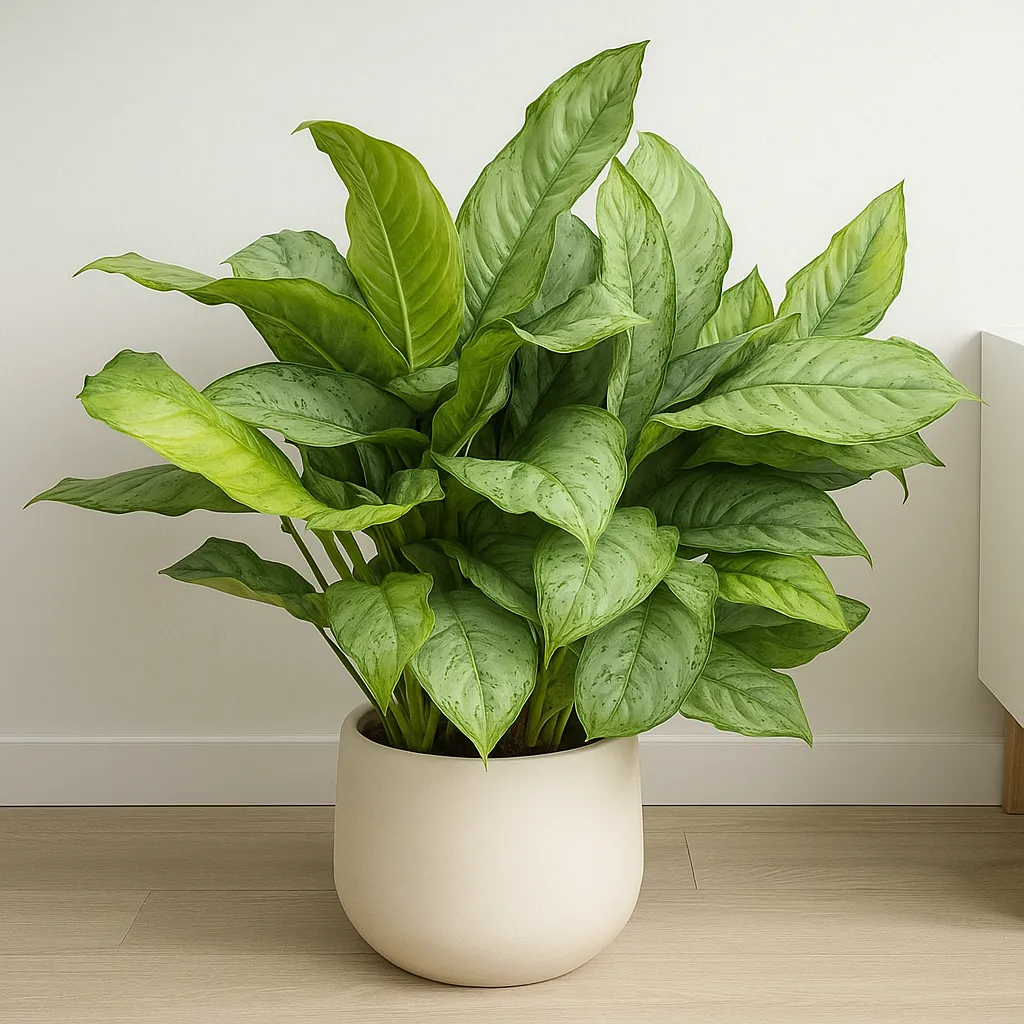
This variety is admired for its lush, broad, lance-shaped leaves that are patterned in a palette of silver, green, pink, and cream. The leaf centres are often mottled with silvery-green, while the veins and margins are flushed with soft pinks and rose tones, creating a delicate yet vibrant contrast. Each leaf is unique, with marbling and splashes that vary from plant to plant, ensuring no two specimens are exactly alike.
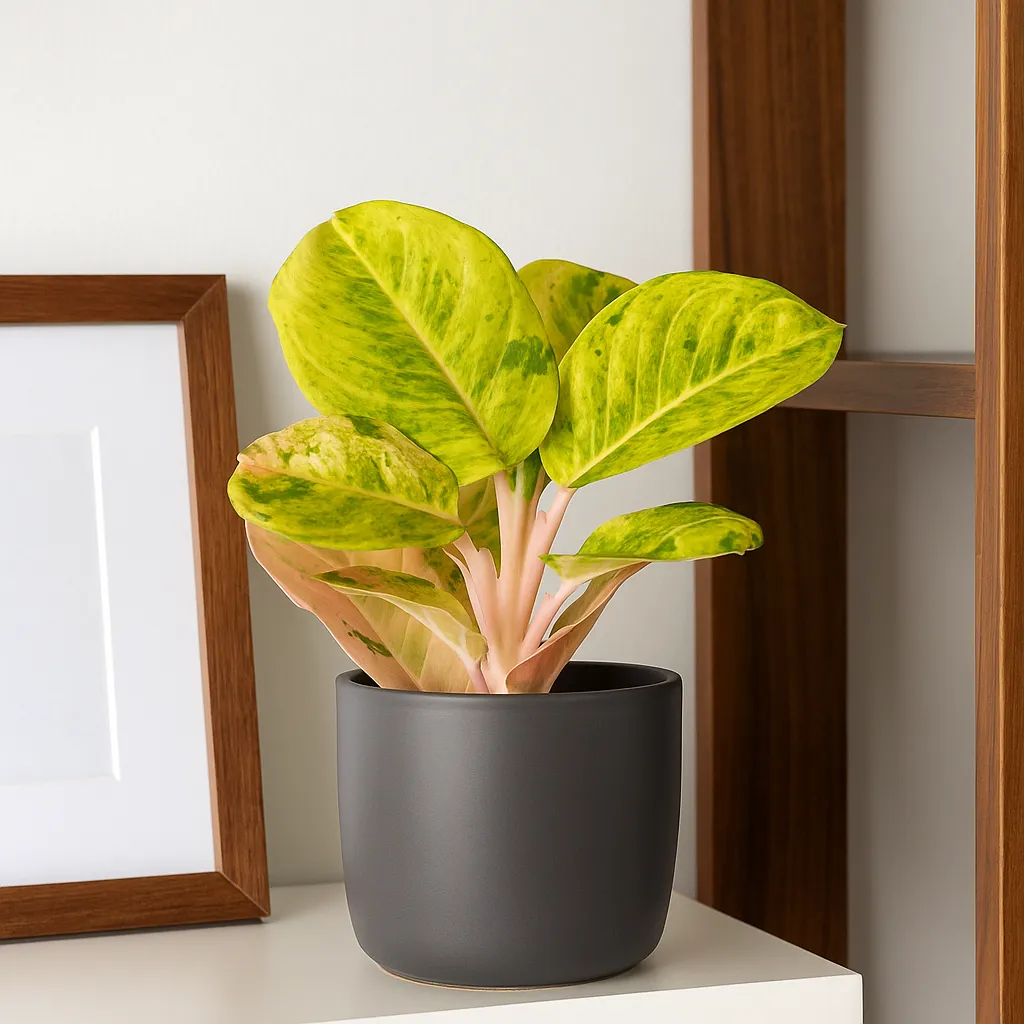
Compact and upright in growth, ‘B.J. Freedman’ typically reaches 40–60 cm tall indoors, making it a perfect medium-sized houseplant for desks, tabletops, and decorative corners. Its colourful foliage remains attractive year-round, and its tolerant nature makes it well suited for beginners as well as collectors of rare aroids.
Aglaonema ‘B.J. Freedman’ – Care Guide
Light
Prefers bright, indirect light to bring out the pink and cream tones in the foliage. It is more tolerant of lower light than many variegated plants, but colours may fade in dim conditions. Avoid direct sun, which can scorch the leaves.
Watering
Keep the soil evenly moist but not waterlogged. Water thoroughly when the top 2–4 cm of soil feels dry. In summer, this may mean weekly watering; in winter, reduce the frequency. Aglaonemas dislike sitting in soggy soil, so good drainage is essential.
Temperature and Humidity
-
Temperature: Thrives in warm indoor conditions between 18–26°C. Protect from draughts and avoid exposure to temperatures below 15°C.
-
Humidity: Prefers moderate to high humidity. While it can cope with average indoor levels, occasional misting or use of a humidifier helps keep leaves fresh and prevents brown edges.
Soil and Potting
Use a rich, free-draining houseplant compost mixed with perlite or orchid bark to improve aeration. Repot every 1–2 years in spring to refresh the soil, but choose a pot only slightly larger than the current one to avoid excess moisture retention.
Feeding
Feed once a month during spring and summer with a balanced liquid fertiliser. Feeding can be reduced or stopped in autumn and winter when the plant’s growth slows.
Pruning and Maintenance
Remove any yellow or damaged leaves at the base to maintain a neat appearance. Wipe the leaves with a damp cloth to enhance their colour and sheen while removing dust.
Growth and Maturity
‘B.J. Freedman’ grows at a steady pace, forming a compact, upright clump of patterned foliage. Mature plants may occasionally produce pale spadix-type flowers, though these are secondary to its ornamental leaves.
Common Issues
-
Yellowing leaves: Often a sign of overwatering or poor drainage.
-
Leaf browning: Usually caused by low humidity or underwatering.
-
Pests: May occasionally attract spider mites, scale insects, or mealybugs – inspect regularly and treat promptly.
Background and Benefits
Aglaonemas, including ‘B.J. Freedman’, have long been associated with good fortune and prosperity in Asian cultures. Beyond their symbolism, they are known to help improve indoor air quality by filtering common pollutants. With its combination of resilience and pastel-hued beauty, this cultivar brings both elegance and charm to any interior.
✅ Quick Care Summary
-
Light: Bright, indirect; tolerates medium light
-
Water: Keep soil evenly moist, not soggy
-
Temperature: 18–26°C; avoid below 15°C
-
Humidity: Moderate to high
-
Soil: Rich, free-draining mix
-
Feed: Monthly in spring/summer
-
Growth: Compact, upright; patterned pink, green, silver leaves
Original: $40.90
-70%$40.90
$12.27Product Information
Product Information
Shipping & Returns
Shipping & Returns
Description
Aglaonema ‘B.J. Freedman’ – Plant Description
Aglaonema ‘B.J. Freedman’ is a beautiful and highly decorative cultivar of the Chinese Evergreen, belonging to the Araceae family. Native to the tropical and subtropical regions of Asia, Aglaonema species are renowned for their colourful foliage and adaptability, and ‘B.J. Freedman’ is a particularly striking example.
This variety is admired for its lush, broad, lance-shaped leaves that are patterned in a palette of silver, green, pink, and cream. The leaf centres are often mottled with silvery-green, while the veins and margins are flushed with soft pinks and rose tones, creating a delicate yet vibrant contrast. Each leaf is unique, with marbling and splashes that vary from plant to plant, ensuring no two specimens are exactly alike.
Compact and upright in growth, ‘B.J. Freedman’ typically reaches 40–60 cm tall indoors, making it a perfect medium-sized houseplant for desks, tabletops, and decorative corners. Its colourful foliage remains attractive year-round, and its tolerant nature makes it well suited for beginners as well as collectors of rare aroids.
Aglaonema ‘B.J. Freedman’ – Care Guide
Light
Prefers bright, indirect light to bring out the pink and cream tones in the foliage. It is more tolerant of lower light than many variegated plants, but colours may fade in dim conditions. Avoid direct sun, which can scorch the leaves.
Watering
Keep the soil evenly moist but not waterlogged. Water thoroughly when the top 2–4 cm of soil feels dry. In summer, this may mean weekly watering; in winter, reduce the frequency. Aglaonemas dislike sitting in soggy soil, so good drainage is essential.
Temperature and Humidity
-
Temperature: Thrives in warm indoor conditions between 18–26°C. Protect from draughts and avoid exposure to temperatures below 15°C.
-
Humidity: Prefers moderate to high humidity. While it can cope with average indoor levels, occasional misting or use of a humidifier helps keep leaves fresh and prevents brown edges.
Soil and Potting
Use a rich, free-draining houseplant compost mixed with perlite or orchid bark to improve aeration. Repot every 1–2 years in spring to refresh the soil, but choose a pot only slightly larger than the current one to avoid excess moisture retention.
Feeding
Feed once a month during spring and summer with a balanced liquid fertiliser. Feeding can be reduced or stopped in autumn and winter when the plant’s growth slows.
Pruning and Maintenance
Remove any yellow or damaged leaves at the base to maintain a neat appearance. Wipe the leaves with a damp cloth to enhance their colour and sheen while removing dust.
Growth and Maturity
‘B.J. Freedman’ grows at a steady pace, forming a compact, upright clump of patterned foliage. Mature plants may occasionally produce pale spadix-type flowers, though these are secondary to its ornamental leaves.
Common Issues
-
Yellowing leaves: Often a sign of overwatering or poor drainage.
-
Leaf browning: Usually caused by low humidity or underwatering.
-
Pests: May occasionally attract spider mites, scale insects, or mealybugs – inspect regularly and treat promptly.
Background and Benefits
Aglaonemas, including ‘B.J. Freedman’, have long been associated with good fortune and prosperity in Asian cultures. Beyond their symbolism, they are known to help improve indoor air quality by filtering common pollutants. With its combination of resilience and pastel-hued beauty, this cultivar brings both elegance and charm to any interior.
✅ Quick Care Summary
-
Light: Bright, indirect; tolerates medium light
-
Water: Keep soil evenly moist, not soggy
-
Temperature: 18–26°C; avoid below 15°C
-
Humidity: Moderate to high
-
Soil: Rich, free-draining mix
-
Feed: Monthly in spring/summer
-
Growth: Compact, upright; patterned pink, green, silver leaves