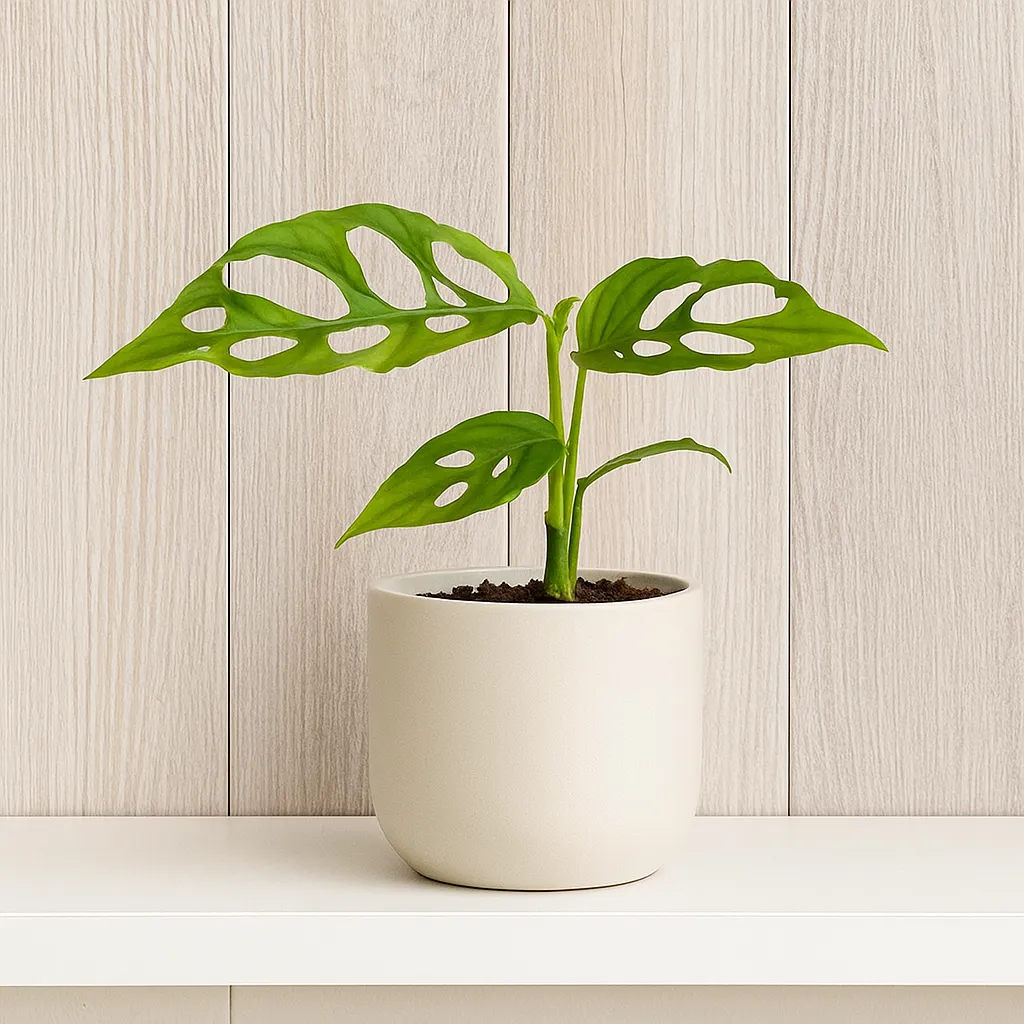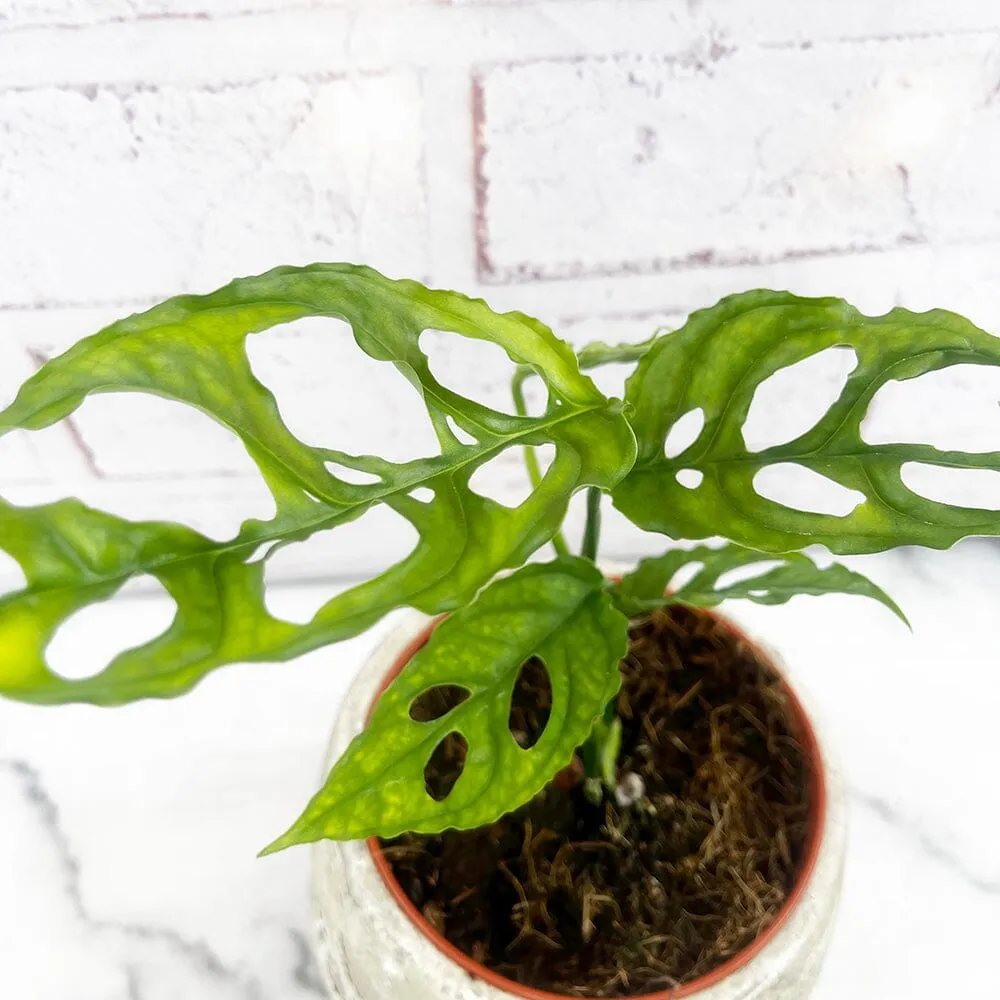
Variegated Aspidistra Elatior Cast Iron Plant
Aspidistra elatior ‘Variegata’, commonly known as the Variegated Cast Iron Plant, is a tough yet elegant evergreen perennial from the Asparagaceae family, native to the shaded forest floors of East Asia. This variegated form is admired for its refined striped foliage, combining traditional hardiness with ornamental beauty.
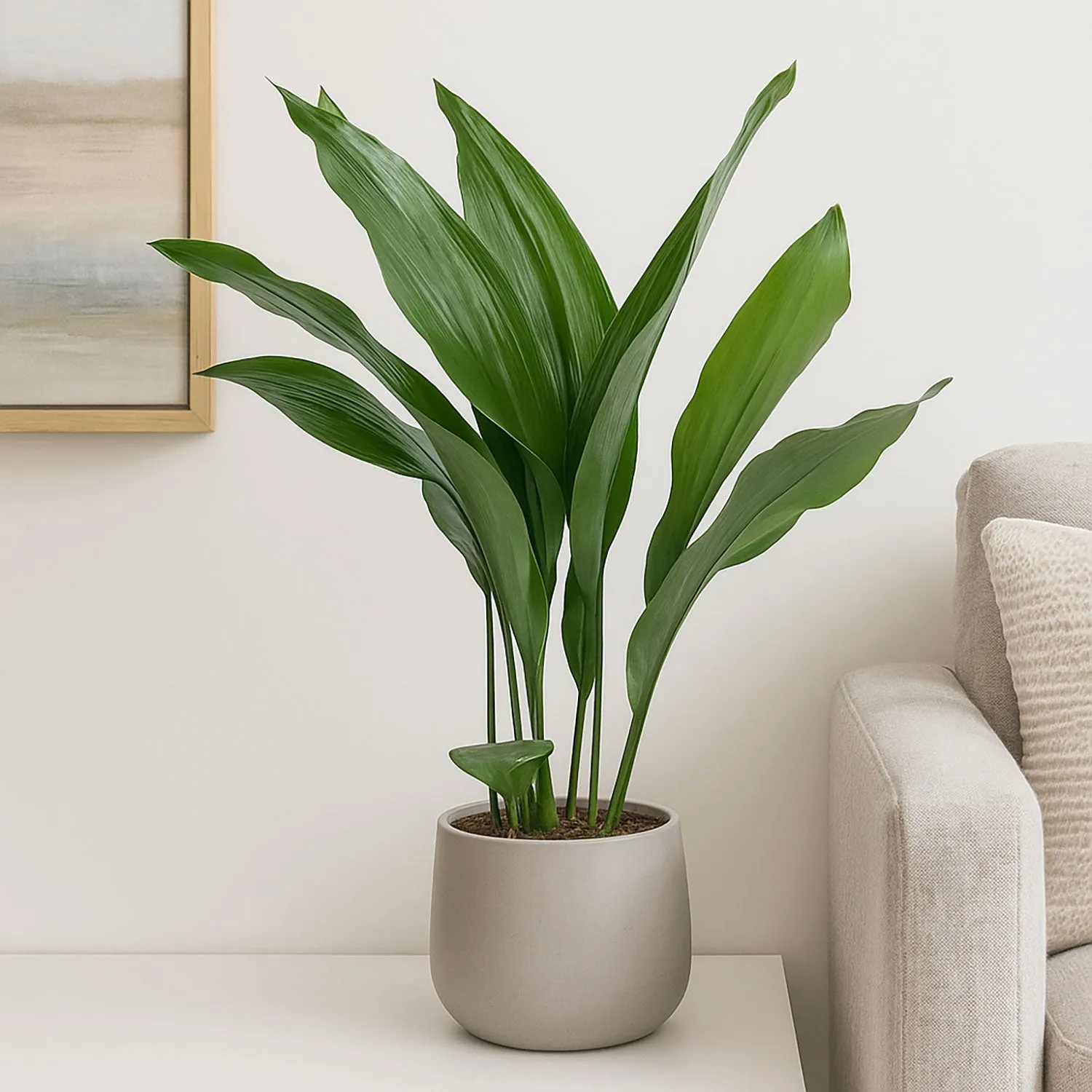
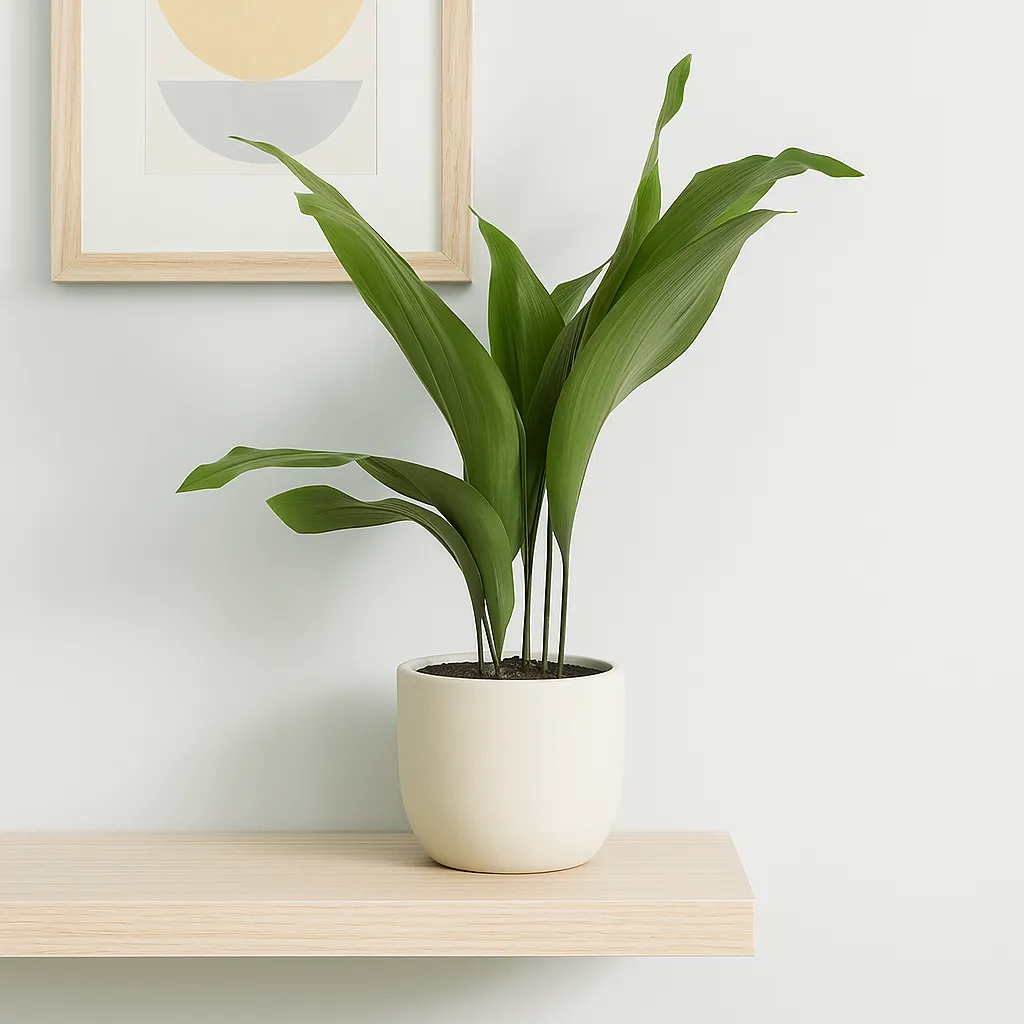
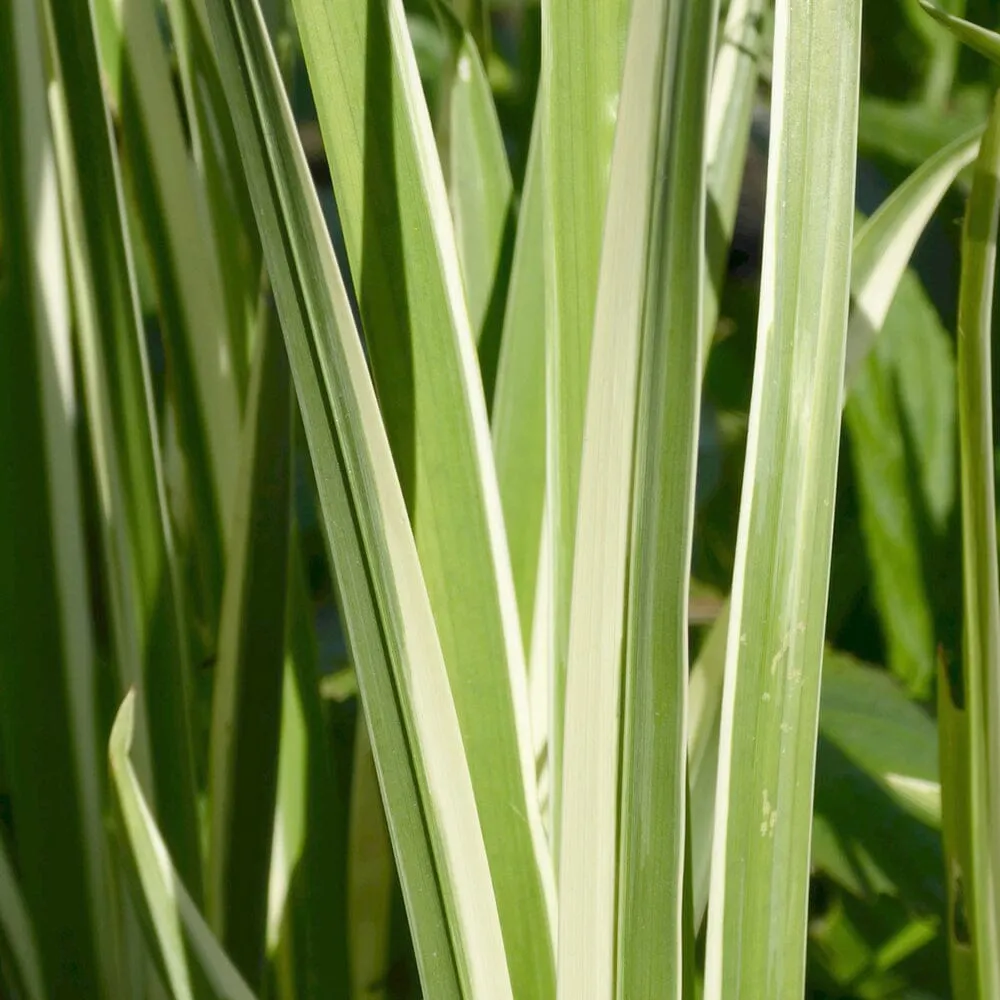
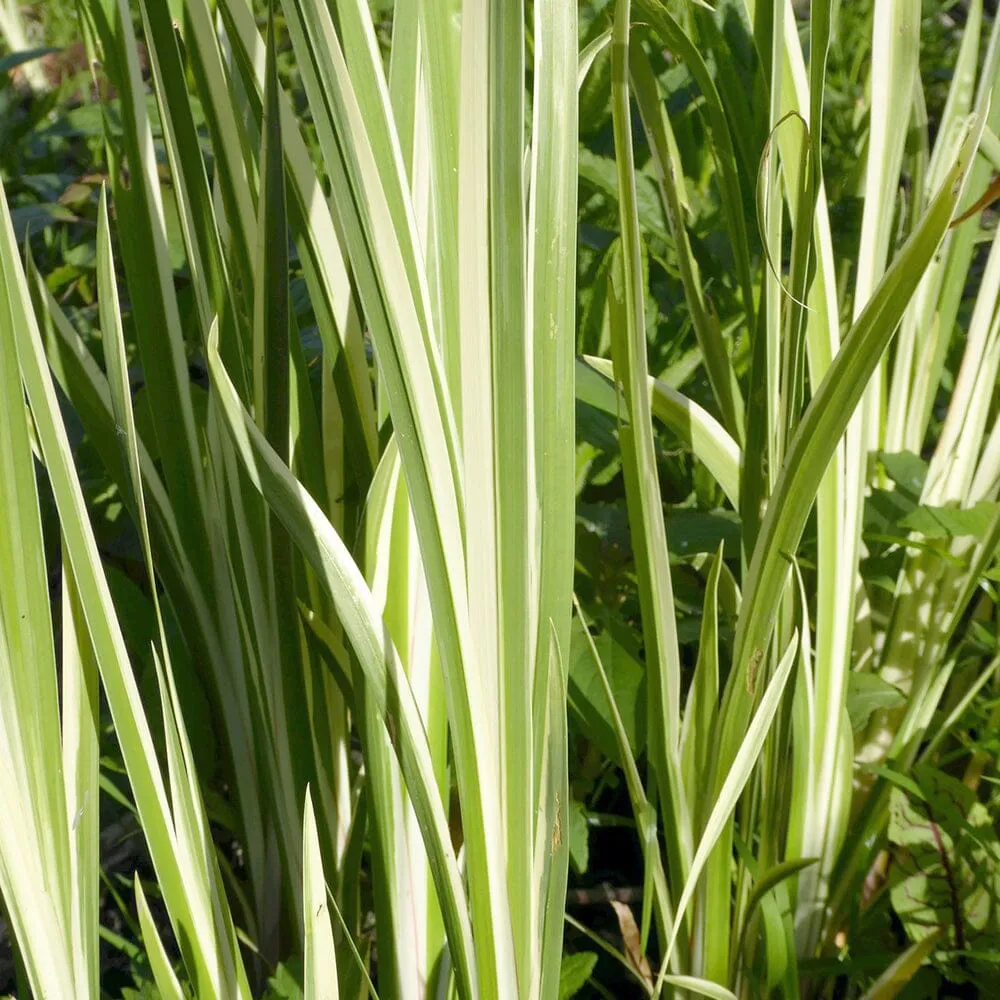
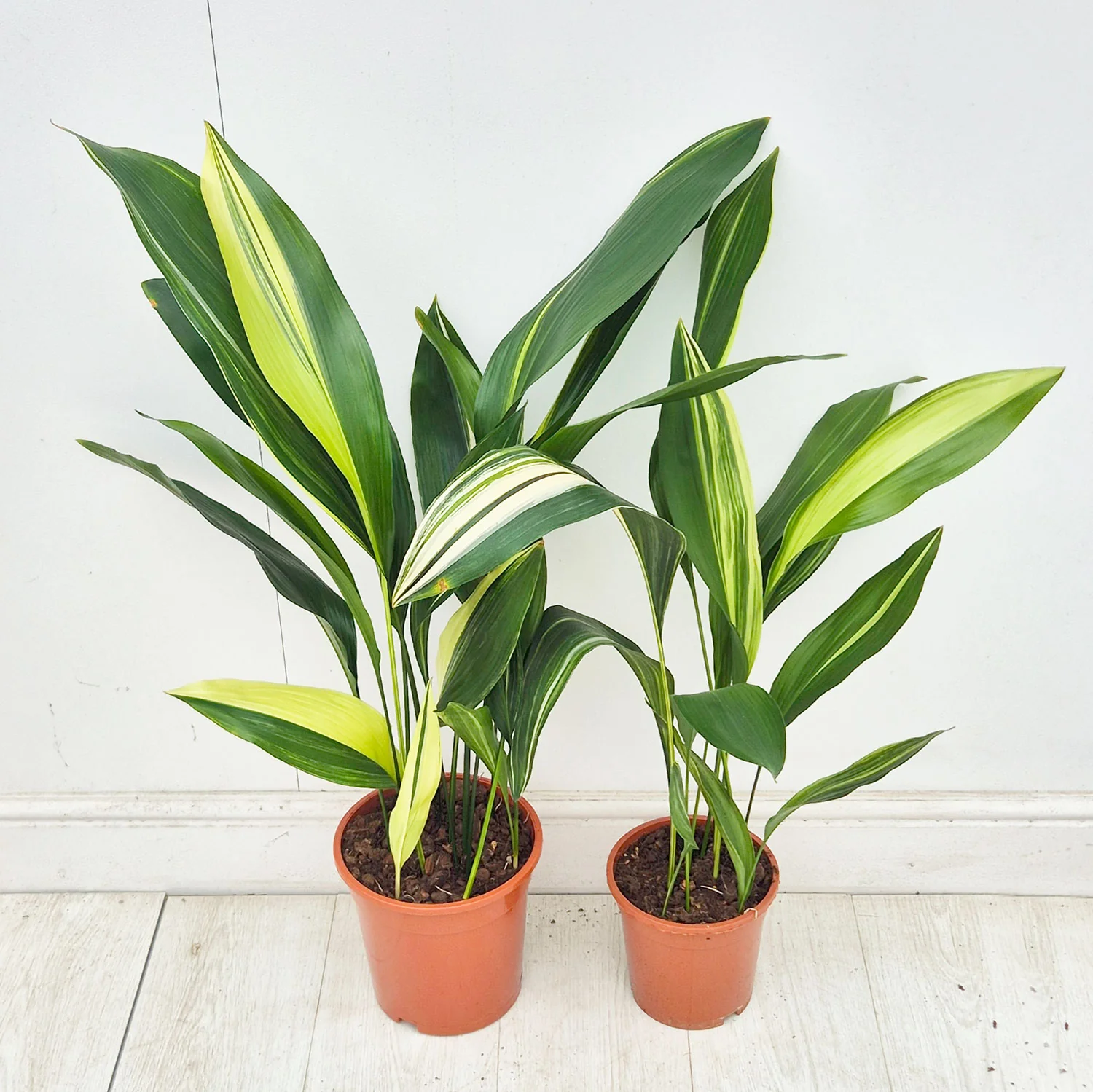
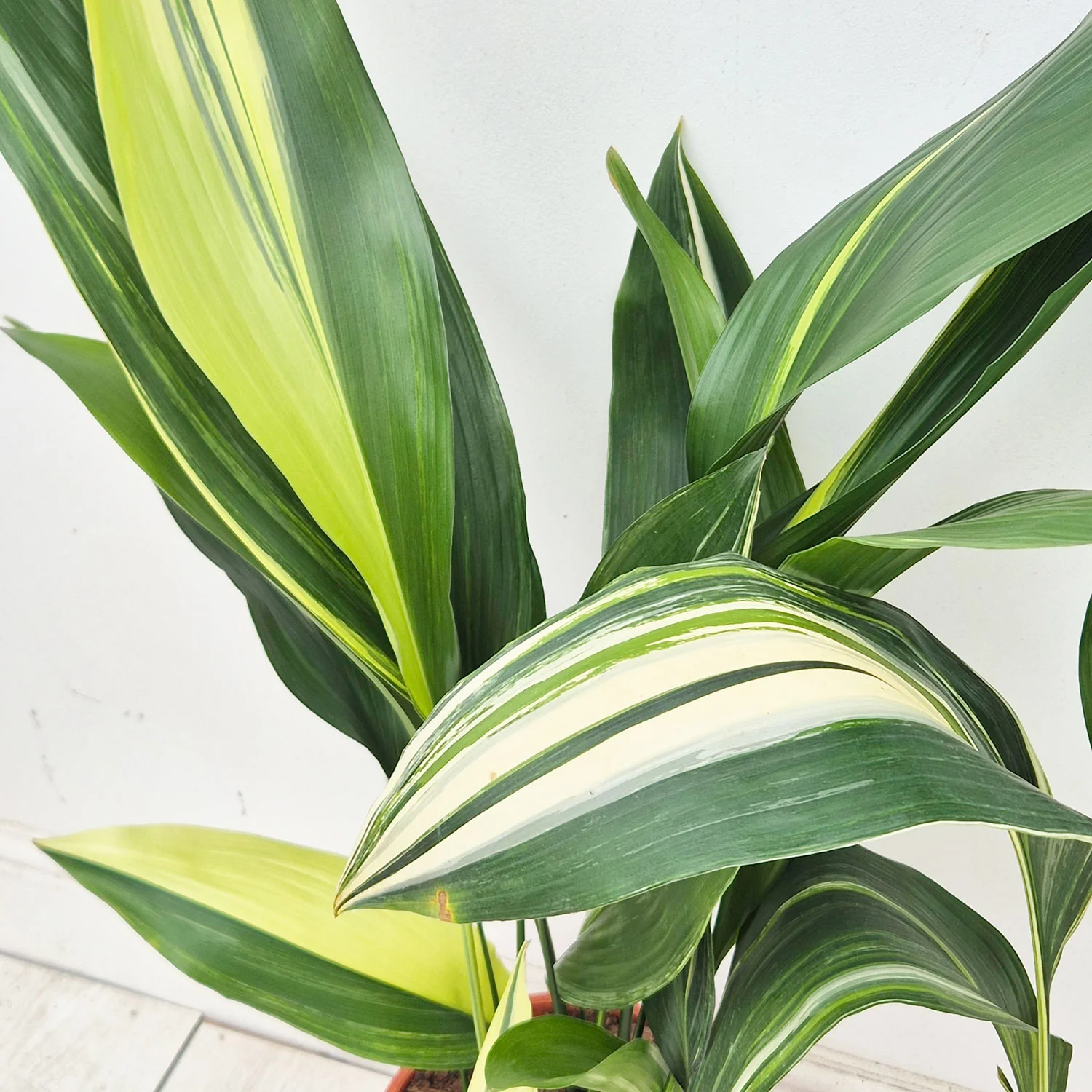
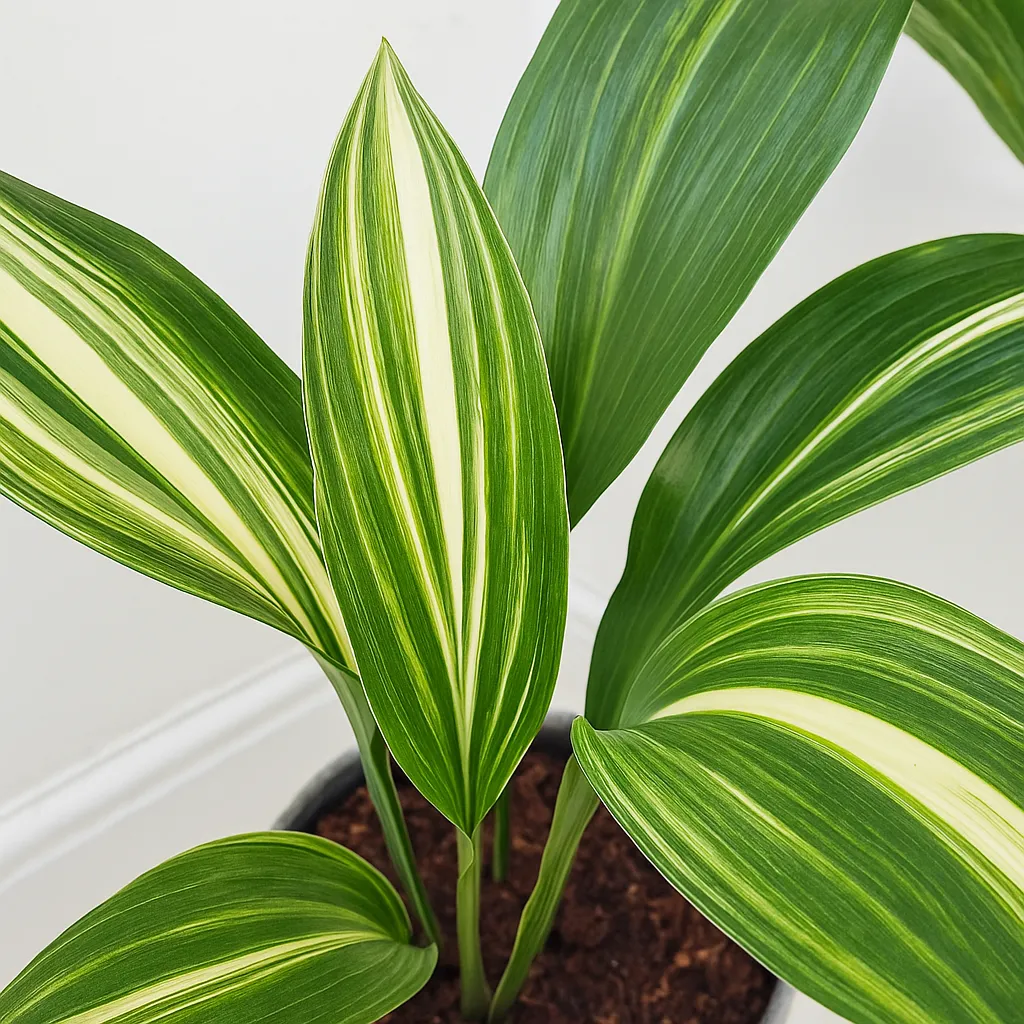
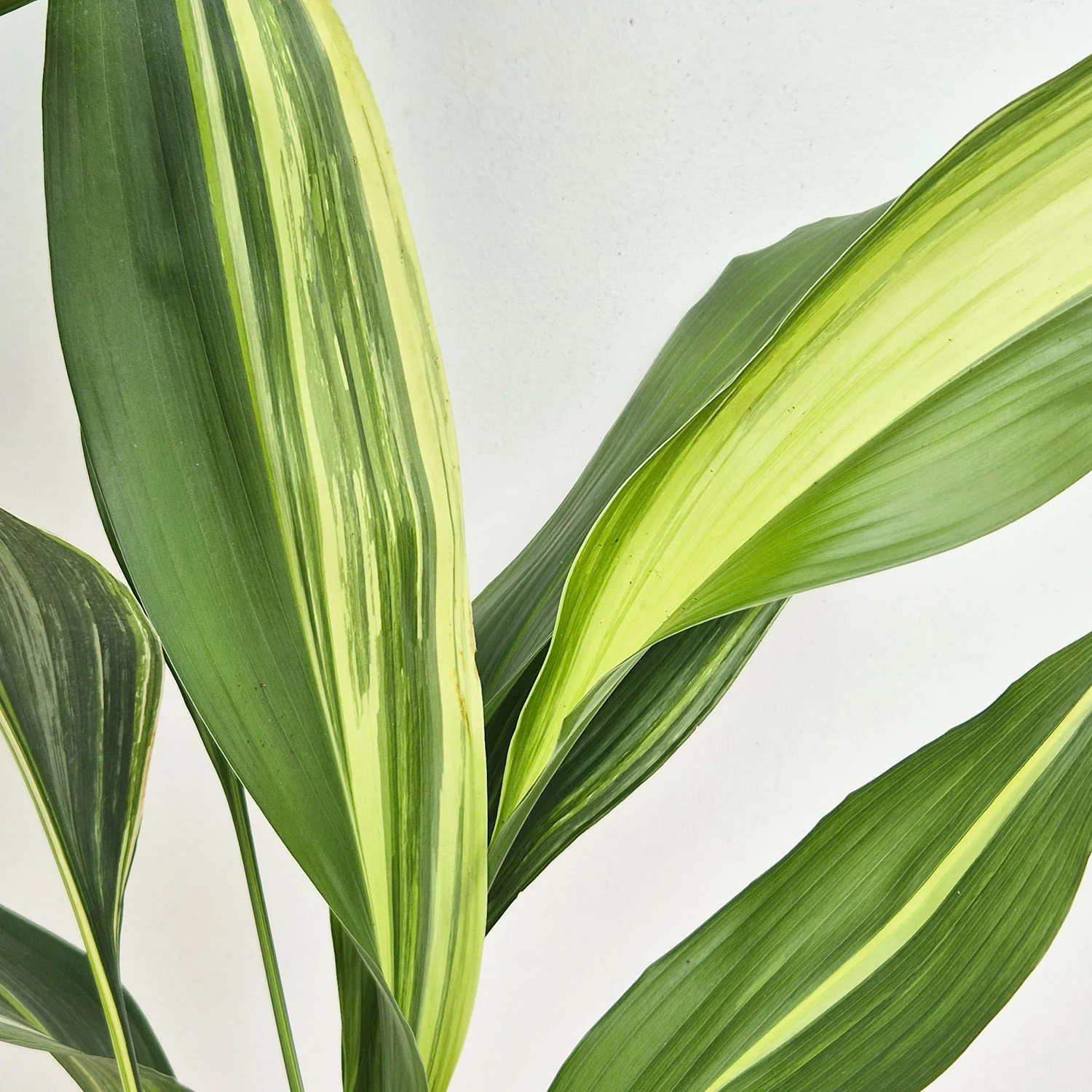
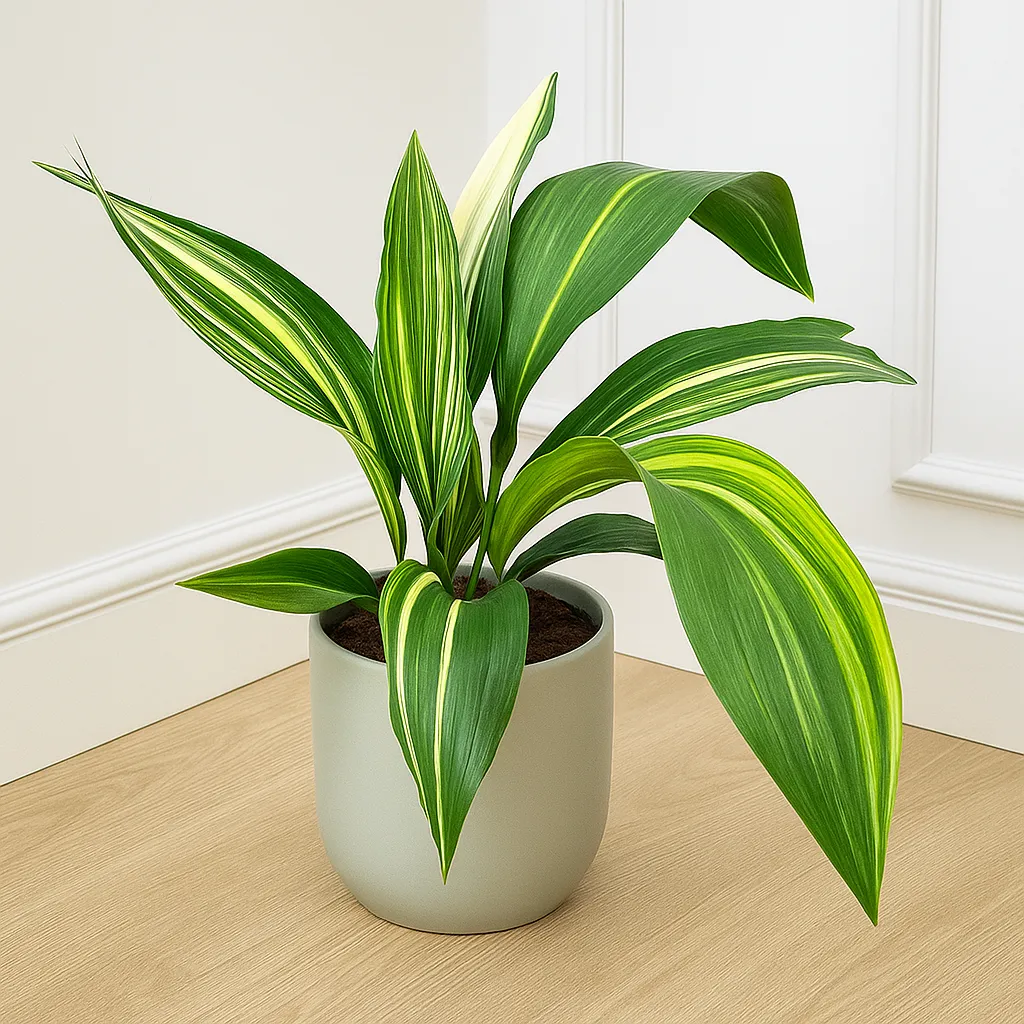
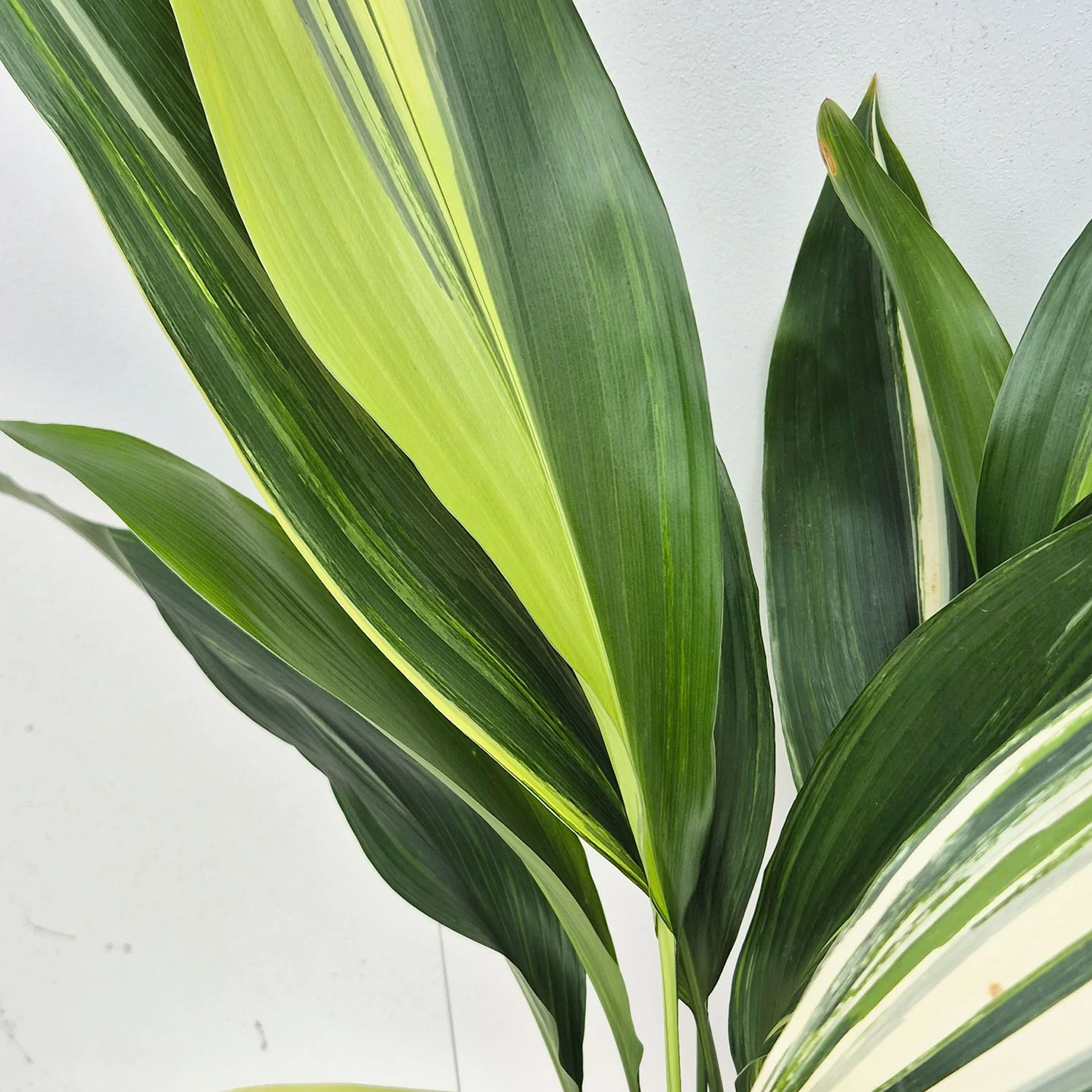
The plant produces tall, lance-shaped, leathery leaves that grow upright from rhizomes beneath the soil. Each deep green leaf is beautifully marked with vertical streaks of creamy white or pale yellow, creating a sophisticated, painterly effect. The variegation pattern varies between leaves — some delicately striped, others boldly splashed — ensuring every plant is unique.
Slow-growing but long-lived, Aspidistra elatior ‘Variegata’ thrives in conditions where most other houseplants struggle. Its resilience and understated elegance make it a timeless choice for homes, offices, and shaded garden spots.
Aspidistra elatior ‘Variegata’ – Care Guide
Light
Tolerates low light extremely well but prefers bright, indirect light to maintain clear variegation. Avoid harsh direct sunlight, which can fade or scorch the pale markings.
Watering
Water when the top 3–5 cm of soil feels dry. Keep soil evenly moist but not soggy. The Cast Iron Plant is drought-tolerant once established and copes well with occasional missed waterings.
Temperature and Humidity
-
Temperature: Prefers 15–26°C. Protect from frost and draughts; can tolerate cooler indoor temperatures in winter.
-
Humidity: Adapts well to normal household humidity. No misting required.
Soil and Potting
Use a free-draining, peat-free houseplant compost. The roots are shallow, so a wide, shallow pot is preferable. Repot every 3–4 years in spring or when pot-bound.
Feeding
Feed every 4–6 weeks in spring and summer with a diluted balanced fertiliser. Avoid overfeeding, which can cause leaf tip burn.
Pruning and Maintenance
Remove old or damaged leaves at the base to maintain a tidy appearance. Wipe leaves with a damp cloth occasionally to remove dust and enhance their sheen.
Growth and Maturity
A slow-growing plant that typically reaches 50–70 cm tall indoors. With time, it forms dense clumps of upright, elegant foliage.
Common Issues
-
Yellowing leaves: Overwatering or poor drainage.
-
Brown tips: Hard water, overfertilisation, or low humidity.
-
Loss of variegation: Insufficient light.
-
Pests: Rare, but may occasionally attract scale insects or spider mites.
Background and Benefits
The Cast Iron Plant earned its name from its incredible tolerance of low light, drought, and neglect. The ‘Variegata’ cultivar brings a decorative twist to this famously hardy species, adding subtle colour and sophistication to any space. It’s one of the longest-lived and most reliable indoor plants, often passed down for generations.
✅ Quick Care Summary
-
Light: Low to bright, indirect; avoid direct sun
-
Water: Lightly moist; allow topsoil to dry slightly
-
Temperature: 15–26°C; protect from frost
-
Humidity: Average indoor levels
-
Soil: Free-draining, peat-free compost
-
Feed: Every 4–6 weeks in spring/summer
-
Growth: Upright clump, 50–70 cm; deep green leaves striped with creamy-white or pale yellow
Original: $118.77
-70%$118.77
$35.63Product Information
Product Information
Shipping & Returns
Shipping & Returns
Description
Aspidistra elatior ‘Variegata’, commonly known as the Variegated Cast Iron Plant, is a tough yet elegant evergreen perennial from the Asparagaceae family, native to the shaded forest floors of East Asia. This variegated form is admired for its refined striped foliage, combining traditional hardiness with ornamental beauty.
The plant produces tall, lance-shaped, leathery leaves that grow upright from rhizomes beneath the soil. Each deep green leaf is beautifully marked with vertical streaks of creamy white or pale yellow, creating a sophisticated, painterly effect. The variegation pattern varies between leaves — some delicately striped, others boldly splashed — ensuring every plant is unique.
Slow-growing but long-lived, Aspidistra elatior ‘Variegata’ thrives in conditions where most other houseplants struggle. Its resilience and understated elegance make it a timeless choice for homes, offices, and shaded garden spots.
Aspidistra elatior ‘Variegata’ – Care Guide
Light
Tolerates low light extremely well but prefers bright, indirect light to maintain clear variegation. Avoid harsh direct sunlight, which can fade or scorch the pale markings.
Watering
Water when the top 3–5 cm of soil feels dry. Keep soil evenly moist but not soggy. The Cast Iron Plant is drought-tolerant once established and copes well with occasional missed waterings.
Temperature and Humidity
-
Temperature: Prefers 15–26°C. Protect from frost and draughts; can tolerate cooler indoor temperatures in winter.
-
Humidity: Adapts well to normal household humidity. No misting required.
Soil and Potting
Use a free-draining, peat-free houseplant compost. The roots are shallow, so a wide, shallow pot is preferable. Repot every 3–4 years in spring or when pot-bound.
Feeding
Feed every 4–6 weeks in spring and summer with a diluted balanced fertiliser. Avoid overfeeding, which can cause leaf tip burn.
Pruning and Maintenance
Remove old or damaged leaves at the base to maintain a tidy appearance. Wipe leaves with a damp cloth occasionally to remove dust and enhance their sheen.
Growth and Maturity
A slow-growing plant that typically reaches 50–70 cm tall indoors. With time, it forms dense clumps of upright, elegant foliage.
Common Issues
-
Yellowing leaves: Overwatering or poor drainage.
-
Brown tips: Hard water, overfertilisation, or low humidity.
-
Loss of variegation: Insufficient light.
-
Pests: Rare, but may occasionally attract scale insects or spider mites.
Background and Benefits
The Cast Iron Plant earned its name from its incredible tolerance of low light, drought, and neglect. The ‘Variegata’ cultivar brings a decorative twist to this famously hardy species, adding subtle colour and sophistication to any space. It’s one of the longest-lived and most reliable indoor plants, often passed down for generations.
✅ Quick Care Summary
-
Light: Low to bright, indirect; avoid direct sun
-
Water: Lightly moist; allow topsoil to dry slightly
-
Temperature: 15–26°C; protect from frost
-
Humidity: Average indoor levels
-
Soil: Free-draining, peat-free compost
-
Feed: Every 4–6 weeks in spring/summer
-
Growth: Upright clump, 50–70 cm; deep green leaves striped with creamy-white or pale yellow