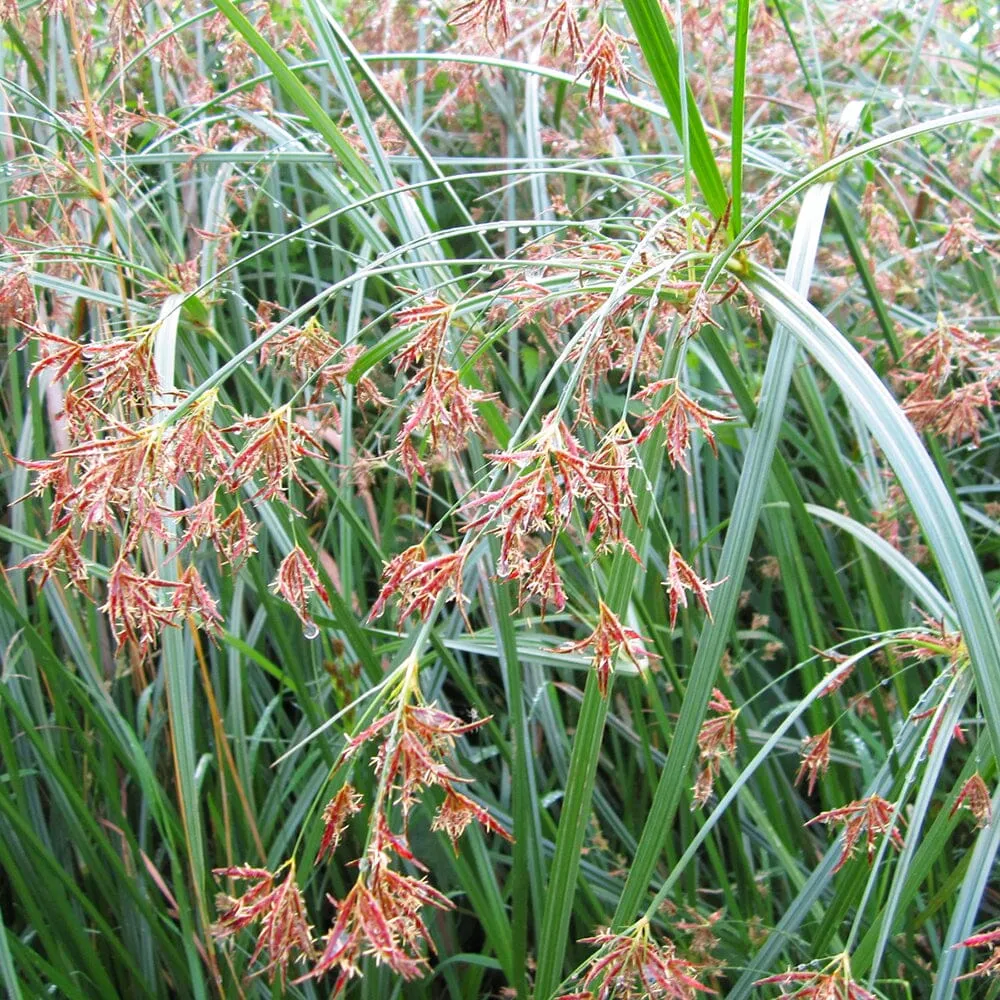
Cyperus Longus Aquatic Pond Plant - Sweet Galingale
Cyperus longus, commonly known as Galingale or Sweet Galingale, is a perennial sedge that belongs to the Cyperaceae family. It is native to Europe, North Africa, and Western Asia. Here's a detailed description and care guide for Cyperus longus:
Description:
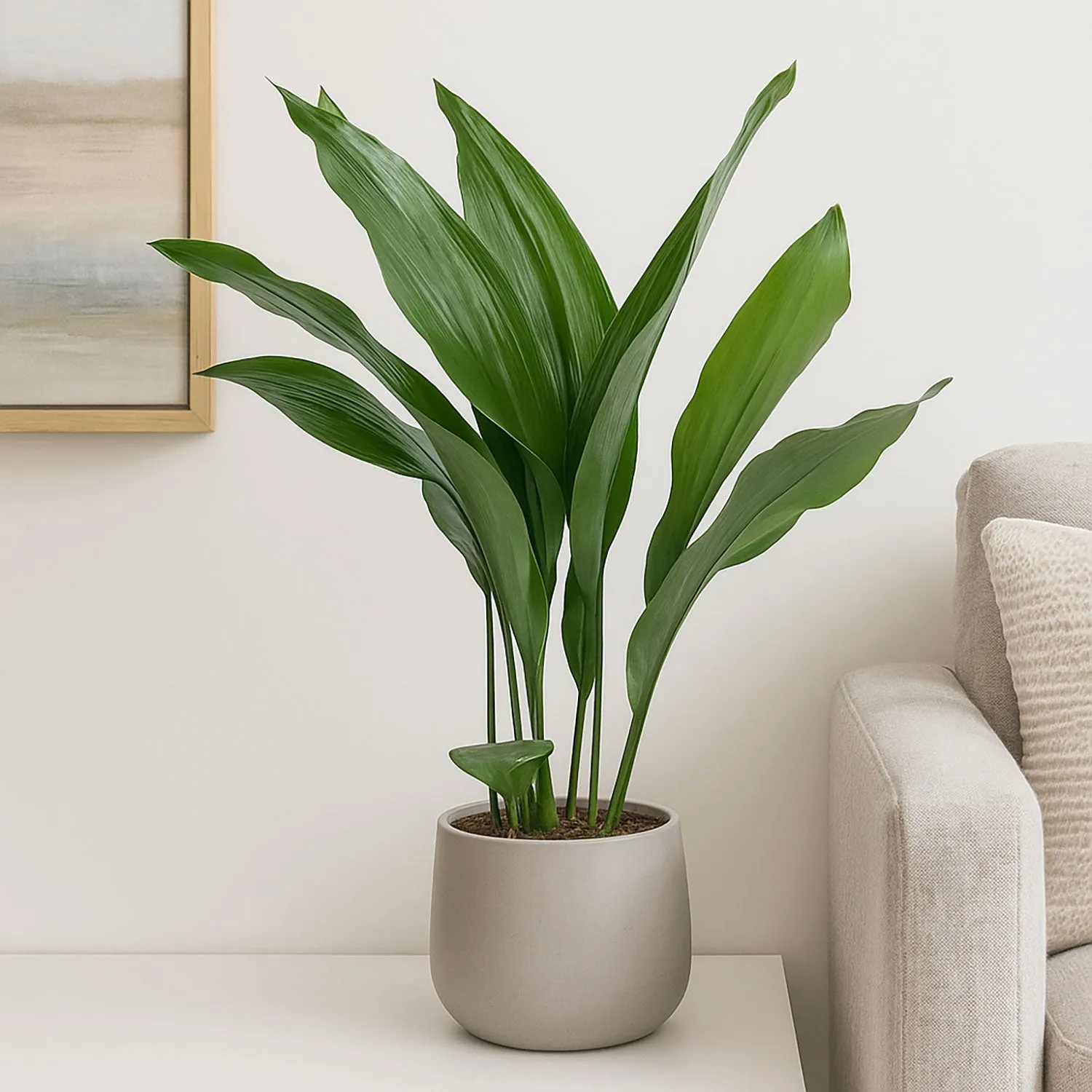
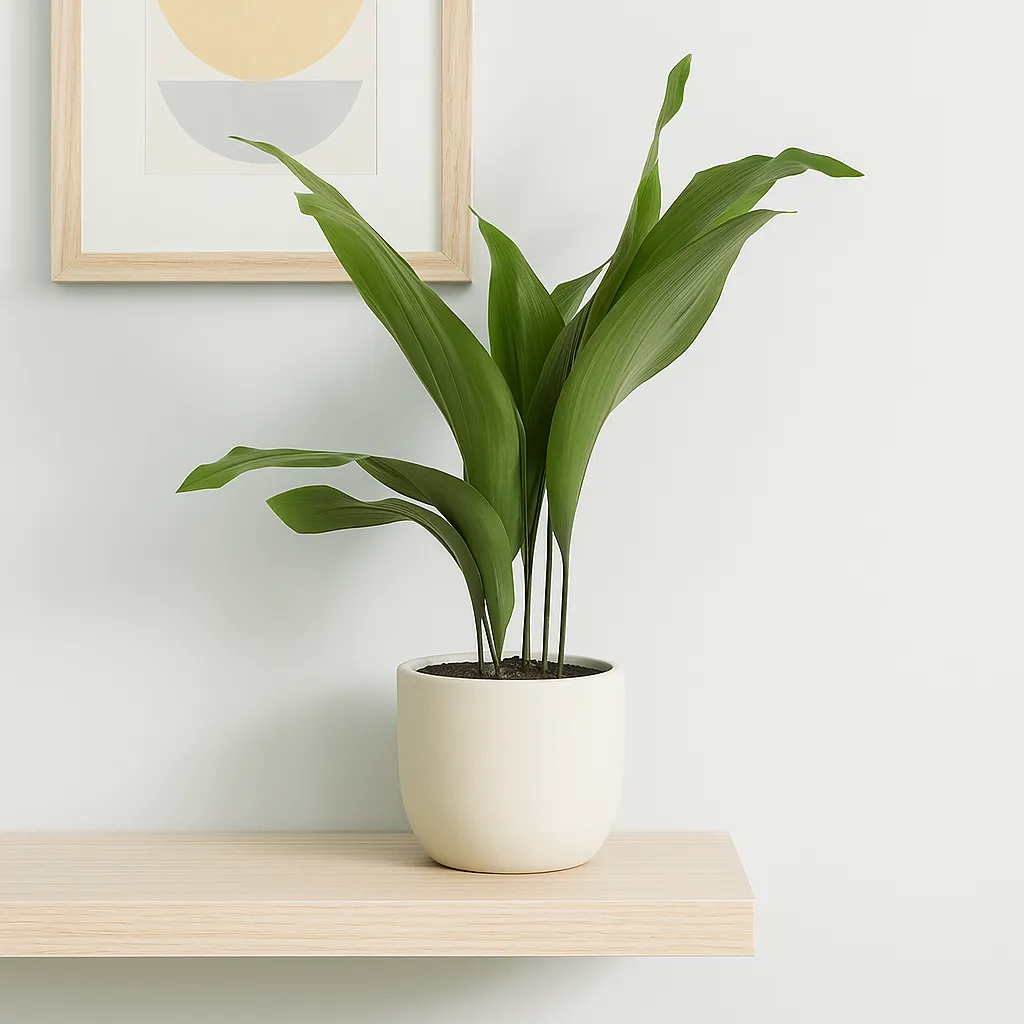
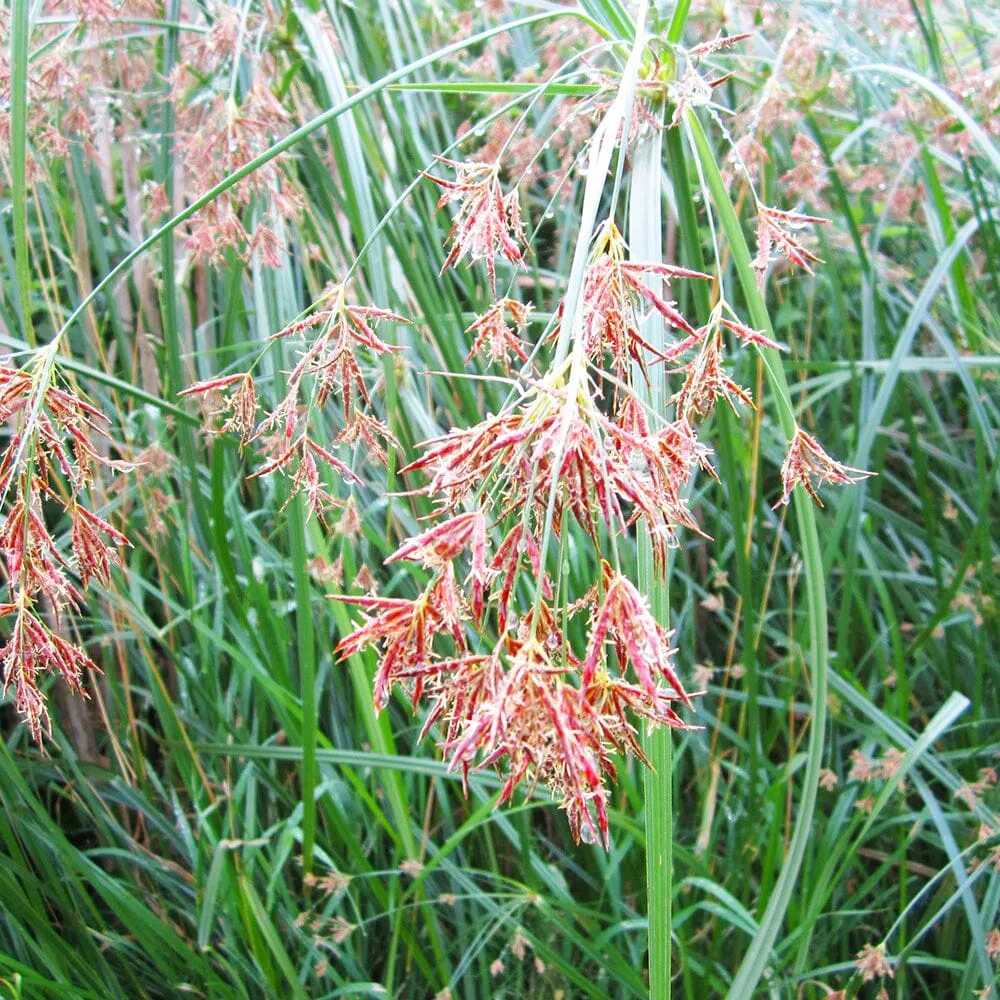
Cyperus longus forms clumps of upright, slender stems with grass-like foliage. The stems can grow to a height of about 2-4 feet (60-120 cm) with a spread of 1-2 feet (30-60 cm). The leaves are linear, green, and arch gracefully from the stems. In late spring to early summer, Cyperus longus produces clusters of small, brown spikelets at the top of the stems. The spikelets are followed by small, inconspicuous brown seedheads. The plant's foliage and architectural form make it an attractive addition to borders, naturalized areas, or as an accent plant.
Care Guide:
Lighting: Cyperus longus thrives in full sun to partial shade. It prefers a location with at least 4-6 hours of direct sunlight per day. However, it can tolerate some shade, especially during the hottest part of the day.
Water: Cyperus longus prefers consistently moist to wet soil conditions. It naturally occurs in wetlands, marshes, and other waterlogged habitats. Ensure the soil remains consistently moist, but avoid waterlogging. Water deeply when the top inch of soil feels dry to the touch.
Soil: Cyperus longus prefers fertile, loamy soil that retains moisture well. It can tolerate a range of soil types, including clay, loam, or sandy soil. Amend the soil with organic matter, such as compost or well-rotted manure, to improve its fertility and moisture retention.
Temperature: Cyperus longus is adaptable to a wide range of temperatures. It is hardy in USDA hardiness zones 7-10. It can tolerate both cold and warm climates but may benefit from protection in colder regions. Mulching around the plant can help maintain soil moisture and protect the roots from extreme temperature fluctuations.
Fertilizer: Cyperus longus generally does not require heavy fertilization. However, incorporating a balanced, slow-release fertilizer or organic compost into the soil during the growing season can provide a nutrient boost. Follow the manufacturer's instructions or use compost at a rate of 1-2 inches (2.5-5 cm) applied as a topdressing around the plant.
Maintenance: Regular maintenance helps keep Cyperus longus healthy and attractive. Remove any dead or yellowing foliage to maintain a neat appearance. Cut back the entire clump to the ground in late winter or early spring before new growth emerges to rejuvenate the plant.
Propagation: Cyperus longus can be propagated through division or by collecting and sowing its seeds. Division is best done in spring or early fall. Carefully separate the clumps and replant them in suitable soil or planting medium. Seeds can be collected from mature seedheads and sown in containers or directly in the soil.
Pests and Diseases: Cyperus longus is generally resistant to pests and diseases. However, it may occasionally attract aphids or be susceptible to leaf spot if growing conditions are unfavorable. Monitor the plant regularly for any signs of pests or diseases and take appropriate measures if necessary.
By following these care guidelines, you can enjoy the graceful and grass-like appearance of Cyperus longus in your garden, borders, or naturalized areas. Adjust the care routine based on your specific growing conditions and monitor the plant for any signs of stress, pests, or diseases. With proper care, Cyperus longus can provide a unique and architectural element, adding interest and texture to your landscape.
Original: $13.18
-70%$13.18
$3.95Product Information
Product Information
Shipping & Returns
Shipping & Returns
Description
Cyperus longus, commonly known as Galingale or Sweet Galingale, is a perennial sedge that belongs to the Cyperaceae family. It is native to Europe, North Africa, and Western Asia. Here's a detailed description and care guide for Cyperus longus:
Description:
Cyperus longus forms clumps of upright, slender stems with grass-like foliage. The stems can grow to a height of about 2-4 feet (60-120 cm) with a spread of 1-2 feet (30-60 cm). The leaves are linear, green, and arch gracefully from the stems. In late spring to early summer, Cyperus longus produces clusters of small, brown spikelets at the top of the stems. The spikelets are followed by small, inconspicuous brown seedheads. The plant's foliage and architectural form make it an attractive addition to borders, naturalized areas, or as an accent plant.
Care Guide:
Lighting: Cyperus longus thrives in full sun to partial shade. It prefers a location with at least 4-6 hours of direct sunlight per day. However, it can tolerate some shade, especially during the hottest part of the day.
Water: Cyperus longus prefers consistently moist to wet soil conditions. It naturally occurs in wetlands, marshes, and other waterlogged habitats. Ensure the soil remains consistently moist, but avoid waterlogging. Water deeply when the top inch of soil feels dry to the touch.
Soil: Cyperus longus prefers fertile, loamy soil that retains moisture well. It can tolerate a range of soil types, including clay, loam, or sandy soil. Amend the soil with organic matter, such as compost or well-rotted manure, to improve its fertility and moisture retention.
Temperature: Cyperus longus is adaptable to a wide range of temperatures. It is hardy in USDA hardiness zones 7-10. It can tolerate both cold and warm climates but may benefit from protection in colder regions. Mulching around the plant can help maintain soil moisture and protect the roots from extreme temperature fluctuations.
Fertilizer: Cyperus longus generally does not require heavy fertilization. However, incorporating a balanced, slow-release fertilizer or organic compost into the soil during the growing season can provide a nutrient boost. Follow the manufacturer's instructions or use compost at a rate of 1-2 inches (2.5-5 cm) applied as a topdressing around the plant.
Maintenance: Regular maintenance helps keep Cyperus longus healthy and attractive. Remove any dead or yellowing foliage to maintain a neat appearance. Cut back the entire clump to the ground in late winter or early spring before new growth emerges to rejuvenate the plant.
Propagation: Cyperus longus can be propagated through division or by collecting and sowing its seeds. Division is best done in spring or early fall. Carefully separate the clumps and replant them in suitable soil or planting medium. Seeds can be collected from mature seedheads and sown in containers or directly in the soil.
Pests and Diseases: Cyperus longus is generally resistant to pests and diseases. However, it may occasionally attract aphids or be susceptible to leaf spot if growing conditions are unfavorable. Monitor the plant regularly for any signs of pests or diseases and take appropriate measures if necessary.
By following these care guidelines, you can enjoy the graceful and grass-like appearance of Cyperus longus in your garden, borders, or naturalized areas. Adjust the care routine based on your specific growing conditions and monitor the plant for any signs of stress, pests, or diseases. With proper care, Cyperus longus can provide a unique and architectural element, adding interest and texture to your landscape.