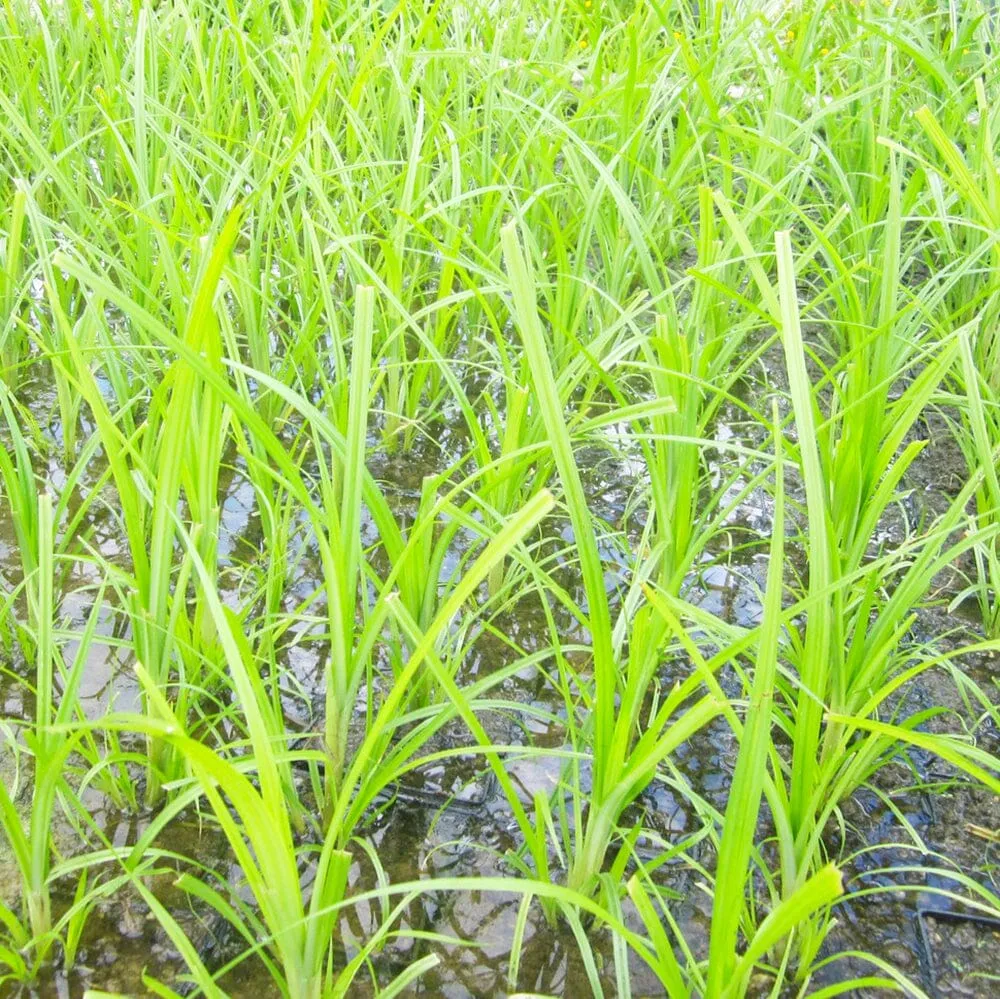
Cyperus Papyrus Aquatic Pond Plant - Egyptian Paper Reed
Cyperus papyrus, commonly known as Papyrus or Egyptian Paper Reed, is a tall perennial sedge that belongs to the Cyperaceae family. It is native to Africa and is known for its historical and cultural significance. Here's a detailed description and care guide for Cyperus papyrus:
Description:
Cyperus papyrus is a striking and architectural plant that forms tall clumps of triangular stems. The stems can reach heights of 6-10 feet (1.8-3 meters) or even more, depending on growing conditions. The stems are topped with dense clusters of long, thread-like, green leaves arranged in an umbrella-like fashion. The leaves give the plant a distinctive and exotic appearance. In late summer, Cyperus papyrus produces small, brownish flower clusters on the ends of the stems. The flowers are followed by small brown fruits. The plant's tall and dramatic form makes it a focal point in water gardens, ponds, or as a statement plant in larger landscapes.
Care Guide:
Lighting: Cyperus papyrus thrives in full sun to partial shade. It prefers a location with at least 6 hours of direct sunlight per day. However, it can tolerate some shade, especially during the hottest part of the day. Insufficient light may cause the plant to become leggy or have less vibrant foliage.
Water: Cyperus papyrus is a water-loving plant and thrives in wet soil conditions. It naturally occurs in marshes, swamps, and along waterways. Ideally, it should be grown in containers with a water depth of 2-6 inches (5-15 cm) or planted in areas with consistently moist soil. Water generously to keep the soil or container consistently moist, but avoid waterlogging.
Soil: Cyperus papyrus prefers rich, loamy soil that retains moisture well. It can tolerate a range of soil types, including clay, but it needs to have good drainage to prevent waterlogging. Incorporating organic matter, such as compost or well-rotted manure, can improve the soil's fertility and water-holding capacity.
Temperature: Cyperus papyrus is native to warm climates and prefers temperatures above 60°F (15°C). It is hardy in USDA hardiness zones 9-11. Protect the plant from frost or freezing temperatures, as it is not cold hardy. In colder regions, it can be grown as an annual or moved indoors during the winter.
Fertilizer: Cyperus papyrus benefits from regular fertilization to support healthy growth. Apply a balanced, water-soluble fertilizer every 2-3 weeks during the growing season. Follow the manufacturer's instructions for dosage and dilution. Alternatively, incorporate a slow-release fertilizer into the soil or use a controlled-release fertilizer according to the product instructions.
Maintenance: Regular maintenance helps keep Cyperus papyrus healthy and attractive. Remove any dead or yellowing foliage to maintain a neat appearance. If the plant becomes too tall or unruly, it can be pruned back to a more manageable size. It is best to prune in early spring before new growth emerges.
Propagation: Cyperus papyrus can be propagated through division or by collecting and sowing its seeds. Division is best done in early spring. Carefully separate the clumps, ensuring each division has healthy roots and stems, and replant them in suitable soil or containers. Seeds can be collected from mature flower clusters and sown in containers or directly in the soil.
Pests and Diseases: Cyperus papyrus is generally resistant to pests and diseases. However, it may occasionally attract aphids or be susceptible to root rot if overwatered or grown in overly wet conditions. Monitor the plant for any signs of pests or diseases and take appropriate measures if necessary.
By following these care guidelines, you can enjoy the majestic and unique appearance of Cyperus papyrus in your garden, water features, or larger landscapes. Adjust the care routine based on your specific growing conditions and monitor the plant for any signs of stress, pests, or diseases. With proper care, Cyperus papyrus can provide a touch of exotic beauty and create a dramatic focal point in your outdoor spaces.
Original: $13.18
-70%$13.18
$3.95Product Information
Product Information
Shipping & Returns
Shipping & Returns
Description
Cyperus papyrus, commonly known as Papyrus or Egyptian Paper Reed, is a tall perennial sedge that belongs to the Cyperaceae family. It is native to Africa and is known for its historical and cultural significance. Here's a detailed description and care guide for Cyperus papyrus:
Description:
Cyperus papyrus is a striking and architectural plant that forms tall clumps of triangular stems. The stems can reach heights of 6-10 feet (1.8-3 meters) or even more, depending on growing conditions. The stems are topped with dense clusters of long, thread-like, green leaves arranged in an umbrella-like fashion. The leaves give the plant a distinctive and exotic appearance. In late summer, Cyperus papyrus produces small, brownish flower clusters on the ends of the stems. The flowers are followed by small brown fruits. The plant's tall and dramatic form makes it a focal point in water gardens, ponds, or as a statement plant in larger landscapes.
Care Guide:
Lighting: Cyperus papyrus thrives in full sun to partial shade. It prefers a location with at least 6 hours of direct sunlight per day. However, it can tolerate some shade, especially during the hottest part of the day. Insufficient light may cause the plant to become leggy or have less vibrant foliage.
Water: Cyperus papyrus is a water-loving plant and thrives in wet soil conditions. It naturally occurs in marshes, swamps, and along waterways. Ideally, it should be grown in containers with a water depth of 2-6 inches (5-15 cm) or planted in areas with consistently moist soil. Water generously to keep the soil or container consistently moist, but avoid waterlogging.
Soil: Cyperus papyrus prefers rich, loamy soil that retains moisture well. It can tolerate a range of soil types, including clay, but it needs to have good drainage to prevent waterlogging. Incorporating organic matter, such as compost or well-rotted manure, can improve the soil's fertility and water-holding capacity.
Temperature: Cyperus papyrus is native to warm climates and prefers temperatures above 60°F (15°C). It is hardy in USDA hardiness zones 9-11. Protect the plant from frost or freezing temperatures, as it is not cold hardy. In colder regions, it can be grown as an annual or moved indoors during the winter.
Fertilizer: Cyperus papyrus benefits from regular fertilization to support healthy growth. Apply a balanced, water-soluble fertilizer every 2-3 weeks during the growing season. Follow the manufacturer's instructions for dosage and dilution. Alternatively, incorporate a slow-release fertilizer into the soil or use a controlled-release fertilizer according to the product instructions.
Maintenance: Regular maintenance helps keep Cyperus papyrus healthy and attractive. Remove any dead or yellowing foliage to maintain a neat appearance. If the plant becomes too tall or unruly, it can be pruned back to a more manageable size. It is best to prune in early spring before new growth emerges.
Propagation: Cyperus papyrus can be propagated through division or by collecting and sowing its seeds. Division is best done in early spring. Carefully separate the clumps, ensuring each division has healthy roots and stems, and replant them in suitable soil or containers. Seeds can be collected from mature flower clusters and sown in containers or directly in the soil.
Pests and Diseases: Cyperus papyrus is generally resistant to pests and diseases. However, it may occasionally attract aphids or be susceptible to root rot if overwatered or grown in overly wet conditions. Monitor the plant for any signs of pests or diseases and take appropriate measures if necessary.
By following these care guidelines, you can enjoy the majestic and unique appearance of Cyperus papyrus in your garden, water features, or larger landscapes. Adjust the care routine based on your specific growing conditions and monitor the plant for any signs of stress, pests, or diseases. With proper care, Cyperus papyrus can provide a touch of exotic beauty and create a dramatic focal point in your outdoor spaces.