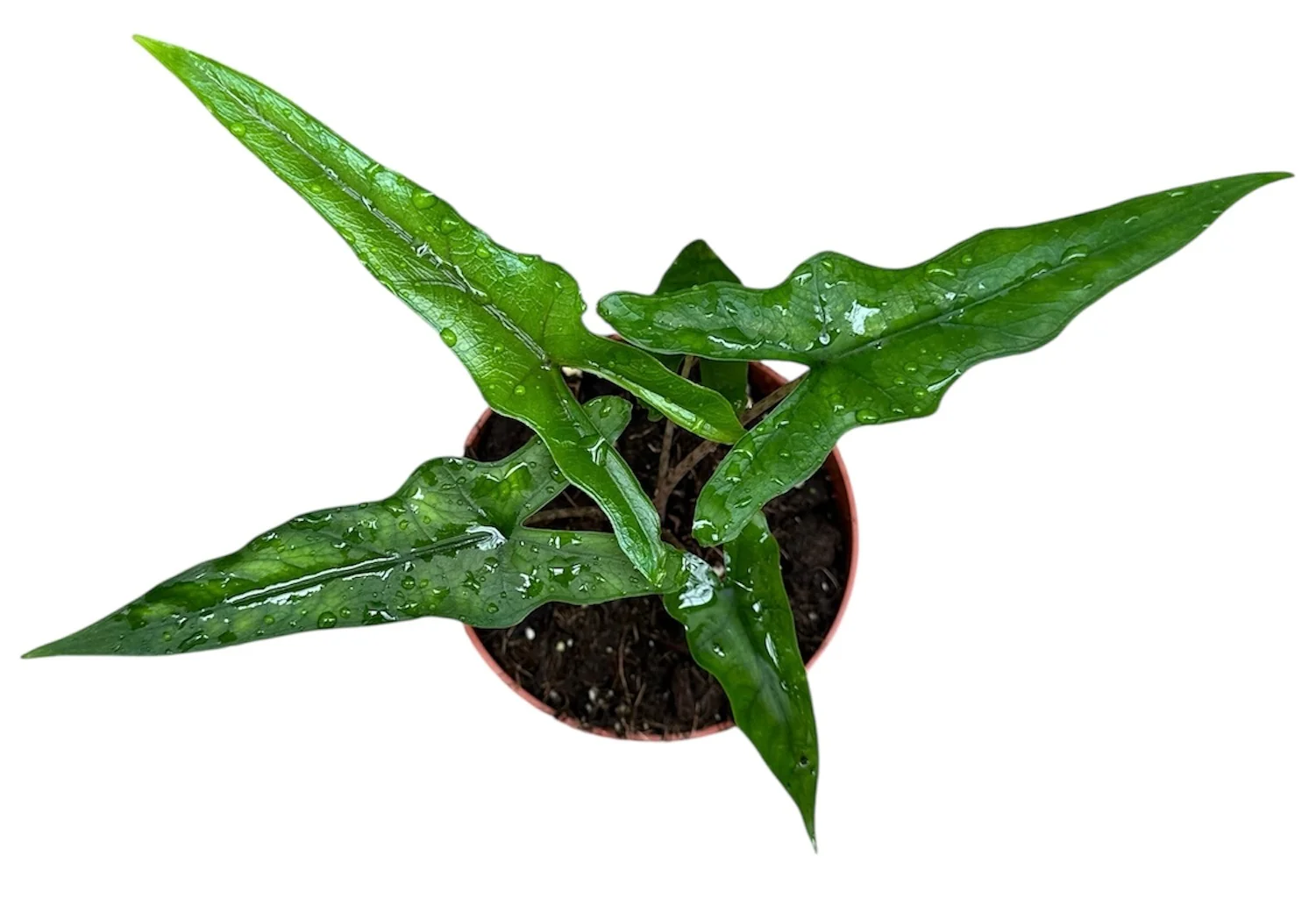
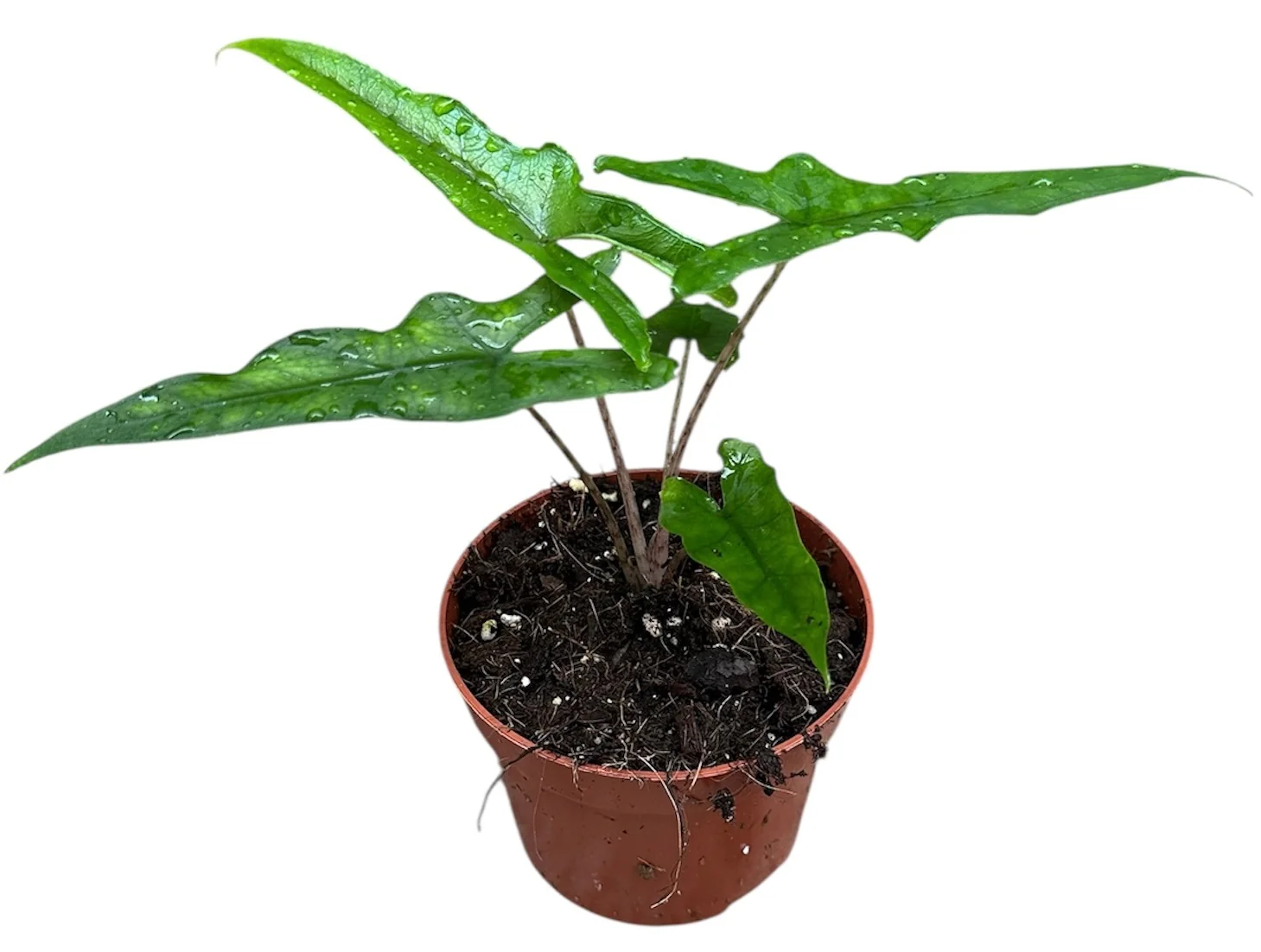
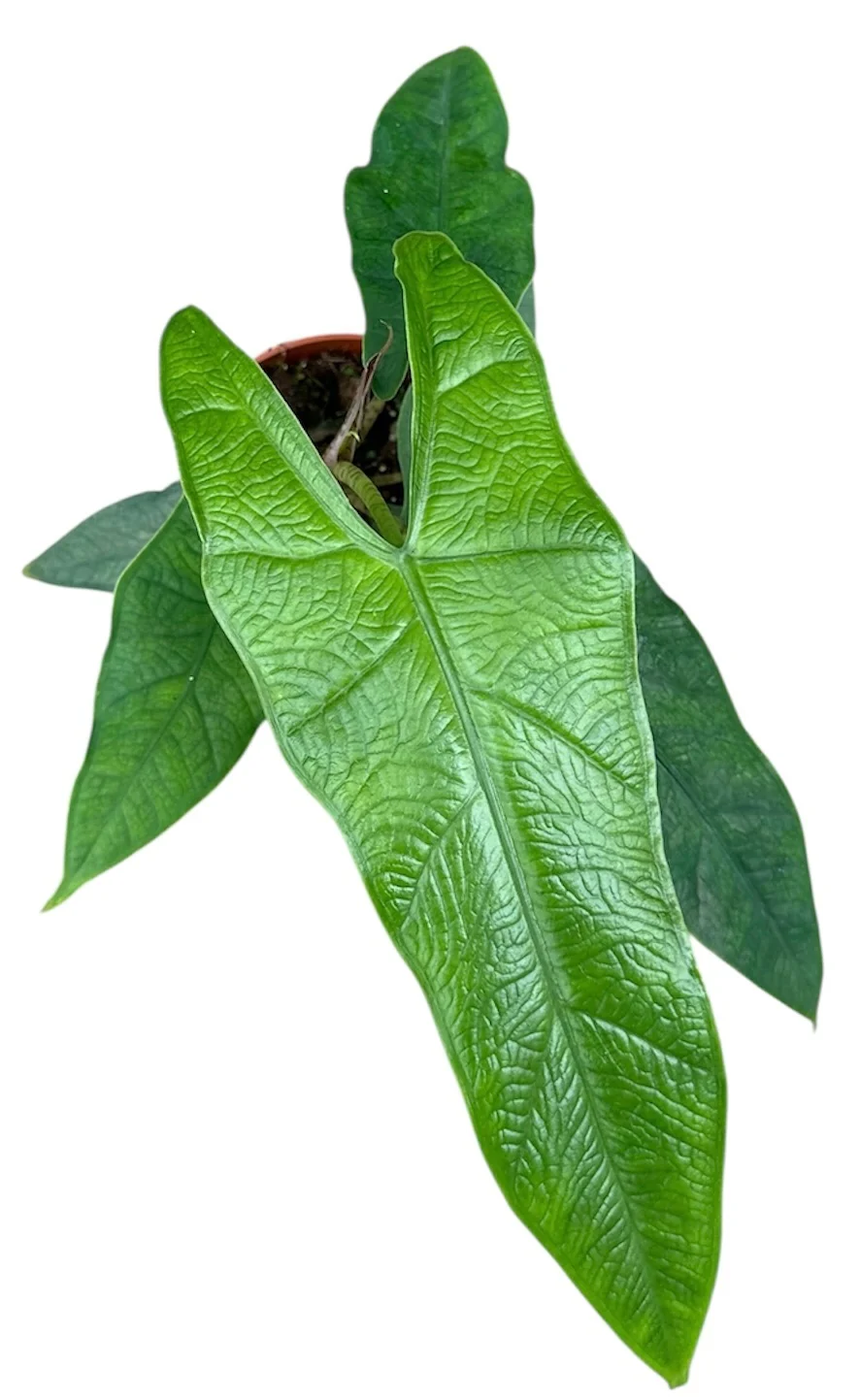
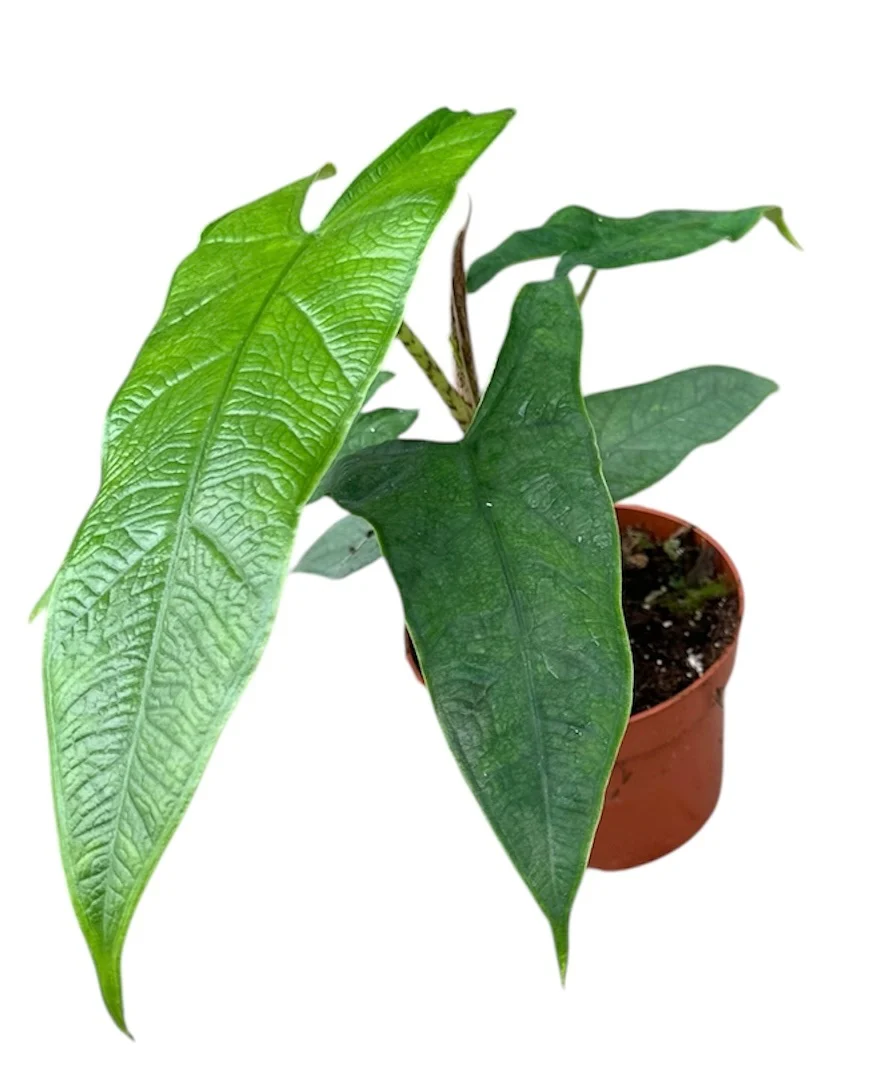
Hoya Paziae 10.5cm Pot 12cm Height House Plant
Hoya paziae is a graceful and highly desirable species native to the Philippines, celebrated for its delicate beauty, soft foliage, and sweetly scented blooms. A member of the Apocynaceae family, this species is admired for its slender, elegant leaves — typically a soft, mid green with a smooth, almost satin-like finish. Each leaf has a gentle curve and subtle venation that gives the plant a refined, understated appearance.
As it matures, Hoya paziae develops long, trailing or climbing vines that create a light, flowing silhouette perfect for hanging displays or trellised arrangements. When conditions are right, it produces impressive clusters of white, star-shaped flowers with pale pink centres. The blooms have a strong, sweet, almost vanilla-like fragrance that fills the surrounding space — one of the species’ most celebrated features.
Elegant, charming, and soothing in form, Hoya paziae is an excellent choice for collectors who appreciate Hoyas with soft, classic foliage and beautifully fragrant flowers.
Hoya paziae – Care Guide
Light
Thrives in bright, indirect light. A few hours of soft morning sun can boost growth and flowering, but harsh midday sun may scorch the leaves. Tolerates medium light, though it may bloom less frequently.
Watering
Allow the top 3–5 cm of soil to dry between waterings. Like many Hoyas, paziae prefers to dry slightly between drinks and is more tolerant of underwatering than overwatering. Reduce watering during winter or lower-light months.
Temperature and Humidity
-
Temperature: Ideal range is 18–27 °C. Avoid cold draughts and temperatures below 12–14 °C.
-
Humidity: Prefers moderate to high humidity (50–70%) but also adapts well to normal household levels.
Soil and Potting
Use an airy, fast-draining mix such as orchid bark, perlite, coco coir, and a small amount of compost. Repot every 1–2 years in spring, but only move up one pot size at a time to prevent excess moisture retention.
Feeding
Feed every 3–4 weeks during spring and summer with a balanced liquid fertiliser. Switching to a bloom-boost fertiliser can help encourage flowering.
Pruning and Maintenance
Trim lightly to shape the plant or control length. Avoid removing flower spurs — Hoyas typically bloom repeatedly from the same points. Remove any yellowing or old leaves to maintain a tidy appearance.
Growth and Maturity
A moderate grower, forming long, elegant vines that can reach over a metre in length. Mature plants produce scented, star-shaped blooms in cycles throughout the warmer months.
Common Issues
-
Yellow leaves: Overwatering or poor drainage.
-
Slow growth: Often due to insufficient light.
-
No flowers: Usually related to low light or over-fertilising with nitrogen.
-
Pests: Watch for mealybugs and aphids on tender growth.
Background and Benefits
Hoya paziae is loved by collectors not only for its refined foliage and elegant habit, but also for its famously fragrant flowers. Its sweet, perfume-like scent makes it a standout species for indoor plant displays, especially in living rooms, bedrooms, or areas where its fragrance can be enjoyed.
The plant’s gentle appearance makes it adaptable to many styling aesthetics — from modern minimalist spaces to softer, nature-inspired interiors.
Quick Care Summary
Light: Bright, indirect; tolerates medium
Water: Let top 3–5 cm dry
Temperature: 18–27 °C
Humidity: 50–70% ideal
Soil: Airy, fast-draining Hoya mix
Feed: Every 3–4 weeks in growing season
Growth: Trailing or climbing vines; fragrant blooms
Toxicity: Mildly toxic if ingested; keep away from pets and children
Styling Tip
Showcase Hoya paziae in a hanging planter or on a high shelf where its elegant vines can cascade naturally. Choose soft-toned pots — white, sage green, or pale grey — to complement its gentle leaf colouring. Place it somewhere you can enjoy the fragrance of its blooms, such as near a seating area or bedroom window.
Original: $26.38
-70%$26.38
$7.91Product Information
Product Information
Shipping & Returns
Shipping & Returns
Description
Hoya paziae is a graceful and highly desirable species native to the Philippines, celebrated for its delicate beauty, soft foliage, and sweetly scented blooms. A member of the Apocynaceae family, this species is admired for its slender, elegant leaves — typically a soft, mid green with a smooth, almost satin-like finish. Each leaf has a gentle curve and subtle venation that gives the plant a refined, understated appearance.
As it matures, Hoya paziae develops long, trailing or climbing vines that create a light, flowing silhouette perfect for hanging displays or trellised arrangements. When conditions are right, it produces impressive clusters of white, star-shaped flowers with pale pink centres. The blooms have a strong, sweet, almost vanilla-like fragrance that fills the surrounding space — one of the species’ most celebrated features.
Elegant, charming, and soothing in form, Hoya paziae is an excellent choice for collectors who appreciate Hoyas with soft, classic foliage and beautifully fragrant flowers.
Hoya paziae – Care Guide
Light
Thrives in bright, indirect light. A few hours of soft morning sun can boost growth and flowering, but harsh midday sun may scorch the leaves. Tolerates medium light, though it may bloom less frequently.
Watering
Allow the top 3–5 cm of soil to dry between waterings. Like many Hoyas, paziae prefers to dry slightly between drinks and is more tolerant of underwatering than overwatering. Reduce watering during winter or lower-light months.
Temperature and Humidity
-
Temperature: Ideal range is 18–27 °C. Avoid cold draughts and temperatures below 12–14 °C.
-
Humidity: Prefers moderate to high humidity (50–70%) but also adapts well to normal household levels.
Soil and Potting
Use an airy, fast-draining mix such as orchid bark, perlite, coco coir, and a small amount of compost. Repot every 1–2 years in spring, but only move up one pot size at a time to prevent excess moisture retention.
Feeding
Feed every 3–4 weeks during spring and summer with a balanced liquid fertiliser. Switching to a bloom-boost fertiliser can help encourage flowering.
Pruning and Maintenance
Trim lightly to shape the plant or control length. Avoid removing flower spurs — Hoyas typically bloom repeatedly from the same points. Remove any yellowing or old leaves to maintain a tidy appearance.
Growth and Maturity
A moderate grower, forming long, elegant vines that can reach over a metre in length. Mature plants produce scented, star-shaped blooms in cycles throughout the warmer months.
Common Issues
-
Yellow leaves: Overwatering or poor drainage.
-
Slow growth: Often due to insufficient light.
-
No flowers: Usually related to low light or over-fertilising with nitrogen.
-
Pests: Watch for mealybugs and aphids on tender growth.
Background and Benefits
Hoya paziae is loved by collectors not only for its refined foliage and elegant habit, but also for its famously fragrant flowers. Its sweet, perfume-like scent makes it a standout species for indoor plant displays, especially in living rooms, bedrooms, or areas where its fragrance can be enjoyed.
The plant’s gentle appearance makes it adaptable to many styling aesthetics — from modern minimalist spaces to softer, nature-inspired interiors.
Quick Care Summary
Light: Bright, indirect; tolerates medium
Water: Let top 3–5 cm dry
Temperature: 18–27 °C
Humidity: 50–70% ideal
Soil: Airy, fast-draining Hoya mix
Feed: Every 3–4 weeks in growing season
Growth: Trailing or climbing vines; fragrant blooms
Toxicity: Mildly toxic if ingested; keep away from pets and children
Styling Tip
Showcase Hoya paziae in a hanging planter or on a high shelf where its elegant vines can cascade naturally. Choose soft-toned pots — white, sage green, or pale grey — to complement its gentle leaf colouring. Place it somewhere you can enjoy the fragrance of its blooms, such as near a seating area or bedroom window.