Sansevieria Marscha Anjani 8cm Pot 15cm Height House Plant
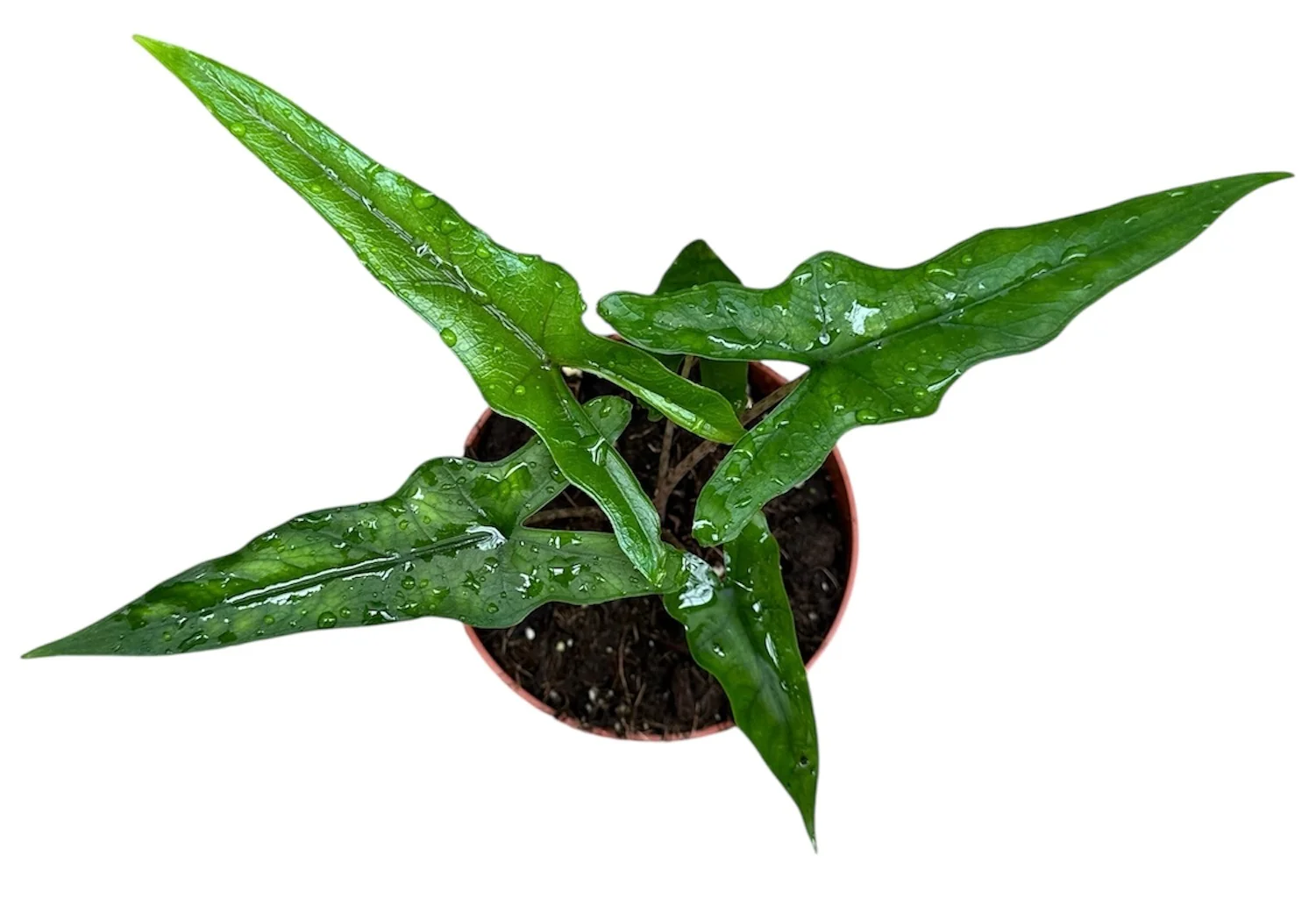
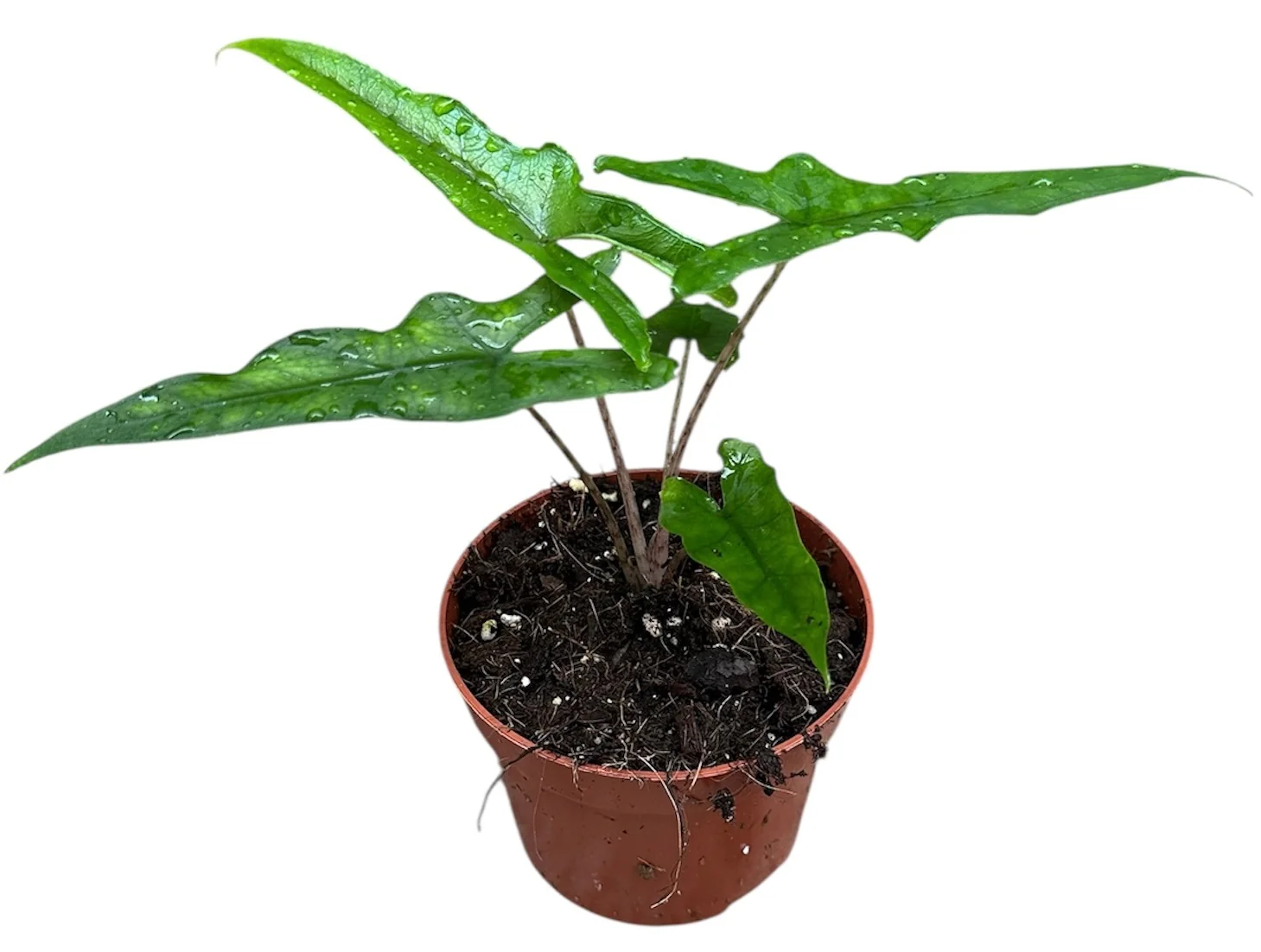
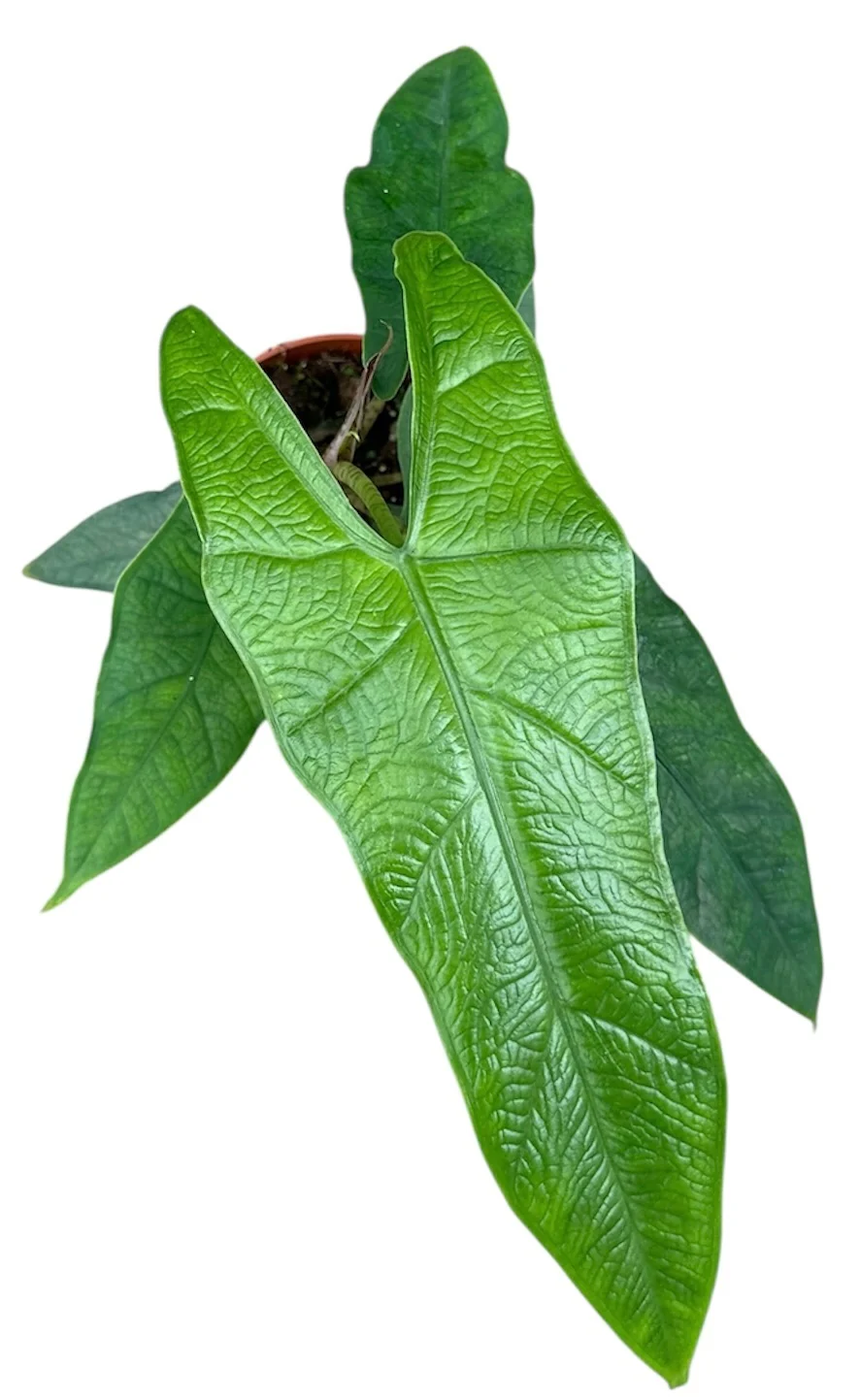
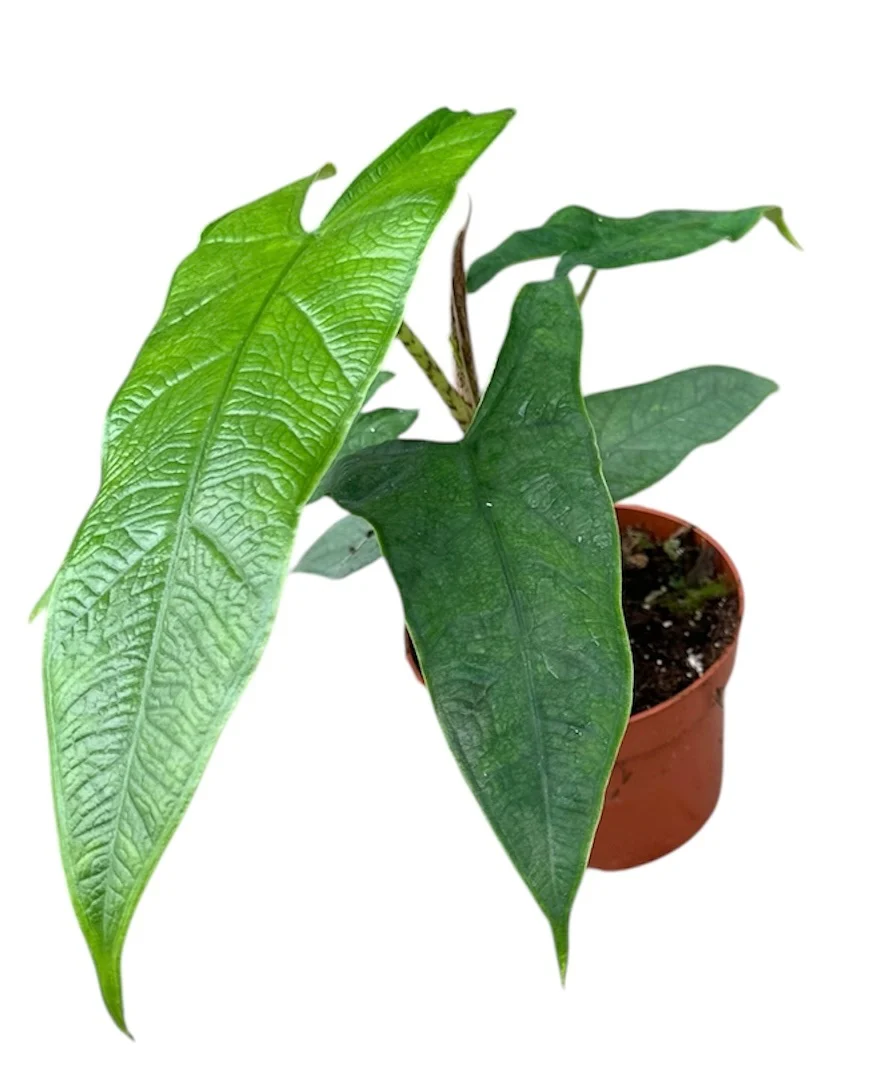
Sansevieria ‘Marscha Anjani’ is a rare and beautifully sculptural snake plant cultivar prized for its bold leaf patterning, deep colouring, and compact architectural form. A member of the Asparagaceae family and believed to be a selectively bred variant of Sansevieria trifasciata/zelanica types, this cultivar stands out with its dramatic dark green blades streaked with silvery-blue variegation.
The leaves are thick, upright, and sword-shaped with a smooth matte finish. Their unique colouring ranges from charcoal green to midnight teal, overlaid with irregular silver and blue-grey marbling that shifts beautifully in different lighting. The leaf margins may feature faint yellow or cream edging depending on maturity, giving each plant its own distinct personality.
As it matures, Sansevieria ‘Marscha Anjani’ forms a dense rosette or tight vertical fan, making it an ideal plant for modern, minimalist interiors. Bold, elegant, and incredibly resilient, this cultivar brings instant style to any space while being one of the easiest plants to care for.
Sansevieria ‘Marscha Anjani’ – Care Guide
Light
Extremely versatile. Thrives in bright, indirect light — where its blue-silver variegation becomes most pronounced — but also handles medium and low light well. Avoid harsh, direct midday sun which can scorch the leaf edges.
Watering
Highly drought-tolerant. Allow the soil to dry out completely between waterings. Water sparingly, especially in winter (often every 3–5 weeks depending on temperature and light). Overwatering is the main risk — this cultivar prefers neglect over excess moisture.
Temperature and Humidity
-
Temperature: Prefers 18–30 °C. Tolerates high heat well but should not be exposed to temperatures below 10–12 °C.
-
Humidity: Excels in low to average household humidity. No additional humidity required.
Soil and Potting
Use a gritty, fast-draining cactus or succulent substrate. A mix of coarse sand, pumice, perlite, and fast-draining compost is ideal. Repot only when rootbound — every 2–3 years — as Sansevierias thrive when snug in their pots.
Feeding
Feed lightly every 6–8 weeks during spring and summer using a diluted succulent fertiliser. Do not feed in winter.
Pruning and Maintenance
Minimal care required. Remove any dried or damaged leaves at the base. Wipe the leaves occasionally to maintain their silver sheen and clean, modern appearance.
Growth and Maturity
A slow-growing, compact species typically reaching 25–50 cm in height. Older plants may produce pups that develop into a multi-rosette clump with time.
Common Issues
-
Soft, mushy leaves: Overwatering.
-
Fading or greener leaves: Insufficient light.
-
Wrinkling: Underwatering (easily recoverable).
-
Pests: Occasionally mealybugs or scale in very dry environments.
Background and Benefits
Sansevieria ‘Marscha Anjani’ is gaining attention among collectors for its unique blue-toned variegation and clean vertical habits. Its cool, moody colour palette pairs perfectly with modern interiors, minimalist décor, and architectural design elements.
Extremely resilient and low-maintenance, it’s an ideal plant for beginners, busy plant owners, offices, and those who want a striking visual accent without the upkeep.
Its air-purifying properties and tolerance of low light also make it excellent for bedrooms, hallways, and lower-light corners of the home.
Quick Care Summary
Light: Bright, indirect; tolerates low
Water: Let soil dry fully; very drought-tolerant
Temperature: 18–30 °C
Humidity: Low–average
Soil: Gritty, well-draining succulent mix
Feed: Every 6–8 weeks in growing season
Growth: 25–50 cm; dark leaves with silver-blue marbling
Toxicity: Toxic if ingested; keep away from pets and children
Styling Tip
Pair Sansevieria ‘Marscha Anjani’ with a matte black, charcoal, concrete, or metallic planter to highlight its dark, silvery foliage. Display it on shelves, desks, or narrow surfaces where its vertical shape adds height and a modern sculptural element.
Product Information
Product Information
Shipping & Returns
Shipping & Returns
Description
Sansevieria ‘Marscha Anjani’ is a rare and beautifully sculptural snake plant cultivar prized for its bold leaf patterning, deep colouring, and compact architectural form. A member of the Asparagaceae family and believed to be a selectively bred variant of Sansevieria trifasciata/zelanica types, this cultivar stands out with its dramatic dark green blades streaked with silvery-blue variegation.
The leaves are thick, upright, and sword-shaped with a smooth matte finish. Their unique colouring ranges from charcoal green to midnight teal, overlaid with irregular silver and blue-grey marbling that shifts beautifully in different lighting. The leaf margins may feature faint yellow or cream edging depending on maturity, giving each plant its own distinct personality.
As it matures, Sansevieria ‘Marscha Anjani’ forms a dense rosette or tight vertical fan, making it an ideal plant for modern, minimalist interiors. Bold, elegant, and incredibly resilient, this cultivar brings instant style to any space while being one of the easiest plants to care for.
Sansevieria ‘Marscha Anjani’ – Care Guide
Light
Extremely versatile. Thrives in bright, indirect light — where its blue-silver variegation becomes most pronounced — but also handles medium and low light well. Avoid harsh, direct midday sun which can scorch the leaf edges.
Watering
Highly drought-tolerant. Allow the soil to dry out completely between waterings. Water sparingly, especially in winter (often every 3–5 weeks depending on temperature and light). Overwatering is the main risk — this cultivar prefers neglect over excess moisture.
Temperature and Humidity
-
Temperature: Prefers 18–30 °C. Tolerates high heat well but should not be exposed to temperatures below 10–12 °C.
-
Humidity: Excels in low to average household humidity. No additional humidity required.
Soil and Potting
Use a gritty, fast-draining cactus or succulent substrate. A mix of coarse sand, pumice, perlite, and fast-draining compost is ideal. Repot only when rootbound — every 2–3 years — as Sansevierias thrive when snug in their pots.
Feeding
Feed lightly every 6–8 weeks during spring and summer using a diluted succulent fertiliser. Do not feed in winter.
Pruning and Maintenance
Minimal care required. Remove any dried or damaged leaves at the base. Wipe the leaves occasionally to maintain their silver sheen and clean, modern appearance.
Growth and Maturity
A slow-growing, compact species typically reaching 25–50 cm in height. Older plants may produce pups that develop into a multi-rosette clump with time.
Common Issues
-
Soft, mushy leaves: Overwatering.
-
Fading or greener leaves: Insufficient light.
-
Wrinkling: Underwatering (easily recoverable).
-
Pests: Occasionally mealybugs or scale in very dry environments.
Background and Benefits
Sansevieria ‘Marscha Anjani’ is gaining attention among collectors for its unique blue-toned variegation and clean vertical habits. Its cool, moody colour palette pairs perfectly with modern interiors, minimalist décor, and architectural design elements.
Extremely resilient and low-maintenance, it’s an ideal plant for beginners, busy plant owners, offices, and those who want a striking visual accent without the upkeep.
Its air-purifying properties and tolerance of low light also make it excellent for bedrooms, hallways, and lower-light corners of the home.
Quick Care Summary
Light: Bright, indirect; tolerates low
Water: Let soil dry fully; very drought-tolerant
Temperature: 18–30 °C
Humidity: Low–average
Soil: Gritty, well-draining succulent mix
Feed: Every 6–8 weeks in growing season
Growth: 25–50 cm; dark leaves with silver-blue marbling
Toxicity: Toxic if ingested; keep away from pets and children
Styling Tip
Pair Sansevieria ‘Marscha Anjani’ with a matte black, charcoal, concrete, or metallic planter to highlight its dark, silvery foliage. Display it on shelves, desks, or narrow surfaces where its vertical shape adds height and a modern sculptural element.