Lysichiton Camtschatcensis Aquatic Pond Plant - White Skunk Cabbage
Lysichiton camtschatcensis, commonly known as the Asian Skunk Cabbage or White Skunk Cabbage, is a perennial plant native to parts of eastern Asia, including Kamchatka, Japan, and eastern Russia. It is known for its large, showy flowers and its ability to thrive in wet, boggy conditions. Here's a detailed description and care guide for Lysichiton camtschatcensis:
Description:
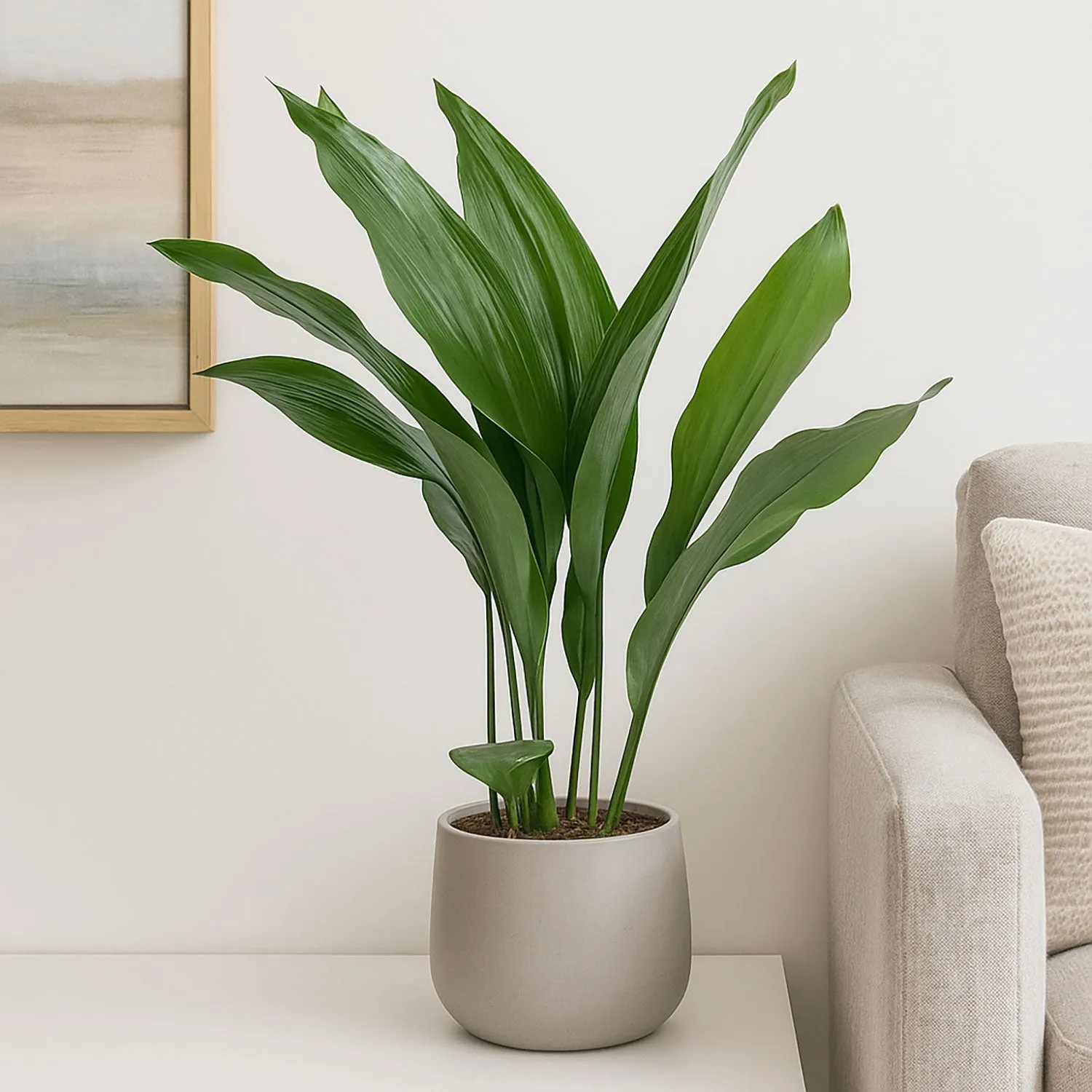
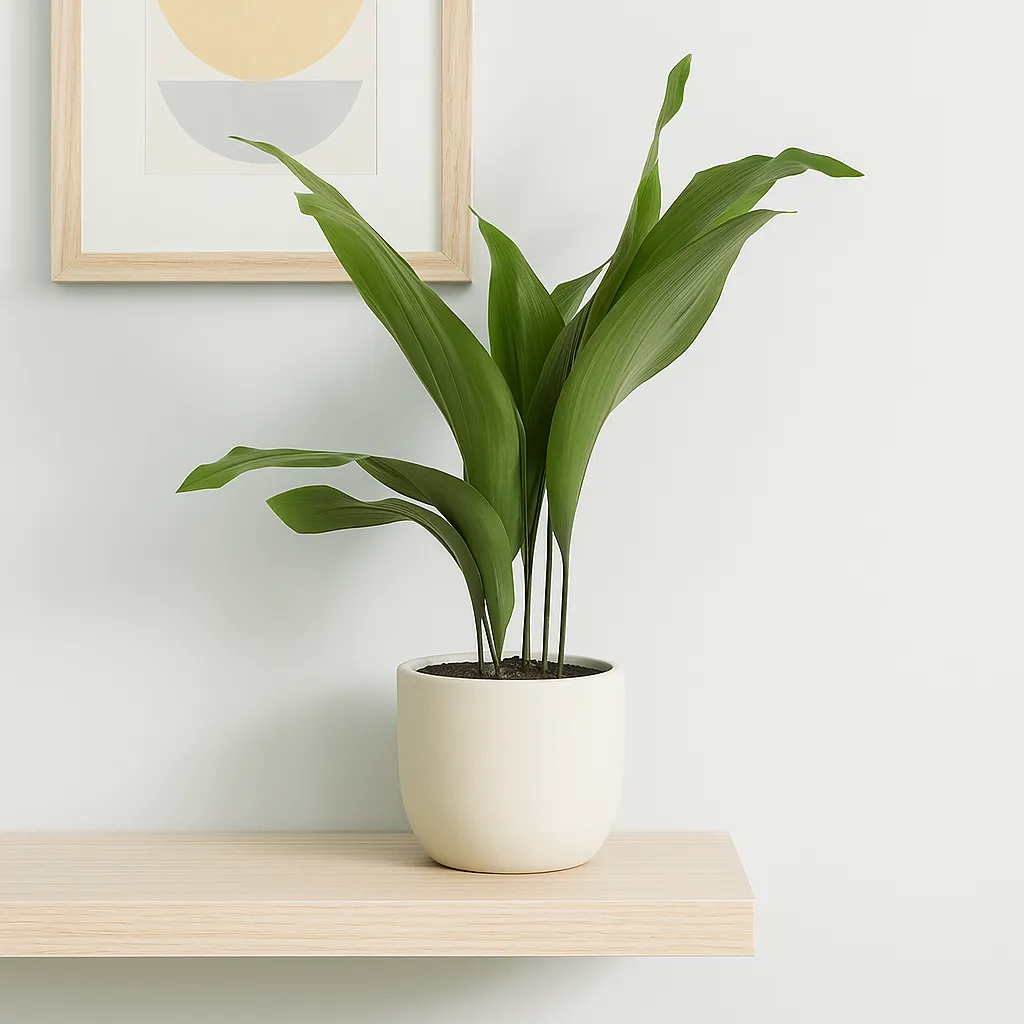
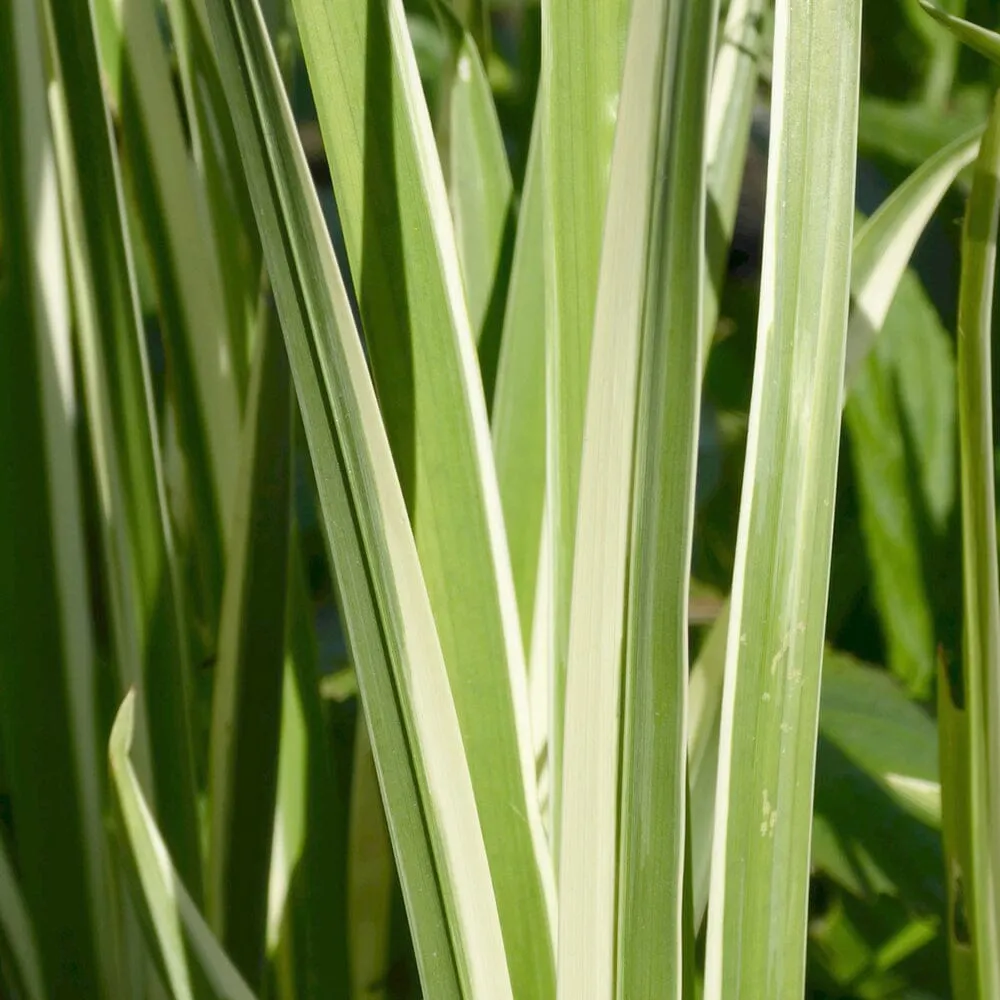
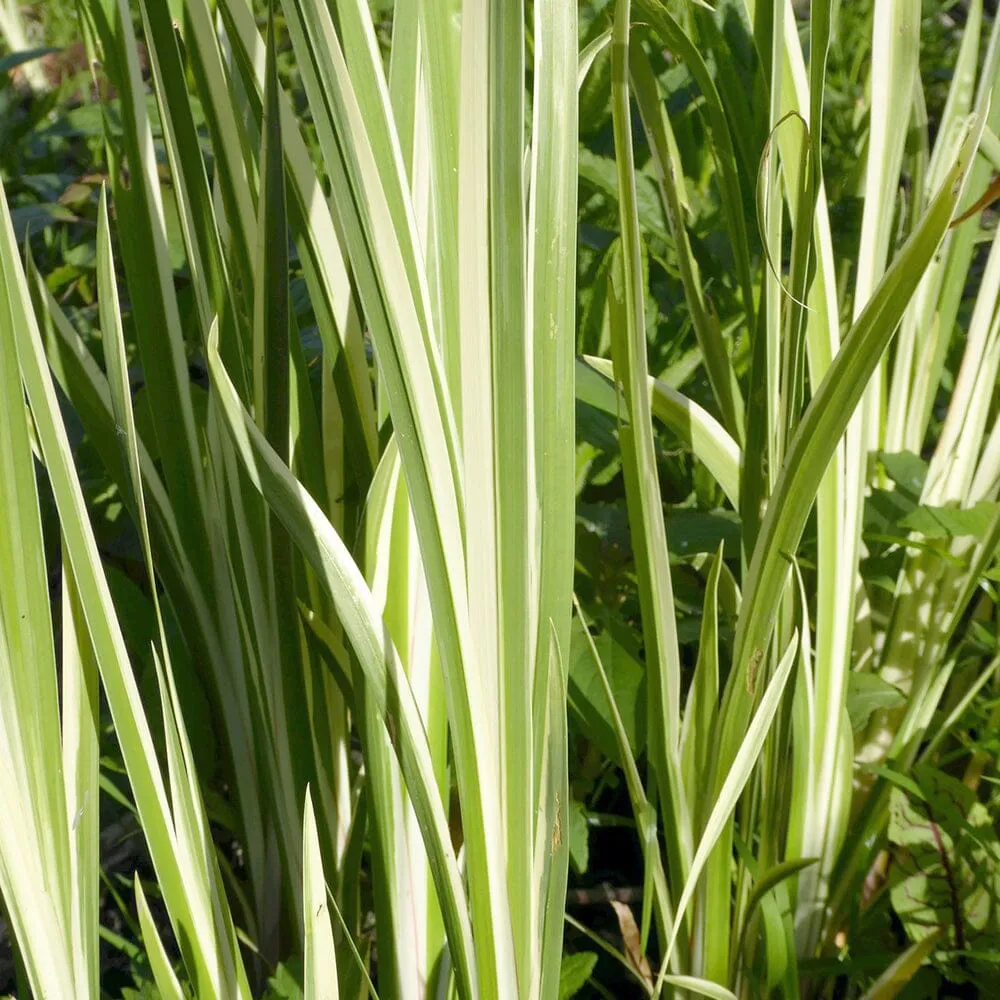
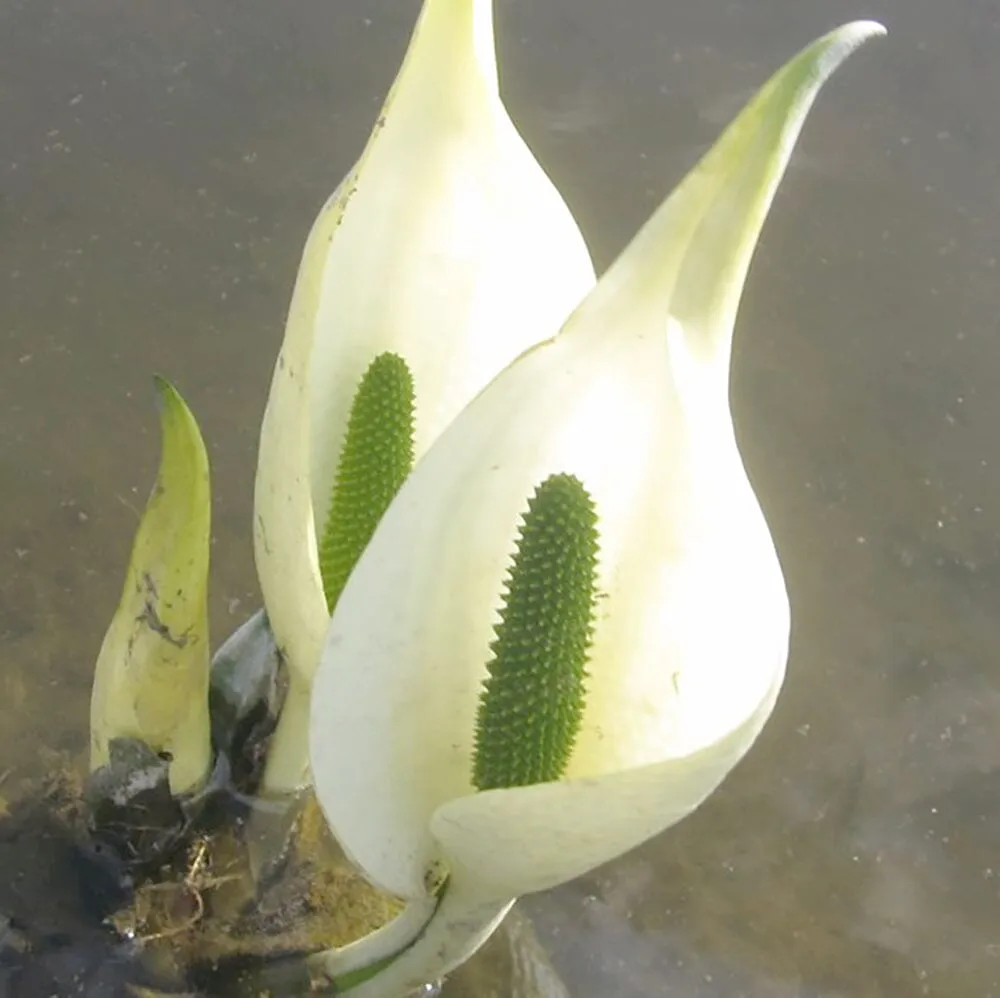
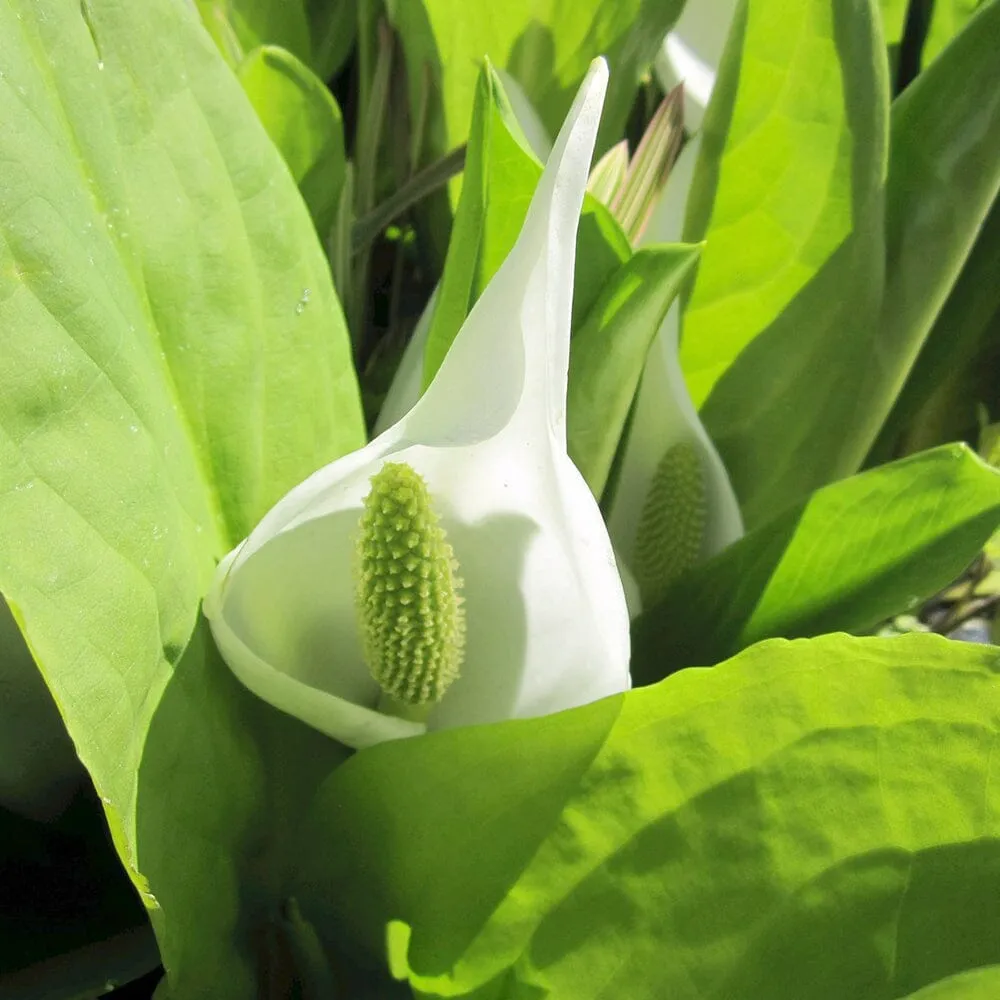
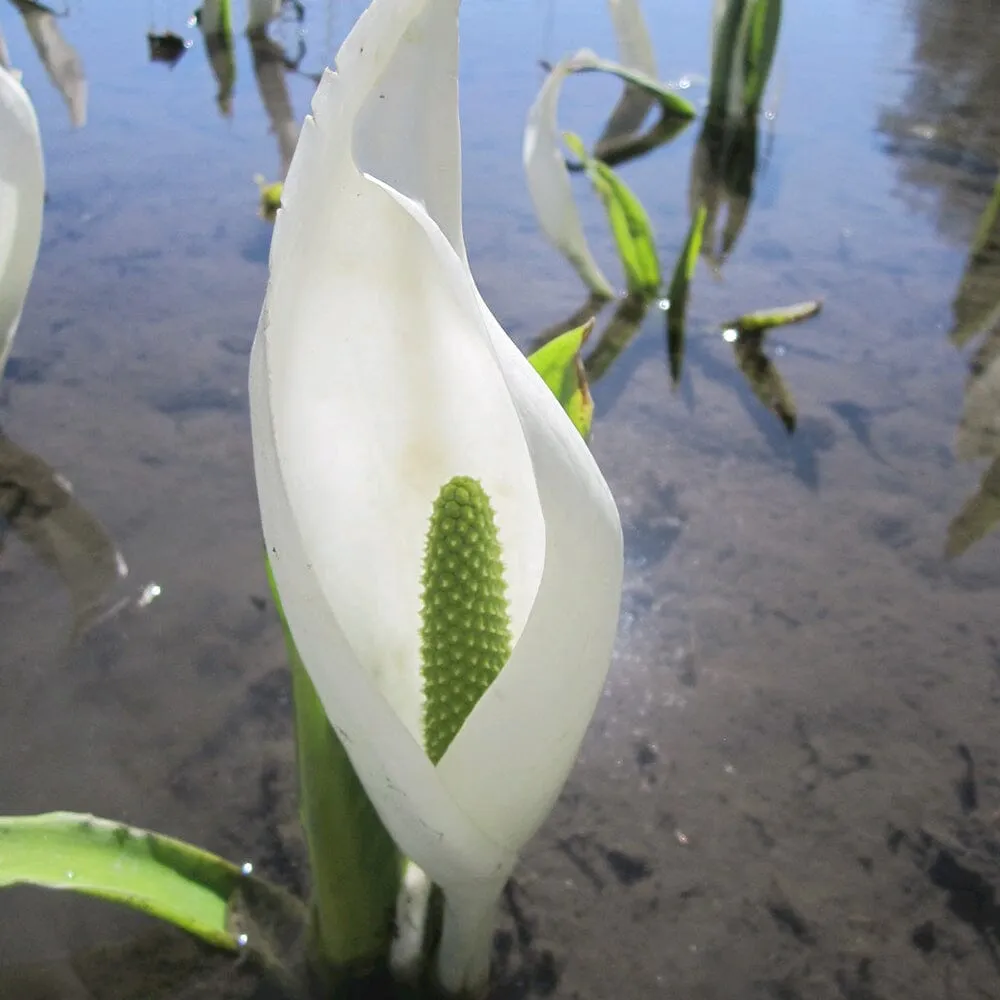
Lysichiton camtschatcensis is a robust plant that can reach a height of 2 to 4 feet (60 to 120 cm). It has large, glossy, dark green leaves that are heart-shaped and can grow up to 24 inches (60 cm) long. The leaves are borne on thick, fleshy stalks. In early spring, the plant produces large, cylindrical, hooded flowers that are typically creamy white or pale yellow. The flowers have a strong, skunk-like odor, which is where the common name "Skunk Cabbage" comes from. The flowers are held on tall, sturdy stems above the foliage and create a striking display.
Care Guide:
Lighting: Lysichiton camtschatcensis prefers partial shade to full shade. It naturally grows in forested areas where it receives filtered sunlight. Avoid exposing the plant to direct, intense sunlight, as this can scorch the leaves. Plant it in a location with dappled shade or morning sun and afternoon shade.
Water: Lysichiton camtschatcensis thrives in wet, boggy conditions. It prefers soil that is consistently moist or even waterlogged. Ensure that the plant receives ample water, especially during dry periods. It is well-suited for planting near ponds or water features, or in areas with consistently moist soil. However, it is important to avoid waterlogged conditions for extended periods, as this can lead to root rot. Good drainage is crucial to prevent waterlogging.
Soil: Lysichiton camtschatcensis prefers acidic, loamy soil that is rich in organic matter. It thrives in moist, fertile soil that retains moisture but is well-draining. Adding organic matter, such as compost or well-rotted manure, to the soil before planting can improve its fertility and moisture retention capabilities. Avoid planting it in heavy clay soil or dry, sandy soil.
Temperature: Lysichiton camtschatcensis is hardy in USDA hardiness zones 4-8. It is adapted to cool temperate climates and can tolerate cold winters. It is important to protect the plant from extreme temperature fluctuations, especially during winter. Mulching around the base of the plant in late fall can help insulate the roots and protect them from freezing temperatures.
Fertilizer: Lysichiton camtschatcensis generally does not require heavy fertilization. It can benefit from a balanced, slow-release fertilizer applied in early spring to promote healthy growth and flowering. Follow the manufacturer's instructions for dosage and application methods. Avoid over-fertilization, as it can lead to excessive foliage growth with fewer flowers.
Maintenance: Lysichiton camtschatcensis is a relatively low-maintenance plant. Remove any yellow or damaged leaves regularly to maintain the plant's appearance. After the flowering period, the plant may produce seed heads. You can remove these seed heads to prevent self-seeding, as the plant can spread aggressively in some regions. Division is generally not necessary unless the plant becomes overcrowded or you want to propagate it. If dividing, do so in early spring before new growth begins.
Pests and Diseases: Lysichiton camtschatcensis is relatively resistant to pests and diseases. However, it may occasionally attract slugs, snails, or aphids. Monitor the plant for any signs of pest damage and take appropriate measures if necessary. Ensure good air circulation around the plant to prevent the development of fungal diseases, especially in humid conditions.
By following these care guidelines, you can successfully grow Lysichiton camtschatcensis in your garden. Adjust the care routine based on your specific growing conditions and monitor the plant for any signs of stress or pest infestation. With proper care, Lysichiton camtschatcensis will reward you with its striking foliage and showy flowers, adding interest to damp or boggy areas in your landscape.
Original: $13.18
-70%$13.18
$3.95Product Information
Product Information
Shipping & Returns
Shipping & Returns
Description
Lysichiton camtschatcensis, commonly known as the Asian Skunk Cabbage or White Skunk Cabbage, is a perennial plant native to parts of eastern Asia, including Kamchatka, Japan, and eastern Russia. It is known for its large, showy flowers and its ability to thrive in wet, boggy conditions. Here's a detailed description and care guide for Lysichiton camtschatcensis:
Description:
Lysichiton camtschatcensis is a robust plant that can reach a height of 2 to 4 feet (60 to 120 cm). It has large, glossy, dark green leaves that are heart-shaped and can grow up to 24 inches (60 cm) long. The leaves are borne on thick, fleshy stalks. In early spring, the plant produces large, cylindrical, hooded flowers that are typically creamy white or pale yellow. The flowers have a strong, skunk-like odor, which is where the common name "Skunk Cabbage" comes from. The flowers are held on tall, sturdy stems above the foliage and create a striking display.
Care Guide:
Lighting: Lysichiton camtschatcensis prefers partial shade to full shade. It naturally grows in forested areas where it receives filtered sunlight. Avoid exposing the plant to direct, intense sunlight, as this can scorch the leaves. Plant it in a location with dappled shade or morning sun and afternoon shade.
Water: Lysichiton camtschatcensis thrives in wet, boggy conditions. It prefers soil that is consistently moist or even waterlogged. Ensure that the plant receives ample water, especially during dry periods. It is well-suited for planting near ponds or water features, or in areas with consistently moist soil. However, it is important to avoid waterlogged conditions for extended periods, as this can lead to root rot. Good drainage is crucial to prevent waterlogging.
Soil: Lysichiton camtschatcensis prefers acidic, loamy soil that is rich in organic matter. It thrives in moist, fertile soil that retains moisture but is well-draining. Adding organic matter, such as compost or well-rotted manure, to the soil before planting can improve its fertility and moisture retention capabilities. Avoid planting it in heavy clay soil or dry, sandy soil.
Temperature: Lysichiton camtschatcensis is hardy in USDA hardiness zones 4-8. It is adapted to cool temperate climates and can tolerate cold winters. It is important to protect the plant from extreme temperature fluctuations, especially during winter. Mulching around the base of the plant in late fall can help insulate the roots and protect them from freezing temperatures.
Fertilizer: Lysichiton camtschatcensis generally does not require heavy fertilization. It can benefit from a balanced, slow-release fertilizer applied in early spring to promote healthy growth and flowering. Follow the manufacturer's instructions for dosage and application methods. Avoid over-fertilization, as it can lead to excessive foliage growth with fewer flowers.
Maintenance: Lysichiton camtschatcensis is a relatively low-maintenance plant. Remove any yellow or damaged leaves regularly to maintain the plant's appearance. After the flowering period, the plant may produce seed heads. You can remove these seed heads to prevent self-seeding, as the plant can spread aggressively in some regions. Division is generally not necessary unless the plant becomes overcrowded or you want to propagate it. If dividing, do so in early spring before new growth begins.
Pests and Diseases: Lysichiton camtschatcensis is relatively resistant to pests and diseases. However, it may occasionally attract slugs, snails, or aphids. Monitor the plant for any signs of pest damage and take appropriate measures if necessary. Ensure good air circulation around the plant to prevent the development of fungal diseases, especially in humid conditions.
By following these care guidelines, you can successfully grow Lysichiton camtschatcensis in your garden. Adjust the care routine based on your specific growing conditions and monitor the plant for any signs of stress or pest infestation. With proper care, Lysichiton camtschatcensis will reward you with its striking foliage and showy flowers, adding interest to damp or boggy areas in your landscape.