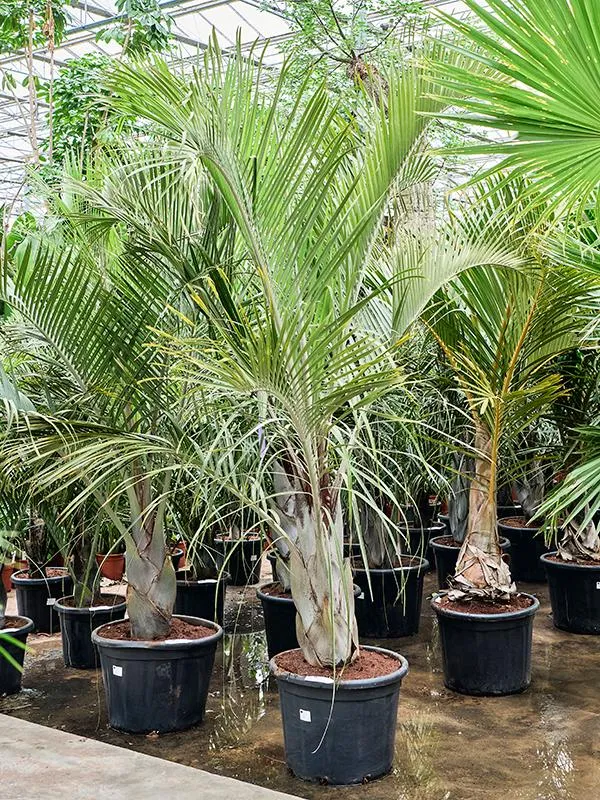
Neodypsis Decaryi 55cm Pot 250cm Height Outdoor Tree
Neodypsis decaryi, commonly known as the Triangle Palm, is a striking palm species native to the arid forests of southern Madagascar. It gets its name from the unique way its fronds emerge in three distinct vertical ranks, forming a triangular arrangement when viewed from above — a feature that makes it instantly recognisable and highly architectural.
🌿 Key Features:
-
Foliage: Long, feathery, blue-green fronds (often up to 2–3 metres long) radiate gracefully from the three-sided crown. The leaflets are arranged neatly along the rachis, creating a soft, plume-like effect.
-
Trunk: The sturdy trunk is grey to light brown, smooth, and often slightly swollen at the base, displaying old leaf scars in tidy rings.
-
Form: As it matures, it develops into a striking specimen up to 6–8 metres high in tropical climates, though generally remains much smaller in cultivation or large containers.
-
Flowers & Fruit: Produces small cream-coloured flowers on long branched inflorescences, followed by small oval fruits that turn orange-red when ripe. In cooler climates or pots, flowering is less common.
Because of its elegant shape and unique triangular crown, Neodypsis decaryi is frequently used as a statement palm in tropical or contemporary garden designs, around pools, or as a spectacular container feature.
🌱 Detailed Care Guide for Neodypsis decaryi
📍 Position & Light
-
Prefers full sun, even from a young age.
-
Will tolerate very light partial shade, but best growth, trunk form and frond colour are achieved in bright sun.
🌬️ Temperature & Hardiness
-
A true tropical to sub-tropical palm.
-
Should be kept above 5–7°C at all times.
-
In the UK and similar climates, it must be grown as a conservatory plant, greenhouse specimen, or container palm moved indoors over winter.
💧 Watering
-
Likes to be kept evenly moist during the growing season, but not waterlogged.
-
Allow the top few centimetres of soil to dry between waterings.
-
Reduce watering in winter when growth slows.
💦 Humidity
-
Appreciates moderate humidity. In very dry air, occasional misting or placing near other plants can help prevent leaf tip browning.
🪴 Soil
-
Requires free-draining soil.
-
A palm or cactus compost with added grit or perlite is ideal to prevent soggy conditions that can cause root rot.
🍽️ Feeding
-
Feed every 4–6 weeks in spring and summer with a balanced liquid fertiliser or a slow-release palm fertiliser.
✂️ Pruning & Maintenance
-
Very low maintenance.
-
Remove only fully brown or damaged fronds — avoid cutting green fronds as palms rely on them for photosynthesis.
🪲 Pests & Problems
-
Generally robust.
-
Indoors may occasionally attract red spider mites or scale insects — keep humidity moderate and inspect regularly.
🚰 Container Growing
-
Excellent in large pots for patios, terraces, or indoor feature planting.
-
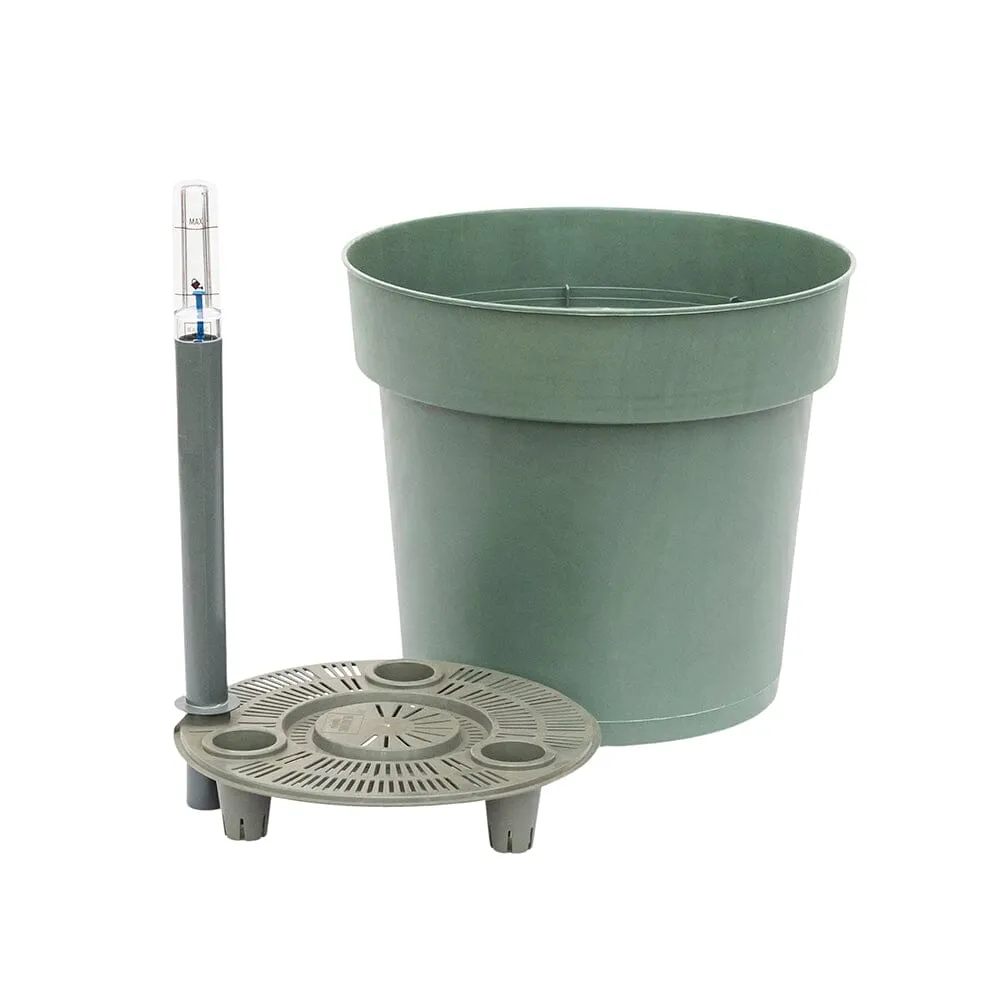
Use a deep pot with excellent drainage.
-
Repot every 3–4 years, moving to only slightly larger containers to prevent overly wet soil around the roots.
Original: $3,299.49
-70%$3,299.49
$989.85Product Information
Product Information
Shipping & Returns
Shipping & Returns
Description
Neodypsis decaryi, commonly known as the Triangle Palm, is a striking palm species native to the arid forests of southern Madagascar. It gets its name from the unique way its fronds emerge in three distinct vertical ranks, forming a triangular arrangement when viewed from above — a feature that makes it instantly recognisable and highly architectural.
🌿 Key Features:
-
Foliage: Long, feathery, blue-green fronds (often up to 2–3 metres long) radiate gracefully from the three-sided crown. The leaflets are arranged neatly along the rachis, creating a soft, plume-like effect.
-
Trunk: The sturdy trunk is grey to light brown, smooth, and often slightly swollen at the base, displaying old leaf scars in tidy rings.
-
Form: As it matures, it develops into a striking specimen up to 6–8 metres high in tropical climates, though generally remains much smaller in cultivation or large containers.
-
Flowers & Fruit: Produces small cream-coloured flowers on long branched inflorescences, followed by small oval fruits that turn orange-red when ripe. In cooler climates or pots, flowering is less common.
Because of its elegant shape and unique triangular crown, Neodypsis decaryi is frequently used as a statement palm in tropical or contemporary garden designs, around pools, or as a spectacular container feature.
🌱 Detailed Care Guide for Neodypsis decaryi
📍 Position & Light
-
Prefers full sun, even from a young age.
-
Will tolerate very light partial shade, but best growth, trunk form and frond colour are achieved in bright sun.
🌬️ Temperature & Hardiness
-
A true tropical to sub-tropical palm.
-
Should be kept above 5–7°C at all times.
-
In the UK and similar climates, it must be grown as a conservatory plant, greenhouse specimen, or container palm moved indoors over winter.
💧 Watering
-
Likes to be kept evenly moist during the growing season, but not waterlogged.
-
Allow the top few centimetres of soil to dry between waterings.
-
Reduce watering in winter when growth slows.
💦 Humidity
-
Appreciates moderate humidity. In very dry air, occasional misting or placing near other plants can help prevent leaf tip browning.
🪴 Soil
-
Requires free-draining soil.
-
A palm or cactus compost with added grit or perlite is ideal to prevent soggy conditions that can cause root rot.
🍽️ Feeding
-
Feed every 4–6 weeks in spring and summer with a balanced liquid fertiliser or a slow-release palm fertiliser.
✂️ Pruning & Maintenance
-
Very low maintenance.
-
Remove only fully brown or damaged fronds — avoid cutting green fronds as palms rely on them for photosynthesis.
🪲 Pests & Problems
-
Generally robust.
-
Indoors may occasionally attract red spider mites or scale insects — keep humidity moderate and inspect regularly.
🚰 Container Growing
-
Excellent in large pots for patios, terraces, or indoor feature planting.
-
Use a deep pot with excellent drainage.
-
Repot every 3–4 years, moving to only slightly larger containers to prevent overly wet soil around the roots.