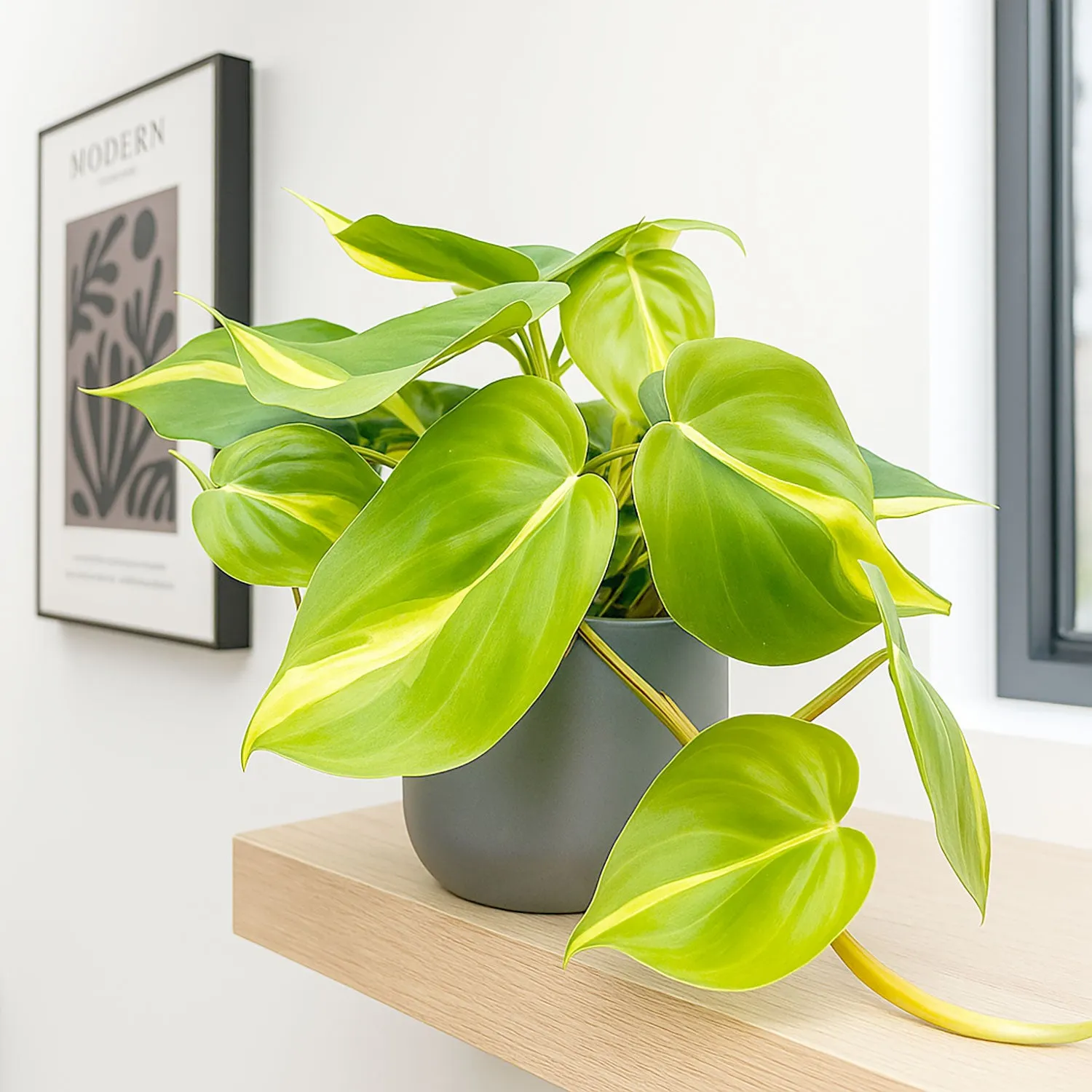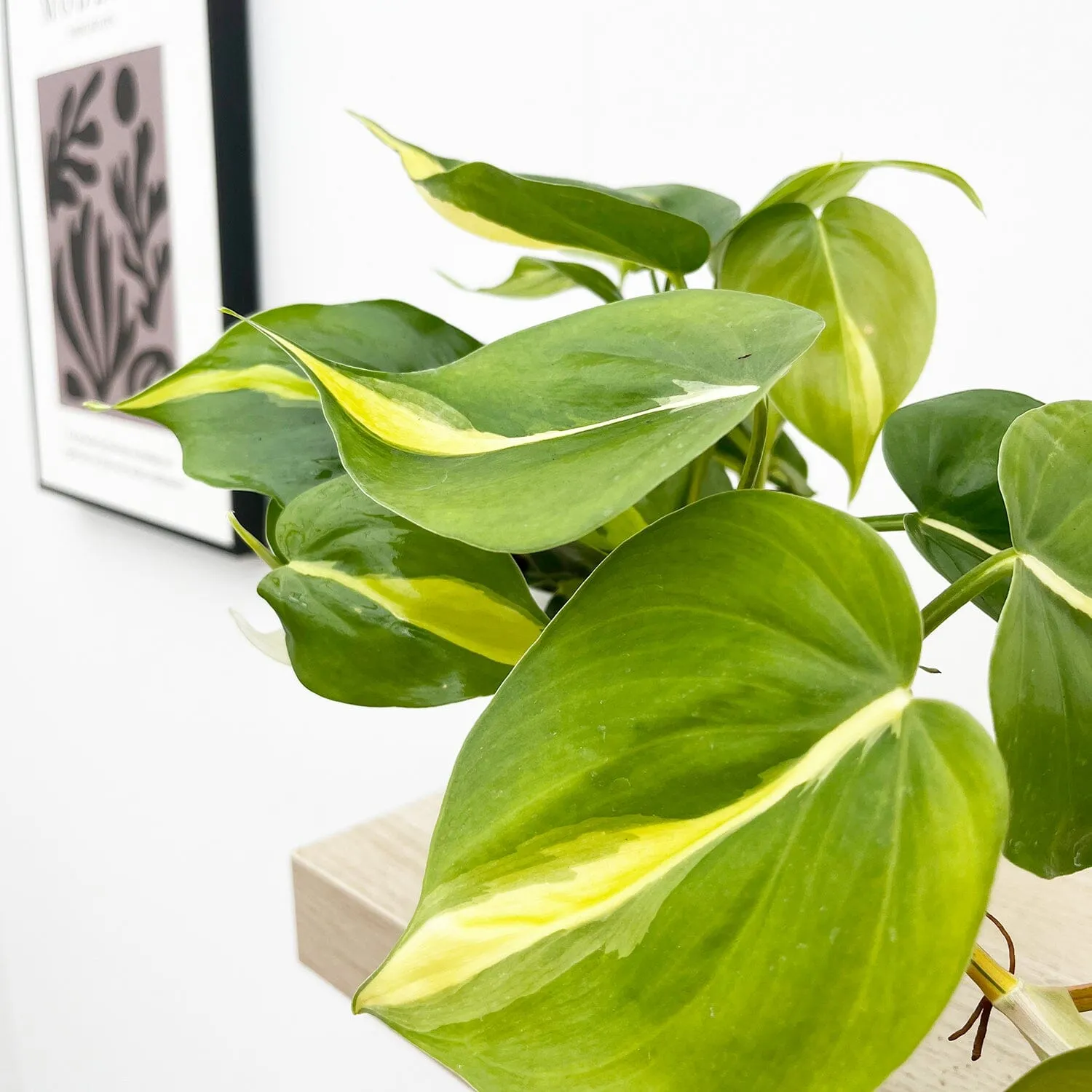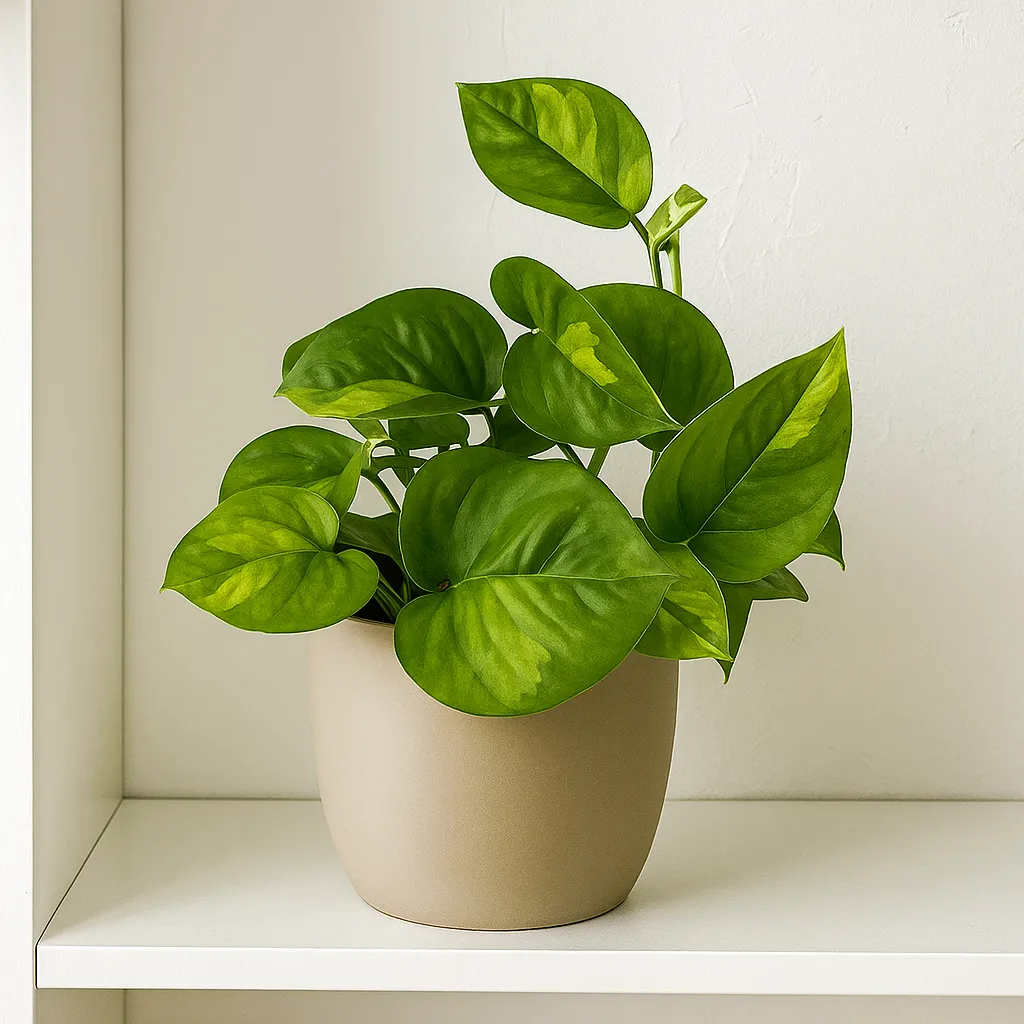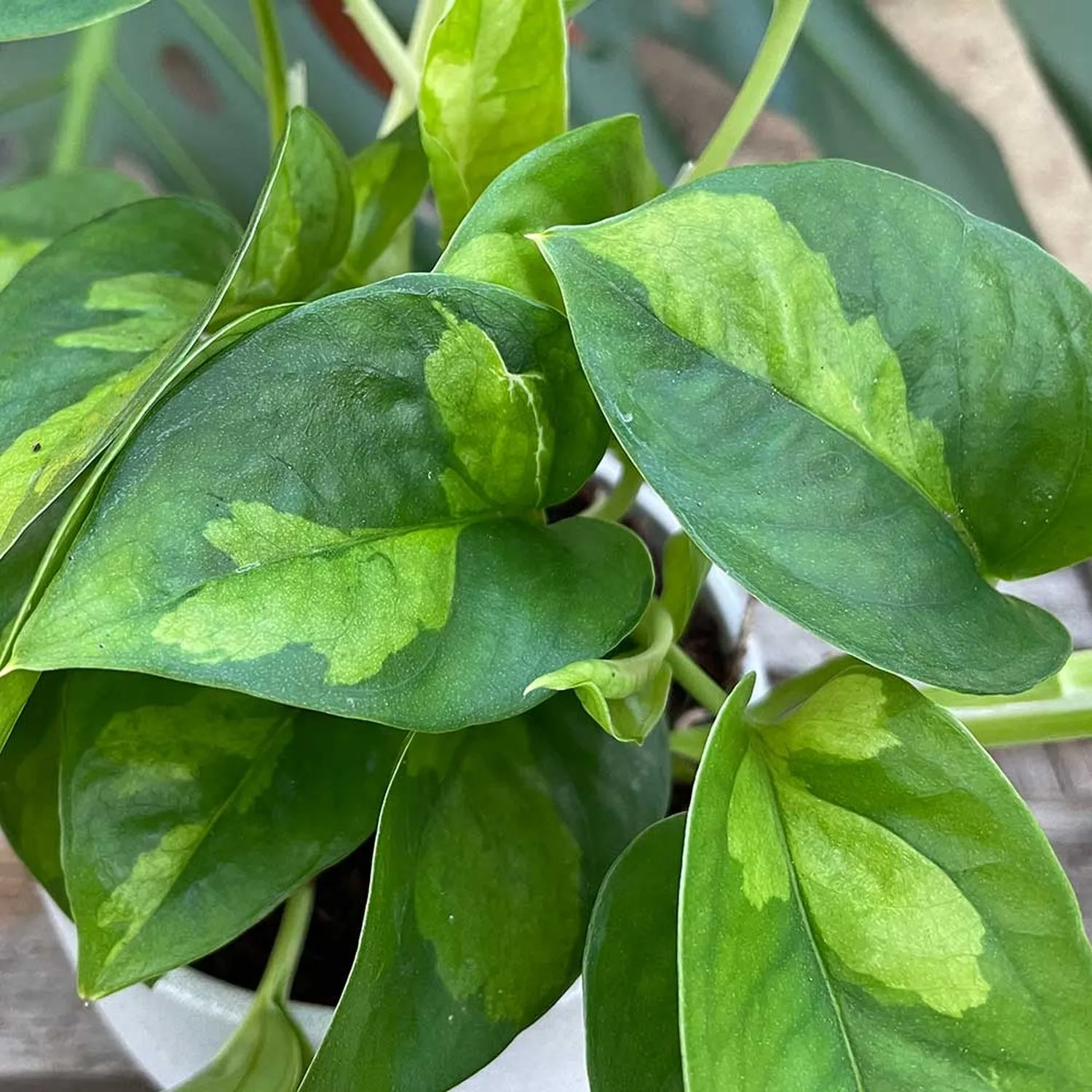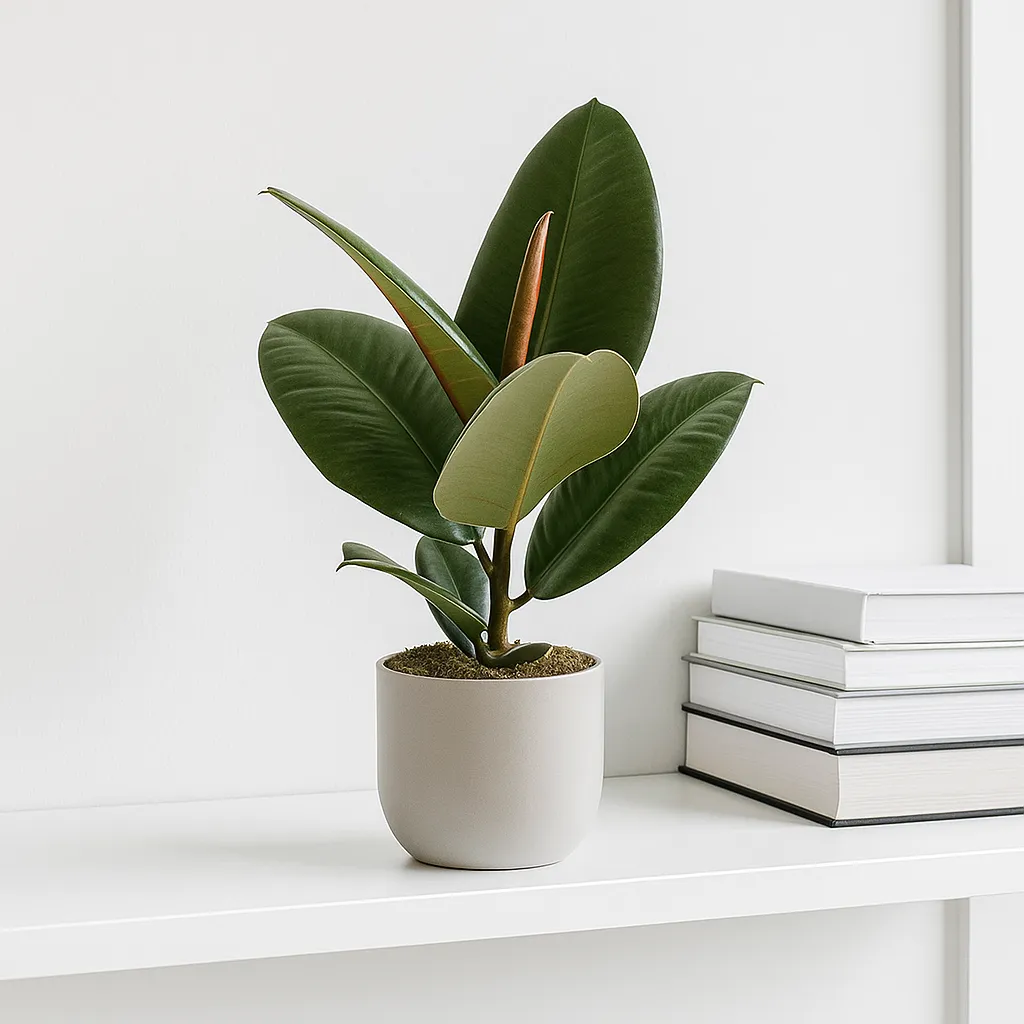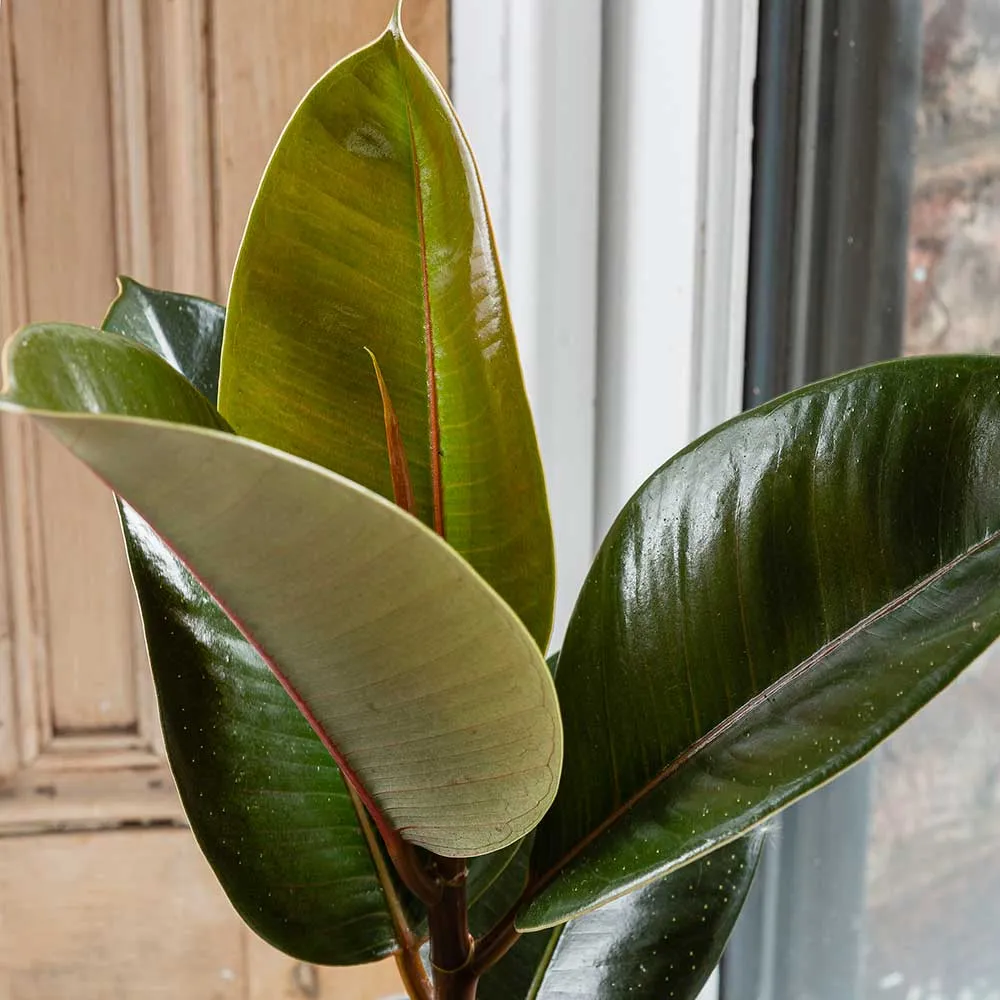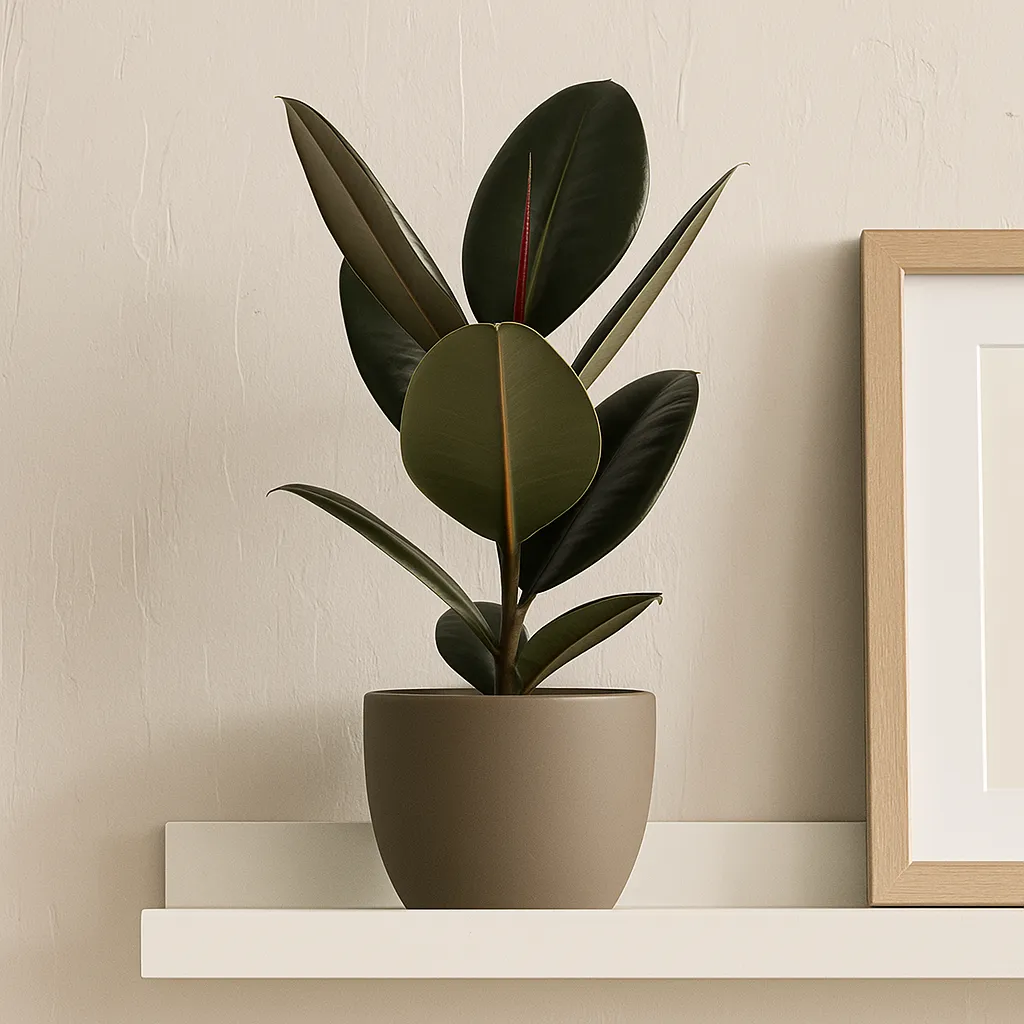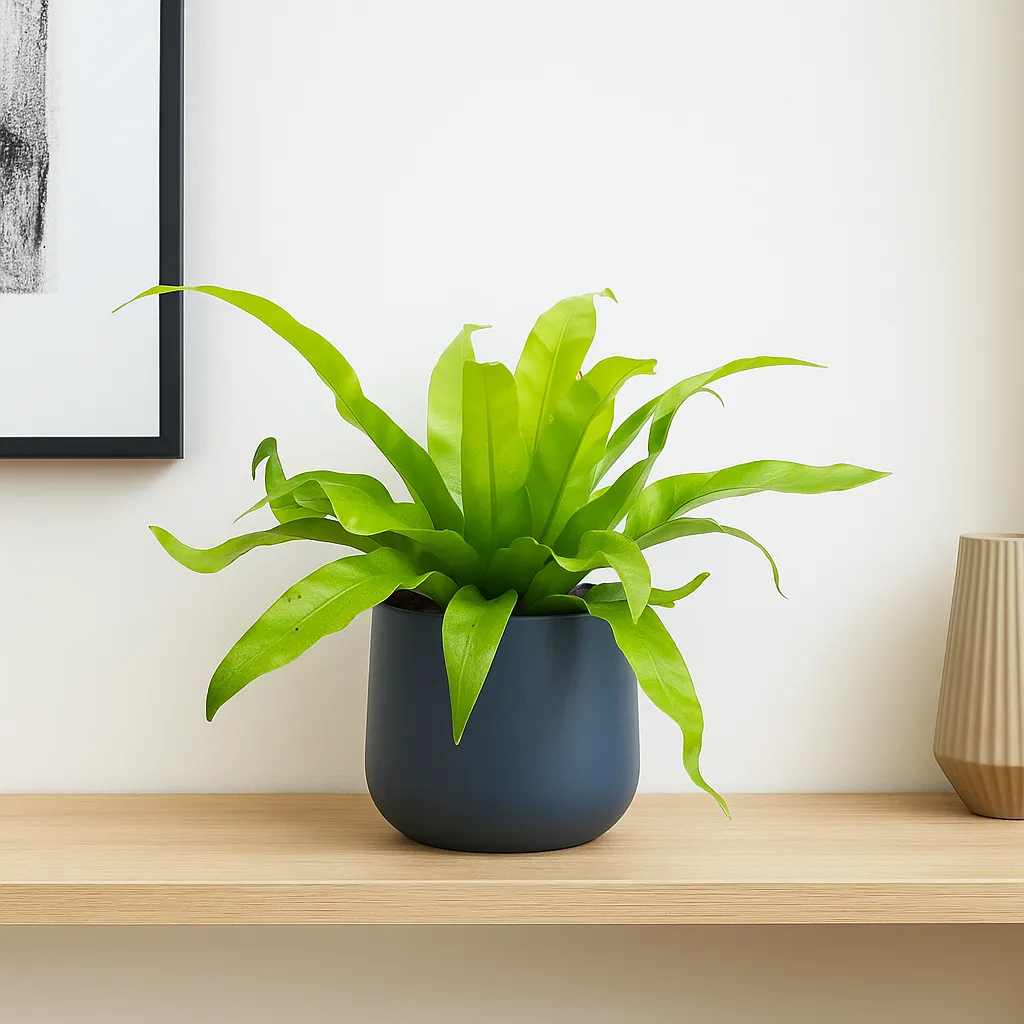
15 - 20cm Asplenium Antiquum Fern 12cm Pot House Plant
Asplenium antiquum, commonly known as the Japanese Bird’s Nest Fern, is a graceful evergreen fern from the Aspleniaceae family. Native to East Asia, particularly Japan, Taiwan, and surrounding regions, this species is admired for its elegant rosette of glossy green fronds and its ability to bring a fresh, tropical touch to shaded interiors.
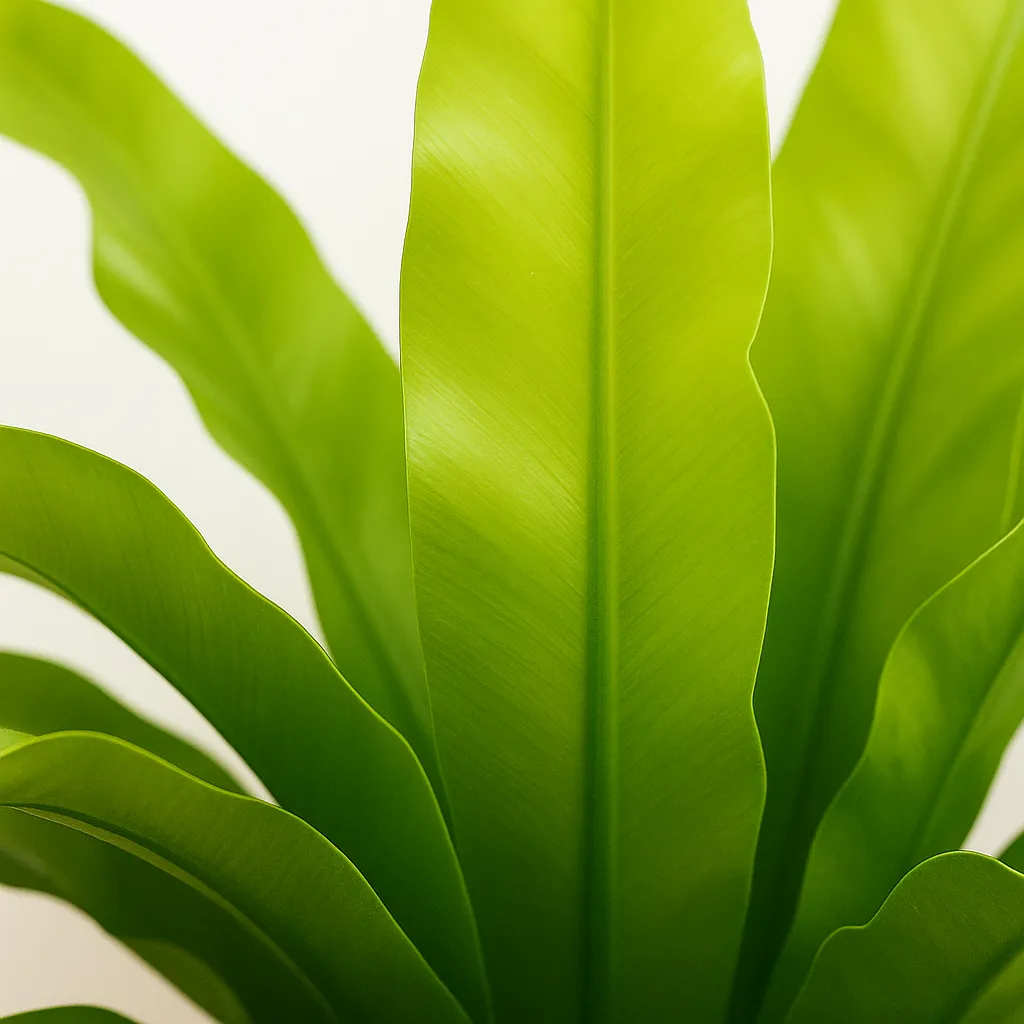
Unlike many finely divided ferns, Asplenium antiquum has broad, strap-like fronds that grow in a dense, upward-arching rosette, resembling a bird’s nest. The fronds are leathery, wavy-edged, and a deep, vibrant green, often reaching 50–60 cm in length indoors, though in its native habitat it can grow larger. The frond bases converge into a central crown, giving the plant its bird’s nest appearance.
This fern has a clean, architectural form that makes it ideal for modern interiors. It is particularly popular as a houseplant because it is less fussy than some other ferns, provided its preference for consistent moisture and humidity is met.
Asplenium antiquum – Care Guide
Light
Prefers bright, indirect light or partial shade. It tolerates lower light conditions better than many other houseplants, making it suitable for north-facing rooms. Avoid direct sun, which can scorch the fronds.
Watering
Keep the soil evenly moist but never soggy. Water when the surface feels slightly dry, using room-temperature water. Always water around the soil, not directly into the crown, to prevent crown rot.
Temperature and Humidity
-
Temperature: Thrives in 16–24°C. Protect from draughts and avoid prolonged cold below 10°C.
-
Humidity: Requires moderate to high humidity. Mist fronds regularly, stand the pot on a pebble tray, or place in bathrooms or kitchens where humidity is naturally higher.
Soil and Potting
Plant in a peat-free, moisture-retentive but well-draining compost, such as a mix for ferns or houseplants. Repot every 2–3 years in spring, refreshing the soil while keeping the crown above the soil line.
Feeding
Feed monthly in spring and summer with a diluted balanced liquid fertiliser. Do not overfeed, as excessive fertiliser can damage the fronds. No feeding is required in autumn and winter.
Pruning and Maintenance
Remove old, yellow, or damaged fronds at the base to keep the plant tidy. Wipe the fronds occasionally with a damp cloth to remove dust and restore their natural shine.
Growth and Maturity
A slow to moderate grower, typically reaching 50–60 cm tall indoors. Over time, it forms a dense rosette of upward-arching fronds.
Common Issues
-
Crispy brown tips: Caused by low humidity or inconsistent watering.
-
Crown rot: Can develop if water is allowed to sit in the central rosette.
-
Pests: Rare, but may occasionally attract scale insects or mealybugs.
Background and Benefits
In its native environment, Asplenium antiquum grows as an epiphyte on rocks and trees in humid forests. Its elegant, glossy leaves and tolerance of lower light have made it a favourite indoor plant worldwide. It is often confused with Asplenium nidus (the true Bird’s Nest Fern), but A. antiquum is typically more upright and has narrower, slightly wavier fronds.
✅ Quick Care Summary
-
Light: Bright, indirect or partial shade; tolerates low light
-
Water: Keep evenly moist; never water the crown
-
Temperature: 16–24°C; avoid below 10°C
-
Humidity: Moderate to high; mist regularly
-
Soil: Moisture-retentive, free-draining compost
-
Feed: Monthly in spring/summer
-
Growth: Rosette-forming fern, 50–60 cm indoors; glossy strap-like fronds
Original: $11.86
-70%$11.86
$3.56Product Information
Product Information
Shipping & Returns
Shipping & Returns
Description
Asplenium antiquum, commonly known as the Japanese Bird’s Nest Fern, is a graceful evergreen fern from the Aspleniaceae family. Native to East Asia, particularly Japan, Taiwan, and surrounding regions, this species is admired for its elegant rosette of glossy green fronds and its ability to bring a fresh, tropical touch to shaded interiors.
Unlike many finely divided ferns, Asplenium antiquum has broad, strap-like fronds that grow in a dense, upward-arching rosette, resembling a bird’s nest. The fronds are leathery, wavy-edged, and a deep, vibrant green, often reaching 50–60 cm in length indoors, though in its native habitat it can grow larger. The frond bases converge into a central crown, giving the plant its bird’s nest appearance.
This fern has a clean, architectural form that makes it ideal for modern interiors. It is particularly popular as a houseplant because it is less fussy than some other ferns, provided its preference for consistent moisture and humidity is met.
Asplenium antiquum – Care Guide
Light
Prefers bright, indirect light or partial shade. It tolerates lower light conditions better than many other houseplants, making it suitable for north-facing rooms. Avoid direct sun, which can scorch the fronds.
Watering
Keep the soil evenly moist but never soggy. Water when the surface feels slightly dry, using room-temperature water. Always water around the soil, not directly into the crown, to prevent crown rot.
Temperature and Humidity
-
Temperature: Thrives in 16–24°C. Protect from draughts and avoid prolonged cold below 10°C.
-
Humidity: Requires moderate to high humidity. Mist fronds regularly, stand the pot on a pebble tray, or place in bathrooms or kitchens where humidity is naturally higher.
Soil and Potting
Plant in a peat-free, moisture-retentive but well-draining compost, such as a mix for ferns or houseplants. Repot every 2–3 years in spring, refreshing the soil while keeping the crown above the soil line.
Feeding
Feed monthly in spring and summer with a diluted balanced liquid fertiliser. Do not overfeed, as excessive fertiliser can damage the fronds. No feeding is required in autumn and winter.
Pruning and Maintenance
Remove old, yellow, or damaged fronds at the base to keep the plant tidy. Wipe the fronds occasionally with a damp cloth to remove dust and restore their natural shine.
Growth and Maturity
A slow to moderate grower, typically reaching 50–60 cm tall indoors. Over time, it forms a dense rosette of upward-arching fronds.
Common Issues
-
Crispy brown tips: Caused by low humidity or inconsistent watering.
-
Crown rot: Can develop if water is allowed to sit in the central rosette.
-
Pests: Rare, but may occasionally attract scale insects or mealybugs.
Background and Benefits
In its native environment, Asplenium antiquum grows as an epiphyte on rocks and trees in humid forests. Its elegant, glossy leaves and tolerance of lower light have made it a favourite indoor plant worldwide. It is often confused with Asplenium nidus (the true Bird’s Nest Fern), but A. antiquum is typically more upright and has narrower, slightly wavier fronds.
✅ Quick Care Summary
-
Light: Bright, indirect or partial shade; tolerates low light
-
Water: Keep evenly moist; never water the crown
-
Temperature: 16–24°C; avoid below 10°C
-
Humidity: Moderate to high; mist regularly
-
Soil: Moisture-retentive, free-draining compost
-
Feed: Monthly in spring/summer
-
Growth: Rosette-forming fern, 50–60 cm indoors; glossy strap-like fronds