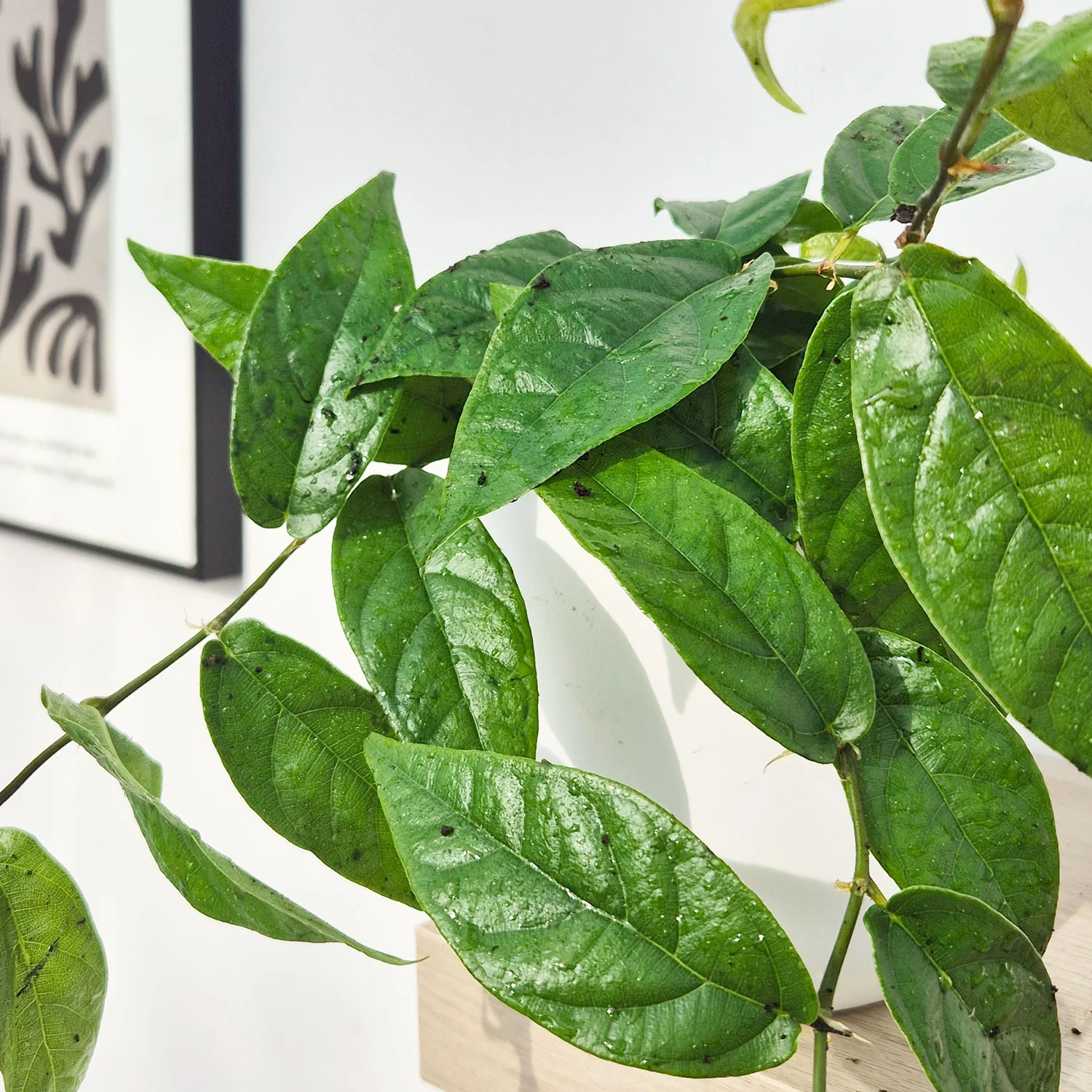
15 - 20cm Ficus Sagittata Plant 12cm Pot House Plant
Ficus sagittata is a delicate, trailing or climbing species of fig from the Moraceae family, native to Southeast Asia. Unlike its larger relatives such as Ficus elastica (Rubber Plant) or Ficus lyrata (Fiddle Leaf Fig), F. sagittata has a softer, more refined habit, making it ideal for hanging baskets, decorative pots, or training along small supports.
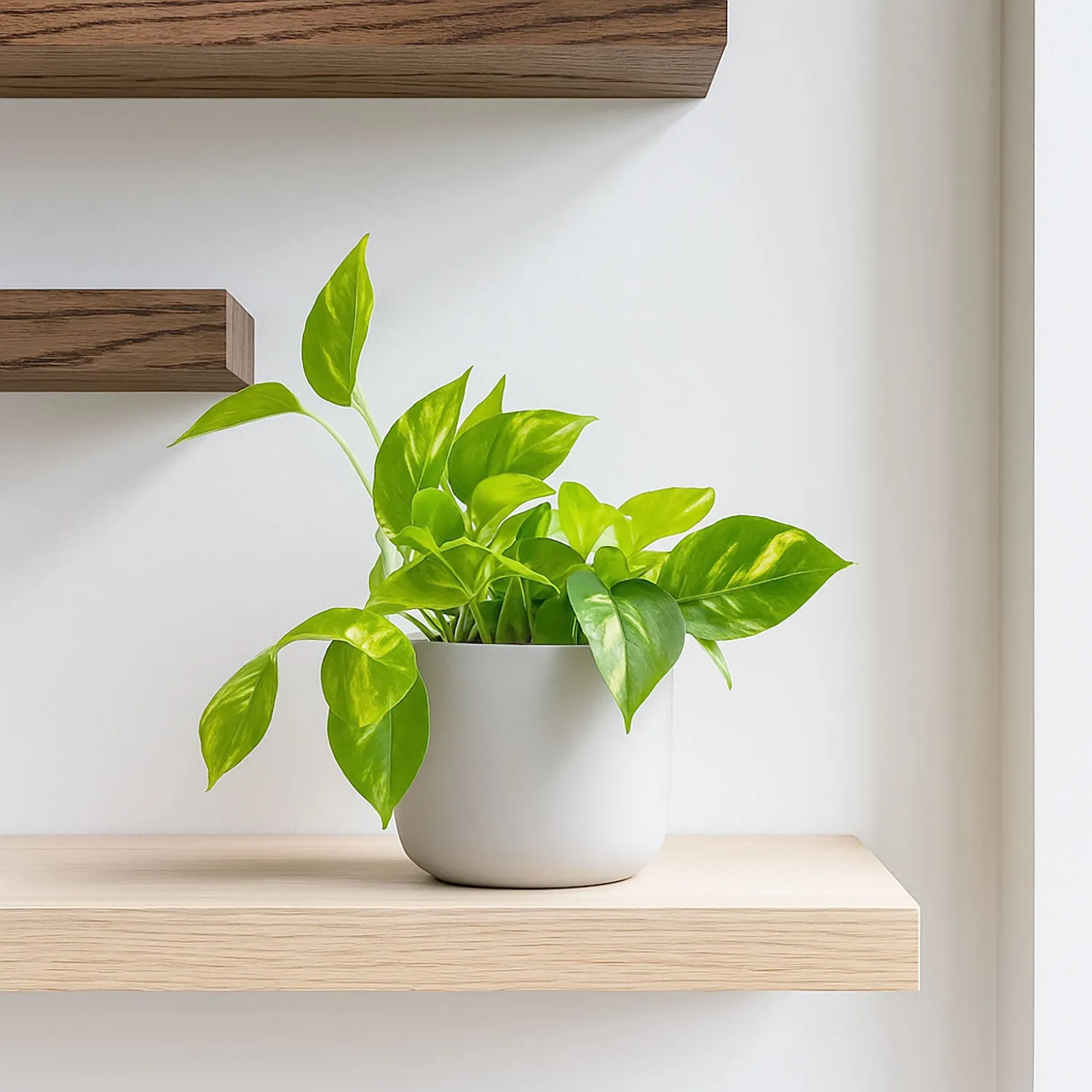
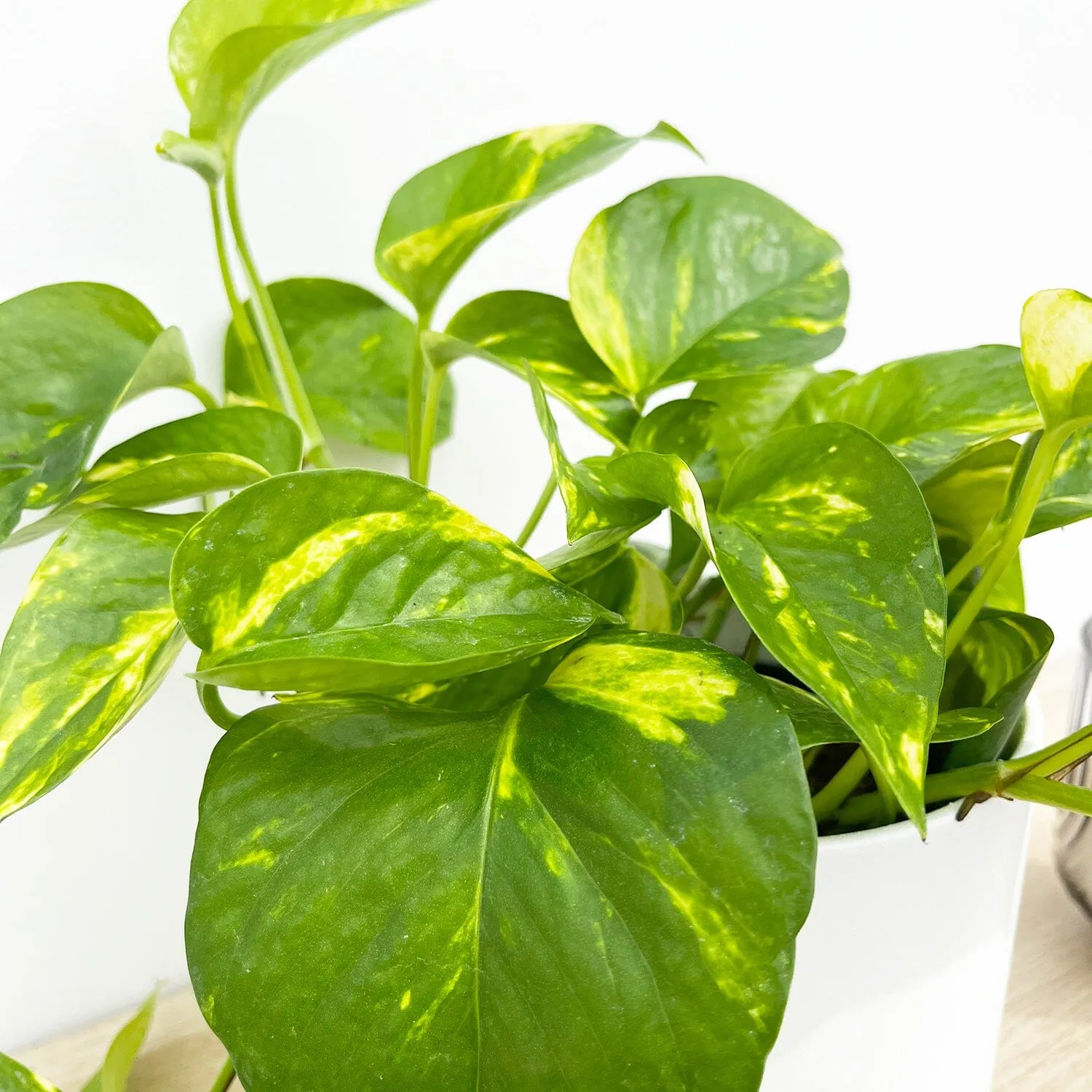
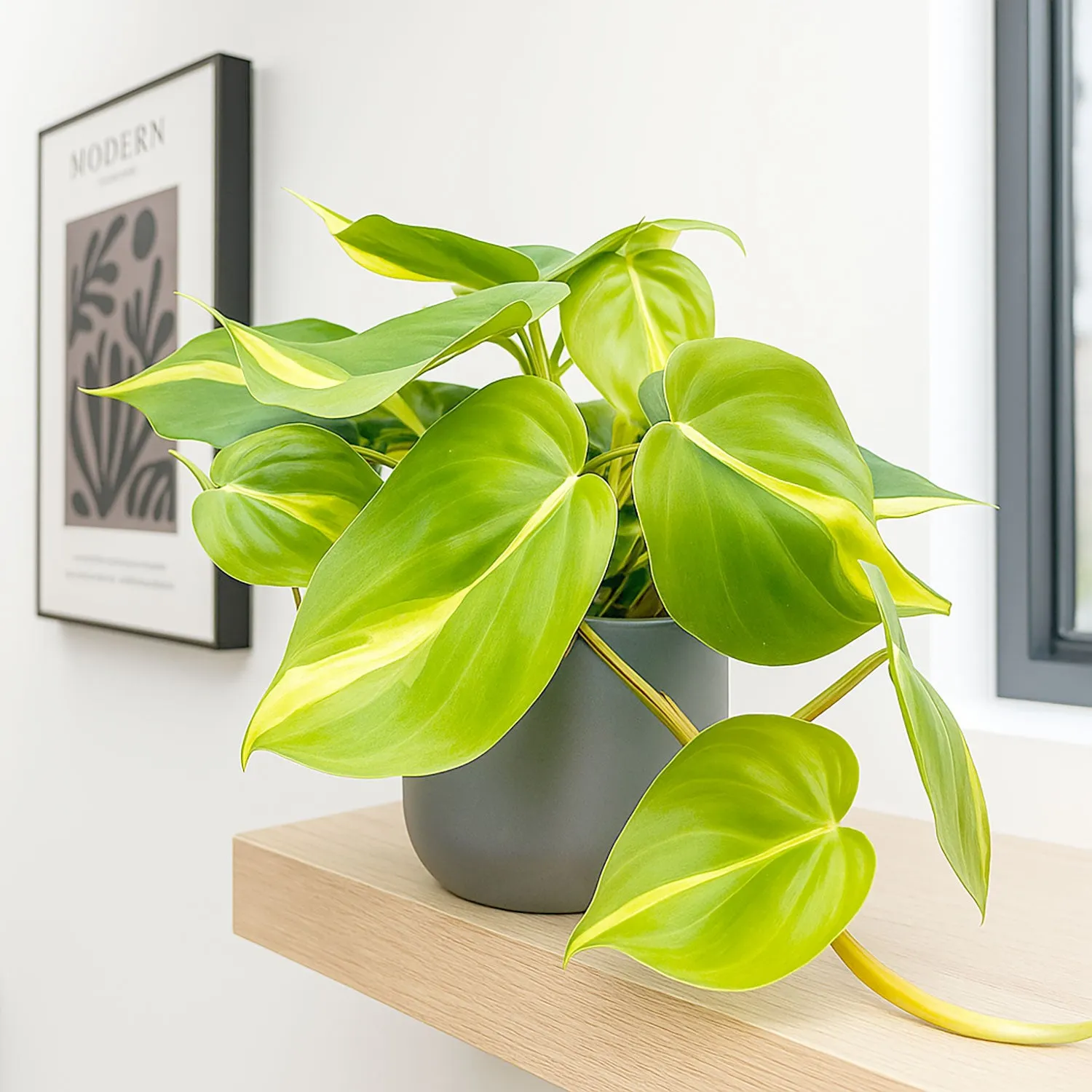
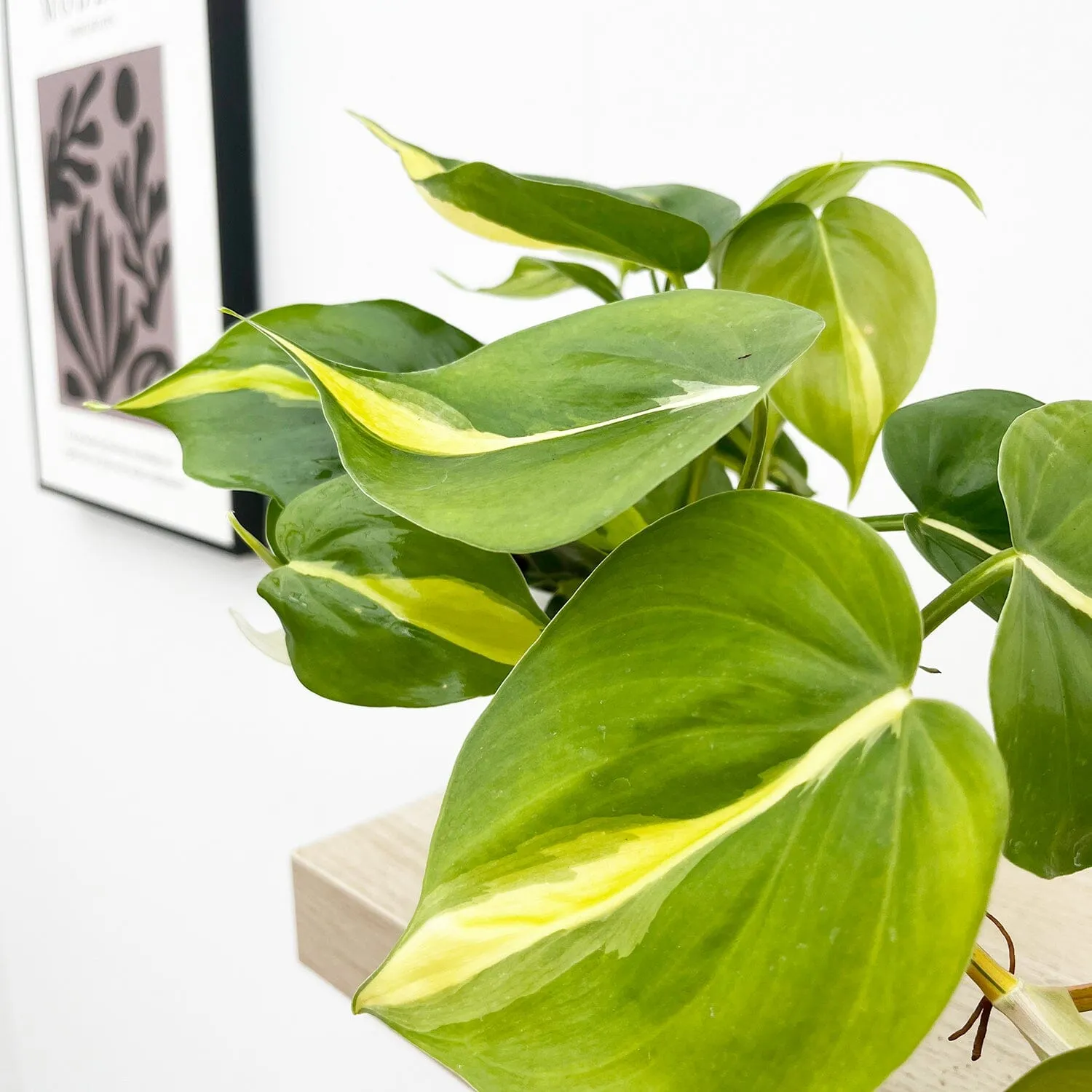
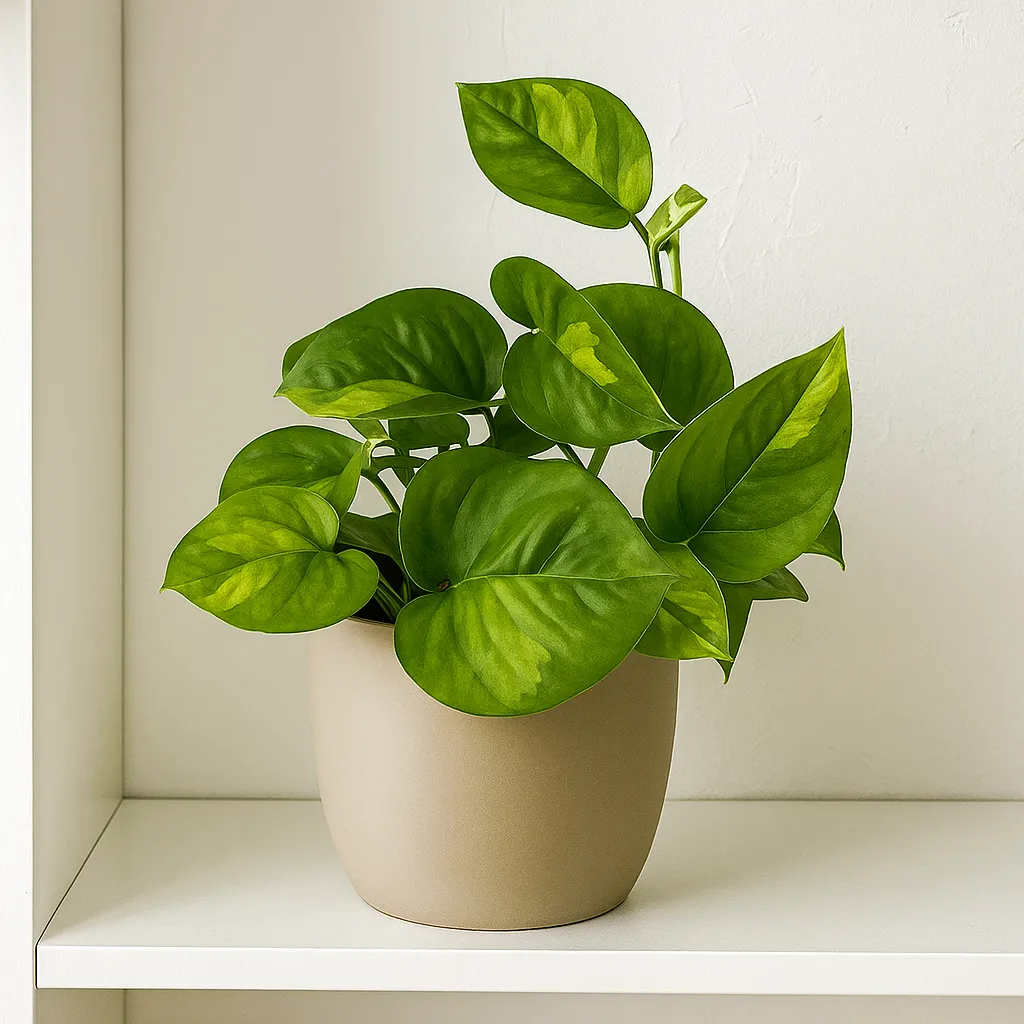
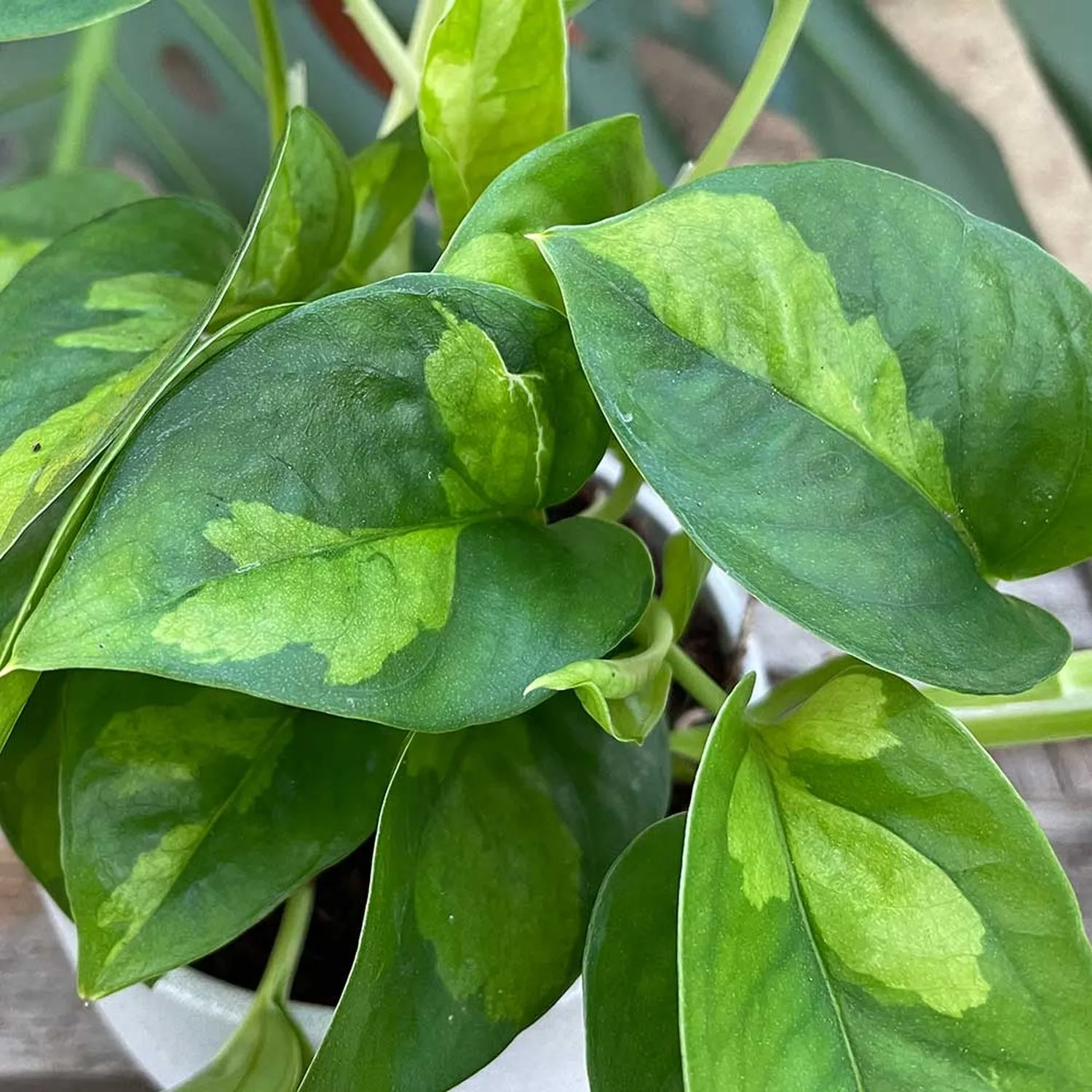
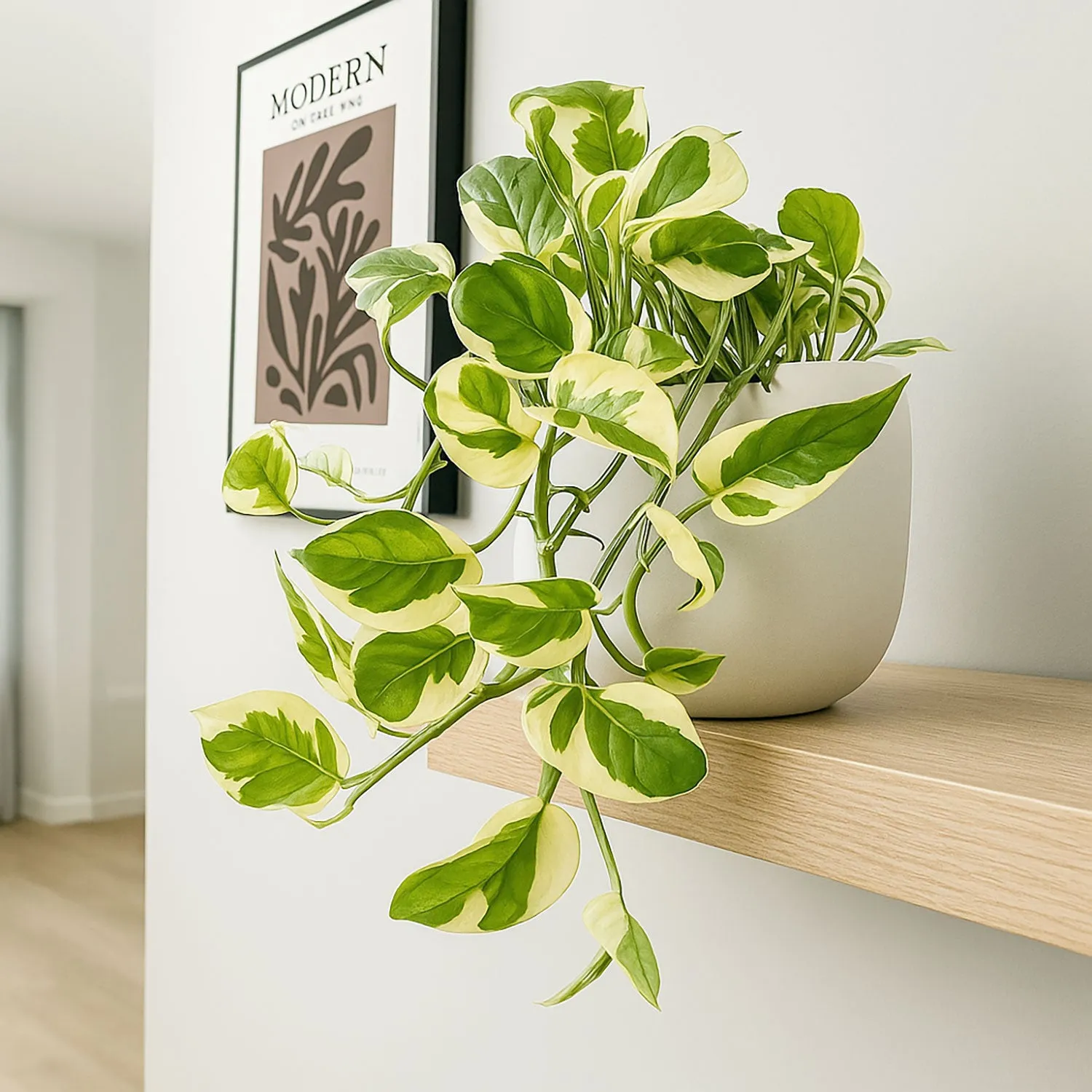
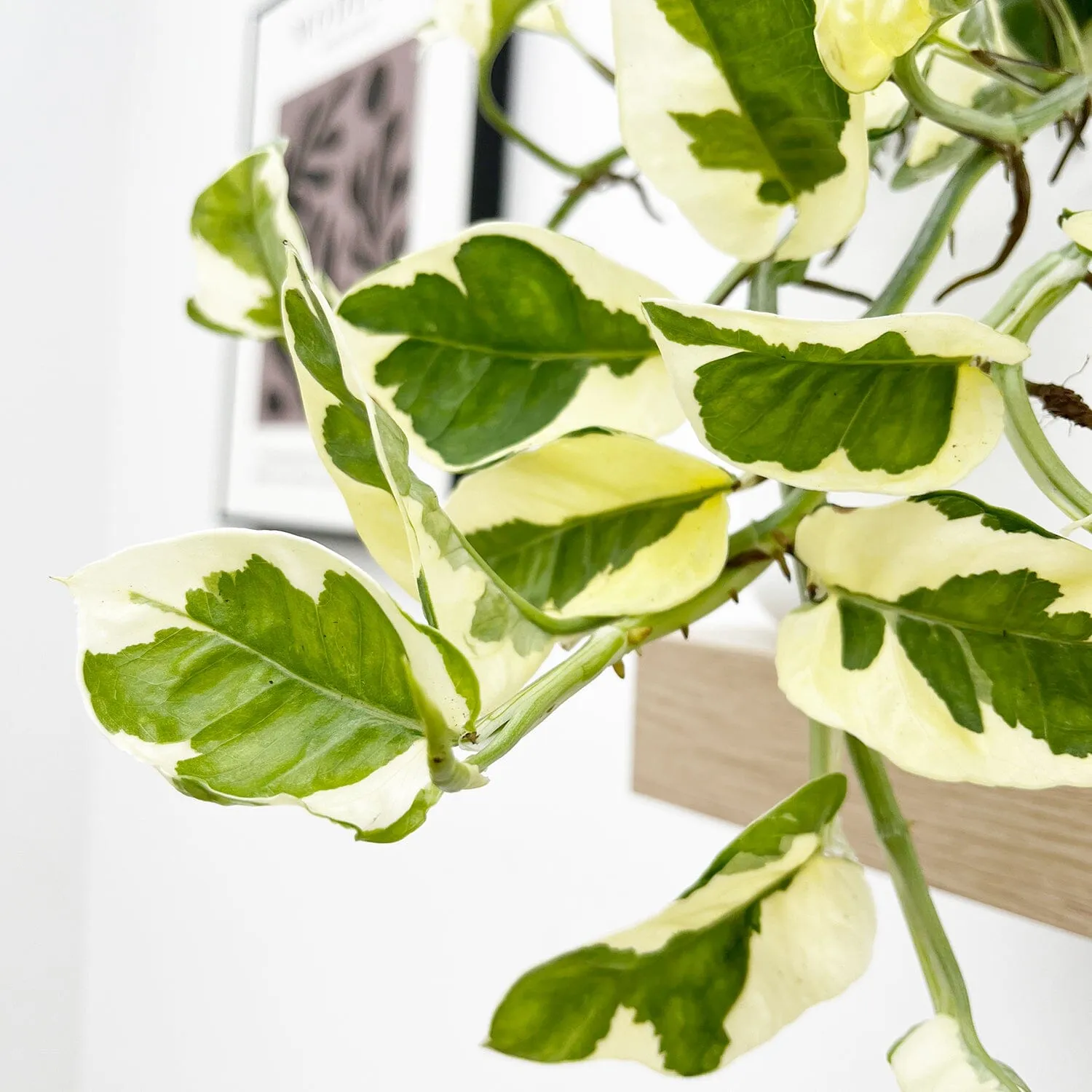
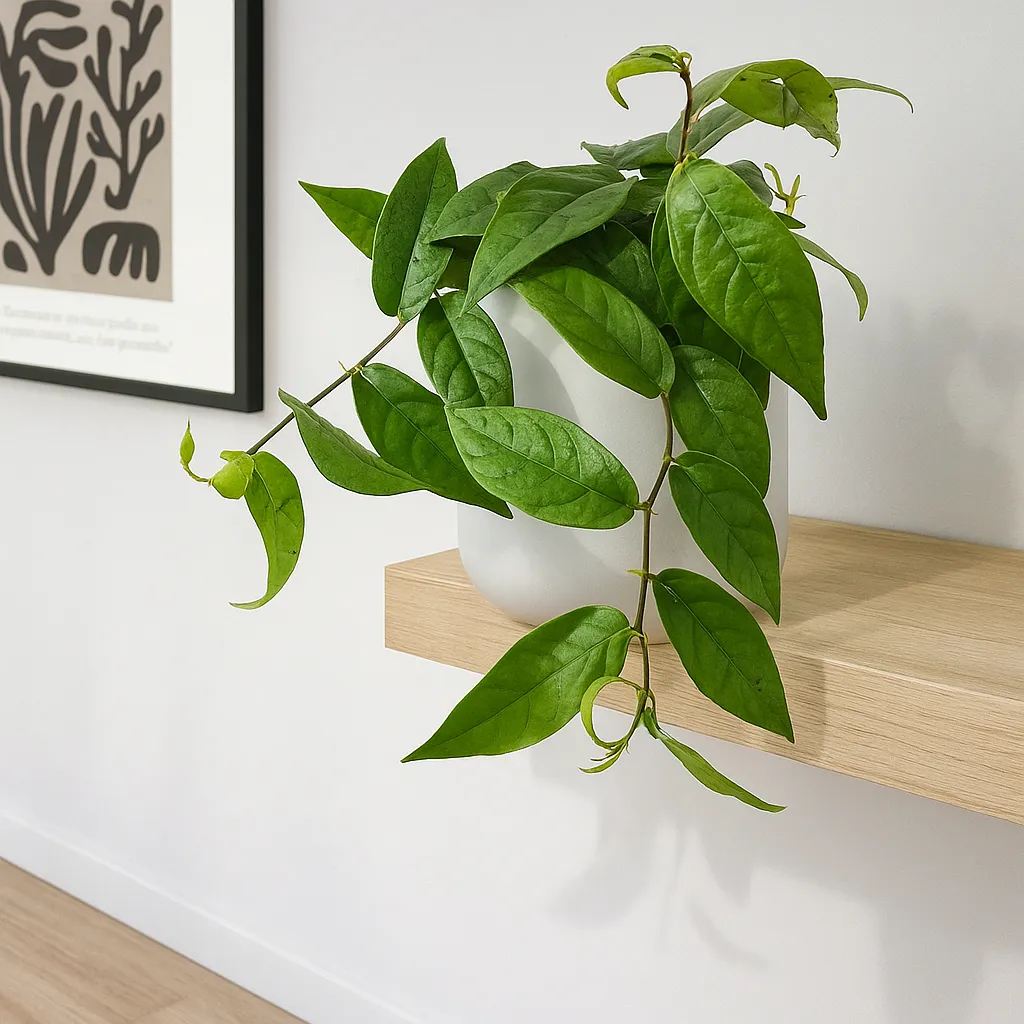
It produces slender, trailing stems lined with small, arrowhead- to heart-shaped leaves. The foliage is a rich, glossy green, sometimes with subtle veining or lighter undersides. The overall effect is light and graceful, with the cascading stems softening shelves, windowsills, or terrariums. In some cultivated forms, such as Ficus sagittata variegata, the leaves are edged with creamy-white variegation, but the plain green form has an elegant simplicity.
In its natural habitat, this species clings to tree trunks and rocks, rooting along its stems. As a houseplant, it retains this trailing and clambering character, providing a lush, leafy accent for indoor displays.
Ficus sagittata – Care Guide
Light
Prefers bright, indirect light to thrive. It tolerates medium light but may become sparse in very low light. Avoid harsh direct sun, which can scorch the small, delicate leaves.
Watering
Keep the soil lightly moist. Water when the top 2–3 cm of soil feels dry, ensuring good drainage to prevent waterlogging. Reduce watering in winter when growth slows. Overwatering may cause leaf yellowing or drop.
Temperature and Humidity
-
Temperature: Best in 16–26°C. Protect from cold draughts and avoid temperatures below 12°C.
-
Humidity: Appreciates moderate to high humidity. Mist occasionally or place near a humidifier to maintain lush foliage.
Soil and Potting
Use a free-draining, peat-free houseplant compost. Add perlite or fine orchid bark to improve aeration. Repot every 1–2 years in spring to refresh the soil and encourage healthy growth.
Feeding
Apply a balanced liquid fertiliser once a month in spring and summer. Stop feeding in autumn and winter.
Pruning and Training
Prune lightly to maintain shape and encourage branching. The plant can be trained up a small trellis or moss pole, or allowed to trail freely. Cuttings root easily in water or soil, making propagation straightforward.
Growth and Maturity
A relatively fast grower under good conditions, producing long trailing stems up to 1–2 metres over time. Indoors, it usually remains compact and manageable.
Common Issues
-
Leaf drop: Often caused by sudden temperature changes, draughts, or overwatering.
-
Faded leaves: Insufficient light.
-
Pests: May attract spider mites, mealybugs, or scale insects indoors; inspect leaves regularly.
Background and Benefits
Ficus sagittata is less commonly grown than its larger relatives, but it offers a lighter, more graceful alternative. Its trailing habit makes it especially suited for hanging planters or as a softening accent in mixed displays. Like many Ficus species, it also contributes to air purification, filtering toxins and improving indoor air quality.
✅ Quick Care Summary
-
Light: Bright, indirect; tolerates medium
-
Water: Lightly moist; reduce in winter
-
Temperature: 16–26°C; avoid below 12°C
-
Humidity: Moderate to high; mist occasionally
-
Soil: Free-draining peat-free compost
-
Feed: Monthly in spring/summer
-
Growth: Trailing or climbing stems with small arrow-shaped leaves
Product Information
Product Information
Shipping & Returns
Shipping & Returns
Description
Ficus sagittata is a delicate, trailing or climbing species of fig from the Moraceae family, native to Southeast Asia. Unlike its larger relatives such as Ficus elastica (Rubber Plant) or Ficus lyrata (Fiddle Leaf Fig), F. sagittata has a softer, more refined habit, making it ideal for hanging baskets, decorative pots, or training along small supports.
It produces slender, trailing stems lined with small, arrowhead- to heart-shaped leaves. The foliage is a rich, glossy green, sometimes with subtle veining or lighter undersides. The overall effect is light and graceful, with the cascading stems softening shelves, windowsills, or terrariums. In some cultivated forms, such as Ficus sagittata variegata, the leaves are edged with creamy-white variegation, but the plain green form has an elegant simplicity.
In its natural habitat, this species clings to tree trunks and rocks, rooting along its stems. As a houseplant, it retains this trailing and clambering character, providing a lush, leafy accent for indoor displays.
Ficus sagittata – Care Guide
Light
Prefers bright, indirect light to thrive. It tolerates medium light but may become sparse in very low light. Avoid harsh direct sun, which can scorch the small, delicate leaves.
Watering
Keep the soil lightly moist. Water when the top 2–3 cm of soil feels dry, ensuring good drainage to prevent waterlogging. Reduce watering in winter when growth slows. Overwatering may cause leaf yellowing or drop.
Temperature and Humidity
-
Temperature: Best in 16–26°C. Protect from cold draughts and avoid temperatures below 12°C.
-
Humidity: Appreciates moderate to high humidity. Mist occasionally or place near a humidifier to maintain lush foliage.
Soil and Potting
Use a free-draining, peat-free houseplant compost. Add perlite or fine orchid bark to improve aeration. Repot every 1–2 years in spring to refresh the soil and encourage healthy growth.
Feeding
Apply a balanced liquid fertiliser once a month in spring and summer. Stop feeding in autumn and winter.
Pruning and Training
Prune lightly to maintain shape and encourage branching. The plant can be trained up a small trellis or moss pole, or allowed to trail freely. Cuttings root easily in water or soil, making propagation straightforward.
Growth and Maturity
A relatively fast grower under good conditions, producing long trailing stems up to 1–2 metres over time. Indoors, it usually remains compact and manageable.
Common Issues
-
Leaf drop: Often caused by sudden temperature changes, draughts, or overwatering.
-
Faded leaves: Insufficient light.
-
Pests: May attract spider mites, mealybugs, or scale insects indoors; inspect leaves regularly.
Background and Benefits
Ficus sagittata is less commonly grown than its larger relatives, but it offers a lighter, more graceful alternative. Its trailing habit makes it especially suited for hanging planters or as a softening accent in mixed displays. Like many Ficus species, it also contributes to air purification, filtering toxins and improving indoor air quality.
✅ Quick Care Summary
-
Light: Bright, indirect; tolerates medium
-
Water: Lightly moist; reduce in winter
-
Temperature: 16–26°C; avoid below 12°C
-
Humidity: Moderate to high; mist occasionally
-
Soil: Free-draining peat-free compost
-
Feed: Monthly in spring/summer
-
Growth: Trailing or climbing stems with small arrow-shaped leaves