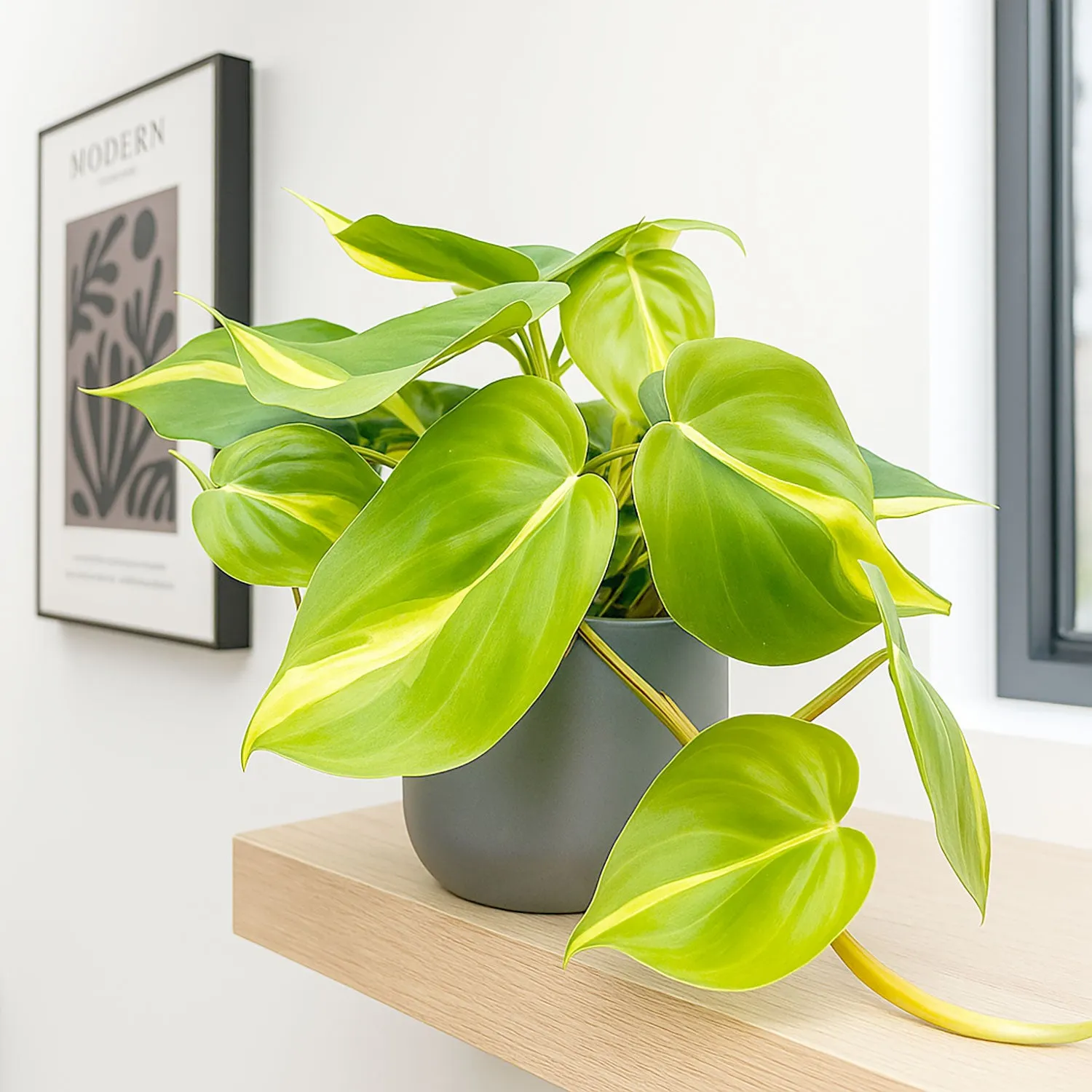
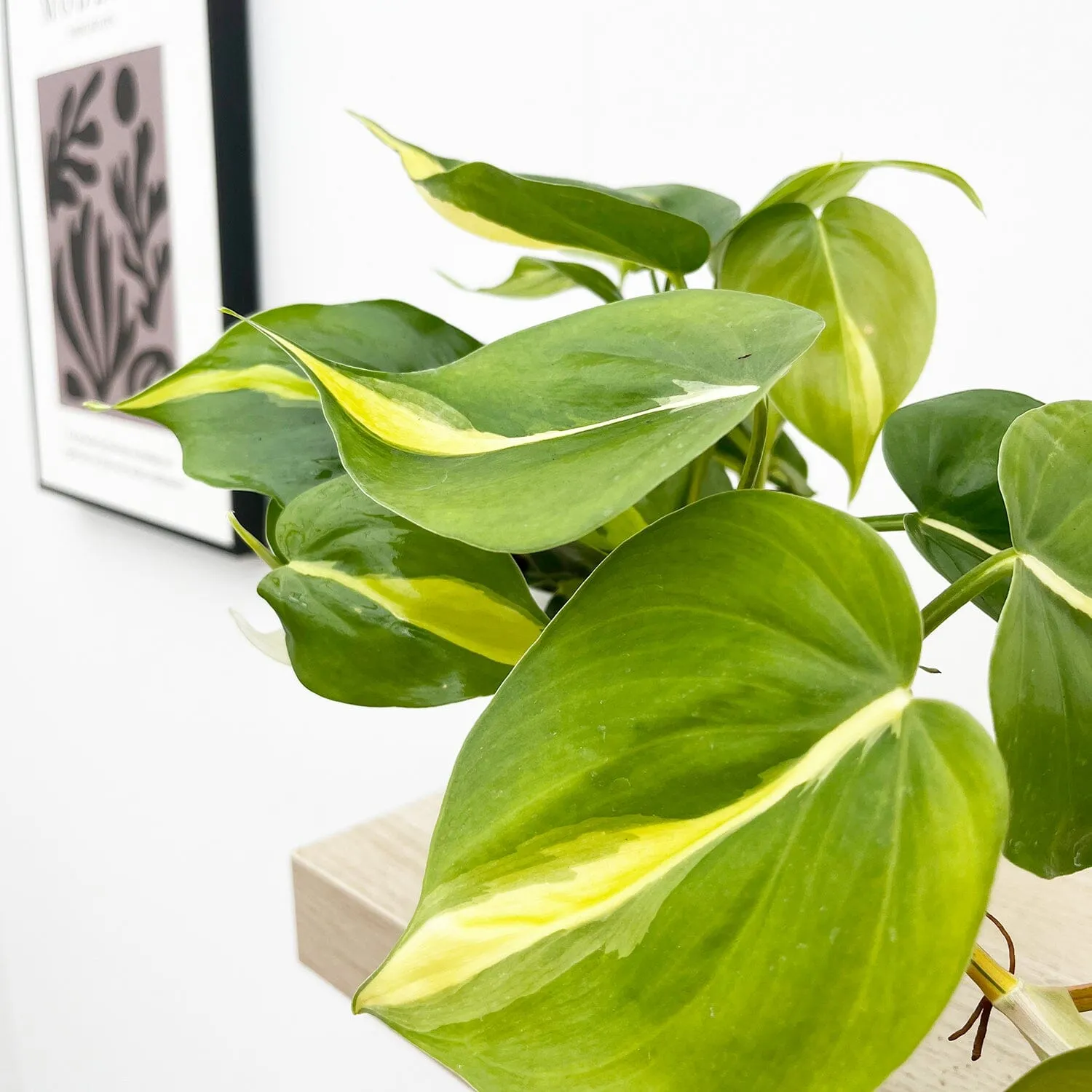
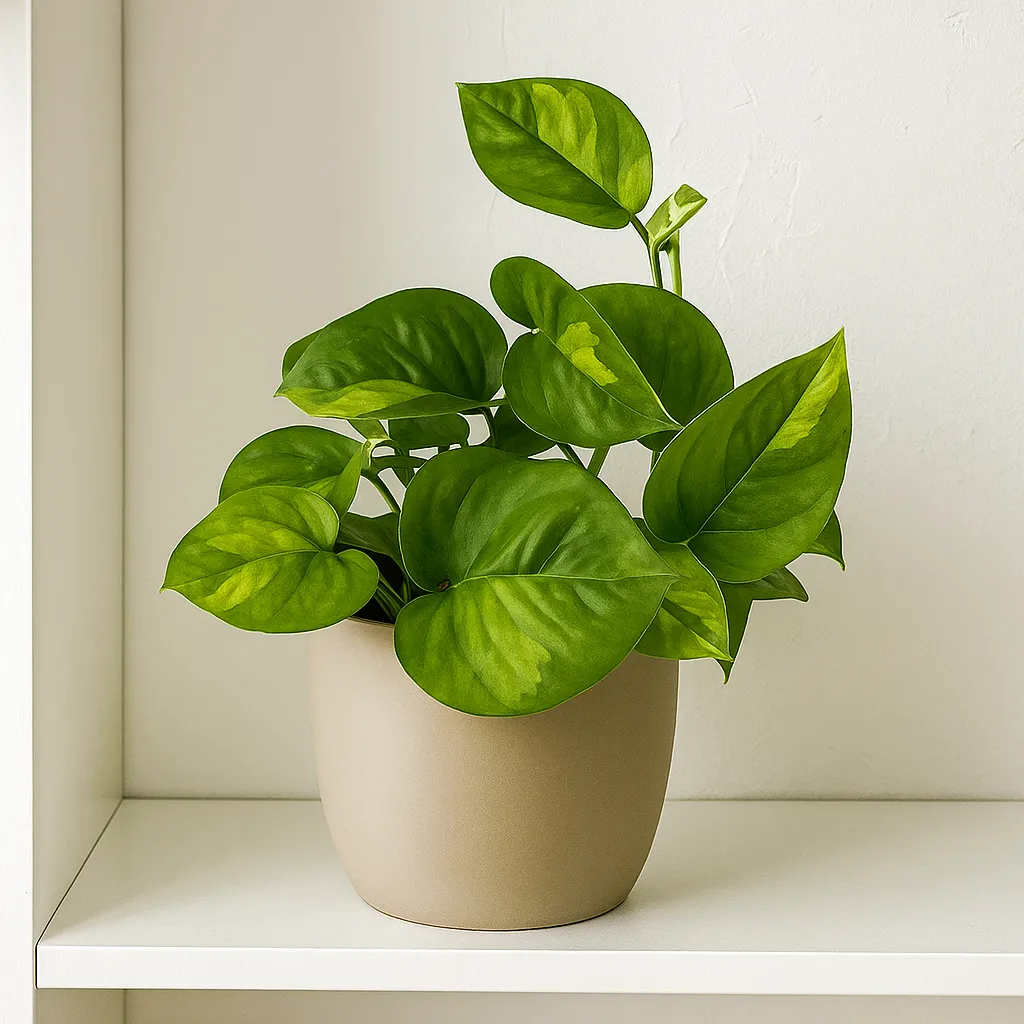
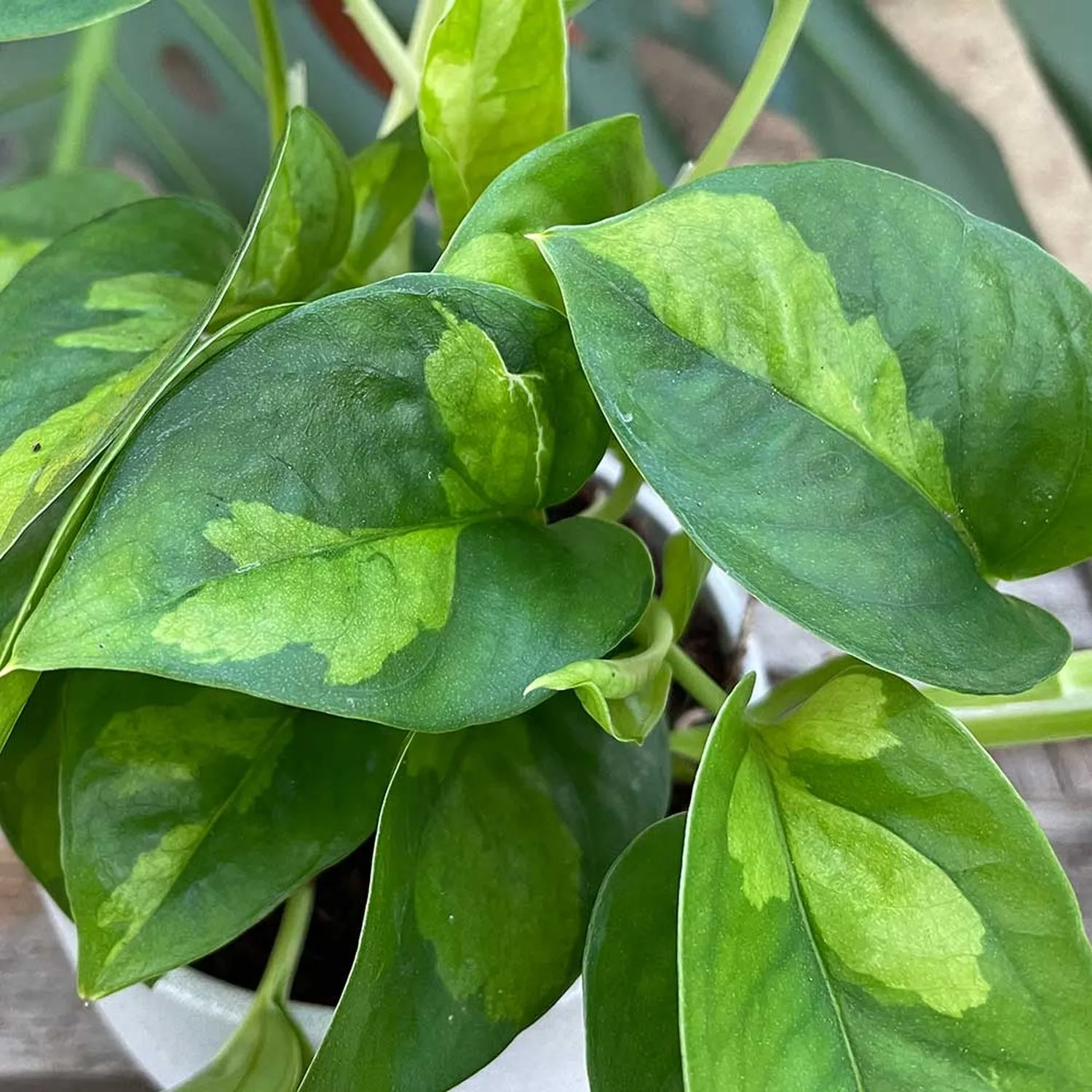
15 - 20cm Pteris Tricolor Brake Fern 12cm Pot House Plant
Pteris tricolor is a striking fern species from the Pteridaceae family, admired for its variegated fronds in bold shades of green, cream, and pink. Native to tropical and subtropical regions of Asia, this fern has become a favourite among collectors for its colourful and unusual foliage, standing apart from the more traditional green ferns.
Its fronds are divided into slender, elongated pinnae with wavy margins, forming graceful, arching clumps. Each frond is patterned with irregular splashes and streaks of creamy white and bright pink against a fresh green base. The pink tones are especially vibrant on new growth, gradually softening to pastel shades as the fronds mature. This constant play of colour gives Pteris tricolor a dynamic, ever-changing appearance.
Compact and decorative, it is typically grown as a houseplant or greenhouse specimen, where its colourful fronds bring a tropical, almost painted look to interiors. Mature plants usually reach 30–45 cm in height, making them suitable for tabletops, shelves, or mixed foliage displays.
Pteris tricolor – Care Guide
Light
Thrives in bright, indirect light. Too little light may cause colours to fade, while direct sunlight can scorch the delicate fronds.
Watering
Keep the soil consistently moist but not waterlogged. Water when the surface feels just slightly dry, using room-temperature water. Avoid letting the compost dry out completely, as fronds may quickly crisp.
Temperature and Humidity
-
Temperature: Best in 16–24°C. Protect from draughts and avoid prolonged cold below 12°C.
-
Humidity: Requires high humidity. Mist daily, place on a pebble tray, or use a humidifier to maintain lush growth and prevent brown tips.
Soil and Potting
Plant in a peat-free, moisture-retentive yet free-draining compost, such as a mix designed for ferns. Repot every 1–2 years in spring to refresh the soil and provide room for healthy root growth.
Feeding
Feed monthly during spring and summer with a diluted, balanced liquid fertiliser. Avoid overfeeding, which may damage delicate roots.
Pruning and Maintenance
Remove old, yellowing, or damaged fronds at the base to encourage new growth. Gently wipe fronds if dust accumulates.
Growth and Maturity
Forms compact, arching clumps 30–45 cm tall. The colourful fronds remain decorative year-round in the right conditions, though growth slows in winter.
Common Issues
-
Brown, crispy fronds: Usually due to low humidity or underwatering.
-
Colour fading: Caused by insufficient light.
-
Pests: May attract scale or aphids; inspect regularly and treat early.
Background and Benefits
Unlike many ferns, which are valued primarily for their shades of green, Pteris tricolor brings a rare burst of colour with its pink and cream variegation. Its tropical origins make it best suited to indoor cultivation in temperate climates, where it provides both elegance and vibrancy as a houseplant.
✅ Quick Care Summary
-
Light: Bright, indirect light
-
Water: Keep evenly moist, never soggy
-
Temperature: 16–24°C; avoid below 12°C
-
Humidity: High; mist or use humidifier
-
Soil: Moisture-retentive, free-draining compost
-
Feed: Monthly in spring/summer
-
Growth: Compact clump, 30–45 cm; fronds in green, cream, and pink
Original: $11.86
-70%$11.86
$3.56Product Information
Product Information
Shipping & Returns
Shipping & Returns
Description
Pteris tricolor is a striking fern species from the Pteridaceae family, admired for its variegated fronds in bold shades of green, cream, and pink. Native to tropical and subtropical regions of Asia, this fern has become a favourite among collectors for its colourful and unusual foliage, standing apart from the more traditional green ferns.
Its fronds are divided into slender, elongated pinnae with wavy margins, forming graceful, arching clumps. Each frond is patterned with irregular splashes and streaks of creamy white and bright pink against a fresh green base. The pink tones are especially vibrant on new growth, gradually softening to pastel shades as the fronds mature. This constant play of colour gives Pteris tricolor a dynamic, ever-changing appearance.
Compact and decorative, it is typically grown as a houseplant or greenhouse specimen, where its colourful fronds bring a tropical, almost painted look to interiors. Mature plants usually reach 30–45 cm in height, making them suitable for tabletops, shelves, or mixed foliage displays.
Pteris tricolor – Care Guide
Light
Thrives in bright, indirect light. Too little light may cause colours to fade, while direct sunlight can scorch the delicate fronds.
Watering
Keep the soil consistently moist but not waterlogged. Water when the surface feels just slightly dry, using room-temperature water. Avoid letting the compost dry out completely, as fronds may quickly crisp.
Temperature and Humidity
-
Temperature: Best in 16–24°C. Protect from draughts and avoid prolonged cold below 12°C.
-
Humidity: Requires high humidity. Mist daily, place on a pebble tray, or use a humidifier to maintain lush growth and prevent brown tips.
Soil and Potting
Plant in a peat-free, moisture-retentive yet free-draining compost, such as a mix designed for ferns. Repot every 1–2 years in spring to refresh the soil and provide room for healthy root growth.
Feeding
Feed monthly during spring and summer with a diluted, balanced liquid fertiliser. Avoid overfeeding, which may damage delicate roots.
Pruning and Maintenance
Remove old, yellowing, or damaged fronds at the base to encourage new growth. Gently wipe fronds if dust accumulates.
Growth and Maturity
Forms compact, arching clumps 30–45 cm tall. The colourful fronds remain decorative year-round in the right conditions, though growth slows in winter.
Common Issues
-
Brown, crispy fronds: Usually due to low humidity or underwatering.
-
Colour fading: Caused by insufficient light.
-
Pests: May attract scale or aphids; inspect regularly and treat early.
Background and Benefits
Unlike many ferns, which are valued primarily for their shades of green, Pteris tricolor brings a rare burst of colour with its pink and cream variegation. Its tropical origins make it best suited to indoor cultivation in temperate climates, where it provides both elegance and vibrancy as a houseplant.
✅ Quick Care Summary
-
Light: Bright, indirect light
-
Water: Keep evenly moist, never soggy
-
Temperature: 16–24°C; avoid below 12°C
-
Humidity: High; mist or use humidifier
-
Soil: Moisture-retentive, free-draining compost
-
Feed: Monthly in spring/summer
-
Growth: Compact clump, 30–45 cm; fronds in green, cream, and pink