15 - 25cm Epipremnum Happy Leaf Pothos 12cm Pot House Plant
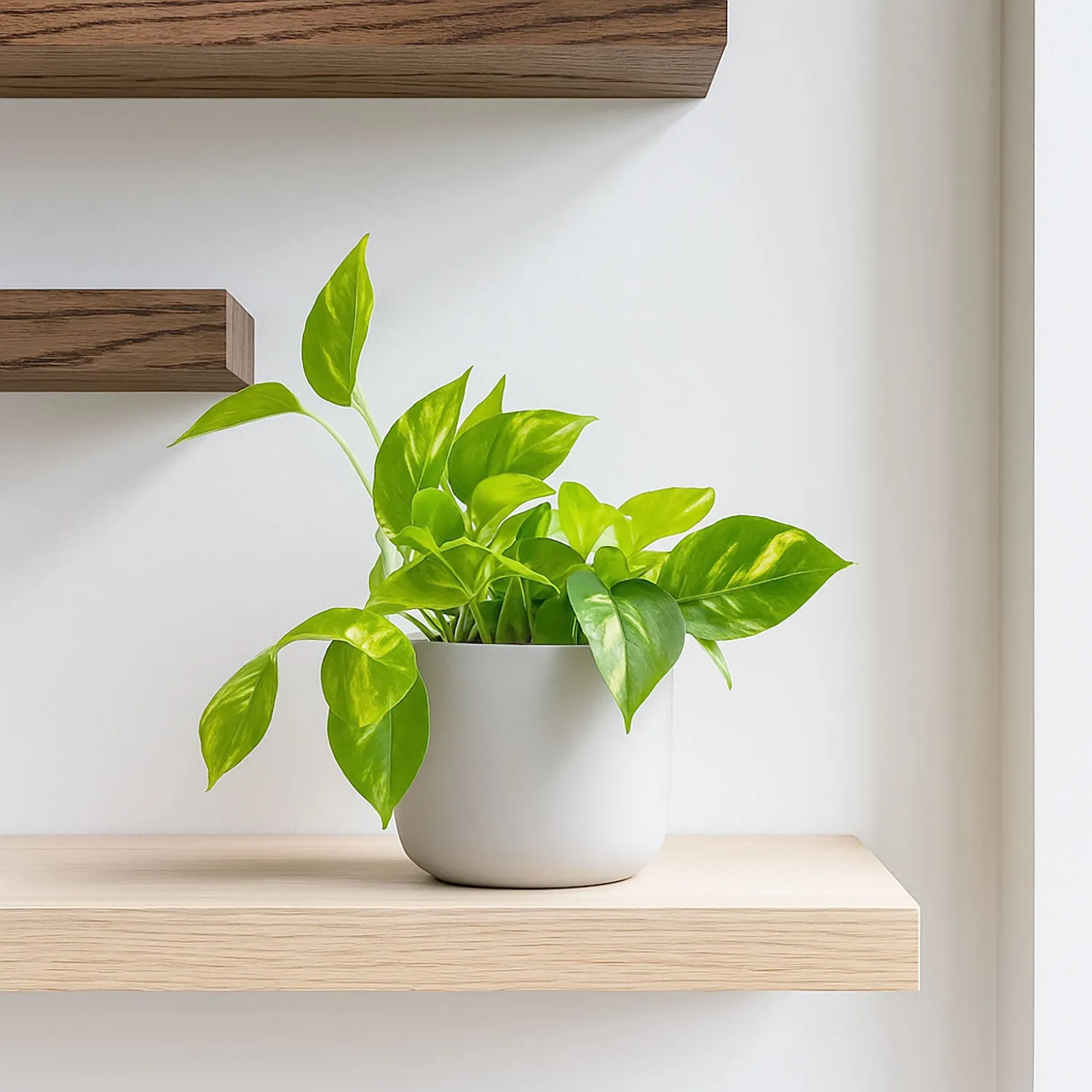
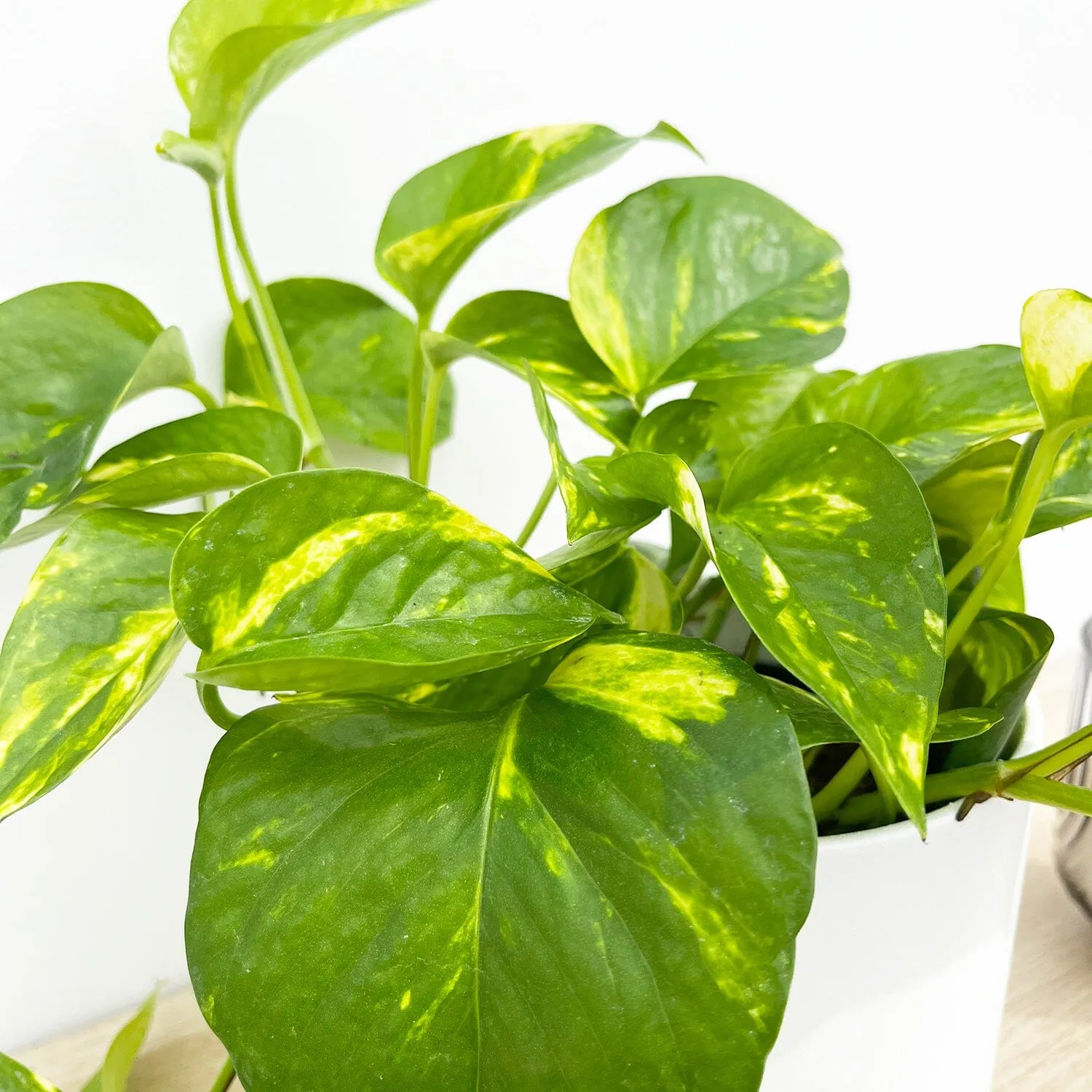
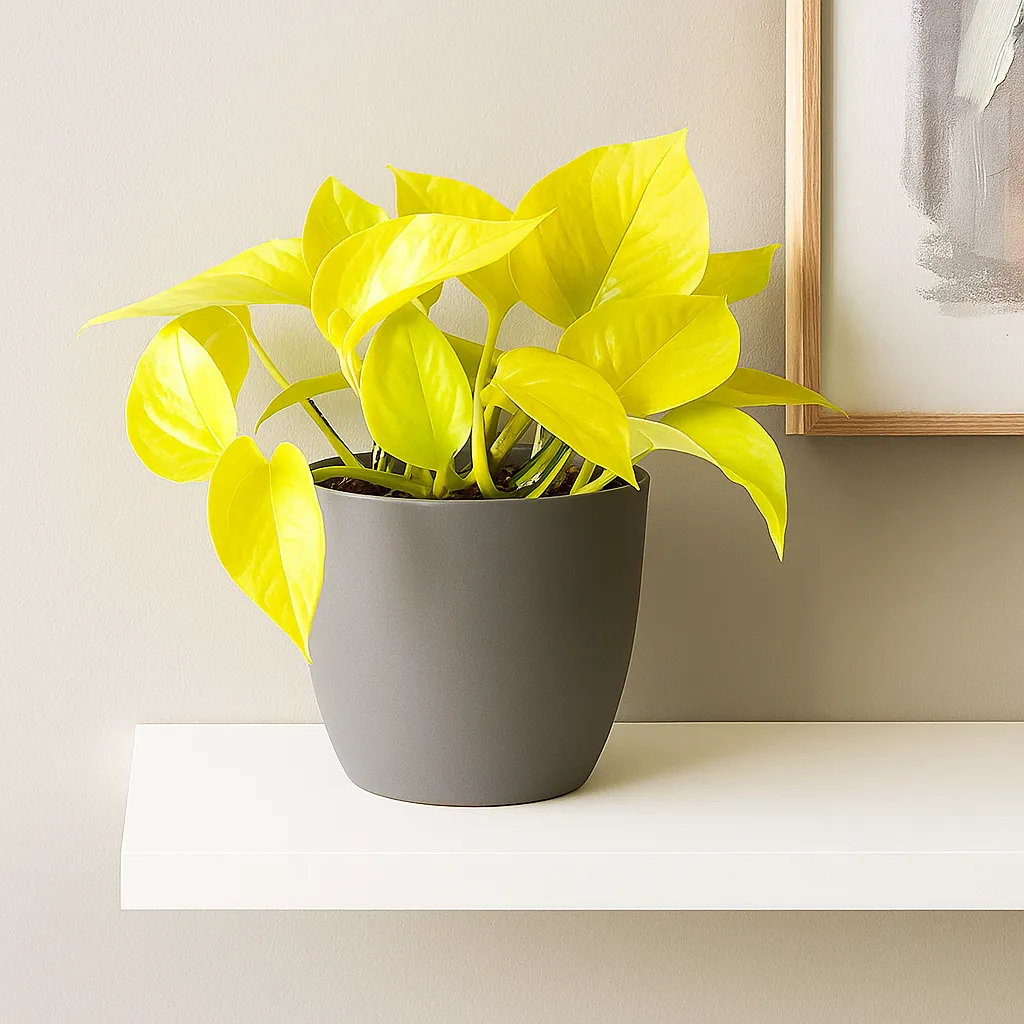
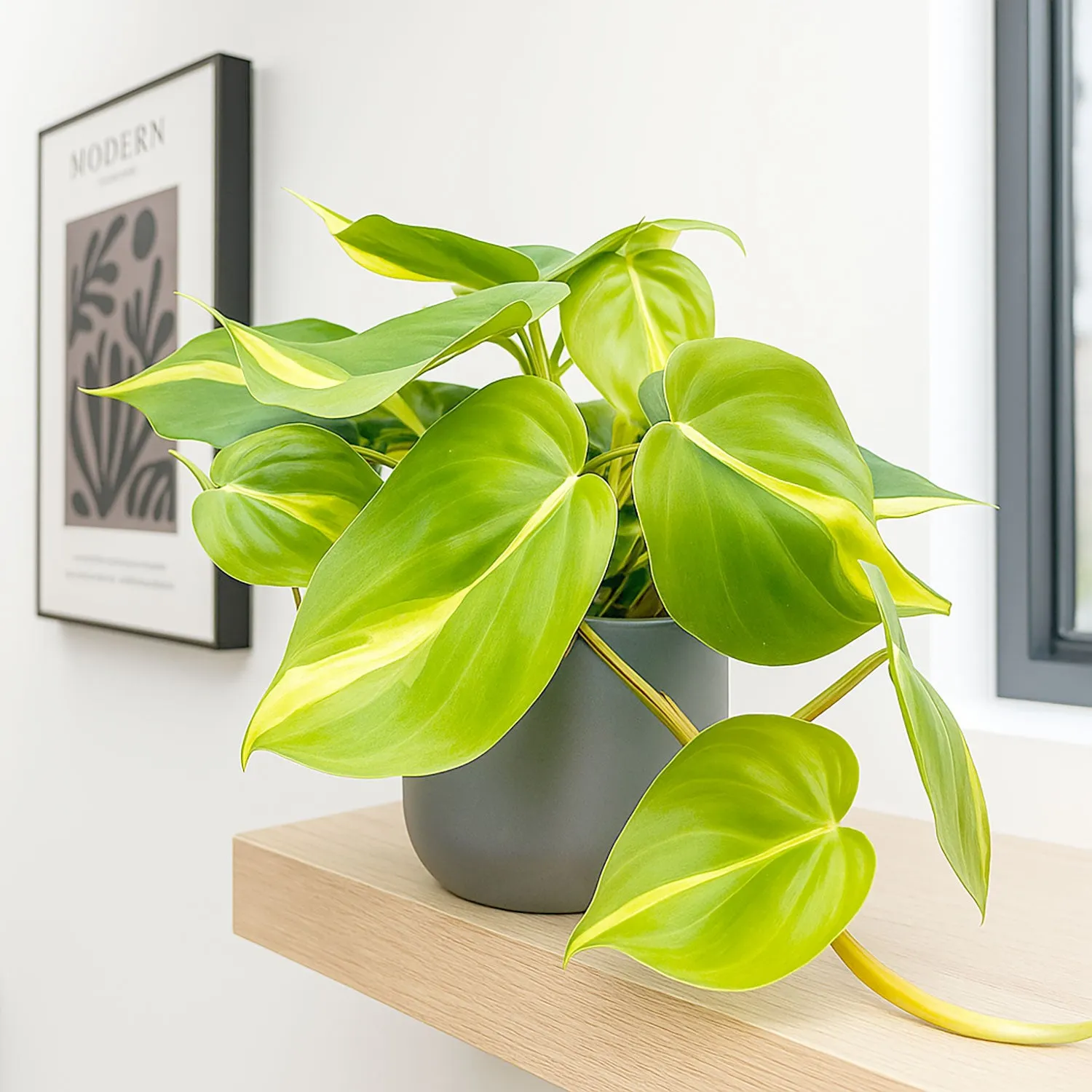
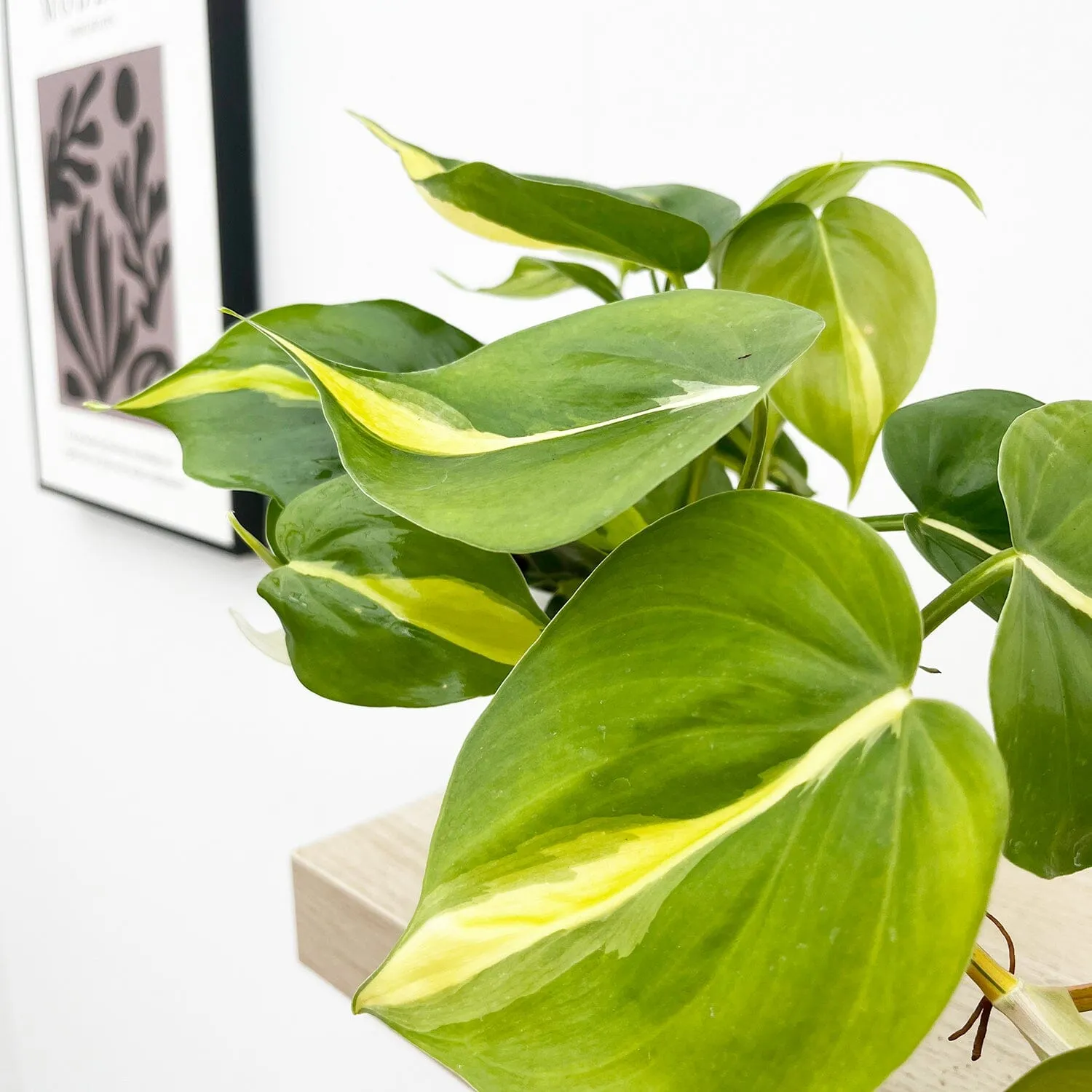
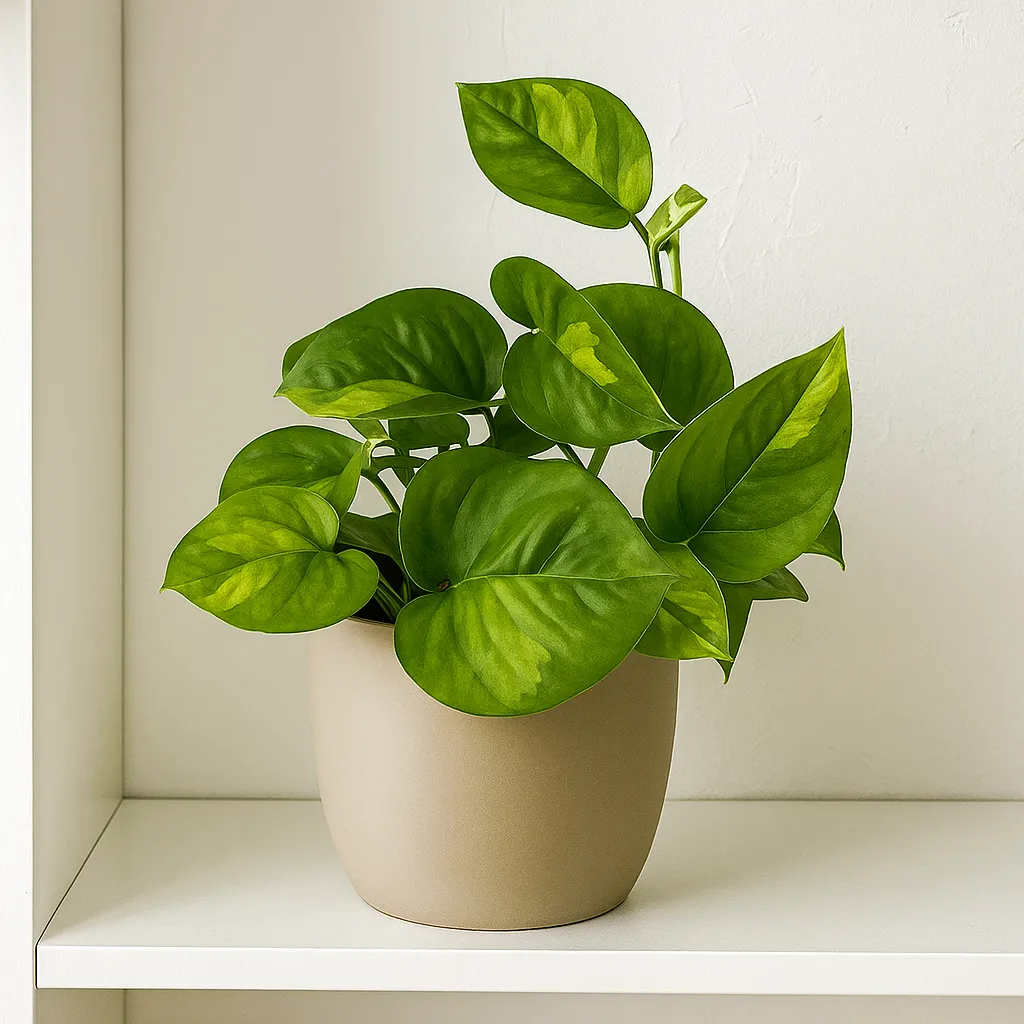
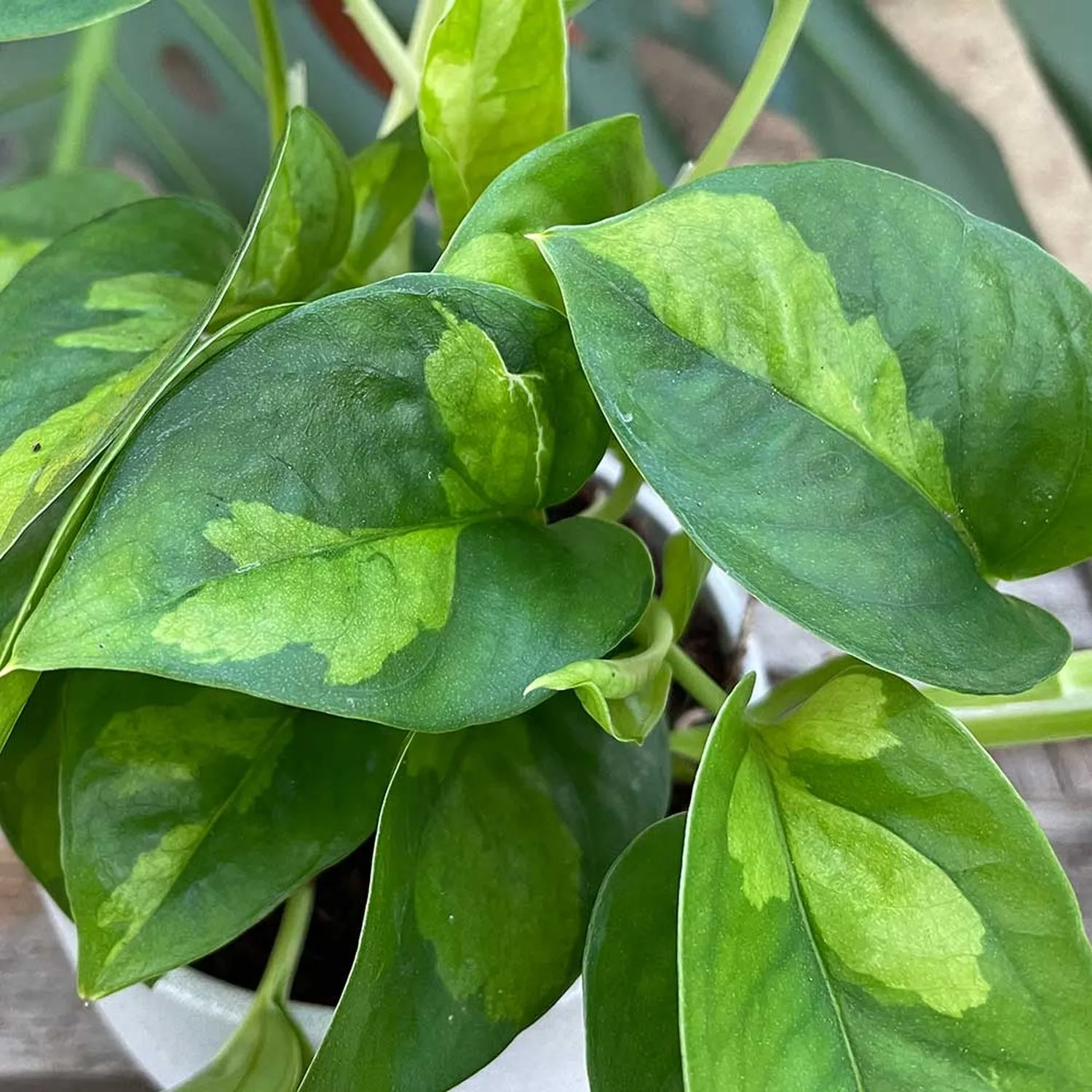
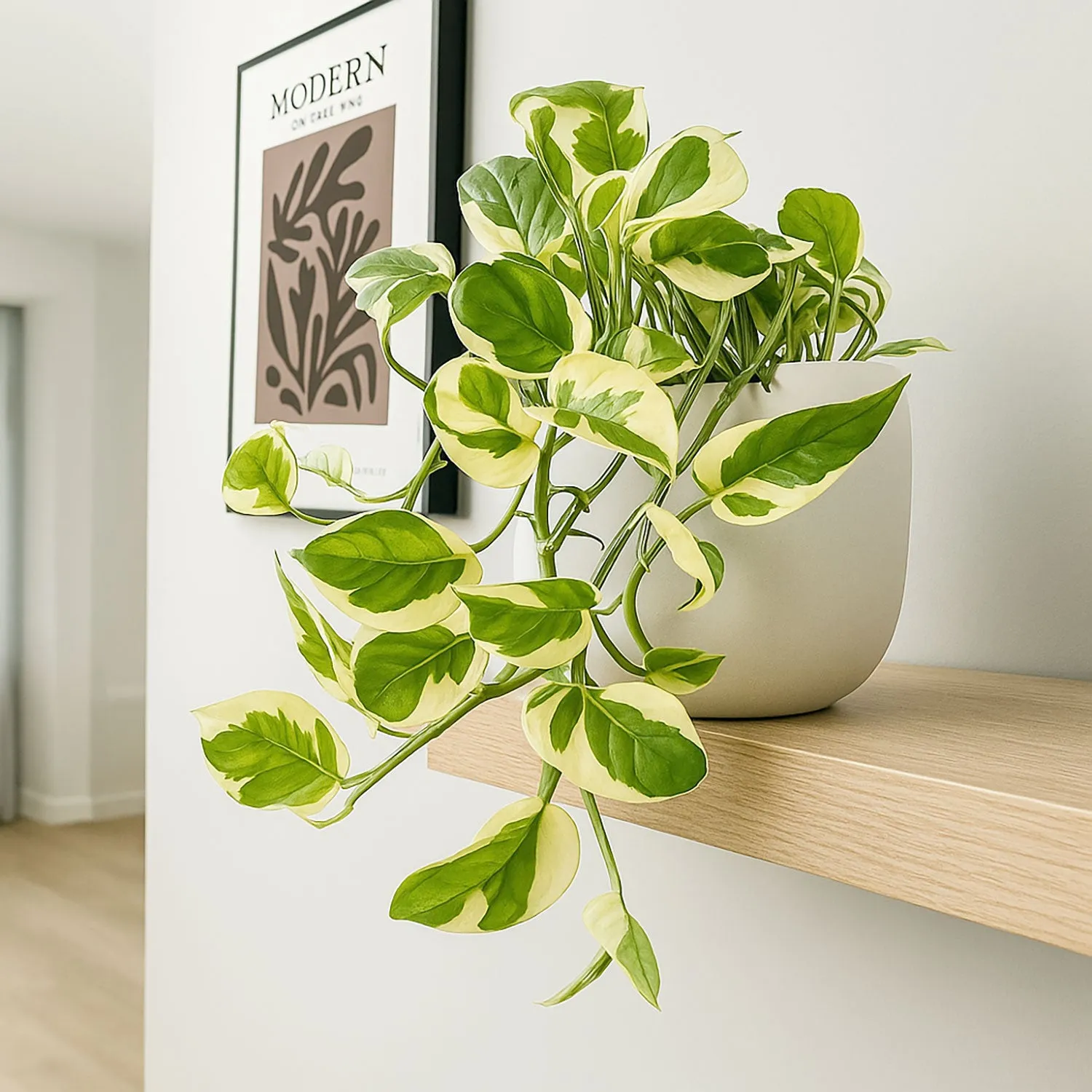
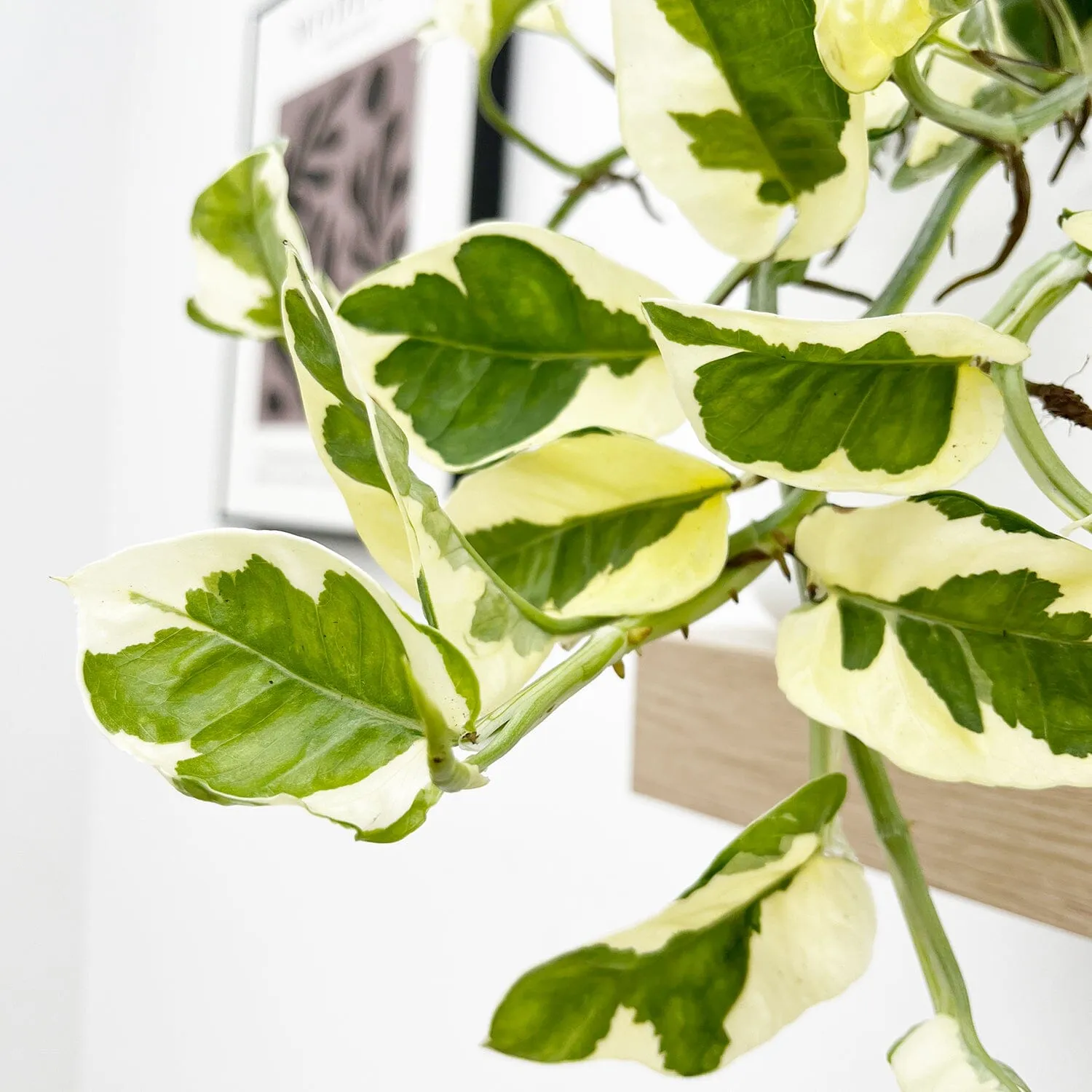
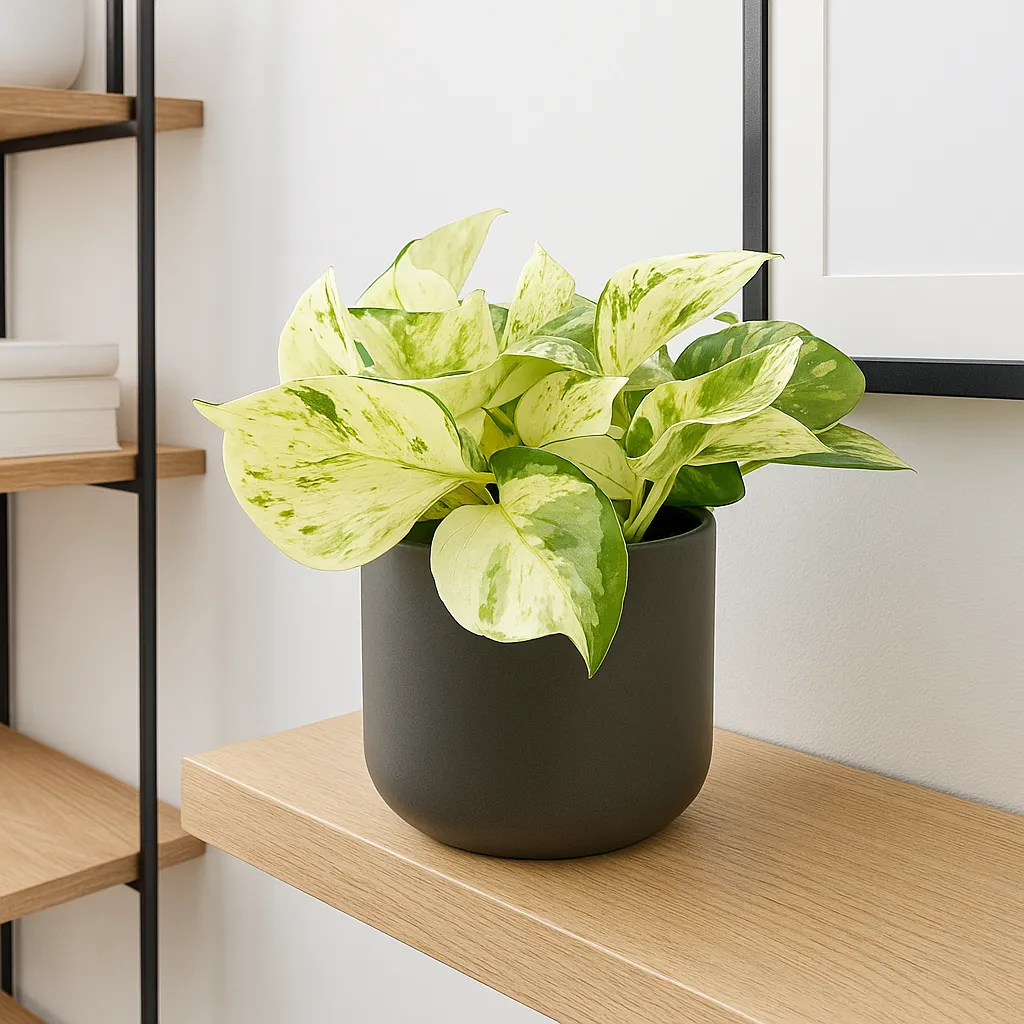
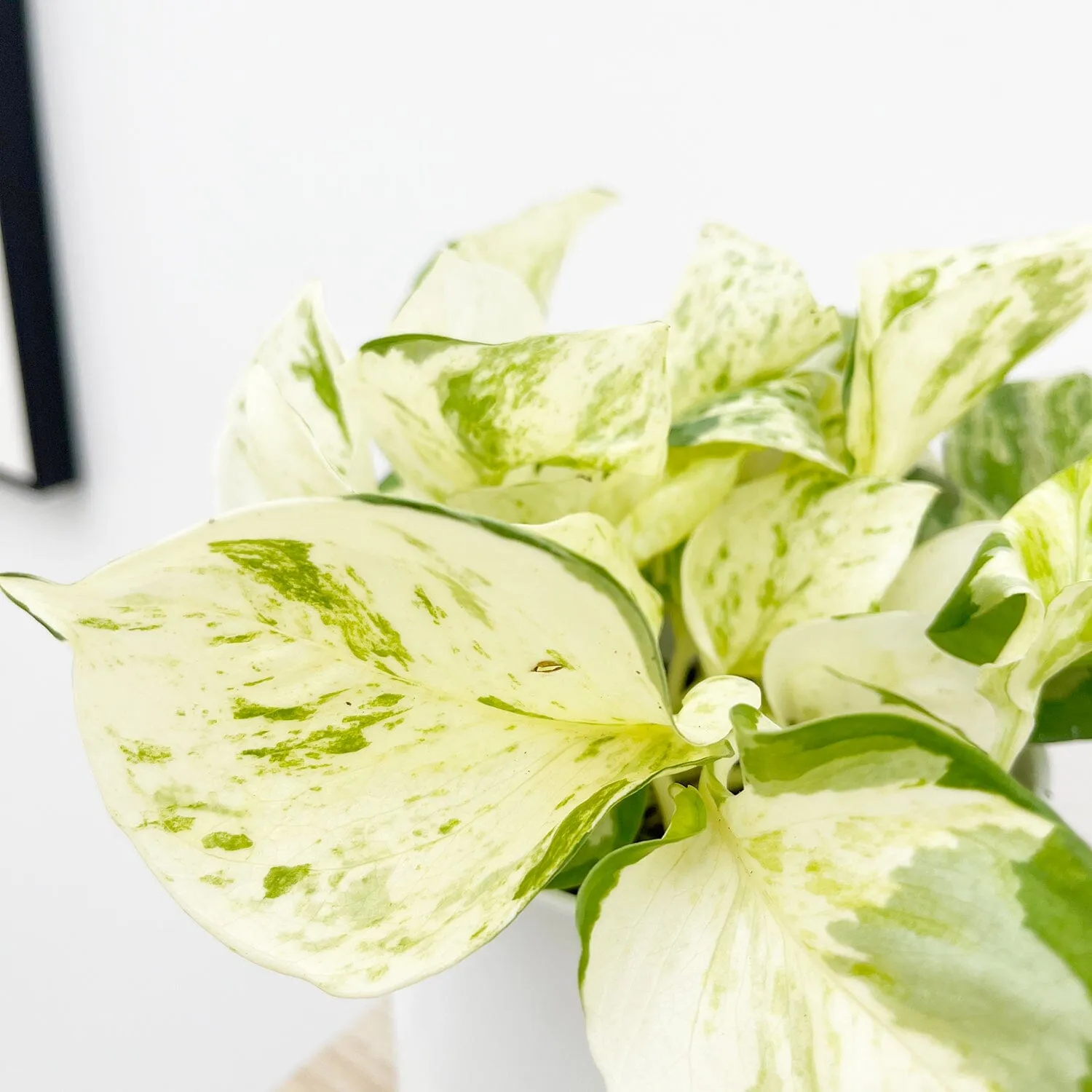
Epipremnum ‘Happy Leaf’ is a cheerful and elegant tropical vine celebrated for its vibrant variegation and easy-care nature. A cultivar of the classic Epipremnum aureum (Pothos), this variety is instantly recognisable for its bright green and creamy-white marbled leaves that bring light and freshness to any indoor space. Native to the tropical forests of Southeast Asia, ‘Happy Leaf’ embodies the lush, cascading beauty that makes Epipremnums such beloved houseplants.
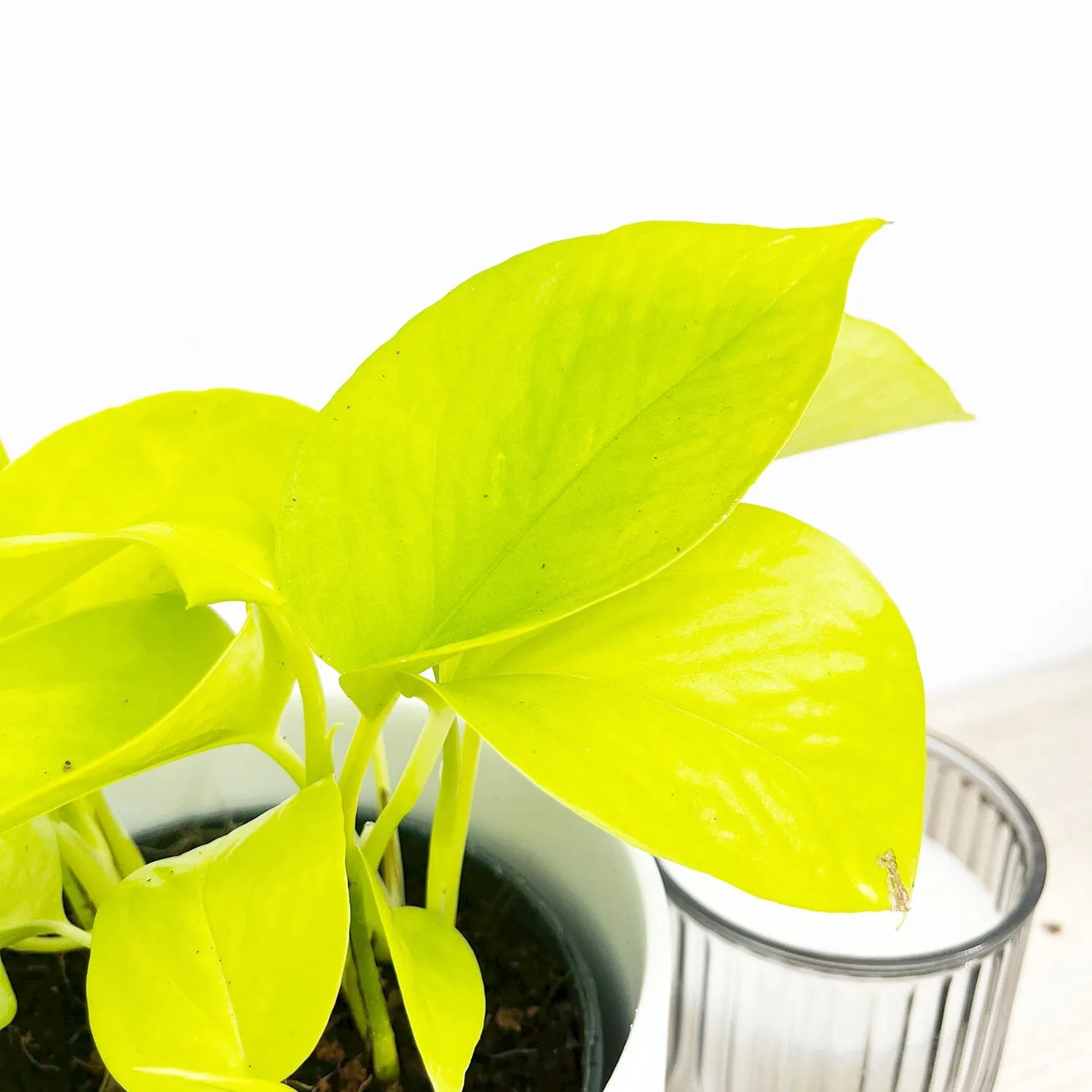
The heart-shaped leaves of ‘Happy Leaf’ are delicately speckled and streaked with ivory and chartreuse tones, giving each leaf a unique, painterly pattern. Its compact growth habit and glossy foliage make it a wonderful choice for both hanging planters and tabletop displays. As it matures, it develops graceful, trailing vines that can reach impressive lengths, creating a dynamic waterfall of foliage that brightens even the darkest corners.
Joyful, adaptable, and full of character, Epipremnum ‘Happy Leaf’ is an uplifting houseplant that combines timeless beauty with unbeatable simplicity — the perfect “happy medium” for any home or workspace.
Epipremnum ‘Happy Leaf’ – Care Guide
Light
Thrives in bright, indirect light, which enhances the cream and green variegation. It can tolerate medium to low light but may develop greener leaves in shadier spots. Avoid direct sun, which can scorch or fade the foliage. East- or north-facing rooms are ideal.
Watering
Water when the top 2–3 cm of soil feels dry to the touch. Keep the soil lightly moist but not waterlogged. During the growing season (spring and summer), water regularly and reduce slightly in autumn and winter. Ensure the pot has good drainage to prevent root rot — Happy Leaf prefers “a drink and a dry-off.”
Temperature and Humidity
Temperature: Prefers warmth between 18–28 °C and should be kept away from cold drafts or temperatures below 15 °C.
Humidity: Enjoys moderate to high humidity (50–70%) but adapts well to normal indoor conditions. Mist occasionally or place near other plants to create a microclimate of humidity.
Soil and Potting
Use a loose, well-draining mix, such as compost combined with perlite and a little coco coir or orchid bark. This keeps roots aerated while retaining light moisture. Repot every 1–2 years in spring to refresh the soil and allow for continued growth.
Feeding
Feed every 4–6 weeks during spring and summer with a diluted, balanced liquid fertiliser or one formulated for foliage plants. Too much fertiliser can cause leaf tip burn, so always err on the side of less. Pause feeding in autumn and winter.
Pruning and Maintenance
Prune trailing stems to shape the plant and encourage bushier growth. Cuttings can easily be propagated in water or moist soil to create new plants. Wipe the leaves regularly with a soft, damp cloth to maintain their gloss and remove dust.
Growth and Maturity
A fast-growing vine under the right conditions, Epipremnum ‘Happy Leaf’ can reach 1.5–2 metres in length indoors. It can trail gracefully from a hanging pot or climb when supported with a moss pole or trellis. Regular pruning helps maintain a fuller, more compact shape.
Common Issues
-
Yellowing leaves: Overwatering or poor drainage.
-
Pale leaves: Too much direct sun.
-
Loss of variegation: Insufficient light.
-
Pests: Occasionally susceptible to mealybugs or spider mites; treat with neem oil or insecticidal soap.
Background and Benefits
Epipremnum ‘Happy Leaf’ is a cultivar of Epipremnum aureum, a species renowned for its hardiness and versatility. Known colloquially as “Pothos” or “Devil’s Ivy,” this plant thrives in a wide range of environments and is nearly indestructible — a perfect choice for beginners or those with less-than-perfect lighting.
As an excellent natural air purifier, it helps remove toxins such as formaldehyde and xylene, improving indoor air quality. Symbolically, its bright, variegated leaves represent renewal, positivity, and prosperity — making it a thoughtful gift as well as a delightful addition to any plant collection.
Quick Care Summary
-
Light: Bright, indirect light; tolerates low light
-
Water: Keep lightly moist; allow top few cm to dry
-
Temperature: 18–28 °C; avoid below 15 °C
-
Humidity: Moderate (50–70%)
-
Soil: Well-draining mix – compost, perlite, coco coir
-
Feed: Every 4–6 weeks in spring/summer
-
Growth: Fast-growing trailing vine, 1.5–2 m
⚠️ Toxicity note: Mildly toxic to pets if ingested; keep away from cats and dogs.
Styling Tip
Epipremnum ‘Happy Leaf’ is a brilliant choice for brightening interiors with its fresh, luminous foliage. Display it in a hanging pot where its variegated vines can cascade freely, or train it up a moss pole for a more structured look. It pairs beautifully with darker-leaved species such as Philodendron micans or Zamioculcas zamiifolia ‘Raven’ to create contrast. Perfect for living rooms, bathrooms, or offices, it brings a cheerful, energising touch to any décor — a true “feel-good” plant that lives up to its name.
Original: $11.86
-70%$11.86
$3.56Product Information
Product Information
Shipping & Returns
Shipping & Returns
Description
Epipremnum ‘Happy Leaf’ is a cheerful and elegant tropical vine celebrated for its vibrant variegation and easy-care nature. A cultivar of the classic Epipremnum aureum (Pothos), this variety is instantly recognisable for its bright green and creamy-white marbled leaves that bring light and freshness to any indoor space. Native to the tropical forests of Southeast Asia, ‘Happy Leaf’ embodies the lush, cascading beauty that makes Epipremnums such beloved houseplants.
The heart-shaped leaves of ‘Happy Leaf’ are delicately speckled and streaked with ivory and chartreuse tones, giving each leaf a unique, painterly pattern. Its compact growth habit and glossy foliage make it a wonderful choice for both hanging planters and tabletop displays. As it matures, it develops graceful, trailing vines that can reach impressive lengths, creating a dynamic waterfall of foliage that brightens even the darkest corners.
Joyful, adaptable, and full of character, Epipremnum ‘Happy Leaf’ is an uplifting houseplant that combines timeless beauty with unbeatable simplicity — the perfect “happy medium” for any home or workspace.
Epipremnum ‘Happy Leaf’ – Care Guide
Light
Thrives in bright, indirect light, which enhances the cream and green variegation. It can tolerate medium to low light but may develop greener leaves in shadier spots. Avoid direct sun, which can scorch or fade the foliage. East- or north-facing rooms are ideal.
Watering
Water when the top 2–3 cm of soil feels dry to the touch. Keep the soil lightly moist but not waterlogged. During the growing season (spring and summer), water regularly and reduce slightly in autumn and winter. Ensure the pot has good drainage to prevent root rot — Happy Leaf prefers “a drink and a dry-off.”
Temperature and Humidity
Temperature: Prefers warmth between 18–28 °C and should be kept away from cold drafts or temperatures below 15 °C.
Humidity: Enjoys moderate to high humidity (50–70%) but adapts well to normal indoor conditions. Mist occasionally or place near other plants to create a microclimate of humidity.
Soil and Potting
Use a loose, well-draining mix, such as compost combined with perlite and a little coco coir or orchid bark. This keeps roots aerated while retaining light moisture. Repot every 1–2 years in spring to refresh the soil and allow for continued growth.
Feeding
Feed every 4–6 weeks during spring and summer with a diluted, balanced liquid fertiliser or one formulated for foliage plants. Too much fertiliser can cause leaf tip burn, so always err on the side of less. Pause feeding in autumn and winter.
Pruning and Maintenance
Prune trailing stems to shape the plant and encourage bushier growth. Cuttings can easily be propagated in water or moist soil to create new plants. Wipe the leaves regularly with a soft, damp cloth to maintain their gloss and remove dust.
Growth and Maturity
A fast-growing vine under the right conditions, Epipremnum ‘Happy Leaf’ can reach 1.5–2 metres in length indoors. It can trail gracefully from a hanging pot or climb when supported with a moss pole or trellis. Regular pruning helps maintain a fuller, more compact shape.
Common Issues
-
Yellowing leaves: Overwatering or poor drainage.
-
Pale leaves: Too much direct sun.
-
Loss of variegation: Insufficient light.
-
Pests: Occasionally susceptible to mealybugs or spider mites; treat with neem oil or insecticidal soap.
Background and Benefits
Epipremnum ‘Happy Leaf’ is a cultivar of Epipremnum aureum, a species renowned for its hardiness and versatility. Known colloquially as “Pothos” or “Devil’s Ivy,” this plant thrives in a wide range of environments and is nearly indestructible — a perfect choice for beginners or those with less-than-perfect lighting.
As an excellent natural air purifier, it helps remove toxins such as formaldehyde and xylene, improving indoor air quality. Symbolically, its bright, variegated leaves represent renewal, positivity, and prosperity — making it a thoughtful gift as well as a delightful addition to any plant collection.
Quick Care Summary
-
Light: Bright, indirect light; tolerates low light
-
Water: Keep lightly moist; allow top few cm to dry
-
Temperature: 18–28 °C; avoid below 15 °C
-
Humidity: Moderate (50–70%)
-
Soil: Well-draining mix – compost, perlite, coco coir
-
Feed: Every 4–6 weeks in spring/summer
-
Growth: Fast-growing trailing vine, 1.5–2 m
⚠️ Toxicity note: Mildly toxic to pets if ingested; keep away from cats and dogs.
Styling Tip
Epipremnum ‘Happy Leaf’ is a brilliant choice for brightening interiors with its fresh, luminous foliage. Display it in a hanging pot where its variegated vines can cascade freely, or train it up a moss pole for a more structured look. It pairs beautifully with darker-leaved species such as Philodendron micans or Zamioculcas zamiifolia ‘Raven’ to create contrast. Perfect for living rooms, bathrooms, or offices, it brings a cheerful, energising touch to any décor — a true “feel-good” plant that lives up to its name.