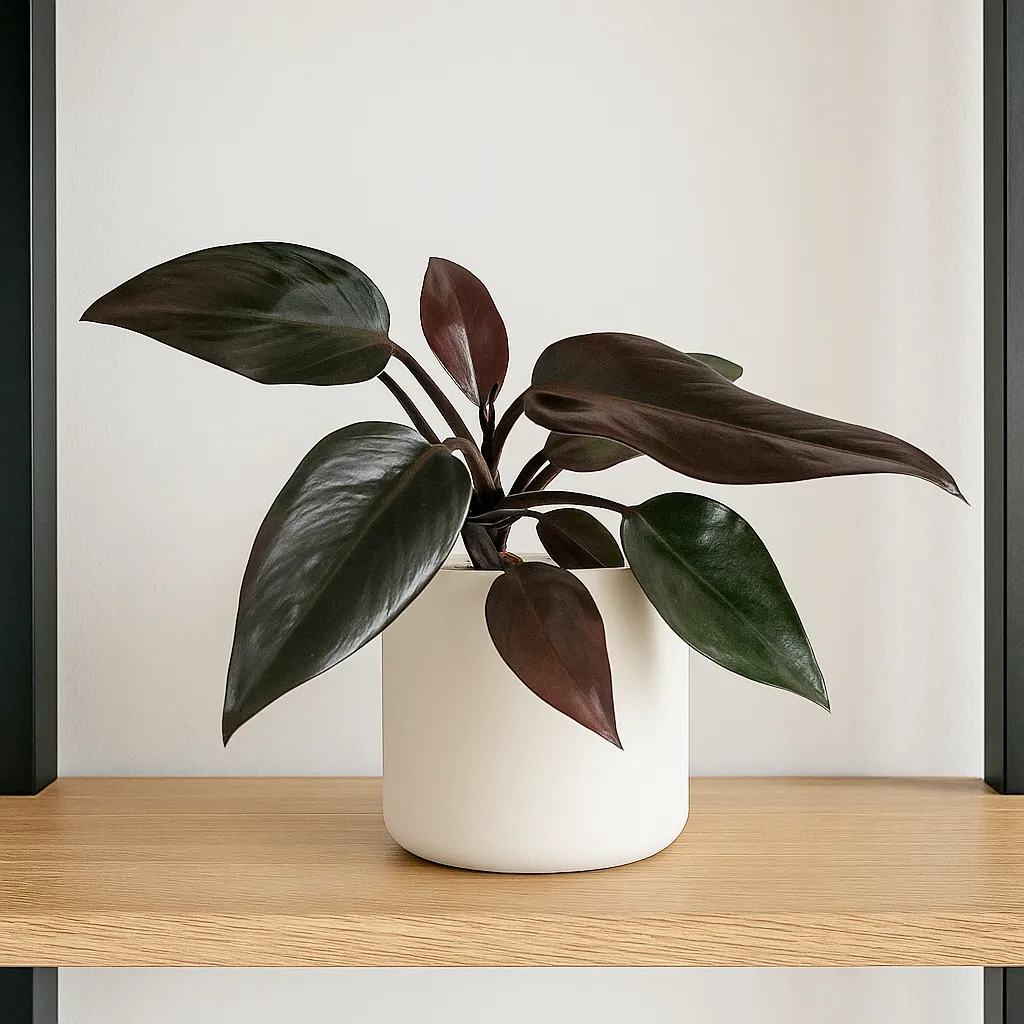
15 - 25cm Non/ Lightly Variegated Philodendron Pink Princess House Plant 9cm Pot
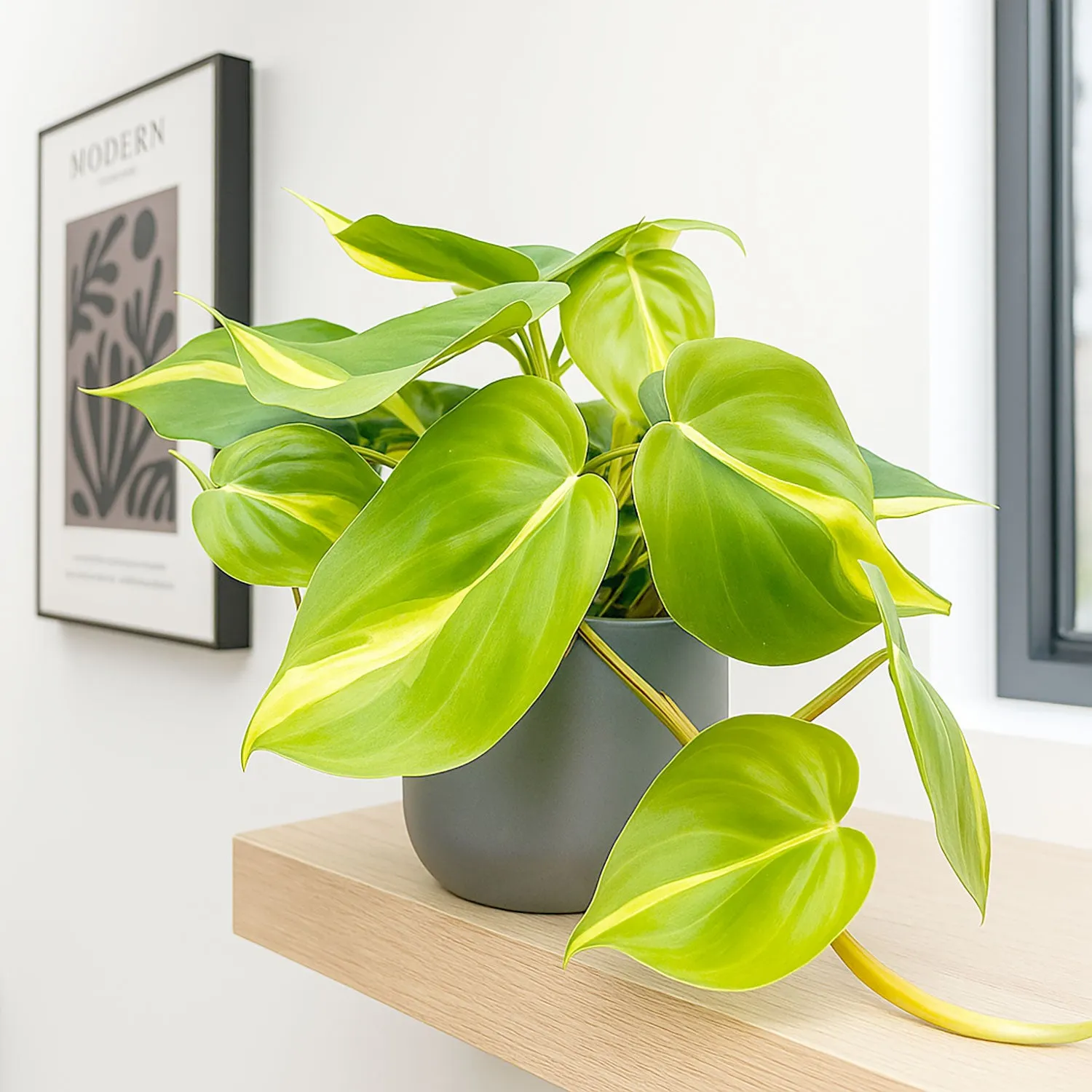
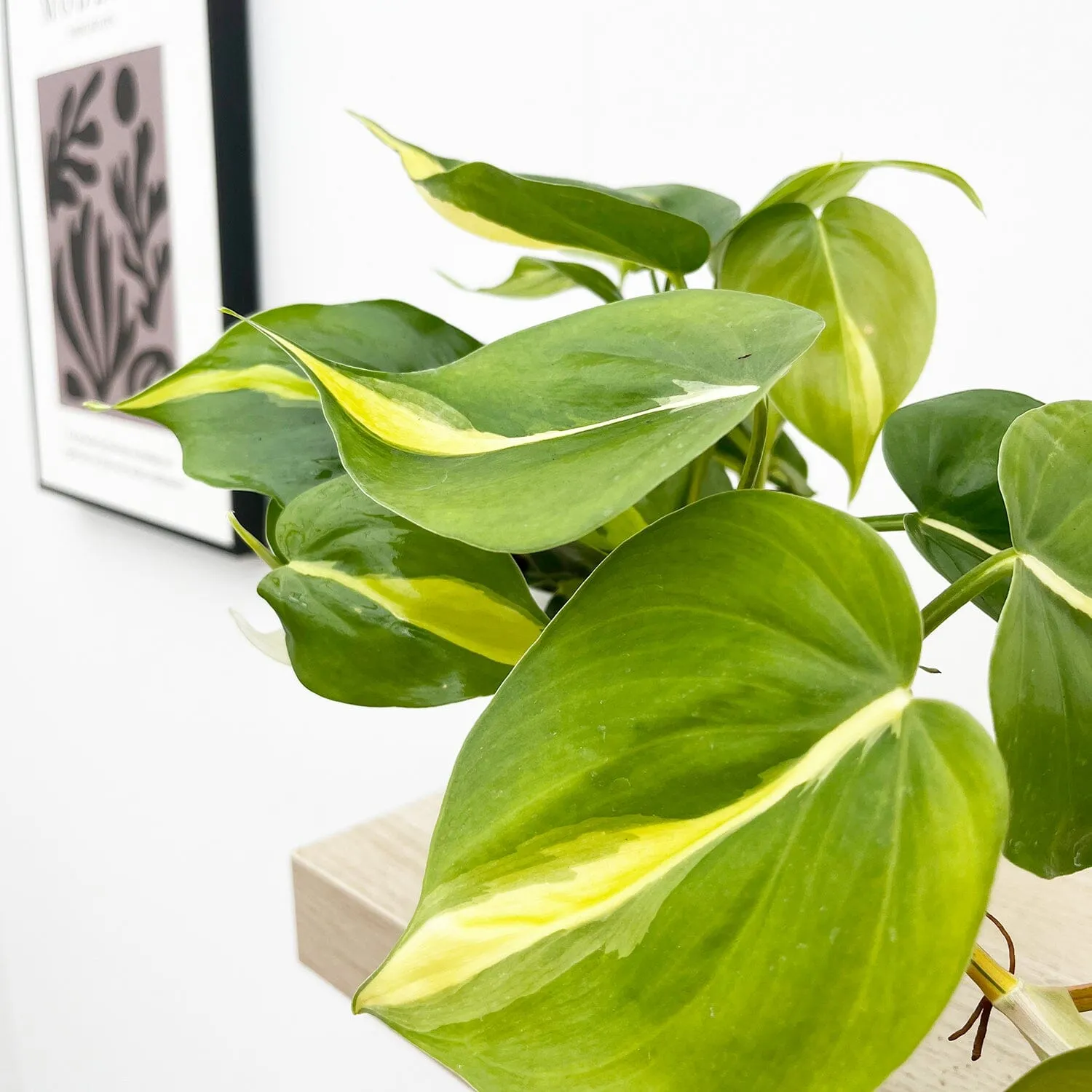
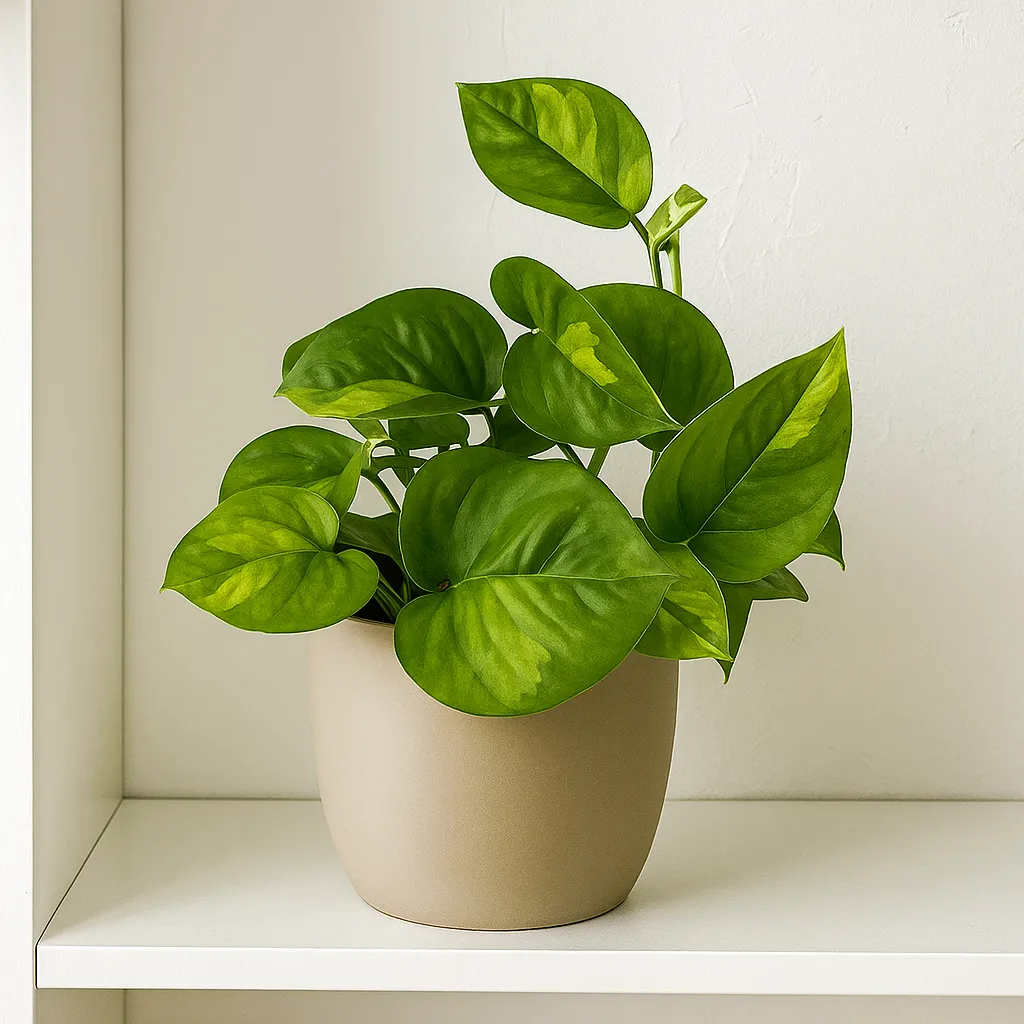
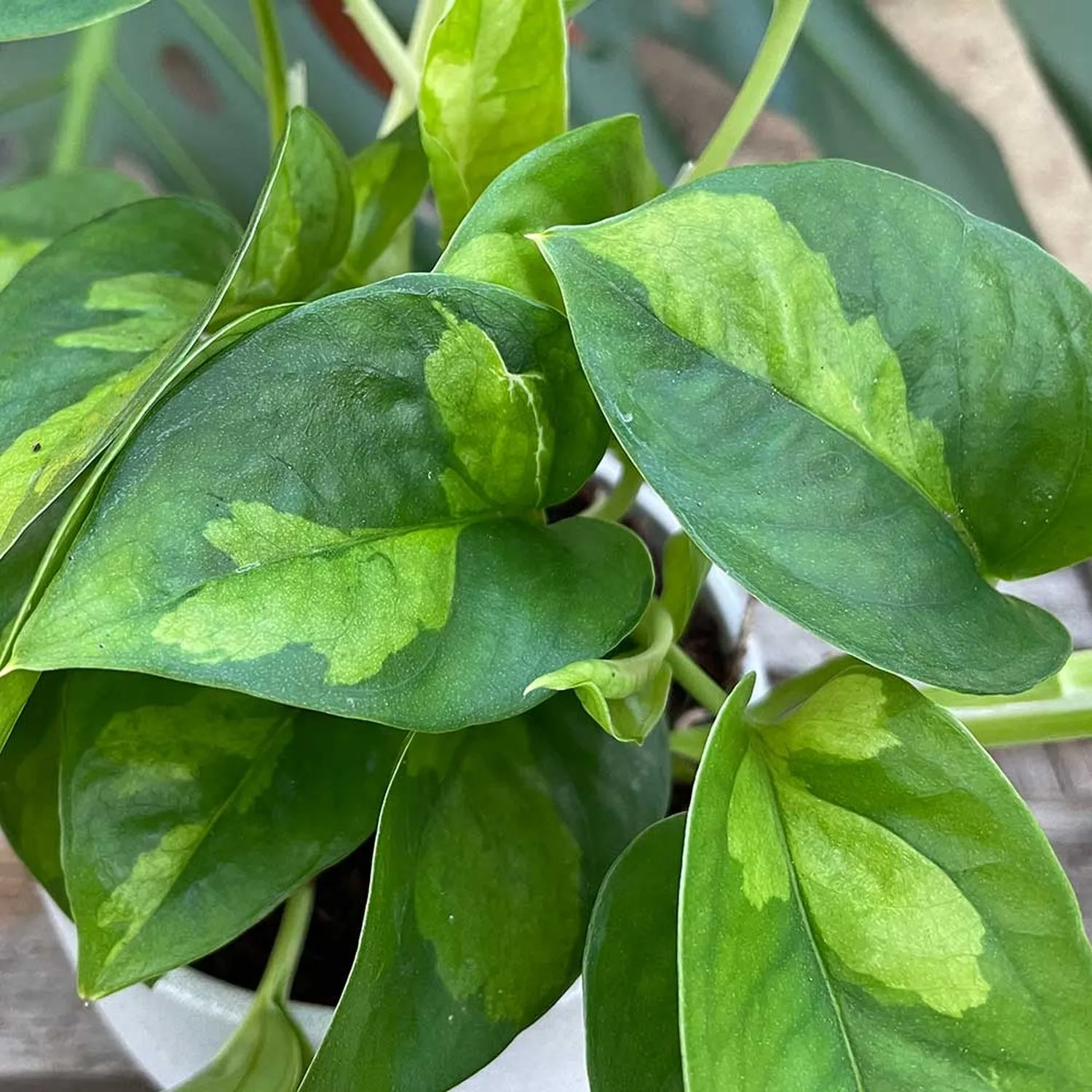
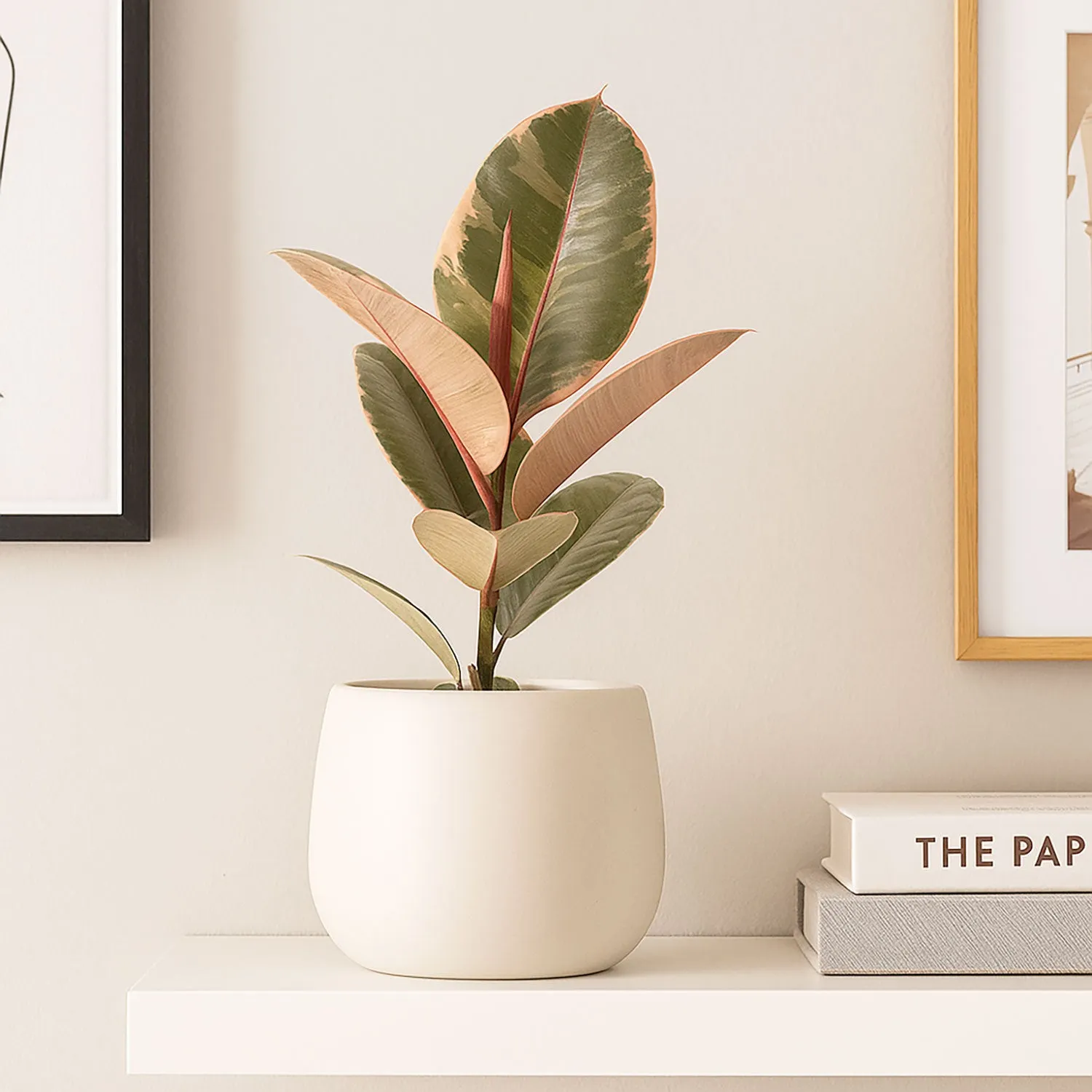
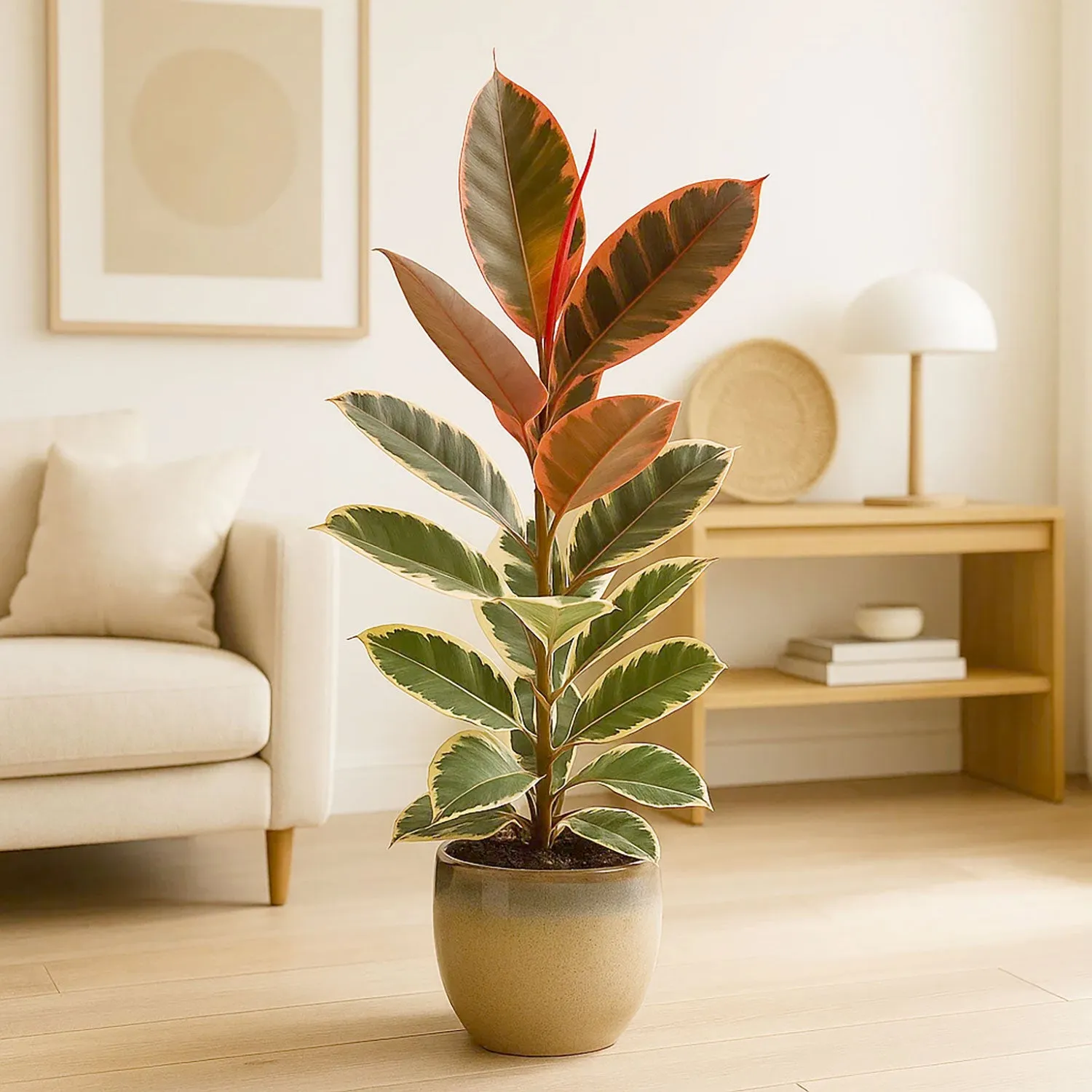
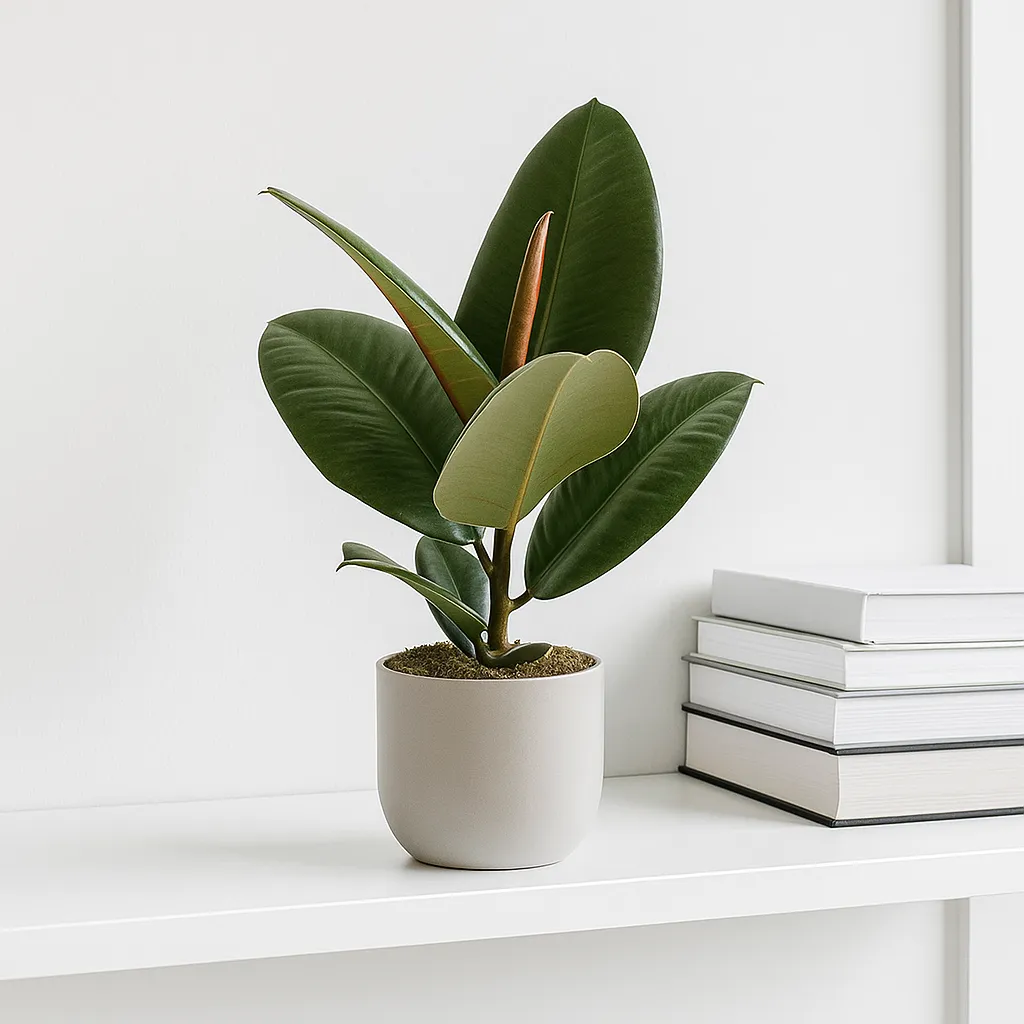
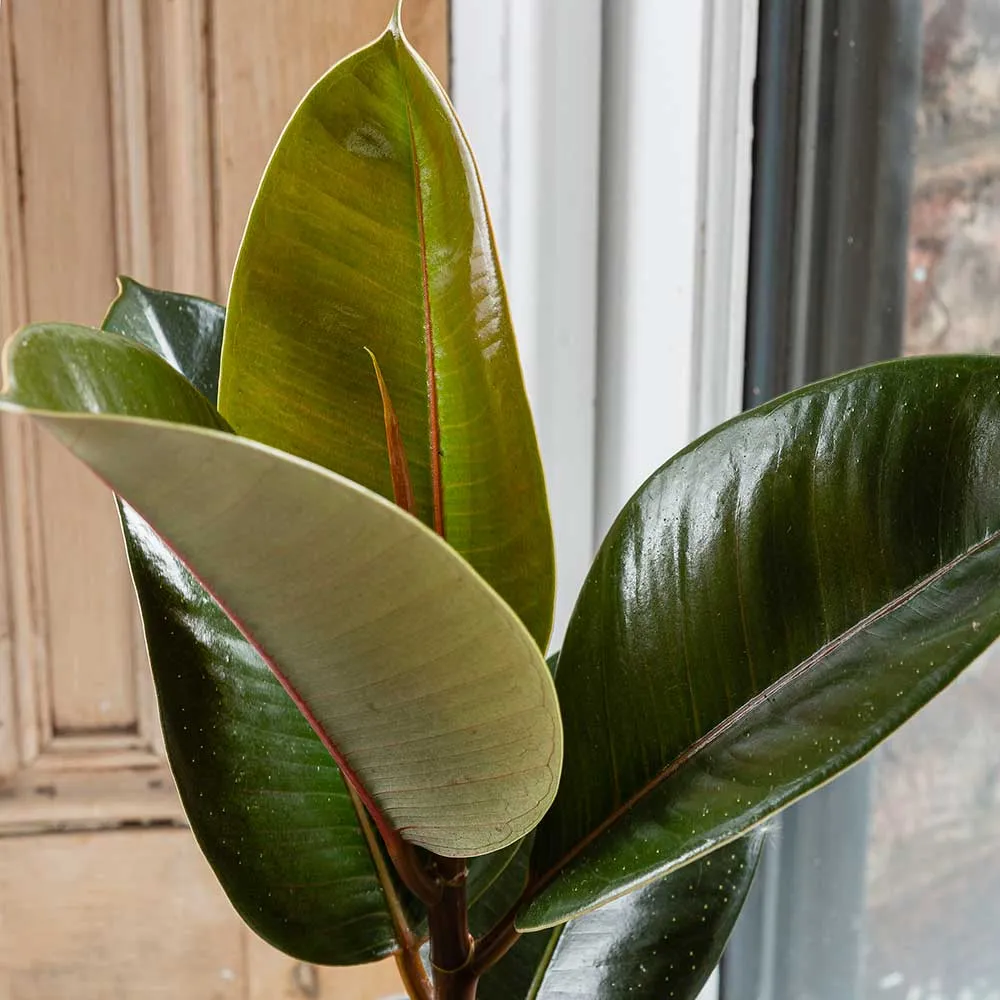
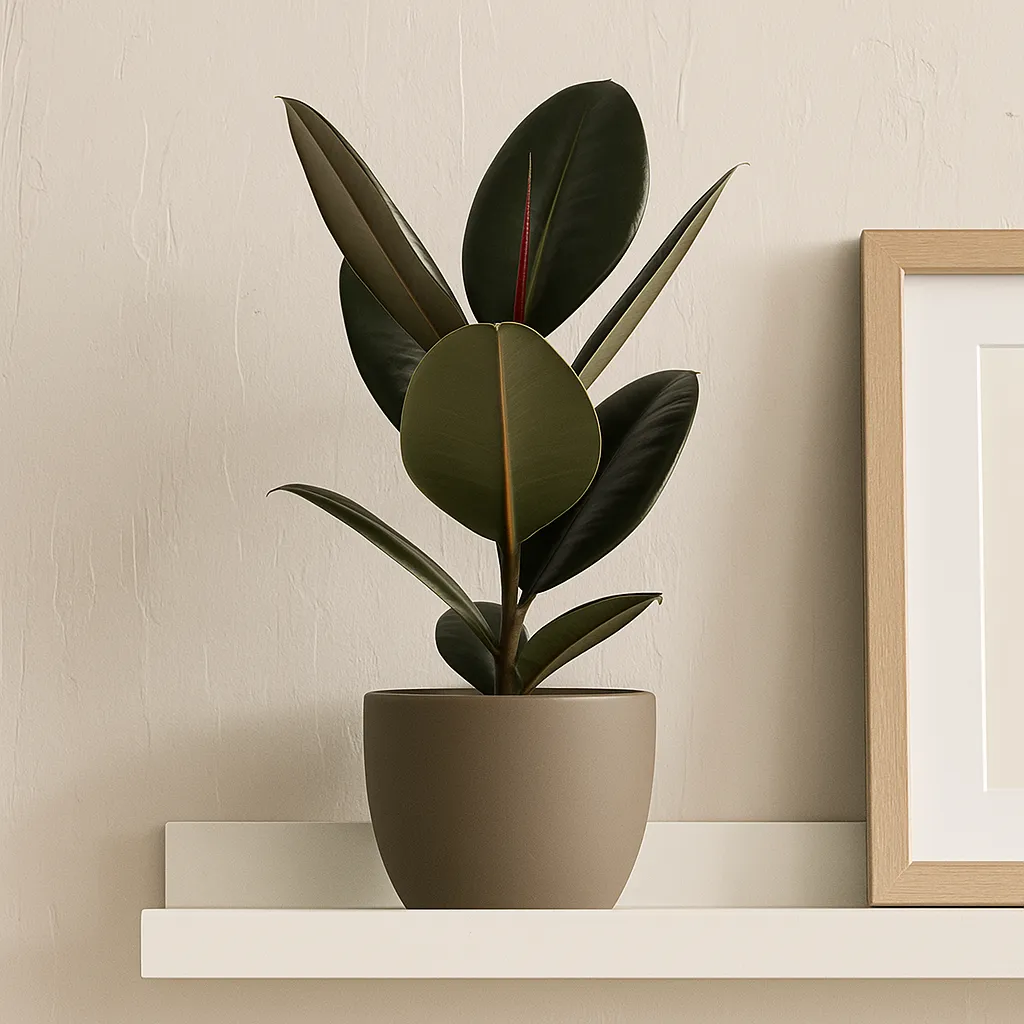
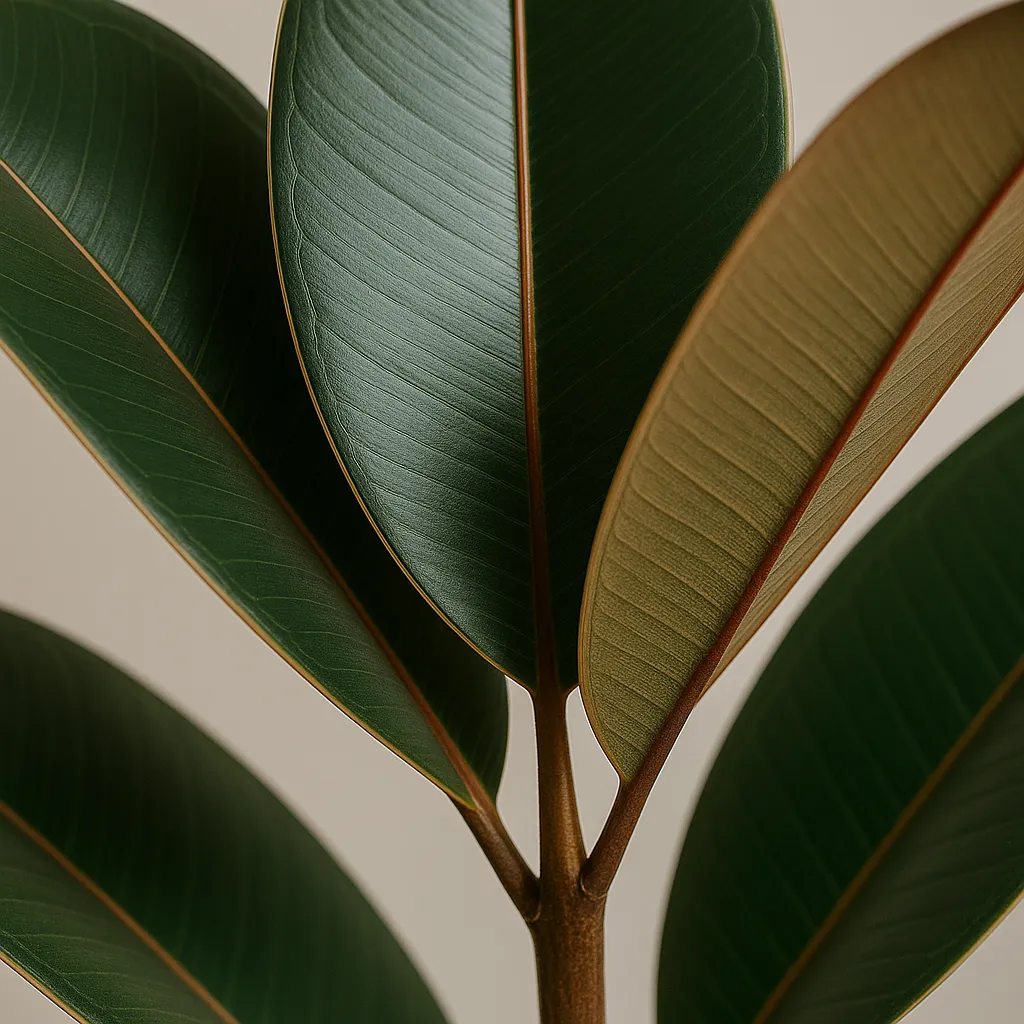
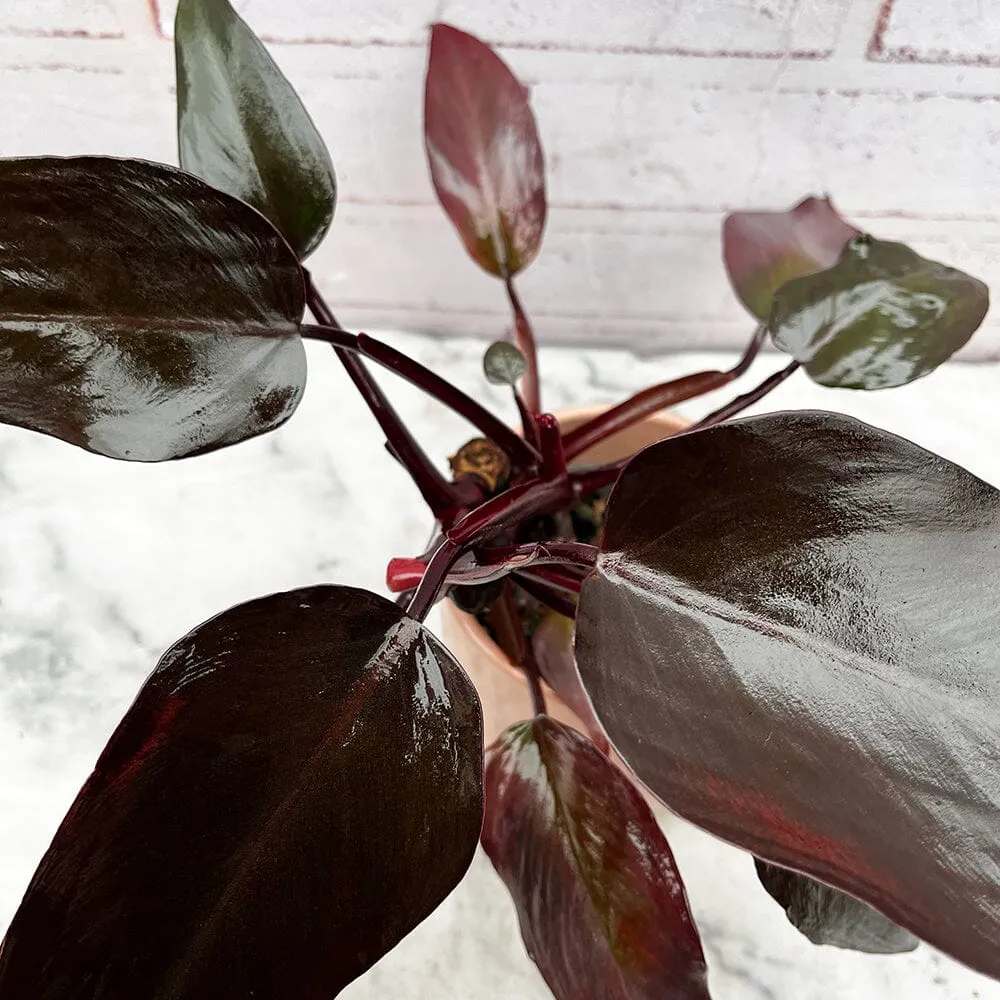
Philodendron erubescens ‘Pink Princess’ is one of the most iconic and sought-after houseplants in the world — celebrated for its glossy, heart-shaped foliage and rare pink variegation. This particular non or lightly variegated form features predominantly dark green to deep burgundy leaves, often with only faint traces or subtle streaks of pink.
While less dramatic than the highly variegated specimens, this form still boasts beautiful deep-coloured foliage with a luxurious, velvety sheen. Each new leaf emerges in rich tones of red, chocolate, or dark green, occasionally developing a small splash or blush of pink under optimal lighting conditions. With the right care, patience, and light levels, stronger variegation may appear in future growth.
Compact, self-heading, and tropical in appearance, the Pink Princess remains one of the most desirable Philodendrons — an excellent addition for collectors and beginners alike, offering both elegance and resilience.
Philodendron ‘Pink Princess’ (Non / Lightly Variegated Form) – Care Guide
Light
Thrives in bright, indirect light, which can help encourage pink variegation over time. Avoid harsh, direct sunlight, which can scorch the leaves, and low light, which may result in darker, all-green foliage.
Watering
Keep the soil lightly moist, watering when the top 2–3 cm feels dry. Ensure good drainage to prevent root rot. Overwatering or letting the plant sit in water can damage its sensitive roots. Reduce watering slightly in winter when growth slows.
Temperature and Humidity
-
Temperature: Prefers 20–28°C. Avoid cold draughts and temperatures below 16°C.
-
Humidity: Enjoys moderate to high humidity (50–80%). Mist occasionally or use a humidifier to maintain healthy growth and glossy leaves.
Soil and Potting
Use a chunky, free-draining aroid mix — a blend of peat-free compost, orchid bark, perlite, and coco coir works perfectly. Repot every 1–2 years in spring to refresh the mix and provide room for new growth.
Feeding
Feed every 4–6 weeks in spring and summer with a balanced, diluted liquid fertiliser. Avoid over-fertilising, which can damage the roots and dull foliage colour.
Pruning and Maintenance
Remove any yellowing or damaged leaves at the base to promote new growth. Wipe the leaves gently with a soft, damp cloth to maintain their natural sheen. If you wish to encourage variegation, keep the plant in bright, indirect light and prune back darker growth to promote more colourful leaves.
Growth and Maturity
A moderate grower, typically reaching 40–70 cm tall indoors. The self-heading habit means it grows compactly without needing support, though larger specimens can be staked for a more upright appearance.
Common Issues
-
Lack of pink variegation: Insufficient light or genetic reversion.
-
Yellow leaves: Overwatering or poor drainage.
-
Brown edges: Low humidity or inconsistent watering.
-
Pests: Occasionally mealybugs, thrips, or spider mites.
Background and Benefits
Philodendron erubescens, native to the tropical rainforests of Colombia, is known for its red-toned stems and glossy leaves. The ‘Pink Princess’ cultivar became world-famous for its rare pink variegation, making it a true collector’s plant. Even in lightly variegated or reverted forms, the plant’s lush, dark foliage and strong growth habit make it a striking indoor tropical.
In addition to its beauty, it’s also an air-purifying plant, helping to remove toxins from indoor air and promote a sense of calm.
✅ Quick Care Summary
-
Light: Bright, indirect; avoid direct sun
-
Water: Lightly moist; allow topsoil to dry slightly
-
Temperature: 20–28°C; avoid below 16°C
-
Humidity: Moderate to high (50–80%)
-
Soil: Chunky, well-draining aroid mix
-
Feed: Every 4–6 weeks in spring/summer
-
Growth: Compact plant, 40–70 cm; glossy green-burgundy leaves with subtle pink tones
⚠️ Toxicity Note: Like all Philodendrons, ‘Pink Princess’ is toxic if ingested and may cause irritation to skin or mouth. Keep away from pets and children.
🌿 Styling Tip:
Display your Philodendron ‘Pink Princess’ in a bright spot where light can bring out any subtle variegation. Pair it with contrasting plants such as Philodendron ‘White Princess’ or Aglaonema ‘Jazzy Red’ for a vibrant, modern tropical collection.
Original: $13.18
-70%$13.18
$3.95Product Information
Product Information
Shipping & Returns
Shipping & Returns
Description
Philodendron erubescens ‘Pink Princess’ is one of the most iconic and sought-after houseplants in the world — celebrated for its glossy, heart-shaped foliage and rare pink variegation. This particular non or lightly variegated form features predominantly dark green to deep burgundy leaves, often with only faint traces or subtle streaks of pink.
While less dramatic than the highly variegated specimens, this form still boasts beautiful deep-coloured foliage with a luxurious, velvety sheen. Each new leaf emerges in rich tones of red, chocolate, or dark green, occasionally developing a small splash or blush of pink under optimal lighting conditions. With the right care, patience, and light levels, stronger variegation may appear in future growth.
Compact, self-heading, and tropical in appearance, the Pink Princess remains one of the most desirable Philodendrons — an excellent addition for collectors and beginners alike, offering both elegance and resilience.
Philodendron ‘Pink Princess’ (Non / Lightly Variegated Form) – Care Guide
Light
Thrives in bright, indirect light, which can help encourage pink variegation over time. Avoid harsh, direct sunlight, which can scorch the leaves, and low light, which may result in darker, all-green foliage.
Watering
Keep the soil lightly moist, watering when the top 2–3 cm feels dry. Ensure good drainage to prevent root rot. Overwatering or letting the plant sit in water can damage its sensitive roots. Reduce watering slightly in winter when growth slows.
Temperature and Humidity
-
Temperature: Prefers 20–28°C. Avoid cold draughts and temperatures below 16°C.
-
Humidity: Enjoys moderate to high humidity (50–80%). Mist occasionally or use a humidifier to maintain healthy growth and glossy leaves.
Soil and Potting
Use a chunky, free-draining aroid mix — a blend of peat-free compost, orchid bark, perlite, and coco coir works perfectly. Repot every 1–2 years in spring to refresh the mix and provide room for new growth.
Feeding
Feed every 4–6 weeks in spring and summer with a balanced, diluted liquid fertiliser. Avoid over-fertilising, which can damage the roots and dull foliage colour.
Pruning and Maintenance
Remove any yellowing or damaged leaves at the base to promote new growth. Wipe the leaves gently with a soft, damp cloth to maintain their natural sheen. If you wish to encourage variegation, keep the plant in bright, indirect light and prune back darker growth to promote more colourful leaves.
Growth and Maturity
A moderate grower, typically reaching 40–70 cm tall indoors. The self-heading habit means it grows compactly without needing support, though larger specimens can be staked for a more upright appearance.
Common Issues
-
Lack of pink variegation: Insufficient light or genetic reversion.
-
Yellow leaves: Overwatering or poor drainage.
-
Brown edges: Low humidity or inconsistent watering.
-
Pests: Occasionally mealybugs, thrips, or spider mites.
Background and Benefits
Philodendron erubescens, native to the tropical rainforests of Colombia, is known for its red-toned stems and glossy leaves. The ‘Pink Princess’ cultivar became world-famous for its rare pink variegation, making it a true collector’s plant. Even in lightly variegated or reverted forms, the plant’s lush, dark foliage and strong growth habit make it a striking indoor tropical.
In addition to its beauty, it’s also an air-purifying plant, helping to remove toxins from indoor air and promote a sense of calm.
✅ Quick Care Summary
-
Light: Bright, indirect; avoid direct sun
-
Water: Lightly moist; allow topsoil to dry slightly
-
Temperature: 20–28°C; avoid below 16°C
-
Humidity: Moderate to high (50–80%)
-
Soil: Chunky, well-draining aroid mix
-
Feed: Every 4–6 weeks in spring/summer
-
Growth: Compact plant, 40–70 cm; glossy green-burgundy leaves with subtle pink tones
⚠️ Toxicity Note: Like all Philodendrons, ‘Pink Princess’ is toxic if ingested and may cause irritation to skin or mouth. Keep away from pets and children.
🌿 Styling Tip:
Display your Philodendron ‘Pink Princess’ in a bright spot where light can bring out any subtle variegation. Pair it with contrasting plants such as Philodendron ‘White Princess’ or Aglaonema ‘Jazzy Red’ for a vibrant, modern tropical collection.