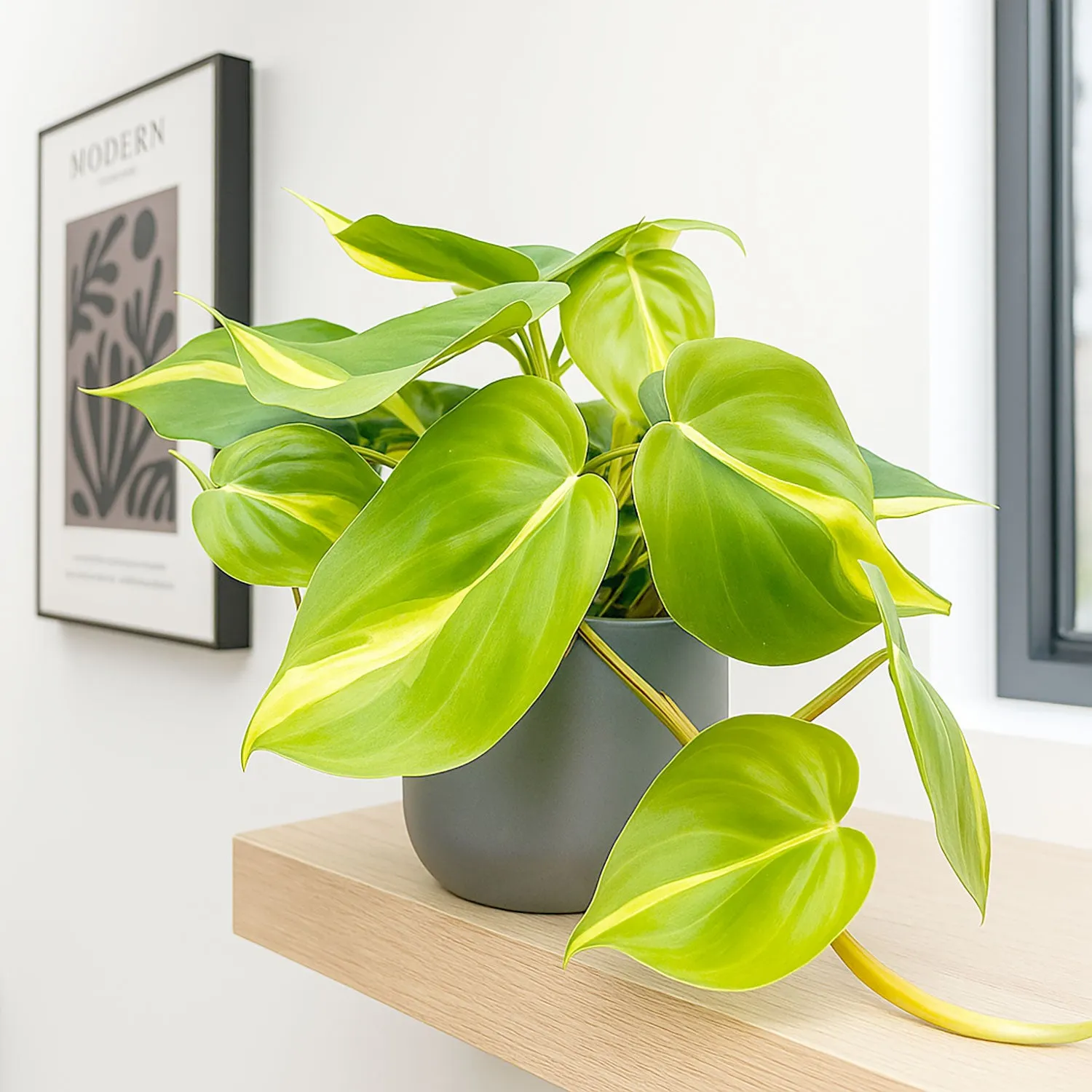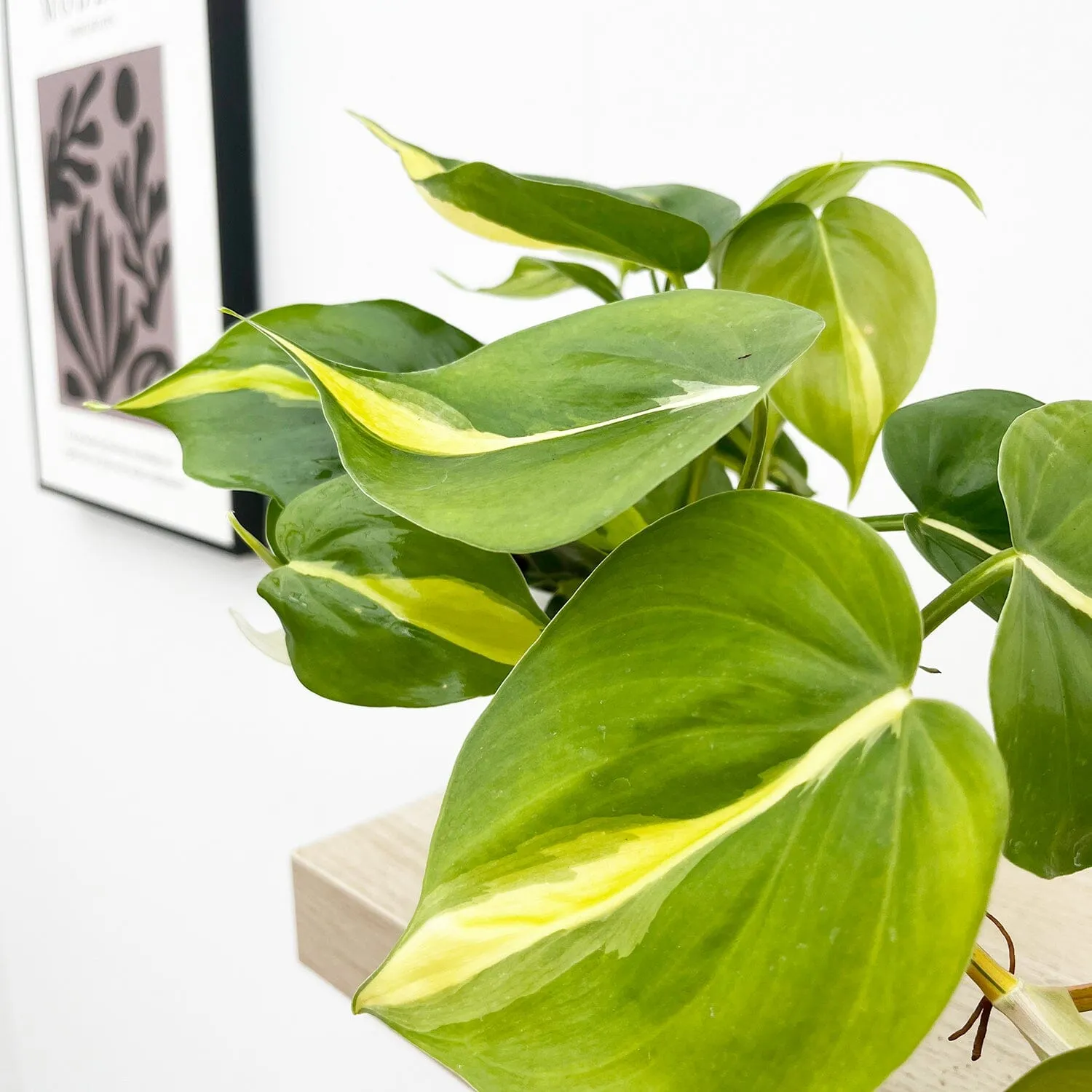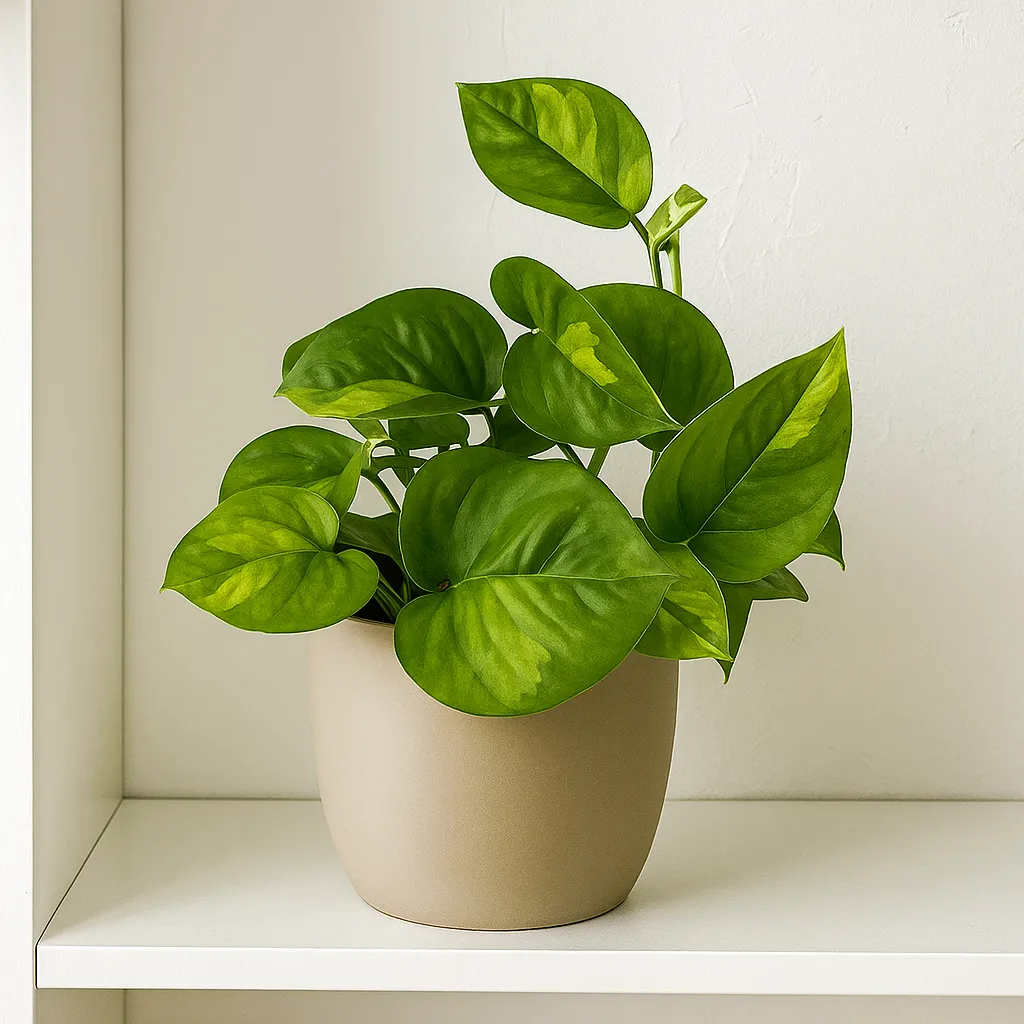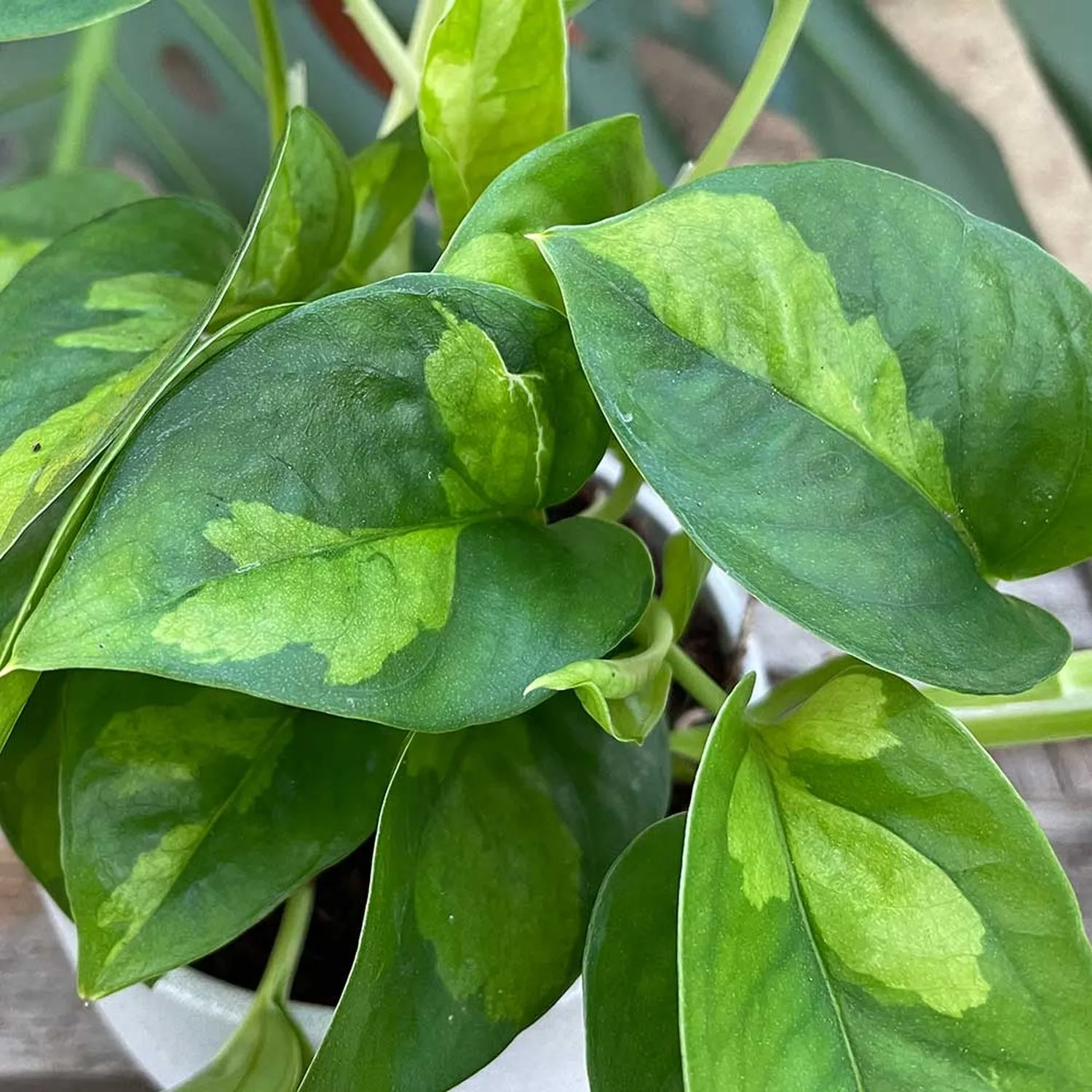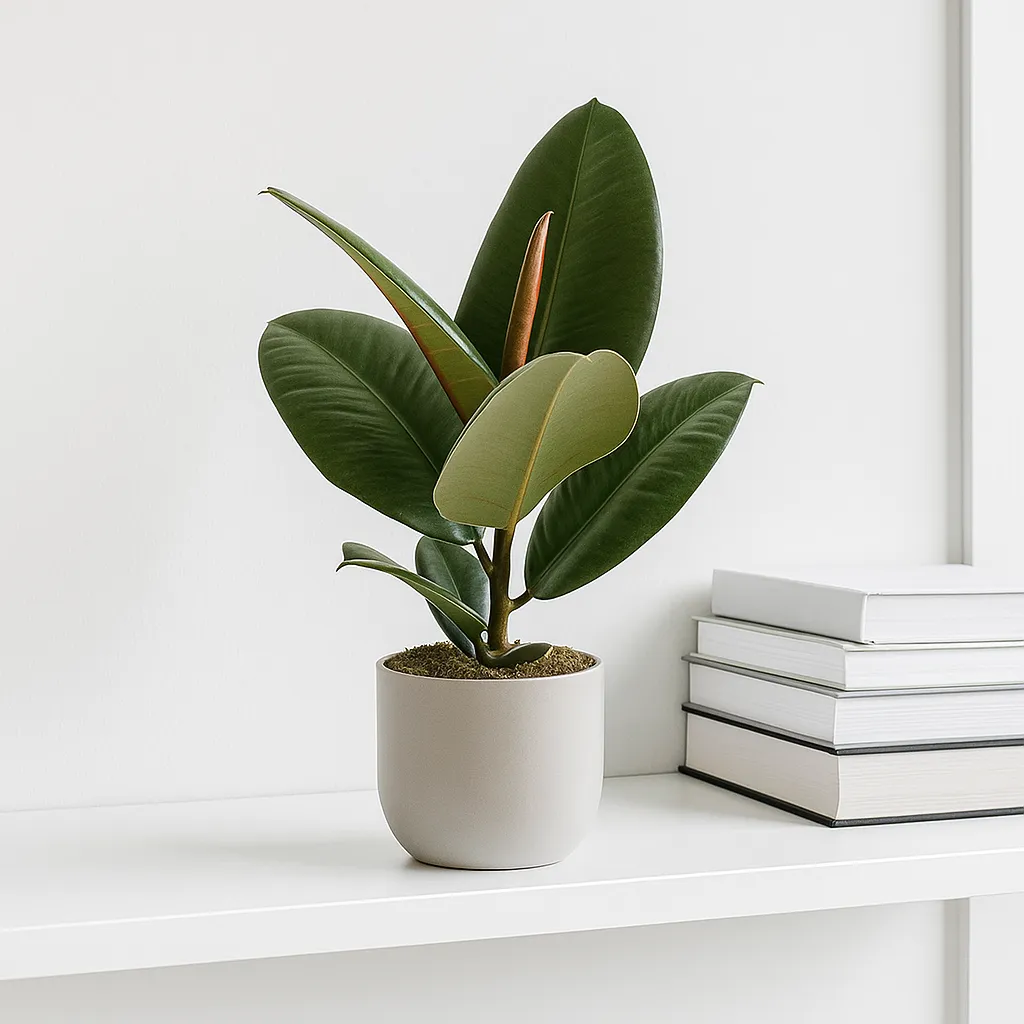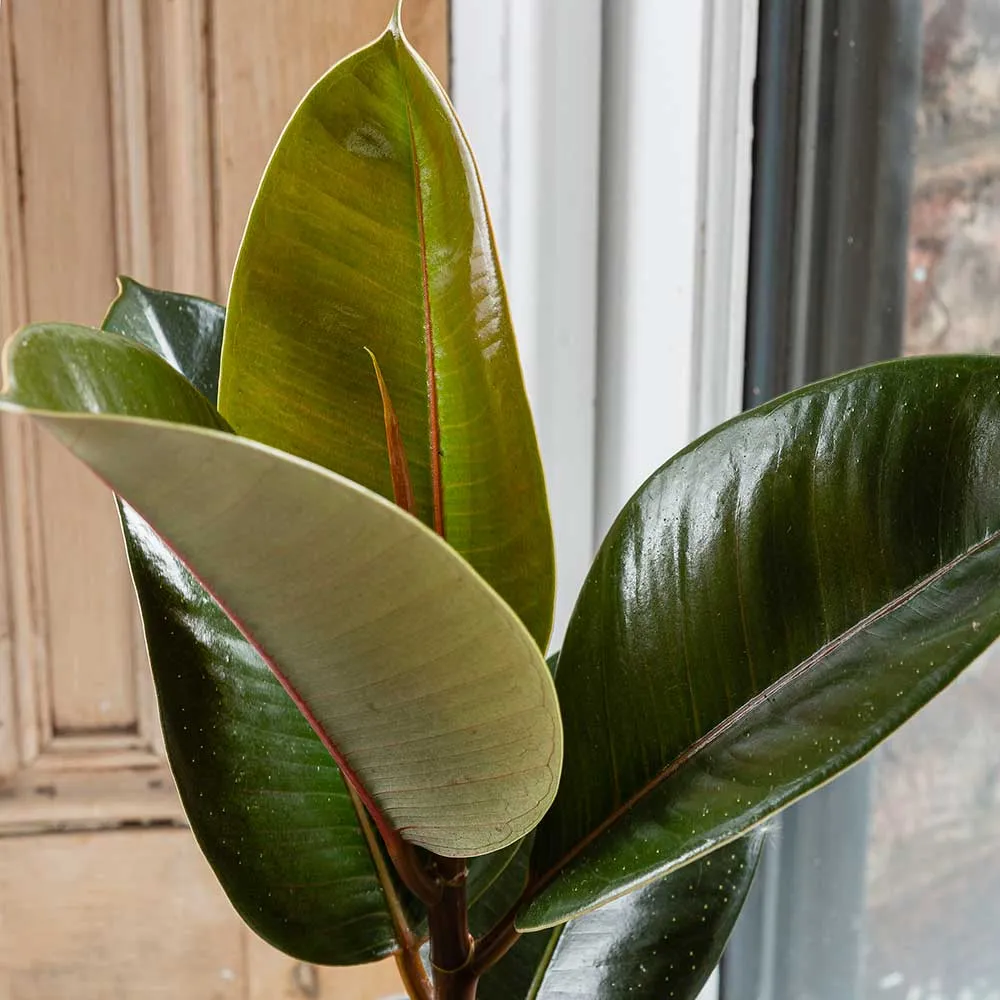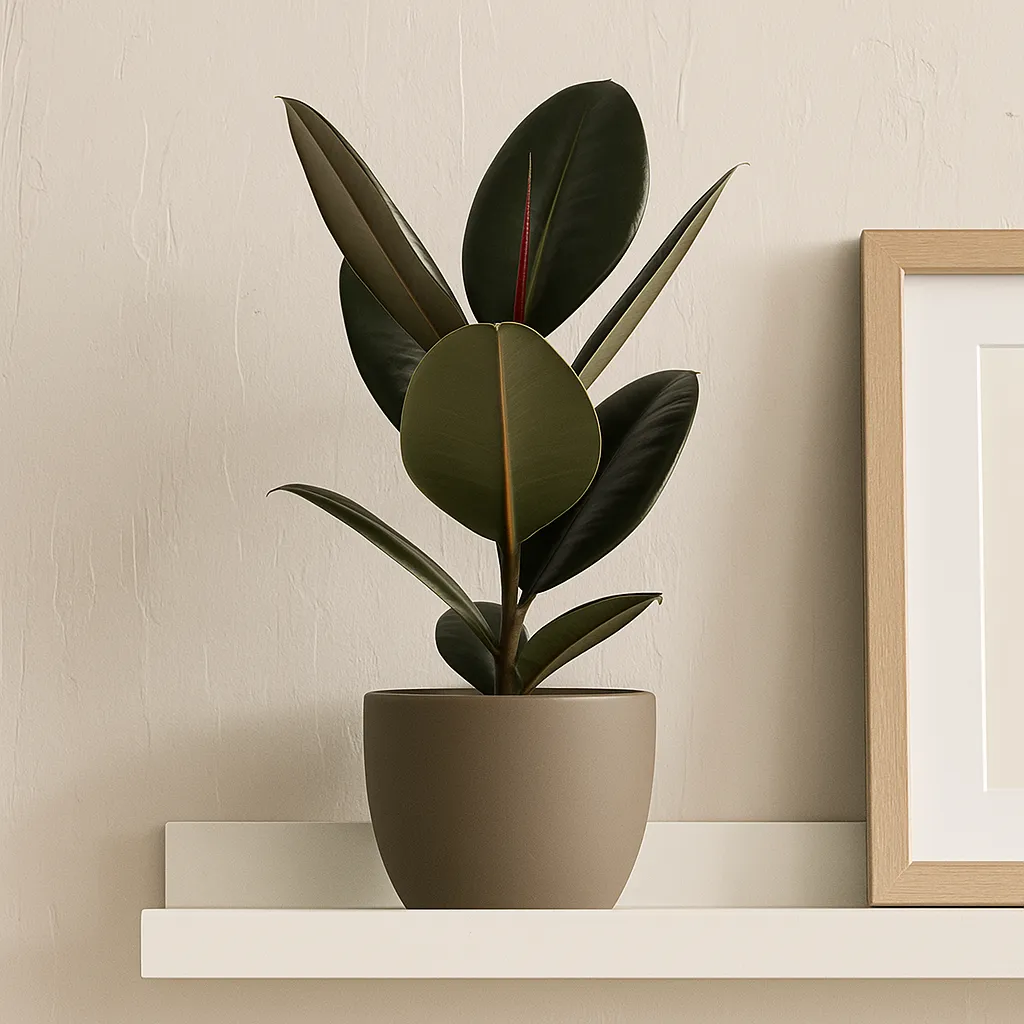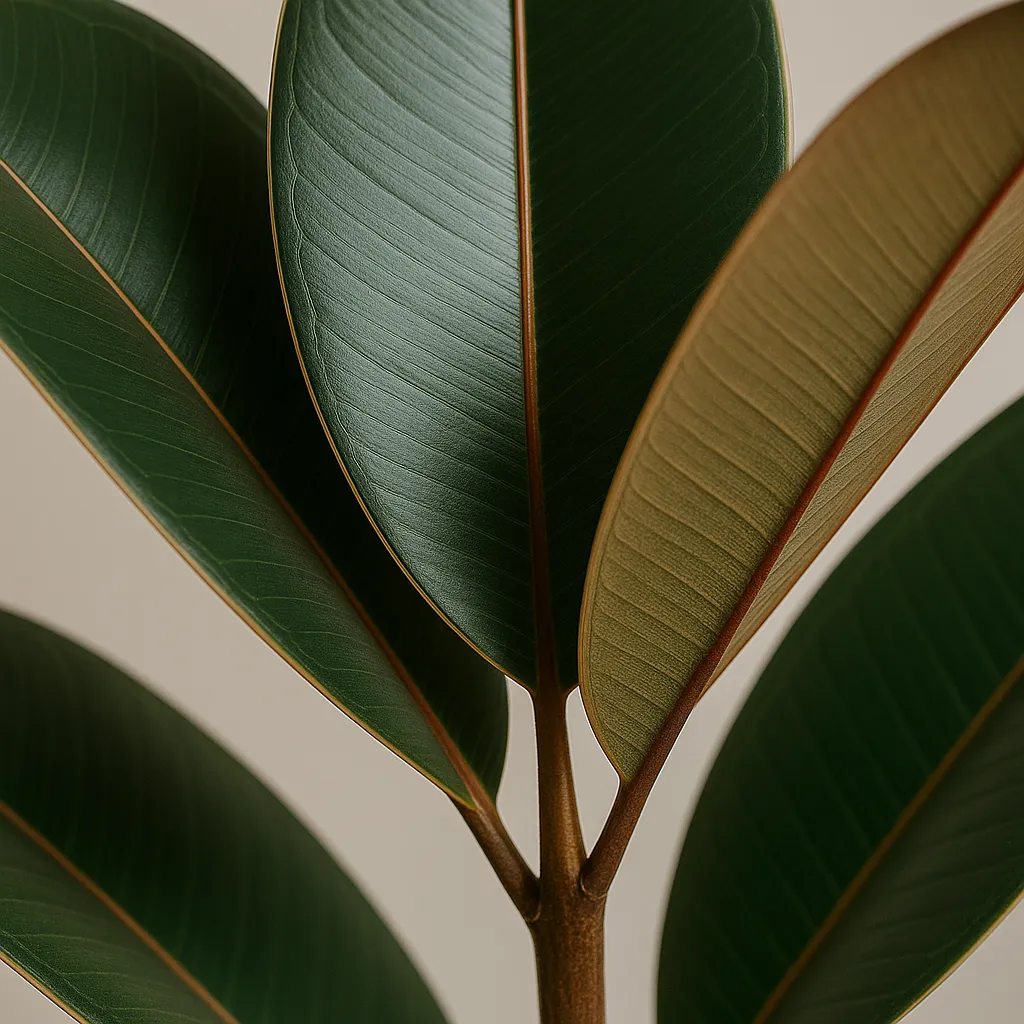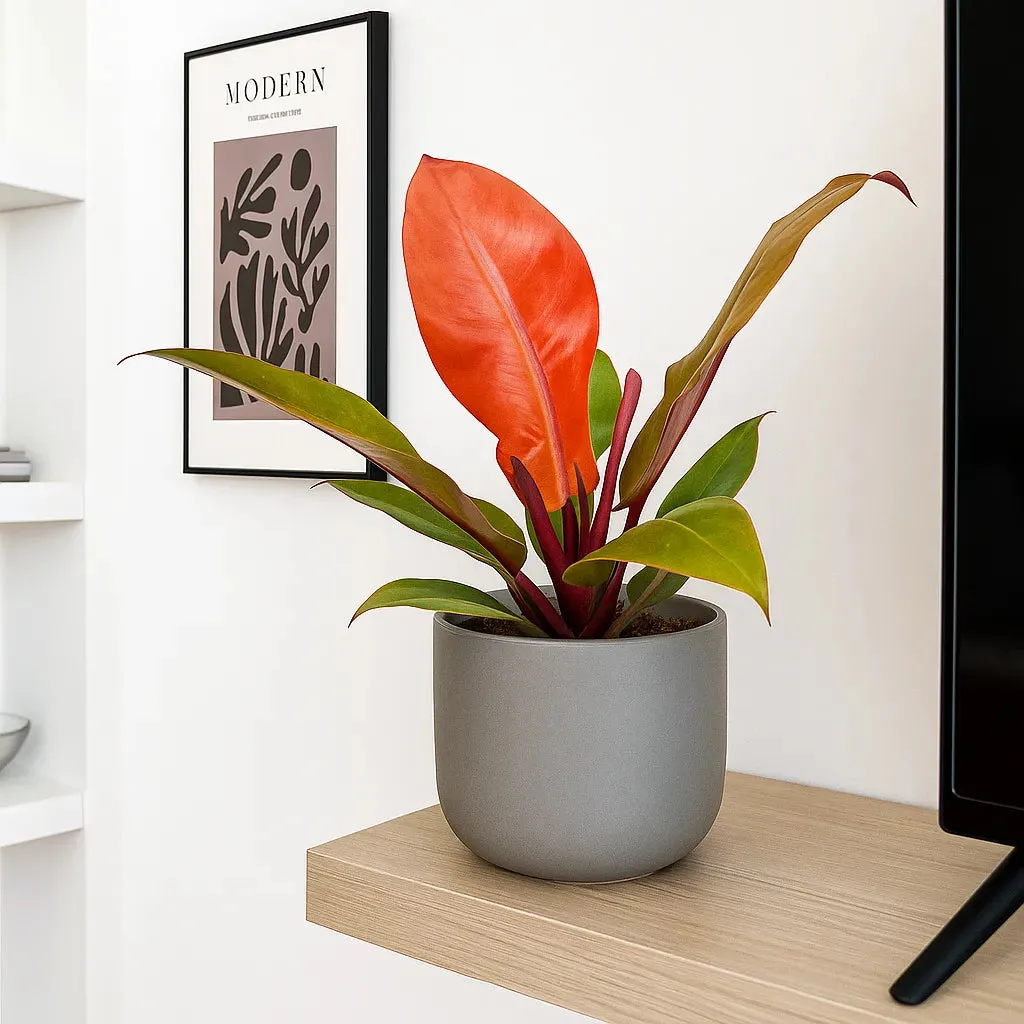
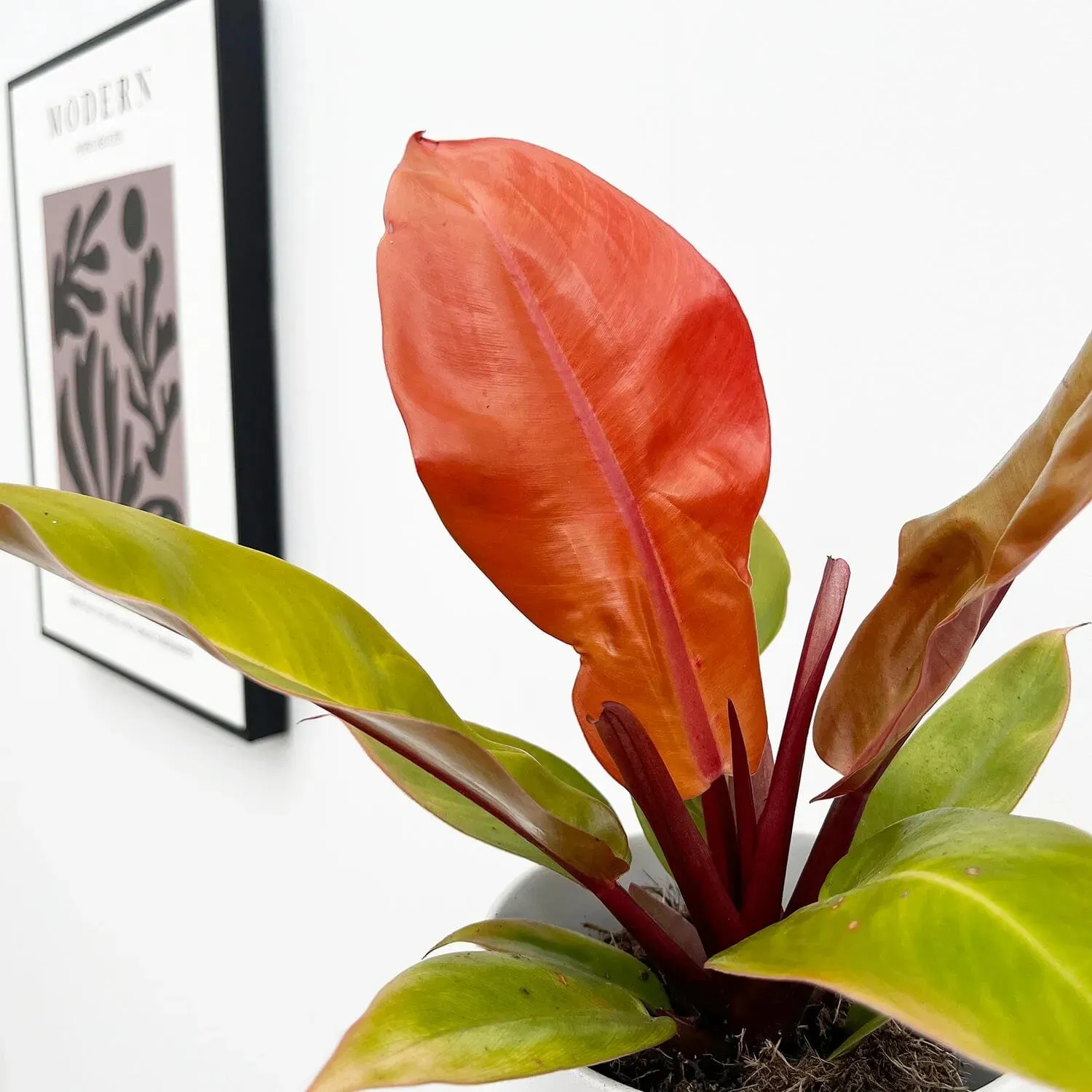
20 - 25cm Philodendron Prince of Orange 12cm House Plant
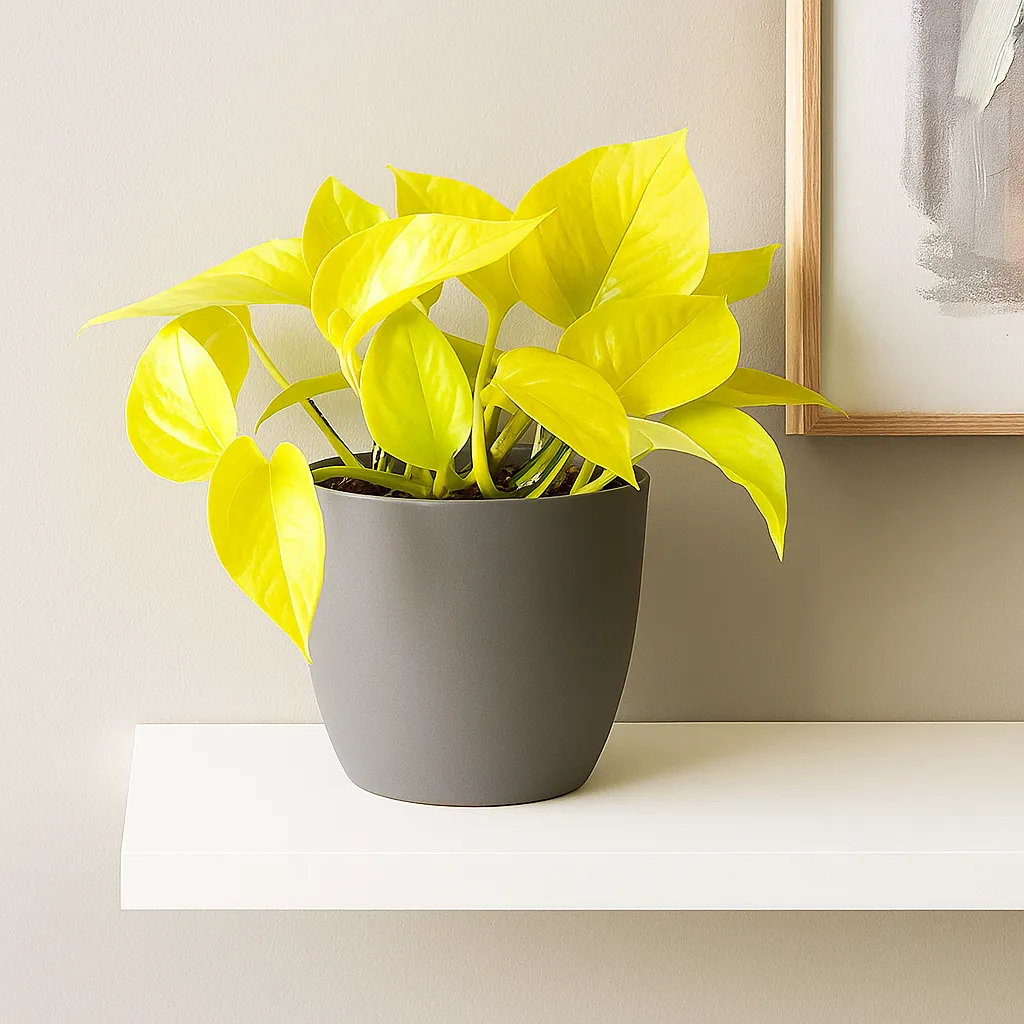
Philodendron ‘Prince of Orange’ is a bold, self-heading tropical hybrid adored for its radiant, ever-changing foliage. A member of the Araceae family and native to the tropical forests of South America, this regal variety is named for the brilliant orange hue of its emerging leaves — a vibrant splash of colour that gradually transforms into shades of chartreuse, copper, and deep green as it matures.
Compact, upright, and wonderfully low-maintenance, Philodendron ‘Prince of Orange’ grows in a self-supporting rosette rather than vining, making it perfect for desks, side tables, or as a colourful floor accent. The contrast of warm orange new growth against the cooler green of mature leaves gives the plant a lively, tropical energy that brightens any space.
Playful yet refined, ‘Prince of Orange’ is a tropical gem that combines ease of care with truly show-stopping colour — the perfect plant for collectors and interior enthusiasts alike.
Philodendron ‘Prince of Orange’ – Care Guide
Light
Thrives in bright, indirect light. The vibrant orange tones appear most vividly when the plant receives plenty of filtered sunlight. It can tolerate moderate light but avoid direct sun, which may scorch or fade the leaves. East- or north-facing windows are ideal.
Watering
Keep the soil lightly moist during the growing season (spring and summer). Water when the top 2–3 cm of soil feels dry, allowing excess water to drain completely. In winter, reduce watering slightly but do not let the plant dry out fully. Consistent moisture helps maintain lush, colourful growth.
Temperature and Humidity
Temperature: Prefers warmth between 18–28 °C; avoid cold drafts or temperatures below 15 °C.
Humidity: Moderate to high humidity (50–70%) enhances leaf vibrancy and prevents brown edges. Mist occasionally, use a humidifier, or group with other tropical plants for a humidity boost.
Soil and Potting
Use a rich, airy, and well-draining aroid mix — compost blended with perlite, orchid bark, and coco coir is ideal. This provides both aeration and consistent moisture retention. Repot every 2–3 years in spring to refresh the mix and accommodate the plant’s expanding root system.
Feeding
Feed every 4–6 weeks during spring and summer with a diluted, balanced liquid fertiliser. Avoid over-fertilising, which can cause tip burn or dull the leaf colour. Suspend feeding in autumn and winter when growth naturally slows.
Pruning and Maintenance
Remove older or damaged leaves near the base to maintain shape and encourage fresh growth. Wipe the large, glossy leaves gently with a damp cloth to remove dust and highlight their colour transitions. Rotate occasionally for even light exposure and symmetrical growth.
Growth and Maturity
A moderate grower, Philodendron ‘Prince of Orange’ typically reaches 50–80 cm in height and spread indoors. It grows from a central crown, producing new leaves that emerge in fiery orange tones before maturing to yellow, lime, and finally green. With consistent care, it forms a dense, colourful rosette that looks stunning year-round.
Common Issues
-
Yellowing leaves: Overwatering or poor drainage.
-
Faded colour: Insufficient light.
-
Brown edges: Low humidity or inconsistent watering.
-
Pests: Occasionally affected by mealybugs or spider mites — treat with neem oil or insecticidal soap.
Background and Benefits
A hybrid cultivar developed for its brilliant colour transitions and compact growth, Philodendron ‘Prince of Orange’ is a favourite among indoor gardeners for its cheerful yet refined appearance. Unlike many Philodendrons, it does not climb or trail, making it ideal for smaller spaces and modern décor.
Like other Philodendrons, it’s also a natural air purifier, helping to filter toxins such as formaldehyde and benzene from indoor air. Symbolically, its orange and green tones represent optimism, vitality, and growth — making it a joyful, energising addition to the home.
Quick Care Summary
-
Light: Bright, indirect light; avoid direct sun
-
Water: Keep soil lightly moist; allow top few cm to dry
-
Temperature: 18–28 °C; avoid below 15 °C
-
Humidity: Moderate to high (50–70%)
-
Soil: Aroid mix – compost, perlite, orchid bark, coco coir
-
Feed: Every 4–6 weeks in spring/summer
-
Growth: 50–80 cm tall; self-heading with orange to green colour-changing leaves
⚠️ Toxicity note: Toxic to pets and humans if ingested; may cause mouth or skin irritation.
Styling Tip
Showcase Philodendron ‘Prince of Orange’ in a neutral or dark-toned ceramic pot to highlight its vivid foliage. It looks stunning as a standalone feature on a coffee table, plant stand, or desk, where its colour changes can be fully appreciated. Pair with cooler-toned plants like Philodendron ‘Birkin’ or Calathea orbifolia for a balanced tropical display, or use it as a pop of colour among green foliage arrangements. Perfect for bright rooms and design-led interiors, this regal Philodendron adds warmth, vibrancy, and tropical flair to any space.
Original: $17.14
-70%$17.14
$5.14Product Information
Product Information
Shipping & Returns
Shipping & Returns
Description
Philodendron ‘Prince of Orange’ is a bold, self-heading tropical hybrid adored for its radiant, ever-changing foliage. A member of the Araceae family and native to the tropical forests of South America, this regal variety is named for the brilliant orange hue of its emerging leaves — a vibrant splash of colour that gradually transforms into shades of chartreuse, copper, and deep green as it matures.
Compact, upright, and wonderfully low-maintenance, Philodendron ‘Prince of Orange’ grows in a self-supporting rosette rather than vining, making it perfect for desks, side tables, or as a colourful floor accent. The contrast of warm orange new growth against the cooler green of mature leaves gives the plant a lively, tropical energy that brightens any space.
Playful yet refined, ‘Prince of Orange’ is a tropical gem that combines ease of care with truly show-stopping colour — the perfect plant for collectors and interior enthusiasts alike.
Philodendron ‘Prince of Orange’ – Care Guide
Light
Thrives in bright, indirect light. The vibrant orange tones appear most vividly when the plant receives plenty of filtered sunlight. It can tolerate moderate light but avoid direct sun, which may scorch or fade the leaves. East- or north-facing windows are ideal.
Watering
Keep the soil lightly moist during the growing season (spring and summer). Water when the top 2–3 cm of soil feels dry, allowing excess water to drain completely. In winter, reduce watering slightly but do not let the plant dry out fully. Consistent moisture helps maintain lush, colourful growth.
Temperature and Humidity
Temperature: Prefers warmth between 18–28 °C; avoid cold drafts or temperatures below 15 °C.
Humidity: Moderate to high humidity (50–70%) enhances leaf vibrancy and prevents brown edges. Mist occasionally, use a humidifier, or group with other tropical plants for a humidity boost.
Soil and Potting
Use a rich, airy, and well-draining aroid mix — compost blended with perlite, orchid bark, and coco coir is ideal. This provides both aeration and consistent moisture retention. Repot every 2–3 years in spring to refresh the mix and accommodate the plant’s expanding root system.
Feeding
Feed every 4–6 weeks during spring and summer with a diluted, balanced liquid fertiliser. Avoid over-fertilising, which can cause tip burn or dull the leaf colour. Suspend feeding in autumn and winter when growth naturally slows.
Pruning and Maintenance
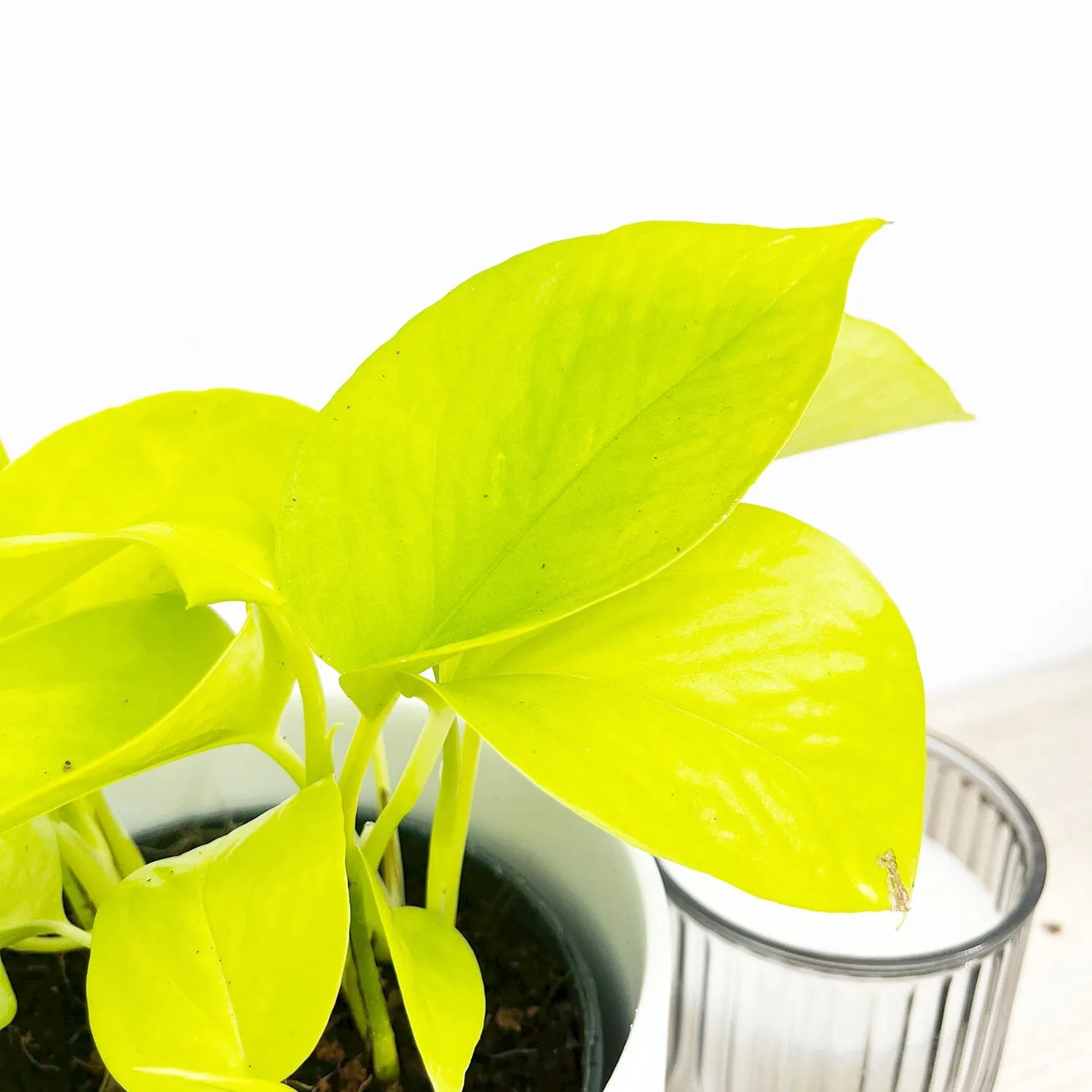
Remove older or damaged leaves near the base to maintain shape and encourage fresh growth. Wipe the large, glossy leaves gently with a damp cloth to remove dust and highlight their colour transitions. Rotate occasionally for even light exposure and symmetrical growth.
Growth and Maturity
A moderate grower, Philodendron ‘Prince of Orange’ typically reaches 50–80 cm in height and spread indoors. It grows from a central crown, producing new leaves that emerge in fiery orange tones before maturing to yellow, lime, and finally green. With consistent care, it forms a dense, colourful rosette that looks stunning year-round.
Common Issues
-
Yellowing leaves: Overwatering or poor drainage.
-
Faded colour: Insufficient light.
-
Brown edges: Low humidity or inconsistent watering.
-
Pests: Occasionally affected by mealybugs or spider mites — treat with neem oil or insecticidal soap.
Background and Benefits
A hybrid cultivar developed for its brilliant colour transitions and compact growth, Philodendron ‘Prince of Orange’ is a favourite among indoor gardeners for its cheerful yet refined appearance. Unlike many Philodendrons, it does not climb or trail, making it ideal for smaller spaces and modern décor.
Like other Philodendrons, it’s also a natural air purifier, helping to filter toxins such as formaldehyde and benzene from indoor air. Symbolically, its orange and green tones represent optimism, vitality, and growth — making it a joyful, energising addition to the home.
Quick Care Summary
-
Light: Bright, indirect light; avoid direct sun
-
Water: Keep soil lightly moist; allow top few cm to dry
-
Temperature: 18–28 °C; avoid below 15 °C
-
Humidity: Moderate to high (50–70%)
-
Soil: Aroid mix – compost, perlite, orchid bark, coco coir
-
Feed: Every 4–6 weeks in spring/summer
-
Growth: 50–80 cm tall; self-heading with orange to green colour-changing leaves
⚠️ Toxicity note: Toxic to pets and humans if ingested; may cause mouth or skin irritation.
Styling Tip
Showcase Philodendron ‘Prince of Orange’ in a neutral or dark-toned ceramic pot to highlight its vivid foliage. It looks stunning as a standalone feature on a coffee table, plant stand, or desk, where its colour changes can be fully appreciated. Pair with cooler-toned plants like Philodendron ‘Birkin’ or Calathea orbifolia for a balanced tropical display, or use it as a pop of colour among green foliage arrangements. Perfect for bright rooms and design-led interiors, this regal Philodendron adds warmth, vibrancy, and tropical flair to any space.