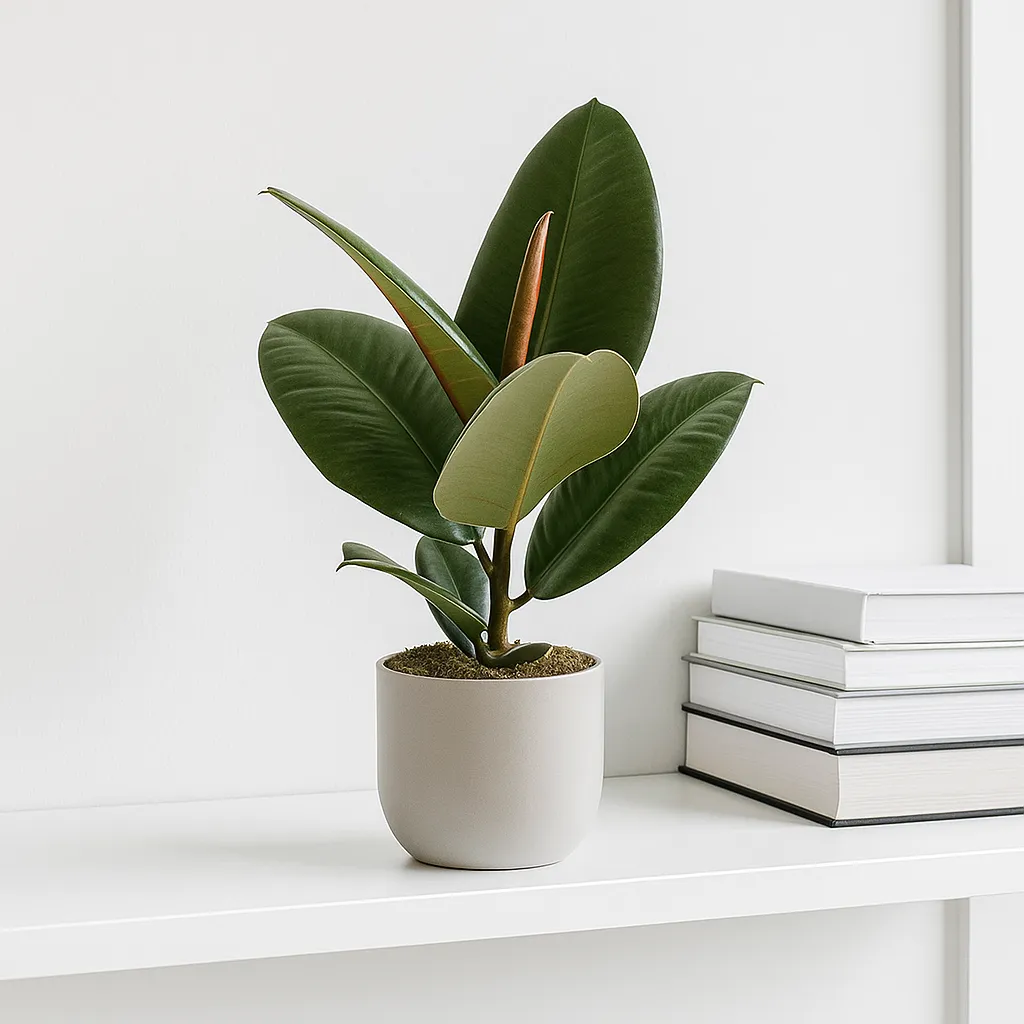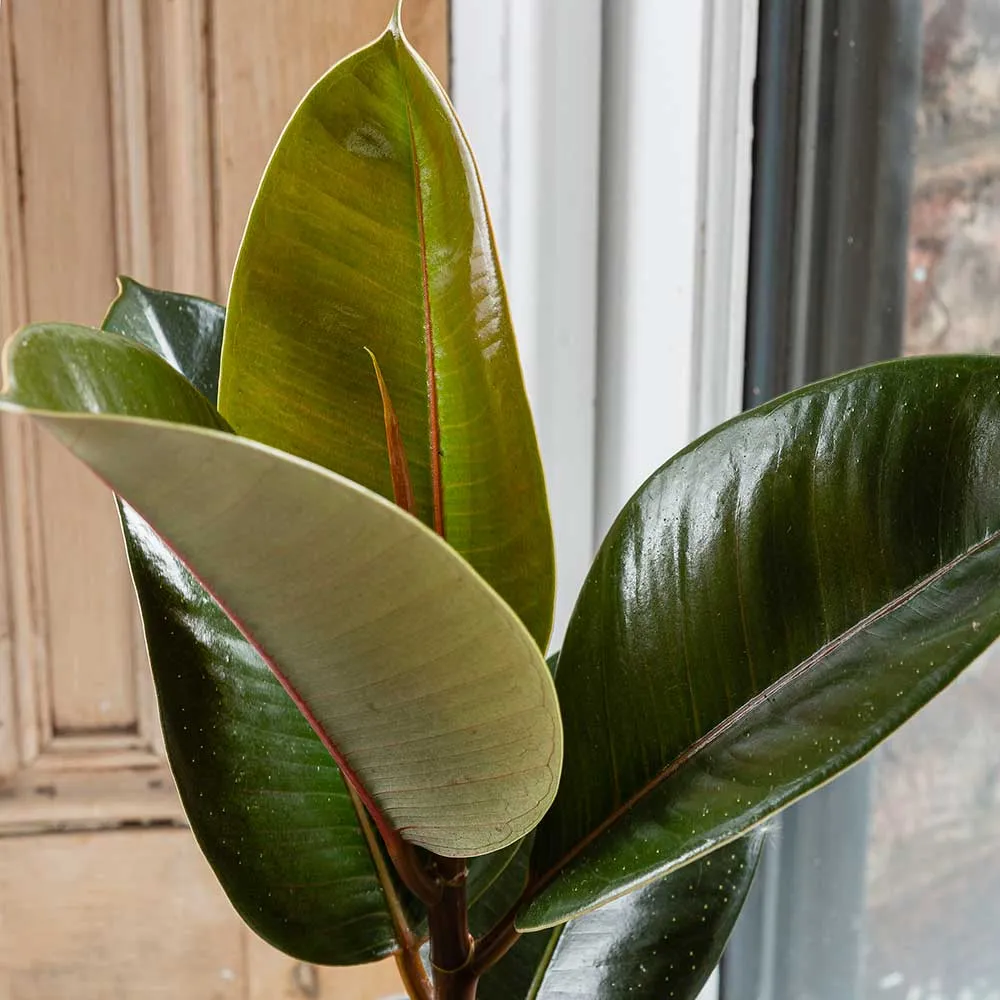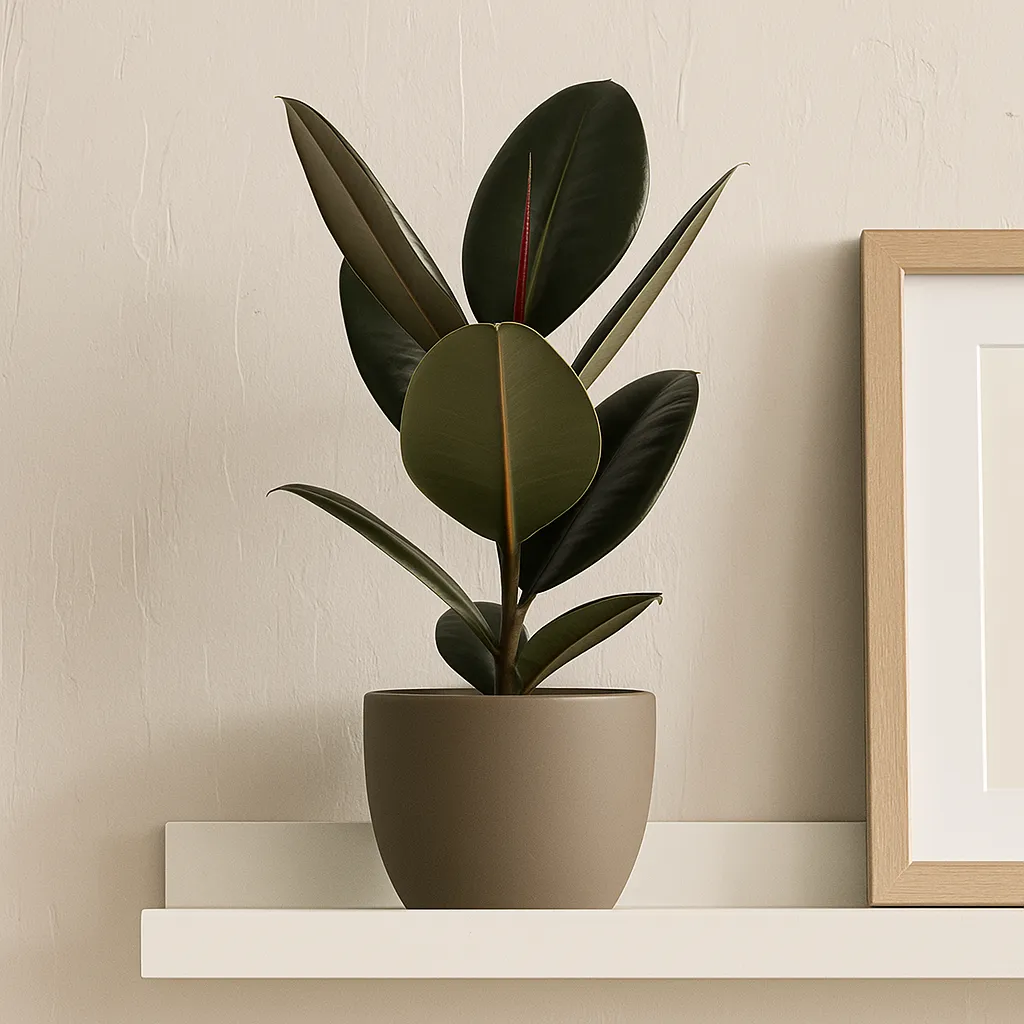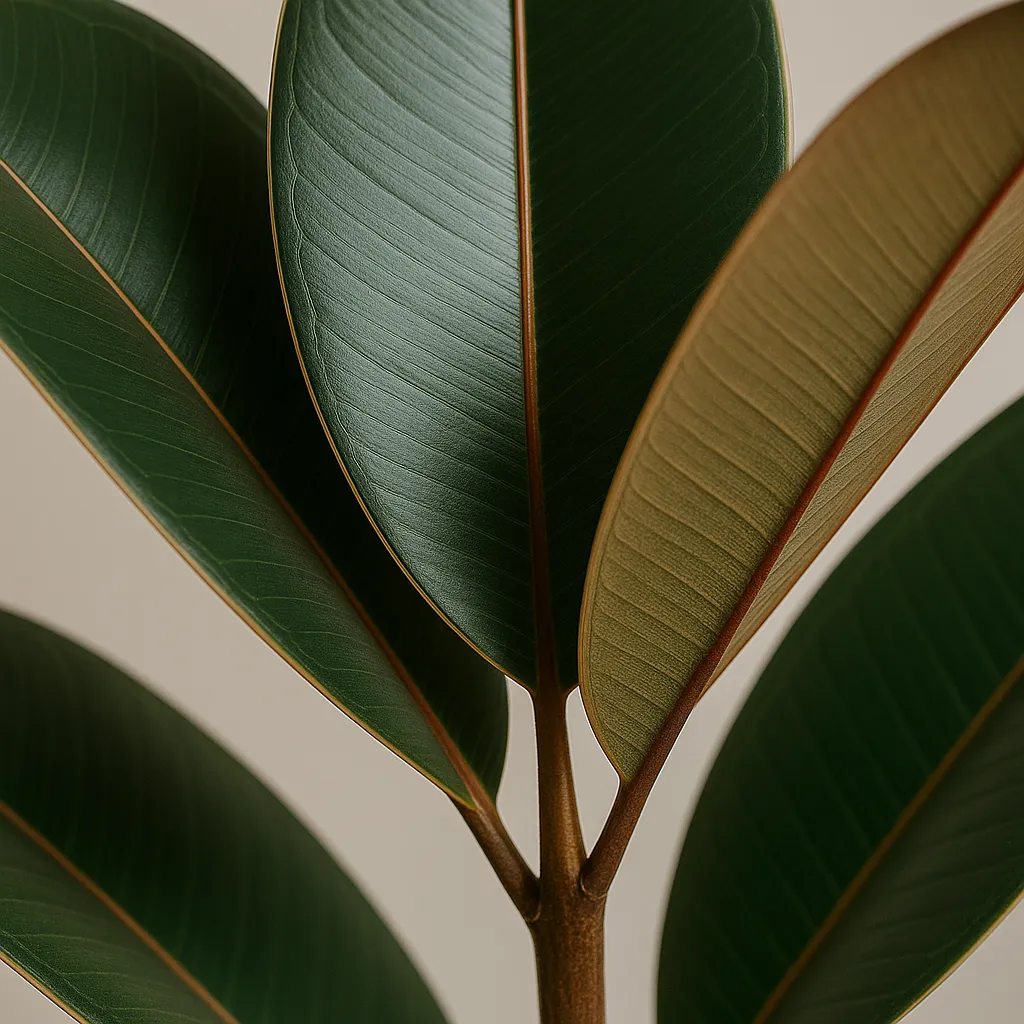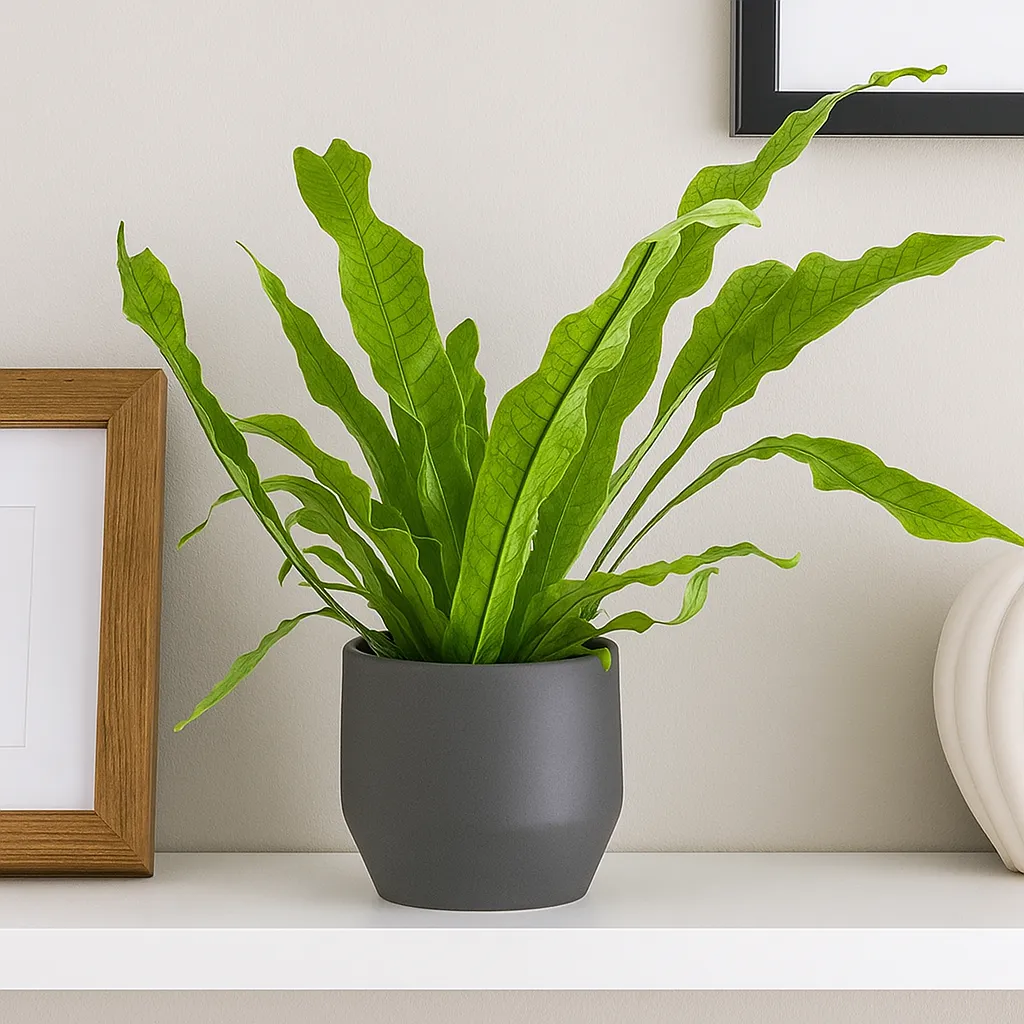
20 - 30cm Microsorum Crocodyllus Fern 12cm Pot House Plant
Microsorum crocodyllus, commonly known as the Crocodile Fern or Crocodyllus Fern, is a striking tropical houseplant prized for its unusual, reptilian leaf texture. Native to the rainforests of Southeast Asia and northern Australia, this fern is part of the Polypodiaceae family and brings a bold, exotic charm to any indoor collection.
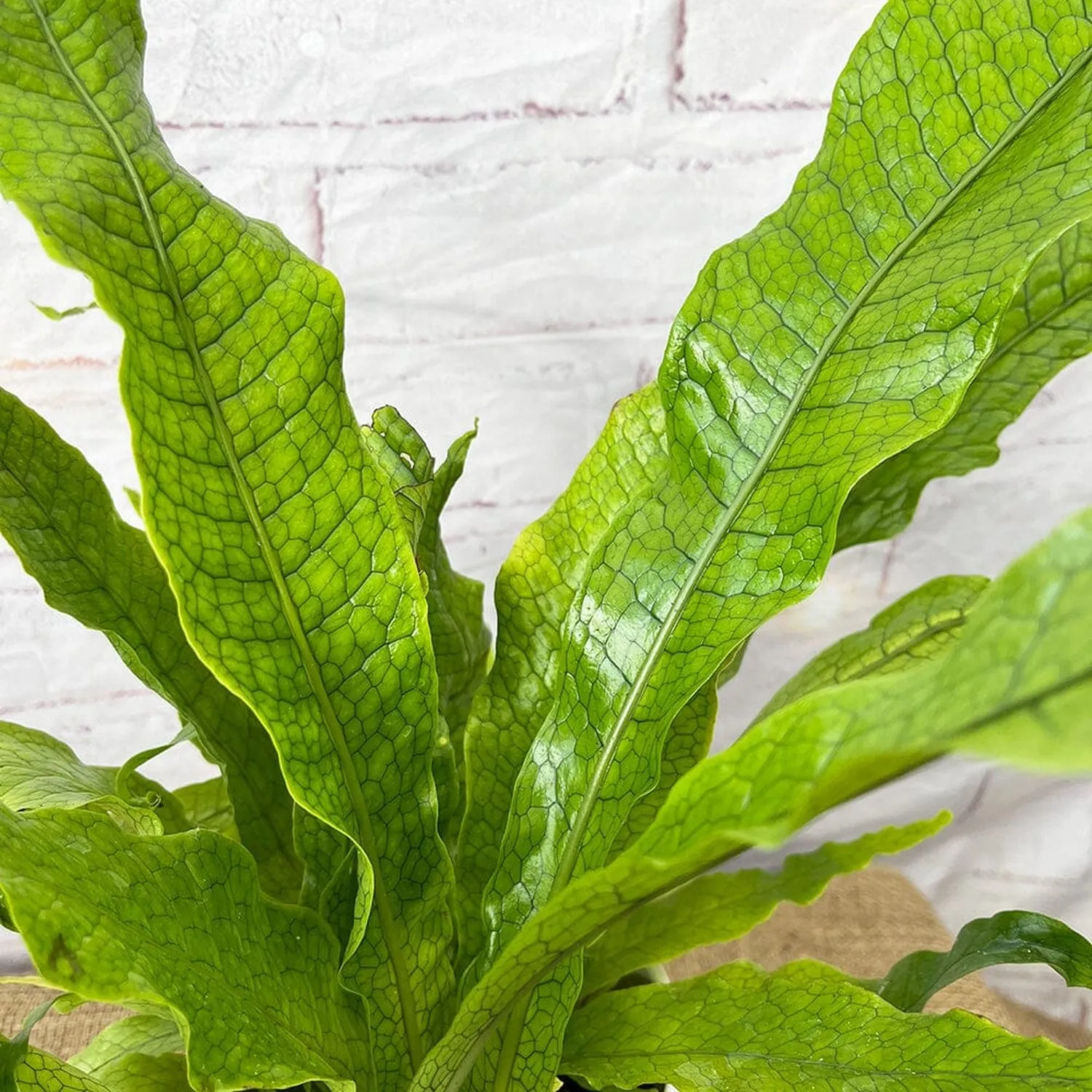
Its leathery fronds feature deep, vein-like markings that resemble crocodile skin — glossy, bright green with darker green netting that becomes more pronounced with age. Each frond grows in an elegant arch, giving the plant a graceful, sculptural form. Unlike many ferns, Microsorum crocodyllus is relatively hardy and forgiving, making it a fantastic choice for both beginners and collectors seeking something extraordinary.
With its prehistoric look and lush texture, the Crocodile Fern evokes the feel of a living rainforest — a perfect statement piece for contemporary interiors or natural-themed spaces.
Microsorum crocodyllus – Care Guide
Light
Prefers bright, indirect light. Avoid harsh direct sunlight, which can scorch its fronds, but ensure it receives enough filtered light to maintain its vivid colour and vein patterning. North- or east-facing windows, or a spot with dappled light, are ideal. It can tolerate lower light levels but will grow more slowly.
Watering
Keep the soil consistently moist but not soggy. Water when the top 2–3 cm of soil feels slightly dry. This fern dislikes drying out completely, yet also suffers from waterlogging. Use room-temperature, filtered, or rainwater if possible, as hard water can cause spotting on the fronds. Reduce watering slightly in winter but never allow the root ball to dry out.
Temperature and Humidity
Temperature: Thrives in warmth between 18–27 °C. Avoid cold drafts, radiators, or sudden temperature drops below 15 °C.
Humidity: High humidity (60–80%) is essential. Mist regularly, group with other tropical plants, or place on a pebble tray with water. Bathrooms or kitchens with consistent moisture in the air are ideal.
Soil and Potting
Use a light, well-draining but moisture-retentive mix, such as peat-free compost blended with perlite and a little orchid bark. This allows airflow around the roots while keeping adequate moisture. Repot every 1–2 years in spring to refresh the soil and encourage healthy root growth.
Feeding
Feed monthly in spring and summer with a balanced, diluted liquid fertiliser. Avoid overfeeding, as this can cause leaf burn or alter the delicate veining. Stop feeding in autumn and winter when growth naturally slows.
Pruning and Maintenance
Remove old or damaged fronds close to the base to promote new growth and maintain a tidy shape. Wipe the leaves occasionally with a soft, damp cloth to remove dust and enhance their sheen. Rotate the plant occasionally to ensure even light distribution.
Growth and Maturity
Microsorum crocodyllus grows moderately fast under ideal conditions, typically reaching 40–60 cm in height and spread. Over time, it forms a dense clump of arching fronds, creating an attractive, sculptural mound. With high humidity and steady warmth, it can maintain its lush look year-round.
Common Issues
-
Brown edges: Low humidity or irregular watering.
-
Yellowing fronds: Overwatering or poor drainage.
-
Crispy tips: Air too dry or exposure to drafts.
-
Pests: Occasionally affected by scale or mealybugs — treat with neem oil or insecticidal soap and maintain humidity.
Background and Benefits
The Crocodile Fern’s natural habitat is the understory of tropical rainforests, where it grows in humid, shaded conditions on the forest floor or as an epiphyte on trees. Its name crocodyllus comes from the leaf’s unique pattern, reminiscent of reptile skin.
In interiors, Microsorum crocodyllus stands out for its exotic texture and lush presence. It’s also air-purifying, helping to remove toxins and improve indoor air quality. Non-toxic to humans and pets, it’s a safe choice for households and workspaces alike.
Quick Care Summary
-
Light: Bright, indirect light; tolerates partial shade
-
Water: Keep soil evenly moist but not waterlogged
-
Temperature: 18–27 °C; avoid below 15 °C
-
Humidity: High (60–80%); mist or use humidifier
-
Soil: Moisture-retentive, well-draining mix with perlite and bark
-
Feed: Monthly in spring/summer
-
Growth: 40–60 cm tall; glossy green fronds with crocodile-like veining
⚠️ Toxicity note: Non-toxic to humans and pets.
Styling Tip
The Crocodile Fern’s dramatic texture pairs beautifully with other rainforest favourites such as Phlebodium ‘Blue Star’ or Calathea makoyana. Display it in a ceramic or matte planter to contrast with its glossy fronds, and position it where light can highlight its vein pattern — such as on a console, plant stand, or bathroom shelf. Ideal for bright, humid rooms, this plant brings a lush, prehistoric elegance to modern interiors.
Original: $11.86
-70%$11.86
$3.56Product Information
Product Information
Shipping & Returns
Shipping & Returns
Description
Microsorum crocodyllus, commonly known as the Crocodile Fern or Crocodyllus Fern, is a striking tropical houseplant prized for its unusual, reptilian leaf texture. Native to the rainforests of Southeast Asia and northern Australia, this fern is part of the Polypodiaceae family and brings a bold, exotic charm to any indoor collection.
Its leathery fronds feature deep, vein-like markings that resemble crocodile skin — glossy, bright green with darker green netting that becomes more pronounced with age. Each frond grows in an elegant arch, giving the plant a graceful, sculptural form. Unlike many ferns, Microsorum crocodyllus is relatively hardy and forgiving, making it a fantastic choice for both beginners and collectors seeking something extraordinary.
With its prehistoric look and lush texture, the Crocodile Fern evokes the feel of a living rainforest — a perfect statement piece for contemporary interiors or natural-themed spaces.
Microsorum crocodyllus – Care Guide
Light
Prefers bright, indirect light. Avoid harsh direct sunlight, which can scorch its fronds, but ensure it receives enough filtered light to maintain its vivid colour and vein patterning. North- or east-facing windows, or a spot with dappled light, are ideal. It can tolerate lower light levels but will grow more slowly.
Watering
Keep the soil consistently moist but not soggy. Water when the top 2–3 cm of soil feels slightly dry. This fern dislikes drying out completely, yet also suffers from waterlogging. Use room-temperature, filtered, or rainwater if possible, as hard water can cause spotting on the fronds. Reduce watering slightly in winter but never allow the root ball to dry out.
Temperature and Humidity
Temperature: Thrives in warmth between 18–27 °C. Avoid cold drafts, radiators, or sudden temperature drops below 15 °C.
Humidity: High humidity (60–80%) is essential. Mist regularly, group with other tropical plants, or place on a pebble tray with water. Bathrooms or kitchens with consistent moisture in the air are ideal.
Soil and Potting
Use a light, well-draining but moisture-retentive mix, such as peat-free compost blended with perlite and a little orchid bark. This allows airflow around the roots while keeping adequate moisture. Repot every 1–2 years in spring to refresh the soil and encourage healthy root growth.
Feeding
Feed monthly in spring and summer with a balanced, diluted liquid fertiliser. Avoid overfeeding, as this can cause leaf burn or alter the delicate veining. Stop feeding in autumn and winter when growth naturally slows.
Pruning and Maintenance
Remove old or damaged fronds close to the base to promote new growth and maintain a tidy shape. Wipe the leaves occasionally with a soft, damp cloth to remove dust and enhance their sheen. Rotate the plant occasionally to ensure even light distribution.
Growth and Maturity
Microsorum crocodyllus grows moderately fast under ideal conditions, typically reaching 40–60 cm in height and spread. Over time, it forms a dense clump of arching fronds, creating an attractive, sculptural mound. With high humidity and steady warmth, it can maintain its lush look year-round.
Common Issues
-
Brown edges: Low humidity or irregular watering.
-
Yellowing fronds: Overwatering or poor drainage.
-
Crispy tips: Air too dry or exposure to drafts.
-
Pests: Occasionally affected by scale or mealybugs — treat with neem oil or insecticidal soap and maintain humidity.
Background and Benefits
The Crocodile Fern’s natural habitat is the understory of tropical rainforests, where it grows in humid, shaded conditions on the forest floor or as an epiphyte on trees. Its name crocodyllus comes from the leaf’s unique pattern, reminiscent of reptile skin.
In interiors, Microsorum crocodyllus stands out for its exotic texture and lush presence. It’s also air-purifying, helping to remove toxins and improve indoor air quality. Non-toxic to humans and pets, it’s a safe choice for households and workspaces alike.
Quick Care Summary
-
Light: Bright, indirect light; tolerates partial shade
-
Water: Keep soil evenly moist but not waterlogged
-
Temperature: 18–27 °C; avoid below 15 °C
-
Humidity: High (60–80%); mist or use humidifier
-
Soil: Moisture-retentive, well-draining mix with perlite and bark
-
Feed: Monthly in spring/summer
-
Growth: 40–60 cm tall; glossy green fronds with crocodile-like veining
⚠️ Toxicity note: Non-toxic to humans and pets.
Styling Tip
The Crocodile Fern’s dramatic texture pairs beautifully with other rainforest favourites such as Phlebodium ‘Blue Star’ or Calathea makoyana. Display it in a ceramic or matte planter to contrast with its glossy fronds, and position it where light can highlight its vein pattern — such as on a console, plant stand, or bathroom shelf. Ideal for bright, humid rooms, this plant brings a lush, prehistoric elegance to modern interiors.