25 - 35cm Hare's Foot Fern in Hanging Pot Humata Tyermanii 17cm Pot House Plant
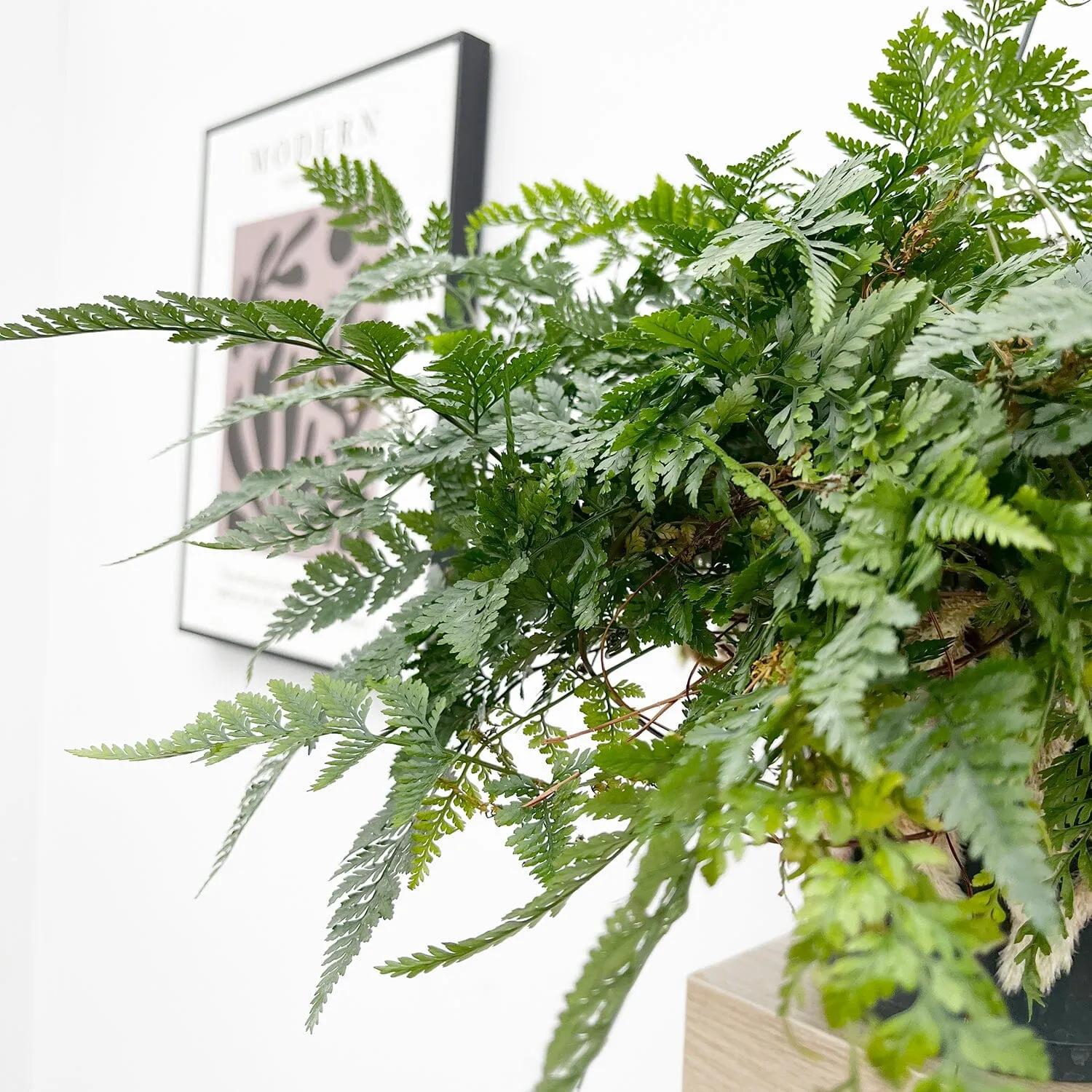
Humata tyermanii, commonly known as the White Rabbit’s Foot Fern, is a charming and unusual epiphytic fern prized for its delicate green fronds and soft, silvery rhizomes that creep gracefully over the soil and pot edges. A member of the Davalliaceae family, this tropical fern originates from Southeast Asia and the Pacific Islands, where it grows naturally on tree trunks and mossy rocks in humid forests.
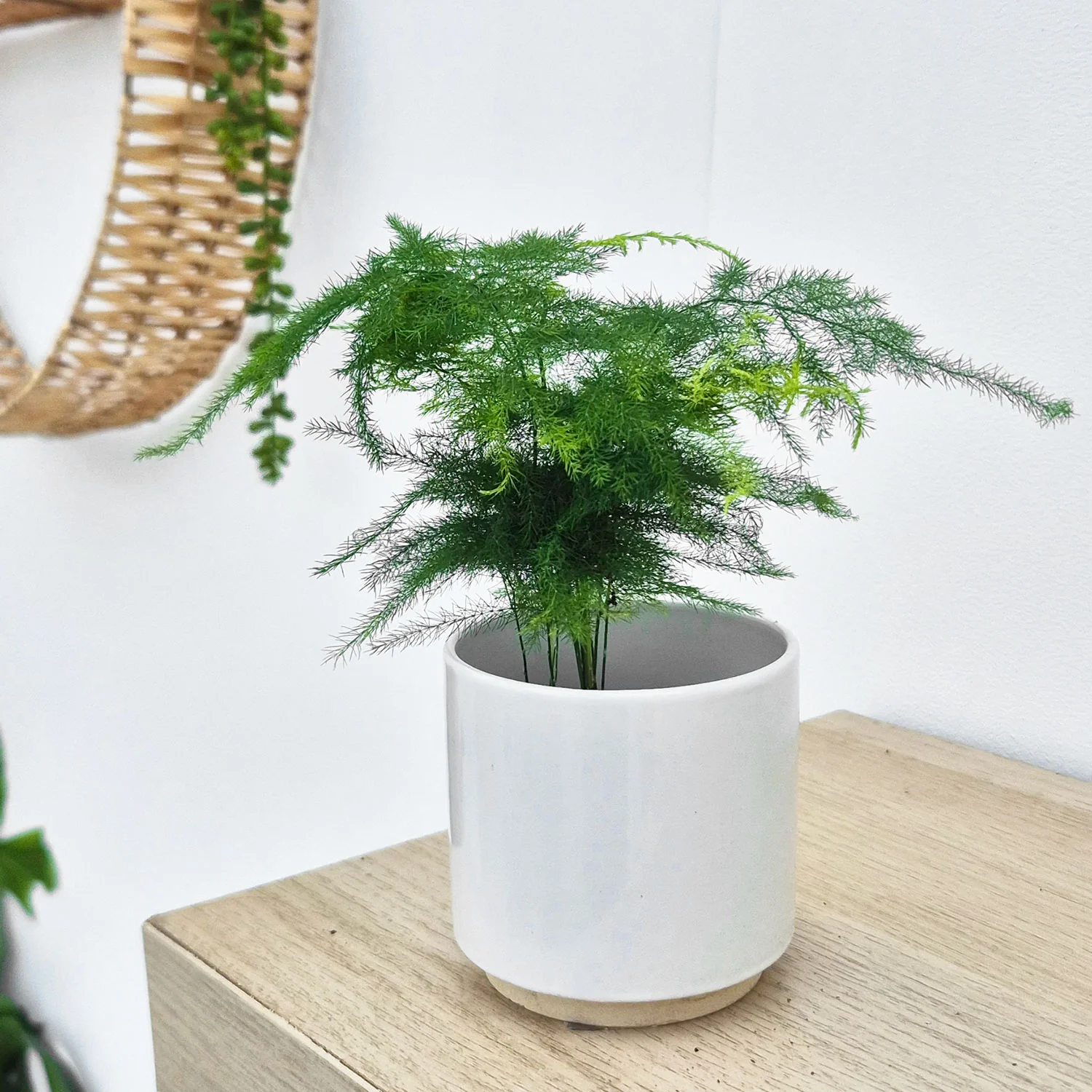
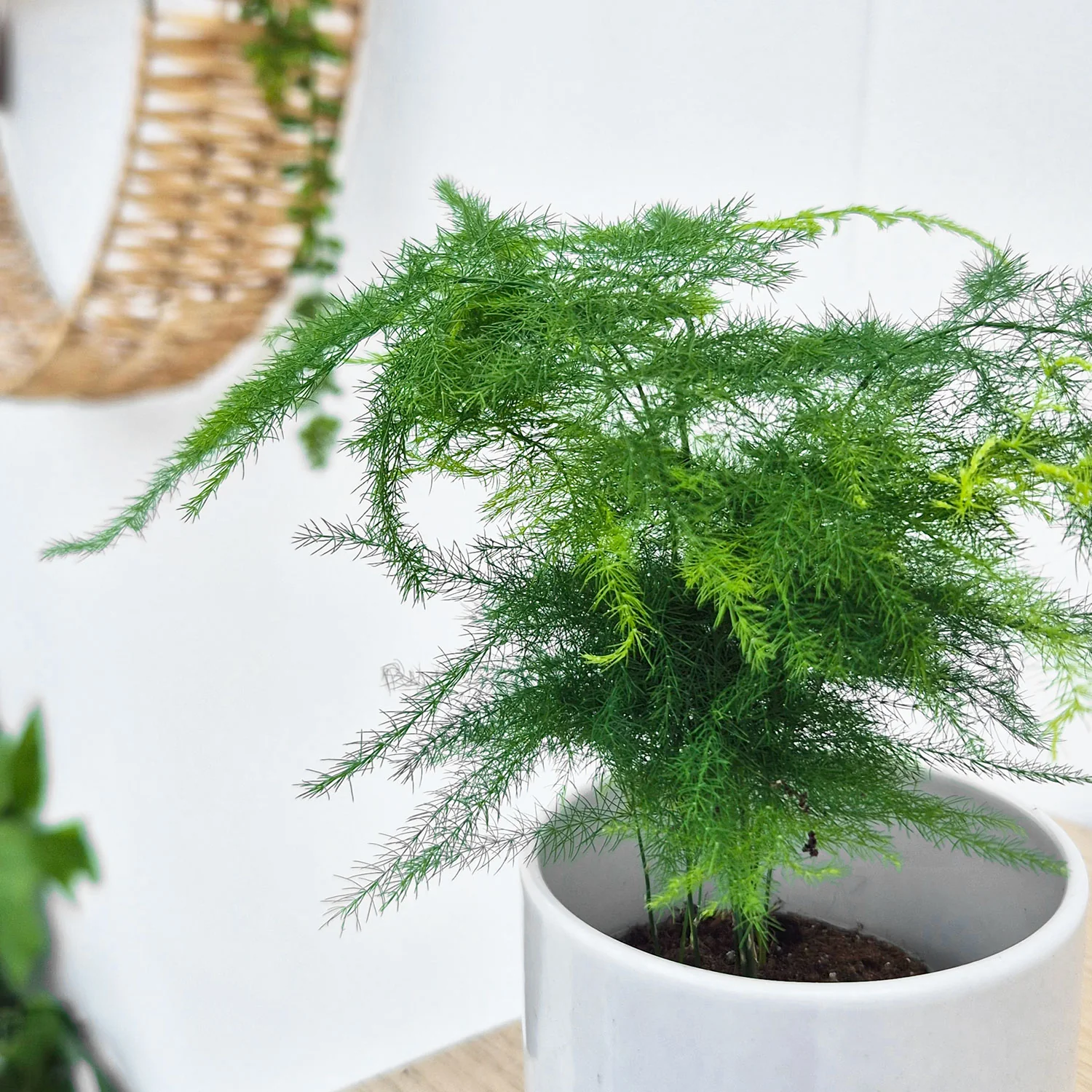
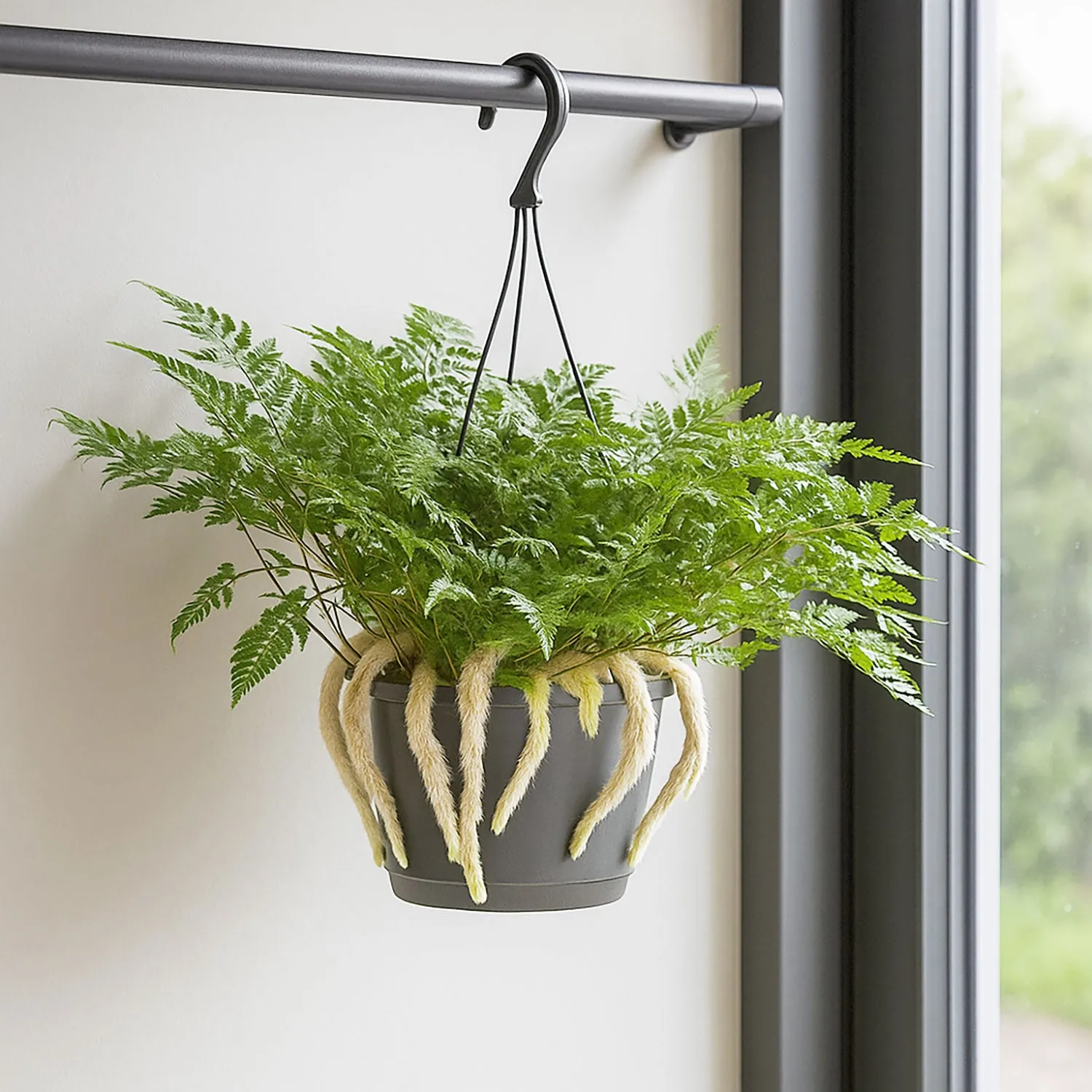
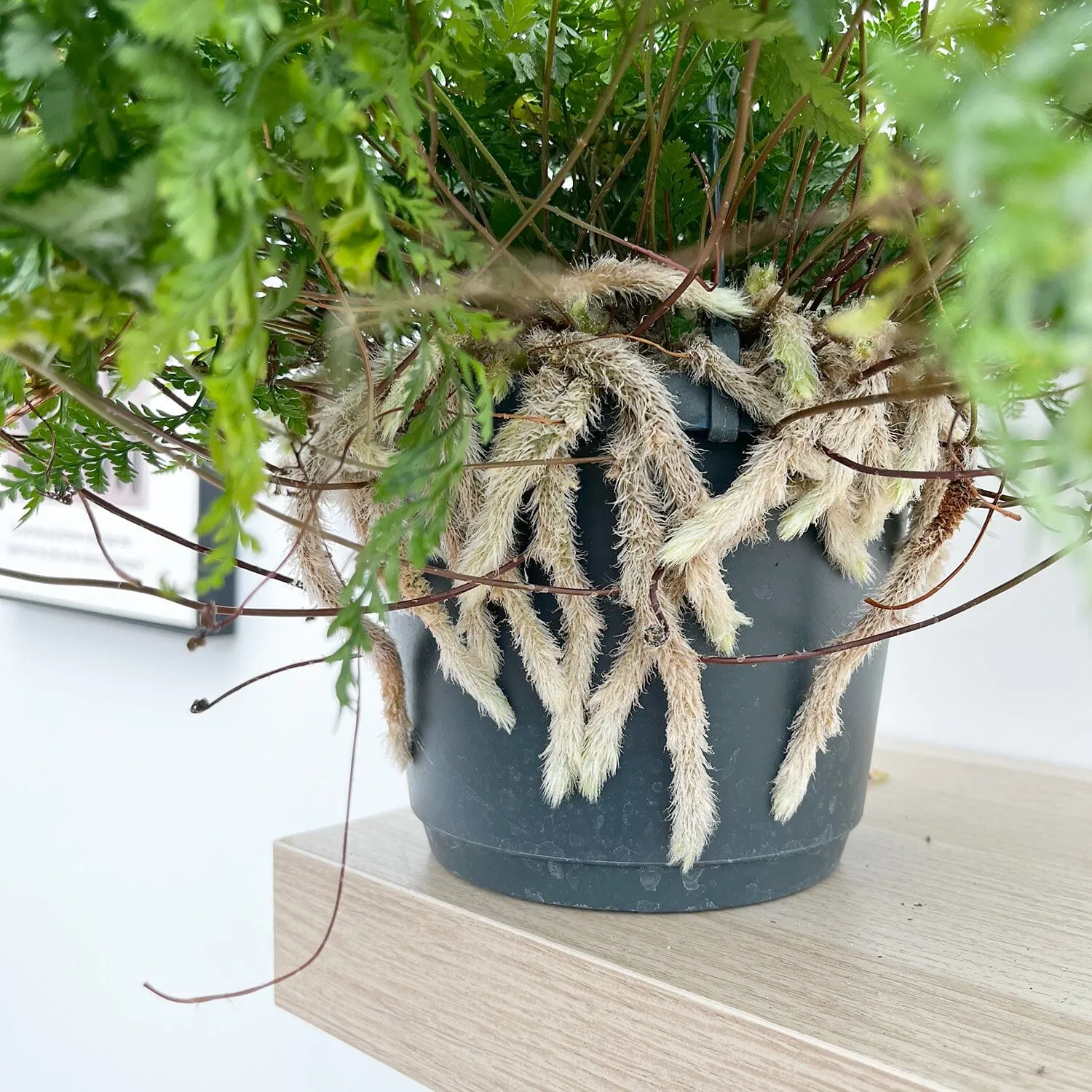
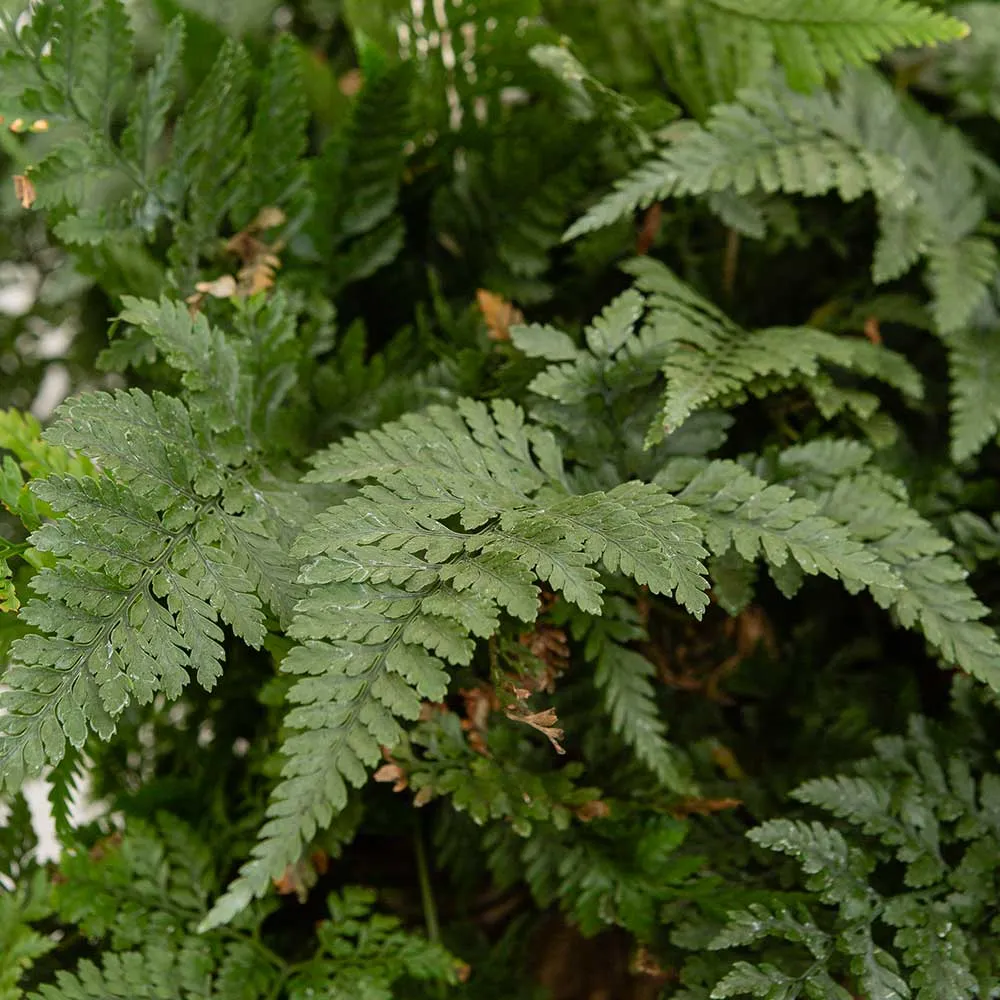
The finely divided fronds are a rich, fresh green, forming a soft, feathery canopy above the distinctive fuzzy rhizomes — which resemble a rabbit’s paw, hence the common name. These rhizomes are covered in fine white hairs, giving the plant a unique, tactile quality that makes it both endearing and elegant. Compact, textural, and endlessly interesting, Humata tyermanii adds a whimsical yet refined touch to tropical plant collections and shaded interiors alike.
Humata tyermanii – Care Guide
Light
Thrives in bright, indirect light. Avoid harsh direct sunlight, which can scorch the delicate fronds, but ensure sufficient light for steady growth. It tolerates lower light levels but grows more slowly. Ideal placement includes east- or north-facing windows or filtered daylight through sheer curtains.
Watering
Keep the soil evenly moist but never soggy. Water when the top 2–3 cm of soil feels slightly dry. This fern dislikes drying out completely, but constant wetness can lead to root rot. Use room-temperature, filtered, or rainwater for best results. Mist regularly to keep the rhizomes and fronds hydrated.
Temperature and Humidity
Temperature: Prefers warmth between 18–26 °C and should be kept away from cold drafts or radiators. Avoid temperatures below 15 °C.
Humidity: High humidity (60–80%) is essential for lush, healthy growth. Mist frequently, use a humidifier, or place on a pebble tray with water to maintain moisture around the plant. Bathrooms and kitchens with filtered light provide ideal environments.
Soil and Potting
Use a light, airy mix that retains moisture but allows excellent drainage — a blend of peat-free compost, perlite, and orchid bark works perfectly. The rhizomes should rest on top of the soil rather than being buried, allowing them to breathe and spread naturally. Repot every 2–3 years in spring to refresh the substrate and manage growth.
Feeding
Feed every 4–6 weeks during spring and summer with a diluted, balanced liquid fertiliser. Avoid over-fertilising, as ferns are sensitive to excess nutrients. Stop feeding in autumn and winter when growth slows.
Pruning and Maintenance
Remove any brown or damaged fronds near the base to encourage fresh growth. Avoid touching the fuzzy rhizomes too often, as their delicate hairs can be damaged. Wipe the pot edges gently to prevent algae build-up where the rhizomes rest. Rotate occasionally for even growth.
Growth and Maturity
A moderately slow-growing fern, Humata tyermanii typically reaches 30–45 cm in height and spread indoors. Over time, its rhizomes will extend beyond the pot, cascading beautifully over the edges. With consistent humidity and care, it becomes a dense, textural mound of graceful greenery.
Common Issues
-
Crispy fronds: Low humidity or underwatering.
-
Yellowing leaves: Overwatering or poor drainage.
-
Browning rhizomes: Excessive moisture or fungal growth.
-
Pests: Occasionally affected by scale or spider mites; treat with neem oil or insecticidal soap.
Background and Benefits
Humata tyermanii is an epiphytic fern, meaning it grows naturally on other surfaces rather than in soil, drawing moisture and nutrients from the air and rain. Its fuzzy white rhizomes help it cling to bark or rock in the wild and store water during drier periods.
In cultivation, it’s adored for its playful “rabbit’s foot” appearance and easy-care nature when humidity is kept high. Like many ferns, it’s an excellent air purifier, helping to filter toxins and increase oxygen levels indoors. Symbolically, ferns represent peace, protection, and eternal youth — qualities perfectly embodied by this graceful, ever-renewing plant.
Quick Care Summary
-
Light: Bright, indirect light; avoid direct sun
-
Water: Keep soil evenly moist; never let it fully dry
-
Temperature: 18–26 °C; avoid below 15 °C
-
Humidity: High (60–80%)
-
Soil: Moisture-retentive, airy mix – compost, perlite, orchid bark
-
Feed: Every 4–6 weeks in spring/summer
-
Growth: 30–45 cm tall and wide; fine green fronds with soft, white furry rhizomes
⚠️ Toxicity note: Non-toxic to humans and pets.
Styling Tip
Showcase Humata tyermanii in a hanging planter or shallow ceramic pot where its fuzzy rhizomes can spill naturally over the edges. It thrives in humid spaces like bathrooms or kitchens and pairs beautifully with other soft-textured plants such as Asparagus densiflorus or Phlebodium ‘Blue Star’. The unique contrast of emerald fronds and silvery-white rhizomes adds a touch of whimsy to modern, bohemian, or natural interior designs — an ideal choice for those seeking texture, movement, and charm.
Original: $32.98
-70%$32.98
$9.89Product Information
Product Information
Shipping & Returns
Shipping & Returns
Description
Humata tyermanii, commonly known as the White Rabbit’s Foot Fern, is a charming and unusual epiphytic fern prized for its delicate green fronds and soft, silvery rhizomes that creep gracefully over the soil and pot edges. A member of the Davalliaceae family, this tropical fern originates from Southeast Asia and the Pacific Islands, where it grows naturally on tree trunks and mossy rocks in humid forests.
The finely divided fronds are a rich, fresh green, forming a soft, feathery canopy above the distinctive fuzzy rhizomes — which resemble a rabbit’s paw, hence the common name. These rhizomes are covered in fine white hairs, giving the plant a unique, tactile quality that makes it both endearing and elegant. Compact, textural, and endlessly interesting, Humata tyermanii adds a whimsical yet refined touch to tropical plant collections and shaded interiors alike.
Humata tyermanii – Care Guide
Light
Thrives in bright, indirect light. Avoid harsh direct sunlight, which can scorch the delicate fronds, but ensure sufficient light for steady growth. It tolerates lower light levels but grows more slowly. Ideal placement includes east- or north-facing windows or filtered daylight through sheer curtains.
Watering
Keep the soil evenly moist but never soggy. Water when the top 2–3 cm of soil feels slightly dry. This fern dislikes drying out completely, but constant wetness can lead to root rot. Use room-temperature, filtered, or rainwater for best results. Mist regularly to keep the rhizomes and fronds hydrated.
Temperature and Humidity
Temperature: Prefers warmth between 18–26 °C and should be kept away from cold drafts or radiators. Avoid temperatures below 15 °C.
Humidity: High humidity (60–80%) is essential for lush, healthy growth. Mist frequently, use a humidifier, or place on a pebble tray with water to maintain moisture around the plant. Bathrooms and kitchens with filtered light provide ideal environments.
Soil and Potting
Use a light, airy mix that retains moisture but allows excellent drainage — a blend of peat-free compost, perlite, and orchid bark works perfectly. The rhizomes should rest on top of the soil rather than being buried, allowing them to breathe and spread naturally. Repot every 2–3 years in spring to refresh the substrate and manage growth.
Feeding
Feed every 4–6 weeks during spring and summer with a diluted, balanced liquid fertiliser. Avoid over-fertilising, as ferns are sensitive to excess nutrients. Stop feeding in autumn and winter when growth slows.
Pruning and Maintenance
Remove any brown or damaged fronds near the base to encourage fresh growth. Avoid touching the fuzzy rhizomes too often, as their delicate hairs can be damaged. Wipe the pot edges gently to prevent algae build-up where the rhizomes rest. Rotate occasionally for even growth.
Growth and Maturity
A moderately slow-growing fern, Humata tyermanii typically reaches 30–45 cm in height and spread indoors. Over time, its rhizomes will extend beyond the pot, cascading beautifully over the edges. With consistent humidity and care, it becomes a dense, textural mound of graceful greenery.
Common Issues
-
Crispy fronds: Low humidity or underwatering.
-
Yellowing leaves: Overwatering or poor drainage.
-
Browning rhizomes: Excessive moisture or fungal growth.
-
Pests: Occasionally affected by scale or spider mites; treat with neem oil or insecticidal soap.
Background and Benefits
Humata tyermanii is an epiphytic fern, meaning it grows naturally on other surfaces rather than in soil, drawing moisture and nutrients from the air and rain. Its fuzzy white rhizomes help it cling to bark or rock in the wild and store water during drier periods.
In cultivation, it’s adored for its playful “rabbit’s foot” appearance and easy-care nature when humidity is kept high. Like many ferns, it’s an excellent air purifier, helping to filter toxins and increase oxygen levels indoors. Symbolically, ferns represent peace, protection, and eternal youth — qualities perfectly embodied by this graceful, ever-renewing plant.
Quick Care Summary
-
Light: Bright, indirect light; avoid direct sun
-
Water: Keep soil evenly moist; never let it fully dry
-
Temperature: 18–26 °C; avoid below 15 °C
-
Humidity: High (60–80%)
-
Soil: Moisture-retentive, airy mix – compost, perlite, orchid bark
-
Feed: Every 4–6 weeks in spring/summer
-
Growth: 30–45 cm tall and wide; fine green fronds with soft, white furry rhizomes
⚠️ Toxicity note: Non-toxic to humans and pets.
Styling Tip
Showcase Humata tyermanii in a hanging planter or shallow ceramic pot where its fuzzy rhizomes can spill naturally over the edges. It thrives in humid spaces like bathrooms or kitchens and pairs beautifully with other soft-textured plants such as Asparagus densiflorus or Phlebodium ‘Blue Star’. The unique contrast of emerald fronds and silvery-white rhizomes adds a touch of whimsy to modern, bohemian, or natural interior designs — an ideal choice for those seeking texture, movement, and charm.