Ficus Lyrata Standard Tree Fiddle Leaf Fig House Plant
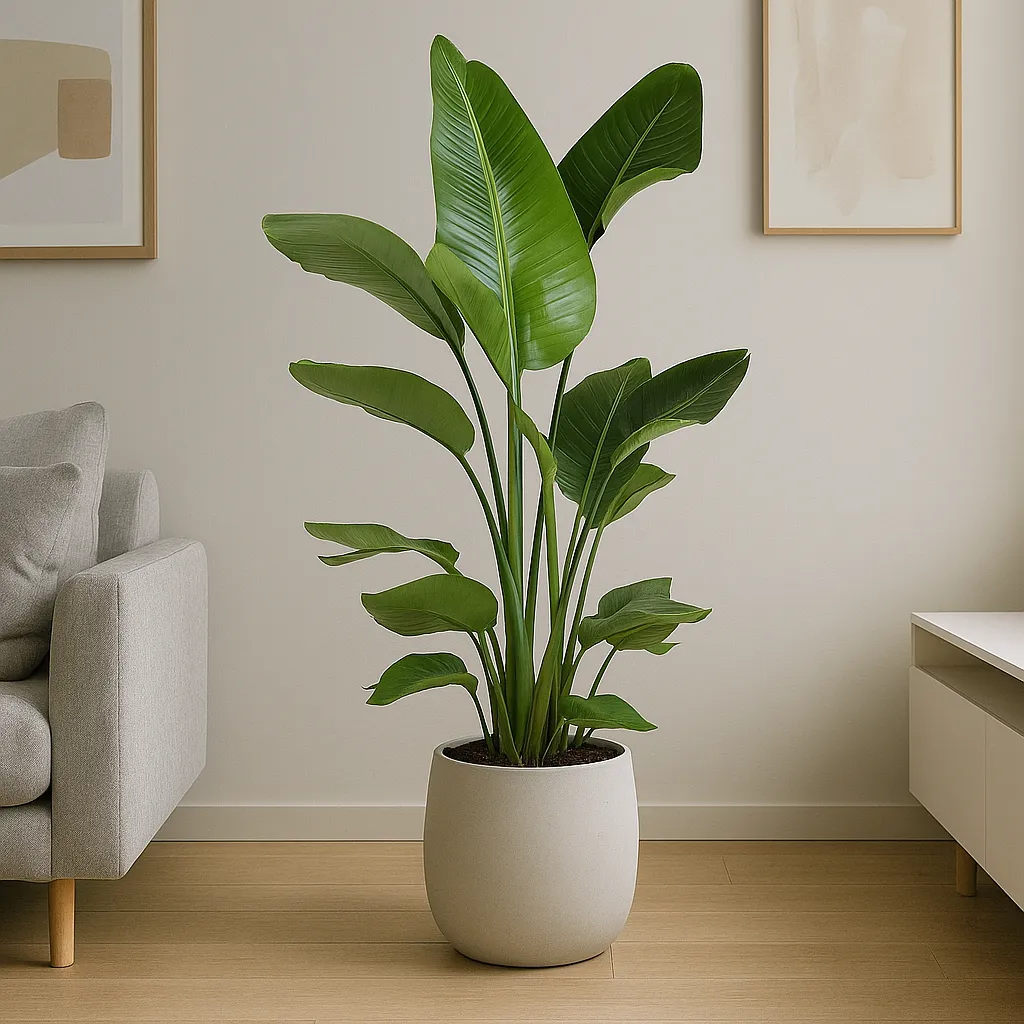
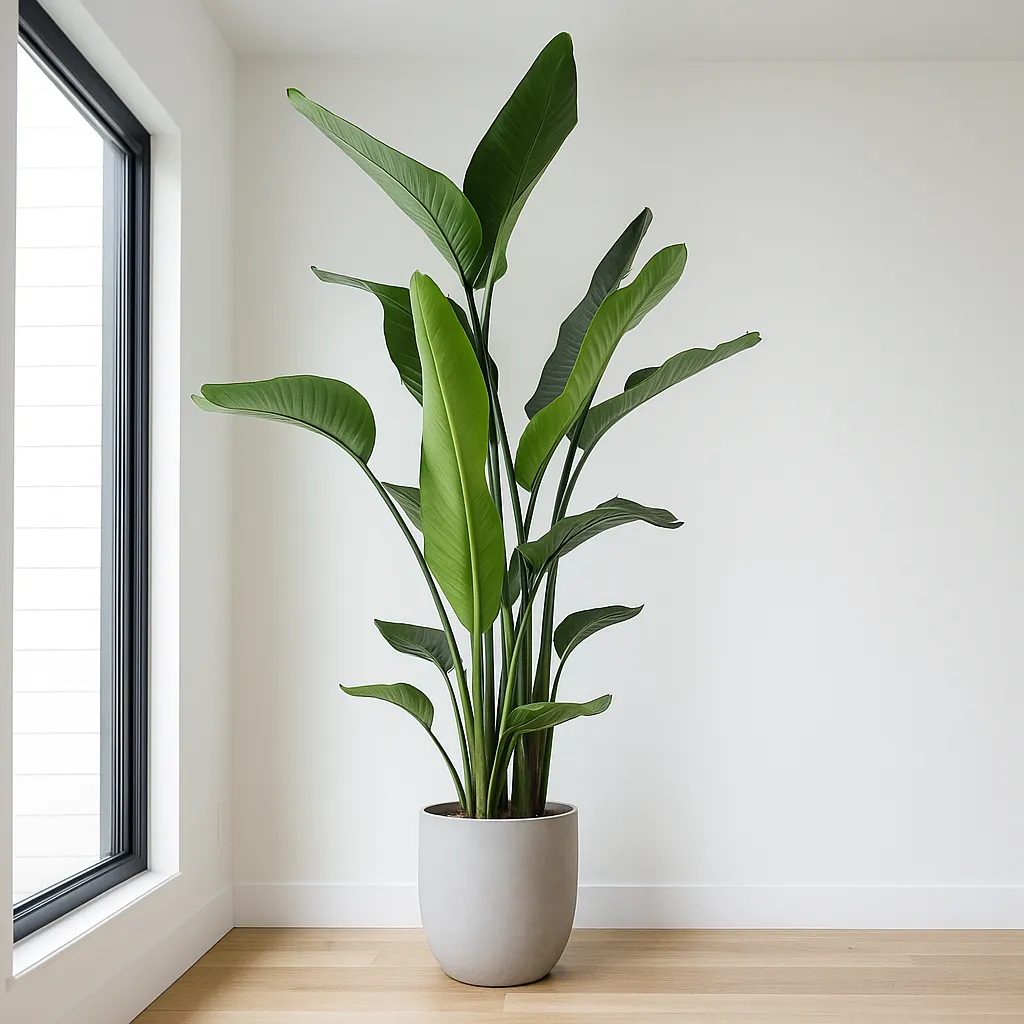
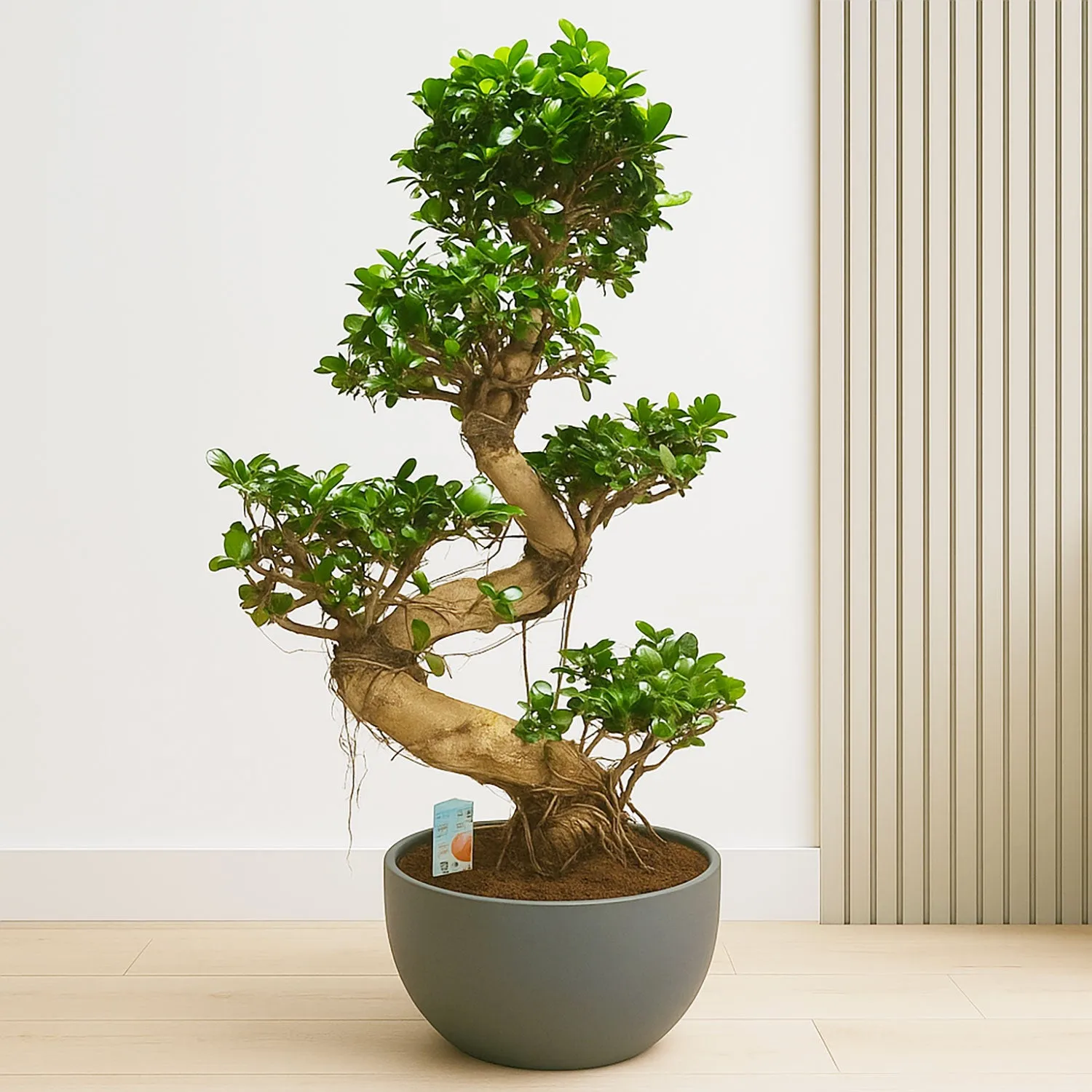
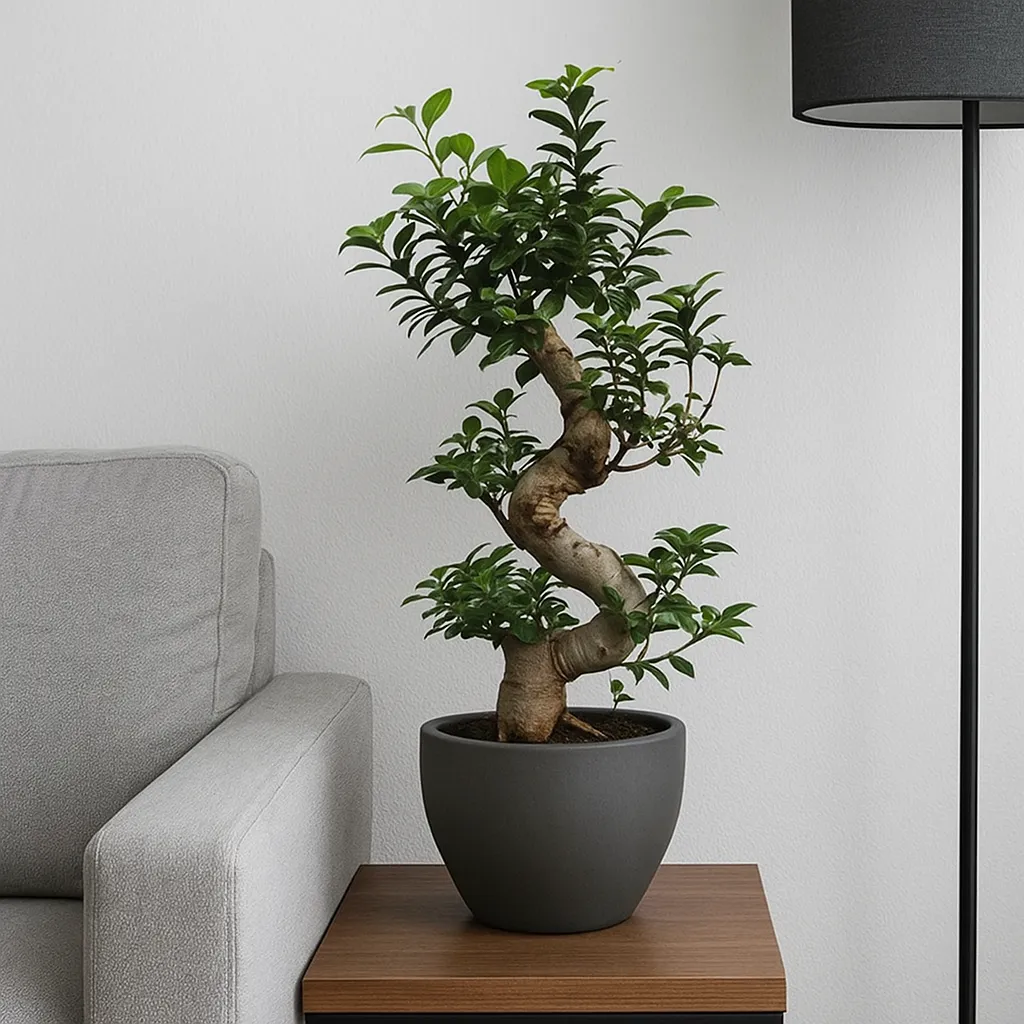
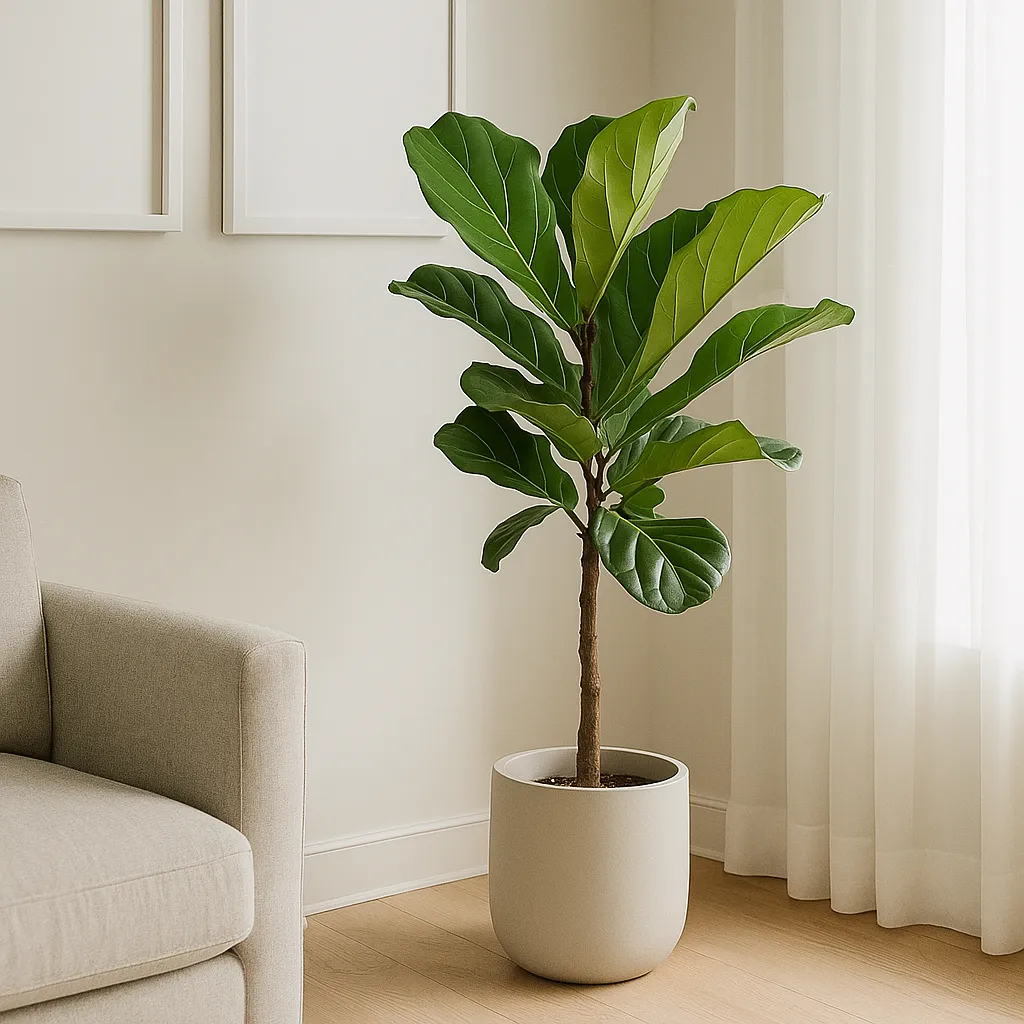
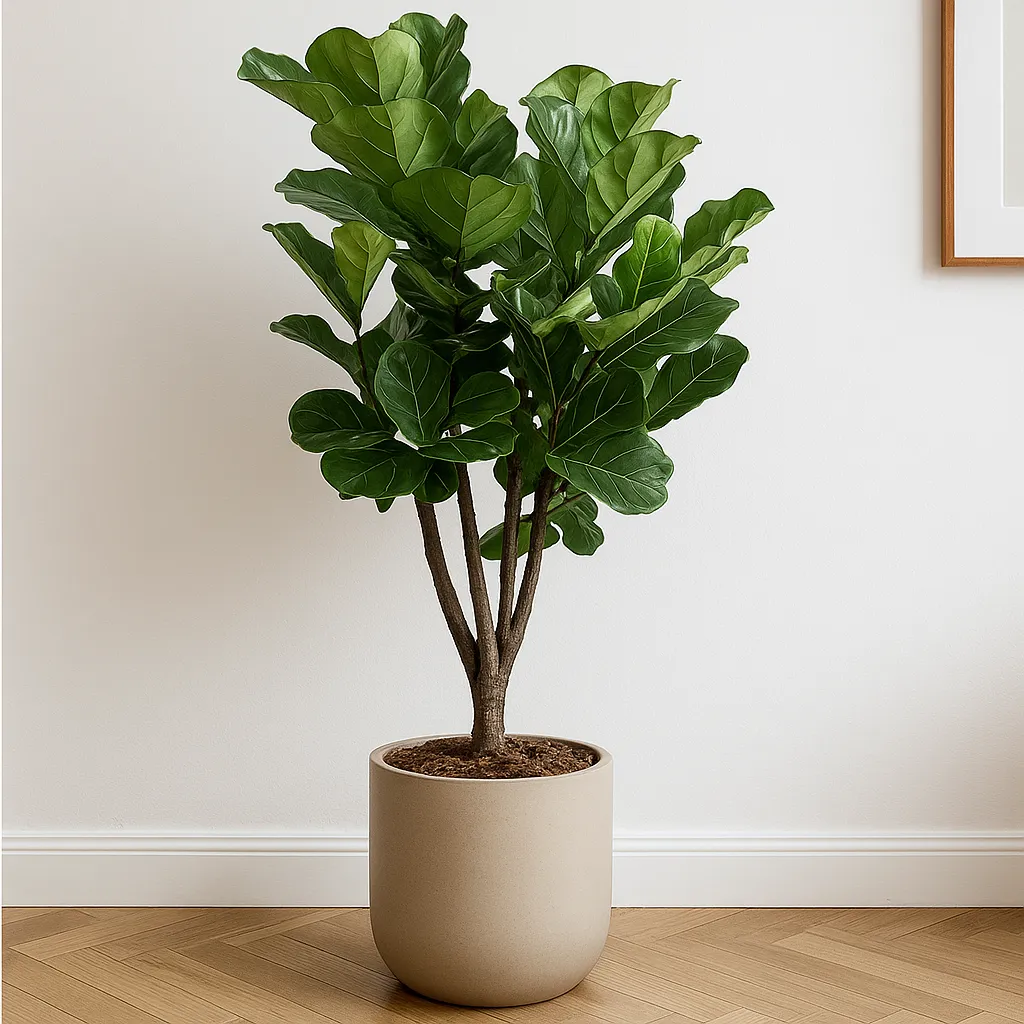
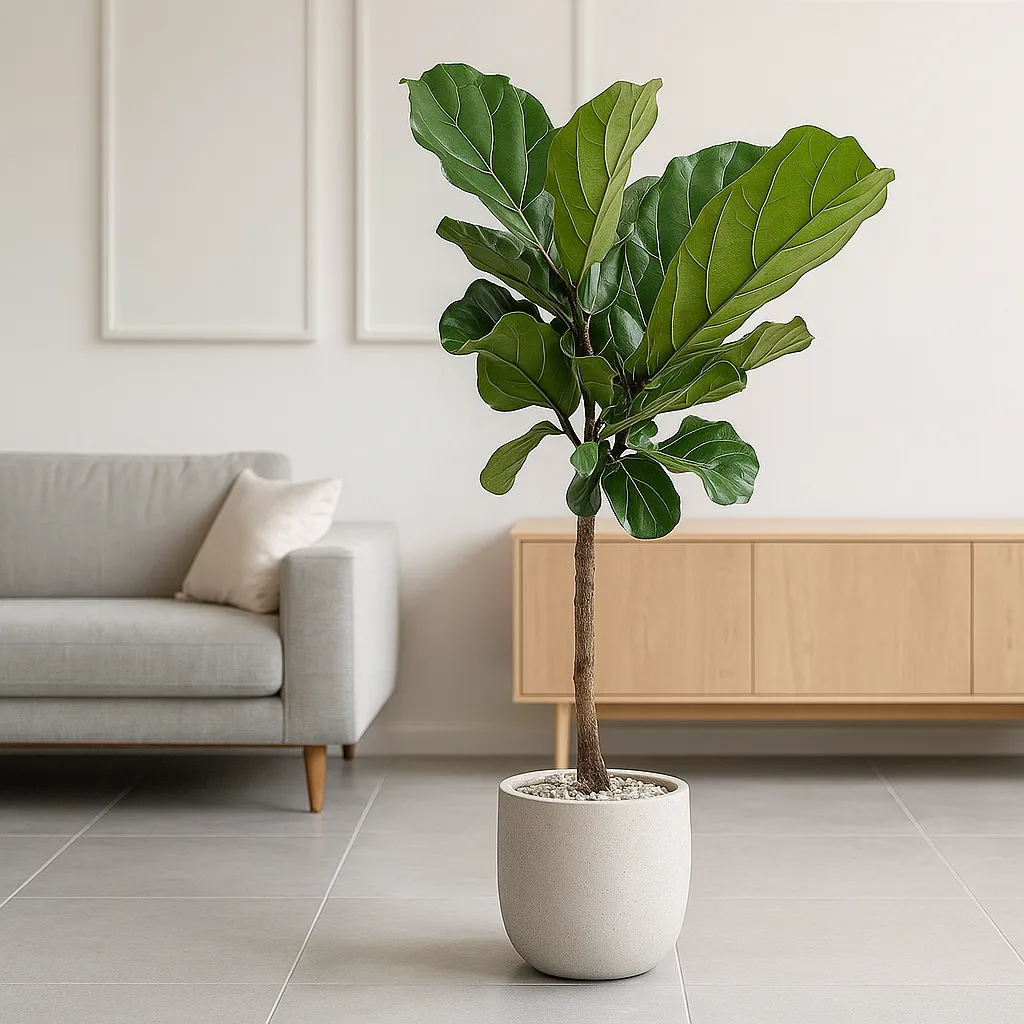
Ficus lyrata, commonly known as the Fiddle Leaf Fig, is one of the most iconic and sought-after indoor trees. This standard tree form features a tall, sculptural trunk topped with a dense canopy of broad, fiddle-shaped leaves, creating an instant statement piece for modern interiors.
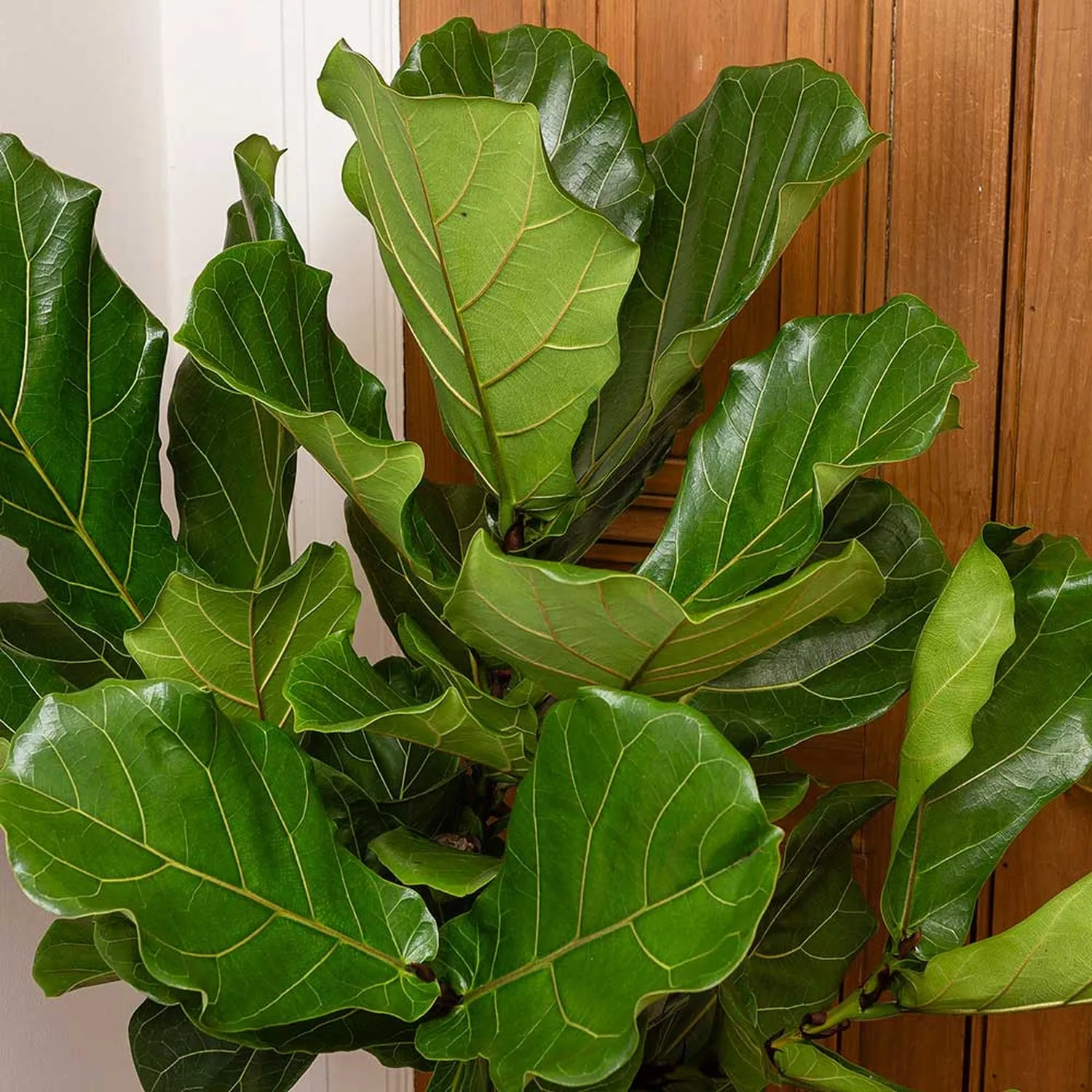
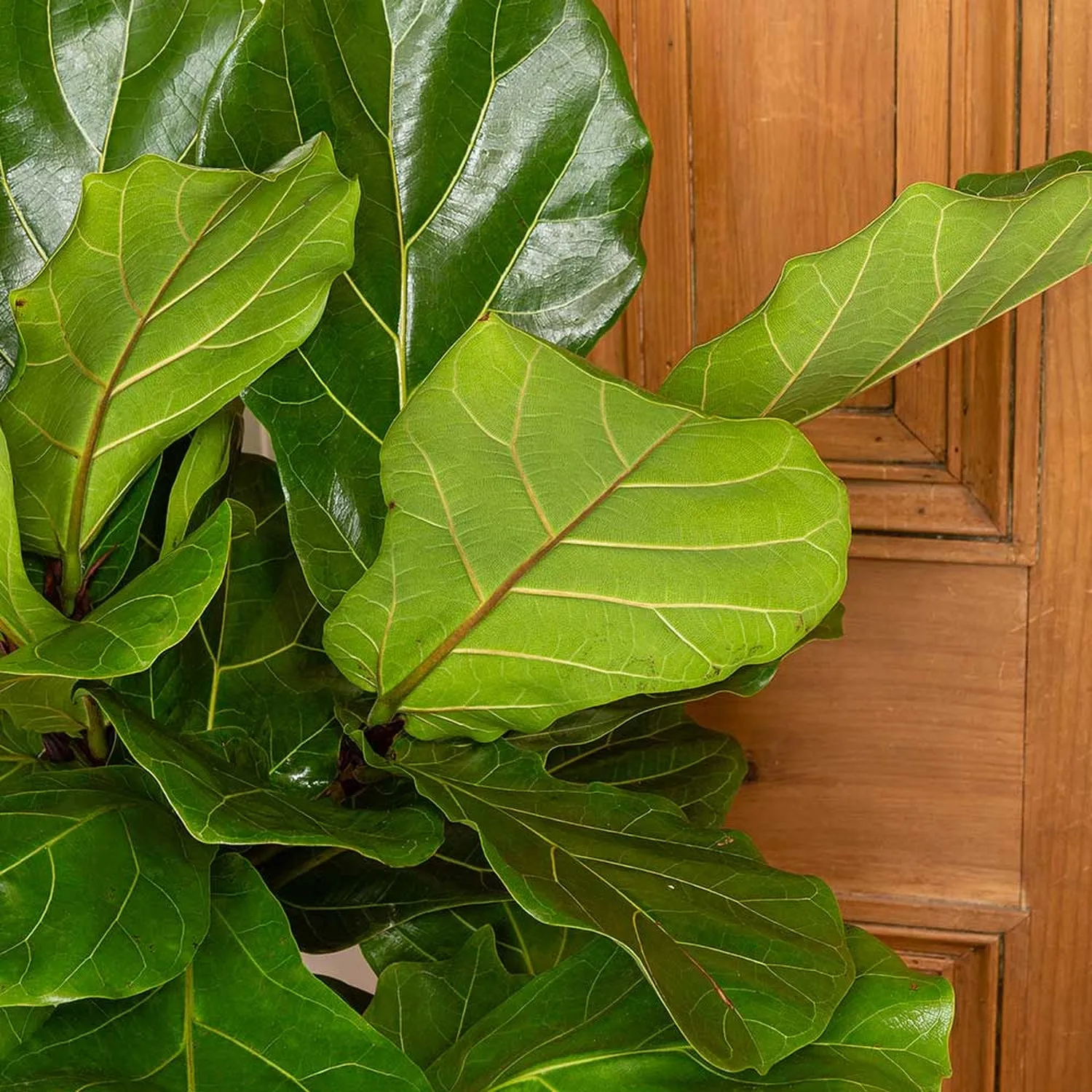
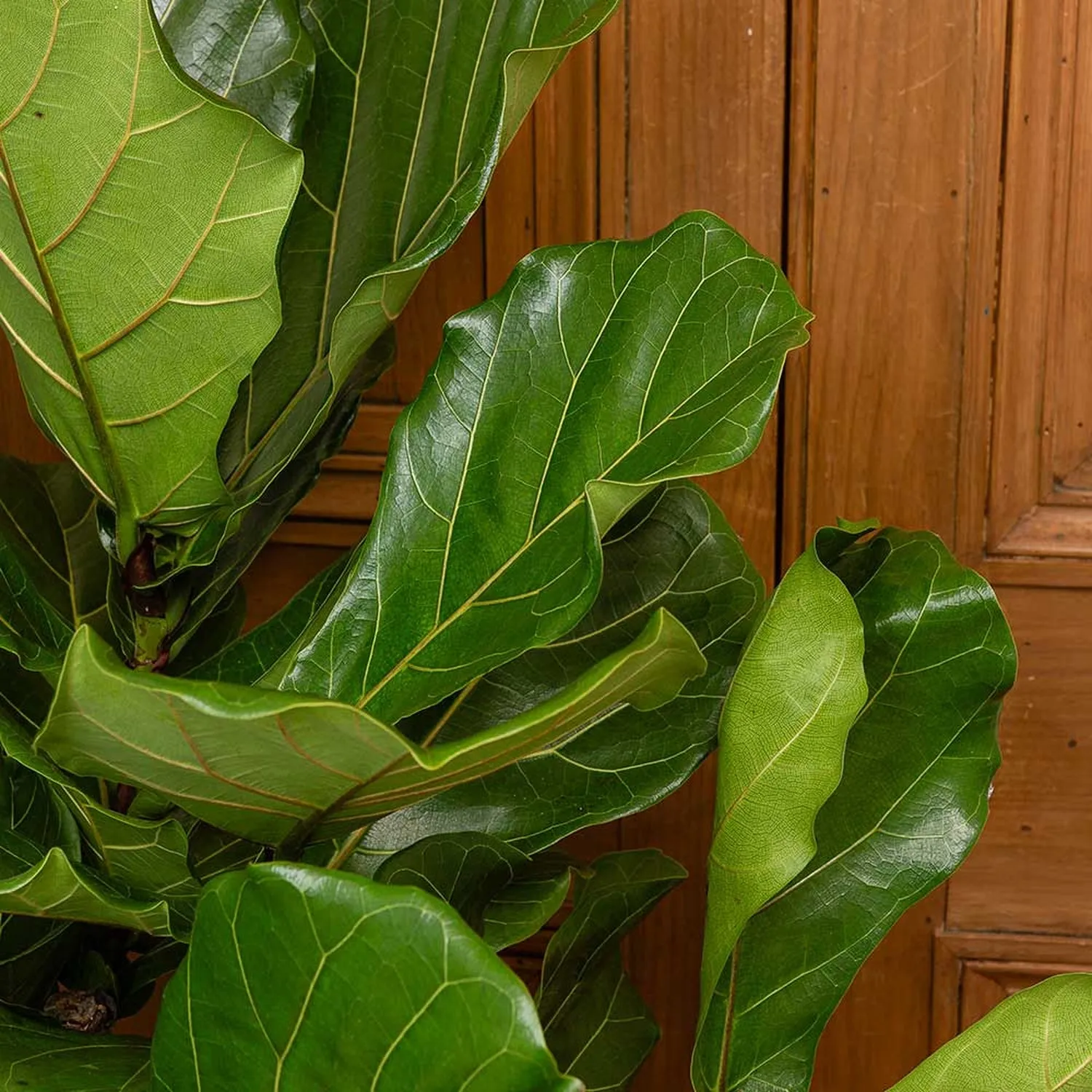
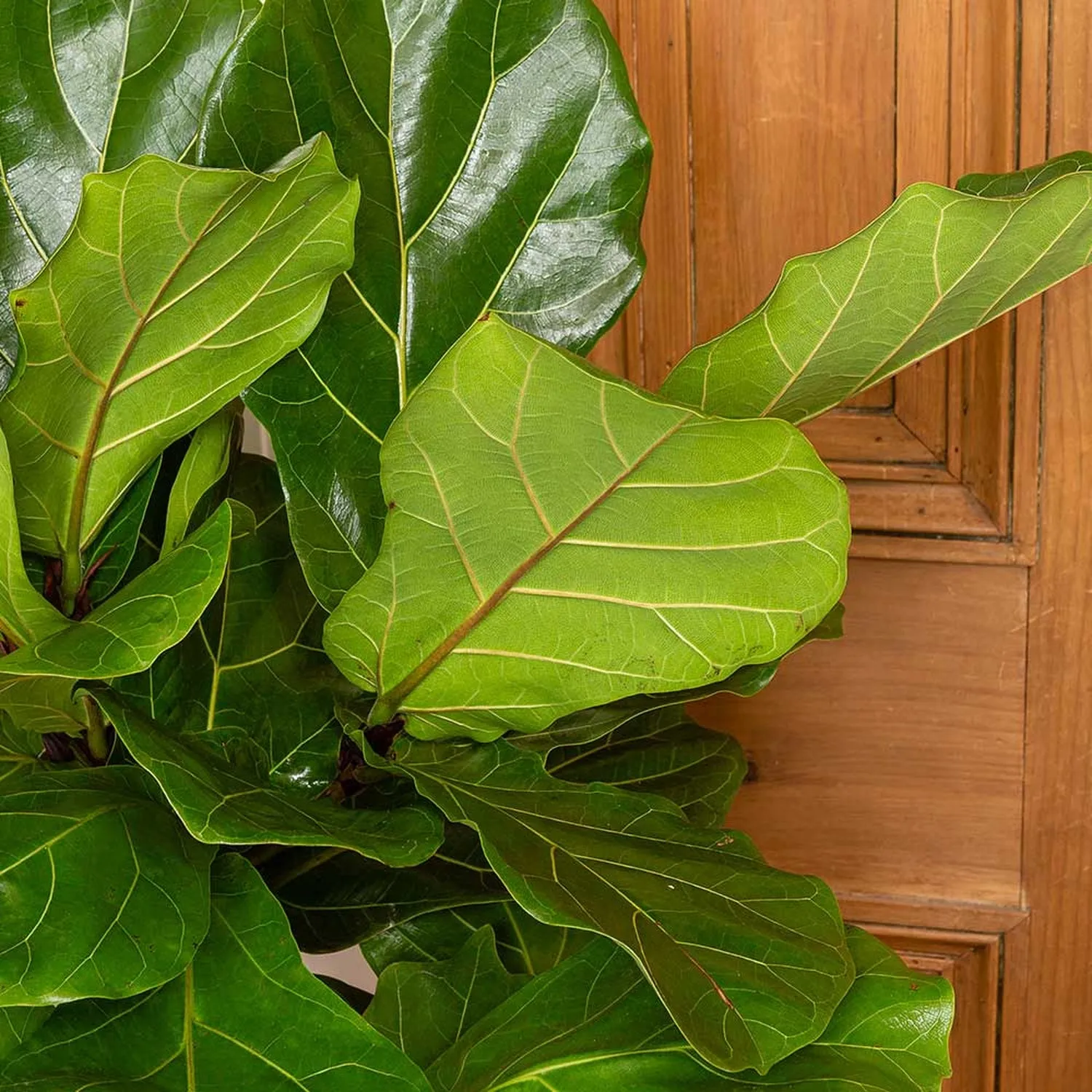
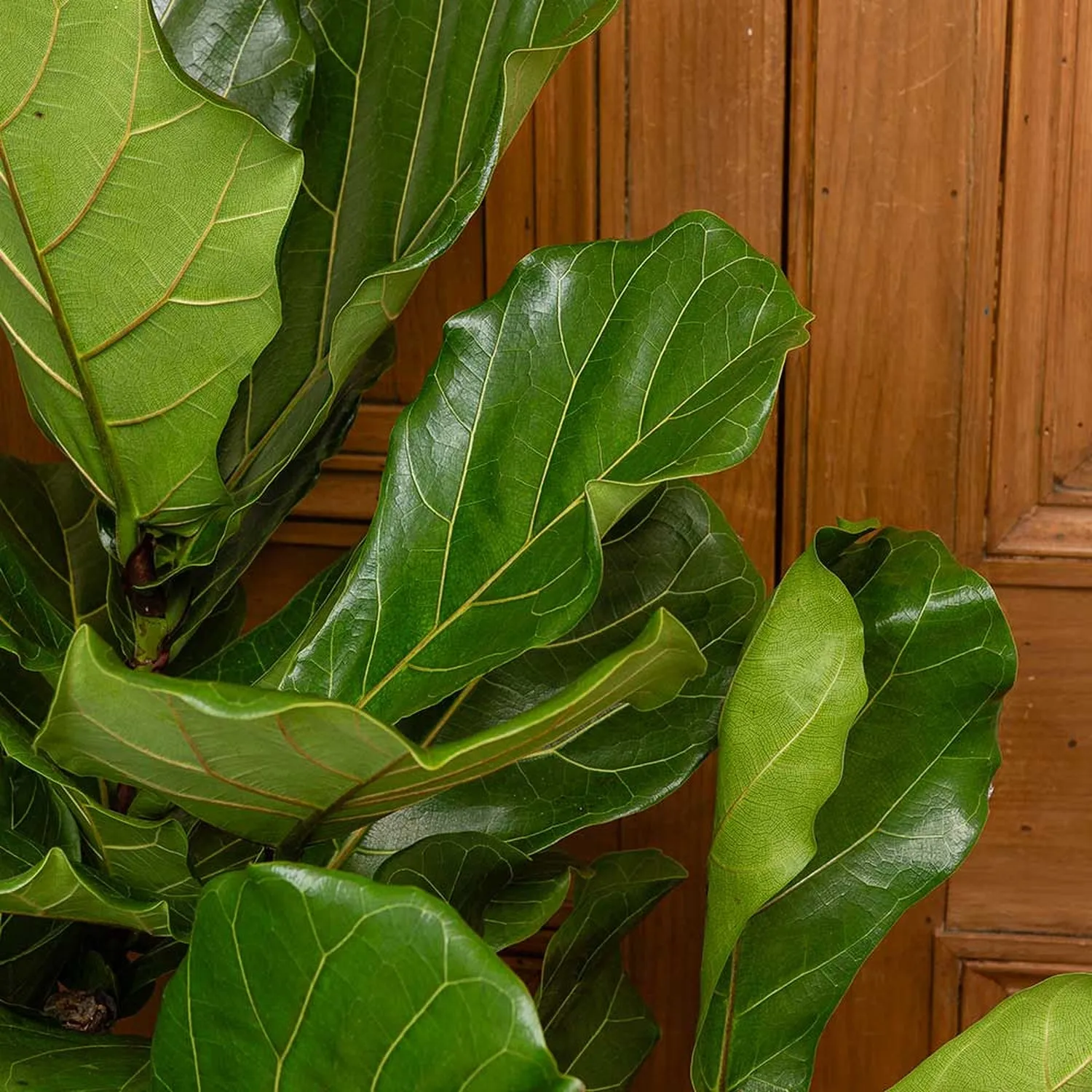
Native to the tropical rainforests of West Africa, this member of the Moraceae family is admired for its glossy, leathery foliage and architectural structure. Each leaf can grow up to 30 cm long, with prominent veins and a deep green sheen that gives the plant a bold, luxurious look.
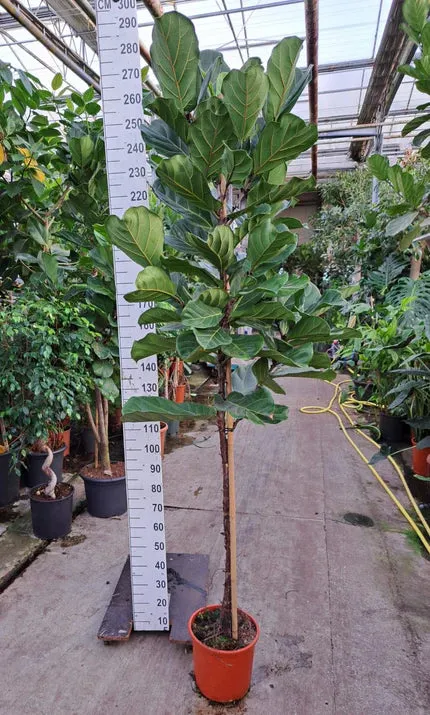
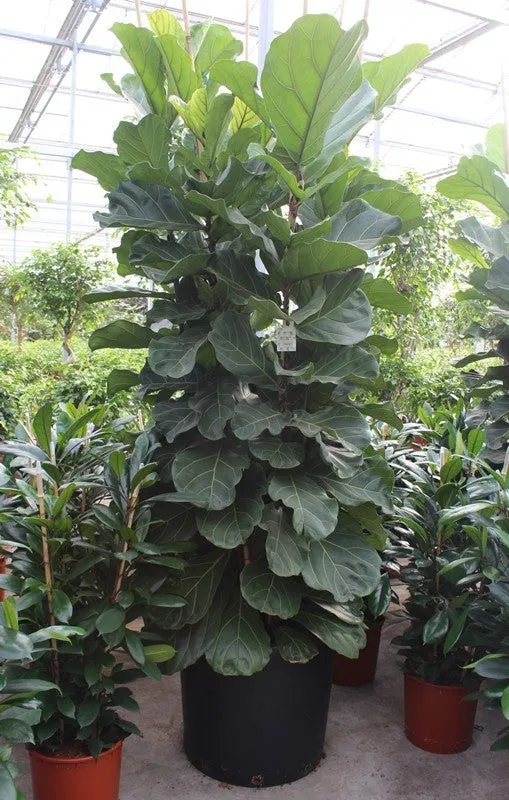
The standard tree form of Ficus lyrata is carefully grown and trained to develop a single upright trunk, resulting in a clean, elegant silhouette perfect for floor displays, conservatories, and bright living spaces. It brings a touch of tropical sophistication to any home or office.
Ficus lyrata Standard Tree – Care Guide
Light
Thrives in bright, indirect light. It can tolerate some gentle morning or late-afternoon sun but should be protected from harsh midday rays. Too little light can cause slow growth and leaf drop.
Watering
Water when the top 3–5 cm of soil feels dry. Keep the soil evenly moist but never soggy. Allow excess water to drain away and never let the pot sit in water. Reduce watering slightly in winter when growth slows.
Temperature and Humidity
-
Temperature: Prefers warmth, 18–28°C. Avoid draughts and sudden temperature changes.
-
Humidity: Prefers moderate to high humidity (50–70%). Mist occasionally or place near a humidifier, especially in heated rooms.
Soil and Potting
Use a rich, free-draining, peat-free compost with added perlite or bark for aeration. Repot every 2–3 years in spring, or refresh the top layer of soil annually for mature trees.
Feeding
Feed every 4–6 weeks during spring and summer with a balanced liquid fertiliser. Stop feeding in winter.
Pruning and Maintenance
Remove any yellowing or damaged leaves at the base. Clean large leaves regularly with a soft, damp cloth to remove dust and maintain their glossy appearance. Prune lightly to maintain canopy shape and height. Rotate the plant occasionally for even growth.
Growth and Maturity
A moderate grower that can reach 1.5–3 metres indoors over time. Its upright trunk and broad foliage give it a refined, tree-like appearance that suits spacious interiors.
Common Issues
-
Leaf drop: Often caused by sudden environmental changes, draughts, or overwatering.
-
Brown edges: Low humidity or inconsistent watering.
-
Yellowing leaves: Overwatering or poor drainage.
-
Pests: Occasionally thrips, scale, or spider mites.
Background and Benefits
Ficus lyrata has become one of the most popular interior plants globally, loved for its commanding form and timeless beauty. The standard tree form transforms the species into a living sculpture — perfect for minimalist, modern, or biophilic design. It’s also known for filtering toxins and improving indoor air quality, combining form and function in one dramatic plant.
✅ Quick Care Summary
-
Light: Bright, indirect; tolerates soft sun
-
Water: Lightly moist; allow topsoil to dry slightly
-
Temperature: 18–28°C; avoid draughts
-
Humidity: Moderate to high (50–70%)
-
Soil: Rich, well-draining peat-free compost
-
Feed: Every 4–6 weeks in spring/summer
-
Growth: Upright standard tree, 1.5–3 m; glossy, fiddle-shaped leaves with strong veining
Original: $197.97
-70%$197.97
$59.39Product Information
Product Information
Shipping & Returns
Shipping & Returns
Description
Ficus lyrata, commonly known as the Fiddle Leaf Fig, is one of the most iconic and sought-after indoor trees. This standard tree form features a tall, sculptural trunk topped with a dense canopy of broad, fiddle-shaped leaves, creating an instant statement piece for modern interiors.
Native to the tropical rainforests of West Africa, this member of the Moraceae family is admired for its glossy, leathery foliage and architectural structure. Each leaf can grow up to 30 cm long, with prominent veins and a deep green sheen that gives the plant a bold, luxurious look.
The standard tree form of Ficus lyrata is carefully grown and trained to develop a single upright trunk, resulting in a clean, elegant silhouette perfect for floor displays, conservatories, and bright living spaces. It brings a touch of tropical sophistication to any home or office.
Ficus lyrata Standard Tree – Care Guide
Light
Thrives in bright, indirect light. It can tolerate some gentle morning or late-afternoon sun but should be protected from harsh midday rays. Too little light can cause slow growth and leaf drop.
Watering
Water when the top 3–5 cm of soil feels dry. Keep the soil evenly moist but never soggy. Allow excess water to drain away and never let the pot sit in water. Reduce watering slightly in winter when growth slows.
Temperature and Humidity
-
Temperature: Prefers warmth, 18–28°C. Avoid draughts and sudden temperature changes.
-
Humidity: Prefers moderate to high humidity (50–70%). Mist occasionally or place near a humidifier, especially in heated rooms.
Soil and Potting
Use a rich, free-draining, peat-free compost with added perlite or bark for aeration. Repot every 2–3 years in spring, or refresh the top layer of soil annually for mature trees.
Feeding
Feed every 4–6 weeks during spring and summer with a balanced liquid fertiliser. Stop feeding in winter.
Pruning and Maintenance
Remove any yellowing or damaged leaves at the base. Clean large leaves regularly with a soft, damp cloth to remove dust and maintain their glossy appearance. Prune lightly to maintain canopy shape and height. Rotate the plant occasionally for even growth.
Growth and Maturity
A moderate grower that can reach 1.5–3 metres indoors over time. Its upright trunk and broad foliage give it a refined, tree-like appearance that suits spacious interiors.
Common Issues
-
Leaf drop: Often caused by sudden environmental changes, draughts, or overwatering.
-
Brown edges: Low humidity or inconsistent watering.
-
Yellowing leaves: Overwatering or poor drainage.
-
Pests: Occasionally thrips, scale, or spider mites.
Background and Benefits
Ficus lyrata has become one of the most popular interior plants globally, loved for its commanding form and timeless beauty. The standard tree form transforms the species into a living sculpture — perfect for minimalist, modern, or biophilic design. It’s also known for filtering toxins and improving indoor air quality, combining form and function in one dramatic plant.
✅ Quick Care Summary
-
Light: Bright, indirect; tolerates soft sun
-
Water: Lightly moist; allow topsoil to dry slightly
-
Temperature: 18–28°C; avoid draughts
-
Humidity: Moderate to high (50–70%)
-
Soil: Rich, well-draining peat-free compost
-
Feed: Every 4–6 weeks in spring/summer
-
Growth: Upright standard tree, 1.5–3 m; glossy, fiddle-shaped leaves with strong veining