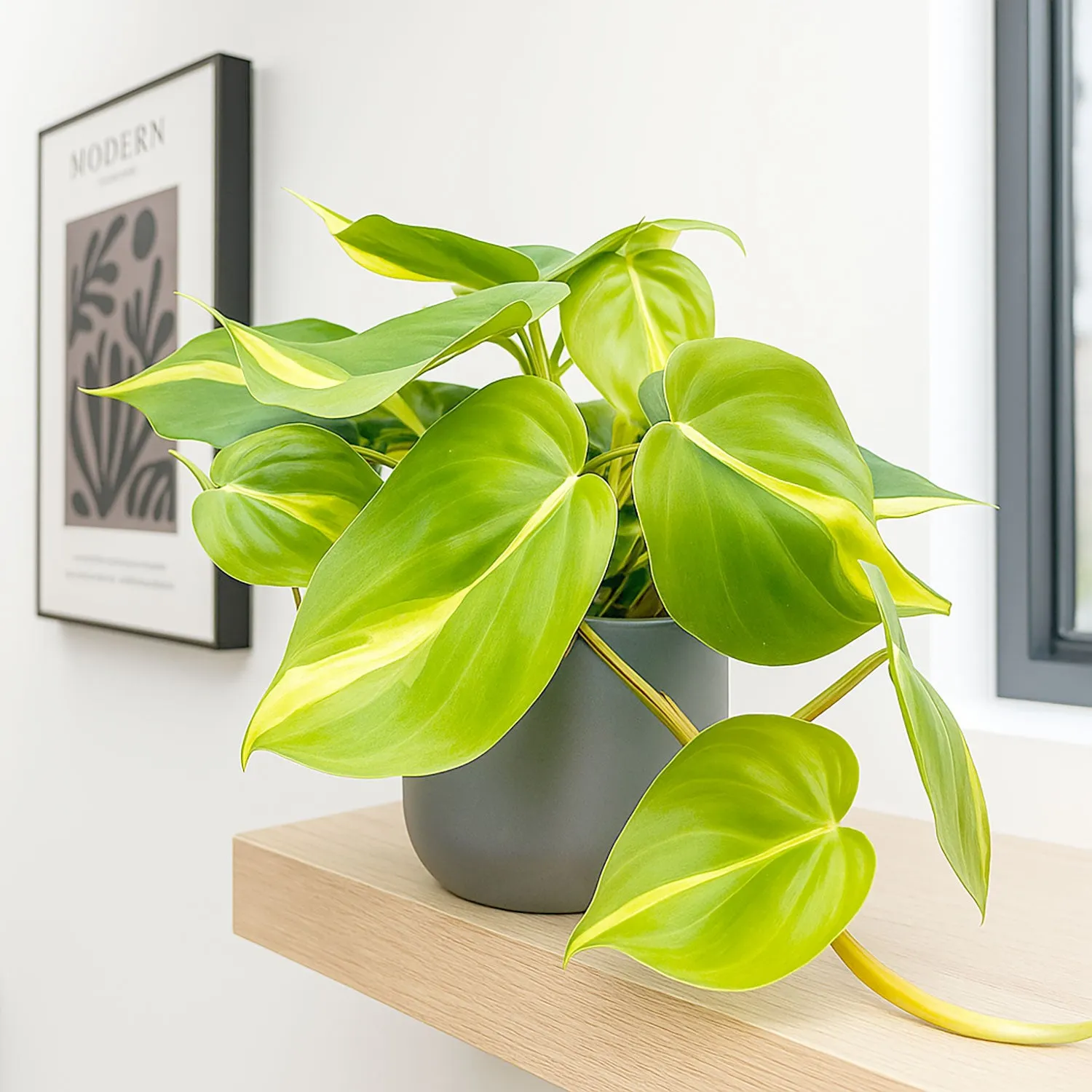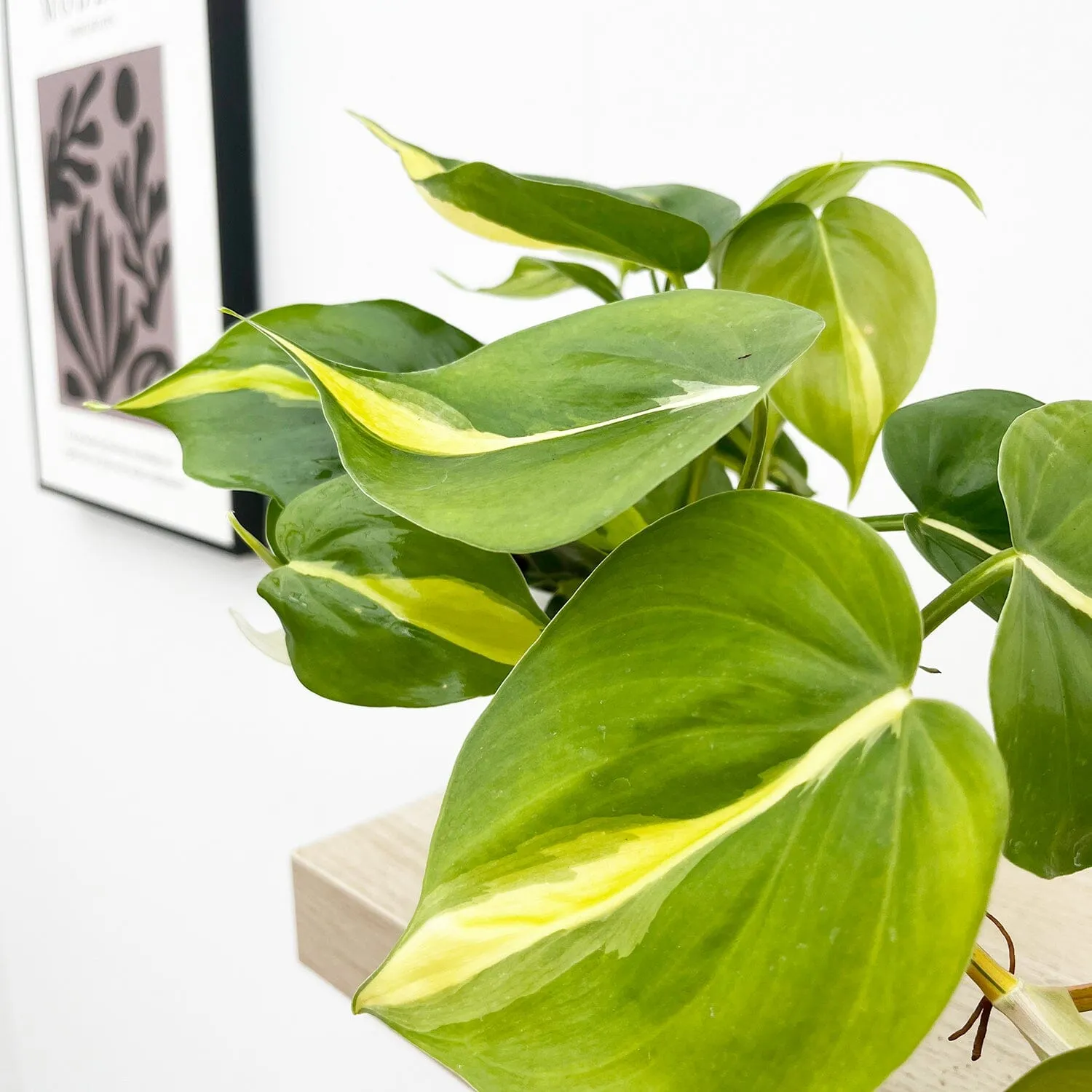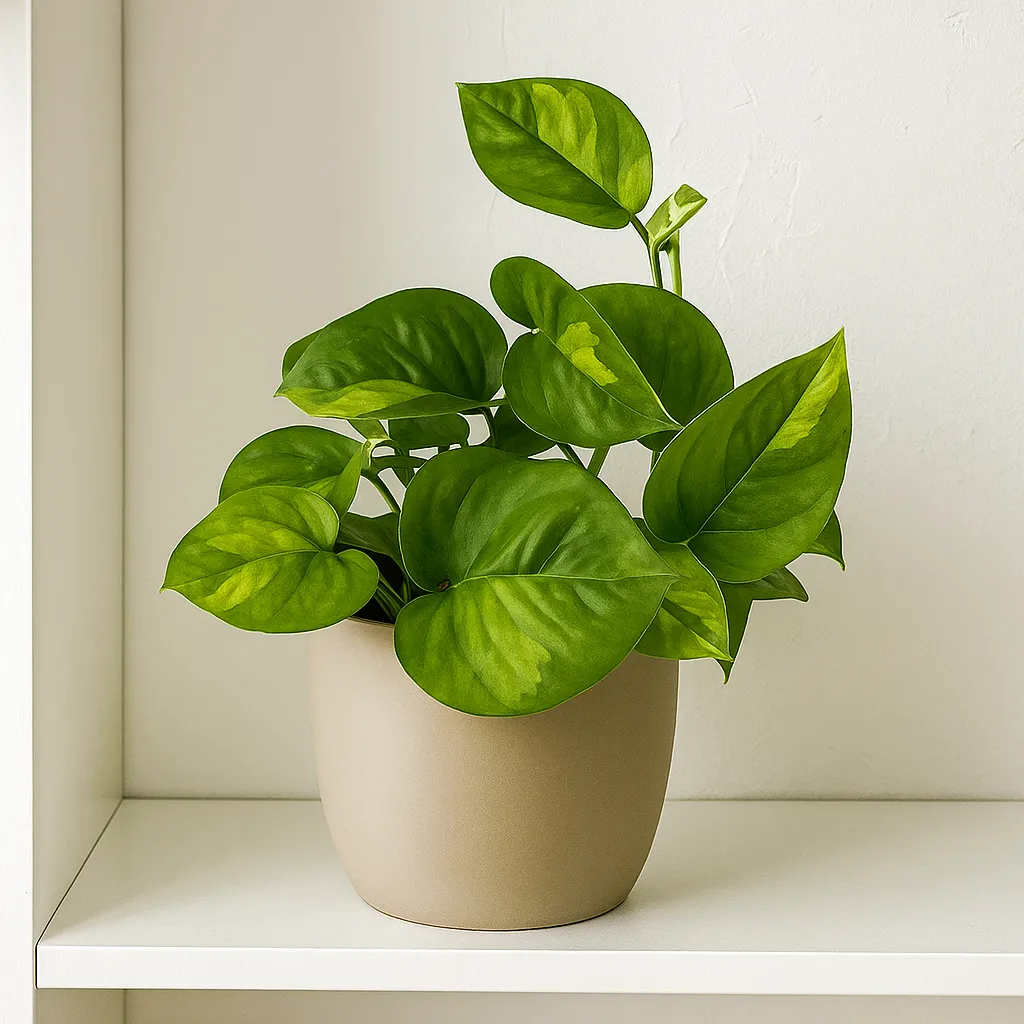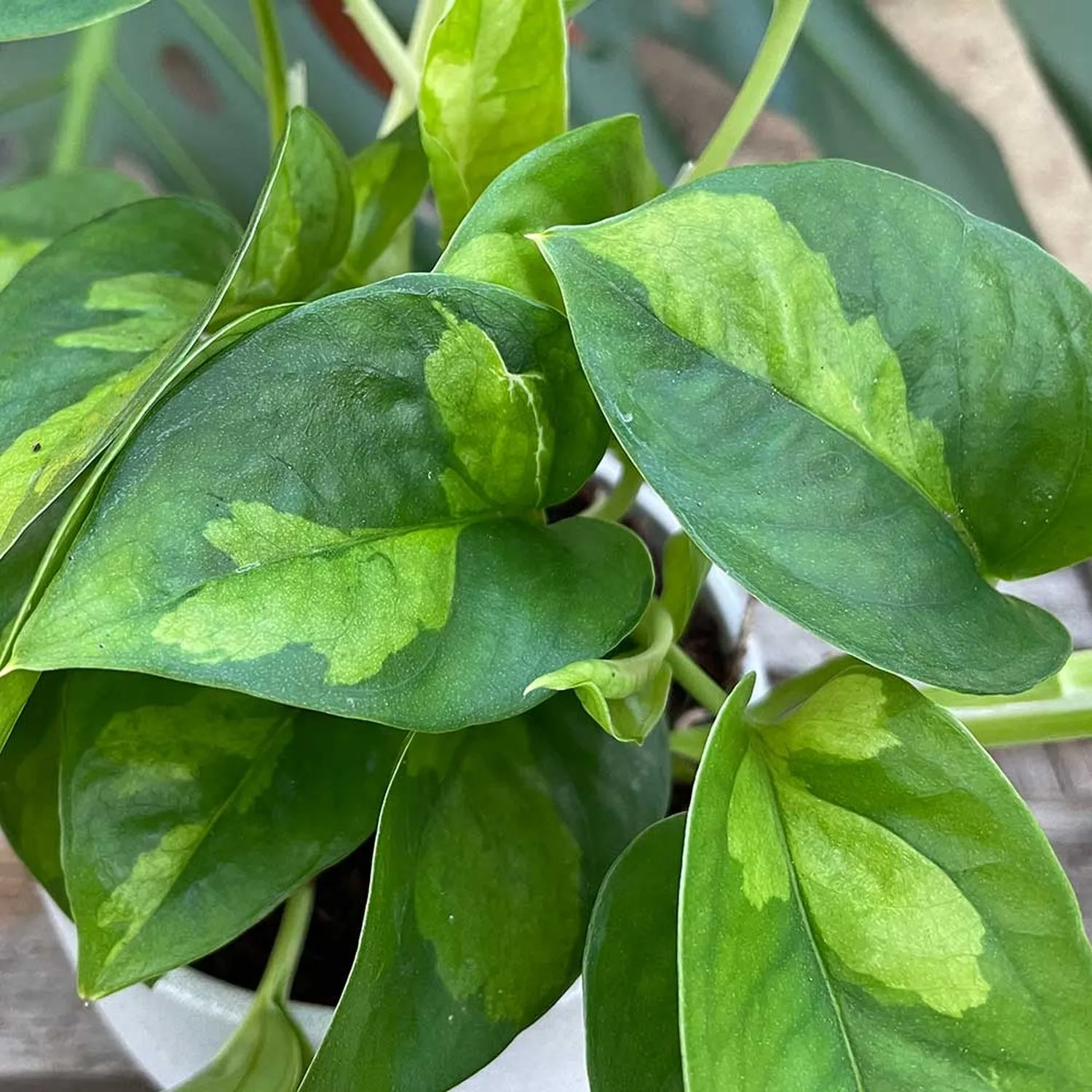
25 - 35cm Peperomia Obtusifolia USA 12cm Pot House Plant
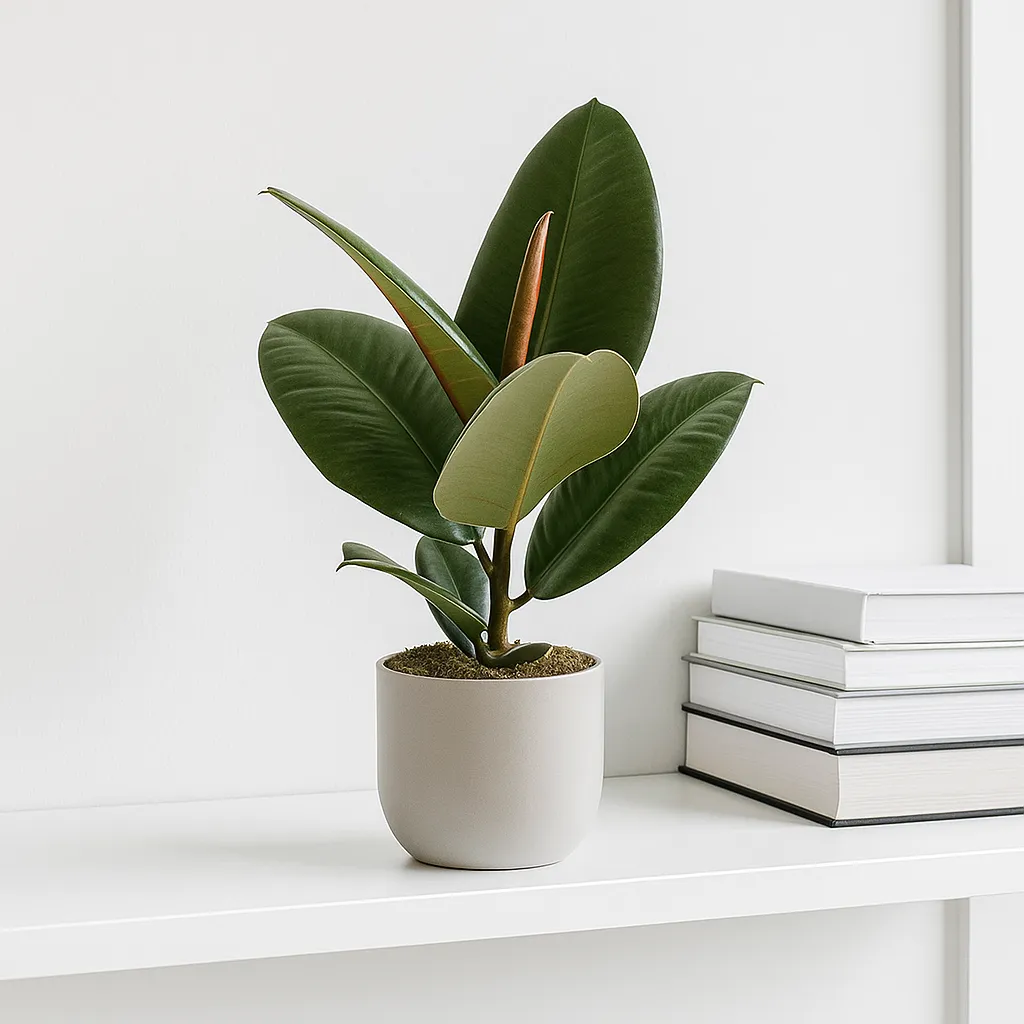
Peperomia obtusifolia, commonly known as the American Baby Rubber Plant, is a charming and robust tropical species admired for its thick, glossy leaves and compact growth habit. A member of the Piperaceae family, this variety originates from the tropical rainforests of Central and South America and is a favourite among collectors for its resilience, sculptural foliage, and easy-going nature.
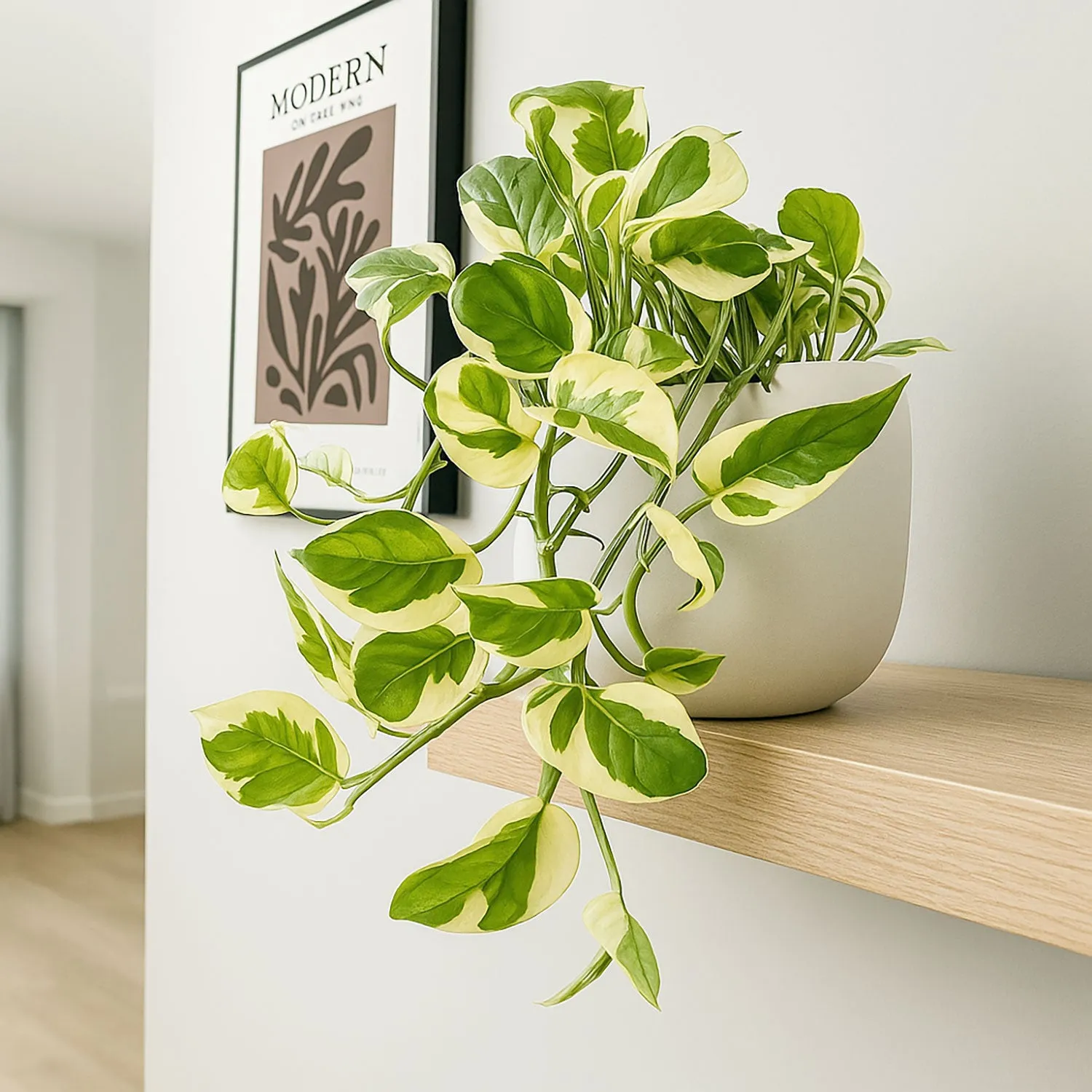
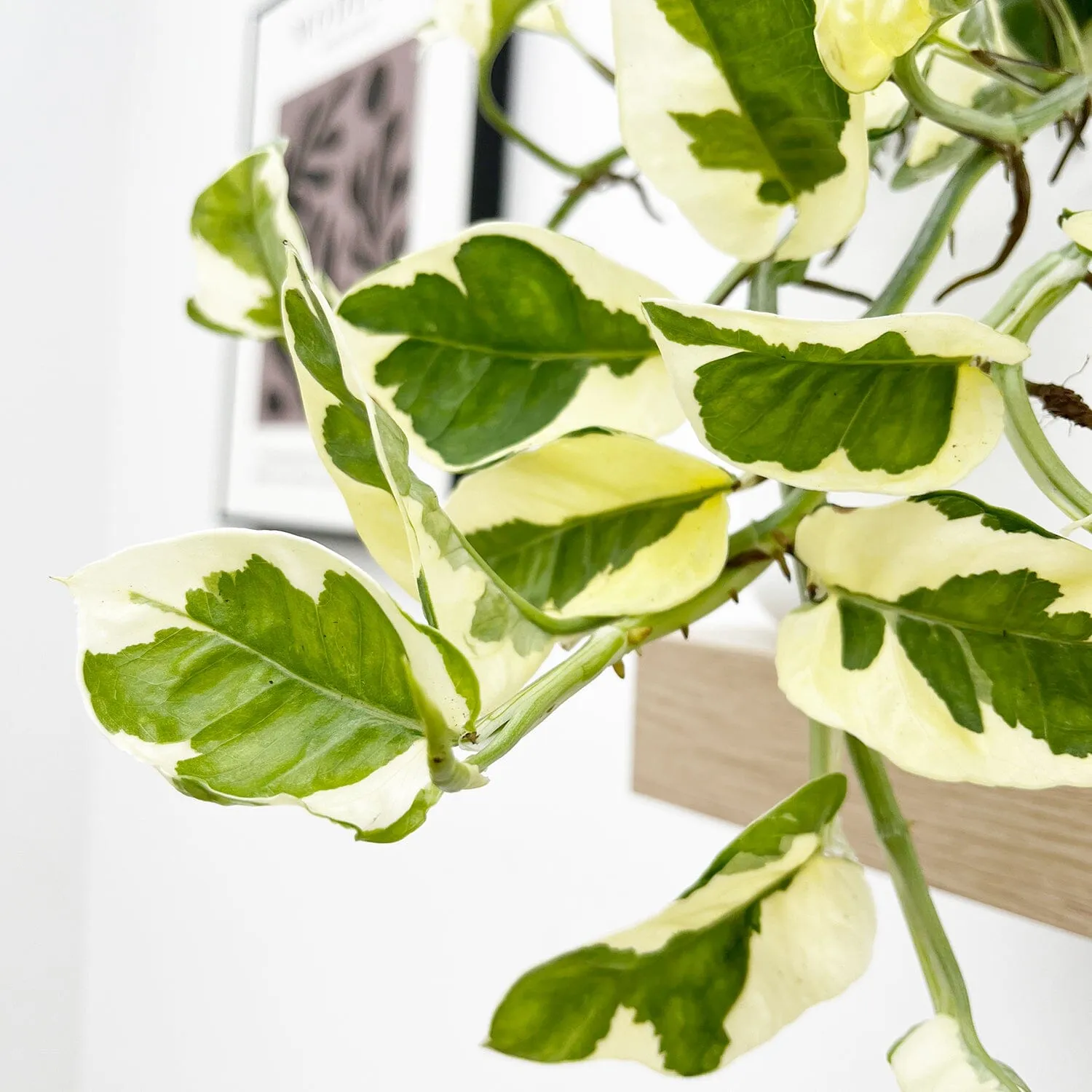
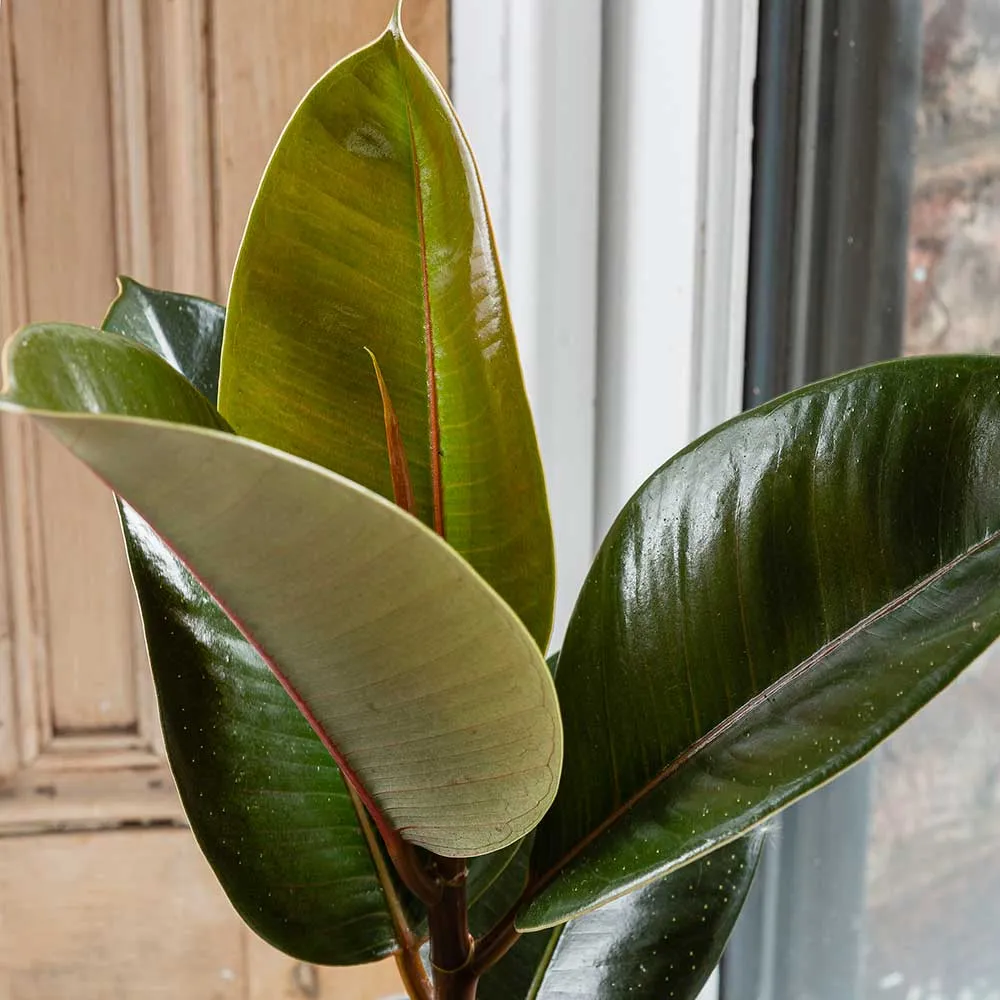
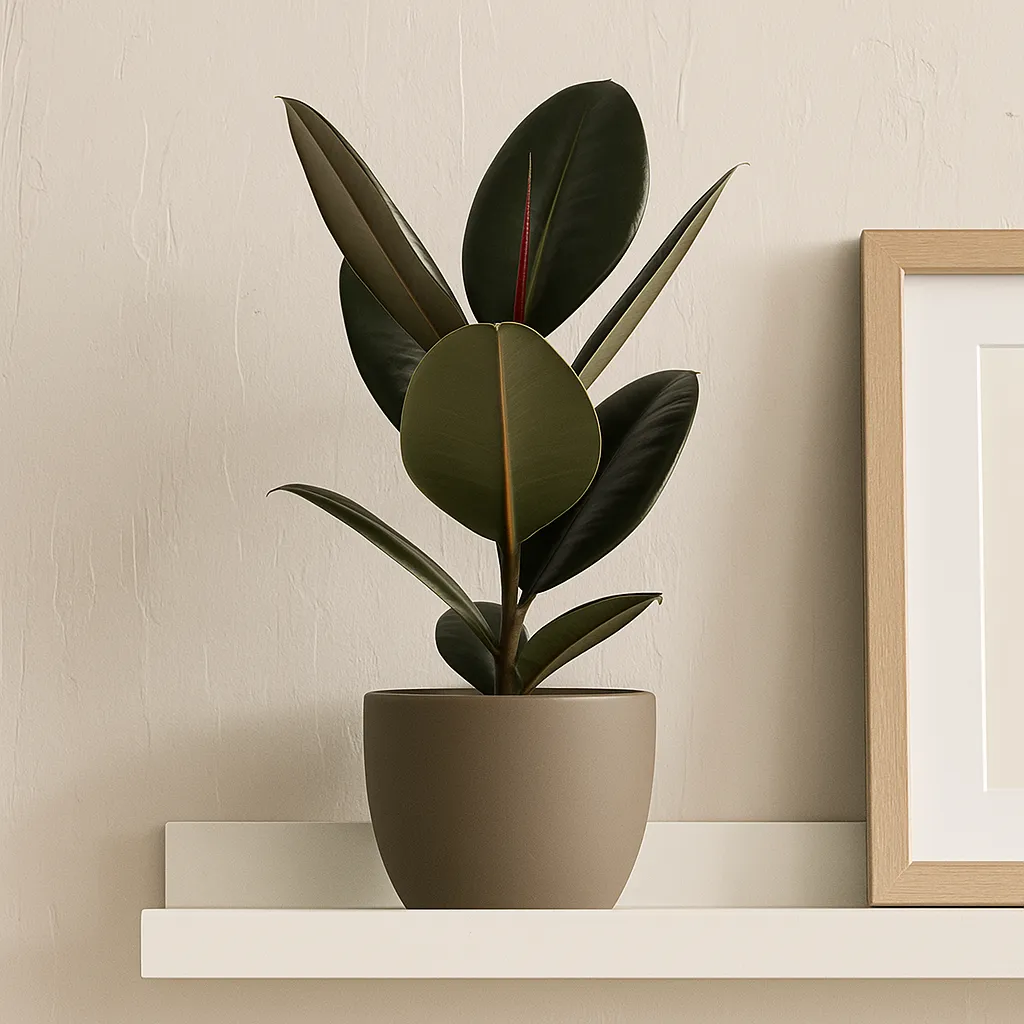
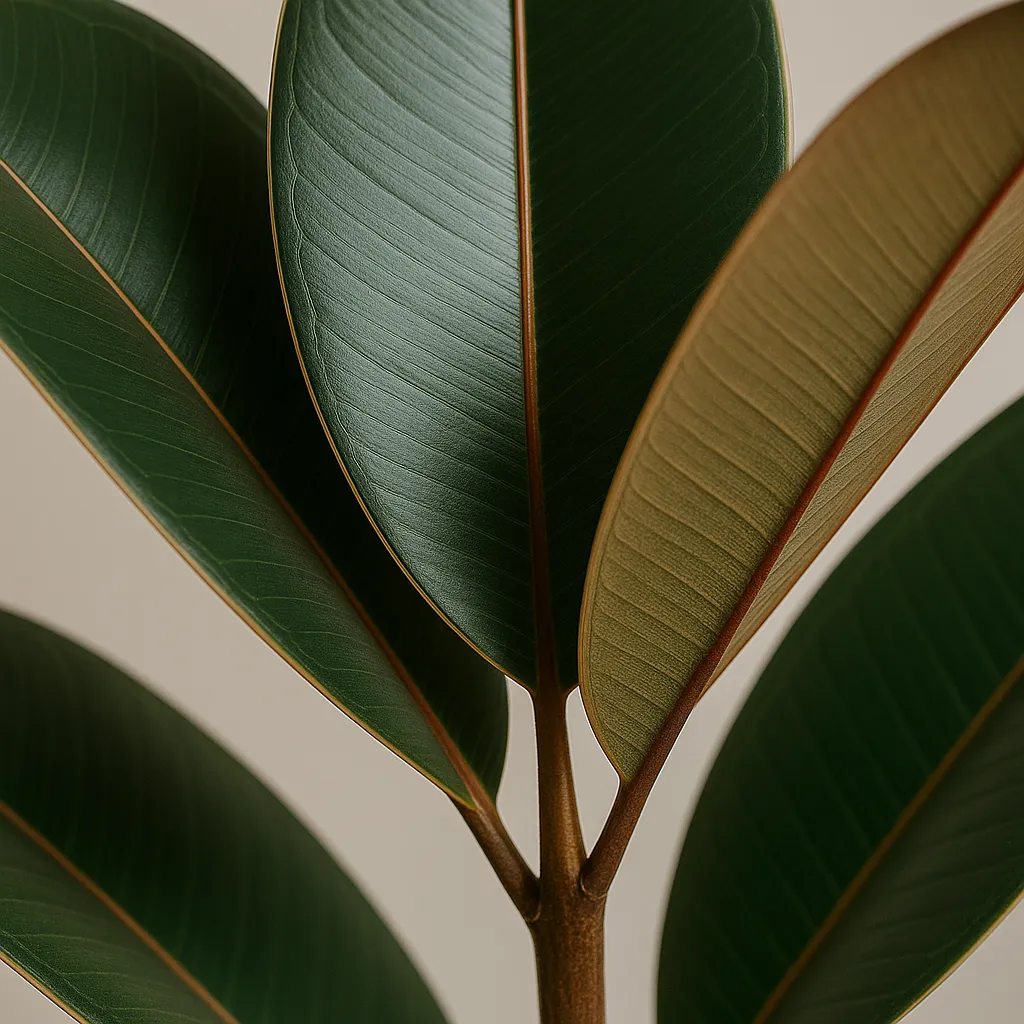
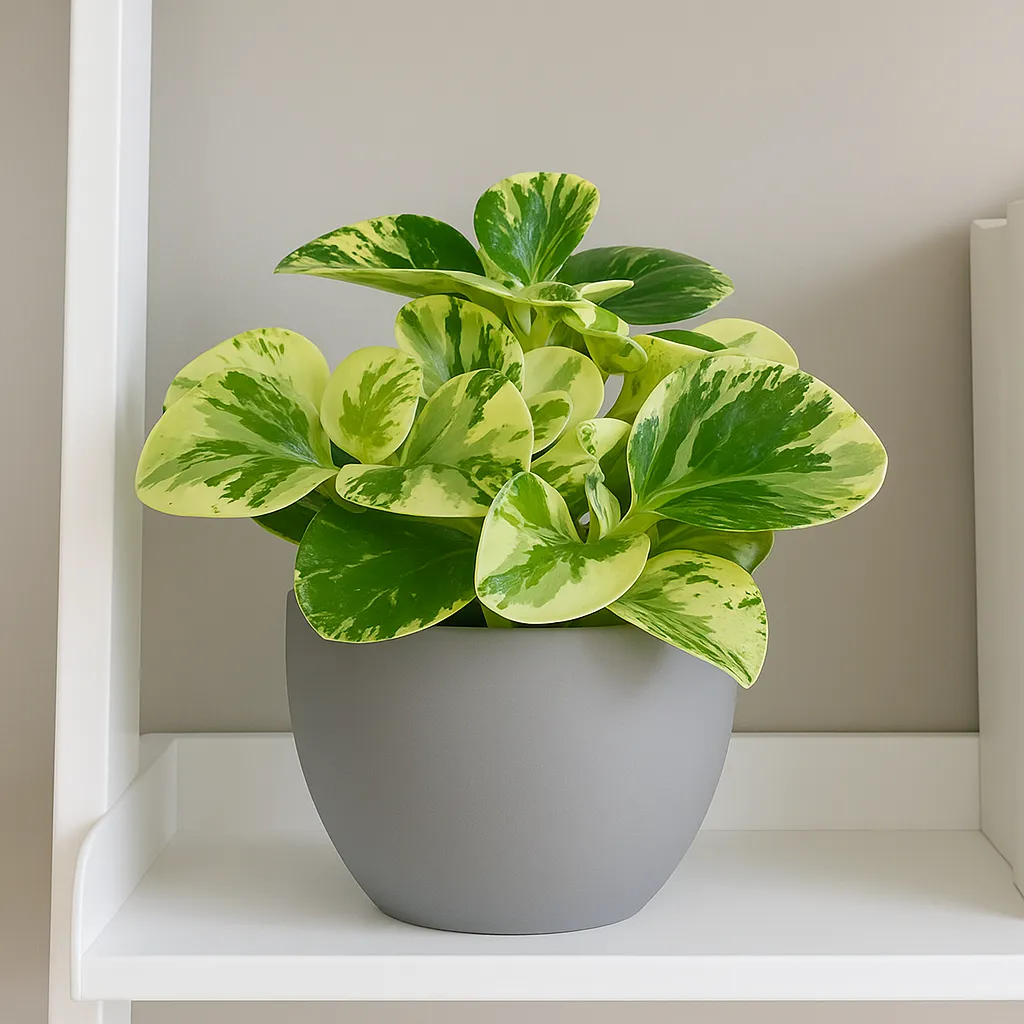
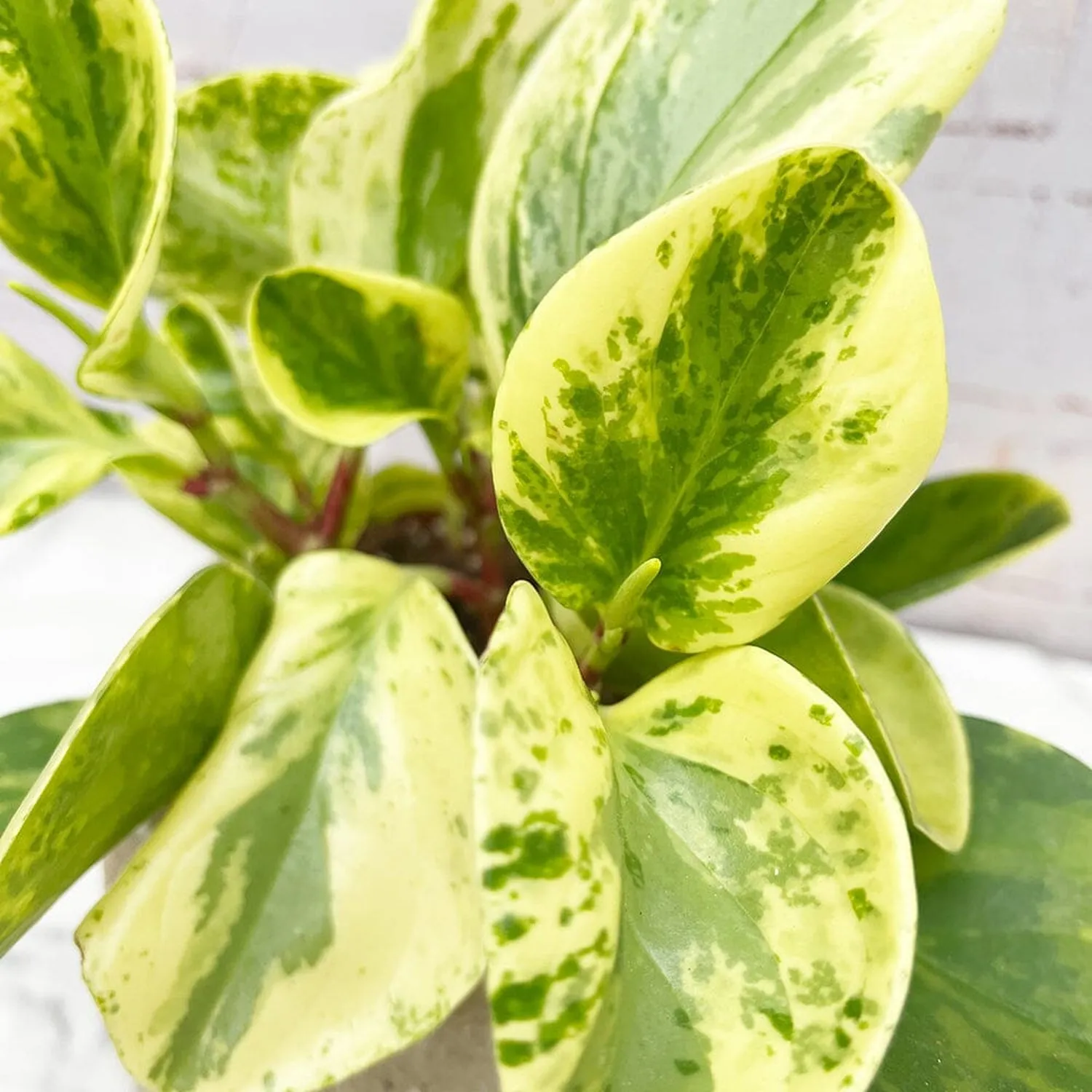
The leaves are oval to spoon-shaped, fleshy, and deep green, forming dense clusters along upright stems. The foliage has a waxy, almost succulent texture that reflects light beautifully, giving the plant a fresh, polished look. Over time, it develops a bushy, rounded shape — perfect for desktops, shelves, or grouped displays. Mature plants may also produce slender, tail-like flower spikes in soft green or cream, adding subtle interest to their glossy canopy.
Elegant, compact, and effortlessly low-maintenance, Peperomia obtusifolia (USA Form) brings a touch of tropical vibrancy and soft geometry to any interior space.
Peperomia obtusifolia (USA Form) – Care Guide
Light
Thrives in bright, indirect light, though it tolerates moderate or even slightly lower light conditions. Bright filtered light enhances the glossy leaf finish and encourages compact growth. Avoid direct sun, which may scorch or fade the foliage.
Watering
Allow the top 3–4 cm of soil to dry out between waterings. Water sparingly and ensure good drainage. As a semi-succulent species, Peperomia obtusifolia stores water in its thick leaves and stems, making it more tolerant of occasional drought than overwatering. In winter, water less frequently.
Temperature and Humidity
-
Temperature: Prefers warmth between 18–26 °C; avoid temperatures below 15 °C.
-
Humidity: Adapts well to average household humidity (40–60%). It thrives in slightly higher humidity but does not require misting unless the air is very dry.
Soil and Potting
Use a well-draining, light potting mix, such as standard soil blended with perlite and orchid bark. This prevents waterlogging and supports aeration around the roots. Repot every 2–3 years in spring, as Peperomia species prefer to be slightly root-bound.
Feeding
Feed every 6–8 weeks during spring and summer with a diluted, balanced fertiliser formulated for foliage plants. Avoid over-fertilising, as excess nutrients can harm the roots and cause dull leaves. Suspend feeding in autumn and winter when growth naturally slows.
Pruning and Maintenance
Prune to shape and remove any leggy growth or damaged leaves. Regular trimming encourages branching and maintains the plant’s compact form. Wipe leaves gently with a damp cloth to remove dust and accentuate their natural shine. Rotate the pot periodically to promote even growth.
Growth and Maturity
A slow to moderate grower, Peperomia obtusifolia (USA Form) typically reaches 25–40 cm in height and spread. With age, the stems become slightly woody at the base, giving the plant a mature, sculptural presence. Under ideal conditions, it can live for many years as a reliable, evergreen companion.
Common Issues
-
Yellowing leaves: Overwatering or poor drainage.
-
Drooping: Underwatering or sudden temperature changes.
-
Brown tips: Low humidity or over-fertilisation.
-
Pests: Occasionally mealybugs or fungus gnats; treat promptly with neem oil or insecticidal soap.
Background and Benefits
Native to the tropical understories of Central and South America, Peperomia obtusifolia thrives in shaded, humid environments, where it grows as a small epiphyte on trees and rotting wood. The USA Form is renowned for its slightly thicker leaves and robust growth, making it particularly well-suited to indoor cultivation.
In addition to its ornamental appeal, Peperomia obtusifolia is a non-toxic, air-purifying plant, helping to filter toxins and improve indoor air quality. Its compact size, resilience, and glossy foliage make it ideal for workspaces, apartments, and pet-friendly homes, blending tropical charm with practical elegance.
Quick Care Summary
Light: Bright, indirect light; tolerates medium to low light
Water: Allow top 3–4 cm of soil to dry between watering
Temperature: 18–26 °C; avoid below 15 °C
Humidity: Moderate (40–60%)
Soil: Well-draining mix – potting soil, perlite, bark
Feed: Every 6–8 weeks in spring/summer
Growth: Compact upright habit, 25–40 cm; thick, glossy green leaves with succulent-like texture
⚠️ Toxicity note: Non-toxic to humans and pets, making it a safe choice for all households.
Styling Tip
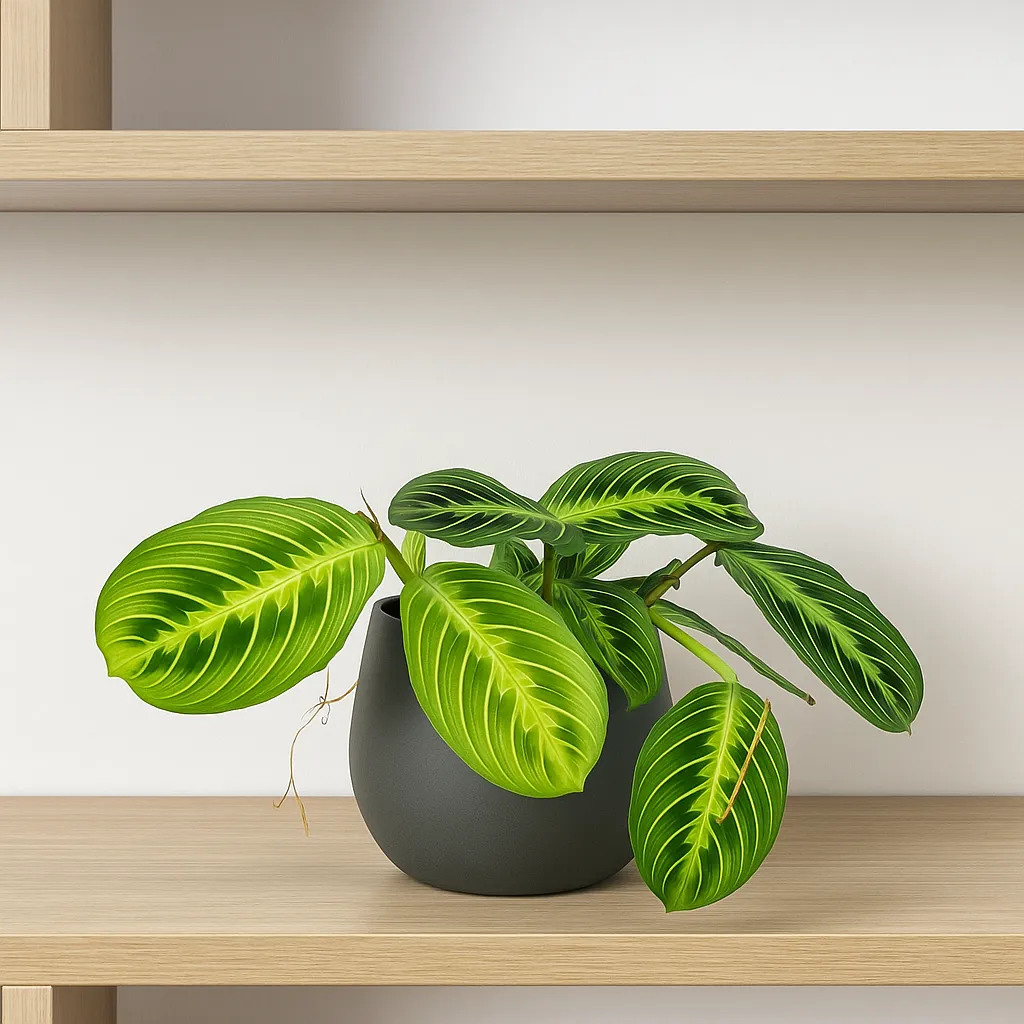
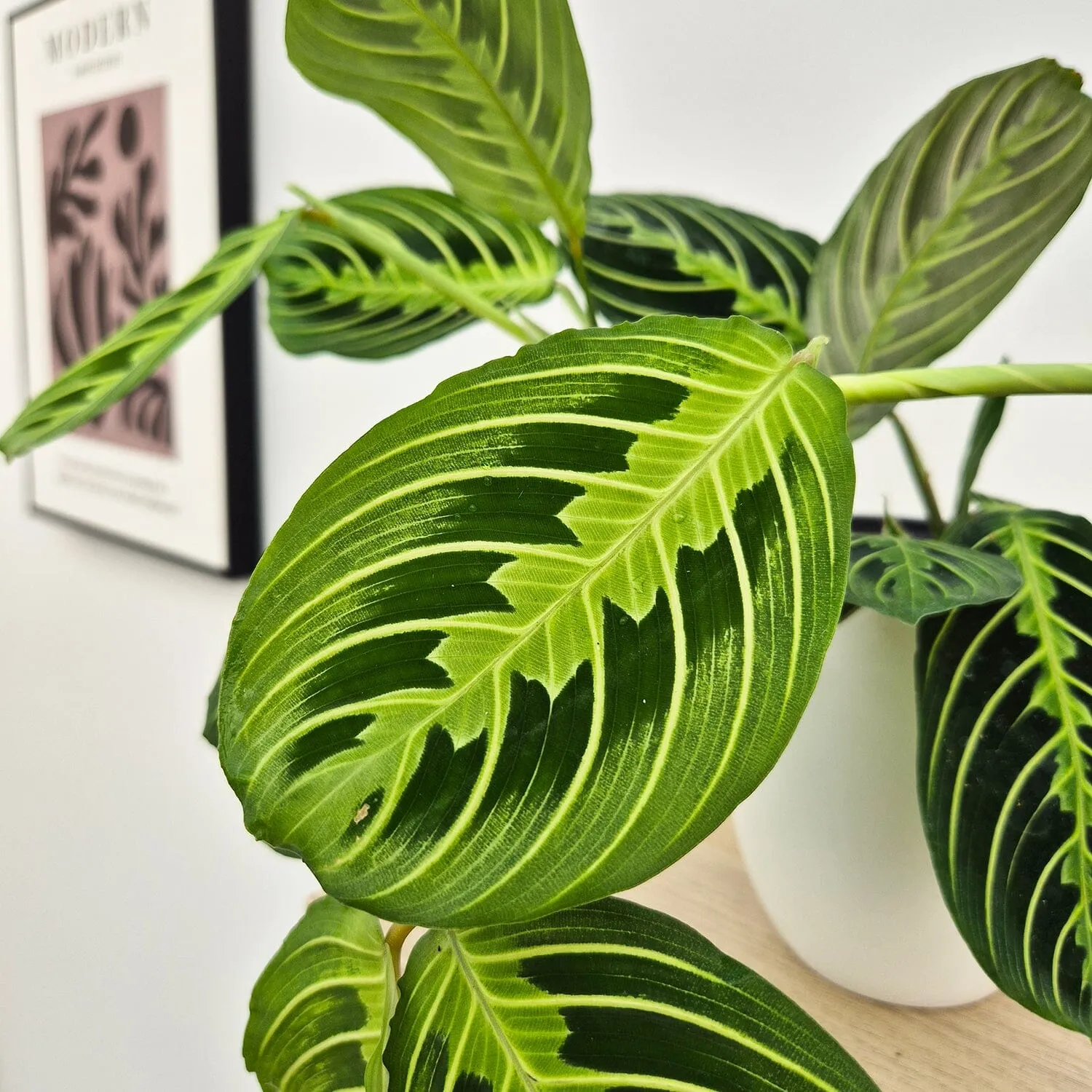
Display Peperomia obtusifolia (USA Form) in a matte ceramic or terracotta planter to complement its sculptural form and glossy leaves. It pairs beautifully with textured tropicals such as Calathea ‘Beauty Star’ or silver-toned foliage like Scindapsus pictus ‘Silver Hero’. Ideal for desktops, kitchen counters, or minimalist plant arrangements, this compact species adds a clean, modern touch of green that feels both calming and sophisticated.
Product Information
Product Information
Shipping & Returns
Shipping & Returns
Description
Peperomia obtusifolia, commonly known as the American Baby Rubber Plant, is a charming and robust tropical species admired for its thick, glossy leaves and compact growth habit. A member of the Piperaceae family, this variety originates from the tropical rainforests of Central and South America and is a favourite among collectors for its resilience, sculptural foliage, and easy-going nature.
The leaves are oval to spoon-shaped, fleshy, and deep green, forming dense clusters along upright stems. The foliage has a waxy, almost succulent texture that reflects light beautifully, giving the plant a fresh, polished look. Over time, it develops a bushy, rounded shape — perfect for desktops, shelves, or grouped displays. Mature plants may also produce slender, tail-like flower spikes in soft green or cream, adding subtle interest to their glossy canopy.
Elegant, compact, and effortlessly low-maintenance, Peperomia obtusifolia (USA Form) brings a touch of tropical vibrancy and soft geometry to any interior space.
Peperomia obtusifolia (USA Form) – Care Guide
Light
Thrives in bright, indirect light, though it tolerates moderate or even slightly lower light conditions. Bright filtered light enhances the glossy leaf finish and encourages compact growth. Avoid direct sun, which may scorch or fade the foliage.
Watering
Allow the top 3–4 cm of soil to dry out between waterings. Water sparingly and ensure good drainage. As a semi-succulent species, Peperomia obtusifolia stores water in its thick leaves and stems, making it more tolerant of occasional drought than overwatering. In winter, water less frequently.
Temperature and Humidity
-
Temperature: Prefers warmth between 18–26 °C; avoid temperatures below 15 °C.
-
Humidity: Adapts well to average household humidity (40–60%). It thrives in slightly higher humidity but does not require misting unless the air is very dry.
Soil and Potting
Use a well-draining, light potting mix, such as standard soil blended with perlite and orchid bark. This prevents waterlogging and supports aeration around the roots. Repot every 2–3 years in spring, as Peperomia species prefer to be slightly root-bound.
Feeding
Feed every 6–8 weeks during spring and summer with a diluted, balanced fertiliser formulated for foliage plants. Avoid over-fertilising, as excess nutrients can harm the roots and cause dull leaves. Suspend feeding in autumn and winter when growth naturally slows.
Pruning and Maintenance
Prune to shape and remove any leggy growth or damaged leaves. Regular trimming encourages branching and maintains the plant’s compact form. Wipe leaves gently with a damp cloth to remove dust and accentuate their natural shine. Rotate the pot periodically to promote even growth.
Growth and Maturity
A slow to moderate grower, Peperomia obtusifolia (USA Form) typically reaches 25–40 cm in height and spread. With age, the stems become slightly woody at the base, giving the plant a mature, sculptural presence. Under ideal conditions, it can live for many years as a reliable, evergreen companion.
Common Issues
-
Yellowing leaves: Overwatering or poor drainage.
-
Drooping: Underwatering or sudden temperature changes.
-
Brown tips: Low humidity or over-fertilisation.
-
Pests: Occasionally mealybugs or fungus gnats; treat promptly with neem oil or insecticidal soap.
Background and Benefits
Native to the tropical understories of Central and South America, Peperomia obtusifolia thrives in shaded, humid environments, where it grows as a small epiphyte on trees and rotting wood. The USA Form is renowned for its slightly thicker leaves and robust growth, making it particularly well-suited to indoor cultivation.
In addition to its ornamental appeal, Peperomia obtusifolia is a non-toxic, air-purifying plant, helping to filter toxins and improve indoor air quality. Its compact size, resilience, and glossy foliage make it ideal for workspaces, apartments, and pet-friendly homes, blending tropical charm with practical elegance.
Quick Care Summary
Light: Bright, indirect light; tolerates medium to low light
Water: Allow top 3–4 cm of soil to dry between watering
Temperature: 18–26 °C; avoid below 15 °C
Humidity: Moderate (40–60%)
Soil: Well-draining mix – potting soil, perlite, bark
Feed: Every 6–8 weeks in spring/summer
Growth: Compact upright habit, 25–40 cm; thick, glossy green leaves with succulent-like texture
⚠️ Toxicity note: Non-toxic to humans and pets, making it a safe choice for all households.
Styling Tip
Display Peperomia obtusifolia (USA Form) in a matte ceramic or terracotta planter to complement its sculptural form and glossy leaves. It pairs beautifully with textured tropicals such as Calathea ‘Beauty Star’ or silver-toned foliage like Scindapsus pictus ‘Silver Hero’. Ideal for desktops, kitchen counters, or minimalist plant arrangements, this compact species adds a clean, modern touch of green that feels both calming and sophisticated.