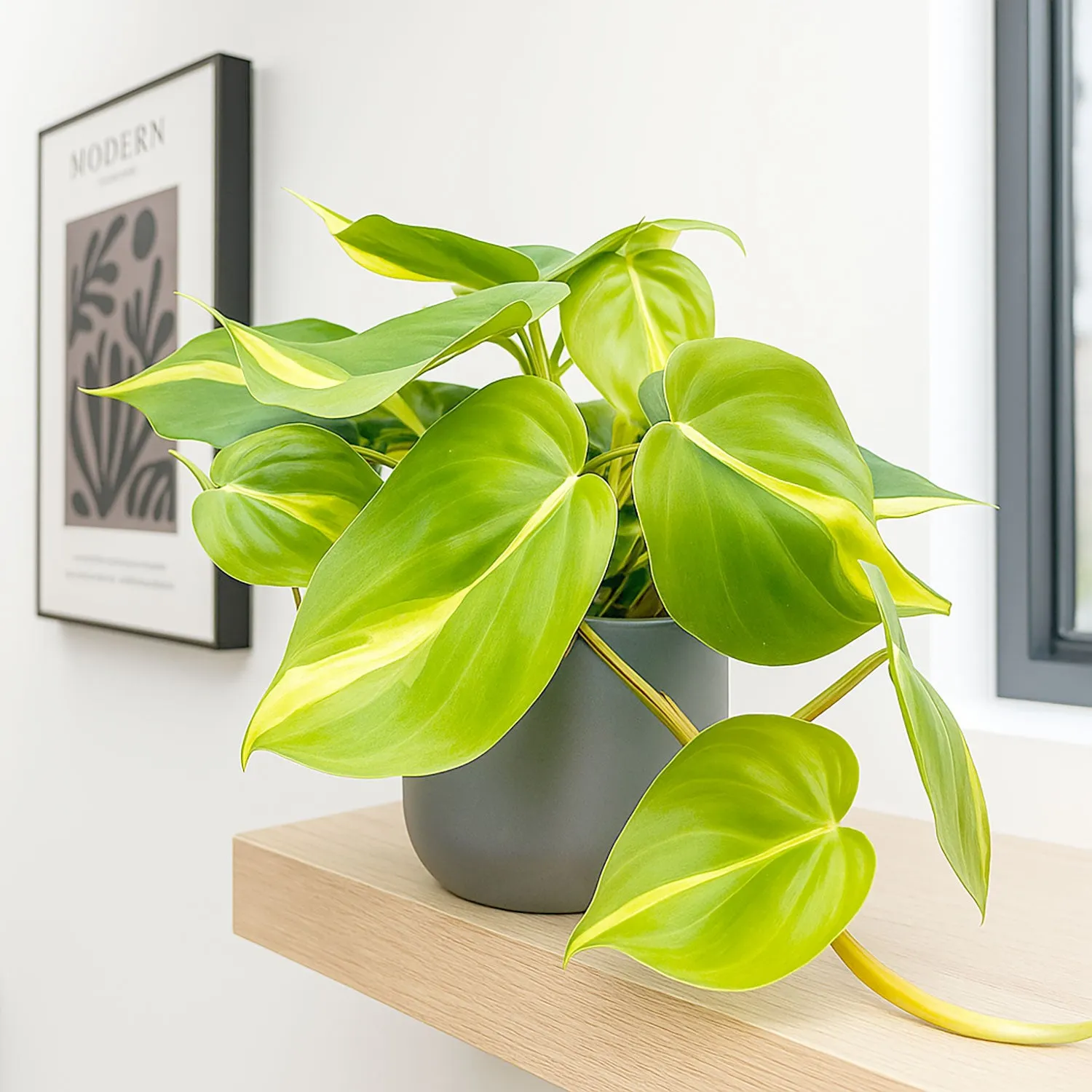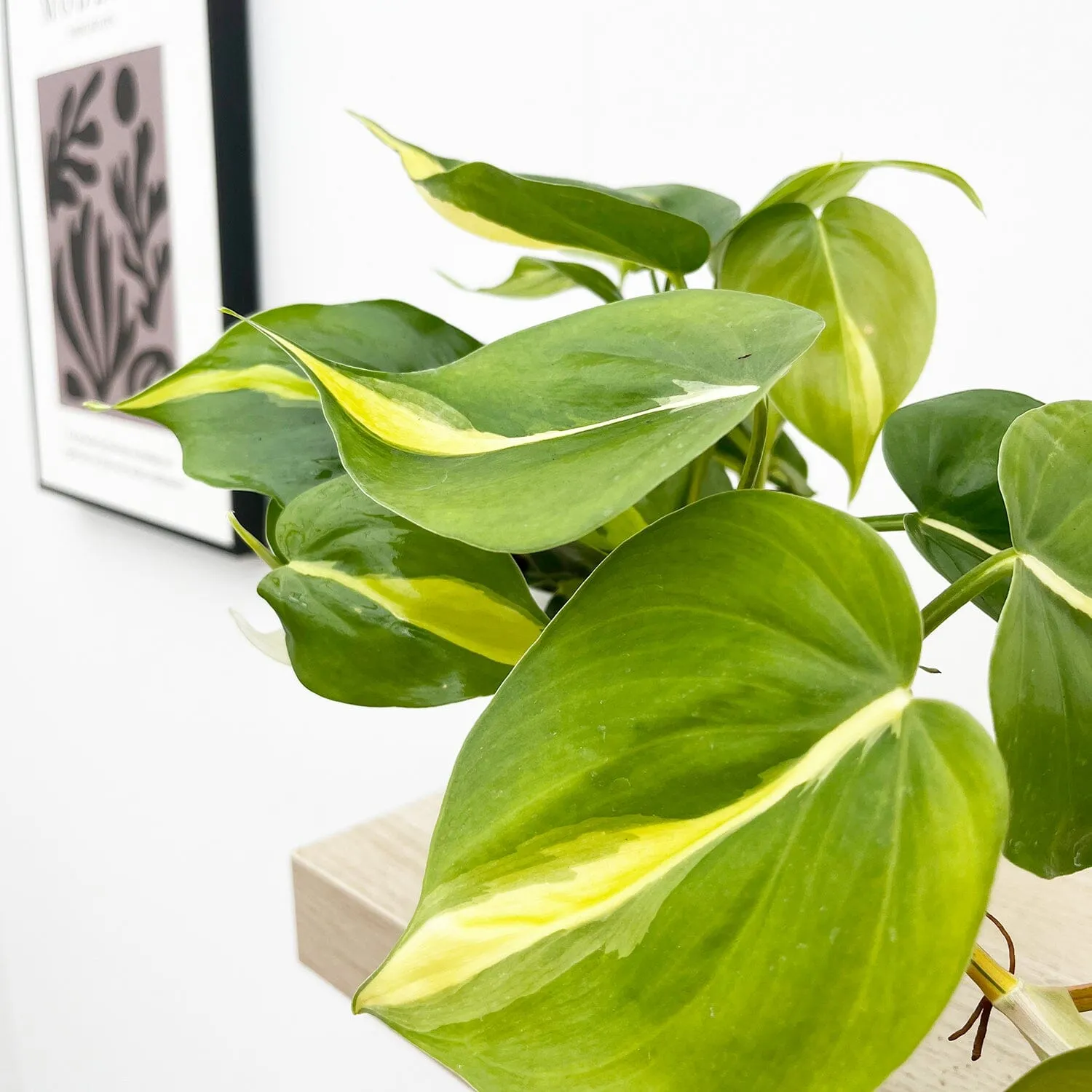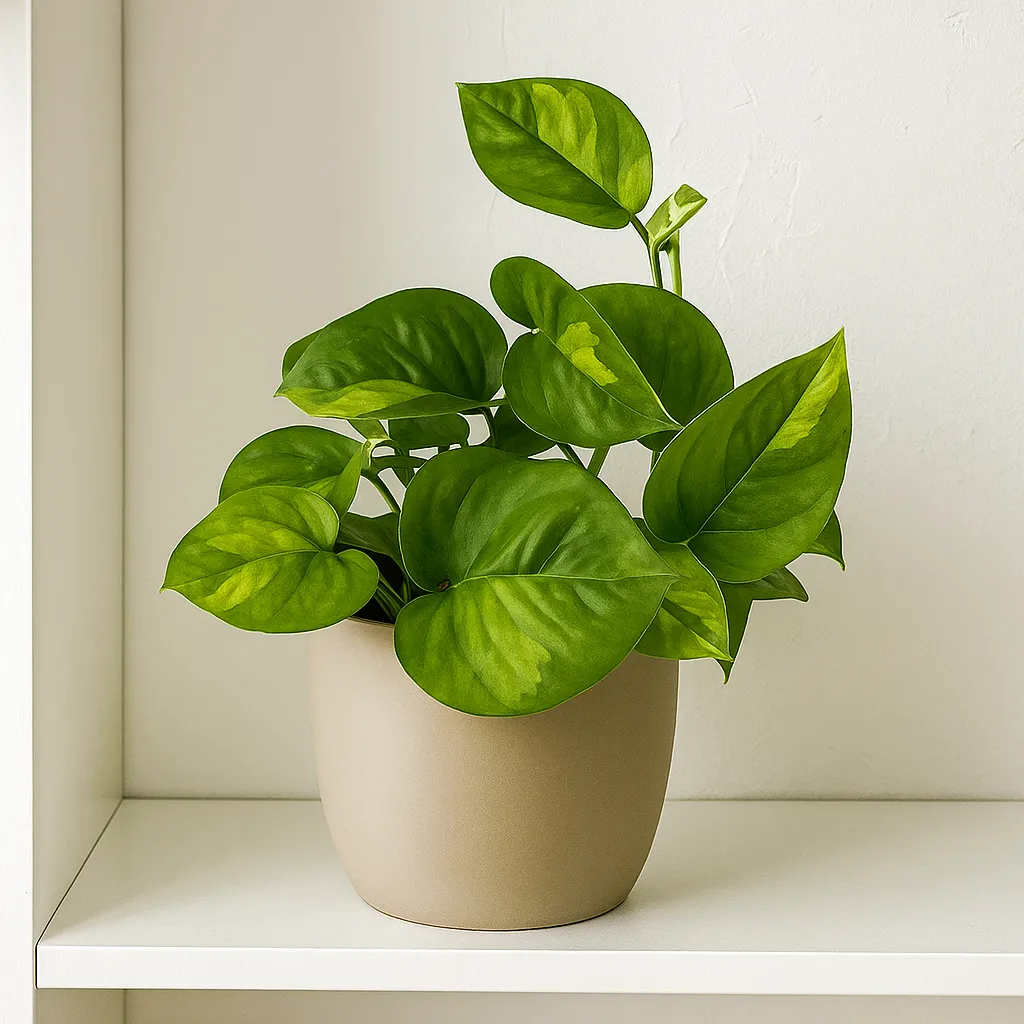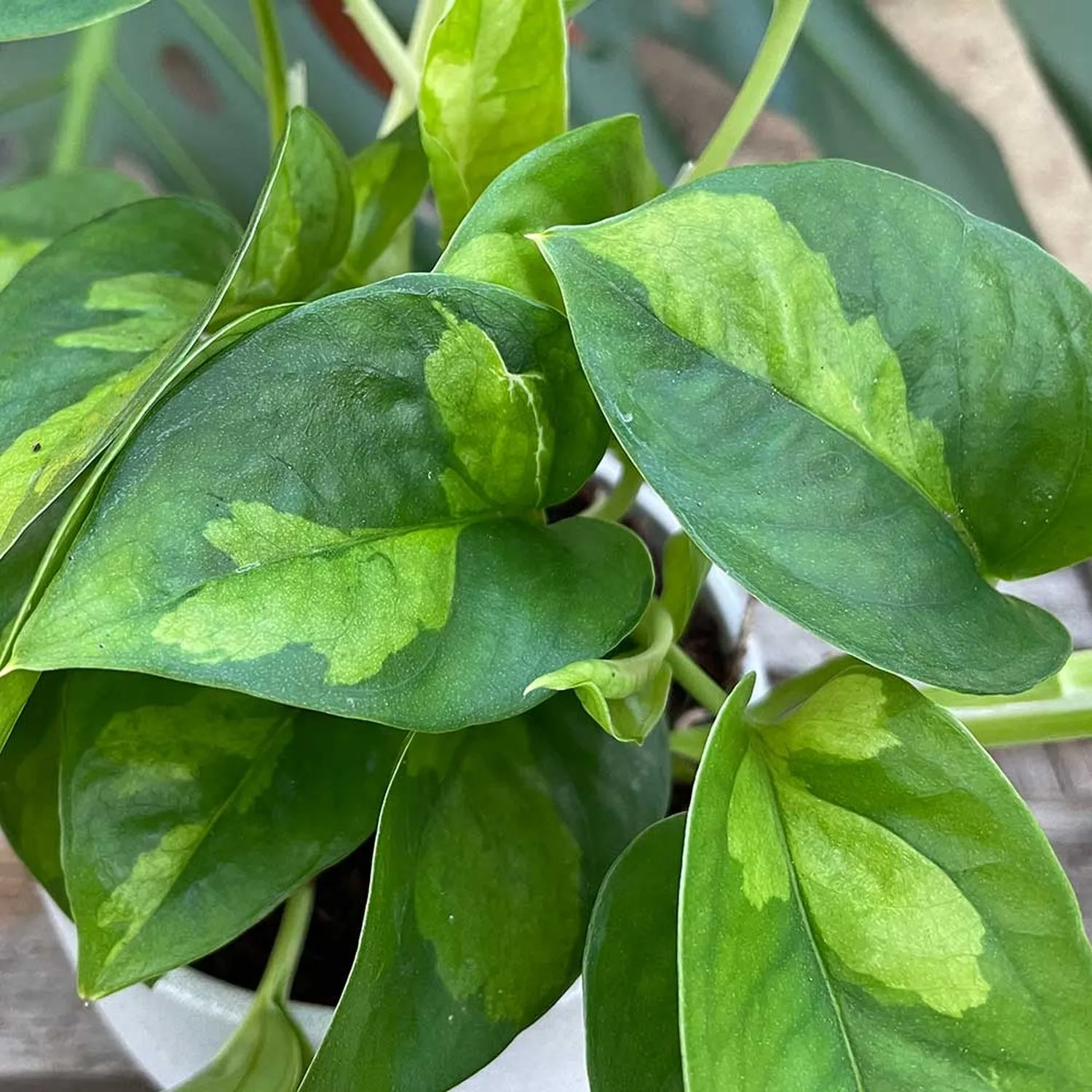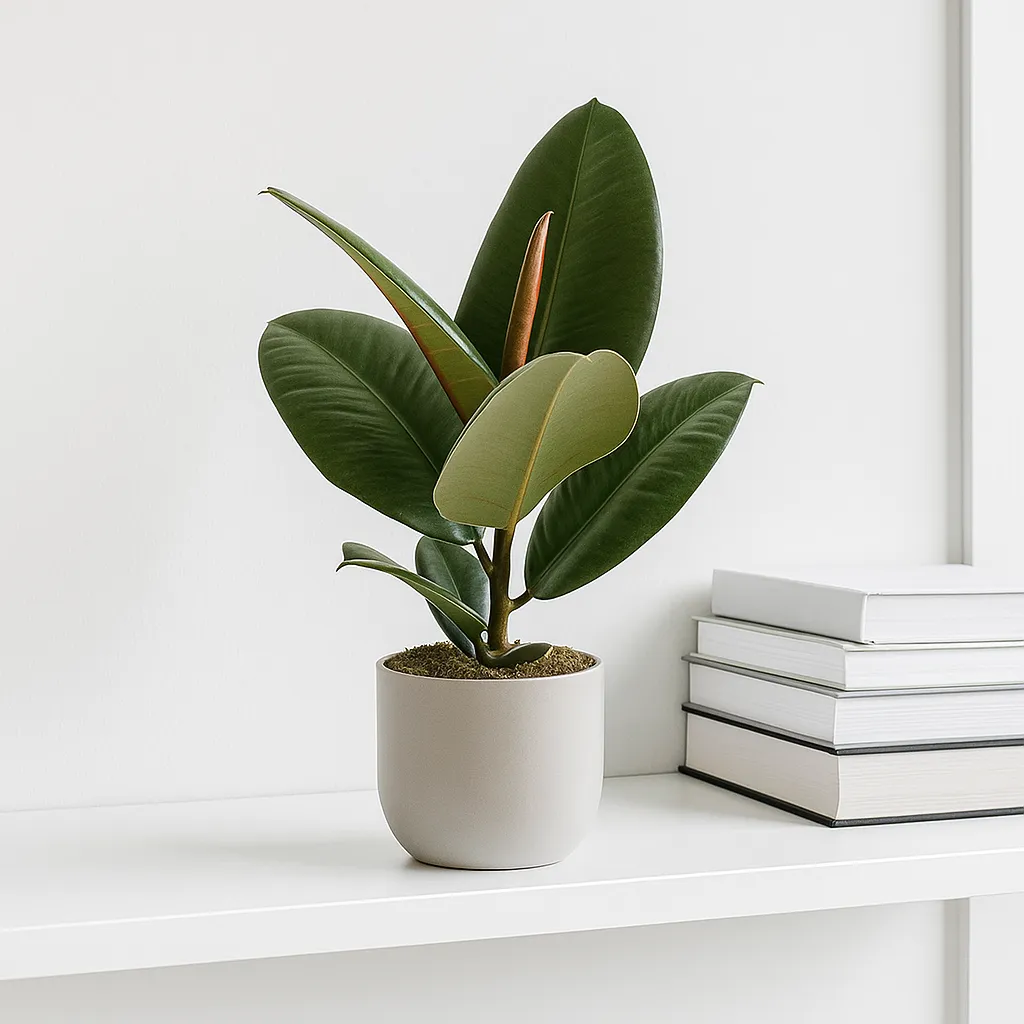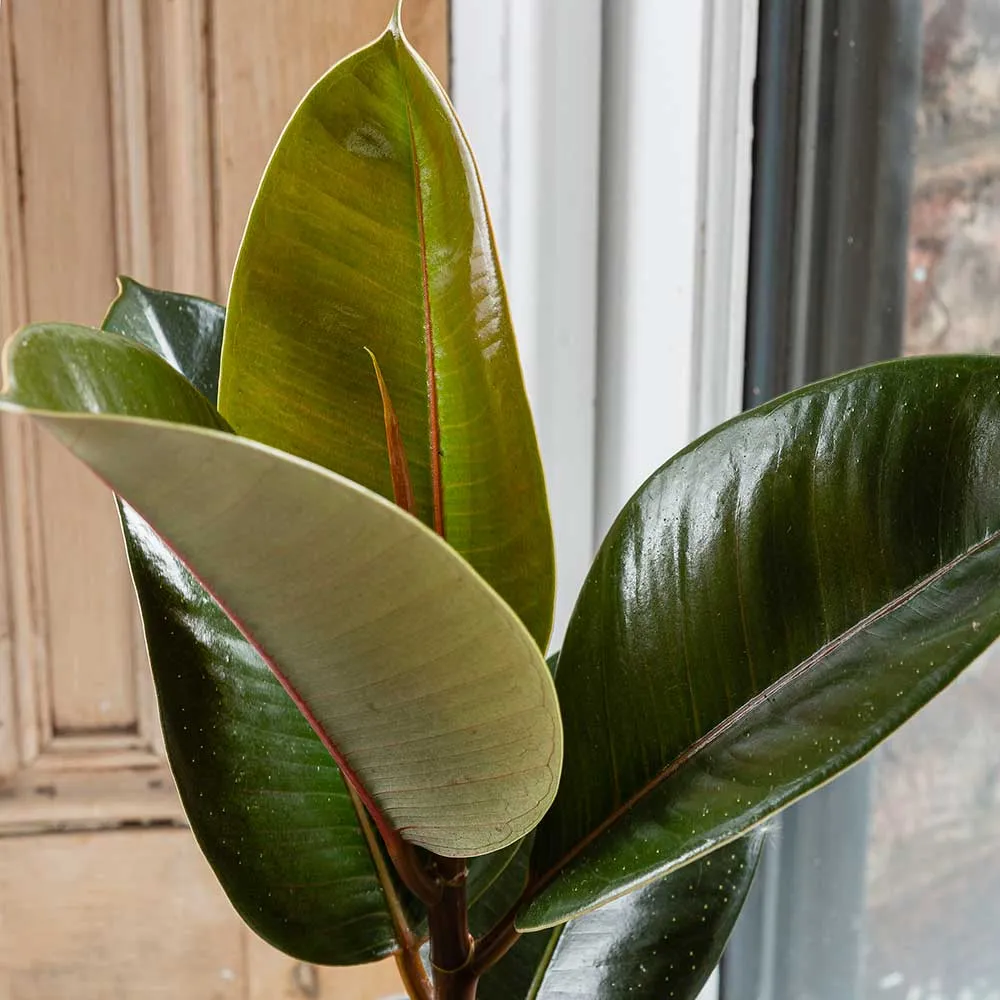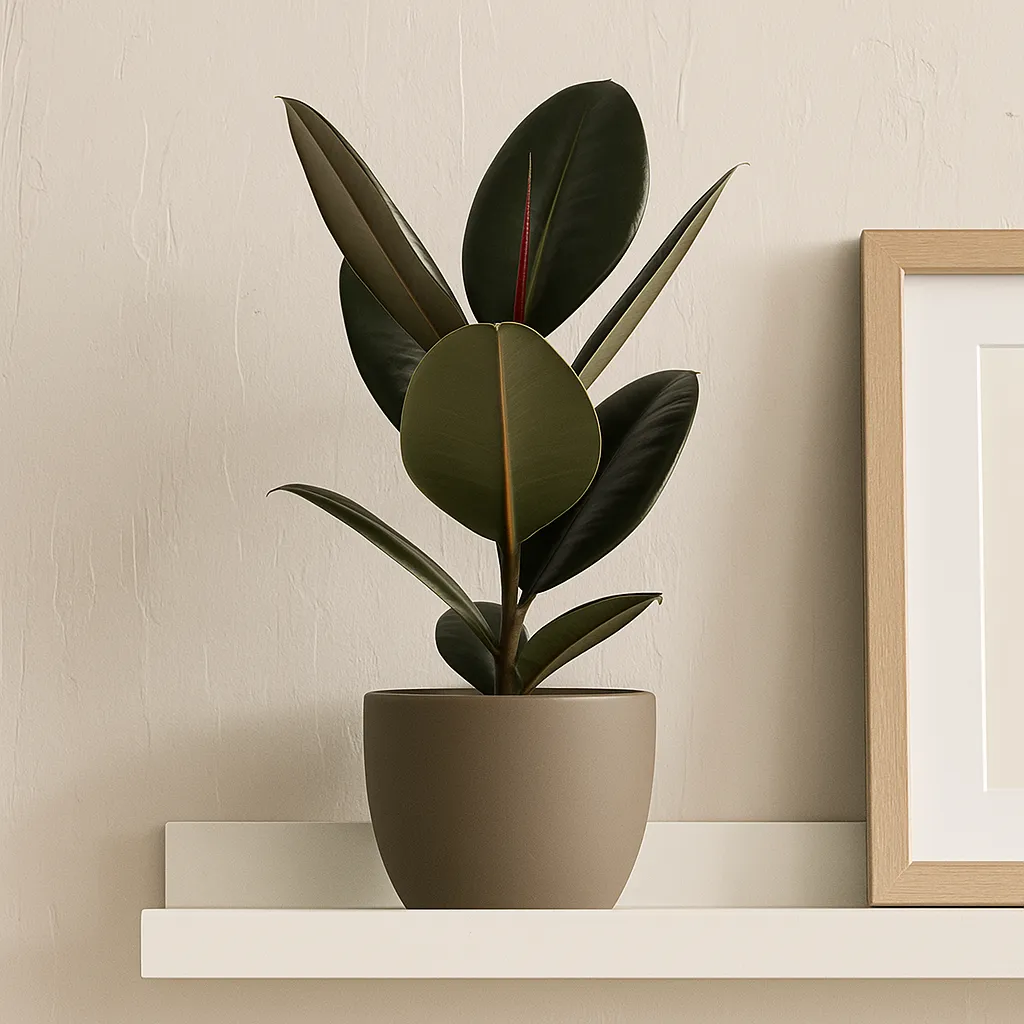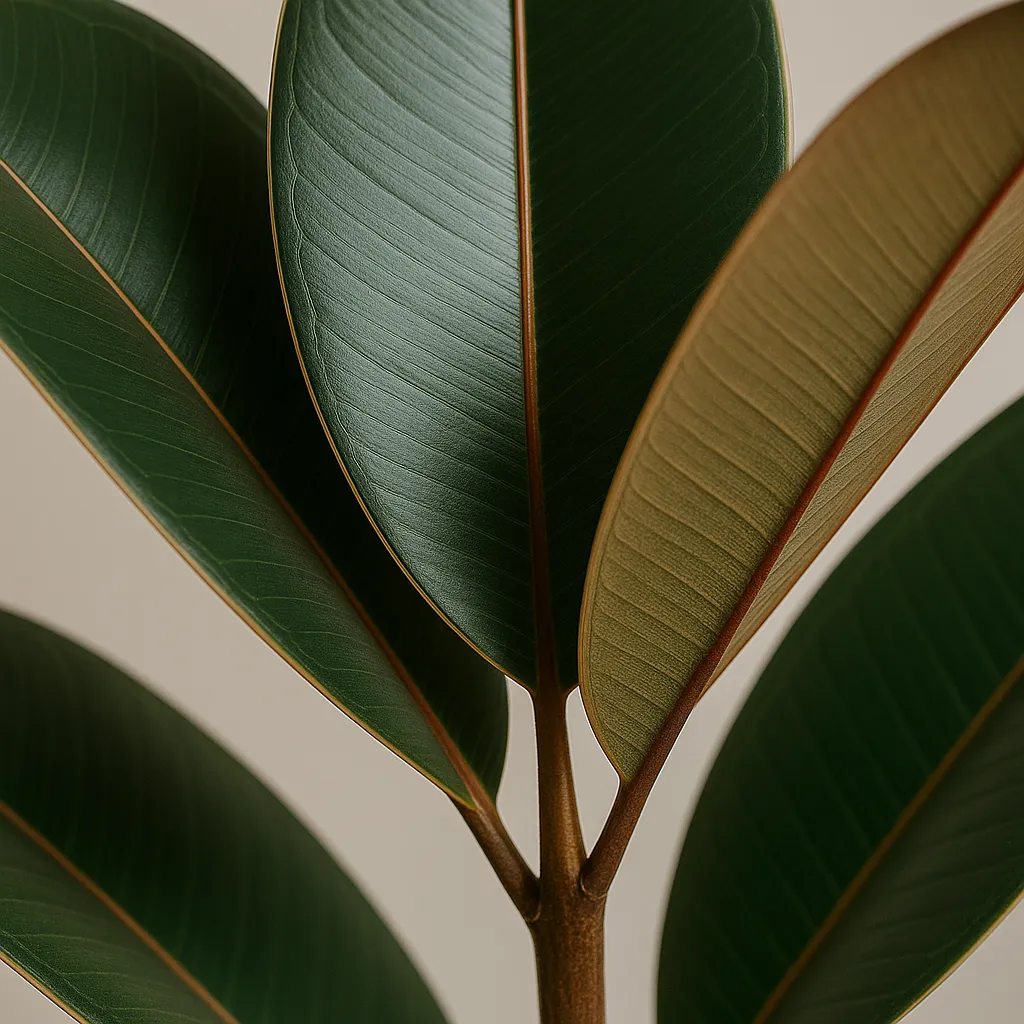
10 - 15cm Peperomia Pixie Variegated Radiator Plant 8cm Pot House Plant
Peperomia orba ‘Pixie Variegata’ is a delightful miniature houseplant prized for its compact size, glossy leaves, and soft cream variegation. A member of the Piperaceae family and native to Central and South America, this cultivar is one of the most charming Peperomias available — offering all the beauty of tropical foliage in a tiny, easy-care form.
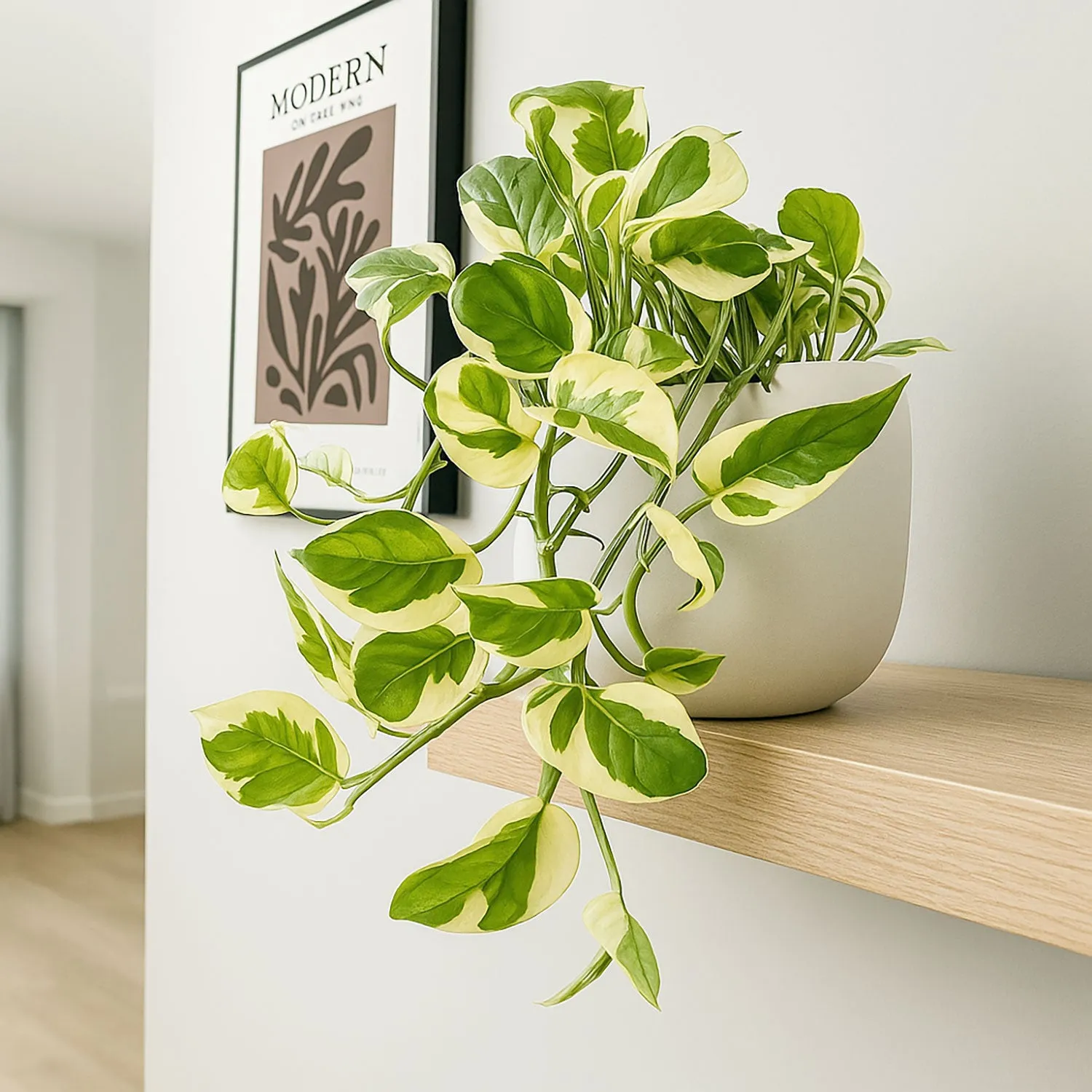
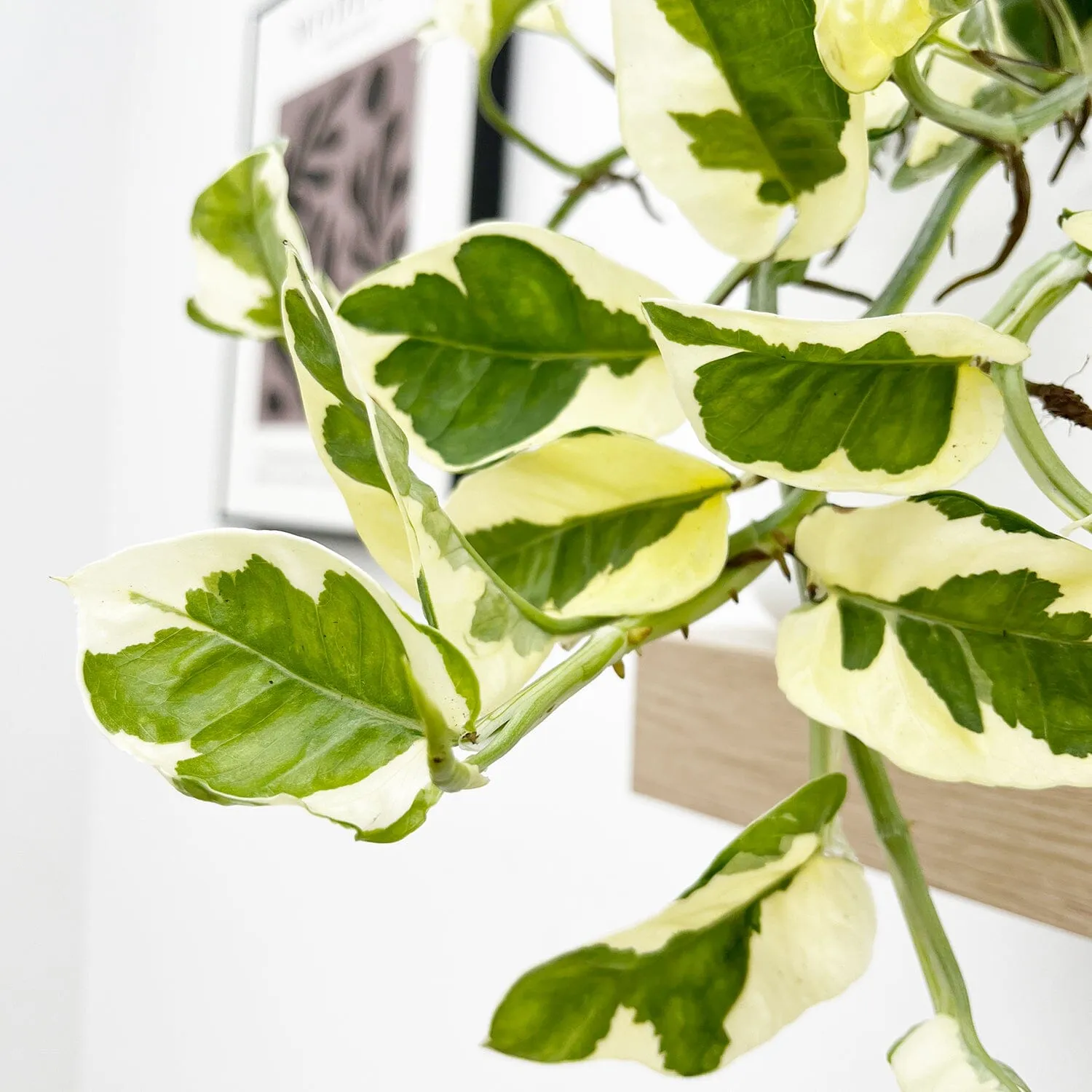
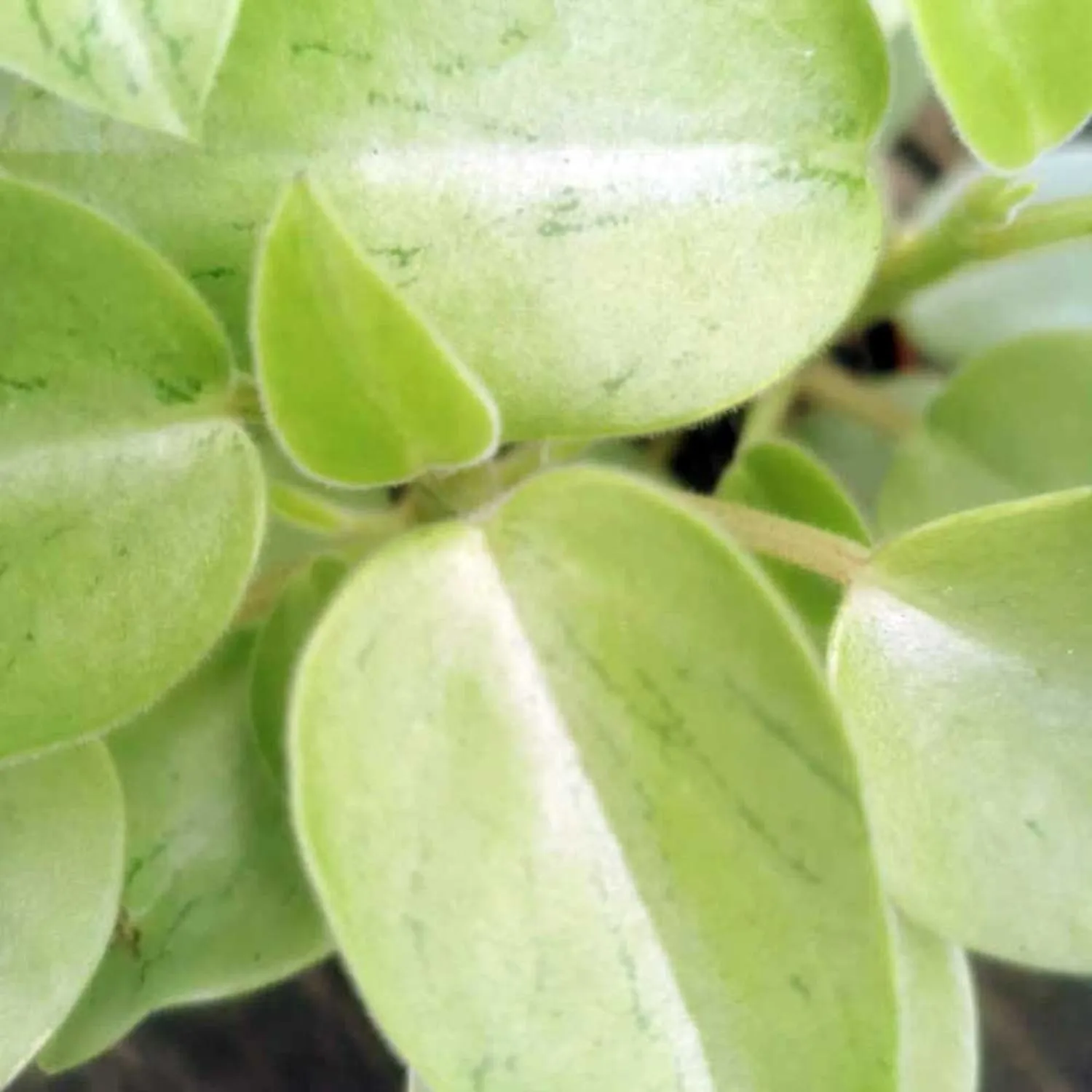
The leaves are small, thick, and slightly cupped, showcasing a mottled blend of green, cream, and soft yellow along their smooth, rounded surfaces. The variegation appears in irregular splashes, giving each leaf a unique marbled effect. Its low, mounding growth habit and delicate texture make it ideal for tabletops, terrariums, or bright windowsills where its subtle elegance can be appreciated up close.
Compact, cheerful, and wonderfully low maintenance, Peperomia ‘Pixie Variegata’ is a perfect choice for collectors and indoor plant lovers seeking a refined yet easy-to-grow accent plant.
Peperomia orba ‘Pixie Variegata’ – Care Guide
Light
Thrives in bright, indirect light. It will tolerate medium light, but brighter conditions bring out the most vivid variegation. Avoid harsh direct sunlight, which can scorch or bleach the pale portions of the leaves. East-facing windows or filtered southern exposure are ideal.
Watering
Allow the soil to dry out partially between waterings. Water thoroughly when the top 2–3 cm feels dry, ensuring excess water drains freely. As a semi-succulent, Peperomia stores moisture in its leaves and is more tolerant of underwatering than overwatering. In winter, water sparingly.
Temperature and Humidity
-
Temperature: Prefers 18–26 °C; avoid temperatures below 15 °C and cold draughts.
-
Humidity: Adapts well to average indoor humidity (40–60%). Higher humidity encourages lush growth, but overly damp conditions should be avoided.
Soil and Potting
Use a light, well-draining mix such as equal parts peat or coco coir, perlite, and orchid bark. A succulent or aroid mix also works well. The goal is a substrate that retains light moisture but never becomes compact or soggy. Repot every 2–3 years or when the plant becomes root-bound.
Feeding
Feed every 6–8 weeks in spring and summer with a diluted, balanced fertiliser formulated for houseplants. Over-fertilising can lead to leaf discolouration, so apply sparingly. Suspend feeding during autumn and winter.
Pruning and Maintenance
Trim leggy or elongated stems to maintain a compact shape and encourage branching. Wipe leaves gently with a soft, damp cloth to remove dust and highlight their glossy surface. Dead or faded leaves can be removed at the base to keep the plant tidy.
Growth and Maturity
A slow to moderate grower, Peperomia orba ‘Pixie Variegata’ typically reaches 15–20 cm in height and spread. Its neat, mounding growth makes it an excellent choice for small planters, dish gardens, or terrarium settings. In ideal conditions, it may produce tiny, greenish-white flower spikes — a subtle accent to its ornamental foliage.
Common Issues
-
Yellow leaves: Overwatering or poor drainage.
-
Faded colour: Low light or nutrient deficiency.
-
Wrinkled leaves: Underwatering.
-
Pests: Occasionally mealybugs or fungus gnats; treat promptly with neem oil or insecticidal soap.
Background and Benefits
Peperomia orba is native to tropical rainforests of Central and South America, where it grows in the understory as an epiphyte, thriving in filtered light and airy, organic soils. The ‘Pixie Variegata’ cultivar was bred for its compact form and creamy leaf patterning, making it one of the most decorative and collectable varieties in the Peperomia family.
Like all Peperomias, it is a low-maintenance and air-purifying houseplant, helping to remove toxins from the air while requiring very little attention. Its small stature and soft variegation make it ideal for bright offices, shelves, and living spaces where understated tropical beauty is appreciated.
Quick Care Summary
Light: Bright, indirect light; tolerates medium light
Water: Allow top 2–3 cm of soil to dry before watering
Temperature: 18–26 °C; avoid below 15 °C
Humidity: Average indoor humidity (40–60%)
Soil: Light, free-draining mix – peat/coir, perlite, orchid bark
Feed: Every 6–8 weeks in spring/summer
Growth: Compact mound, 15–20 cm; glossy green leaves with cream variegation
⚠️ Toxicity note: Non-toxic to humans and pets, making it safe for households with children and animals.
Styling Tip
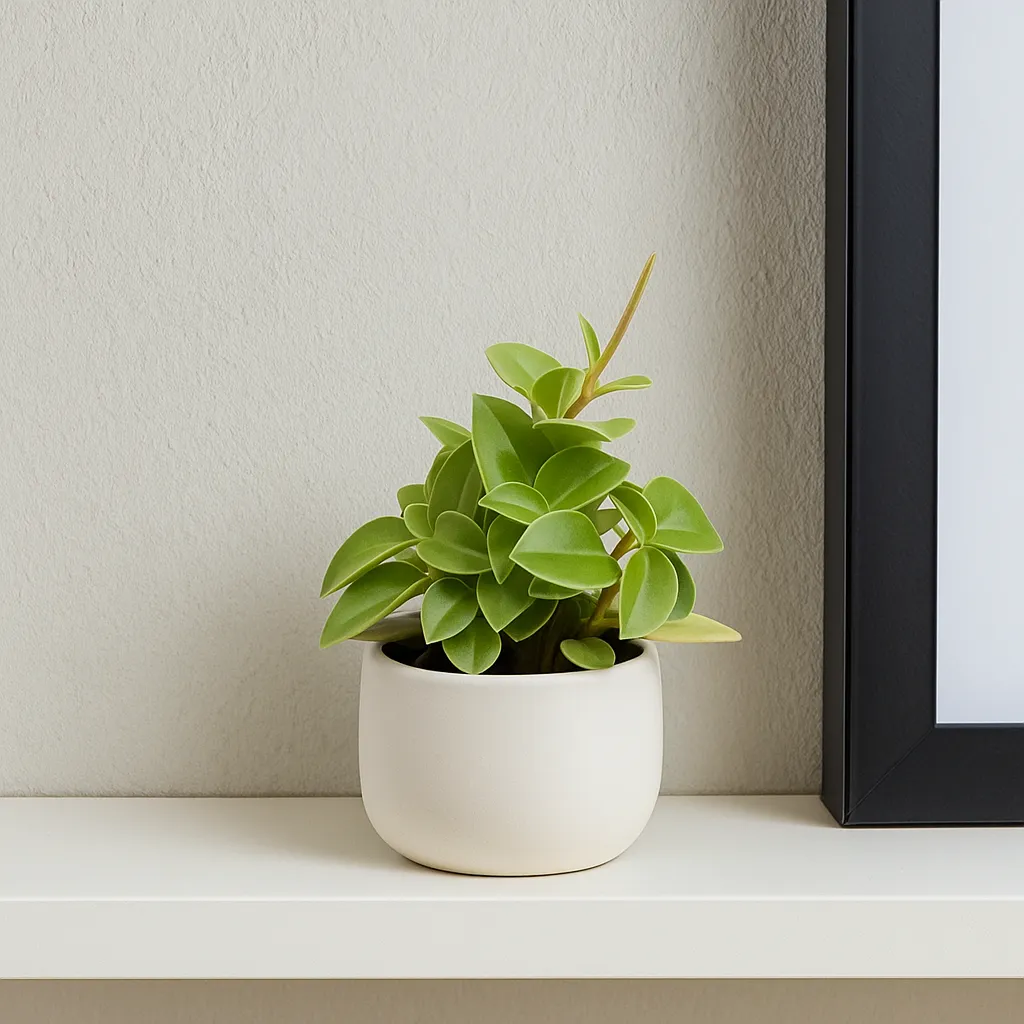
Display Peperomia orba ‘Pixie Variegata’ in a white, pastel, or textured ceramic planter to complement its soft variegation. It pairs beautifully with other miniature tropicals such as Fittonia albivenis or Labisia sp. ‘Turtle Back’ for a mixed terrarium aesthetic. Its small size and tidy form make it ideal for desks, bookshelves, or bathroom windowsills where natural light is abundant.
Original: $10.55
-70%$10.55
$3.17Product Information
Product Information
Shipping & Returns
Shipping & Returns
Description
Peperomia orba ‘Pixie Variegata’ is a delightful miniature houseplant prized for its compact size, glossy leaves, and soft cream variegation. A member of the Piperaceae family and native to Central and South America, this cultivar is one of the most charming Peperomias available — offering all the beauty of tropical foliage in a tiny, easy-care form.
The leaves are small, thick, and slightly cupped, showcasing a mottled blend of green, cream, and soft yellow along their smooth, rounded surfaces. The variegation appears in irregular splashes, giving each leaf a unique marbled effect. Its low, mounding growth habit and delicate texture make it ideal for tabletops, terrariums, or bright windowsills where its subtle elegance can be appreciated up close.
Compact, cheerful, and wonderfully low maintenance, Peperomia ‘Pixie Variegata’ is a perfect choice for collectors and indoor plant lovers seeking a refined yet easy-to-grow accent plant.
Peperomia orba ‘Pixie Variegata’ – Care Guide
Light
Thrives in bright, indirect light. It will tolerate medium light, but brighter conditions bring out the most vivid variegation. Avoid harsh direct sunlight, which can scorch or bleach the pale portions of the leaves. East-facing windows or filtered southern exposure are ideal.
Watering
Allow the soil to dry out partially between waterings. Water thoroughly when the top 2–3 cm feels dry, ensuring excess water drains freely. As a semi-succulent, Peperomia stores moisture in its leaves and is more tolerant of underwatering than overwatering. In winter, water sparingly.
Temperature and Humidity
-
Temperature: Prefers 18–26 °C; avoid temperatures below 15 °C and cold draughts.
-
Humidity: Adapts well to average indoor humidity (40–60%). Higher humidity encourages lush growth, but overly damp conditions should be avoided.
Soil and Potting
Use a light, well-draining mix such as equal parts peat or coco coir, perlite, and orchid bark. A succulent or aroid mix also works well. The goal is a substrate that retains light moisture but never becomes compact or soggy. Repot every 2–3 years or when the plant becomes root-bound.
Feeding
Feed every 6–8 weeks in spring and summer with a diluted, balanced fertiliser formulated for houseplants. Over-fertilising can lead to leaf discolouration, so apply sparingly. Suspend feeding during autumn and winter.
Pruning and Maintenance
Trim leggy or elongated stems to maintain a compact shape and encourage branching. Wipe leaves gently with a soft, damp cloth to remove dust and highlight their glossy surface. Dead or faded leaves can be removed at the base to keep the plant tidy.
Growth and Maturity
A slow to moderate grower, Peperomia orba ‘Pixie Variegata’ typically reaches 15–20 cm in height and spread. Its neat, mounding growth makes it an excellent choice for small planters, dish gardens, or terrarium settings. In ideal conditions, it may produce tiny, greenish-white flower spikes — a subtle accent to its ornamental foliage.
Common Issues
-
Yellow leaves: Overwatering or poor drainage.
-
Faded colour: Low light or nutrient deficiency.
-
Wrinkled leaves: Underwatering.
-
Pests: Occasionally mealybugs or fungus gnats; treat promptly with neem oil or insecticidal soap.
Background and Benefits
Peperomia orba is native to tropical rainforests of Central and South America, where it grows in the understory as an epiphyte, thriving in filtered light and airy, organic soils. The ‘Pixie Variegata’ cultivar was bred for its compact form and creamy leaf patterning, making it one of the most decorative and collectable varieties in the Peperomia family.
Like all Peperomias, it is a low-maintenance and air-purifying houseplant, helping to remove toxins from the air while requiring very little attention. Its small stature and soft variegation make it ideal for bright offices, shelves, and living spaces where understated tropical beauty is appreciated.
Quick Care Summary
Light: Bright, indirect light; tolerates medium light
Water: Allow top 2–3 cm of soil to dry before watering
Temperature: 18–26 °C; avoid below 15 °C
Humidity: Average indoor humidity (40–60%)
Soil: Light, free-draining mix – peat/coir, perlite, orchid bark
Feed: Every 6–8 weeks in spring/summer
Growth: Compact mound, 15–20 cm; glossy green leaves with cream variegation
⚠️ Toxicity note: Non-toxic to humans and pets, making it safe for households with children and animals.
Styling Tip
Display Peperomia orba ‘Pixie Variegata’ in a white, pastel, or textured ceramic planter to complement its soft variegation. It pairs beautifully with other miniature tropicals such as Fittonia albivenis or Labisia sp. ‘Turtle Back’ for a mixed terrarium aesthetic. Its small size and tidy form make it ideal for desks, bookshelves, or bathroom windowsills where natural light is abundant.