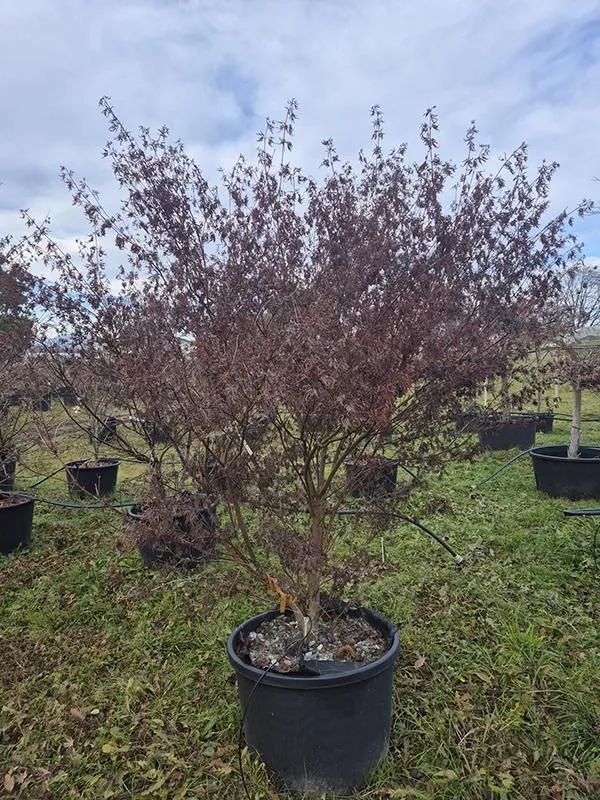
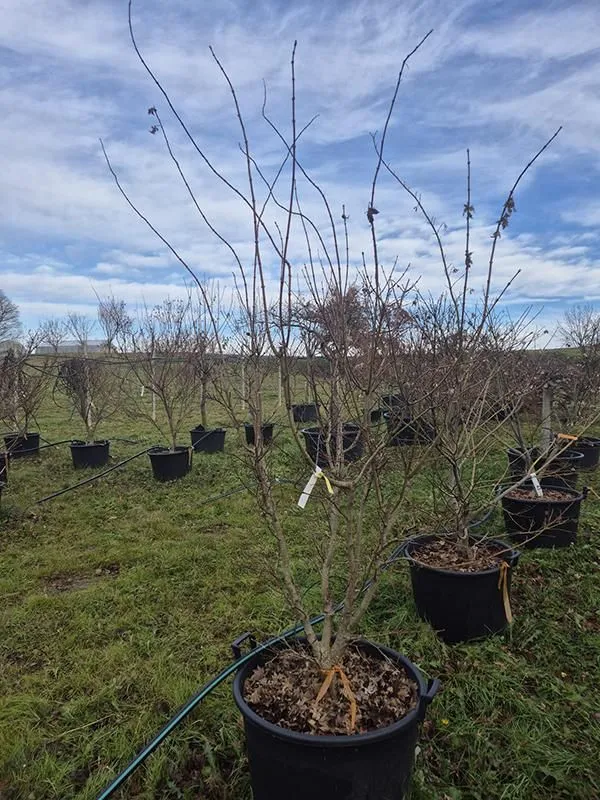
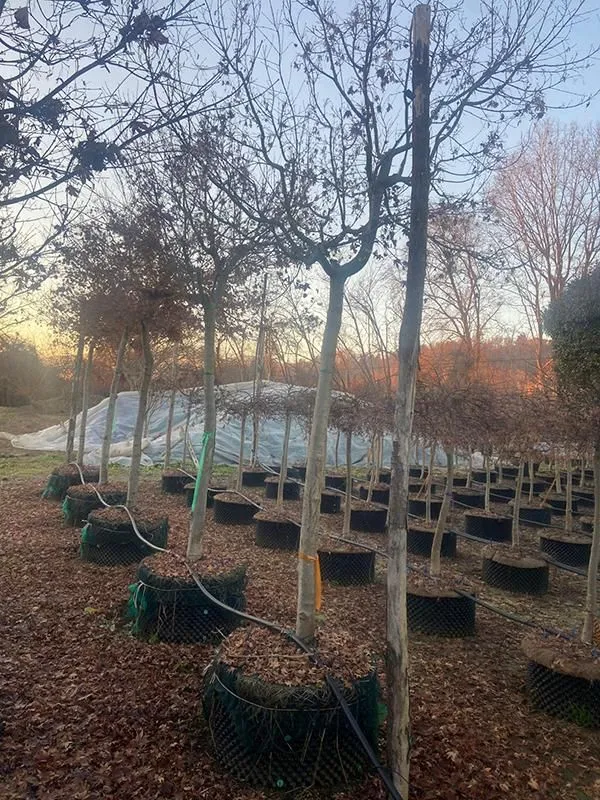
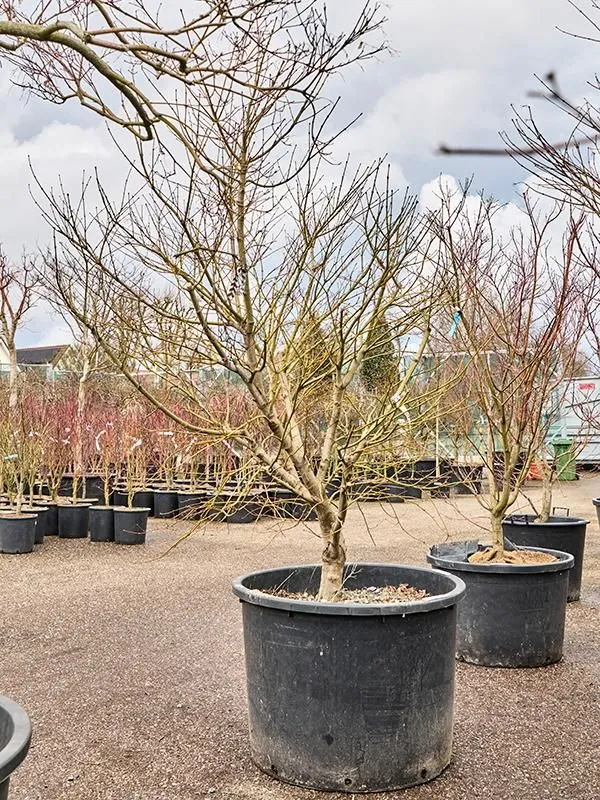
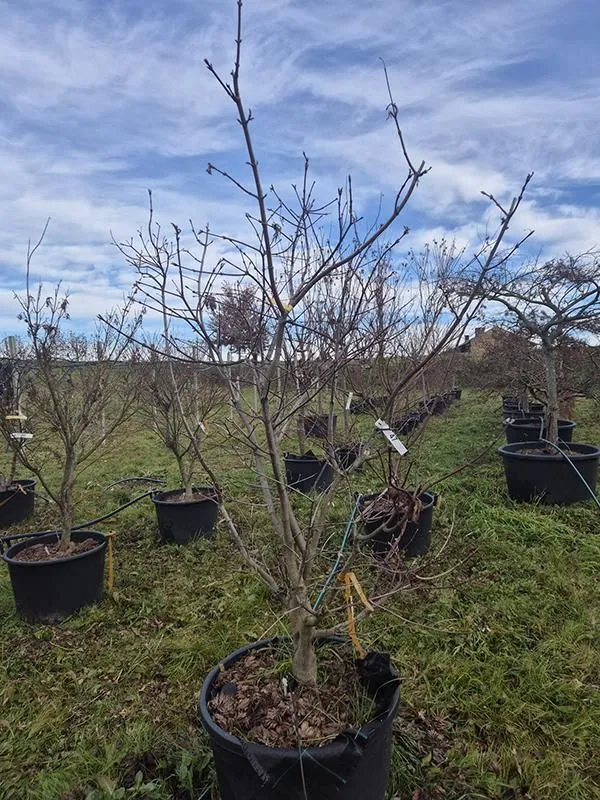
Acer Palmatum 'Linearilobum' 85cm Pot 300cm Height Outdoor Tree
Acer palmatum ‘Linearilobum’ is a distinctive Japanese maple celebrated for its narrow, strap-like leaves, which create a wonderfully delicate, thread-like effect. Unlike the broad lobes of typical Japanese maples, the leaves of ‘Linearilobum’ look almost like finely cut ribbons, offering a unique texture that stands out beautifully in the garden.
🌿 Key Features:
-
Foliage: Leaves are deeply divided into long, slender lobes (almost hair-like), giving a light, airy appearance. They emerge bright red in spring, gradually maturing to reddish-green or bronzy green in summer, before turning fiery crimson-red in autumn, creating a striking seasonal display.
-
Habit: Forms an elegant, upright small tree or large shrub, typically reaching 3–4 metres high, with a spread of about 2–3 metres, developing a softly rounded crown over time.
-
Bark: Smooth grey stems add understated winter interest once the leaves fall.
Because of its unusually fine foliage, ‘Linearilobum’ adds movement and texture, contrasting beautifully with broader-leaved plants and providing a sense of delicacy in borders, woodland gardens or Japanese-inspired plantings.
🌱 Detailed Care Guide for Acer palmatum ‘Linearilobum’
📍 Position & Light
-
Prefers partial shade or dappled sunlight.
-
Will tolerate some morning or early afternoon sun, which helps intensify its autumn colours, but needs protection from hot, harsh afternoon sun which can scorch the narrow leaves.
-
Always plant in a sheltered position, away from strong or drying winds.
🌬️ Shelter
-
Essential to protect from wind, which can damage or shred the fine, narrow leaf lobes, leading to browning at the edges.
💧 Watering
-
Likes soil to be consistently moist but well-drained.
-
Water thoroughly during dry spells, especially when newly planted or grown in containers.
-
Apply a mulch of bark or compost each spring to retain moisture and keep shallow roots cool.
🪴 Soil
-
Prefers slightly acidic to neutral, fertile, humus-rich soil.
-
Avoid heavy clay or very alkaline soils. If necessary, plant in raised beds or containers using ericaceous compost mixed with grit for drainage.
🍽️ Feeding
-
Feed lightly in spring with a balanced slow-release fertiliser or a specialist acer feed.
-
Avoid high-nitrogen fertilisers, which produce soft growth more vulnerable to wind or frost.
✂️ Pruning & Maintenance
-
Requires minimal pruning.
-
Remove any dead, damaged or crossing branches in late autumn or winter when the tree is dormant.
-
Avoid hard cutting back, which spoils its natural airy form.
🪲 Pests & Problems
-
Generally very healthy and low-maintenance.
-
May occasionally see aphids on new shoots.
-
Leaf scorch (browned tips or edges) is usually due to drought, strong wind or intense sun, not disease.
🚰 Container Growing
-
Works well in large pots, perfect for patios or smaller gardens.
-
Use ericaceous compost with added grit, ensure good drainage by raising the pot on feet, and water consistently.
-
In very cold spells, protect container roots by wrapping the pot or moving to a sheltered spot.
Original: $4,619.29
-70%$4,619.29
$1,385.79Product Information
Product Information
Shipping & Returns
Shipping & Returns
Description
Acer palmatum ‘Linearilobum’ is a distinctive Japanese maple celebrated for its narrow, strap-like leaves, which create a wonderfully delicate, thread-like effect. Unlike the broad lobes of typical Japanese maples, the leaves of ‘Linearilobum’ look almost like finely cut ribbons, offering a unique texture that stands out beautifully in the garden.
🌿 Key Features:
-
Foliage: Leaves are deeply divided into long, slender lobes (almost hair-like), giving a light, airy appearance. They emerge bright red in spring, gradually maturing to reddish-green or bronzy green in summer, before turning fiery crimson-red in autumn, creating a striking seasonal display.
-
Habit: Forms an elegant, upright small tree or large shrub, typically reaching 3–4 metres high, with a spread of about 2–3 metres, developing a softly rounded crown over time.
-
Bark: Smooth grey stems add understated winter interest once the leaves fall.
Because of its unusually fine foliage, ‘Linearilobum’ adds movement and texture, contrasting beautifully with broader-leaved plants and providing a sense of delicacy in borders, woodland gardens or Japanese-inspired plantings.
🌱 Detailed Care Guide for Acer palmatum ‘Linearilobum’
📍 Position & Light
-
Prefers partial shade or dappled sunlight.
-
Will tolerate some morning or early afternoon sun, which helps intensify its autumn colours, but needs protection from hot, harsh afternoon sun which can scorch the narrow leaves.
-
Always plant in a sheltered position, away from strong or drying winds.
🌬️ Shelter
-
Essential to protect from wind, which can damage or shred the fine, narrow leaf lobes, leading to browning at the edges.
💧 Watering
-
Likes soil to be consistently moist but well-drained.
-
Water thoroughly during dry spells, especially when newly planted or grown in containers.
-
Apply a mulch of bark or compost each spring to retain moisture and keep shallow roots cool.
🪴 Soil
-
Prefers slightly acidic to neutral, fertile, humus-rich soil.
-
Avoid heavy clay or very alkaline soils. If necessary, plant in raised beds or containers using ericaceous compost mixed with grit for drainage.
🍽️ Feeding
-
Feed lightly in spring with a balanced slow-release fertiliser or a specialist acer feed.
-
Avoid high-nitrogen fertilisers, which produce soft growth more vulnerable to wind or frost.
✂️ Pruning & Maintenance
-
Requires minimal pruning.
-
Remove any dead, damaged or crossing branches in late autumn or winter when the tree is dormant.
-
Avoid hard cutting back, which spoils its natural airy form.
🪲 Pests & Problems
-
Generally very healthy and low-maintenance.
-
May occasionally see aphids on new shoots.
-
Leaf scorch (browned tips or edges) is usually due to drought, strong wind or intense sun, not disease.
🚰 Container Growing
-
Works well in large pots, perfect for patios or smaller gardens.
-
Use ericaceous compost with added grit, ensure good drainage by raising the pot on feet, and water consistently.
-
In very cold spells, protect container roots by wrapping the pot or moving to a sheltered spot.