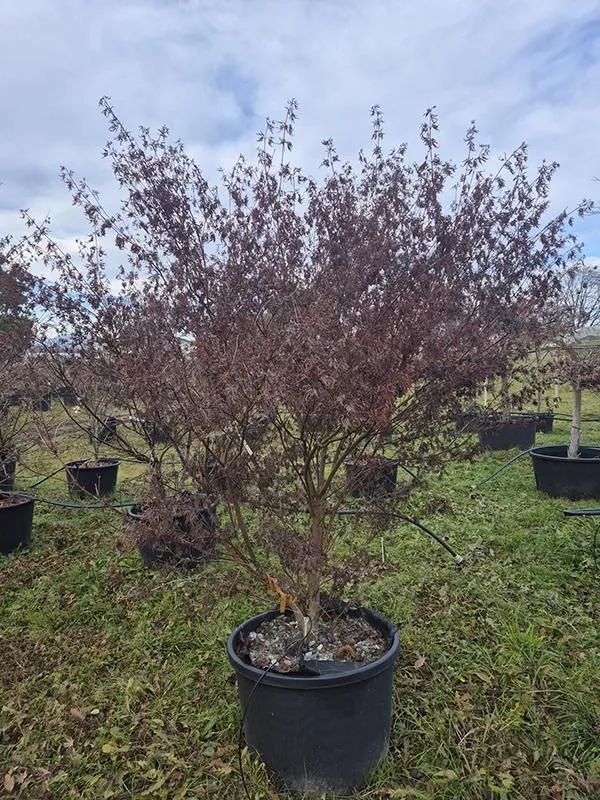
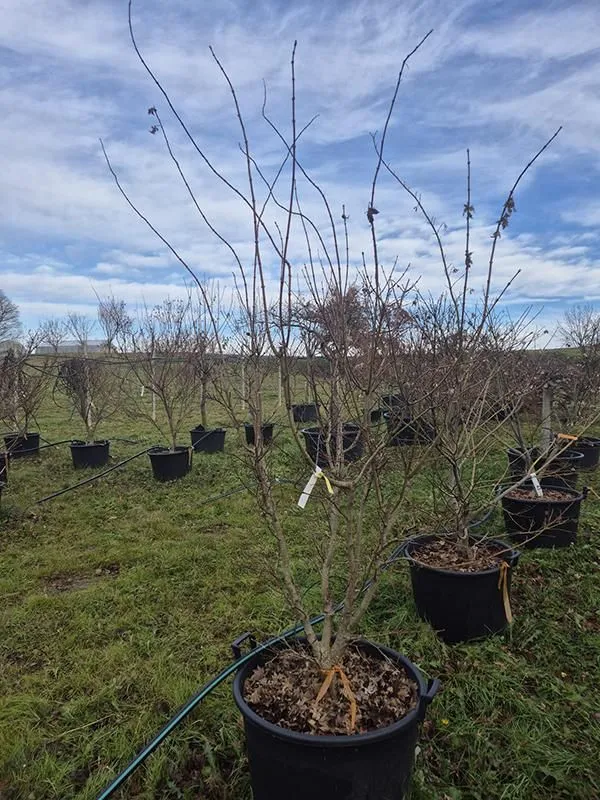
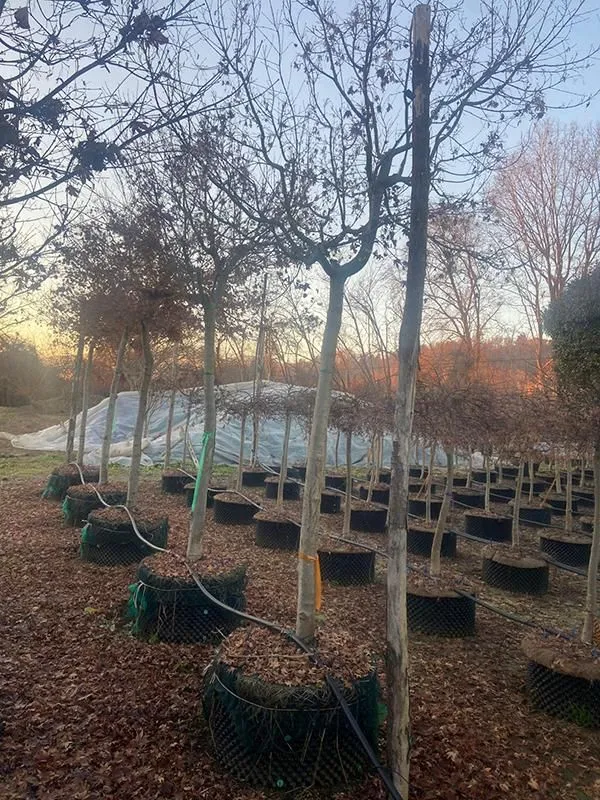
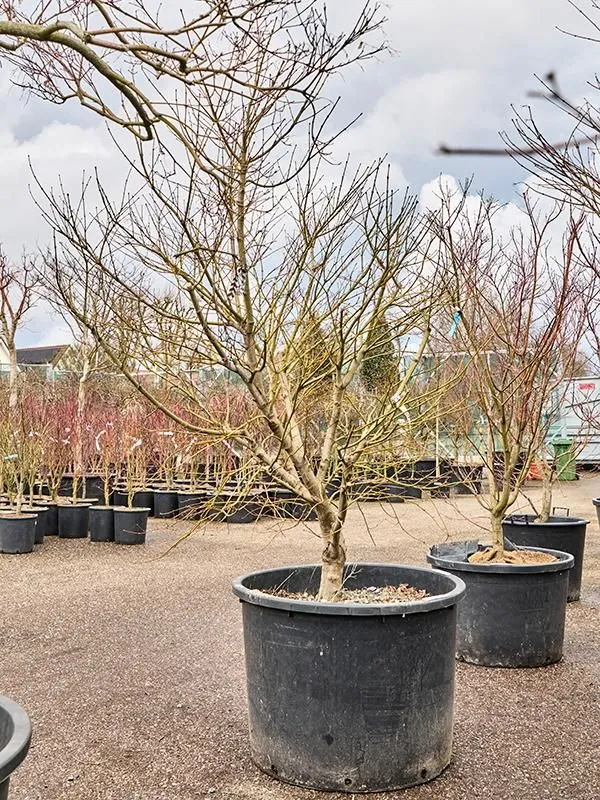
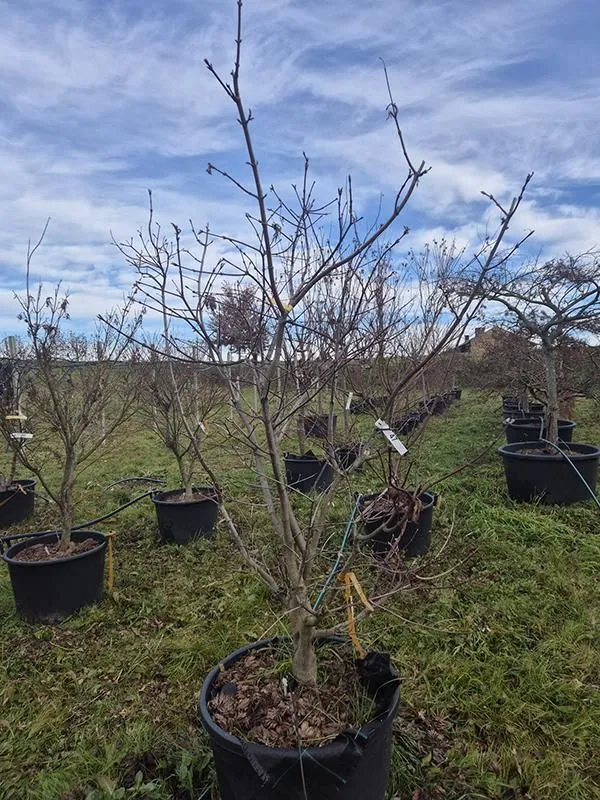
Acer Palmatum 'Polymorphum' 80cm Pot 230cm Height Outdoor Tree
Acer palmatum ‘Polymorphum’ is often considered the classic green-leaved Japanese maple, and is actually an older traditional name sometimes applied to seedling forms of Acer palmatum with green foliage (essentially the typical species type). It remains a favourite for its elegant shape, reliable growth, and stunning seasonal transformation.
🌿 Key Features:
-
Foliage: Broad, five- to seven-lobed palmate leaves emerge a fresh, bright green in spring, staying vibrant through summer. In autumn, they transform into a spectacular mix of gold, orange, and scarlet-red, often with multiple colours on the same tree.
-
Habit: Develops into a graceful, small tree or large shrub with an upright, spreading habit. Typically reaches 4–6 metres high with a similar spread over many years, forming a rounded crown that creates light shade beneath.
-
Bark: Smooth grey branches add gentle winter interest once the leaves fall.
Because of its clean, simple green foliage and outstanding autumn colour, ‘Polymorphum’ is perfect for adding a tranquil yet dramatic element to gardens, whether in lawns, woodland edges, or Japanese-inspired schemes.
🌱 Detailed Care Guide for Acer palmatum ‘Polymorphum’
📍 Position & Light
-
Prefers partial shade or dappled sunlight.
-
Tolerates some morning or early afternoon sun, which can enrich autumn colour, but avoid hot, exposed afternoon sun to prevent leaf scorch.
-
Plant in a sheltered spot, away from cold, drying winds.
🌬️ Shelter
-
Important to avoid exposed sites. Strong winds can dry or damage delicate leaf margins, causing browning.
💧 Watering
-
Likes soil to be consistently moist but well-drained.
-
Water thoroughly during dry spells, especially when newly planted or if grown in containers.
-
Mulch in spring with bark or compost to conserve moisture and keep roots cool.
🪴 Soil
-
Prefers slightly acidic to neutral, fertile, humus-rich soil.
-
Avoid very alkaline or heavy clay soils. If needed, plant in raised beds or containers using ericaceous compost with added grit for drainage.
🍽️ Feeding
-
Feed lightly in spring with a balanced slow-release fertiliser or an acer-specific feed.
-
Avoid high-nitrogen fertilisers which encourage lush growth prone to wind and frost damage.
✂️ Pruning & Maintenance
-
Requires minimal pruning.
-
Remove any dead, damaged or crossing branches in late autumn or winter while dormant.
-
Avoid hard cutting back, which can ruin its graceful, natural shape.
🪲 Pests & Problems
-
Generally very healthy and low-maintenance.
-
May occasionally see aphids on soft new shoots.
-
Leaf scorch (browned edges or tips) is usually caused by drought, strong wind or intense sun, not disease.
🚰 Container Growing
-
Works well in large pots, especially if garden soil is unsuitable.
-
Use ericaceous compost mixed with grit, ensure pots have good drainage, and raise on feet.
-
Water regularly, and protect container roots in harsh winters by wrapping or moving to a sheltered spot.
Original: $4,619.29
-70%$4,619.29
$1,385.79Product Information
Product Information
Shipping & Returns
Shipping & Returns
Description
Acer palmatum ‘Polymorphum’ is often considered the classic green-leaved Japanese maple, and is actually an older traditional name sometimes applied to seedling forms of Acer palmatum with green foliage (essentially the typical species type). It remains a favourite for its elegant shape, reliable growth, and stunning seasonal transformation.
🌿 Key Features:
-
Foliage: Broad, five- to seven-lobed palmate leaves emerge a fresh, bright green in spring, staying vibrant through summer. In autumn, they transform into a spectacular mix of gold, orange, and scarlet-red, often with multiple colours on the same tree.
-
Habit: Develops into a graceful, small tree or large shrub with an upright, spreading habit. Typically reaches 4–6 metres high with a similar spread over many years, forming a rounded crown that creates light shade beneath.
-
Bark: Smooth grey branches add gentle winter interest once the leaves fall.
Because of its clean, simple green foliage and outstanding autumn colour, ‘Polymorphum’ is perfect for adding a tranquil yet dramatic element to gardens, whether in lawns, woodland edges, or Japanese-inspired schemes.
🌱 Detailed Care Guide for Acer palmatum ‘Polymorphum’
📍 Position & Light
-
Prefers partial shade or dappled sunlight.
-
Tolerates some morning or early afternoon sun, which can enrich autumn colour, but avoid hot, exposed afternoon sun to prevent leaf scorch.
-
Plant in a sheltered spot, away from cold, drying winds.
🌬️ Shelter
-
Important to avoid exposed sites. Strong winds can dry or damage delicate leaf margins, causing browning.
💧 Watering
-
Likes soil to be consistently moist but well-drained.
-
Water thoroughly during dry spells, especially when newly planted or if grown in containers.
-
Mulch in spring with bark or compost to conserve moisture and keep roots cool.
🪴 Soil
-
Prefers slightly acidic to neutral, fertile, humus-rich soil.
-
Avoid very alkaline or heavy clay soils. If needed, plant in raised beds or containers using ericaceous compost with added grit for drainage.
🍽️ Feeding
-
Feed lightly in spring with a balanced slow-release fertiliser or an acer-specific feed.
-
Avoid high-nitrogen fertilisers which encourage lush growth prone to wind and frost damage.
✂️ Pruning & Maintenance
-
Requires minimal pruning.
-
Remove any dead, damaged or crossing branches in late autumn or winter while dormant.
-
Avoid hard cutting back, which can ruin its graceful, natural shape.
🪲 Pests & Problems
-
Generally very healthy and low-maintenance.
-
May occasionally see aphids on soft new shoots.
-
Leaf scorch (browned edges or tips) is usually caused by drought, strong wind or intense sun, not disease.
🚰 Container Growing
-
Works well in large pots, especially if garden soil is unsuitable.
-
Use ericaceous compost mixed with grit, ensure pots have good drainage, and raise on feet.
-
Water regularly, and protect container roots in harsh winters by wrapping or moving to a sheltered spot.