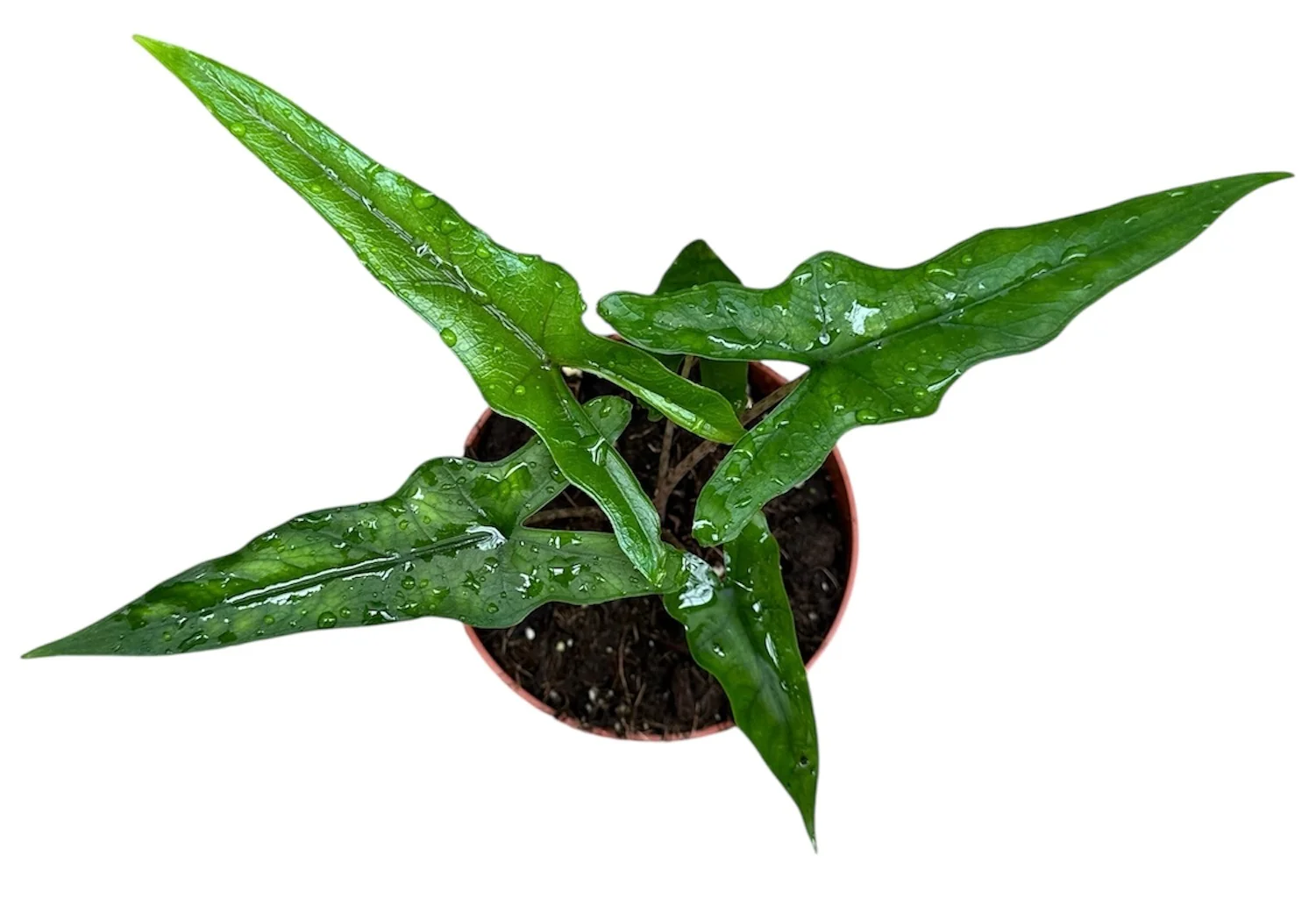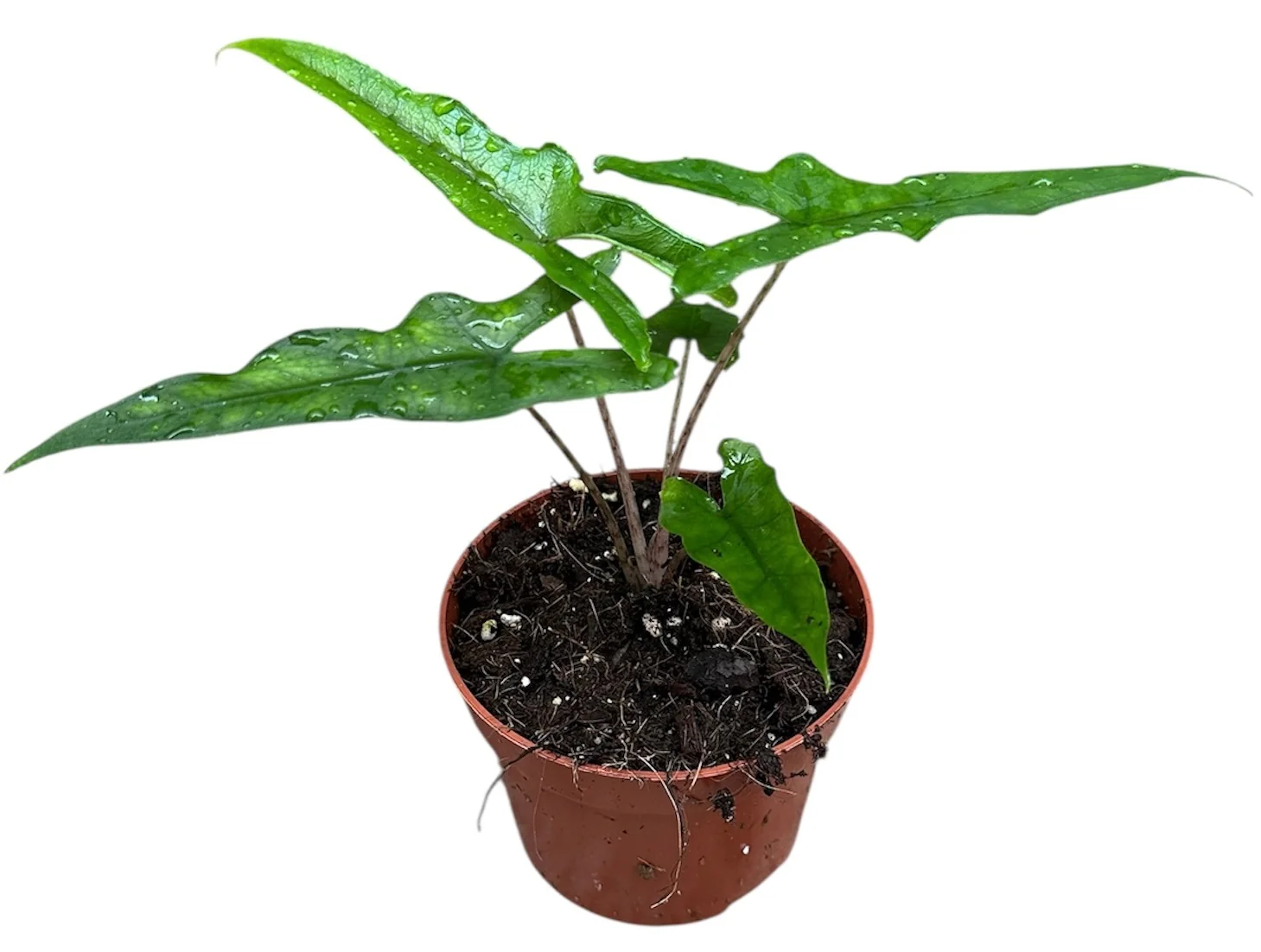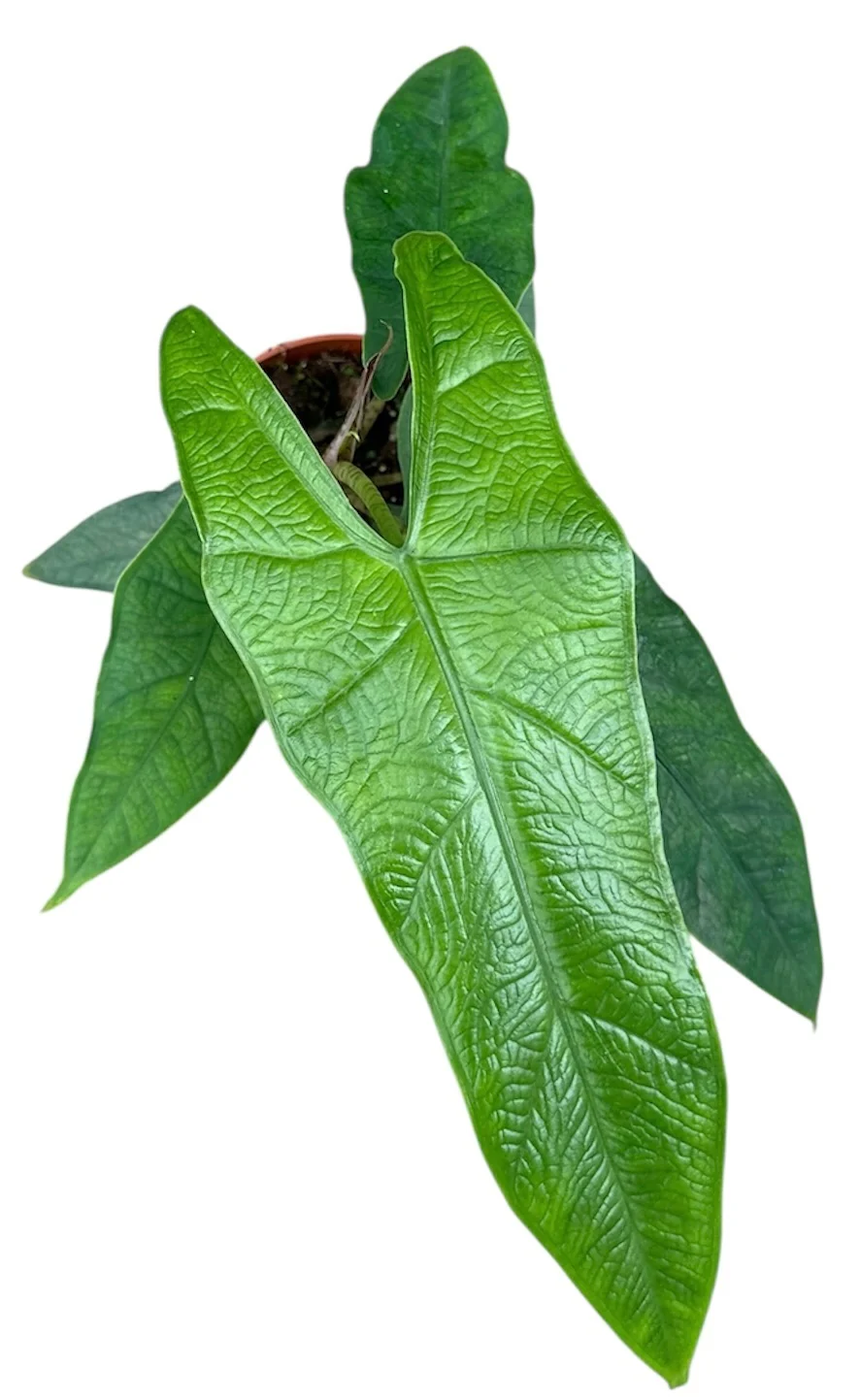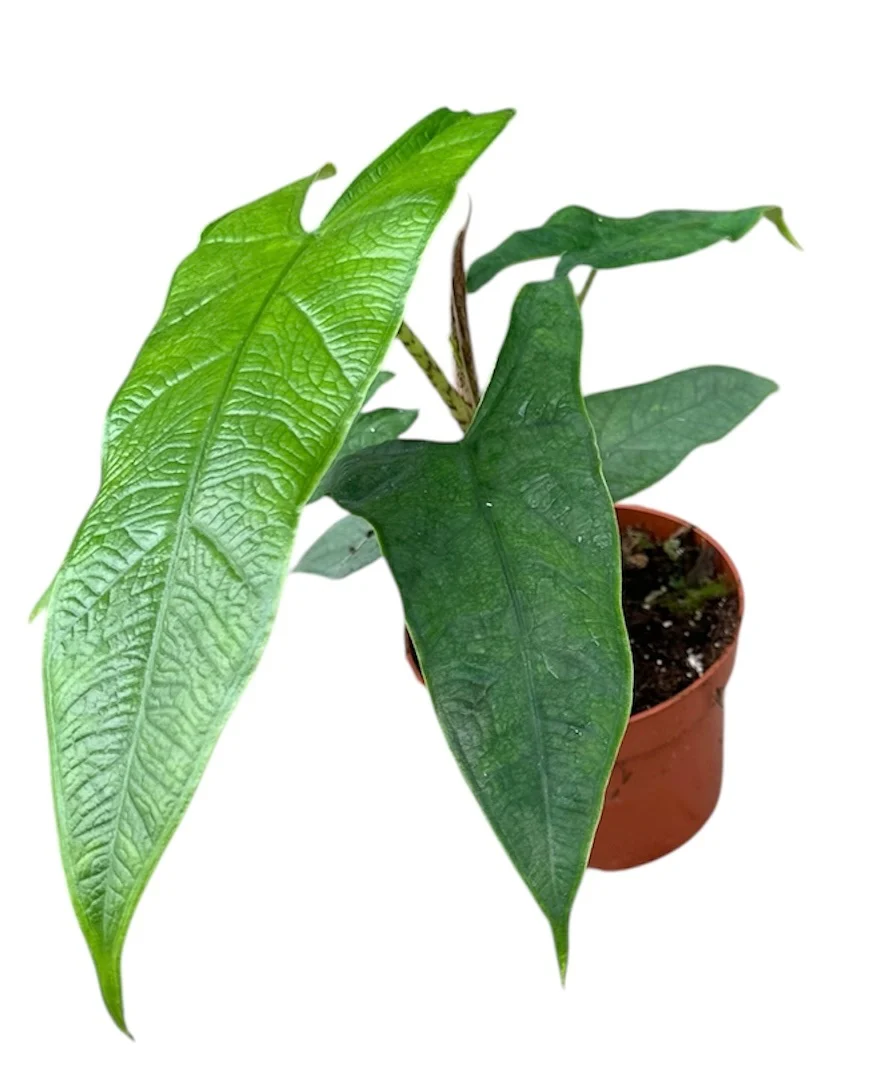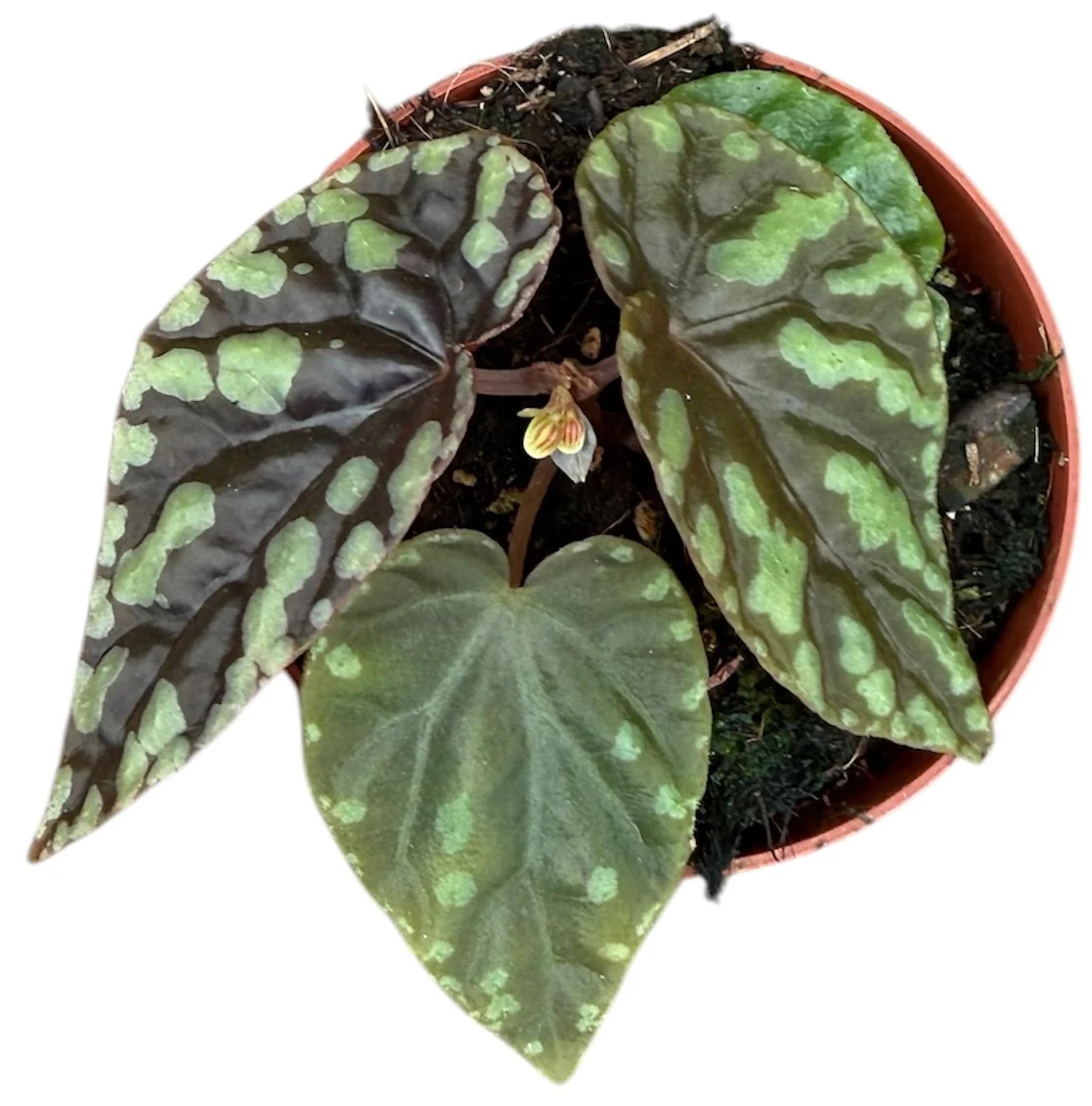
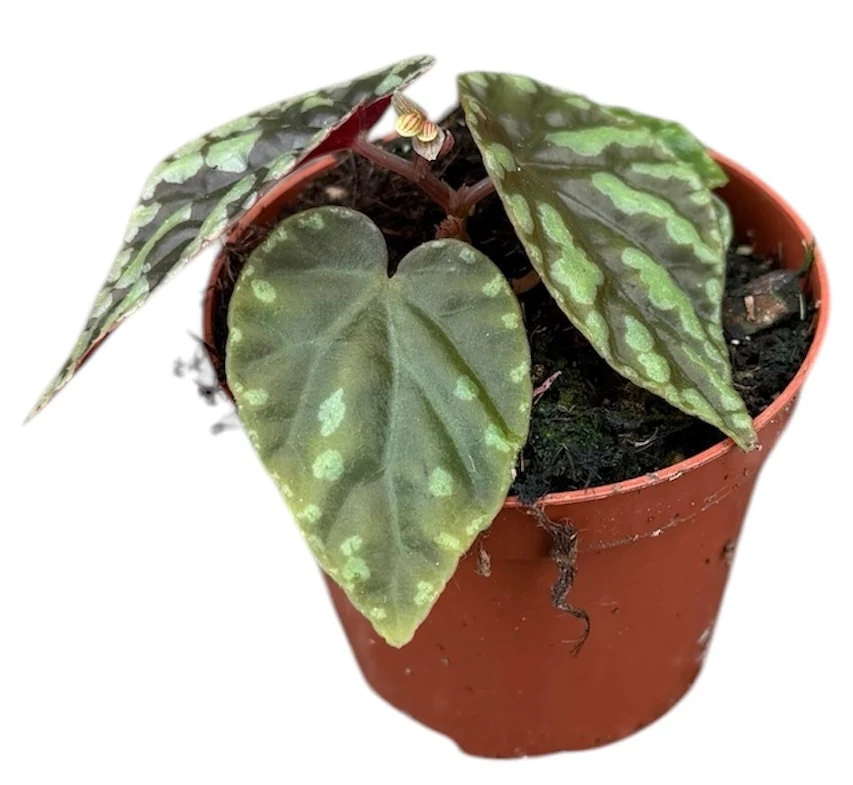
Begonia Filiformis Irmsch 8cm Pot 15cm Height House Plant
Begonia filiformis 'Irmsch' is a rare and unusual species begonia grown for its delicate, fern-like appearance. Unlike most begonias, it has very finely divided leaves made up of narrow thread-like segments, giving the plant an airy, almost feathery look. The foliage is a fresh mid to deep green, often with reddish stems and a subtle bronze tint in bright light.
The fine leaves create a soft, elegant texture that stands out amongst broader-leaved begonias. As the plant matures it forms a lightly arching, bushy shape, usually reaching around 20–35cm tall and wide. Mature plants may also produce small pale pink to white flowers held above the foliage, adding to its delicate appearance.
Begonia filiformis ‘Irmsch’ has a far more unusual, almost woodland-like appearance than typical rex begonias, making it a brilliant choice for collectors. Its fine foliage pairs especially well with the softer textures in your Fern Collection, alongside Phlebodium ‘Blue Star’ and Athyrium fern.
Detailed Care Guide
Light
Begonia filiformis ‘Irmsch’ prefers bright, indirect light.
A spot near an east or north-facing window is ideal. It can tolerate slightly lower light levels than some begonias, but avoid direct sun, especially in the afternoon, as the delicate foliage can scorch easily.
Too little light may make the stems stretch and become sparse.
Watering
Keep the compost lightly moist, allowing the top 1–2cm to dry slightly between waterings.
- Water thoroughly, then allow any excess to drain away
- Never leave the pot standing in water
- Reduce watering during winter
Because the stems and roots are delicate, this begonia dislikes soggy compost and can rot if overwatered.
Humidity
This species prefers moderate to high humidity, ideally around 60–80%.
It grows particularly well in:
- Terrariums
- Glass cabinets
- Naturally humid rooms
If grown in a drier room, using a humidifier or pebble tray can help prevent the fine foliage from crisping.
Avoid misting directly onto the leaves, as the fine foliage can trap moisture and lead to fungal problems.
Temperature
Begonia filiformis ‘Irmsch’ prefers warm, stable temperatures between 18–24°C.
Keep it away from:
- Temperatures below 15°C
- Cold draughts
- Radiators
- Sudden changes in temperature
Compost
Use a very light, airy compost mix that drains freely but still holds some moisture.
A good mix is:
- 2 parts houseplant compost
- 1 part perlite
- 1 part fine orchid bark or coco coir
This helps protect the delicate roots from becoming waterlogged.
Feeding
Feed every 3–4 weeks during spring and summer with a balanced liquid fertiliser at half strength.
Too much fertiliser can damage the delicate roots and foliage, so always use a weaker solution.
Repotting
Repot every 1–2 years in spring if needed.
Only move to a slightly larger pot if:
- Roots are visible through the drainage holes
- The compost dries out very quickly
- The plant has become overcrowded
This begonia prefers to remain slightly snug in its pot.
Common Problems
- Crispy tips or edges: Low humidity or underwatering
- Yellow leaves: Usually caused by overwatering
- Sparse, stretched growth: Not enough light
- Brown patches: Too much direct sunlight
- Soft stems: Root rot caused by wet compost
Pet Safety
Begonia filiformis ‘Irmsch’ is toxic if eaten and should be kept away from pets and young children. The leaves and stems can cause irritation and stomach upset if consumed.
Original: $26.38
-70%$26.38
$7.91Product Information
Product Information
Shipping & Returns
Shipping & Returns
Description
Begonia filiformis 'Irmsch' is a rare and unusual species begonia grown for its delicate, fern-like appearance. Unlike most begonias, it has very finely divided leaves made up of narrow thread-like segments, giving the plant an airy, almost feathery look. The foliage is a fresh mid to deep green, often with reddish stems and a subtle bronze tint in bright light.
The fine leaves create a soft, elegant texture that stands out amongst broader-leaved begonias. As the plant matures it forms a lightly arching, bushy shape, usually reaching around 20–35cm tall and wide. Mature plants may also produce small pale pink to white flowers held above the foliage, adding to its delicate appearance.
Begonia filiformis ‘Irmsch’ has a far more unusual, almost woodland-like appearance than typical rex begonias, making it a brilliant choice for collectors. Its fine foliage pairs especially well with the softer textures in your Fern Collection, alongside Phlebodium ‘Blue Star’ and Athyrium fern.
Detailed Care Guide
Light
Begonia filiformis ‘Irmsch’ prefers bright, indirect light.
A spot near an east or north-facing window is ideal. It can tolerate slightly lower light levels than some begonias, but avoid direct sun, especially in the afternoon, as the delicate foliage can scorch easily.
Too little light may make the stems stretch and become sparse.
Watering
Keep the compost lightly moist, allowing the top 1–2cm to dry slightly between waterings.
- Water thoroughly, then allow any excess to drain away
- Never leave the pot standing in water
- Reduce watering during winter
Because the stems and roots are delicate, this begonia dislikes soggy compost and can rot if overwatered.
Humidity
This species prefers moderate to high humidity, ideally around 60–80%.
It grows particularly well in:
- Terrariums
- Glass cabinets
- Naturally humid rooms
If grown in a drier room, using a humidifier or pebble tray can help prevent the fine foliage from crisping.
Avoid misting directly onto the leaves, as the fine foliage can trap moisture and lead to fungal problems.
Temperature
Begonia filiformis ‘Irmsch’ prefers warm, stable temperatures between 18–24°C.
Keep it away from:
- Temperatures below 15°C
- Cold draughts
- Radiators
- Sudden changes in temperature
Compost
Use a very light, airy compost mix that drains freely but still holds some moisture.
A good mix is:
- 2 parts houseplant compost
- 1 part perlite
- 1 part fine orchid bark or coco coir
This helps protect the delicate roots from becoming waterlogged.
Feeding
Feed every 3–4 weeks during spring and summer with a balanced liquid fertiliser at half strength.
Too much fertiliser can damage the delicate roots and foliage, so always use a weaker solution.
Repotting
Repot every 1–2 years in spring if needed.
Only move to a slightly larger pot if:
- Roots are visible through the drainage holes
- The compost dries out very quickly
- The plant has become overcrowded
This begonia prefers to remain slightly snug in its pot.
Common Problems
- Crispy tips or edges: Low humidity or underwatering
- Yellow leaves: Usually caused by overwatering
- Sparse, stretched growth: Not enough light
- Brown patches: Too much direct sunlight
- Soft stems: Root rot caused by wet compost
Pet Safety
Begonia filiformis ‘Irmsch’ is toxic if eaten and should be kept away from pets and young children. The leaves and stems can cause irritation and stomach upset if consumed.