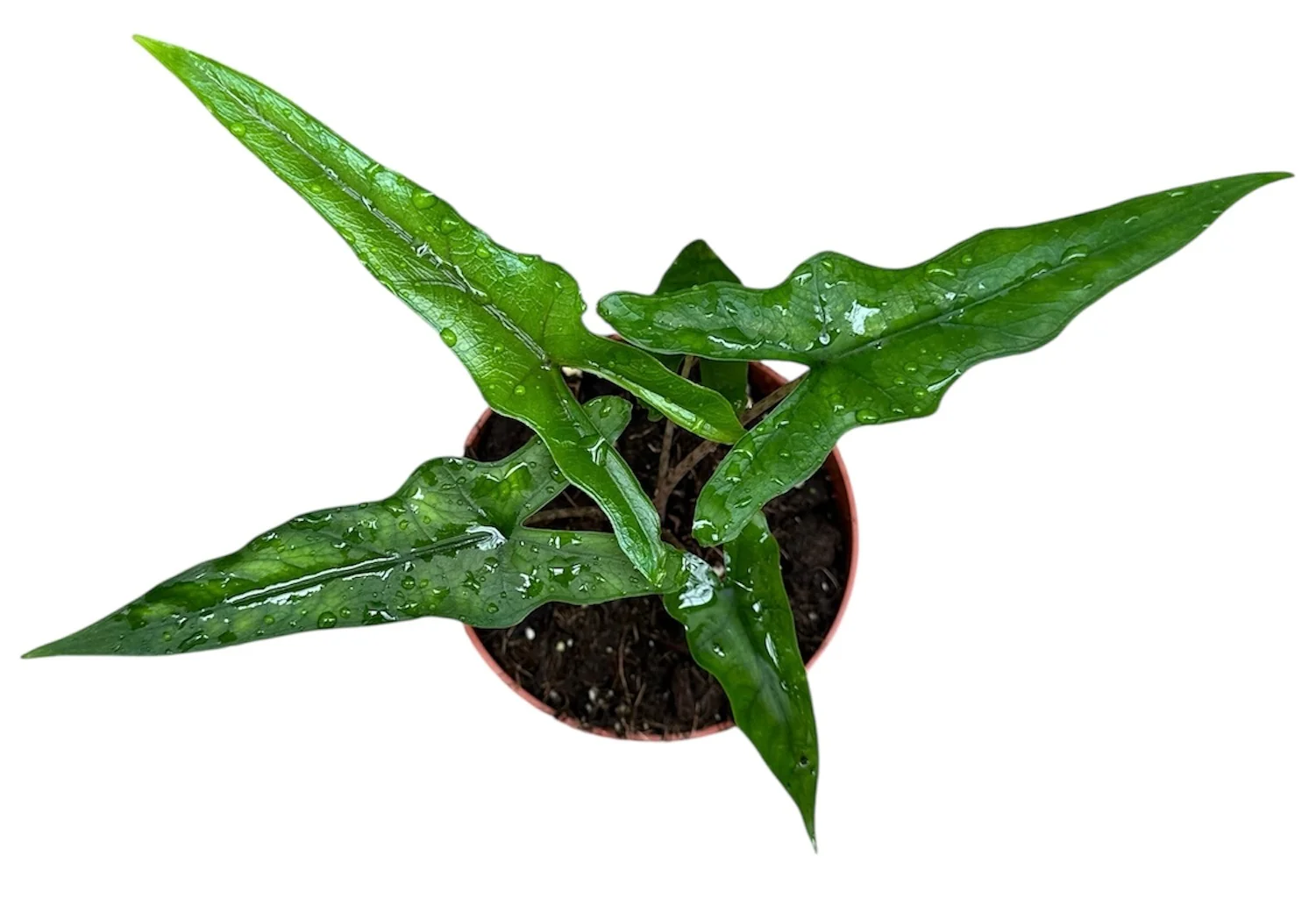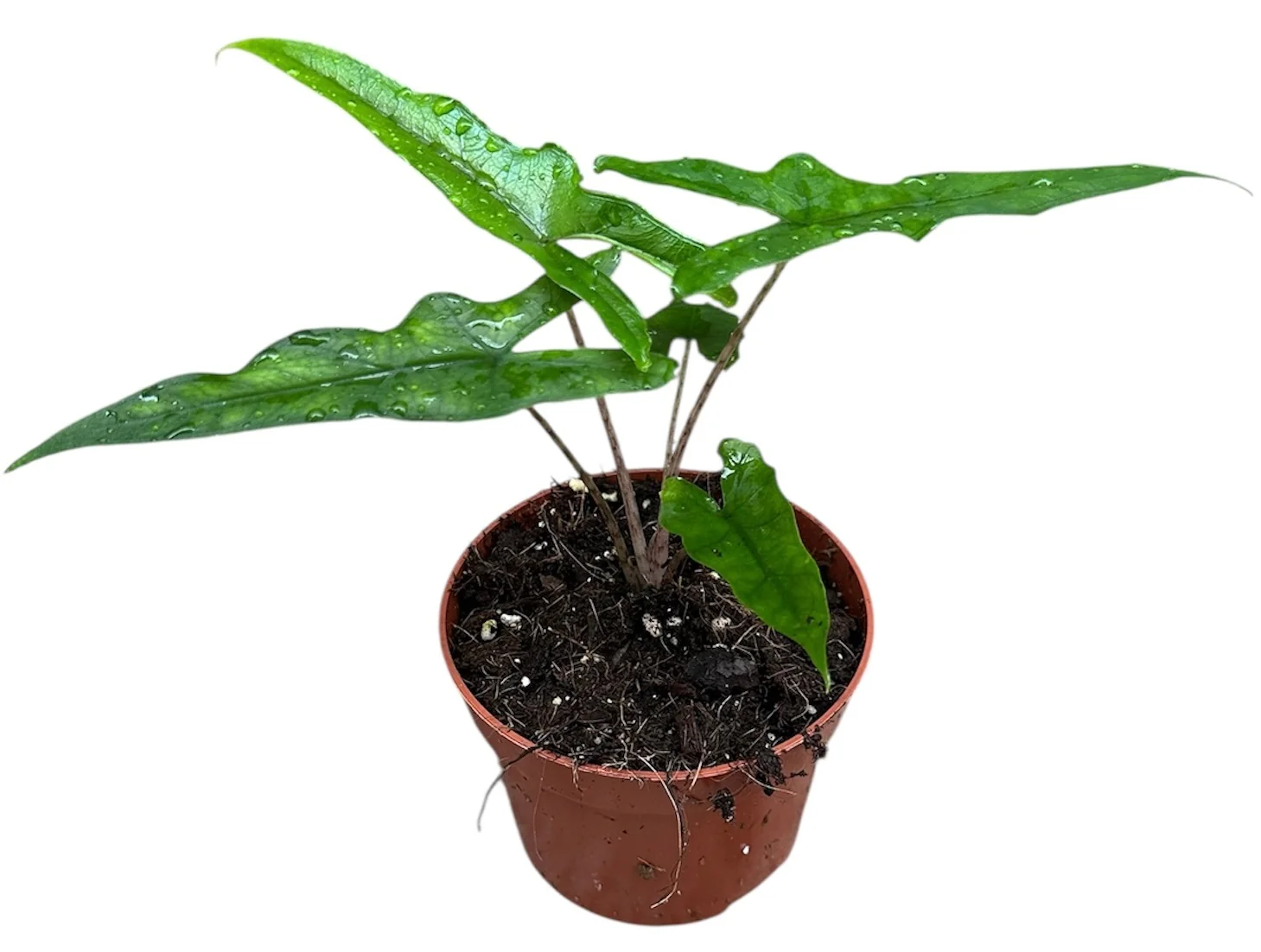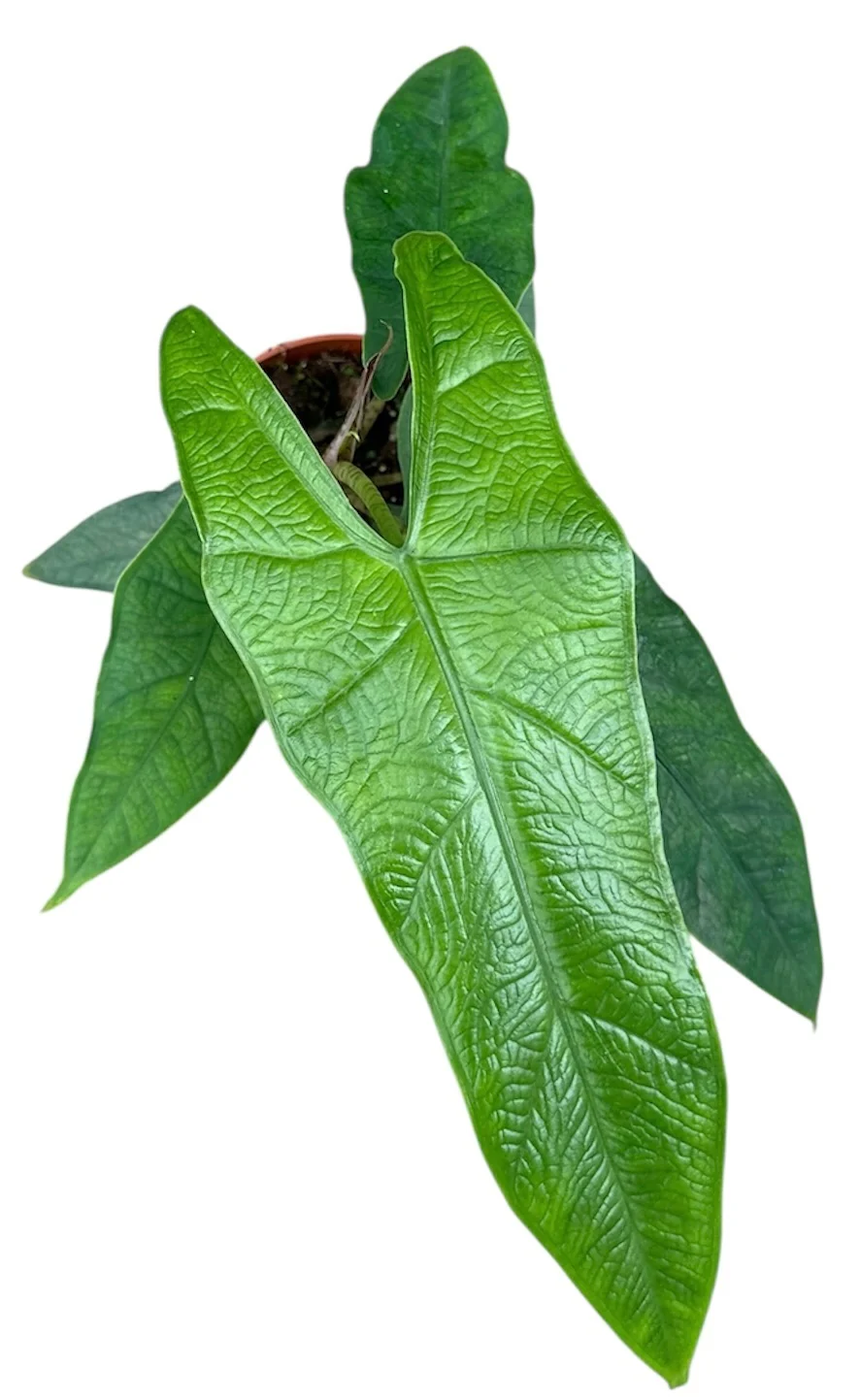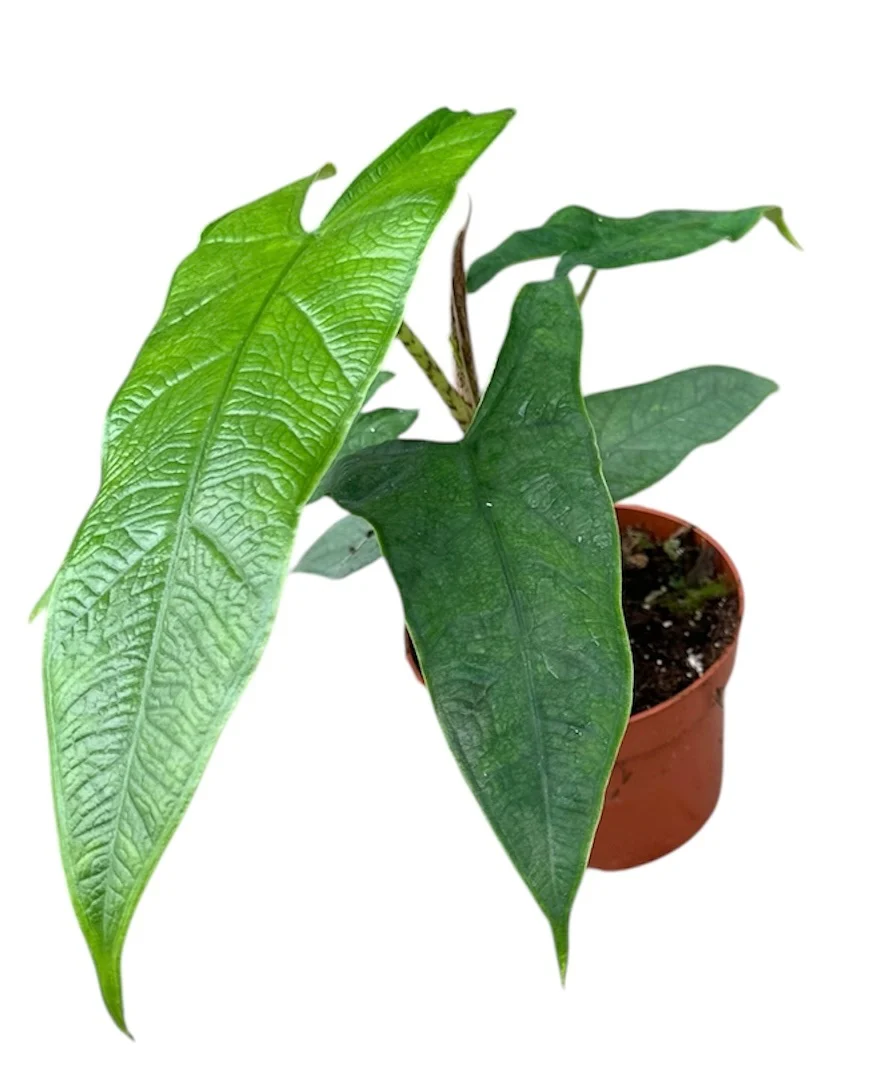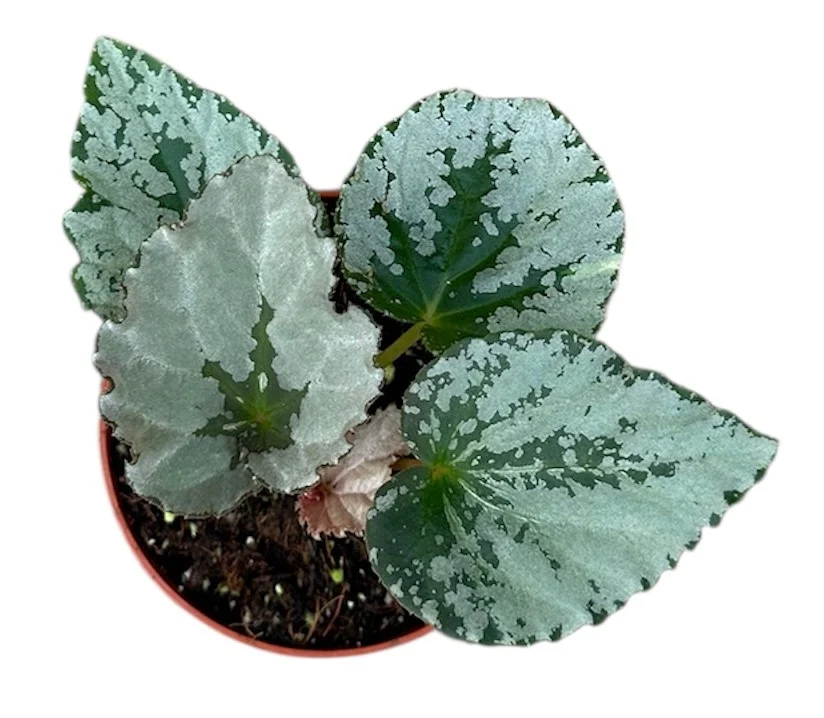
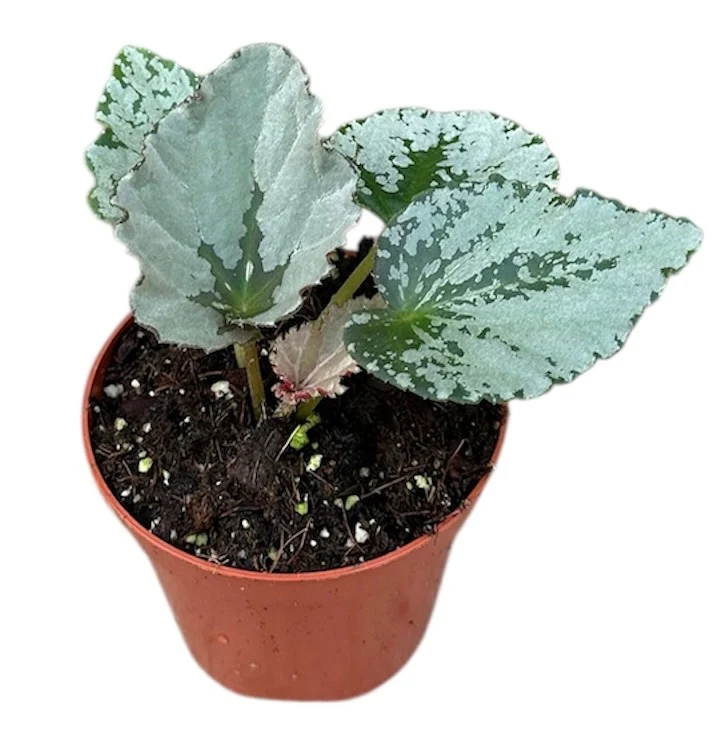
Begonia Grey Earl 8cm Pot 12cm Height House Plant
Begonia ‘Grey Earl’ is a refined and beautifully muted foliage Begonia, cherished for its soft grey tones, velvety leaf surface, and elegant, aristocratic appearance. A member of the Begoniaceae family and likely originating from hybrid rex-type breeding, this cultivar stands out for its dusky, cool-toned palette and intricate texturing.
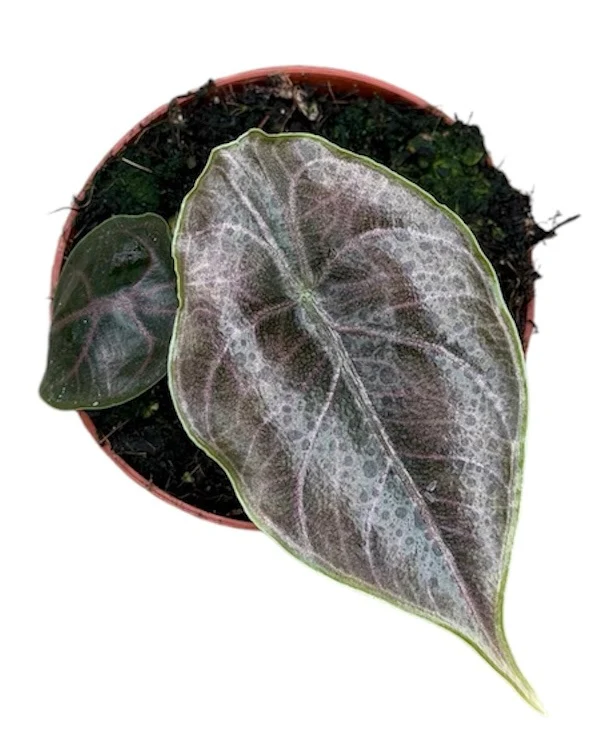
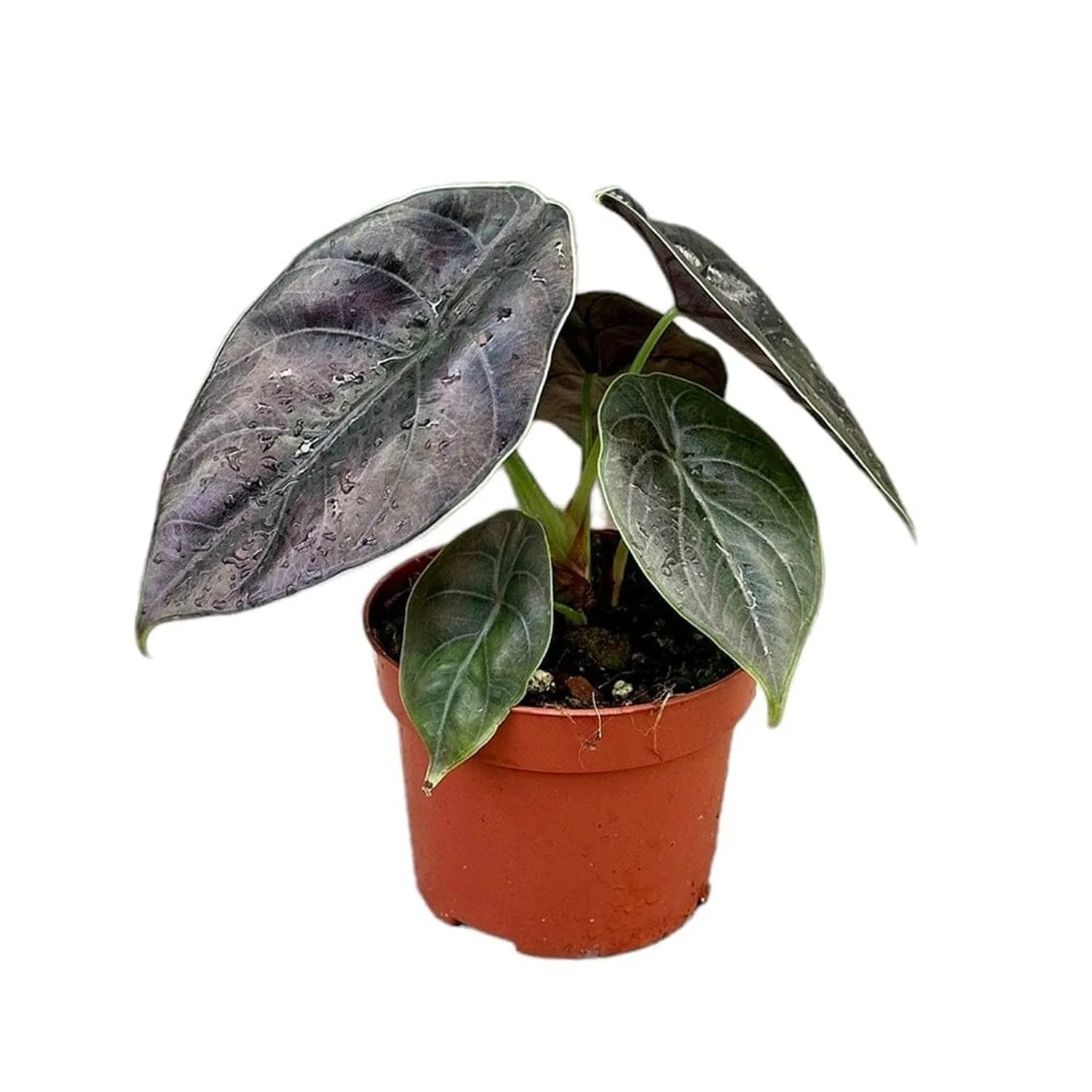
The leaves are broad, ovate to slightly spiralled, with a plush, velvet-like finish that gives them a luxurious, tactile quality. Their colouring ranges from silvery grey to slate and soft charcoal, often accented by darker central streaks or veins that create depth and contrast. Many specimens also display a soft iridescent sheen that shifts subtly under light, enhancing the plant’s regal, moody aesthetic.
Petiole undersides are often flushed with burgundy or plum, adding a hidden richness to the plant’s overall character. As it matures, Begonia ‘Grey Earl’ forms a full, domed rosette — elegant, sculptural, and visually captivating without being overly bold.
Understated yet striking, this cultivar is perfect for collectors who appreciate nuanced foliage and sophisticated colour palettes.
Begonia ‘Grey Earl’ – Care Guide
Light
Prefers bright, indirect light to maintain its crisp grey tones and velvety texture. Medium light is tolerated but may yield greener or less defined colouring. Avoid direct sun, which can scorch the leaf surface.
Watering
Keep the soil evenly moist but not waterlogged. Allow the top 1–2 cm of soil to dry between waterings. Avoid wetting the leaf surface, as velvet-leaf begonias can develop spotting. Use room-temperature filtered or rainwater when possible.
Temperature and Humidity
-
Temperature: Thrives at 18–24 °C. Avoid cold air, draughts, and temperatures below 15 °C.
-
Humidity: Prefers moderate to high humidity (60–80%). Excellent candidate for terrariums or plant cabinets but also performs well in humid rooms.
Soil and Potting
Use a light, airy, moisture-retentive mix — a blend of peat-free compost, fine bark, coco coir, and perlite is ideal. Ensure good drainage. Repot every 1–2 years in a shallow pot to accommodate its fibrous root system.
Feeding
Feed every 3–4 weeks during spring and summer with a diluted balanced fertiliser. Overfeeding can burn delicate roots.
Pruning and Maintenance
Remove older or damaged leaves to maintain a tidy rosette. Pinch back lightly if the plant becomes leggy. Ensure good airflow to prevent fungal issues, especially in high humidity environments.
Growth and Maturity
Typically reaches 20–35 cm in height and similar width. With maturity, the rosette becomes fuller and more sculptural, showing enhanced iridescence and more defined grey gradients.
Common Issues
-
Brown leaf edges: Low humidity or uneven watering.
-
Leaf spotting: Water sitting on the velvet surface.
-
Yellowing: Overwatering or compacted soil.
-
Pests: Watch for fungus gnats, mealybugs, and spider mites.
Background and Benefits
Begonia ‘Grey Earl’ is beloved for its monochrome elegance and jewel-like texture — an ideal species for indoor plant stylists and collectors who favour sophisticated, muted tones. Its silvery-grey foliage contrasts beautifully with deep green plants, mossy arrangements, and jewel-toned species.
Because of its moderate size and velvety texture, it fits perfectly into terrarium landscapes, curated cabinet displays, or shaded shelves where its elegant colour shifts can be admired up close.
Quick Care Summary
Light: Bright–medium indirect
Water: Keep lightly moist; top 1–2 cm dry
Temperature: 18–24 °C
Humidity: 60–80%
Soil: Light, airy, moisture-retentive mix
Feed: Every 3–4 weeks in growing season
Growth: 20–35 cm; velvety grey foliage
Toxicity: Mildly toxic if ingested; keep away from pets and children
Styling Tip
Pair Begonia ‘Grey Earl’ with matte ceramic pots in black, white, slate, or washed concrete to emphasise its cool grey palette. Place it under soft, angled lighting to highlight the velvet sheen and textured surface for a refined, gallery-like display.
Product Information
Product Information
Shipping & Returns
Shipping & Returns
Description
Begonia ‘Grey Earl’ is a refined and beautifully muted foliage Begonia, cherished for its soft grey tones, velvety leaf surface, and elegant, aristocratic appearance. A member of the Begoniaceae family and likely originating from hybrid rex-type breeding, this cultivar stands out for its dusky, cool-toned palette and intricate texturing.
The leaves are broad, ovate to slightly spiralled, with a plush, velvet-like finish that gives them a luxurious, tactile quality. Their colouring ranges from silvery grey to slate and soft charcoal, often accented by darker central streaks or veins that create depth and contrast. Many specimens also display a soft iridescent sheen that shifts subtly under light, enhancing the plant’s regal, moody aesthetic.
Petiole undersides are often flushed with burgundy or plum, adding a hidden richness to the plant’s overall character. As it matures, Begonia ‘Grey Earl’ forms a full, domed rosette — elegant, sculptural, and visually captivating without being overly bold.
Understated yet striking, this cultivar is perfect for collectors who appreciate nuanced foliage and sophisticated colour palettes.
Begonia ‘Grey Earl’ – Care Guide
Light
Prefers bright, indirect light to maintain its crisp grey tones and velvety texture. Medium light is tolerated but may yield greener or less defined colouring. Avoid direct sun, which can scorch the leaf surface.
Watering
Keep the soil evenly moist but not waterlogged. Allow the top 1–2 cm of soil to dry between waterings. Avoid wetting the leaf surface, as velvet-leaf begonias can develop spotting. Use room-temperature filtered or rainwater when possible.
Temperature and Humidity
-
Temperature: Thrives at 18–24 °C. Avoid cold air, draughts, and temperatures below 15 °C.
-
Humidity: Prefers moderate to high humidity (60–80%). Excellent candidate for terrariums or plant cabinets but also performs well in humid rooms.
Soil and Potting
Use a light, airy, moisture-retentive mix — a blend of peat-free compost, fine bark, coco coir, and perlite is ideal. Ensure good drainage. Repot every 1–2 years in a shallow pot to accommodate its fibrous root system.
Feeding
Feed every 3–4 weeks during spring and summer with a diluted balanced fertiliser. Overfeeding can burn delicate roots.
Pruning and Maintenance
Remove older or damaged leaves to maintain a tidy rosette. Pinch back lightly if the plant becomes leggy. Ensure good airflow to prevent fungal issues, especially in high humidity environments.
Growth and Maturity
Typically reaches 20–35 cm in height and similar width. With maturity, the rosette becomes fuller and more sculptural, showing enhanced iridescence and more defined grey gradients.
Common Issues
-
Brown leaf edges: Low humidity or uneven watering.
-
Leaf spotting: Water sitting on the velvet surface.
-
Yellowing: Overwatering or compacted soil.
-
Pests: Watch for fungus gnats, mealybugs, and spider mites.
Background and Benefits
Begonia ‘Grey Earl’ is beloved for its monochrome elegance and jewel-like texture — an ideal species for indoor plant stylists and collectors who favour sophisticated, muted tones. Its silvery-grey foliage contrasts beautifully with deep green plants, mossy arrangements, and jewel-toned species.
Because of its moderate size and velvety texture, it fits perfectly into terrarium landscapes, curated cabinet displays, or shaded shelves where its elegant colour shifts can be admired up close.
Quick Care Summary
Light: Bright–medium indirect
Water: Keep lightly moist; top 1–2 cm dry
Temperature: 18–24 °C
Humidity: 60–80%
Soil: Light, airy, moisture-retentive mix
Feed: Every 3–4 weeks in growing season
Growth: 20–35 cm; velvety grey foliage
Toxicity: Mildly toxic if ingested; keep away from pets and children
Styling Tip
Pair Begonia ‘Grey Earl’ with matte ceramic pots in black, white, slate, or washed concrete to emphasise its cool grey palette. Place it under soft, angled lighting to highlight the velvet sheen and textured surface for a refined, gallery-like display.