
Calathea Roseopicta Illustrious Dottie Prayer Plant House Plant 6cm Pot
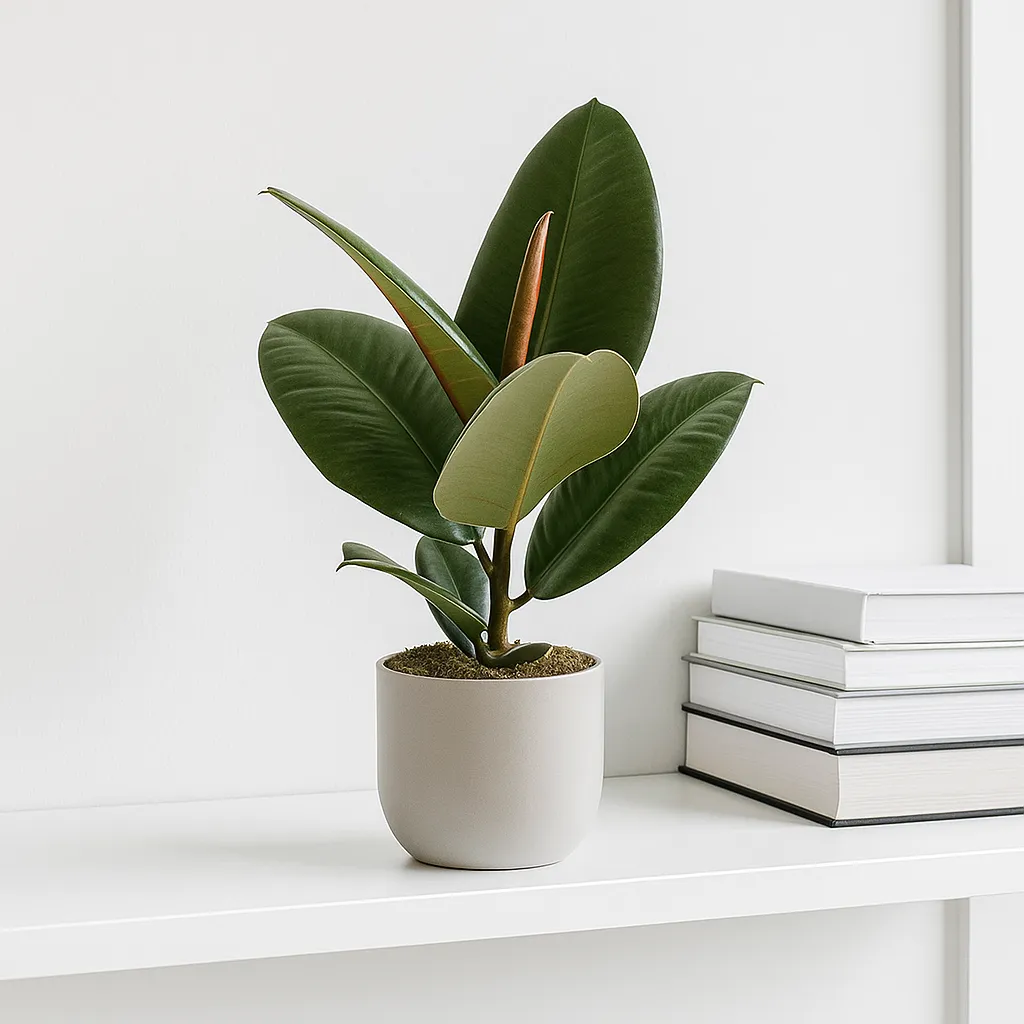
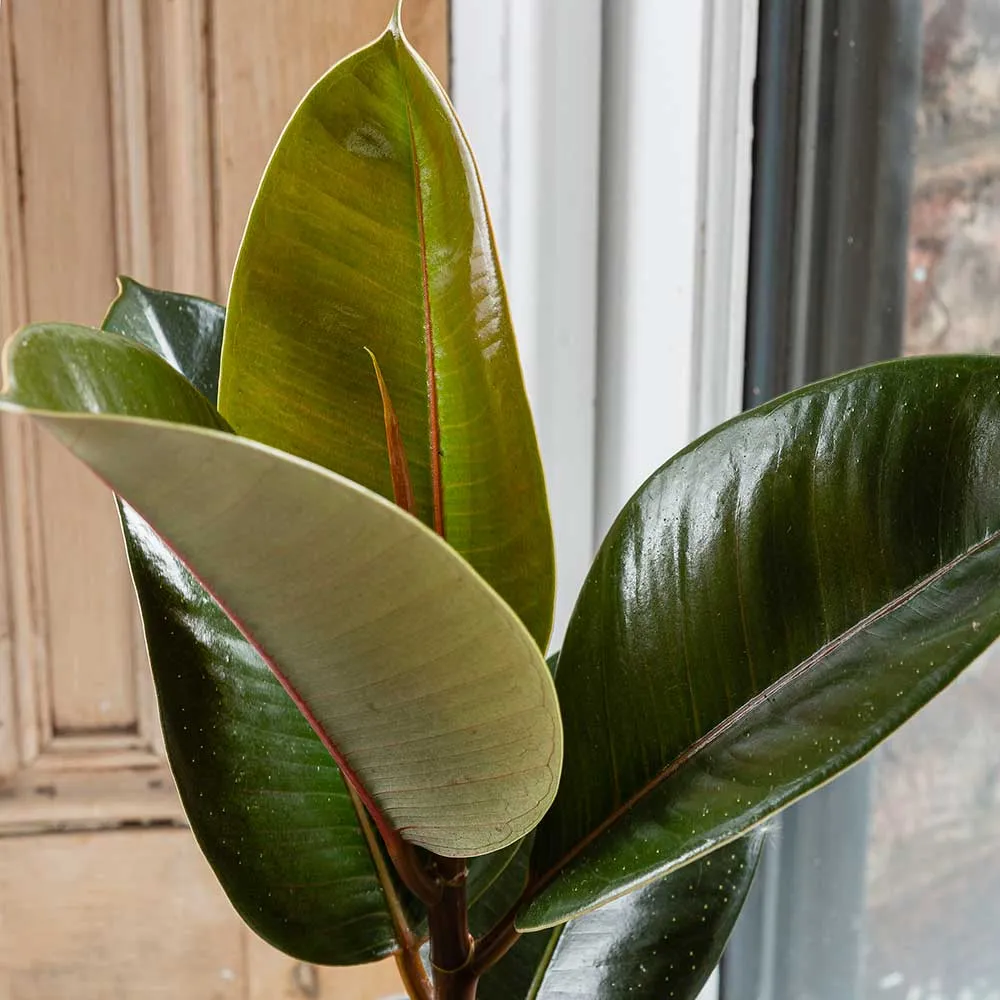
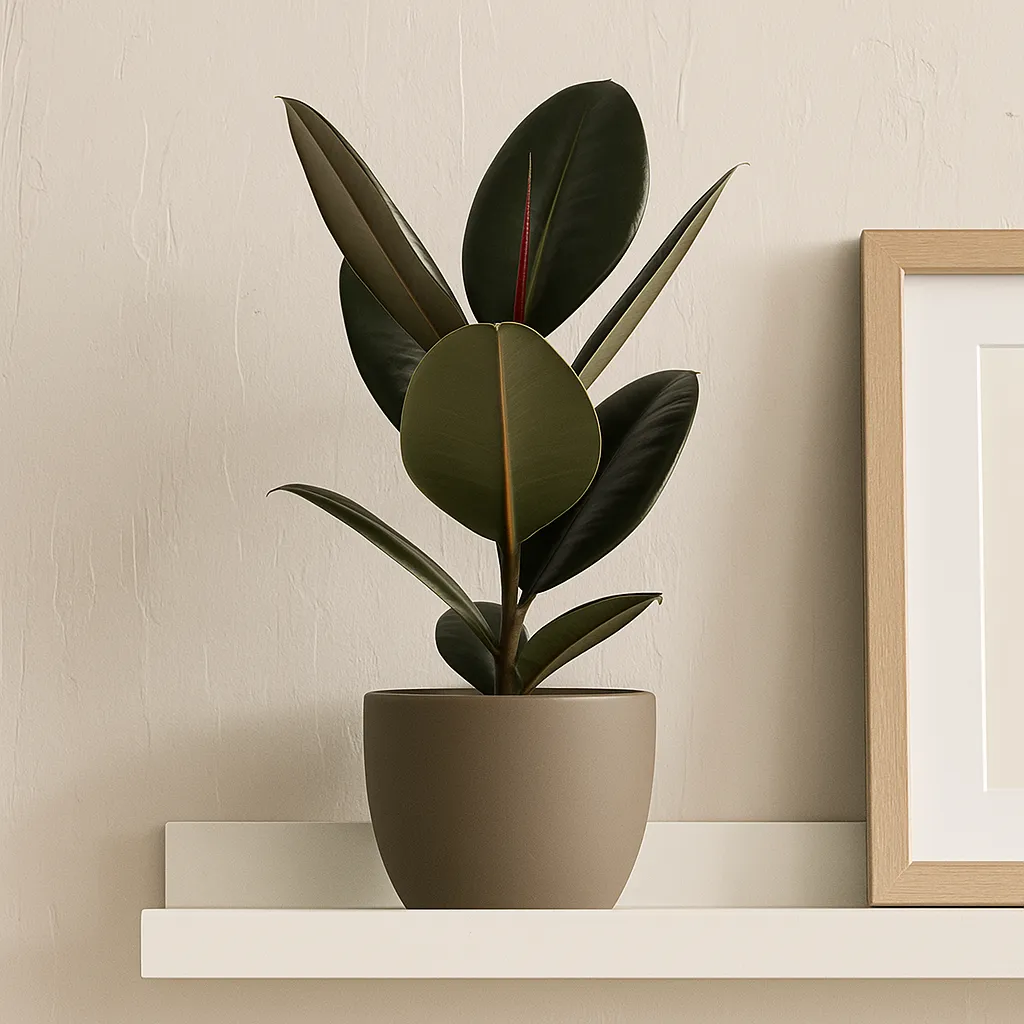
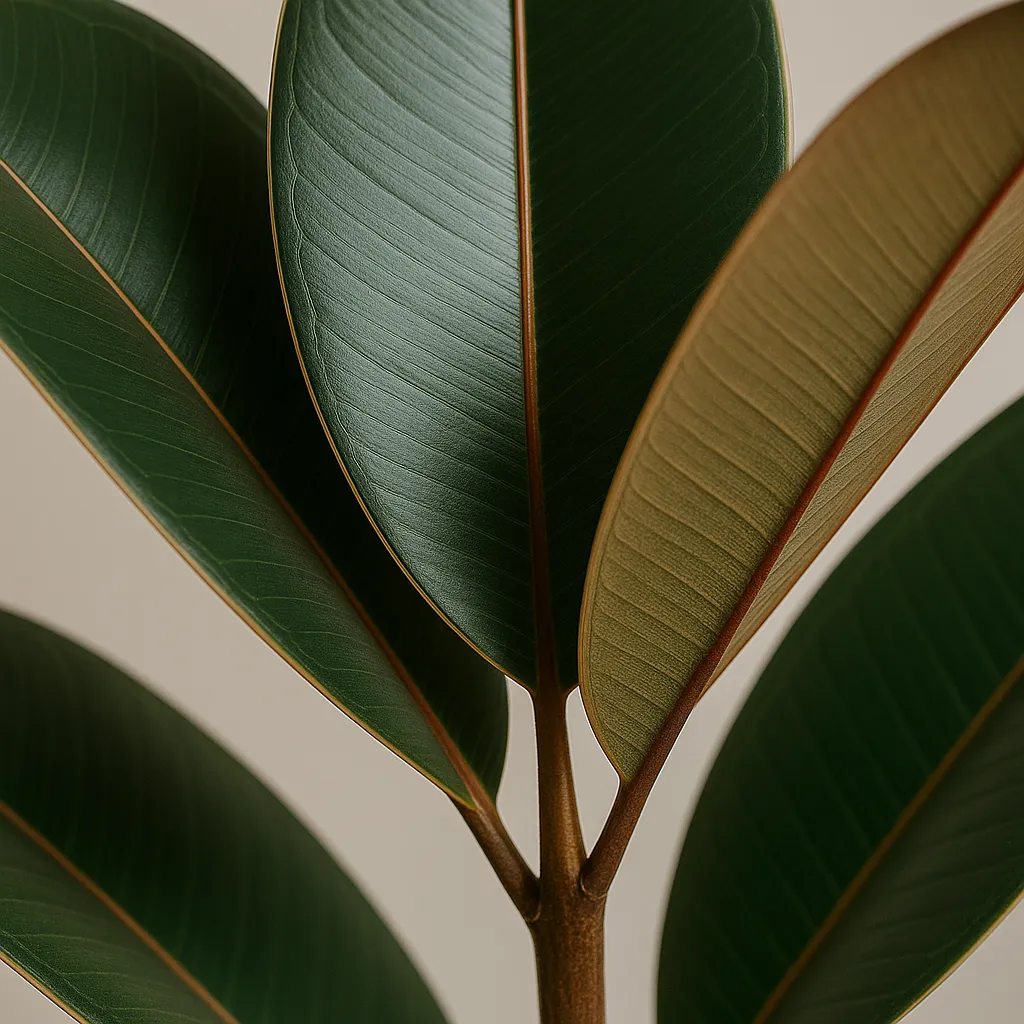
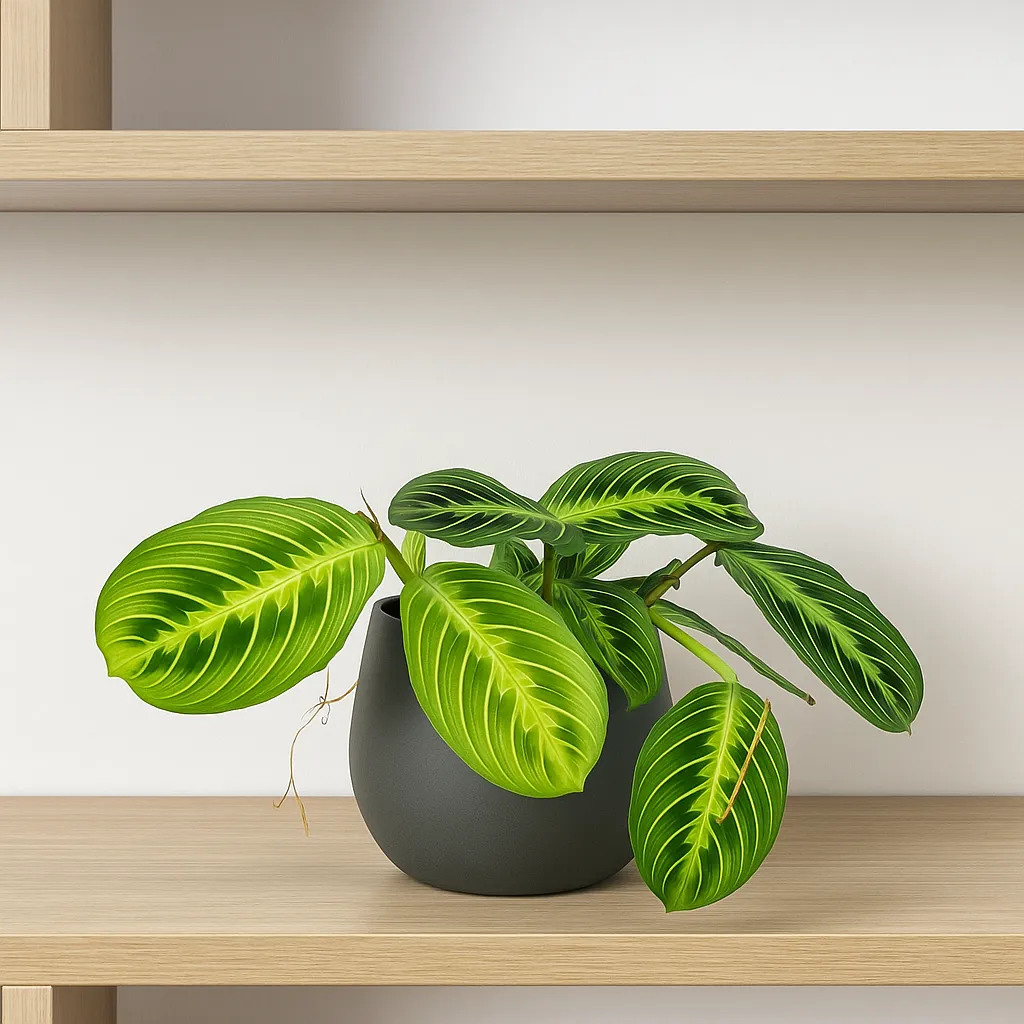
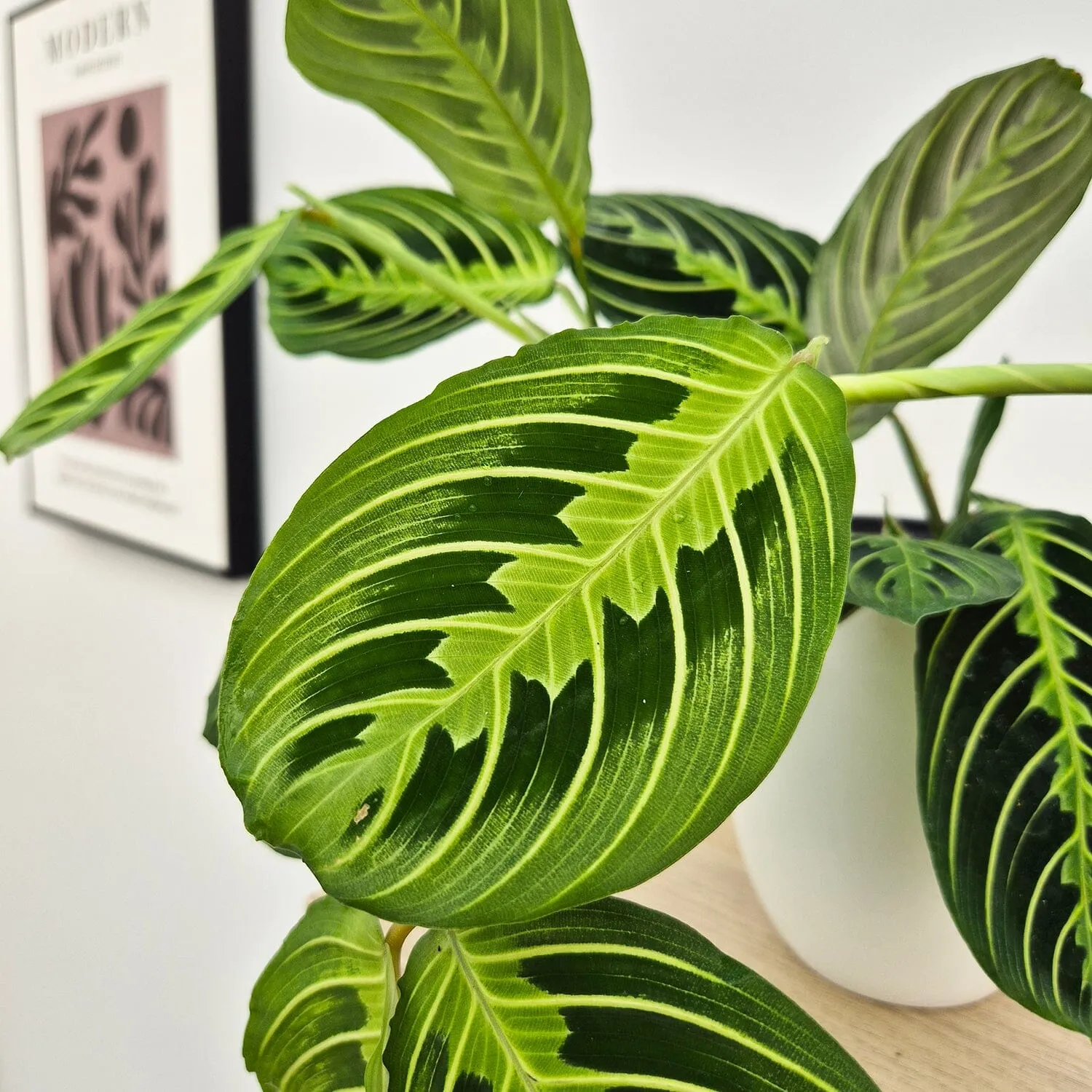
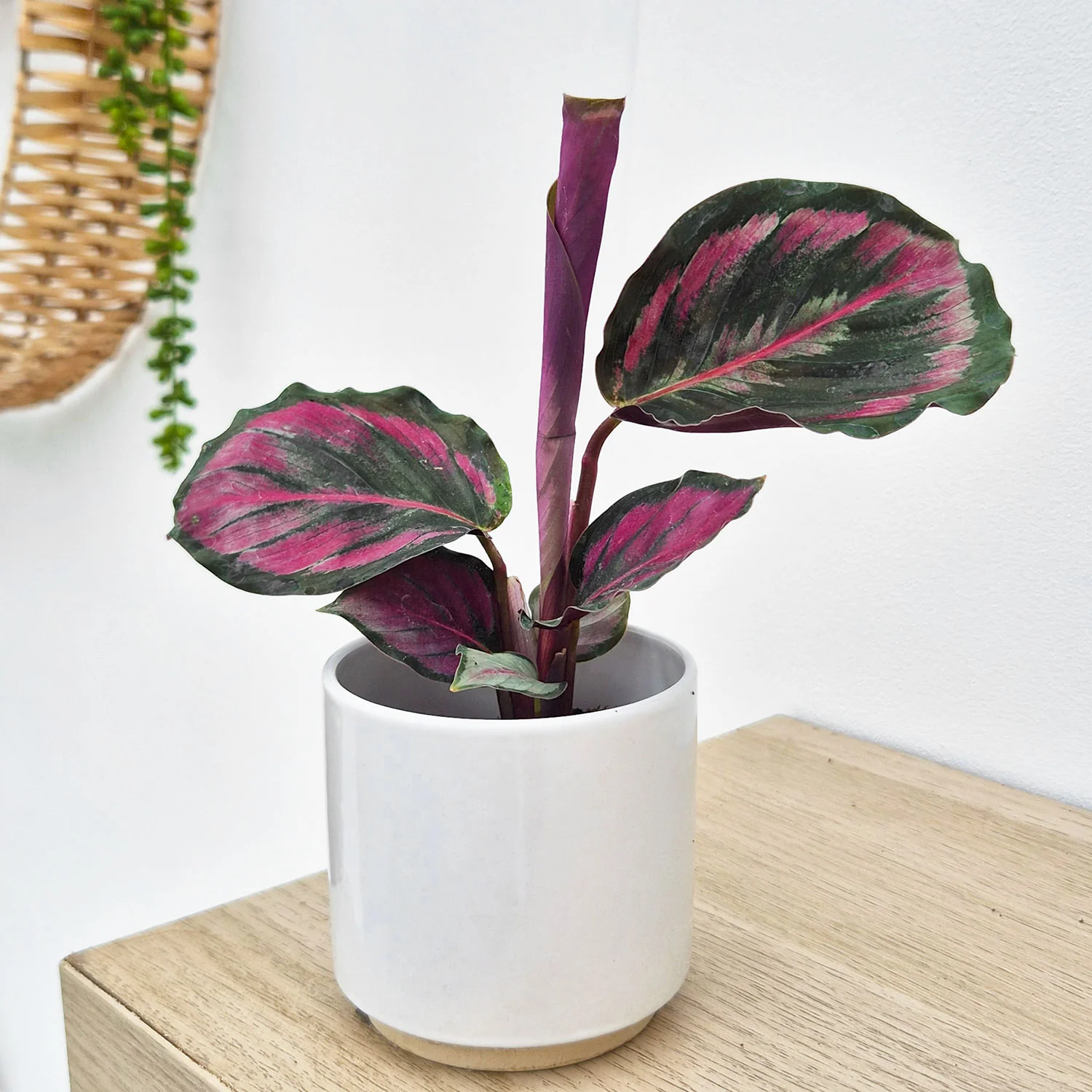
Calathea roseopicta ‘Illustrious Dottie’ (commonly known simply as Calathea ‘Dottie’) is a dramatic, dark-leaved prayer plant prized for its near-black foliage and vivid pink markings.
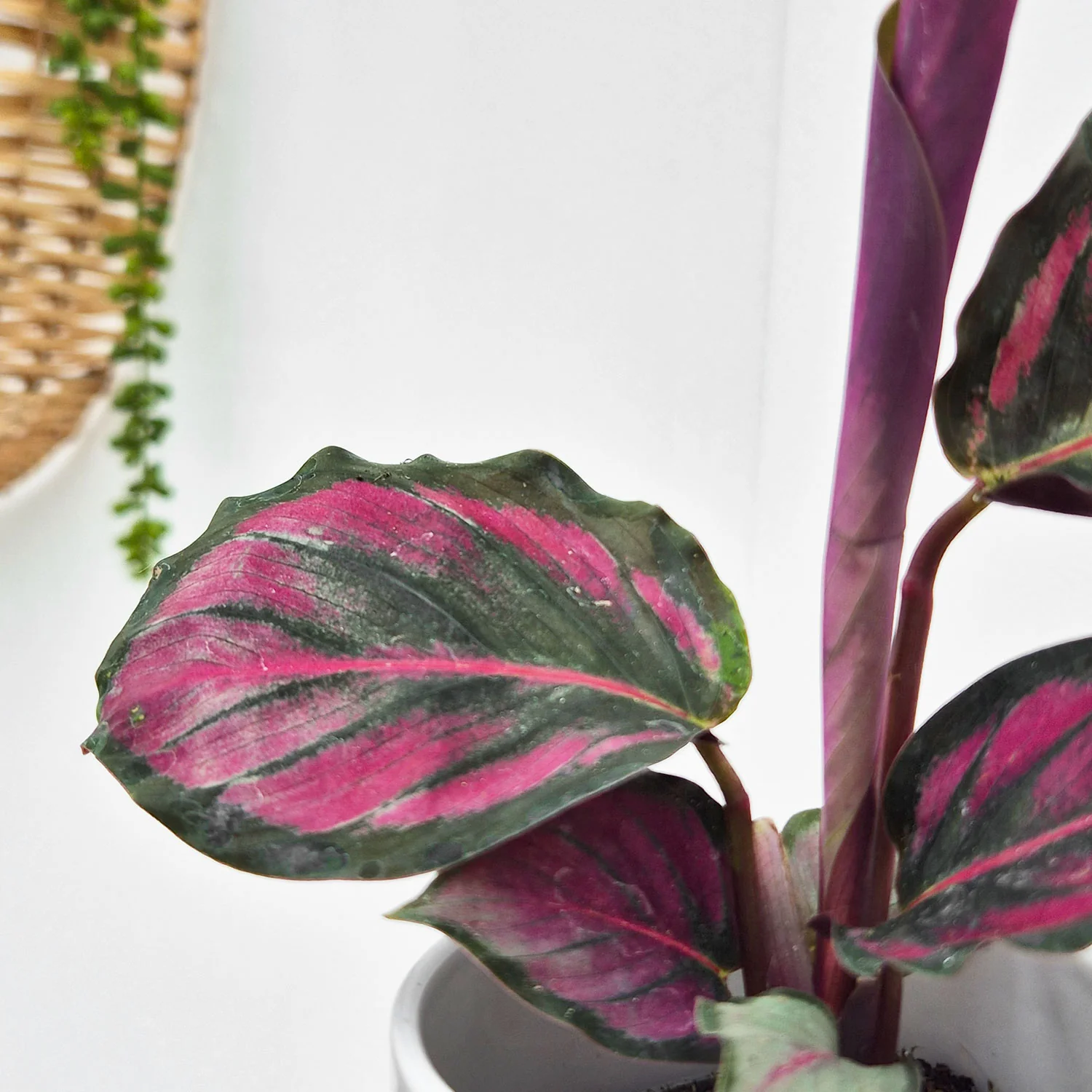
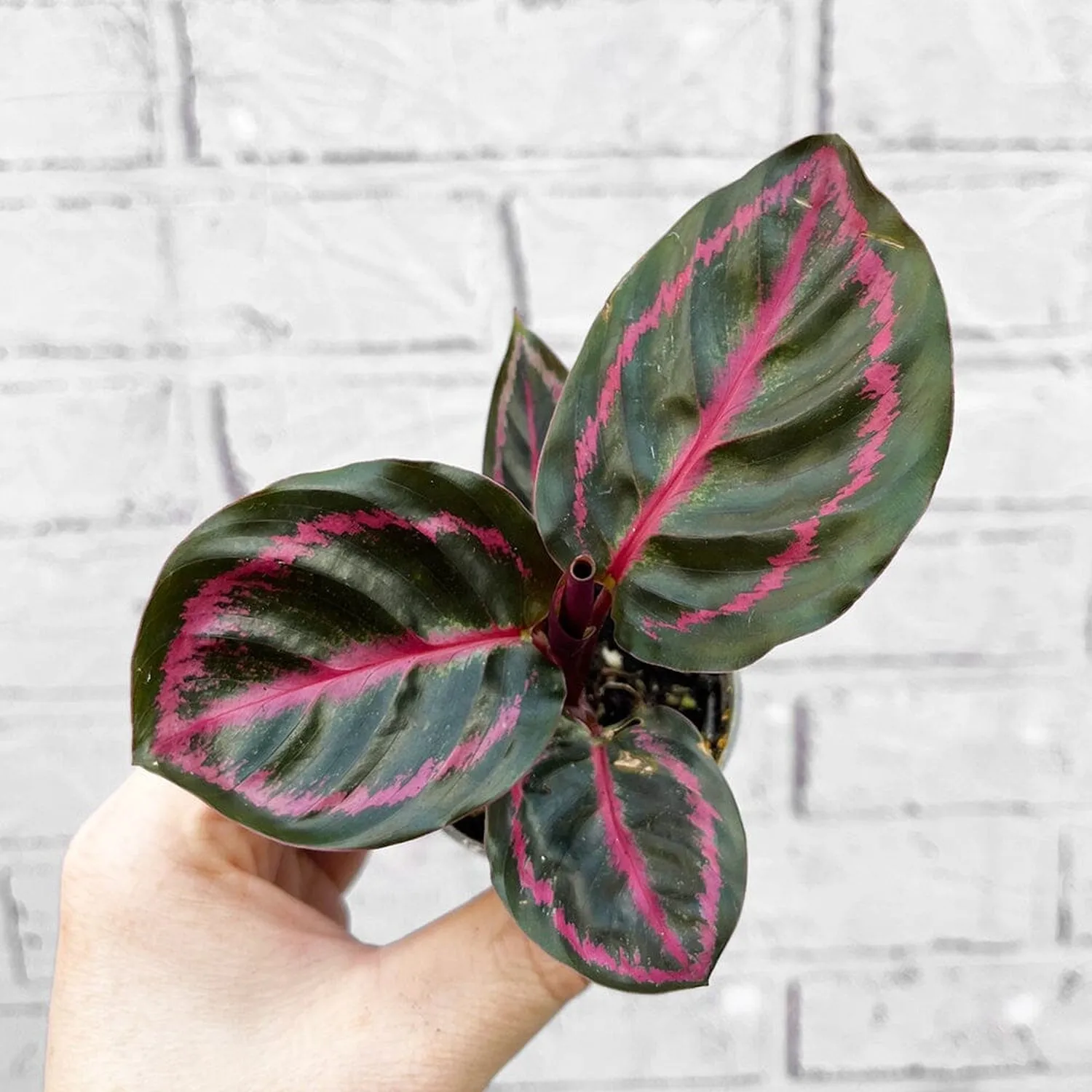
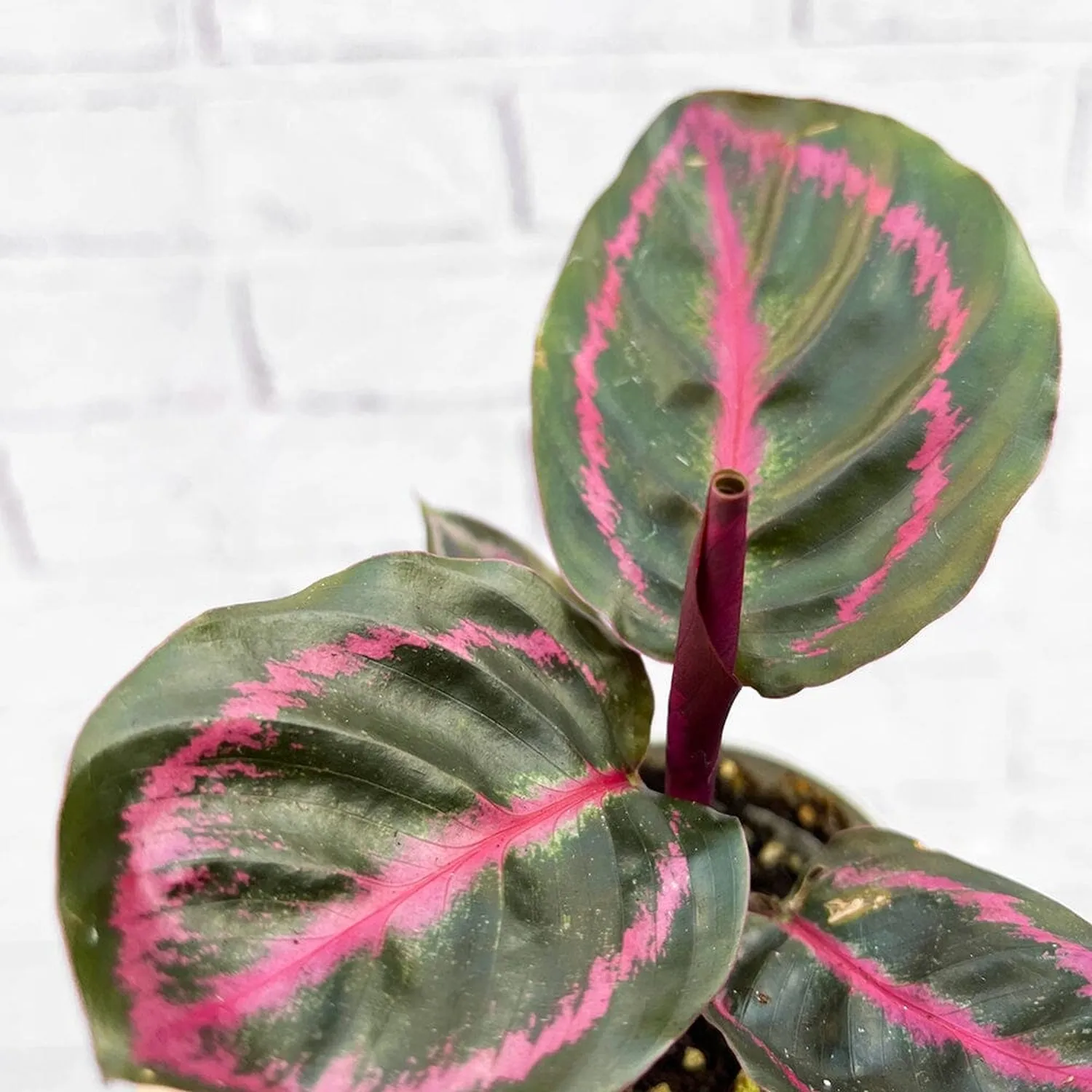
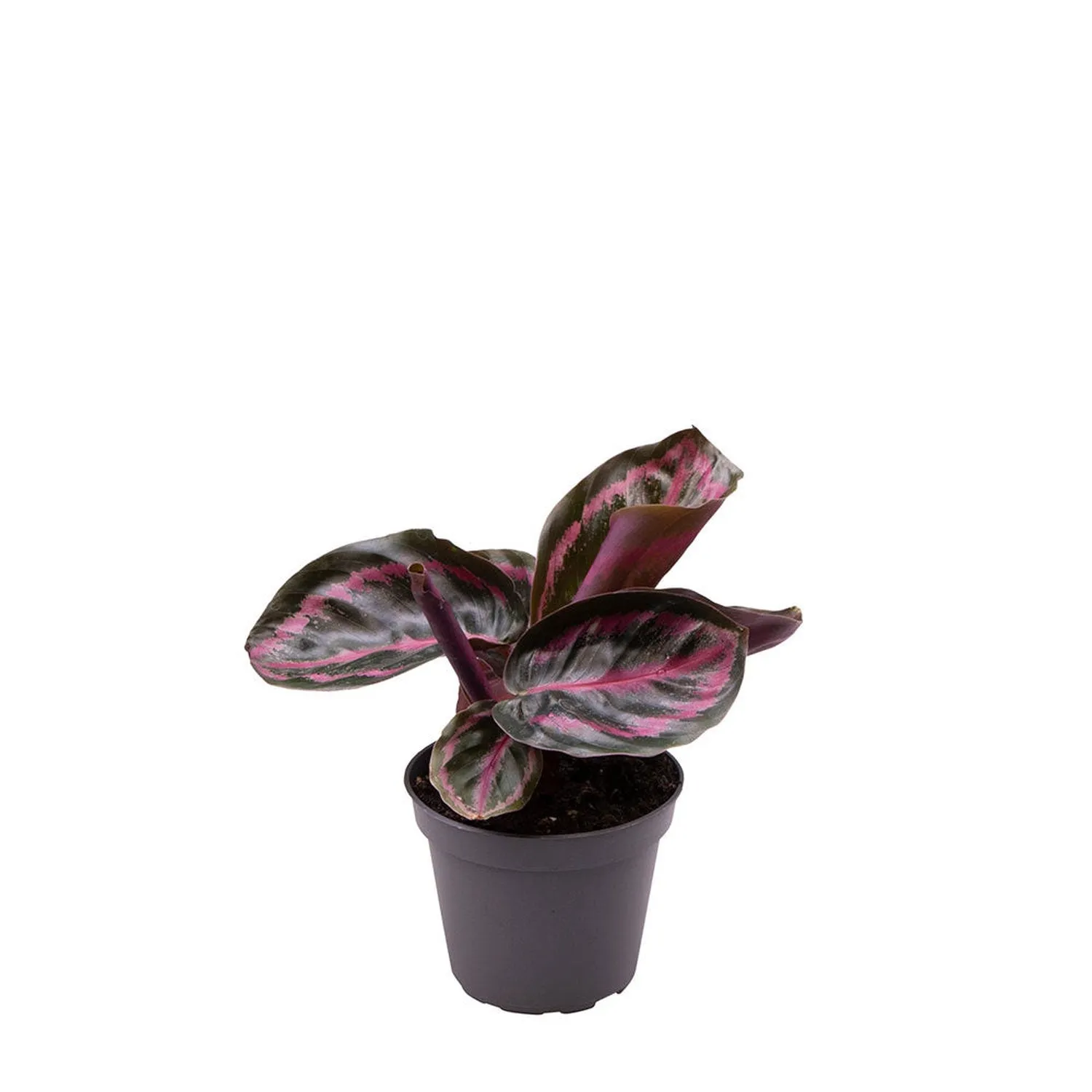
A cultivar of Calathea roseopicta, ‘Dottie’ features deep burgundy to almost black leaves with a bright pink feathered outline tracing the centre and margins. The undersides are a rich purple, enhancing its moody, luxurious appearance.
Compact and bold, it’s a perfect statement plant for darker interiors or as part of a dramatic foliage collection.
Key Features
-
🌿 Deep burgundy to near-black foliage
-
🌿 Striking bright pink patterning
-
🌿 Rich purple undersides
-
🌿 Compact, bushy growth
-
🌿 Prayer plant leaf movement
Care Guide
Light
Bright, indirect light is ideal.
-
East or north-facing windows suit it well
-
Avoid direct sunlight — can fade the pink markings
-
Too little light may reduce vibrancy
‘Dottie’ tolerates slightly lower light better than lighter variegated Calatheas.
Watering
Calatheas prefer consistent moisture.
-
Water when the top 2–3cm of soil feels slightly dry
-
Do not allow soil to completely dry out
-
Reduce watering in winter
Tips:
-
Use room-temperature rainwater or filtered water
-
Ensure the pot has good drainage
-
Avoid letting it sit in water
Inconsistent watering can cause curling or browning edges.
Humidity
High humidity keeps foliage looking its best.
-
Ideal range: 60–80%
-
Benefits from a humidifier
-
Avoid placement near radiators
Low humidity may cause crispy edges or leaf curling.
Temperature
-
Ideal: 18–26°C
-
Avoid temperatures below 16°C
-
Protect from draughts and sudden temperature shifts
Stable warmth is key.
Soil & Potting Mix
Use a moisture-retentive but airy mix:
-
Peat-free houseplant compost
-
Perlite
-
A small amount of bark or coco coir
The soil should stay lightly moist without becoming waterlogged.
Feeding
Feed during the growing season (March–September):
-
Balanced liquid fertiliser every 4 weeks
-
Use at half strength
-
Do not feed during winter
Overfeeding can cause leaf tip burn.
Growth Habit
-
Compact and clump-forming
-
Typically grows 30–40cm tall
-
Produces new leaves from the centre
Leaves gently lift and fold slightly in the evening.
Common Problems
Brown edges
-
Low humidity
-
Mineral-heavy tap water
Curling leaves
-
Underwatering
-
Dry air
Yellow leaves
-
Overwatering
Calatheas can appear “dramatic” but usually recover quickly once conditions stabilise.
Styling Ideas
-
Perfect for adding depth to bright rooms
-
Stunning contrast against white walls
-
Pairs beautifully with lighter variegated plants
-
Ideal for shelves, desks or plant cabinets
This variety would sit beautifully within a dark foliage collection, adding contrast through its vivid pink detailing.
Toxicity
Calatheas are generally considered non-toxic to pets, making them suitable for households with cats and dogs.
Product Information
Product Information
Shipping & Returns
Shipping & Returns
Description
Calathea roseopicta ‘Illustrious Dottie’ (commonly known simply as Calathea ‘Dottie’) is a dramatic, dark-leaved prayer plant prized for its near-black foliage and vivid pink markings.
A cultivar of Calathea roseopicta, ‘Dottie’ features deep burgundy to almost black leaves with a bright pink feathered outline tracing the centre and margins. The undersides are a rich purple, enhancing its moody, luxurious appearance.
Compact and bold, it’s a perfect statement plant for darker interiors or as part of a dramatic foliage collection.
Key Features
-
🌿 Deep burgundy to near-black foliage
-
🌿 Striking bright pink patterning
-
🌿 Rich purple undersides
-
🌿 Compact, bushy growth
-
🌿 Prayer plant leaf movement
Care Guide
Light
Bright, indirect light is ideal.
-
East or north-facing windows suit it well
-
Avoid direct sunlight — can fade the pink markings
-
Too little light may reduce vibrancy
‘Dottie’ tolerates slightly lower light better than lighter variegated Calatheas.
Watering
Calatheas prefer consistent moisture.
-
Water when the top 2–3cm of soil feels slightly dry
-
Do not allow soil to completely dry out
-
Reduce watering in winter
Tips:
-
Use room-temperature rainwater or filtered water
-
Ensure the pot has good drainage
-
Avoid letting it sit in water
Inconsistent watering can cause curling or browning edges.
Humidity
High humidity keeps foliage looking its best.
-
Ideal range: 60–80%
-
Benefits from a humidifier
-
Avoid placement near radiators
Low humidity may cause crispy edges or leaf curling.
Temperature
-
Ideal: 18–26°C
-
Avoid temperatures below 16°C
-
Protect from draughts and sudden temperature shifts
Stable warmth is key.
Soil & Potting Mix
Use a moisture-retentive but airy mix:
-
Peat-free houseplant compost
-
Perlite
-
A small amount of bark or coco coir
The soil should stay lightly moist without becoming waterlogged.
Feeding
Feed during the growing season (March–September):
-
Balanced liquid fertiliser every 4 weeks
-
Use at half strength
-
Do not feed during winter
Overfeeding can cause leaf tip burn.
Growth Habit
-
Compact and clump-forming
-
Typically grows 30–40cm tall
-
Produces new leaves from the centre
Leaves gently lift and fold slightly in the evening.
Common Problems
Brown edges
-
Low humidity
-
Mineral-heavy tap water
Curling leaves
-
Underwatering
-
Dry air
Yellow leaves
-
Overwatering
Calatheas can appear “dramatic” but usually recover quickly once conditions stabilise.
Styling Ideas
-
Perfect for adding depth to bright rooms
-
Stunning contrast against white walls
-
Pairs beautifully with lighter variegated plants
-
Ideal for shelves, desks or plant cabinets
This variety would sit beautifully within a dark foliage collection, adding contrast through its vivid pink detailing.
Toxicity
Calatheas are generally considered non-toxic to pets, making them suitable for households with cats and dogs.