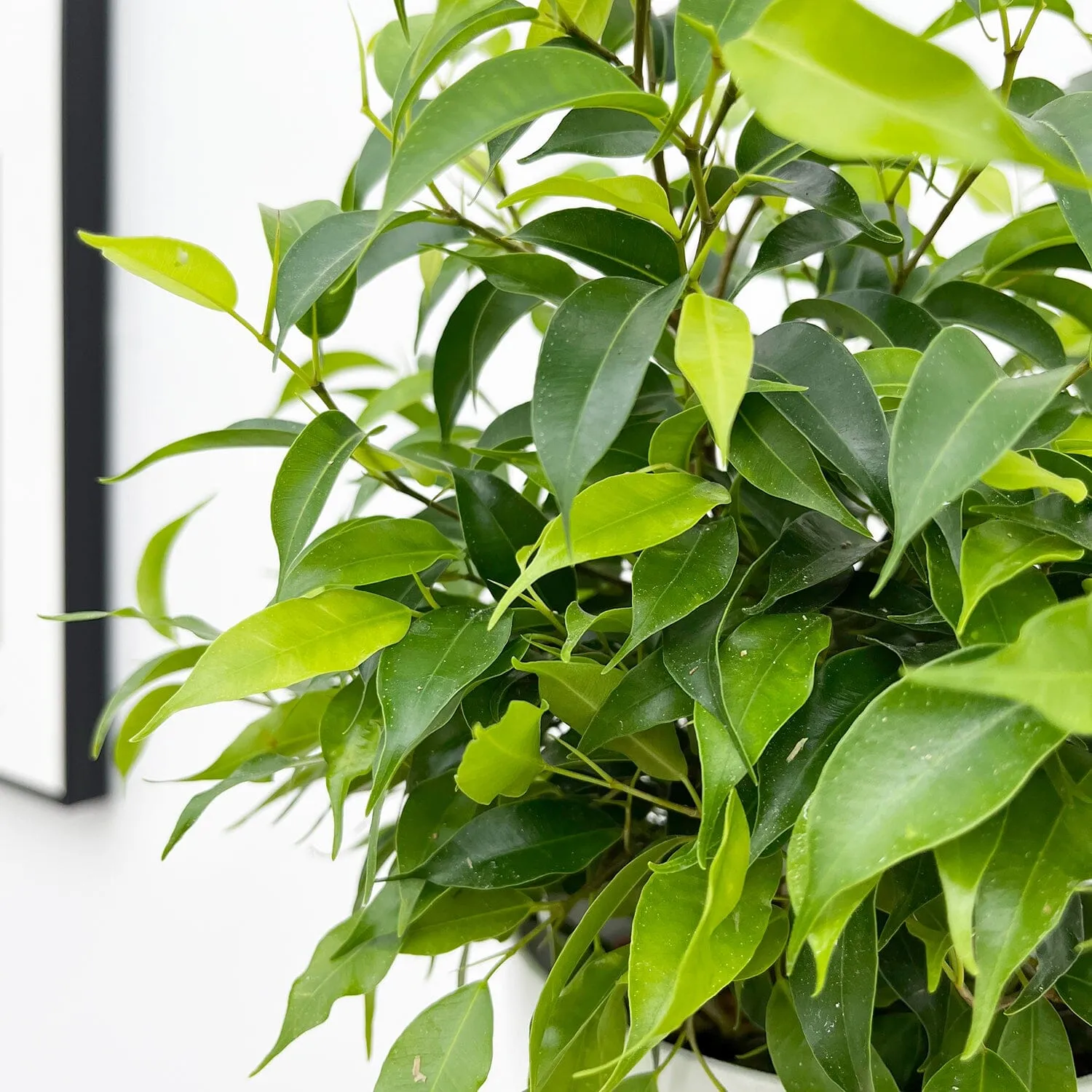
20 - 30cm Ficus Benjamina 12cm Pot House Plant
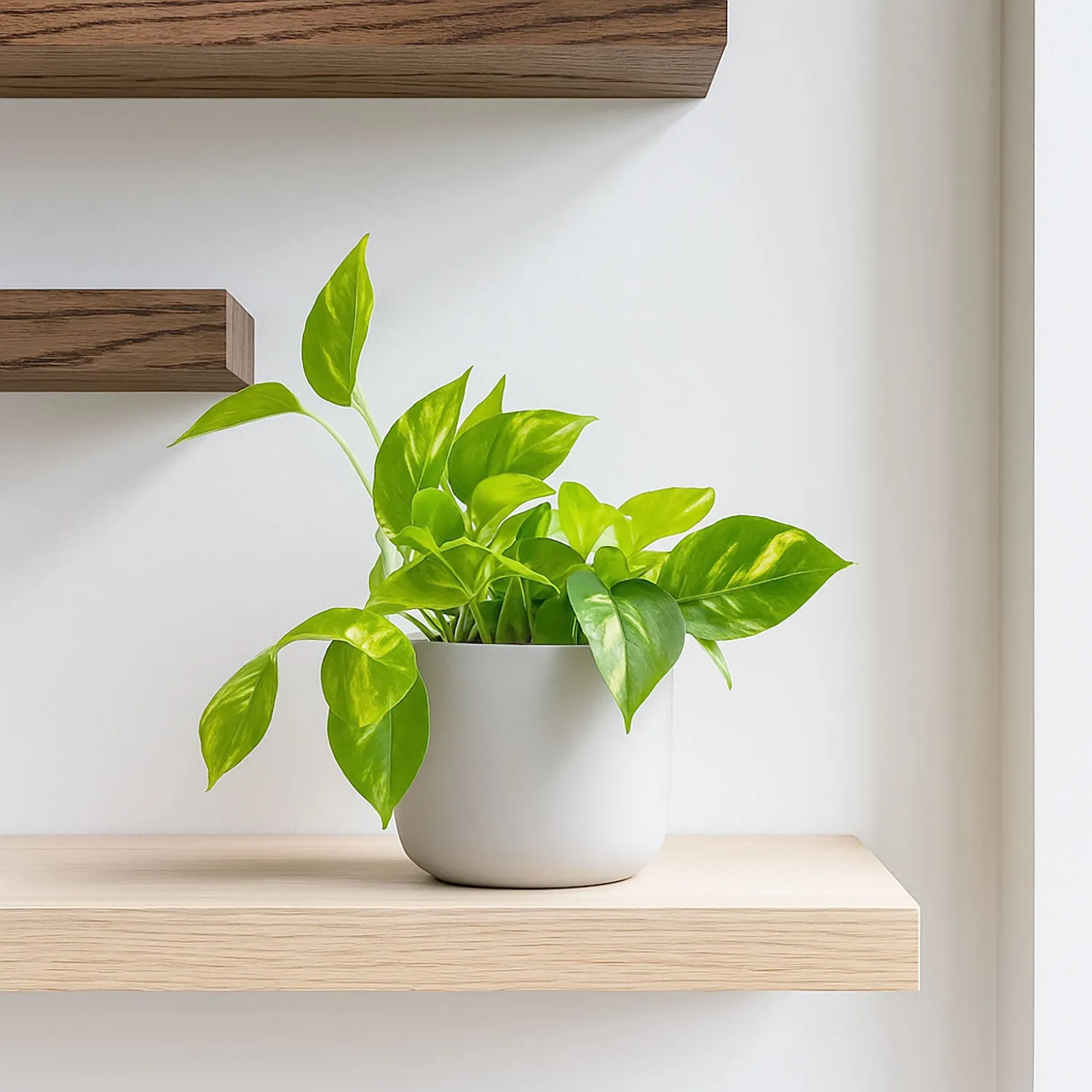
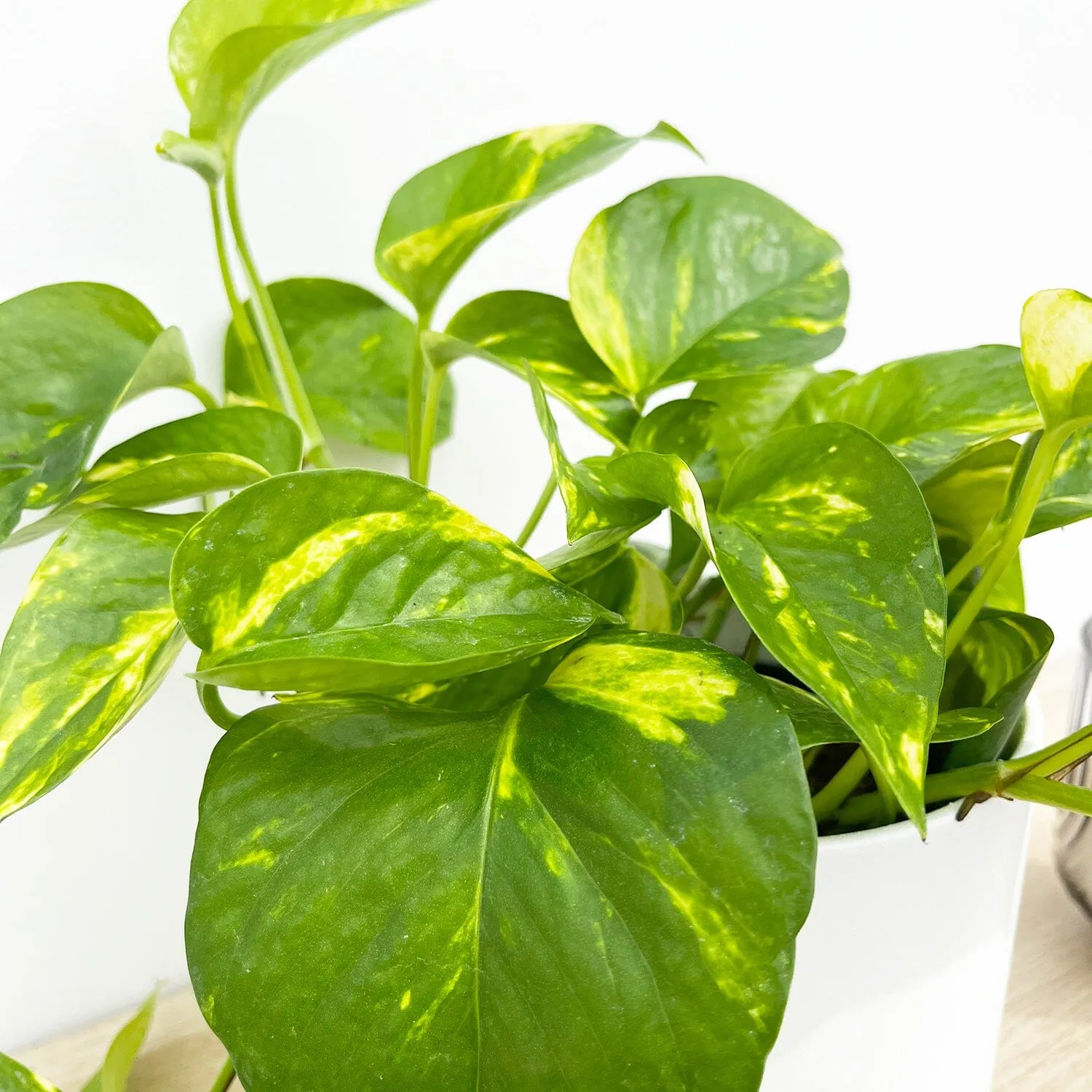
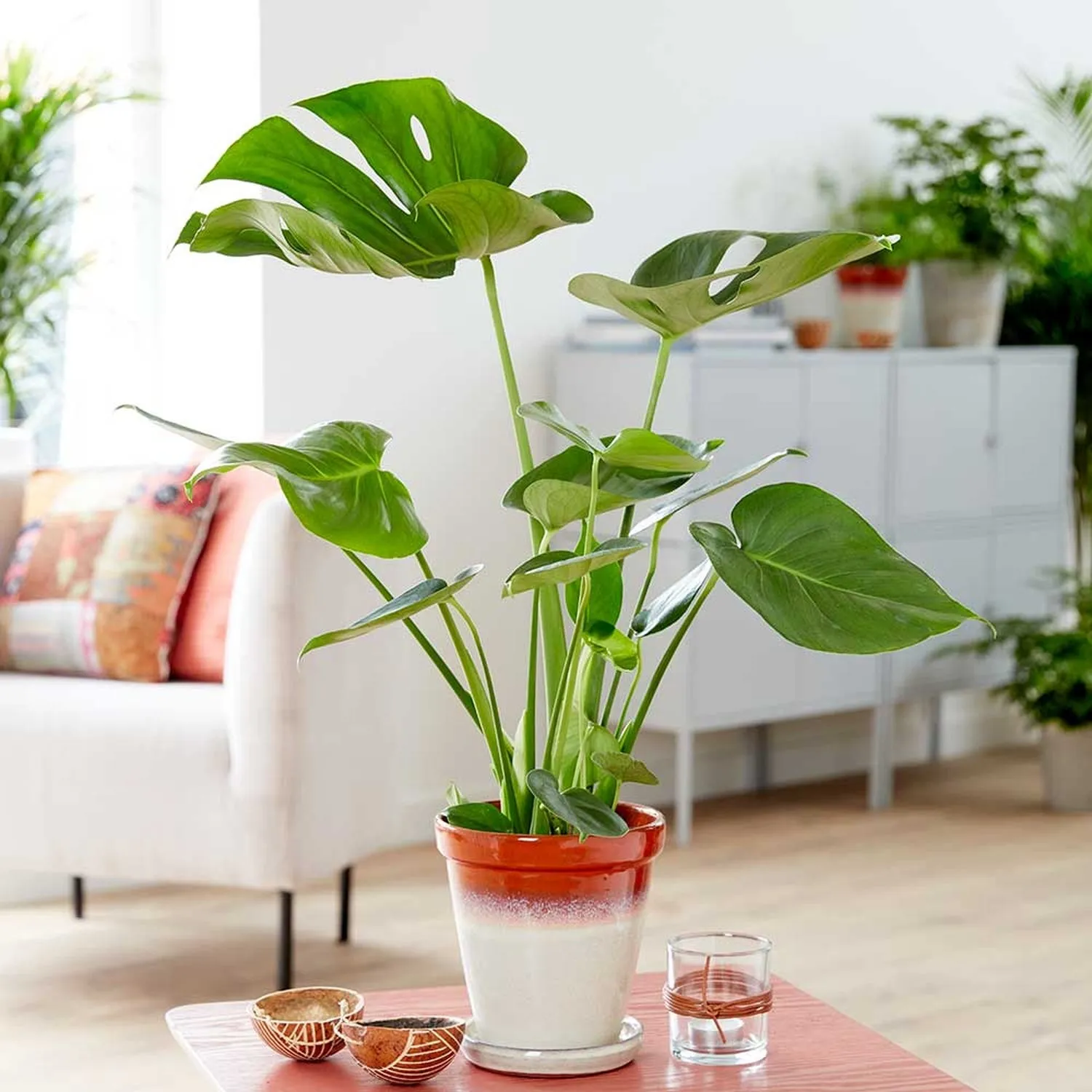
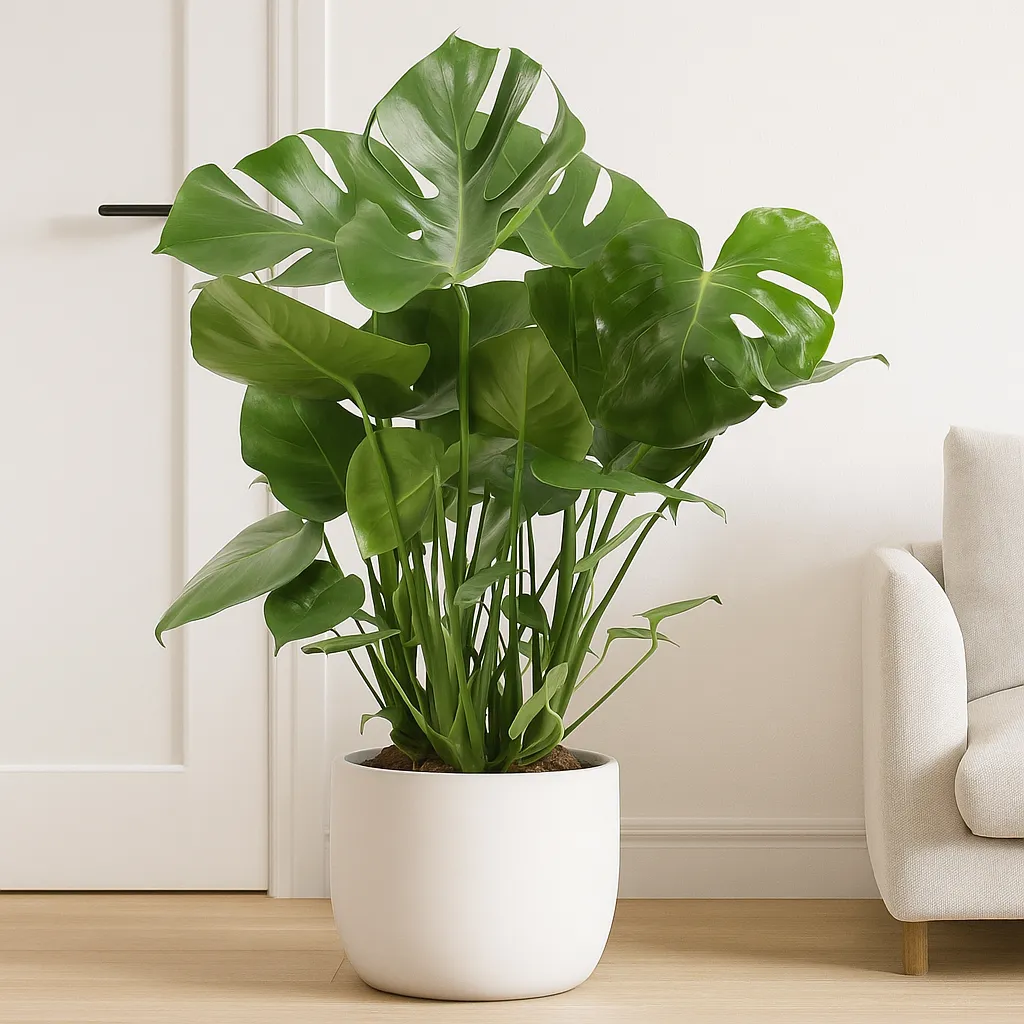
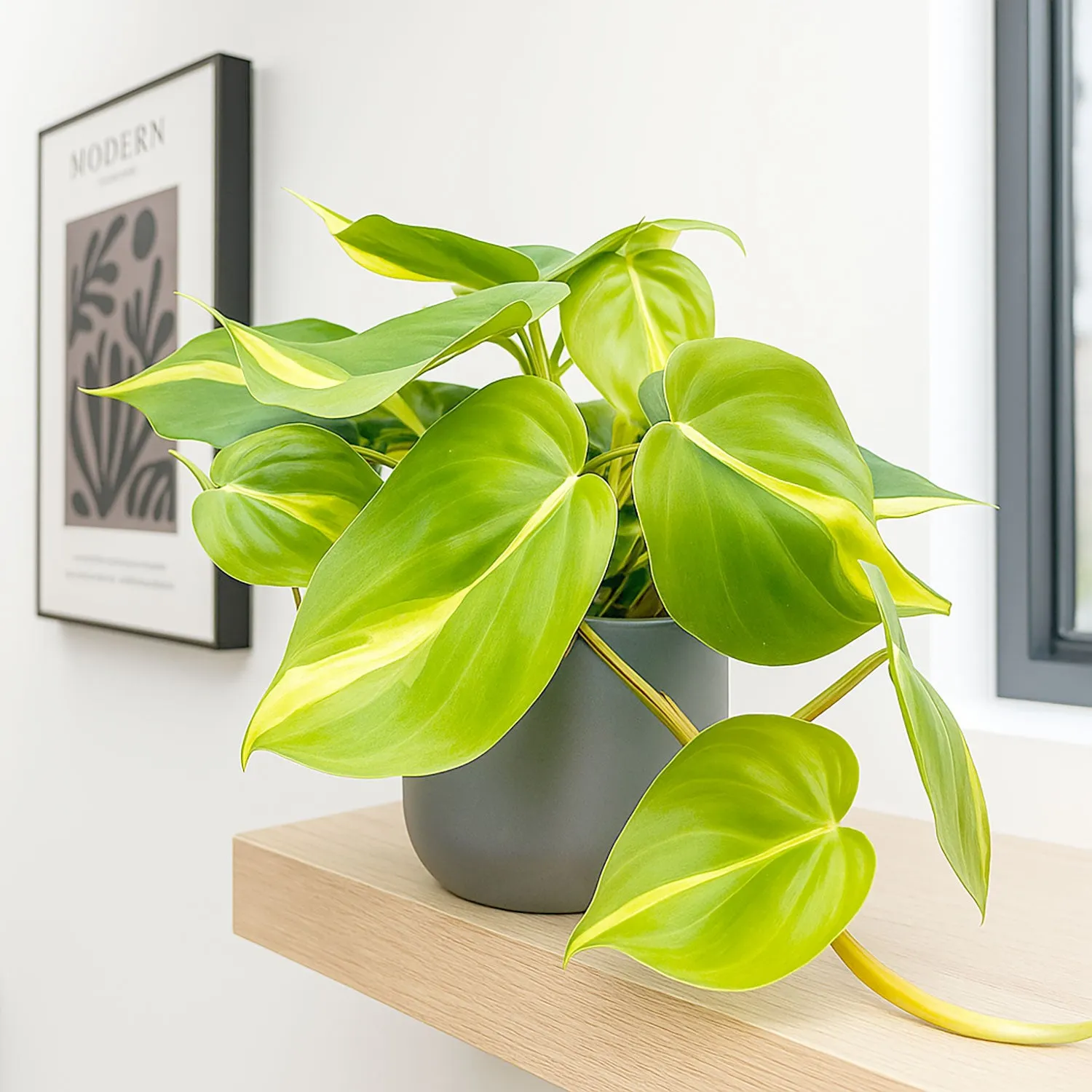
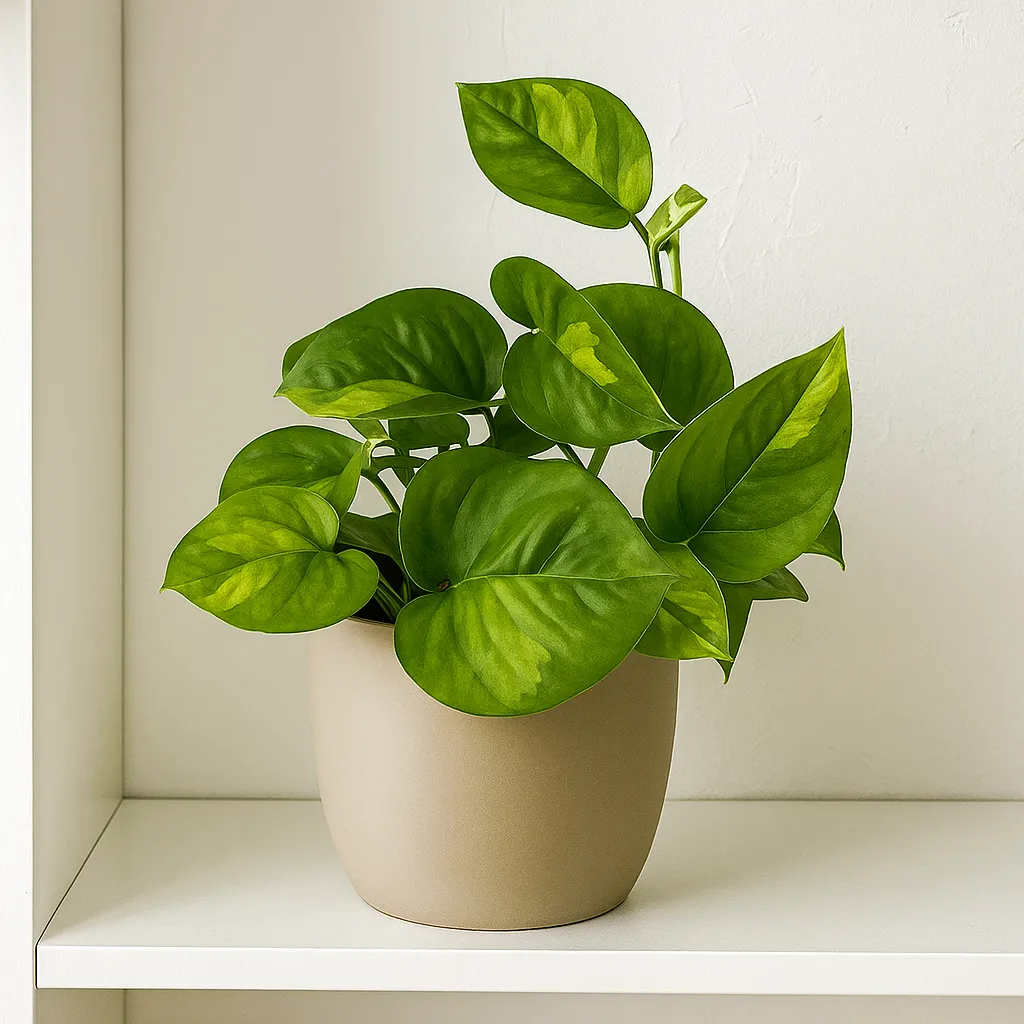
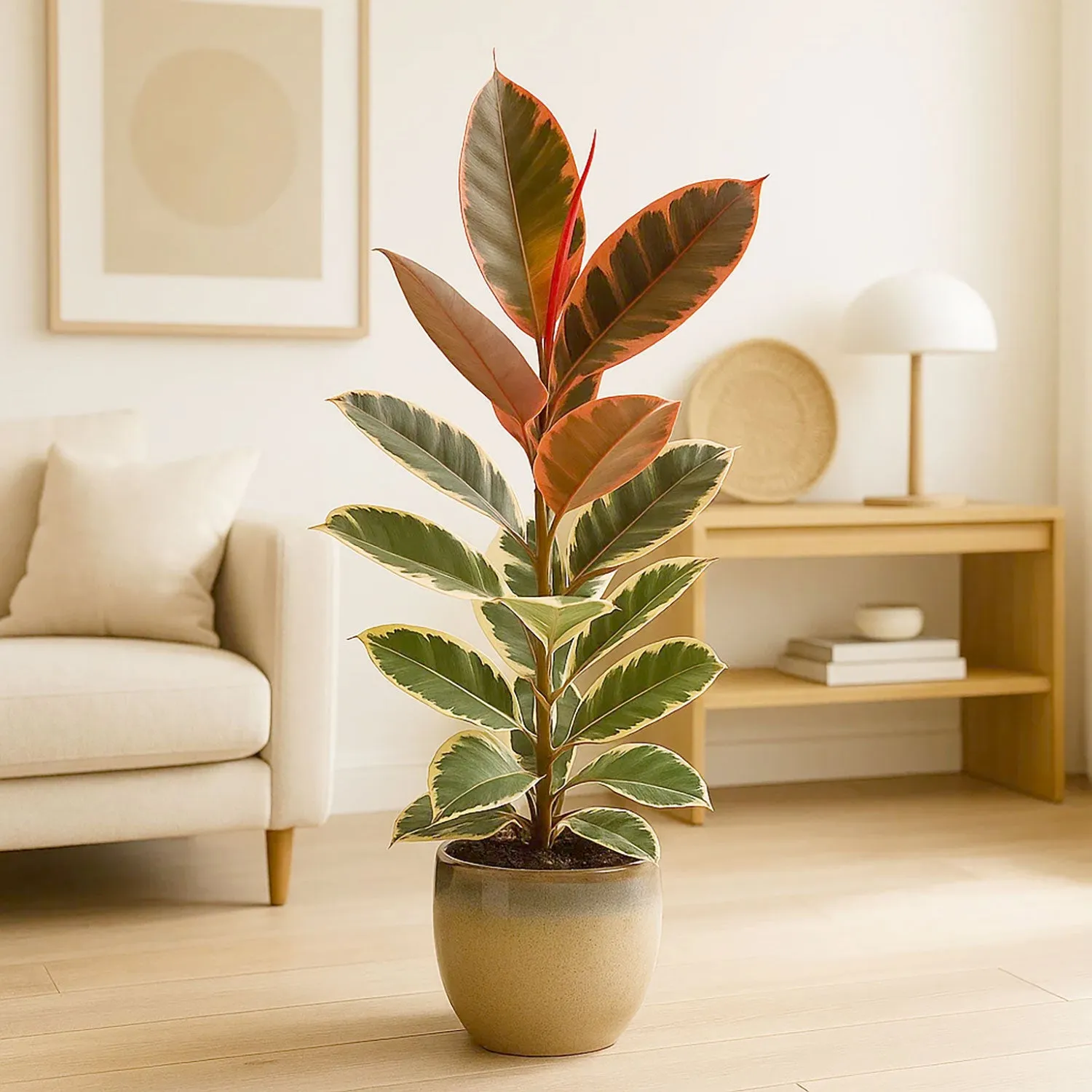
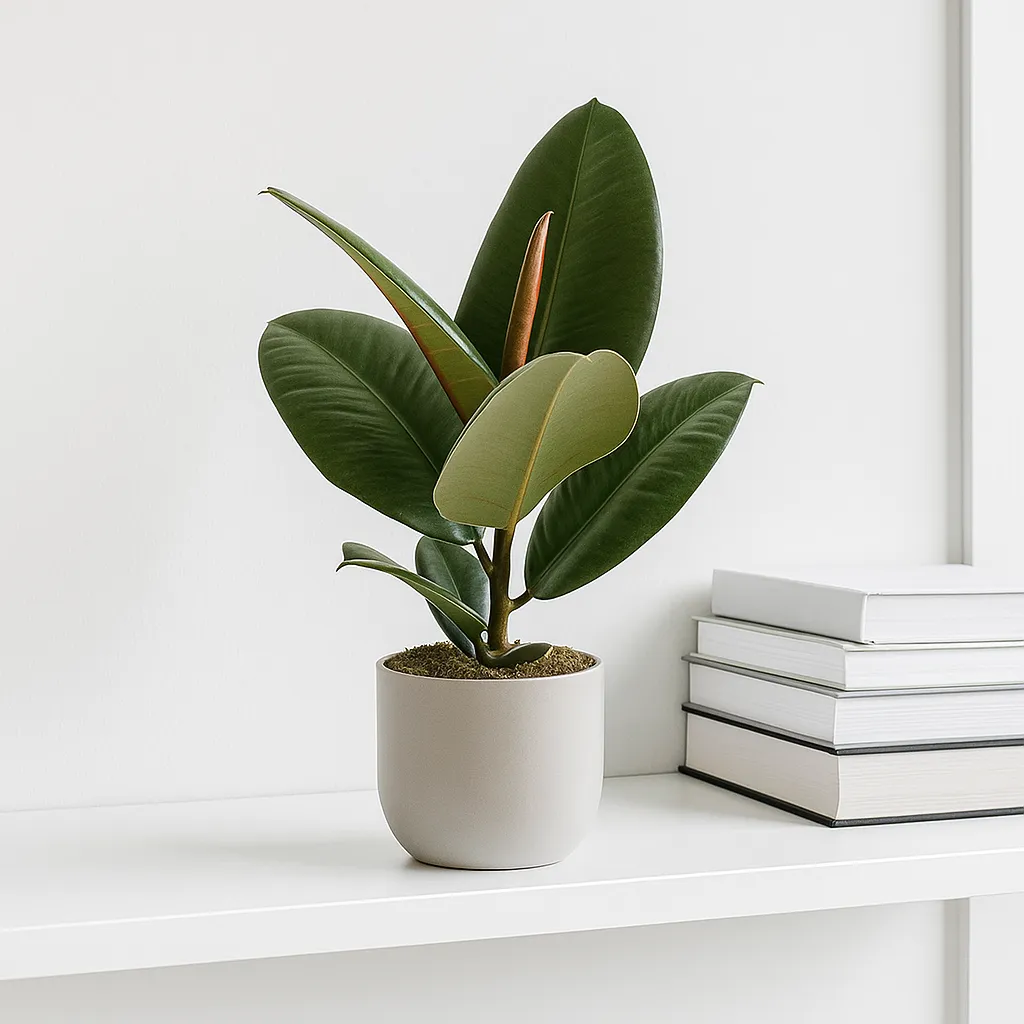
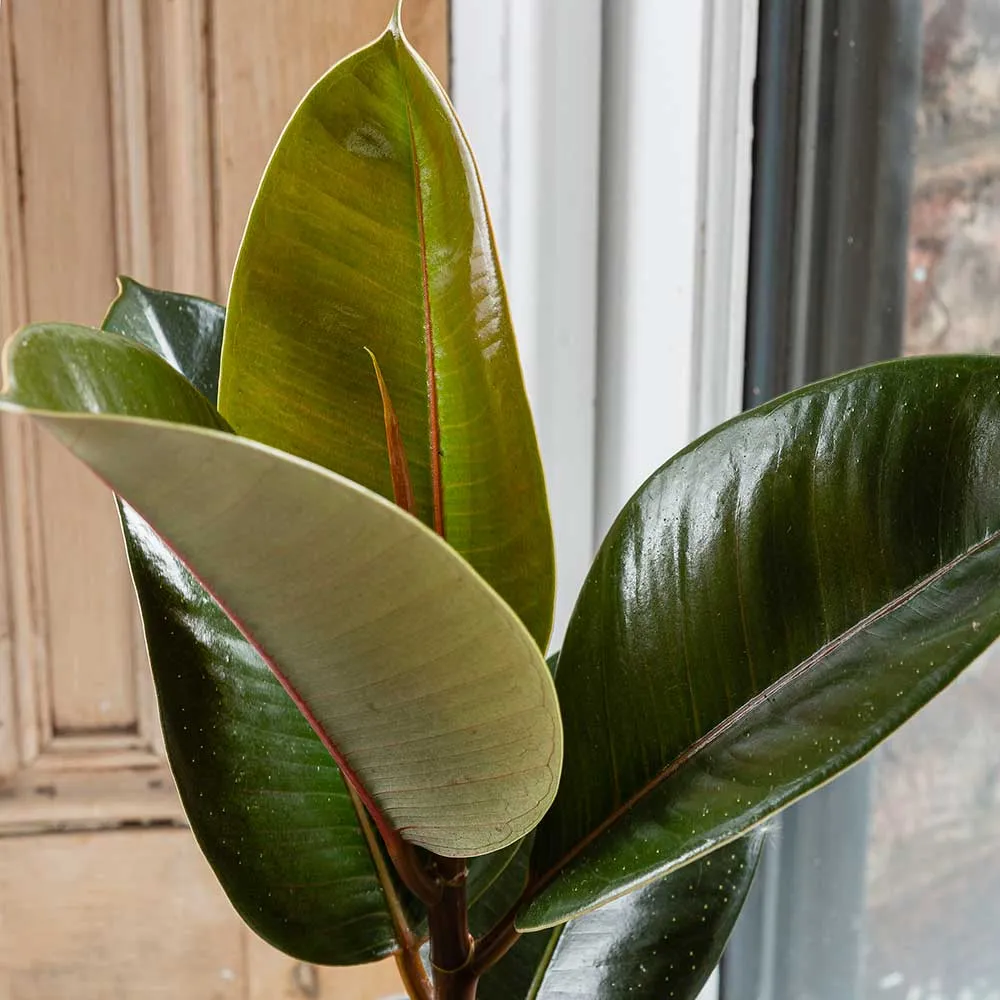
Ficus benjamina, commonly known as the Weeping Fig, is one of the most elegant and classic indoor trees, prized for its graceful form, glossy leaves, and air-purifying qualities. A member of the Moraceae family, this tropical species is native to Southeast Asia and northern Australia, where it grows as a large evergreen tree.
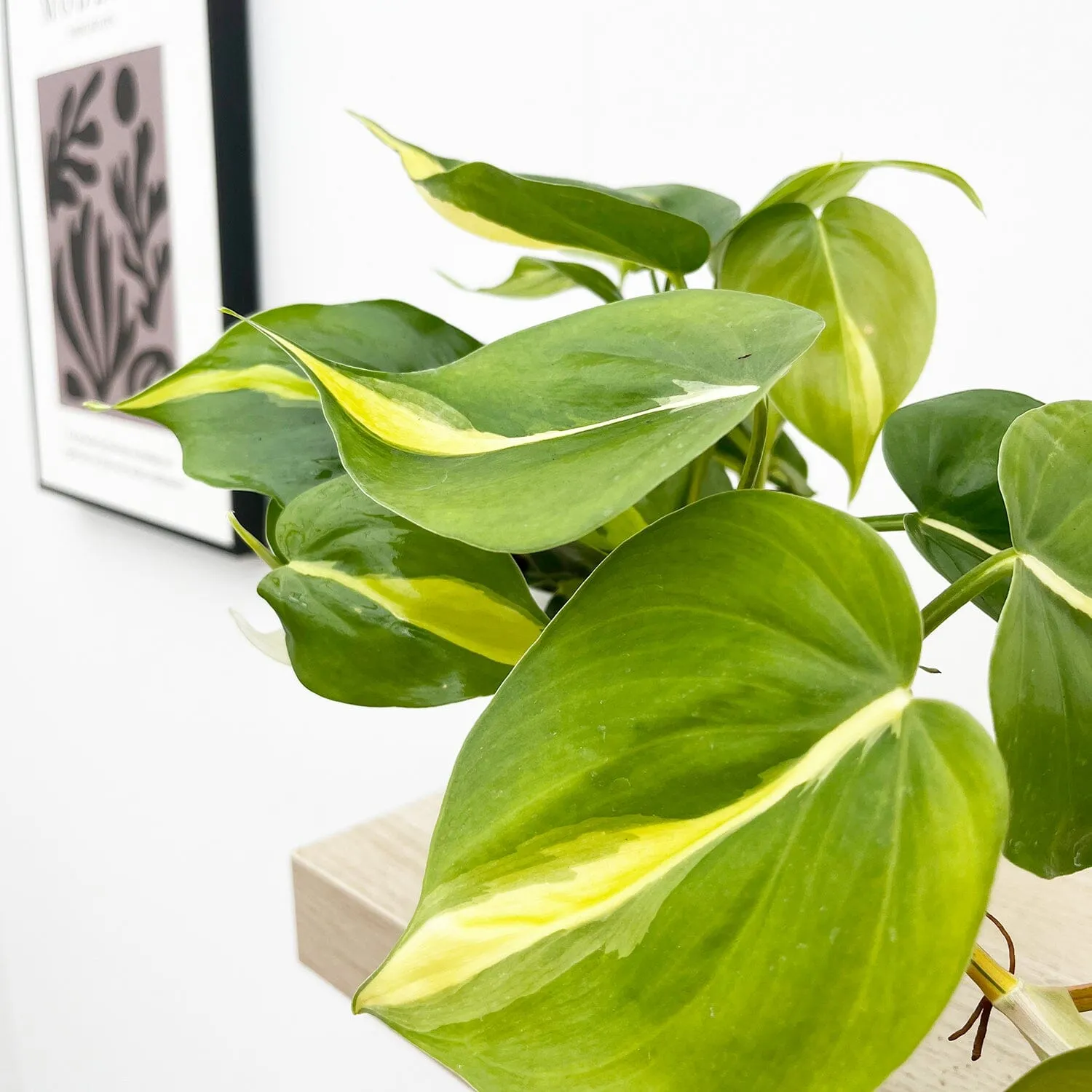
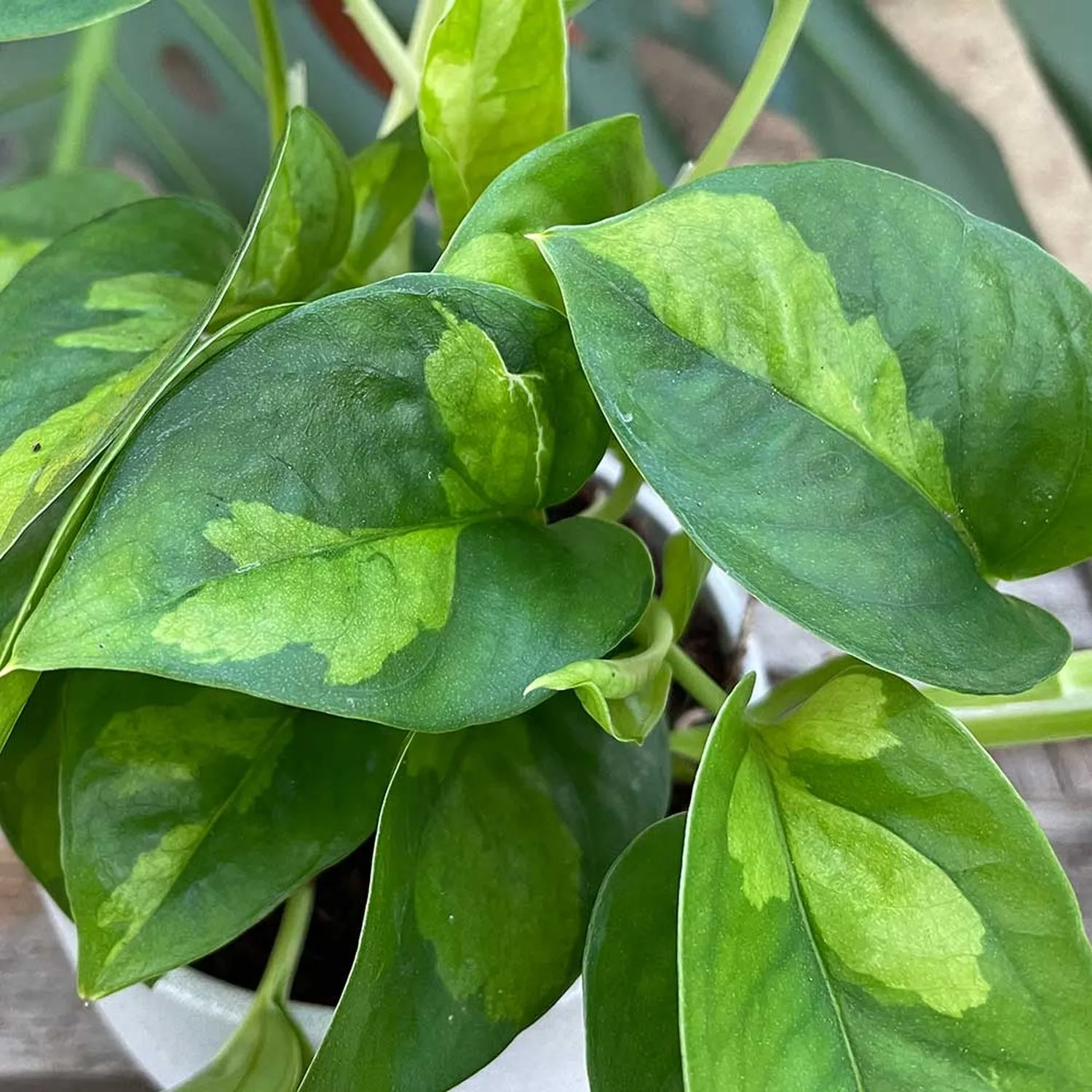
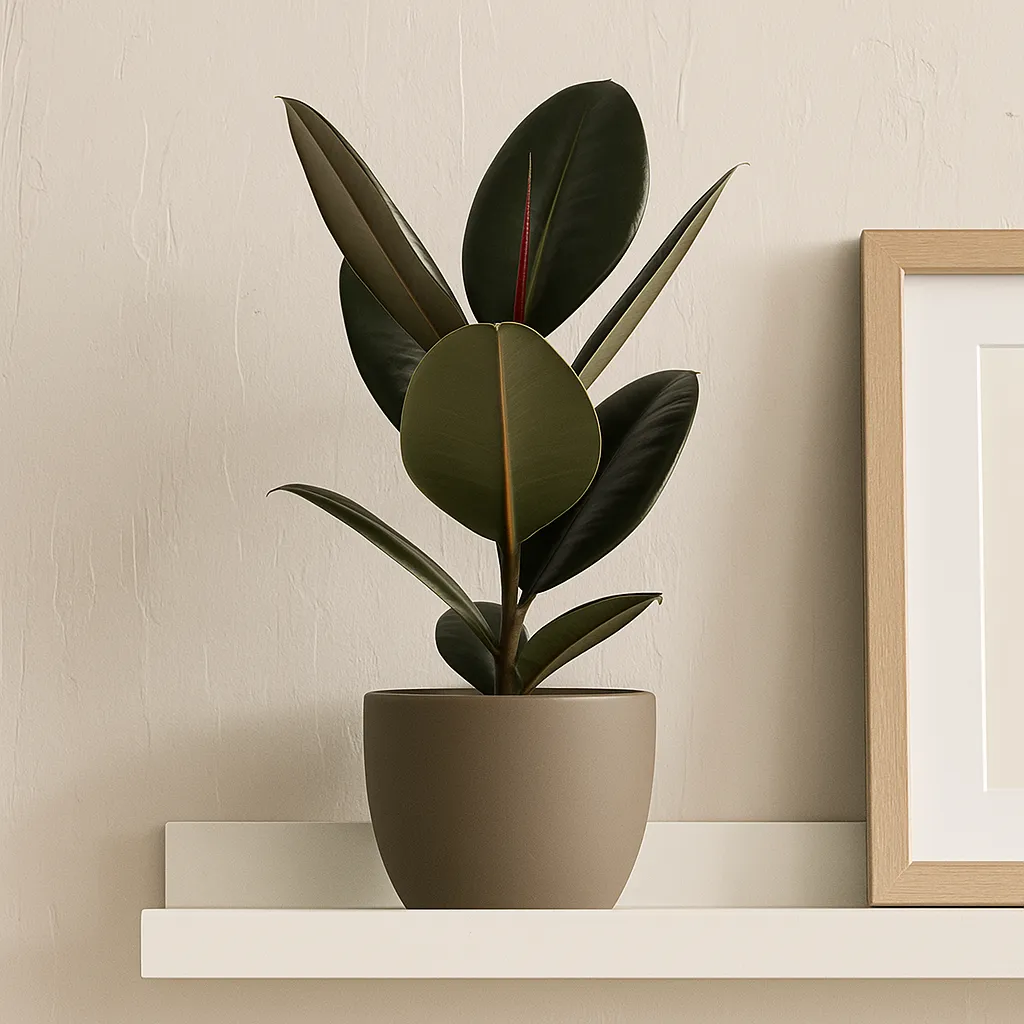
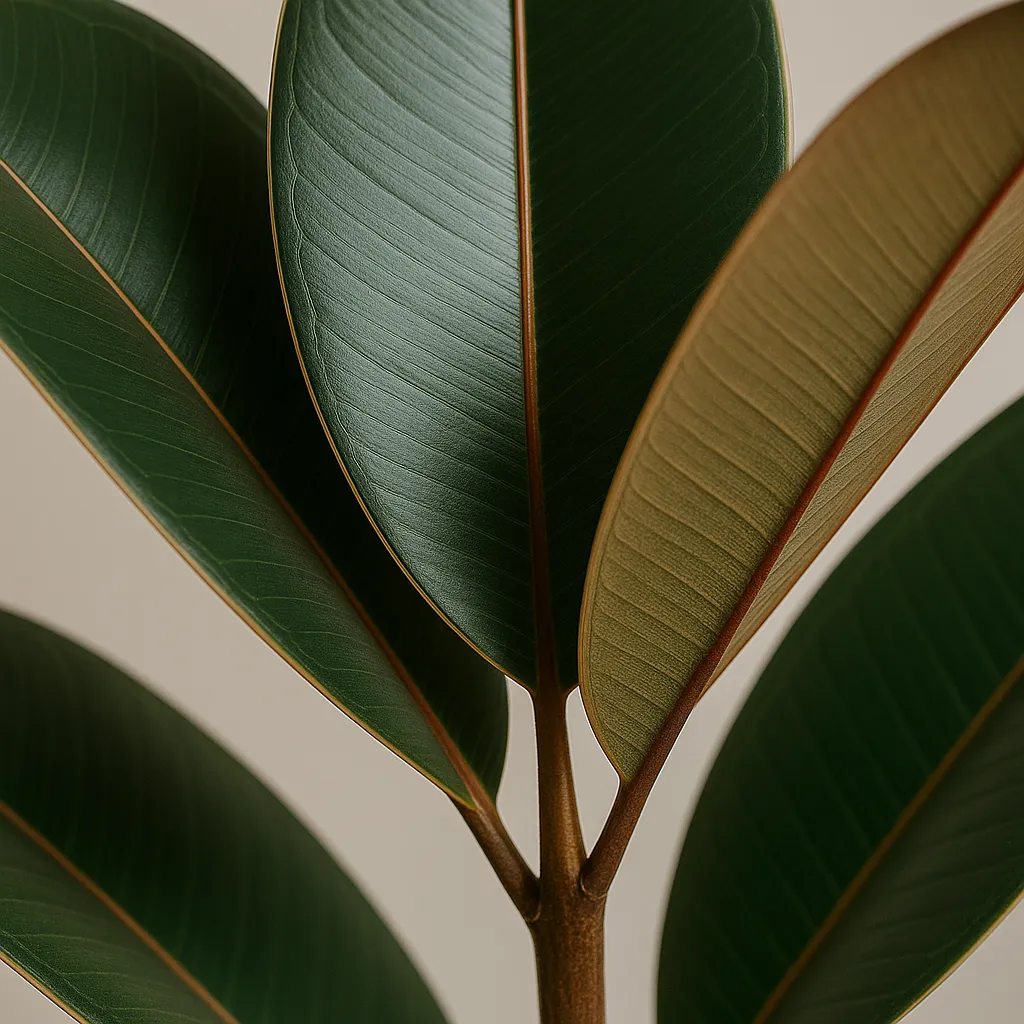
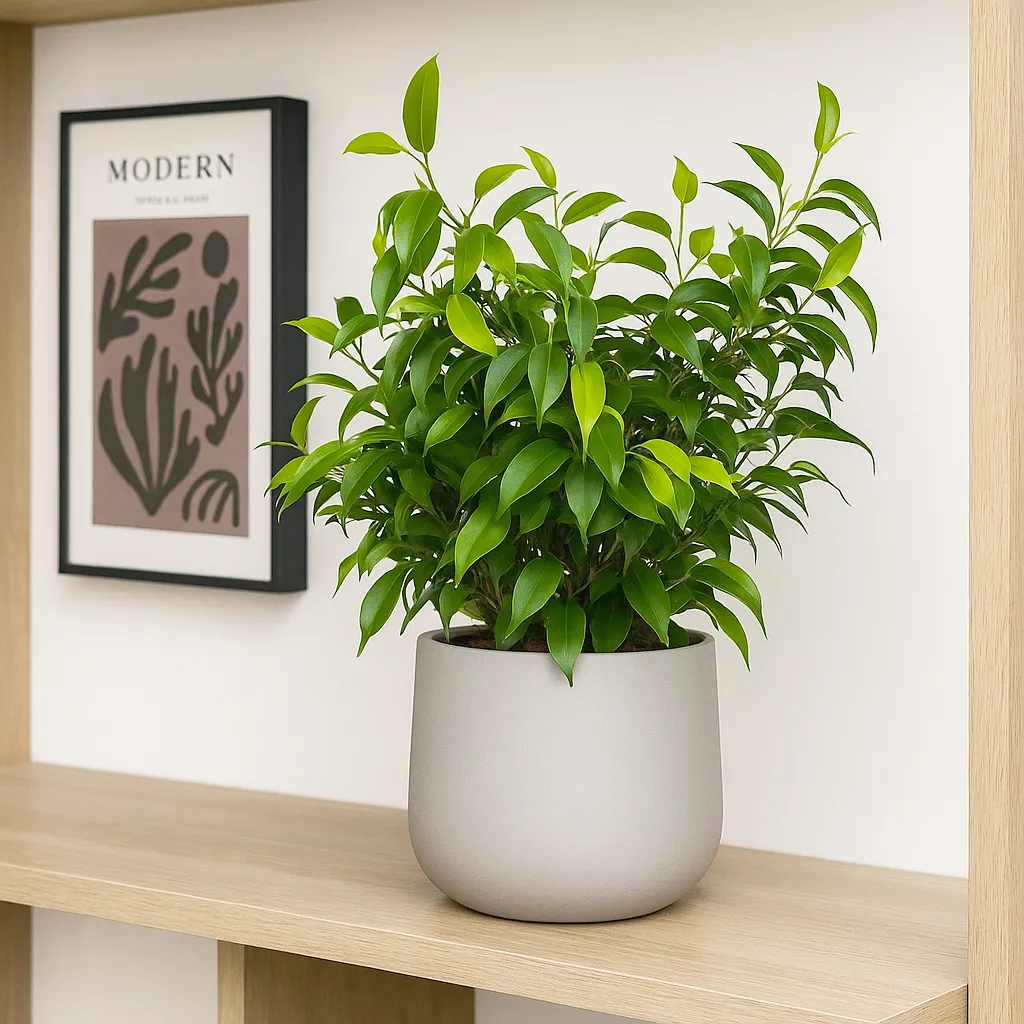
Indoors, it’s admired for its arching branches and dense canopy of small, pointed, dark green leaves that gently cascade, creating a soft, flowing silhouette. The slender trunk can be grown straight or braided, adding a decorative and architectural touch. Mature plants can reach impressive heights indoors, yet they can also be pruned into compact, bushy shapes to suit smaller spaces.
Ficus benjamina has been a popular interior tree for decades thanks to its refined look, natural air-filtering abilities, and its adaptability to bright indoor conditions.
Ficus benjamina – Care Guide
Light
Thrives in bright, indirect light. It can tolerate some gentle morning or late-afternoon sun but should be protected from harsh midday rays. Low light can cause sparse growth and leaf drop.
Watering
Water when the top 3–5 cm of soil feels dry. Keep the soil evenly moist during the growing season (spring and summer) but never waterlogged. Reduce watering slightly in winter. Ficus plants dislike sudden changes in watering routine.
Temperature and Humidity
-
Temperature: Prefers 18–26°C. Avoid cold draughts and sudden temperature changes.
-
Humidity: Average household humidity is fine, though occasional misting helps maintain glossy foliage and prevents leaf tips from drying out.
Soil and Potting
Use a rich, well-draining peat-free compost mixed with perlite or grit for aeration. Repot every 2–3 years in spring or refresh the top layer of soil annually to keep the plant healthy.
Feeding
Feed every 4–6 weeks during spring and summer with a diluted balanced liquid fertiliser. Stop feeding in winter when growth slows.
Pruning and Maintenance
Prune in spring or early summer to maintain desired size and shape. Remove any yellowing or damaged leaves. Clean the foliage regularly with a damp cloth to remove dust and enhance its natural shine. Rotate the pot occasionally to encourage even growth.
Growth and Maturity
A moderate to fast-growing indoor tree, typically reaching 1–2 metres tall indoors. With proper care and pruning, it can be shaped into an elegant upright tree or dense shrub.
Common Issues
-
Leaf drop: Often caused by sudden changes in light, temperature, or watering habits — usually temporary once the plant adjusts.
-
Yellow leaves: Overwatering or poor drainage.
-
Brown edges: Low humidity or inconsistent watering.
-
Pests: Occasionally spider mites, scale, or mealybugs.
Background and Benefits
Ficus benjamina has long been a favourite in homes, offices, and conservatories due to its timeless beauty and refined tropical charm. It’s also one of NASA’s top-rated air-purifying plants, known to remove common indoor toxins like formaldehyde and benzene. With its elegant canopy and easy-going nature, it brings a touch of calm, greenery, and sophistication to any interior space.
✅ Quick Care Summary
-
Light: Bright, indirect; tolerates some gentle sun
-
Water: Lightly moist; allow topsoil to dry slightly
-
Temperature: 18–26°C; protect from draughts
-
Humidity: Average indoor; mist occasionally
-
Soil: Rich, free-draining compost
-
Feed: Every 4–6 weeks in spring/summer
-
Growth: Upright indoor tree, 1–2 m; arching stems with glossy green leaves
Original: $11.86
-70%$11.86
$3.56Product Information
Product Information
Shipping & Returns
Shipping & Returns
Description
Ficus benjamina, commonly known as the Weeping Fig, is one of the most elegant and classic indoor trees, prized for its graceful form, glossy leaves, and air-purifying qualities. A member of the Moraceae family, this tropical species is native to Southeast Asia and northern Australia, where it grows as a large evergreen tree.
Indoors, it’s admired for its arching branches and dense canopy of small, pointed, dark green leaves that gently cascade, creating a soft, flowing silhouette. The slender trunk can be grown straight or braided, adding a decorative and architectural touch. Mature plants can reach impressive heights indoors, yet they can also be pruned into compact, bushy shapes to suit smaller spaces.
Ficus benjamina has been a popular interior tree for decades thanks to its refined look, natural air-filtering abilities, and its adaptability to bright indoor conditions.
Ficus benjamina – Care Guide
Light
Thrives in bright, indirect light. It can tolerate some gentle morning or late-afternoon sun but should be protected from harsh midday rays. Low light can cause sparse growth and leaf drop.
Watering
Water when the top 3–5 cm of soil feels dry. Keep the soil evenly moist during the growing season (spring and summer) but never waterlogged. Reduce watering slightly in winter. Ficus plants dislike sudden changes in watering routine.
Temperature and Humidity
-
Temperature: Prefers 18–26°C. Avoid cold draughts and sudden temperature changes.
-
Humidity: Average household humidity is fine, though occasional misting helps maintain glossy foliage and prevents leaf tips from drying out.
Soil and Potting
Use a rich, well-draining peat-free compost mixed with perlite or grit for aeration. Repot every 2–3 years in spring or refresh the top layer of soil annually to keep the plant healthy.
Feeding
Feed every 4–6 weeks during spring and summer with a diluted balanced liquid fertiliser. Stop feeding in winter when growth slows.
Pruning and Maintenance
Prune in spring or early summer to maintain desired size and shape. Remove any yellowing or damaged leaves. Clean the foliage regularly with a damp cloth to remove dust and enhance its natural shine. Rotate the pot occasionally to encourage even growth.
Growth and Maturity
A moderate to fast-growing indoor tree, typically reaching 1–2 metres tall indoors. With proper care and pruning, it can be shaped into an elegant upright tree or dense shrub.
Common Issues
-
Leaf drop: Often caused by sudden changes in light, temperature, or watering habits — usually temporary once the plant adjusts.
-
Yellow leaves: Overwatering or poor drainage.
-
Brown edges: Low humidity or inconsistent watering.
-
Pests: Occasionally spider mites, scale, or mealybugs.
Background and Benefits
Ficus benjamina has long been a favourite in homes, offices, and conservatories due to its timeless beauty and refined tropical charm. It’s also one of NASA’s top-rated air-purifying plants, known to remove common indoor toxins like formaldehyde and benzene. With its elegant canopy and easy-going nature, it brings a touch of calm, greenery, and sophistication to any interior space.
✅ Quick Care Summary
-
Light: Bright, indirect; tolerates some gentle sun
-
Water: Lightly moist; allow topsoil to dry slightly
-
Temperature: 18–26°C; protect from draughts
-
Humidity: Average indoor; mist occasionally
-
Soil: Rich, free-draining compost
-
Feed: Every 4–6 weeks in spring/summer
-
Growth: Upright indoor tree, 1–2 m; arching stems with glossy green leaves