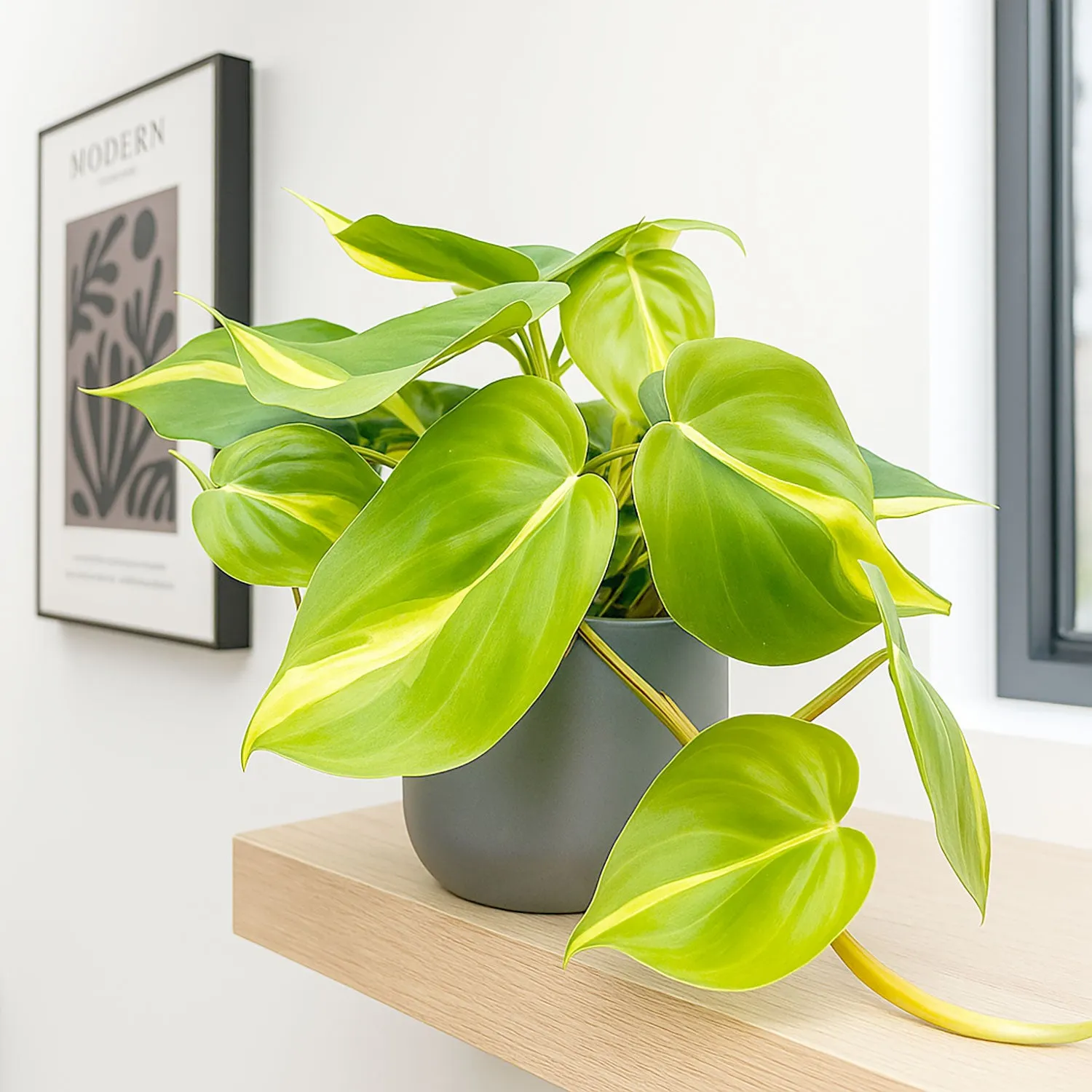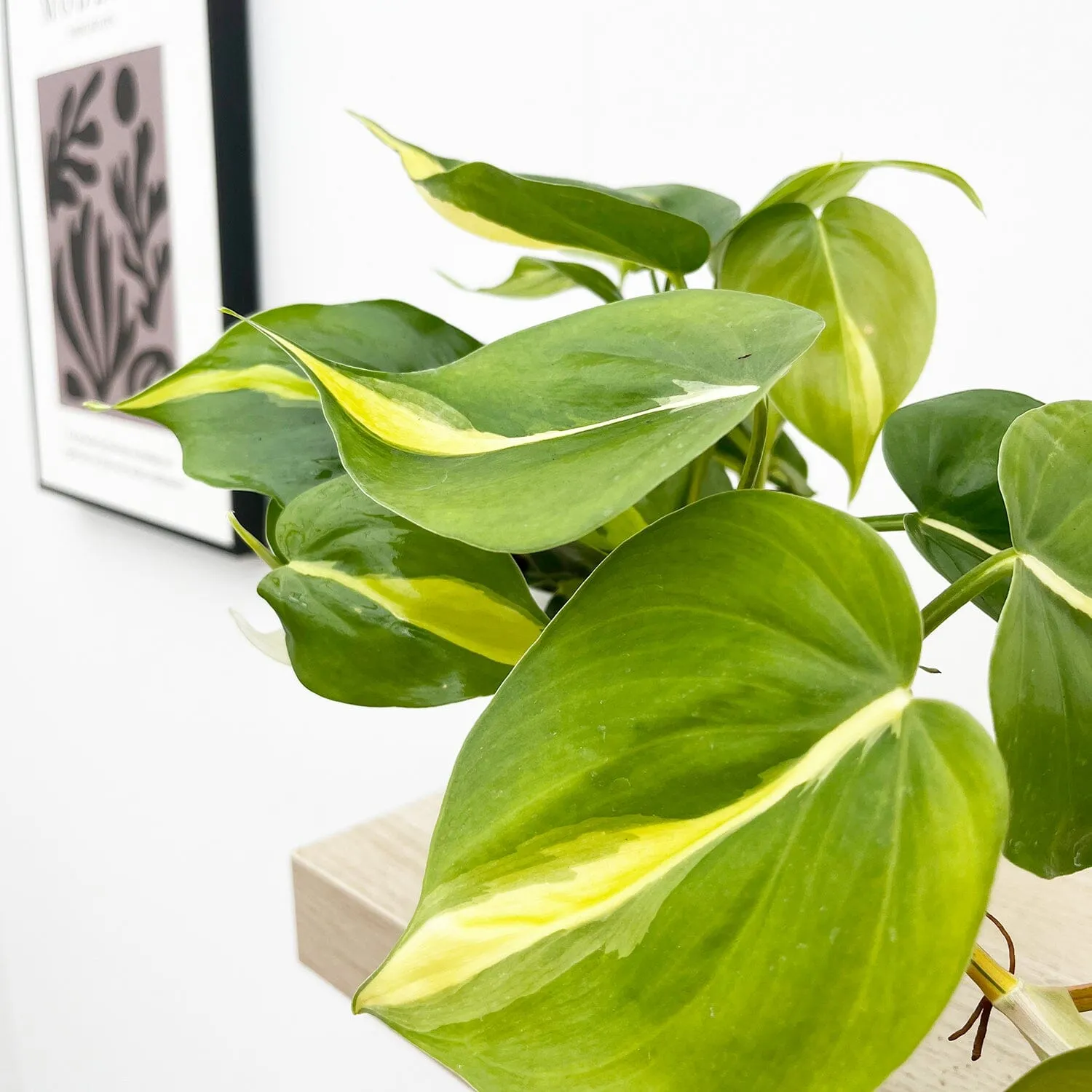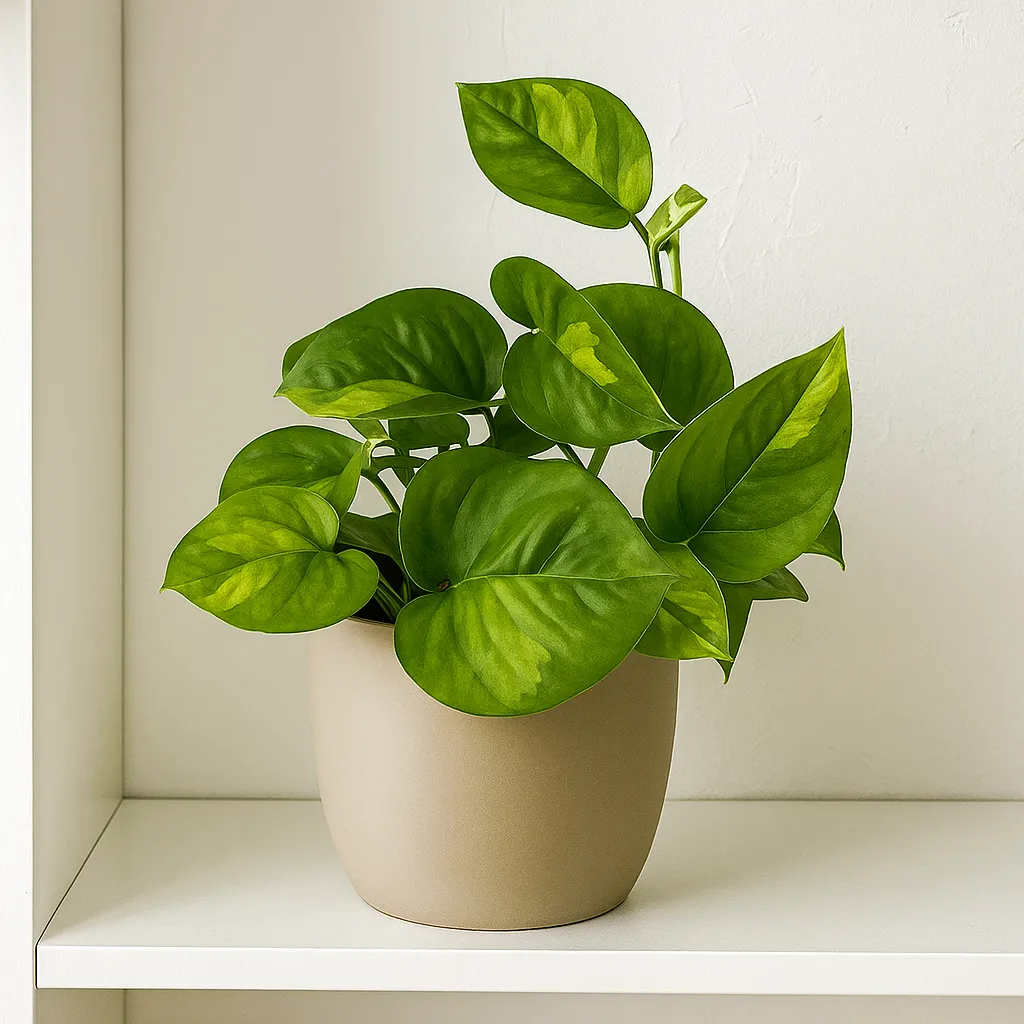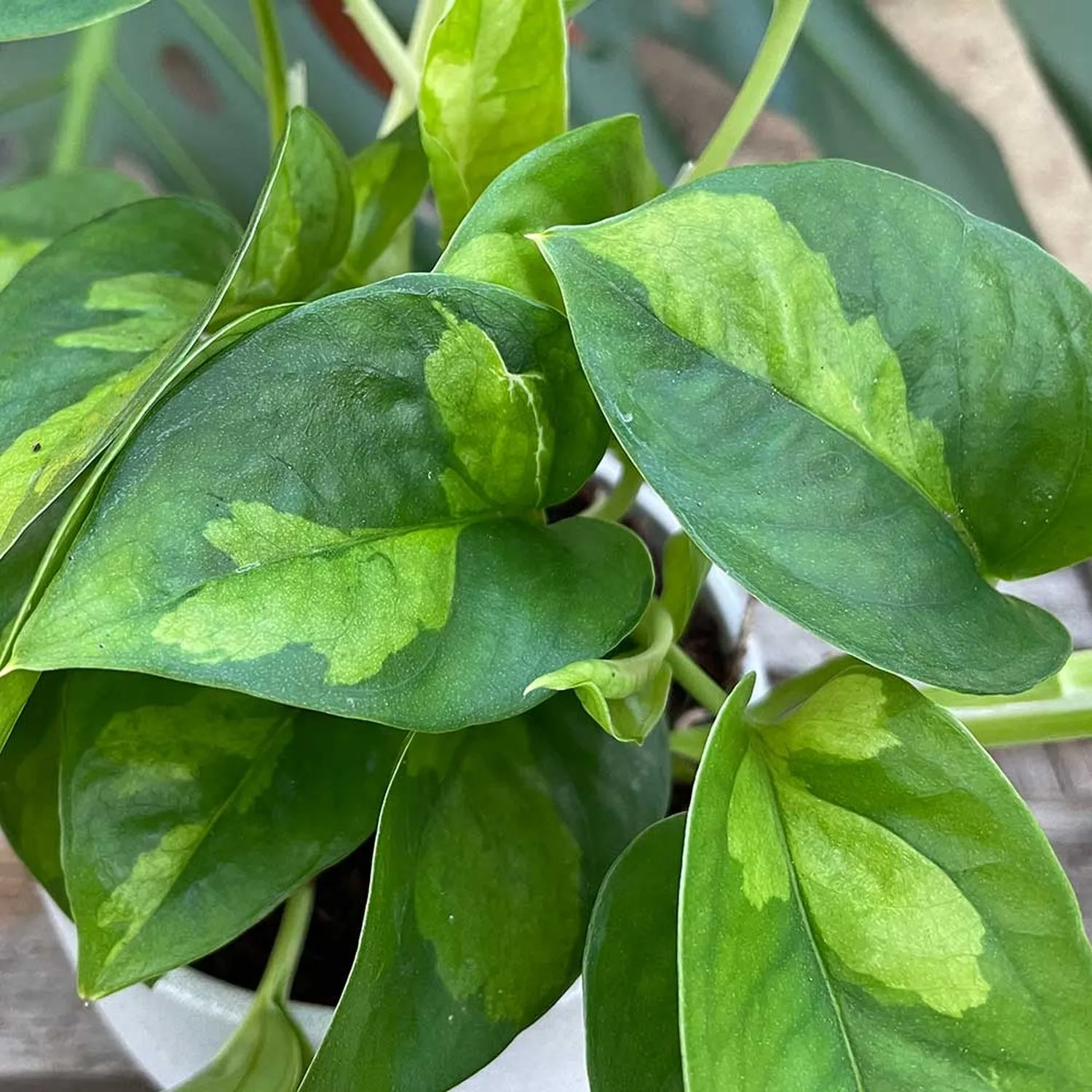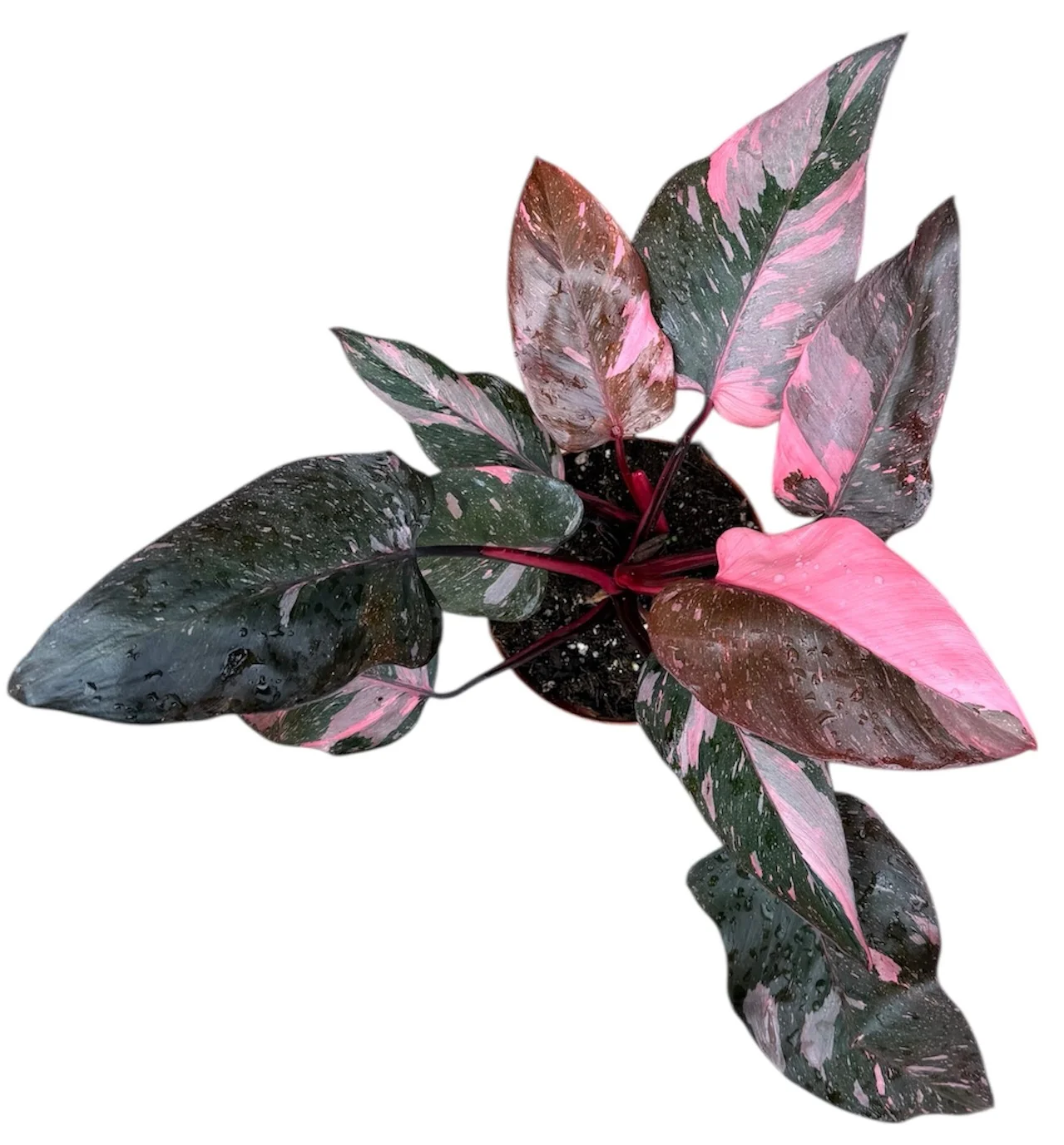
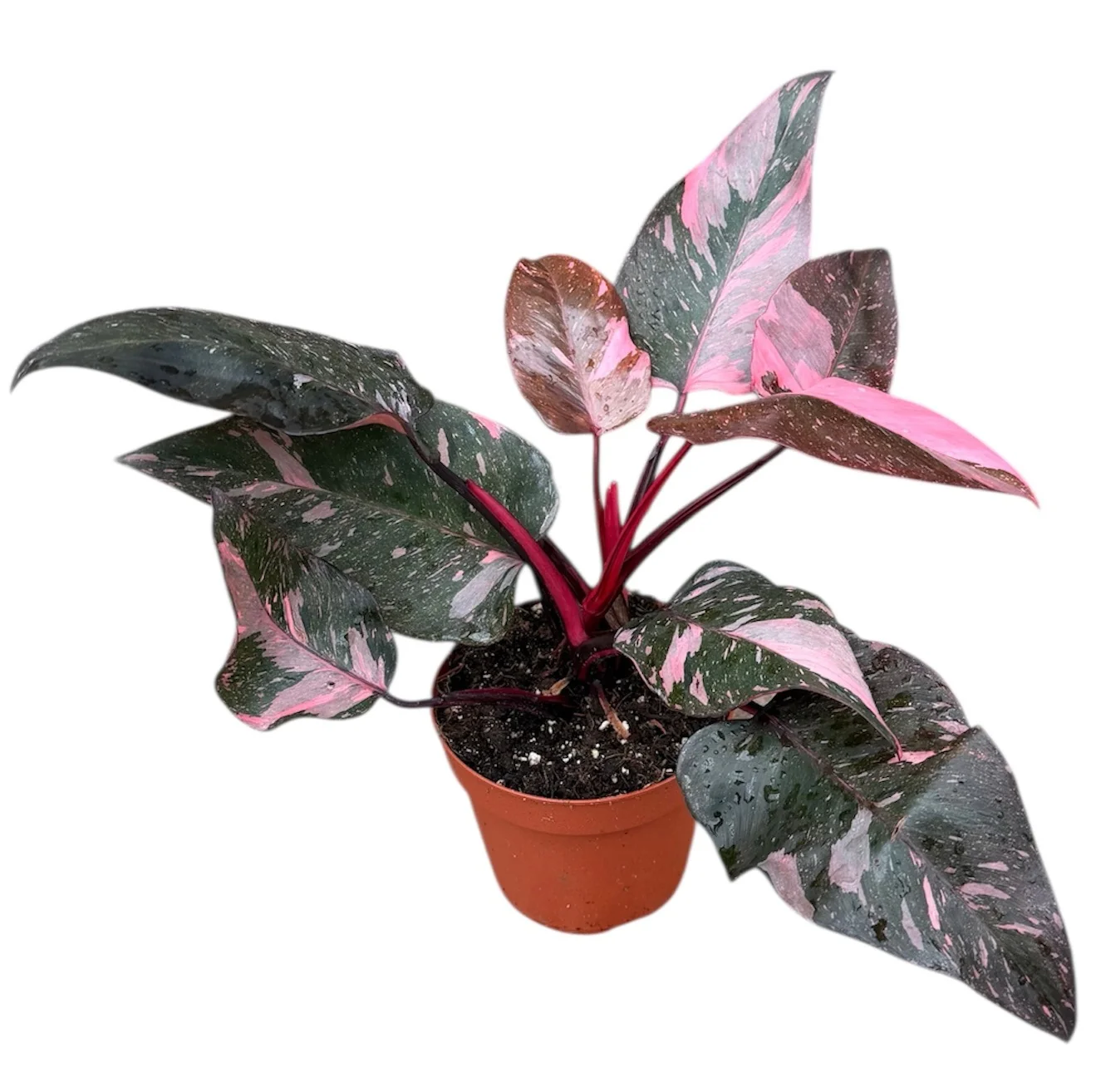
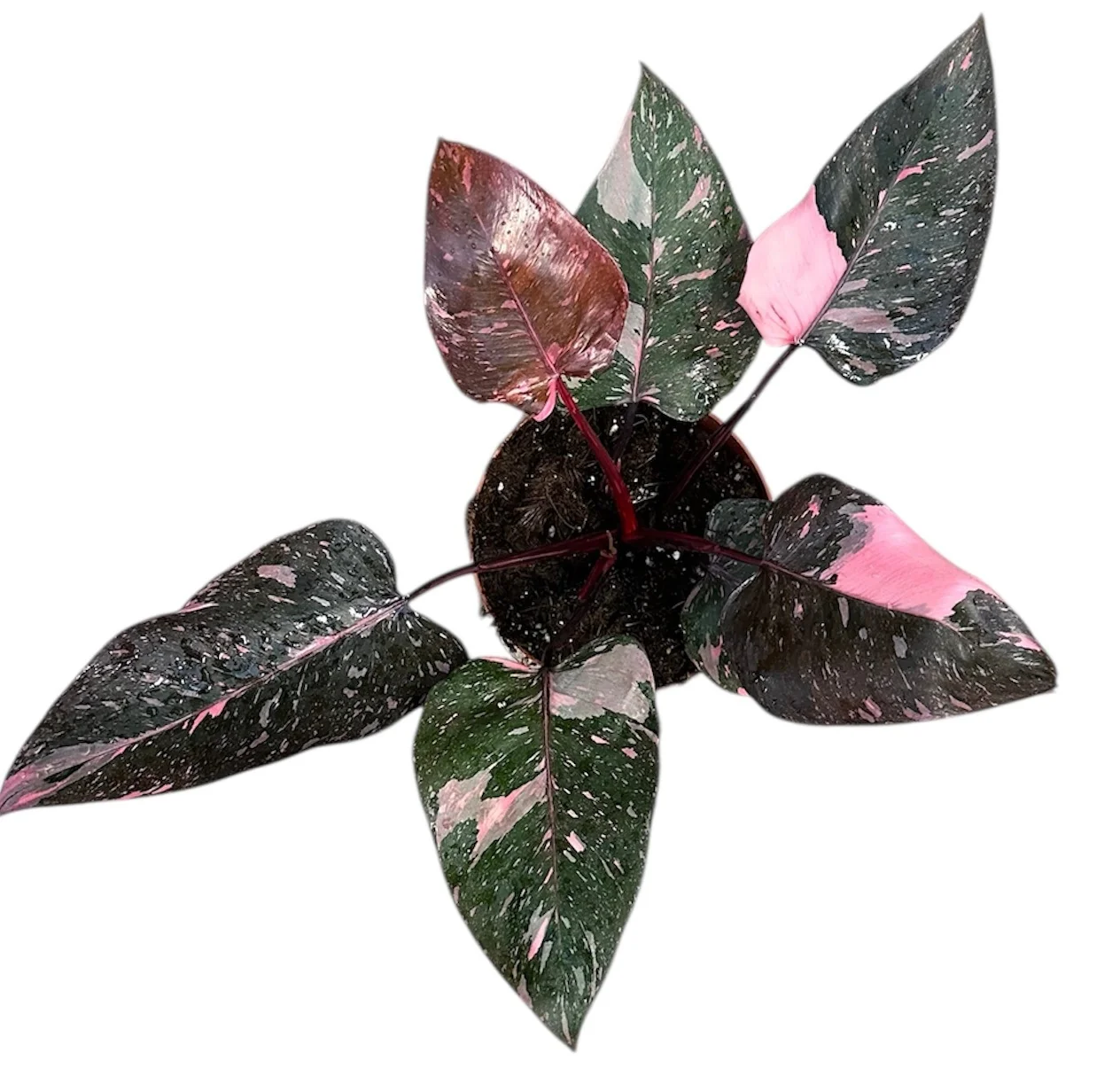
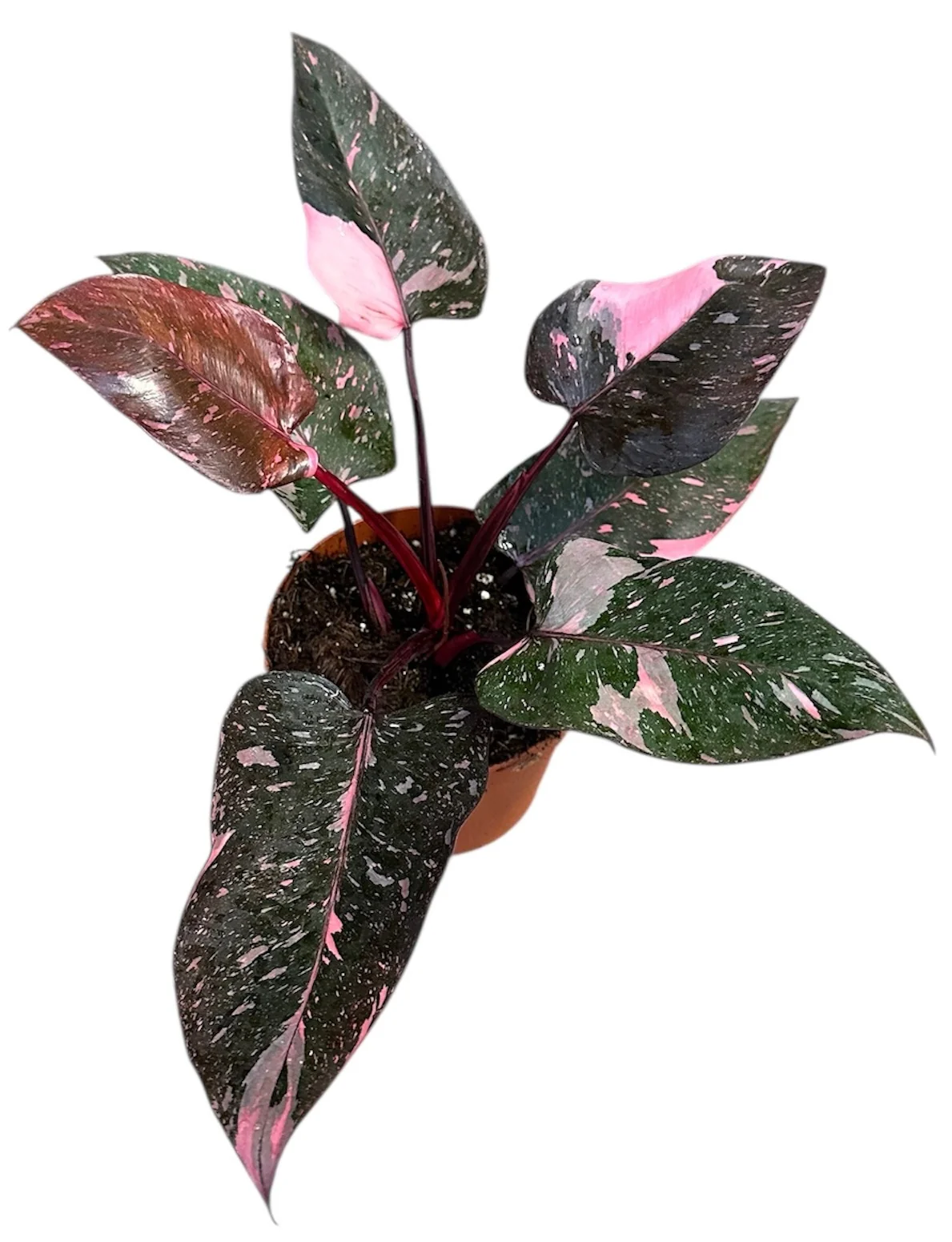
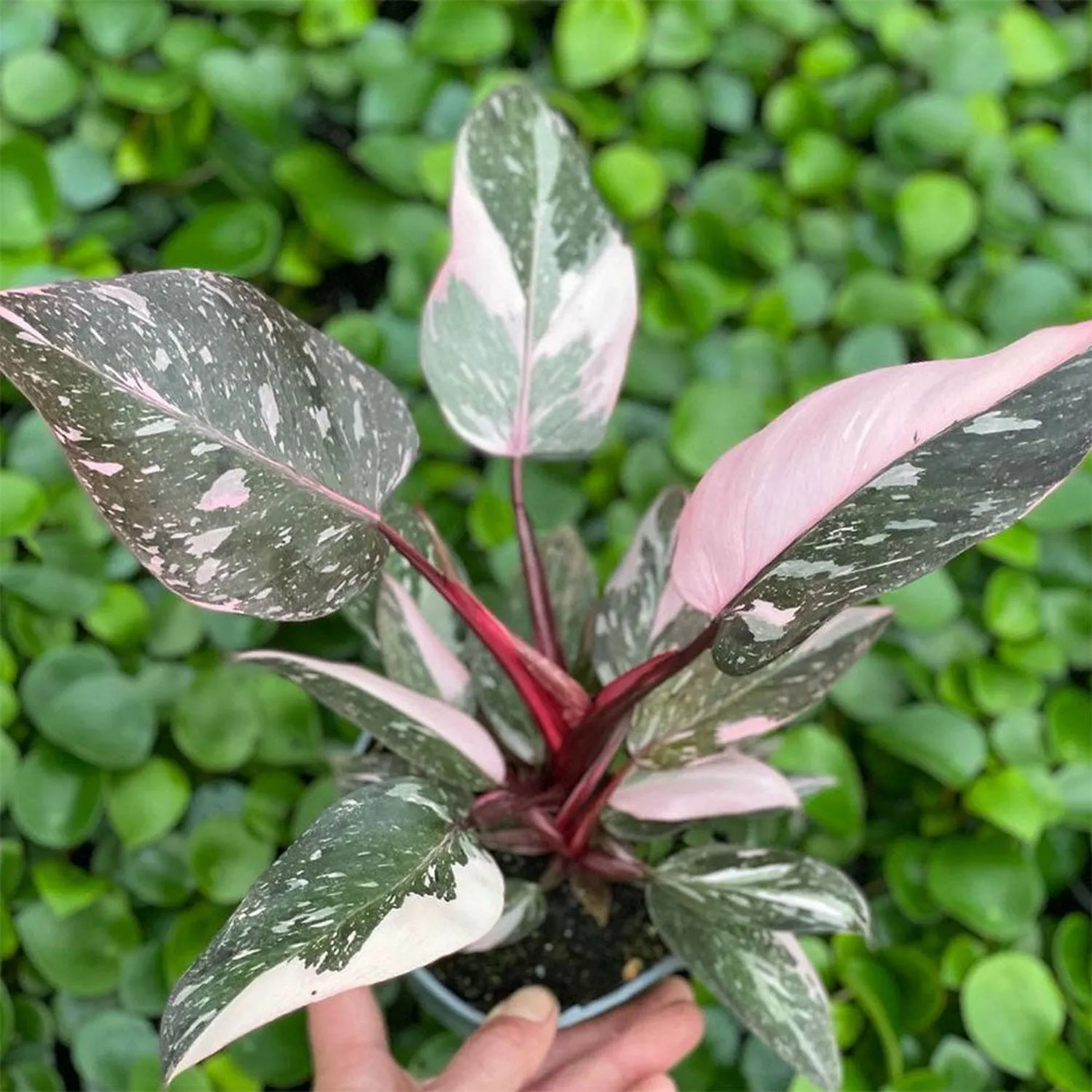
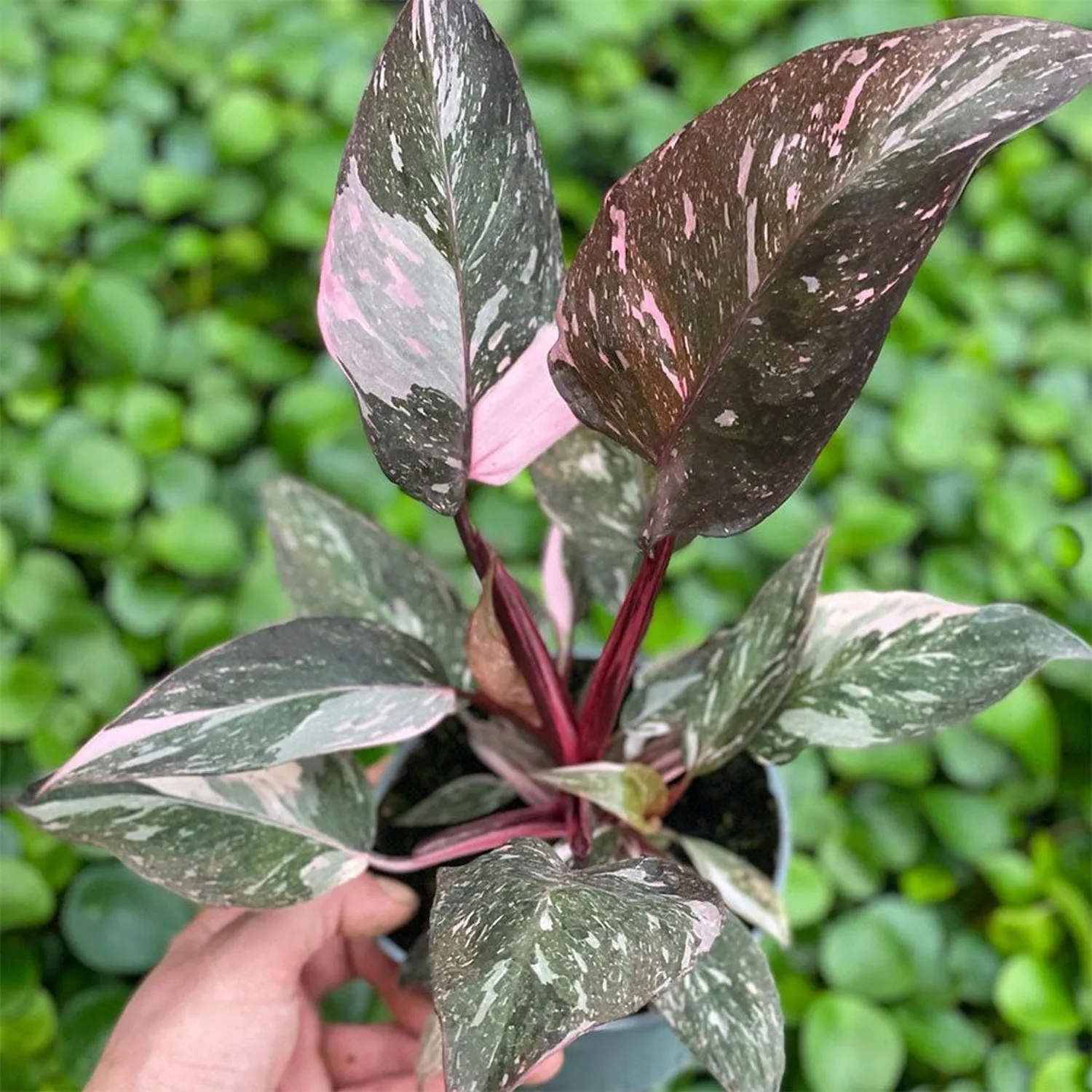
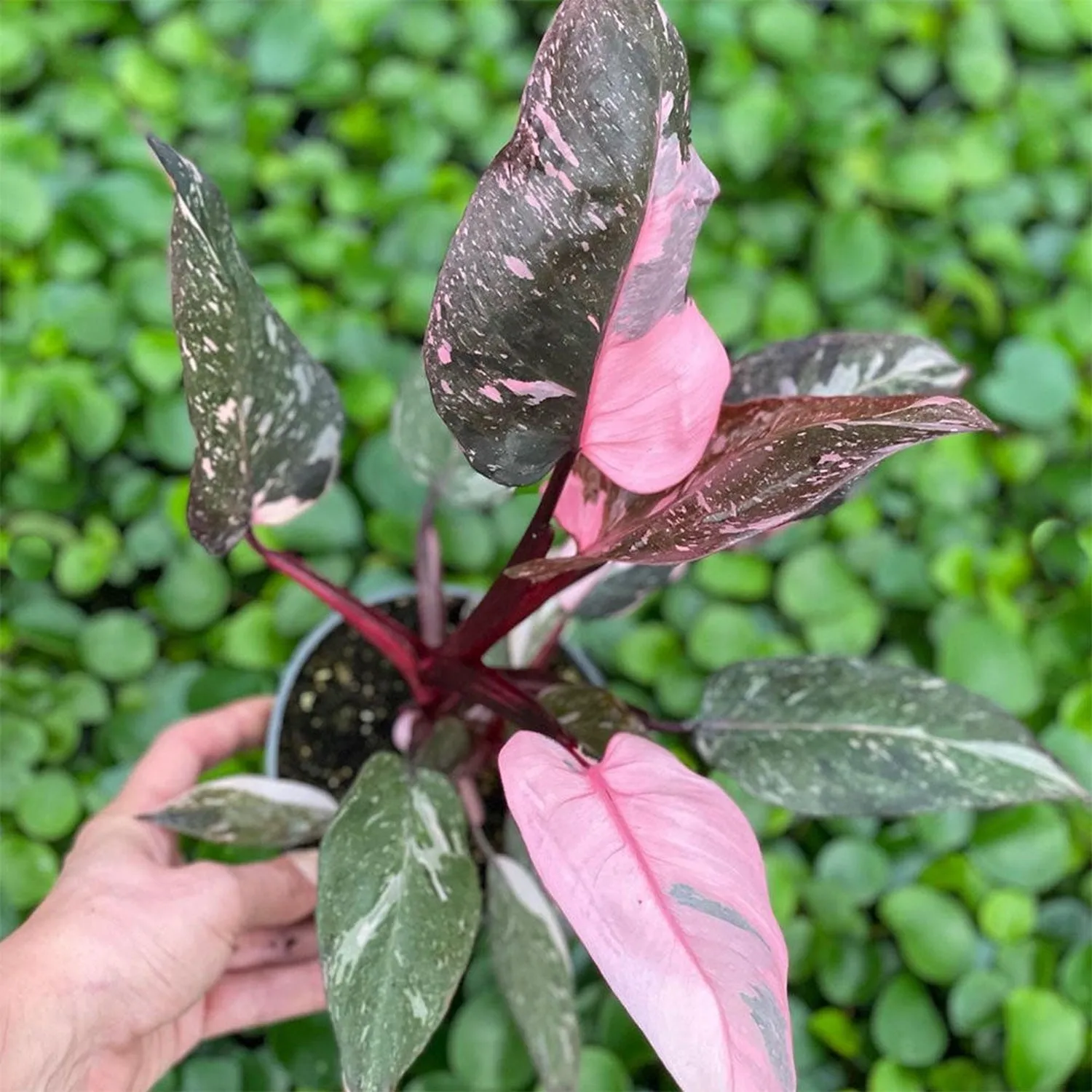

30 - 40cm Highly Variegated Pink Princess House Plant 15cm Pot
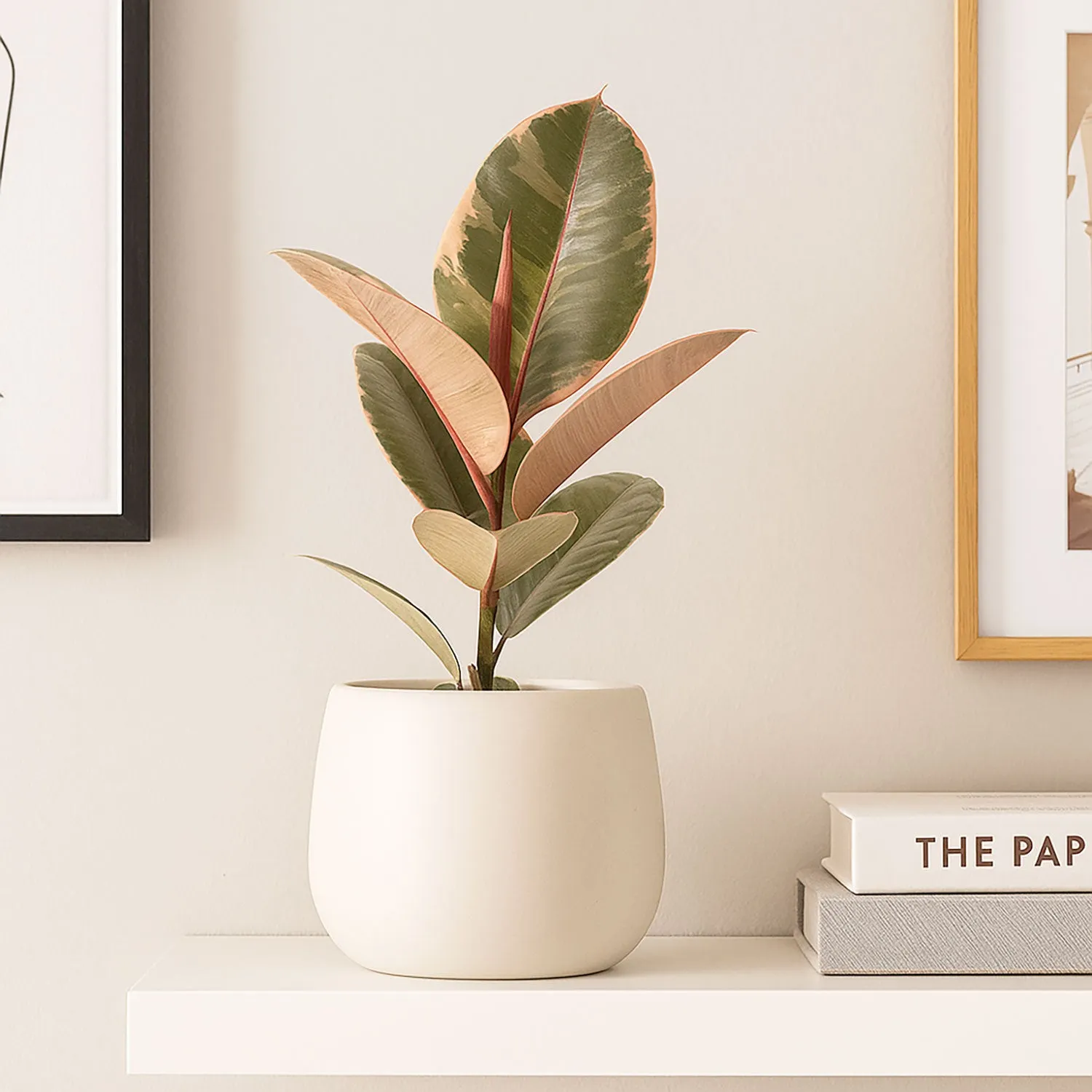
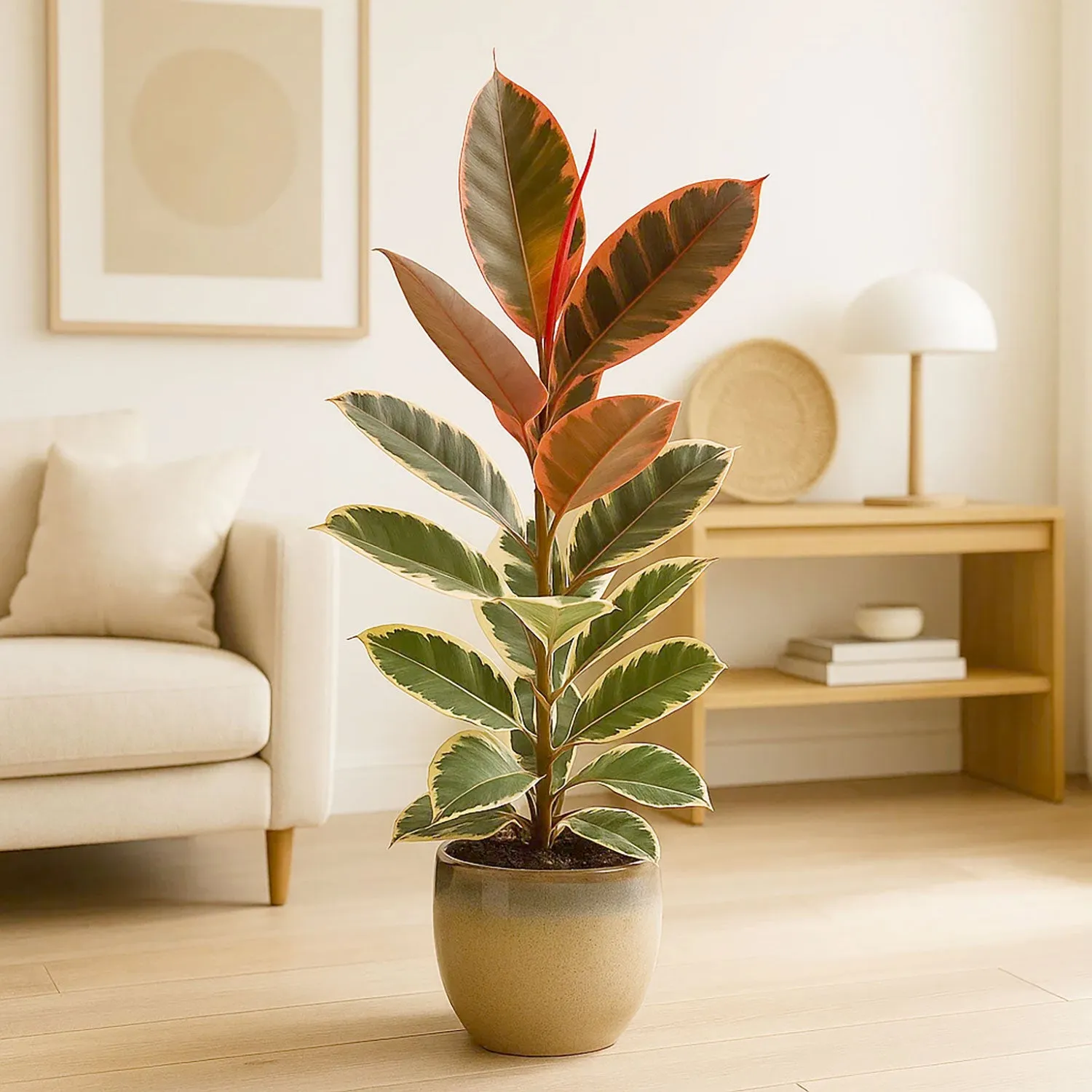
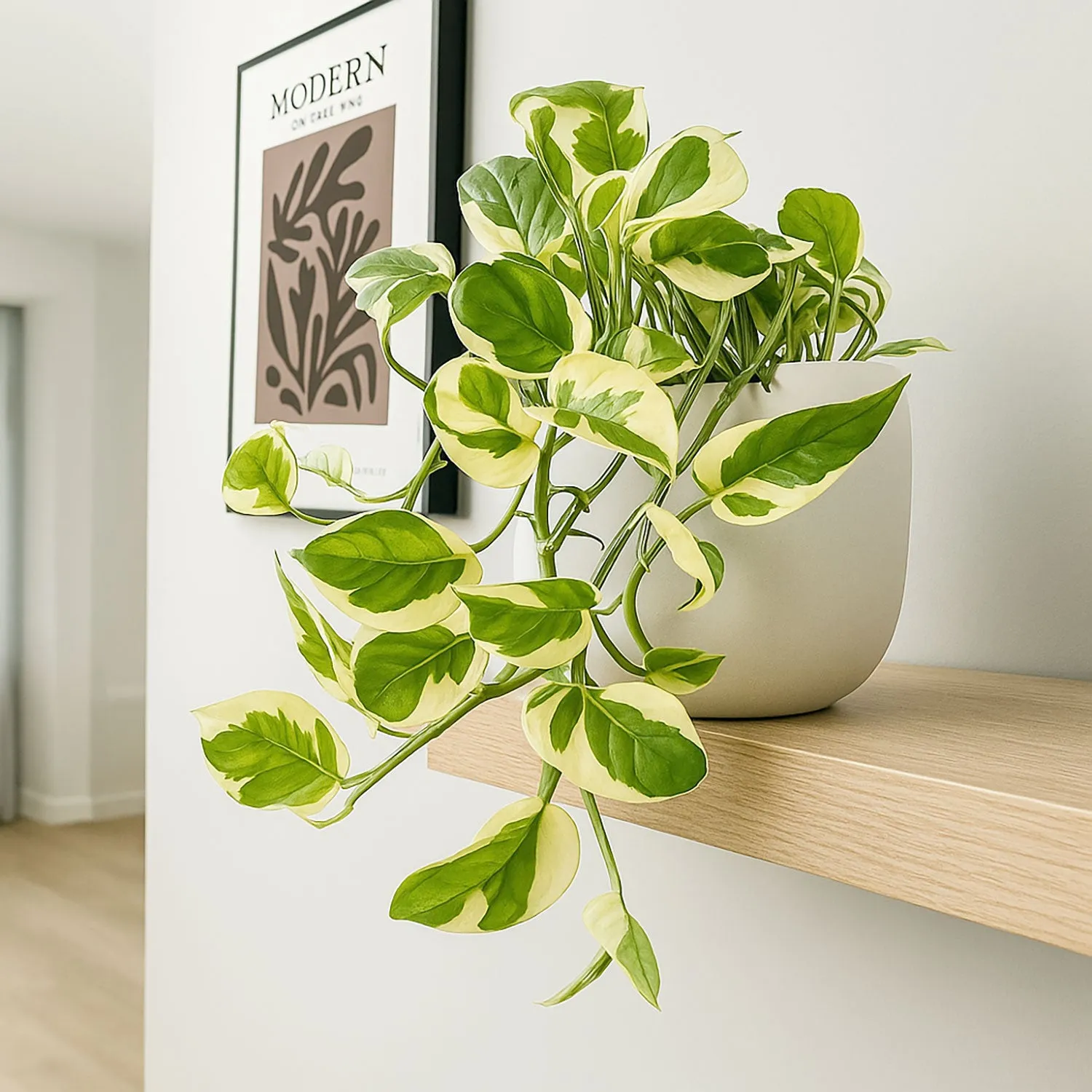
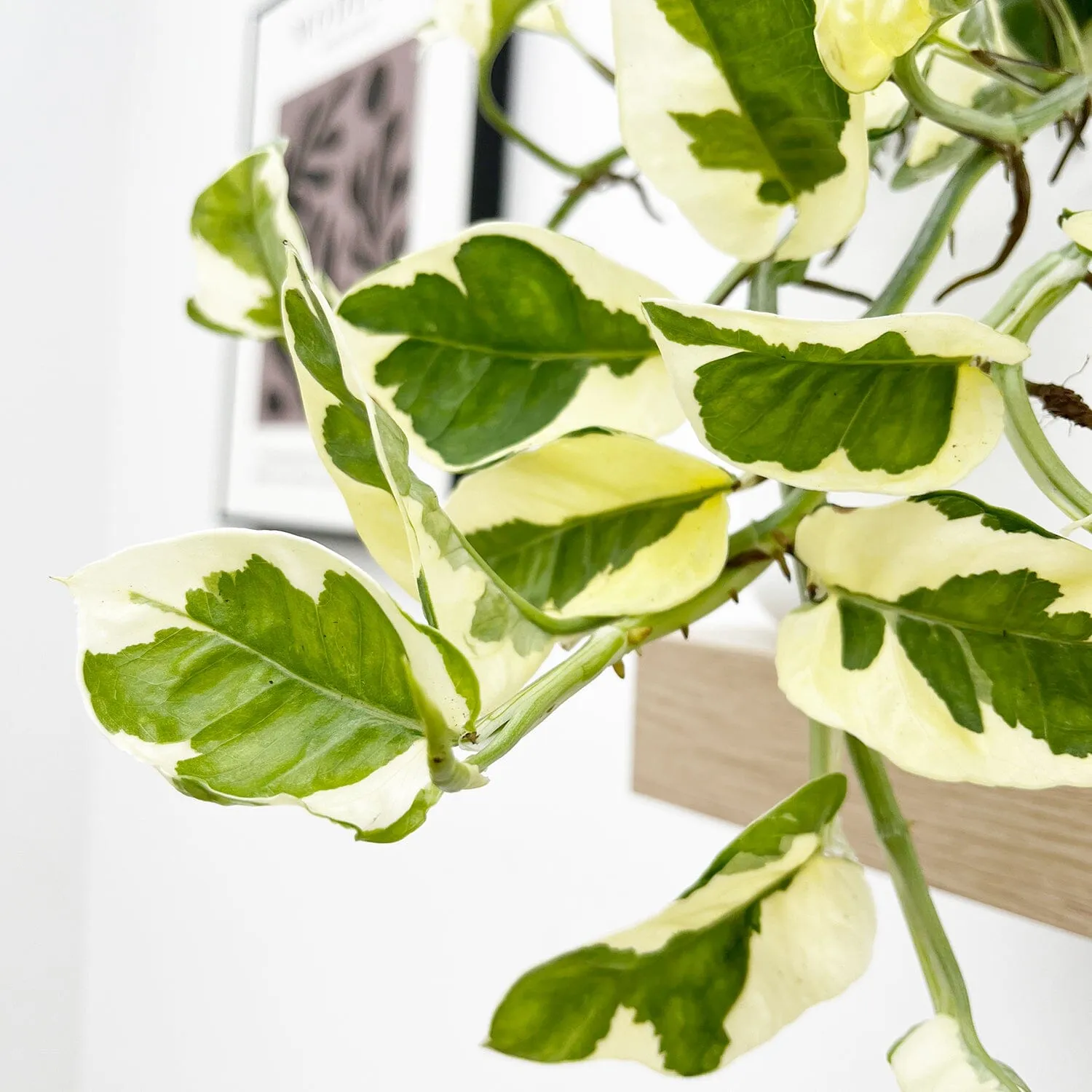
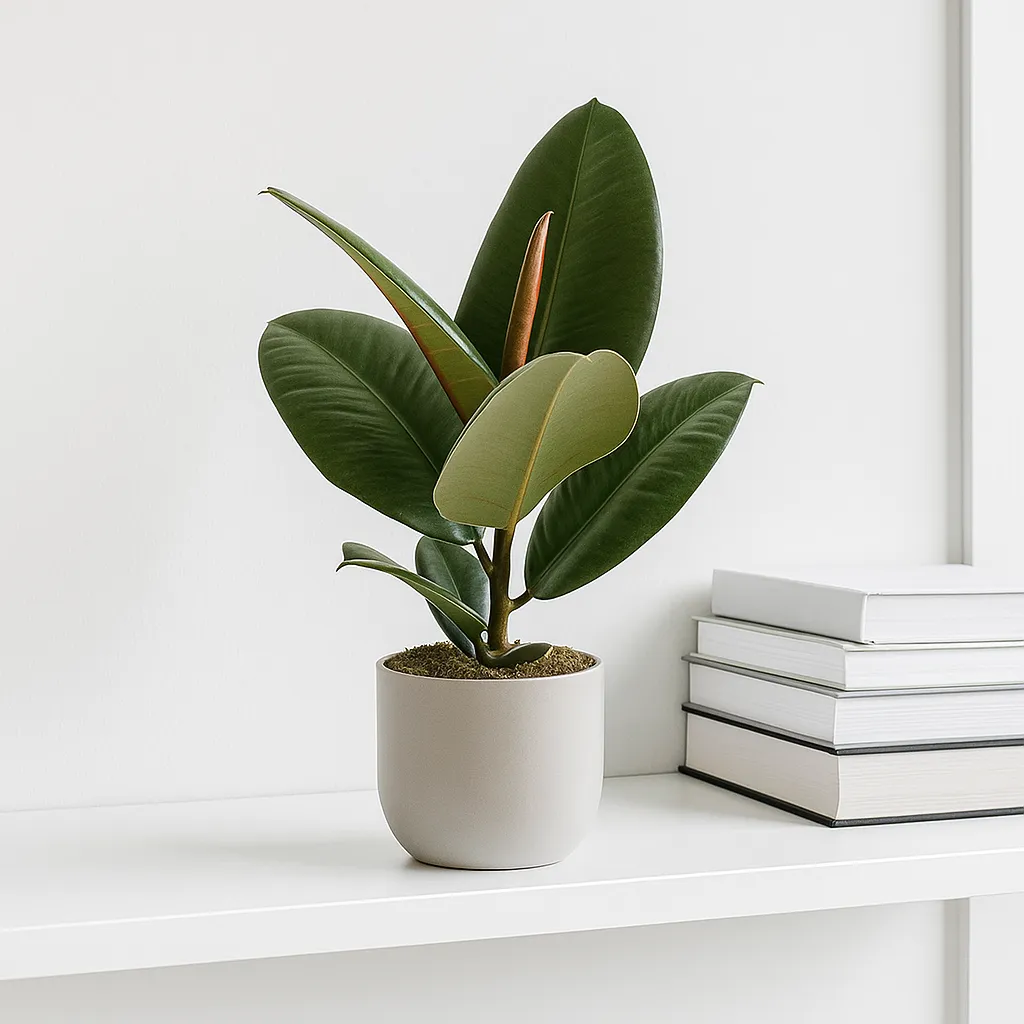
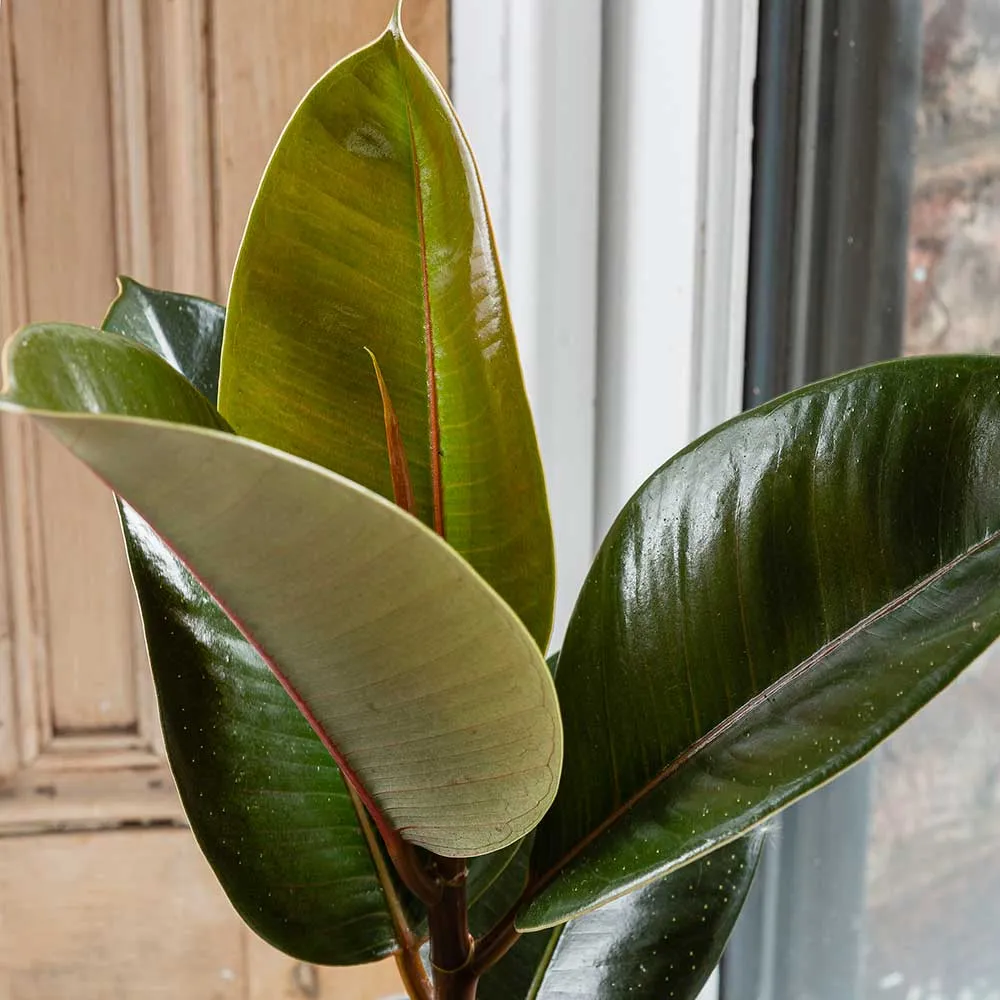
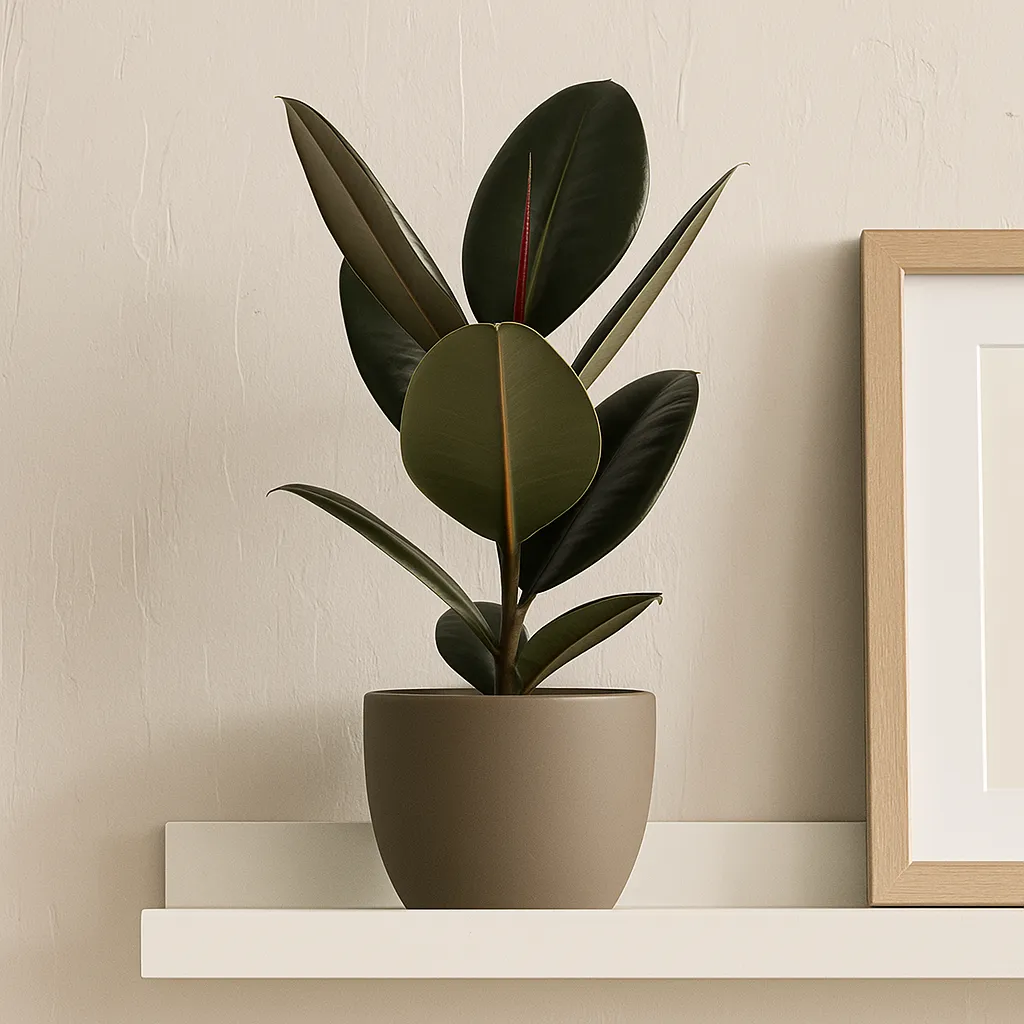
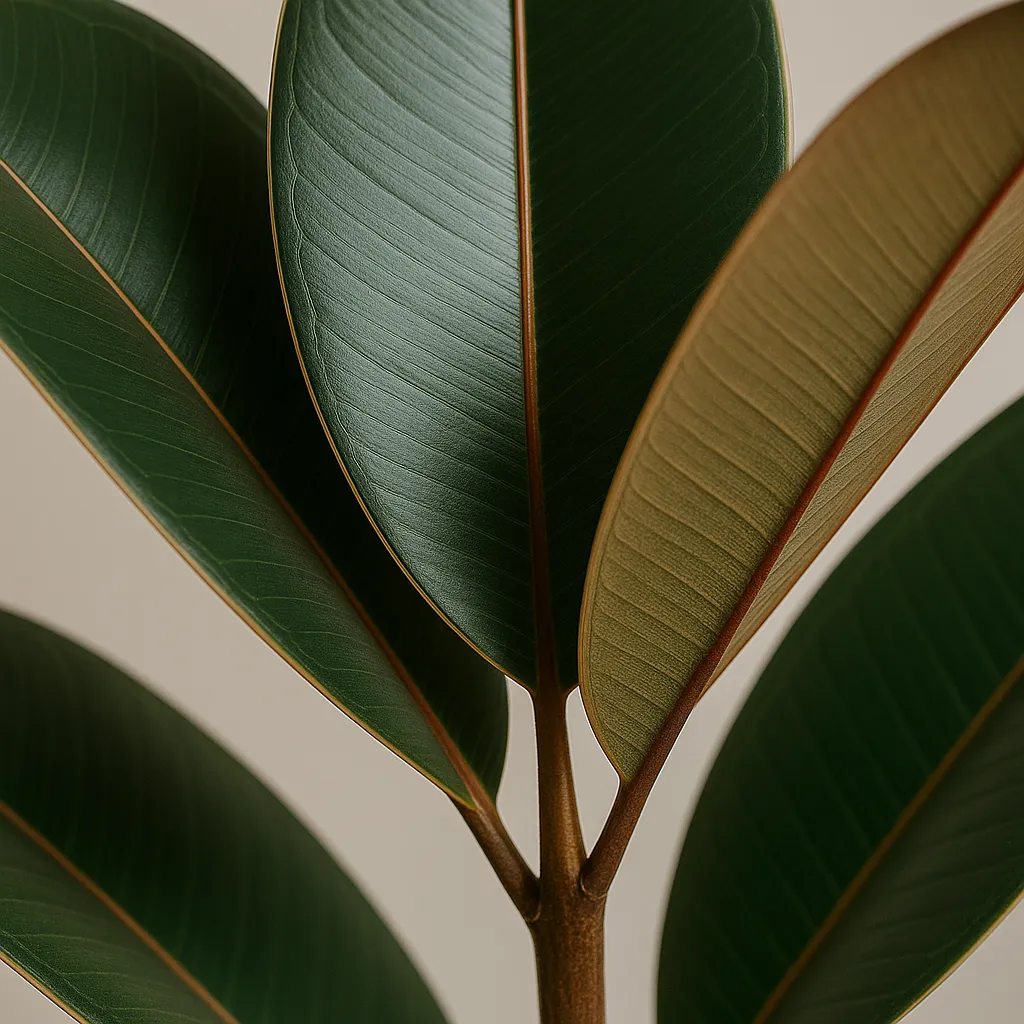
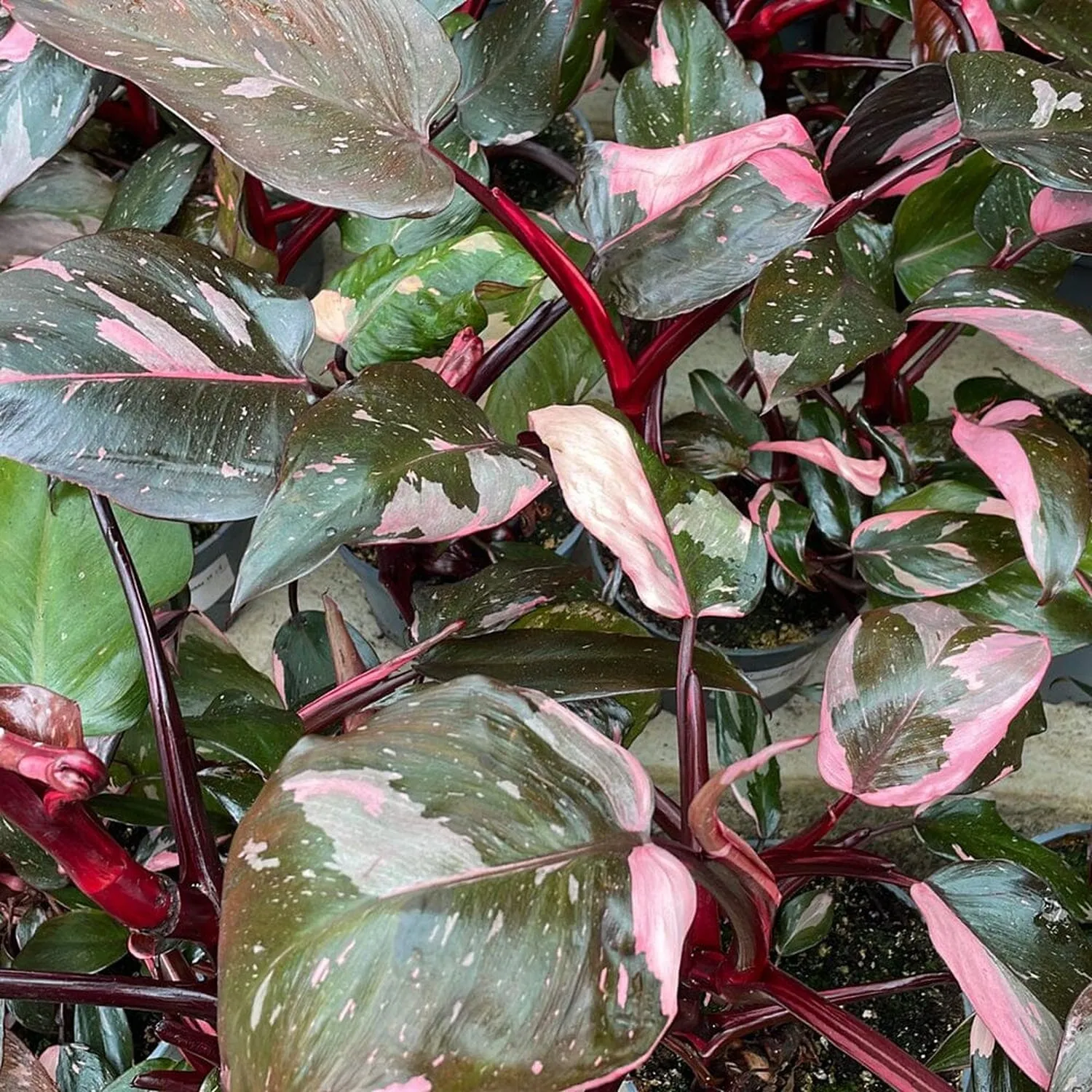
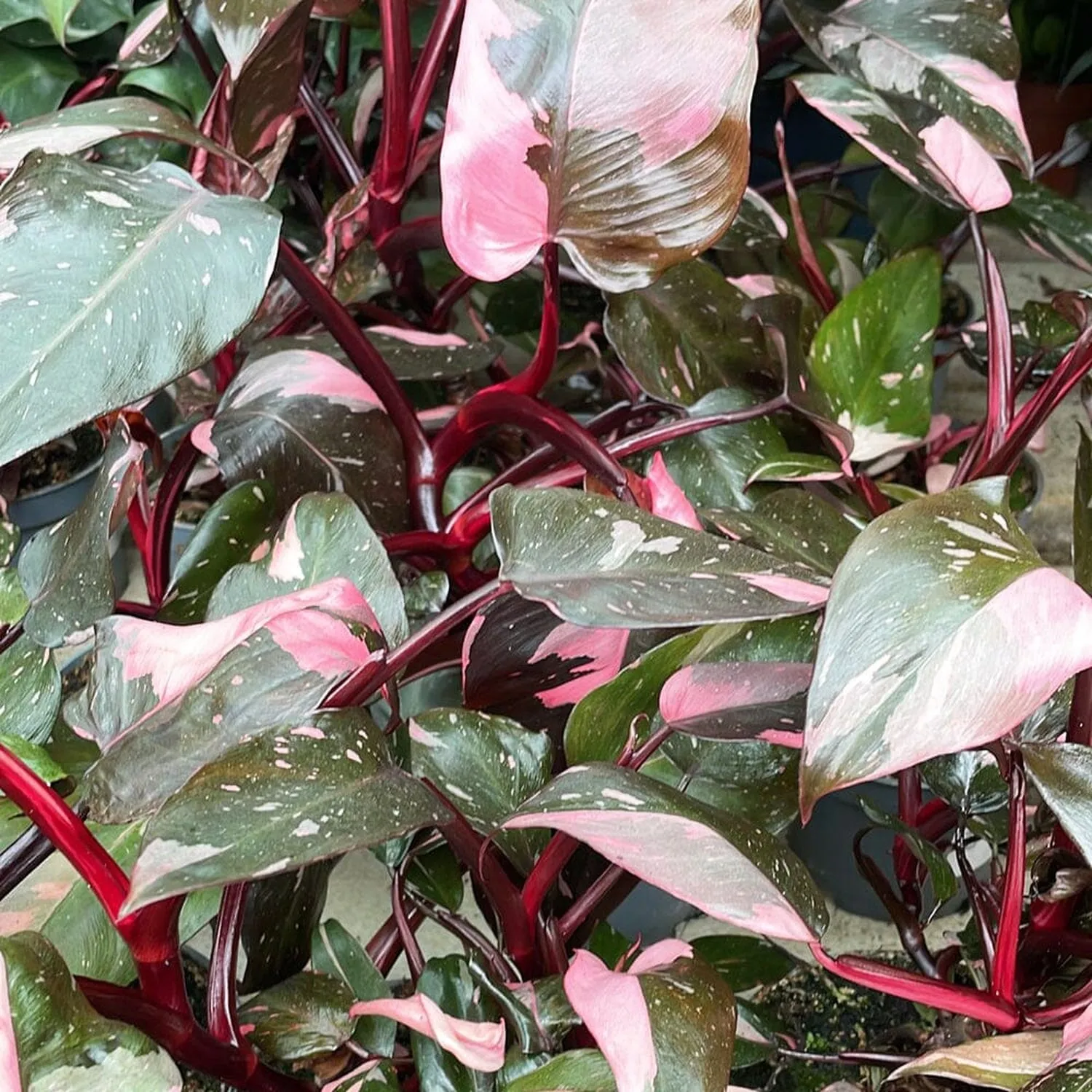
Philodendron erubescens ‘Pink Princess’ (Highly Variegated Form) is one of the most coveted tropical aroids in the world, celebrated for its vivid pink marbling, deep green leaves, and striking burgundy stems. This exceptional highly variegated form stands apart for its intense pink patterning — often displaying bold half-moon sectors, large marbled splashes, or near-solid pink leaves that make every specimen truly one-of-a-kind.
Each leaf is a living artwork, combining jet black-green tones with brilliant pink and cream marbling, creating a dramatic contrast that intensifies as the plant matures. New leaves often unfurl with copper or blush undertones before revealing the full spectrum of variegation. Its compact climbing habit and glossy foliage give it a regal, sculptural quality that has made it a centrepiece in rare plant collections around the world.
A symbol of luxury and rarity, Philodendron ‘Pink Princess’ (Highly Variegated) embodies tropical opulence at its finest — a true collector’s treasure that balances elegance, vibrancy, and refinement.
Philodendron erubescens ‘Pink Princess’ (Highly Variegated Form) – Care Guide
Light
Thrives in bright, indirect light. Abundant filtered light helps preserve the pink variegation and prevents reversion. Avoid direct midday sunlight, which can burn the delicate pink sections, and low light, which may cause the plant to revert to solid green. East- or west-facing windows with sheer curtains are ideal.
Watering
Keep the soil lightly moist but never soggy. Water when the top 2–3 cm of soil feels dry. Variegated Philodendrons are slower growers with less chlorophyll, so they require careful watering — allowing slight drying between waterings prevents root rot. Reduce watering in winter.
Temperature and Humidity
-
Temperature: Prefers warmth between 20–28 °C; protect from cold draughts and temperatures below 16 °C.
-
Humidity: Enjoys high humidity (60–80%) for optimal leaf texture and variegation intensity. Mist lightly or use a humidifier to maintain tropical conditions, especially in centrally heated or air-conditioned rooms.
Soil and Potting
Use a well-draining, nutrient-rich aroid mix — equal parts compost, orchid bark, perlite, and coco coir. This ensures both aeration and steady moisture for the roots. Repot every 1–2 years in spring to refresh the mix and provide room for healthy root growth. Support with a moss pole or climbing board to encourage larger leaves and upright growth.
Feeding
Feed every 4–6 weeks during spring and summer with a diluted, balanced fertiliser or a foliage-specific formula rich in nitrogen and magnesium. Avoid over-fertilising, which can cause damage to the variegated tissue. Suspend feeding during the cooler months.
Pruning and Maintenance
Trim green-dominant leaves to encourage highly variegated regrowth. Remove any yellowing or damaged foliage at the base to maintain the plant’s health and visual appeal. Wipe the leaves gently with a damp cloth to enhance their natural gloss and highlight the variegation. Rotate the pot occasionally to ensure even light exposure.
Growth and Maturity
A moderate grower, Philodendron ‘Pink Princess’ (Highly Variegated) typically reaches 60–90 cm in height indoors with proper care and support. Mature plants display increasingly bold variegation patterns, ranging from fine marbling to large, half-moon pink leaves. With stable humidity and light, new leaves often reveal brighter, more saturated pink hues over time.
Common Issues
-
Green leaves only: Insufficient light or natural reversion.
-
Brown patches: Overwatering or leaf burn from direct sun.
-
Crisp edges: Low humidity or dry air.
-
Pests: Occasionally thrips or mealybugs; treat promptly with neem oil or insecticidal soap.
Background and Benefits
Philodendron erubescens is native to the tropical rainforests of Colombia, where it climbs trees under dappled light. The ‘Pink Princess’ cultivar was discovered through selective propagation of naturally variegated plants, and the highly variegated form represents the most striking and desirable expression of this mutation.
Each cutting of Pink Princess is genetically unique, resulting in unpredictable variegation patterns that make every plant a true individual. Beyond its ornamental value, it is also a natural air purifier, filtering toxins such as formaldehyde and benzene from the air while infusing interiors with tropical glamour.
Quick Care Summary
Light: Bright, indirect light; avoid strong direct sun
Water: Keep soil lightly moist; allow top 2–3 cm to dry between watering
Temperature: 20–28 °C; avoid below 16 °C
Humidity: High (60–80%)
Soil: Airy, free-draining mix – compost, bark, perlite, coco coir
Feed: Every 4–6 weeks in spring/summer
Growth: Climbing habit, 60–90 cm; deep green to black leaves with bold pink marbling and half-moon variegation
⚠️ Toxicity note: Contains calcium oxalate crystals and is toxic if ingested. Keep out of reach of pets and children.
Styling Tip
Display Philodendron ‘Pink Princess’ (Highly Variegated Form) in a sleek white or blush ceramic planter to accentuate its bright pink hues. Place it on a pedestal or allow it to climb a moss pole to showcase its dramatic marbled leaves. It pairs beautifully with darker tropicals like Philodendron ‘Rojo Congo’ or silver foliage plants such as Scindapsus pictus ‘Silver Hero’. Ideal for bright living rooms, studios, or plant cabinets, this rare Philodendron adds an unmistakable touch of luxury and artistic flair to any collection.
Product Information
Product Information
Shipping & Returns
Shipping & Returns
Description
Philodendron erubescens ‘Pink Princess’ (Highly Variegated Form) is one of the most coveted tropical aroids in the world, celebrated for its vivid pink marbling, deep green leaves, and striking burgundy stems. This exceptional highly variegated form stands apart for its intense pink patterning — often displaying bold half-moon sectors, large marbled splashes, or near-solid pink leaves that make every specimen truly one-of-a-kind.
Each leaf is a living artwork, combining jet black-green tones with brilliant pink and cream marbling, creating a dramatic contrast that intensifies as the plant matures. New leaves often unfurl with copper or blush undertones before revealing the full spectrum of variegation. Its compact climbing habit and glossy foliage give it a regal, sculptural quality that has made it a centrepiece in rare plant collections around the world.
A symbol of luxury and rarity, Philodendron ‘Pink Princess’ (Highly Variegated) embodies tropical opulence at its finest — a true collector’s treasure that balances elegance, vibrancy, and refinement.
Philodendron erubescens ‘Pink Princess’ (Highly Variegated Form) – Care Guide
Light
Thrives in bright, indirect light. Abundant filtered light helps preserve the pink variegation and prevents reversion. Avoid direct midday sunlight, which can burn the delicate pink sections, and low light, which may cause the plant to revert to solid green. East- or west-facing windows with sheer curtains are ideal.
Watering
Keep the soil lightly moist but never soggy. Water when the top 2–3 cm of soil feels dry. Variegated Philodendrons are slower growers with less chlorophyll, so they require careful watering — allowing slight drying between waterings prevents root rot. Reduce watering in winter.
Temperature and Humidity
-
Temperature: Prefers warmth between 20–28 °C; protect from cold draughts and temperatures below 16 °C.
-
Humidity: Enjoys high humidity (60–80%) for optimal leaf texture and variegation intensity. Mist lightly or use a humidifier to maintain tropical conditions, especially in centrally heated or air-conditioned rooms.
Soil and Potting
Use a well-draining, nutrient-rich aroid mix — equal parts compost, orchid bark, perlite, and coco coir. This ensures both aeration and steady moisture for the roots. Repot every 1–2 years in spring to refresh the mix and provide room for healthy root growth. Support with a moss pole or climbing board to encourage larger leaves and upright growth.
Feeding
Feed every 4–6 weeks during spring and summer with a diluted, balanced fertiliser or a foliage-specific formula rich in nitrogen and magnesium. Avoid over-fertilising, which can cause damage to the variegated tissue. Suspend feeding during the cooler months.
Pruning and Maintenance
Trim green-dominant leaves to encourage highly variegated regrowth. Remove any yellowing or damaged foliage at the base to maintain the plant’s health and visual appeal. Wipe the leaves gently with a damp cloth to enhance their natural gloss and highlight the variegation. Rotate the pot occasionally to ensure even light exposure.
Growth and Maturity
A moderate grower, Philodendron ‘Pink Princess’ (Highly Variegated) typically reaches 60–90 cm in height indoors with proper care and support. Mature plants display increasingly bold variegation patterns, ranging from fine marbling to large, half-moon pink leaves. With stable humidity and light, new leaves often reveal brighter, more saturated pink hues over time.
Common Issues
-
Green leaves only: Insufficient light or natural reversion.
-
Brown patches: Overwatering or leaf burn from direct sun.
-
Crisp edges: Low humidity or dry air.
-
Pests: Occasionally thrips or mealybugs; treat promptly with neem oil or insecticidal soap.
Background and Benefits
Philodendron erubescens is native to the tropical rainforests of Colombia, where it climbs trees under dappled light. The ‘Pink Princess’ cultivar was discovered through selective propagation of naturally variegated plants, and the highly variegated form represents the most striking and desirable expression of this mutation.
Each cutting of Pink Princess is genetically unique, resulting in unpredictable variegation patterns that make every plant a true individual. Beyond its ornamental value, it is also a natural air purifier, filtering toxins such as formaldehyde and benzene from the air while infusing interiors with tropical glamour.
Quick Care Summary
Light: Bright, indirect light; avoid strong direct sun
Water: Keep soil lightly moist; allow top 2–3 cm to dry between watering
Temperature: 20–28 °C; avoid below 16 °C
Humidity: High (60–80%)
Soil: Airy, free-draining mix – compost, bark, perlite, coco coir
Feed: Every 4–6 weeks in spring/summer
Growth: Climbing habit, 60–90 cm; deep green to black leaves with bold pink marbling and half-moon variegation
⚠️ Toxicity note: Contains calcium oxalate crystals and is toxic if ingested. Keep out of reach of pets and children.
Styling Tip
Display Philodendron ‘Pink Princess’ (Highly Variegated Form) in a sleek white or blush ceramic planter to accentuate its bright pink hues. Place it on a pedestal or allow it to climb a moss pole to showcase its dramatic marbled leaves. It pairs beautifully with darker tropicals like Philodendron ‘Rojo Congo’ or silver foliage plants such as Scindapsus pictus ‘Silver Hero’. Ideal for bright living rooms, studios, or plant cabinets, this rare Philodendron adds an unmistakable touch of luxury and artistic flair to any collection.