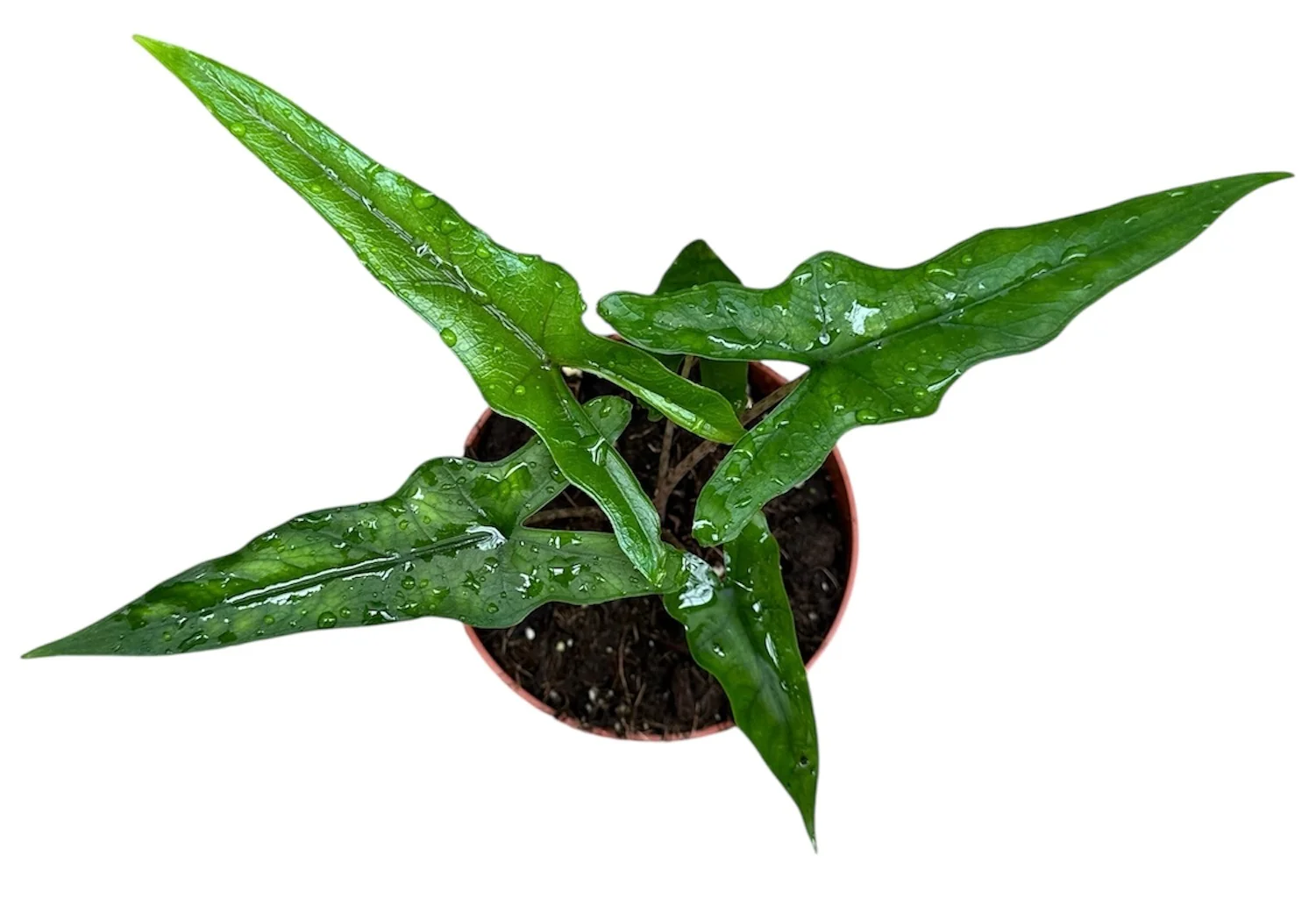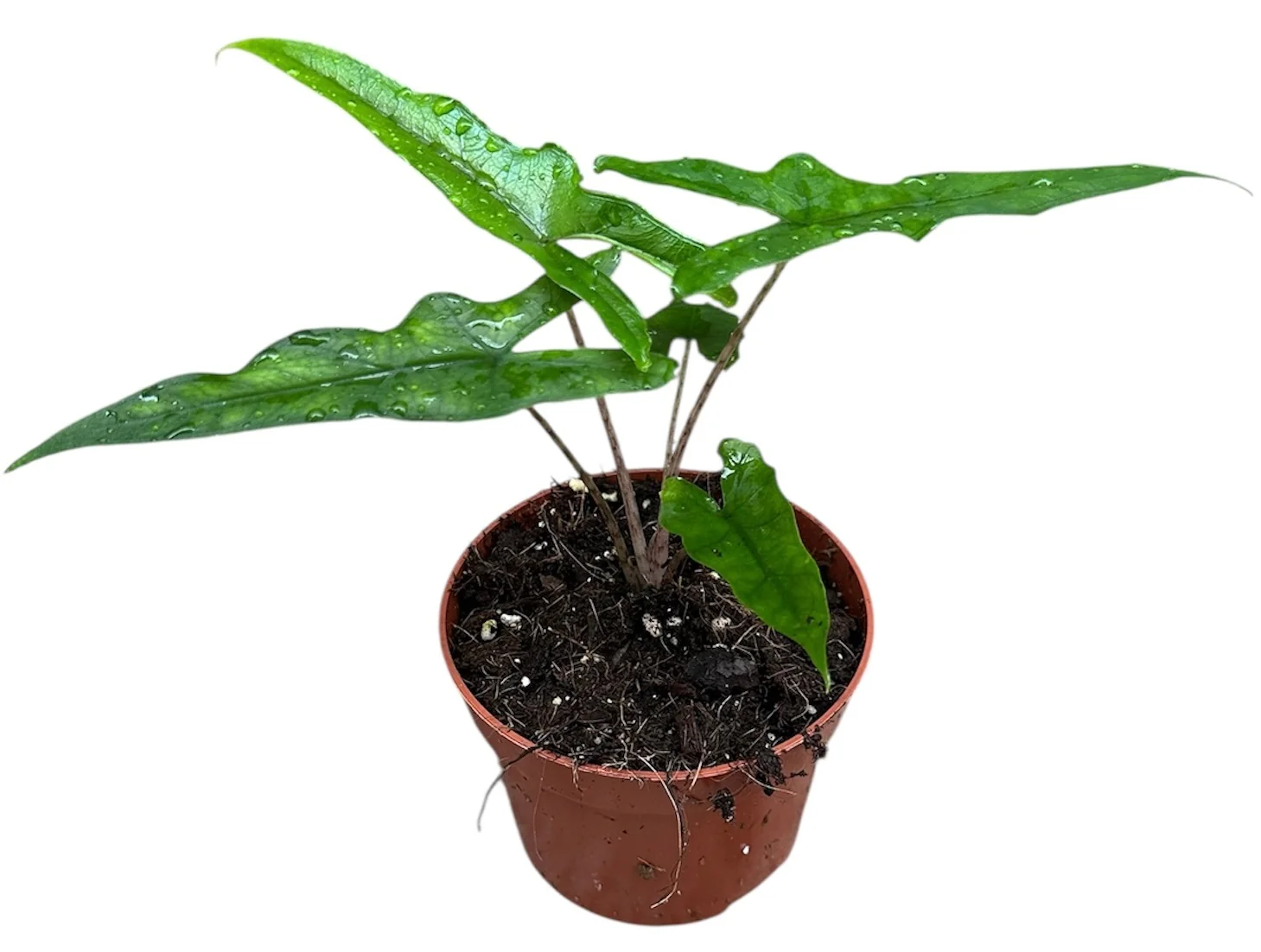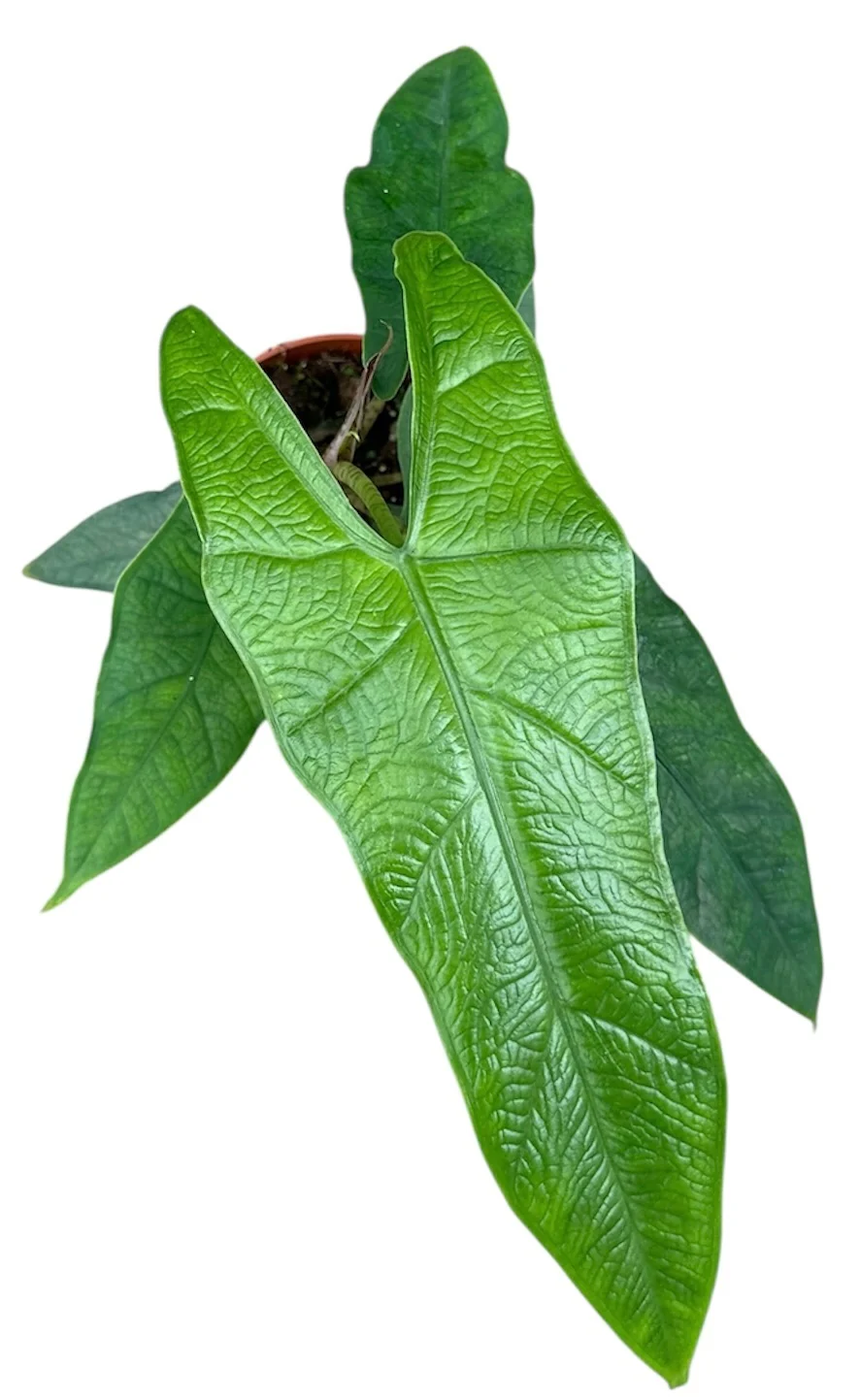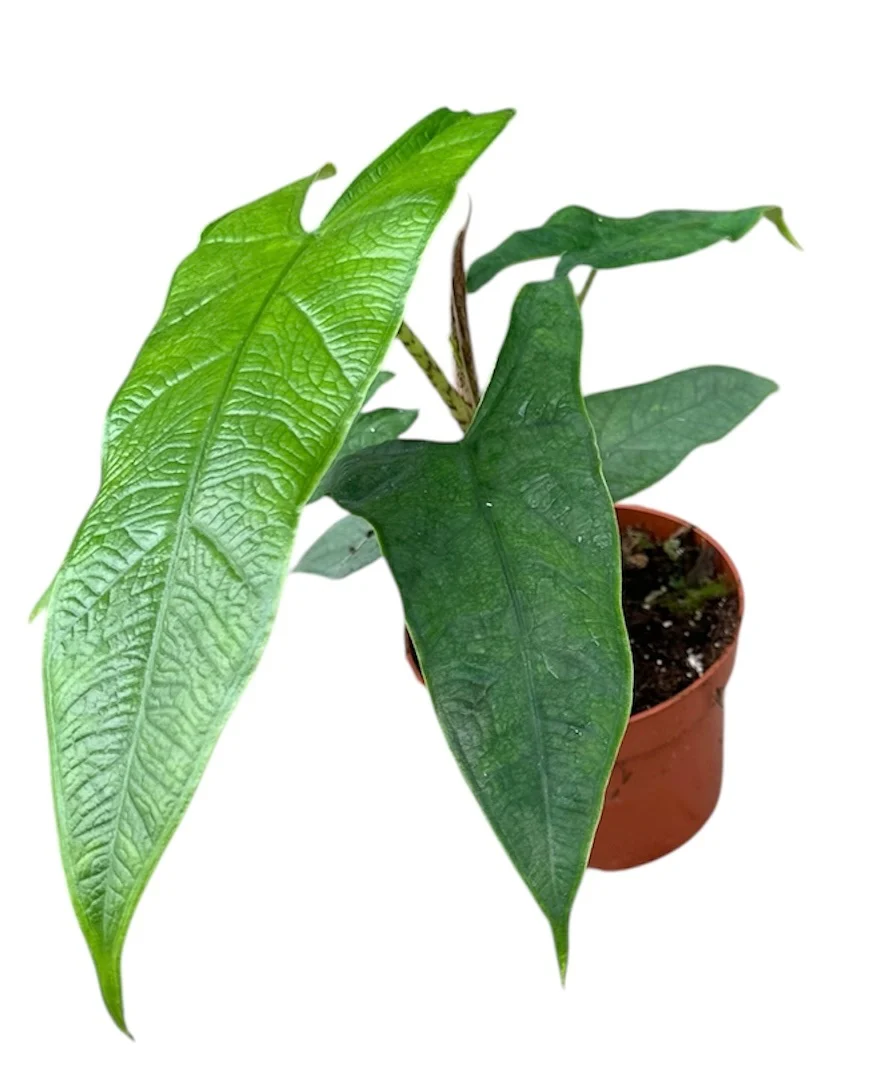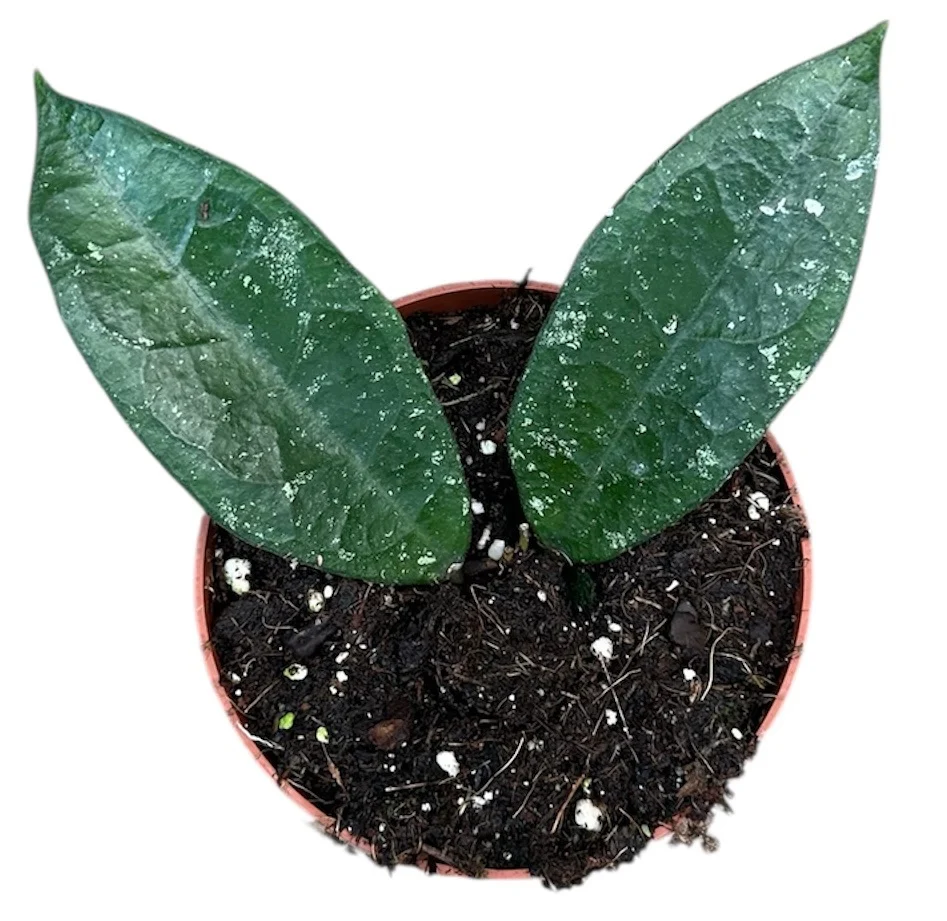


Hoya aff Vitellina 10.5cm Pot 15cm Height House Plant
Hoya aff. vitellina is a remarkable and highly sought-after Sumatran species admired for its bold foliage, vigorous growth habit, and spectacular, richly coloured blooms. The abbreviation “aff.” (affinis) indicates that this plant is closely related to but not necessarily identical to Hoya vitellina — adding an element of mystery and scientific intrigue that collectors love.
The leaves are large, oval to elliptic, and beautifully thick with a semi-succulent texture. Their surface is a glossy mid-green often highlighted by subtle silver flecking or faint splash markings, depending on the clone. Leaves are firm, slightly convex, and supported by strong, climbing vines that can grow impressively long in cultivation.
What makes this species especially coveted is its incredible flowering display: Hoya aff. vitellina typically produces stunning umbels of large, waxy, star-shaped flowers in shades of yellow, apricot, pale peach, or deep golden orange, often with a contrasting red or pink corona. The blooms are sweetly and strongly scented, creating one of the most dramatic floral presentations in the entire Hoya genus.
Hardy, showy, and spectacular in bloom, Hoya aff. vitellina is a must-have for collectors who enjoy big-leaf Hoyas and vividly coloured flowers.
Hoya aff. vitellina – Care Guide
Light
Thrives in bright, indirect light. Several hours of soft morning sun are highly beneficial and encourage flowering. High light improves leaf colour and increases the number of blooms. Avoid intense midday sun, which can scorch leaves.
Watering
Let the top 3–5 cm of soil dry between waterings. As a semi-succulent species, it prefers a full wet–dry cycle. Overwatering can cause yellowing or root issues. Water less in winter when growth slows.
Temperature and Humidity
-
Temperature: Prefers 18–28 °C. Avoid temperatures below 12–14 °C.
-
Humidity: Performs well in 50–70% humidity, though it can tolerate household humidity. Higher humidity encourages larger leaves and stronger vines.
Soil and Potting
Use an airy, fast-draining Hoya mix — orchid bark, perlite, coco coir, and a small portion of compost work perfectly. Hoyas enjoy being slightly root-bound, so only repot once every 1–2 years.
Feeding
Feed every 3–4 weeks during the growing season with a balanced fertiliser. Switch to a bloom-boosting formula (higher phosphorus) when encouraging flowering on mature plants.
Pruning and Maintenance
Trim lightly to encourage branching and increase future flower sites. Never remove peduncles (flower spurs), as Hoyas rebloom from them. Remove faded leaves as needed.
Growth and Maturity
A vigorous grower capable of producing long climbing vines. With age and strong light, the plant becomes highly floriferous. Leaf size increases significantly on mature vines.
Common Issues
-
Yellow leaves: Overwatering or poor drainage.
-
Lack of blooms: Insufficient light or too much nitrogen.
-
Wrinkled leaves: Underwatering.
-
Pests: Occasional mealybugs or spider mites may appear on new growth.
Background and Benefits
Hoya aff. vitellina is valued for its large leaves and exceptional floral display — one of the brightest and most vividly coloured in the Hoya genus. Its “aff.” status adds both botanical interest and desirability, as collectors often enjoy keeping forms or species complexes that may later be reclassified.
It makes a perfect statement plant in any Hoya collection, combining big-leaf drama with tropical flower colour and a vigorous growth habit that rewards attentive care.
Quick Care Summary
Light: Bright, indirect; morning sun ideal
Water: Let top 3–5 cm dry
Temperature: 18–28 °C
Humidity: 50–70%
Soil: Airy, fast-draining Hoya mix
Feed: Every 3–4 weeks; bloom booster for mature plants
Growth: Vigorous climber; large, glossy leaves; big colourful blooms
Toxicity: Mildly toxic if ingested; keep away from pets and children
Styling Tip
Train Hoya aff. vitellina up a tall trellis or bamboo pole to showcase its substantial foliage and dramatic umbels. Use neutral pots — terracotta, matte black, or cream — to highlight the plant’s rich green leaves and striking golden blooms.
Original: $26.38
-70%$26.38
$7.91Product Information
Product Information
Shipping & Returns
Shipping & Returns
Description
Hoya aff. vitellina is a remarkable and highly sought-after Sumatran species admired for its bold foliage, vigorous growth habit, and spectacular, richly coloured blooms. The abbreviation “aff.” (affinis) indicates that this plant is closely related to but not necessarily identical to Hoya vitellina — adding an element of mystery and scientific intrigue that collectors love.
The leaves are large, oval to elliptic, and beautifully thick with a semi-succulent texture. Their surface is a glossy mid-green often highlighted by subtle silver flecking or faint splash markings, depending on the clone. Leaves are firm, slightly convex, and supported by strong, climbing vines that can grow impressively long in cultivation.
What makes this species especially coveted is its incredible flowering display: Hoya aff. vitellina typically produces stunning umbels of large, waxy, star-shaped flowers in shades of yellow, apricot, pale peach, or deep golden orange, often with a contrasting red or pink corona. The blooms are sweetly and strongly scented, creating one of the most dramatic floral presentations in the entire Hoya genus.
Hardy, showy, and spectacular in bloom, Hoya aff. vitellina is a must-have for collectors who enjoy big-leaf Hoyas and vividly coloured flowers.
Hoya aff. vitellina – Care Guide
Light
Thrives in bright, indirect light. Several hours of soft morning sun are highly beneficial and encourage flowering. High light improves leaf colour and increases the number of blooms. Avoid intense midday sun, which can scorch leaves.
Watering
Let the top 3–5 cm of soil dry between waterings. As a semi-succulent species, it prefers a full wet–dry cycle. Overwatering can cause yellowing or root issues. Water less in winter when growth slows.
Temperature and Humidity
-
Temperature: Prefers 18–28 °C. Avoid temperatures below 12–14 °C.
-
Humidity: Performs well in 50–70% humidity, though it can tolerate household humidity. Higher humidity encourages larger leaves and stronger vines.
Soil and Potting
Use an airy, fast-draining Hoya mix — orchid bark, perlite, coco coir, and a small portion of compost work perfectly. Hoyas enjoy being slightly root-bound, so only repot once every 1–2 years.
Feeding
Feed every 3–4 weeks during the growing season with a balanced fertiliser. Switch to a bloom-boosting formula (higher phosphorus) when encouraging flowering on mature plants.
Pruning and Maintenance
Trim lightly to encourage branching and increase future flower sites. Never remove peduncles (flower spurs), as Hoyas rebloom from them. Remove faded leaves as needed.
Growth and Maturity
A vigorous grower capable of producing long climbing vines. With age and strong light, the plant becomes highly floriferous. Leaf size increases significantly on mature vines.
Common Issues
-
Yellow leaves: Overwatering or poor drainage.
-
Lack of blooms: Insufficient light or too much nitrogen.
-
Wrinkled leaves: Underwatering.
-
Pests: Occasional mealybugs or spider mites may appear on new growth.
Background and Benefits
Hoya aff. vitellina is valued for its large leaves and exceptional floral display — one of the brightest and most vividly coloured in the Hoya genus. Its “aff.” status adds both botanical interest and desirability, as collectors often enjoy keeping forms or species complexes that may later be reclassified.
It makes a perfect statement plant in any Hoya collection, combining big-leaf drama with tropical flower colour and a vigorous growth habit that rewards attentive care.
Quick Care Summary
Light: Bright, indirect; morning sun ideal
Water: Let top 3–5 cm dry
Temperature: 18–28 °C
Humidity: 50–70%
Soil: Airy, fast-draining Hoya mix
Feed: Every 3–4 weeks; bloom booster for mature plants
Growth: Vigorous climber; large, glossy leaves; big colourful blooms
Toxicity: Mildly toxic if ingested; keep away from pets and children
Styling Tip
Train Hoya aff. vitellina up a tall trellis or bamboo pole to showcase its substantial foliage and dramatic umbels. Use neutral pots — terracotta, matte black, or cream — to highlight the plant’s rich green leaves and striking golden blooms.