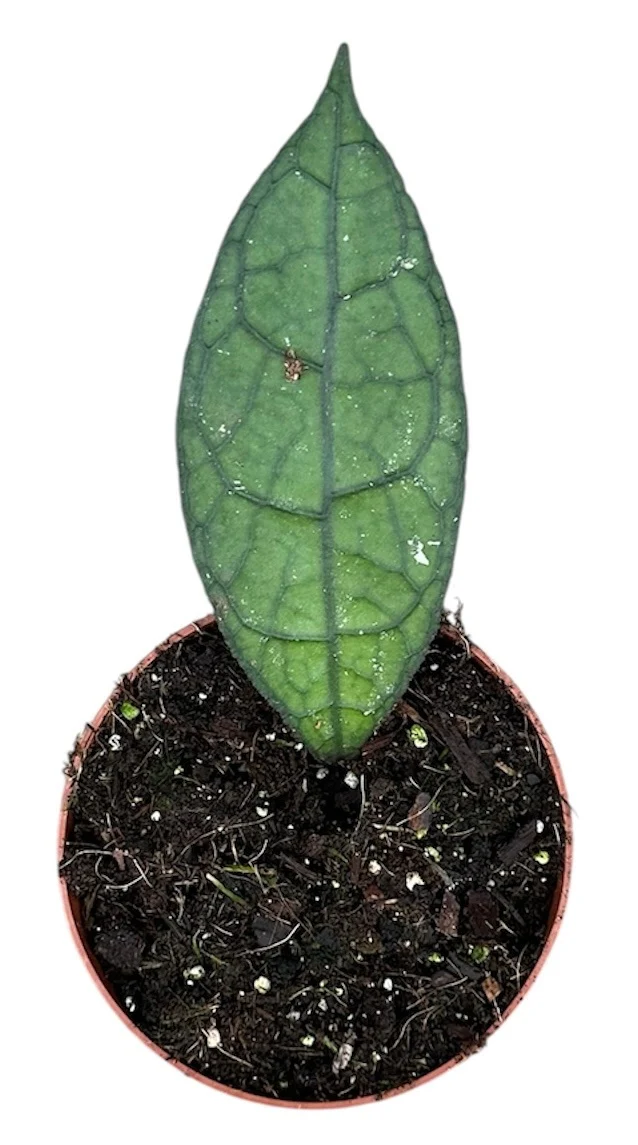

Hoya Clemensiorum Sumatra Dark Leaf 10.5cm Pot 15cm Height House Plant
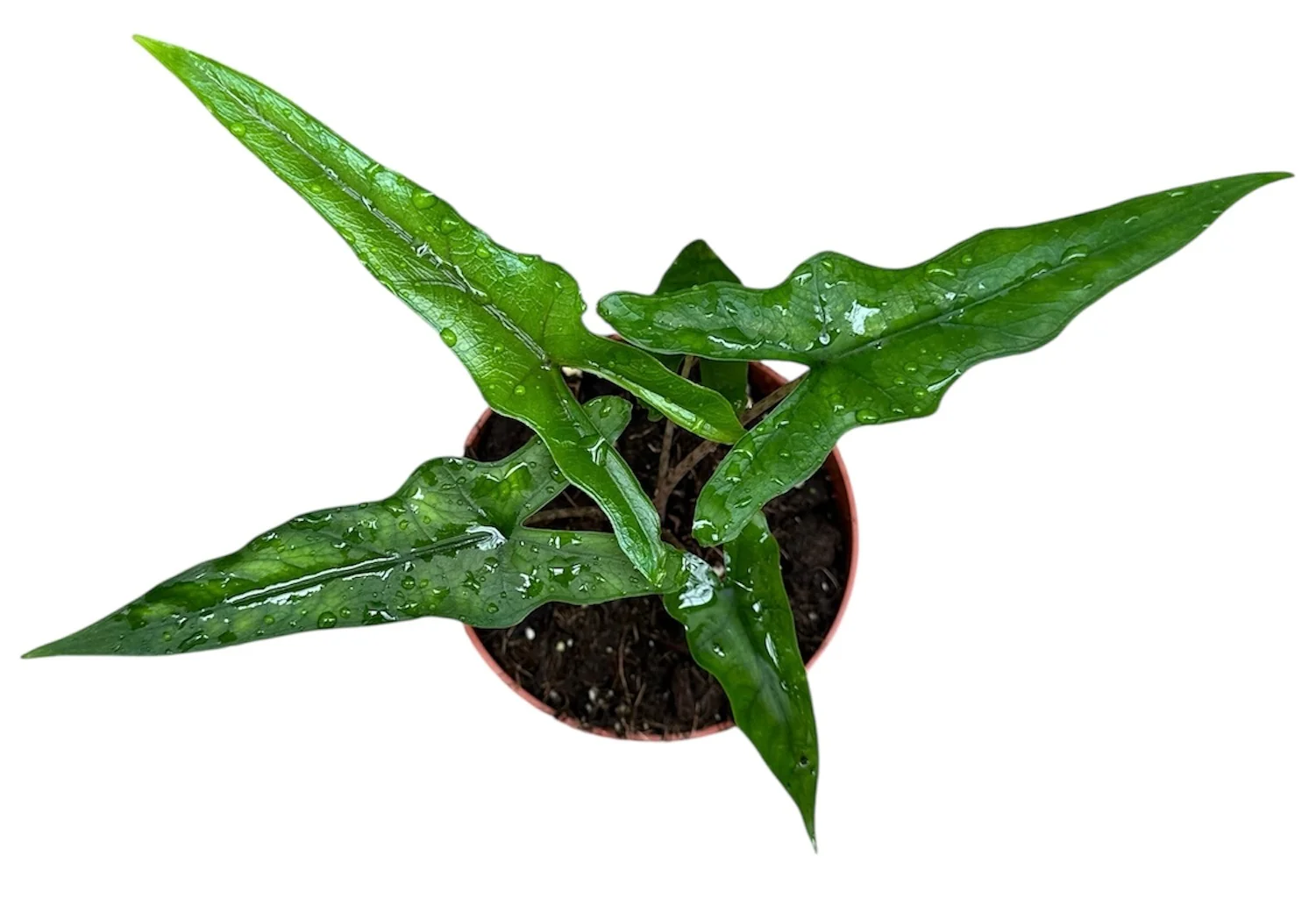
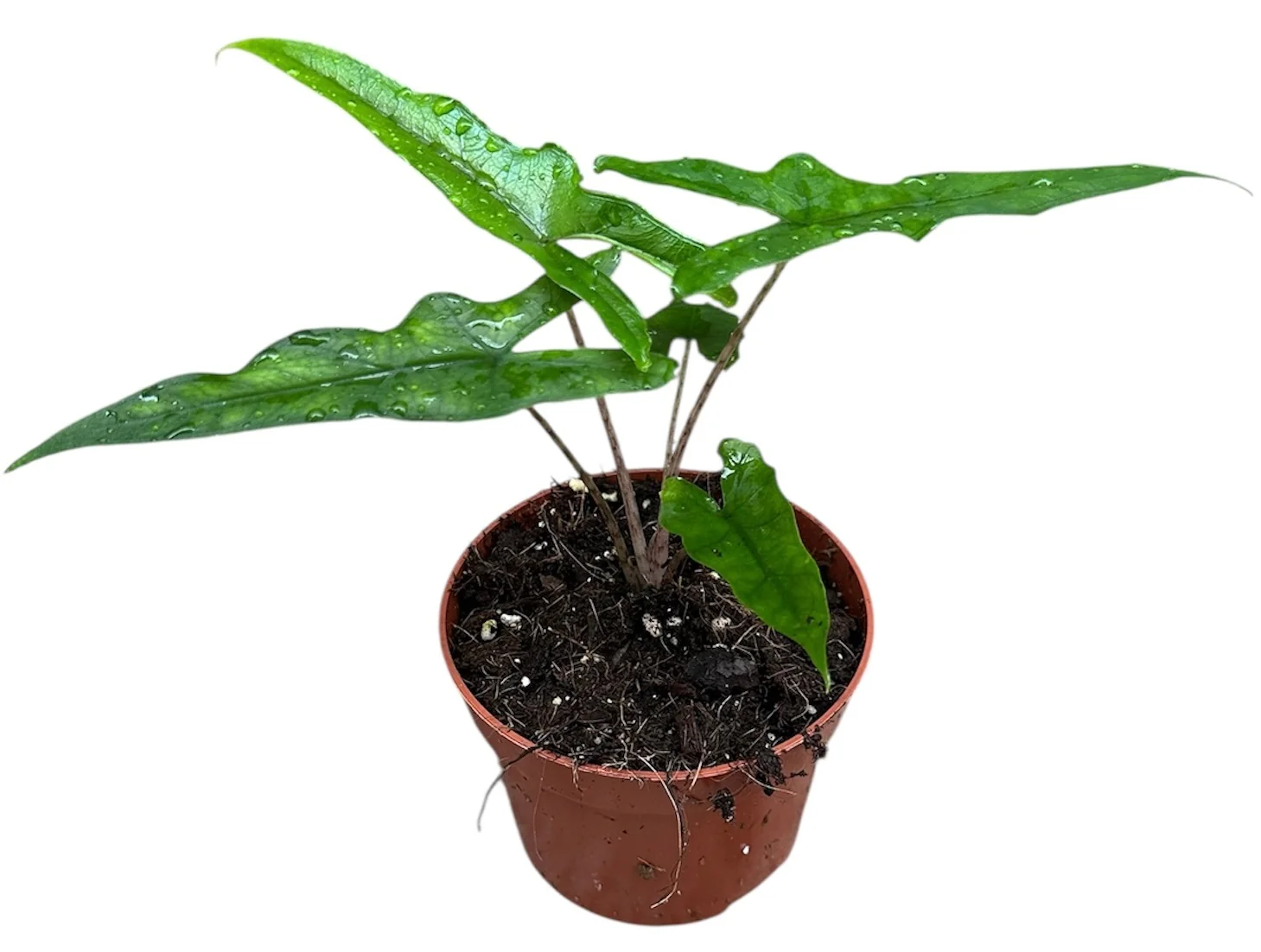
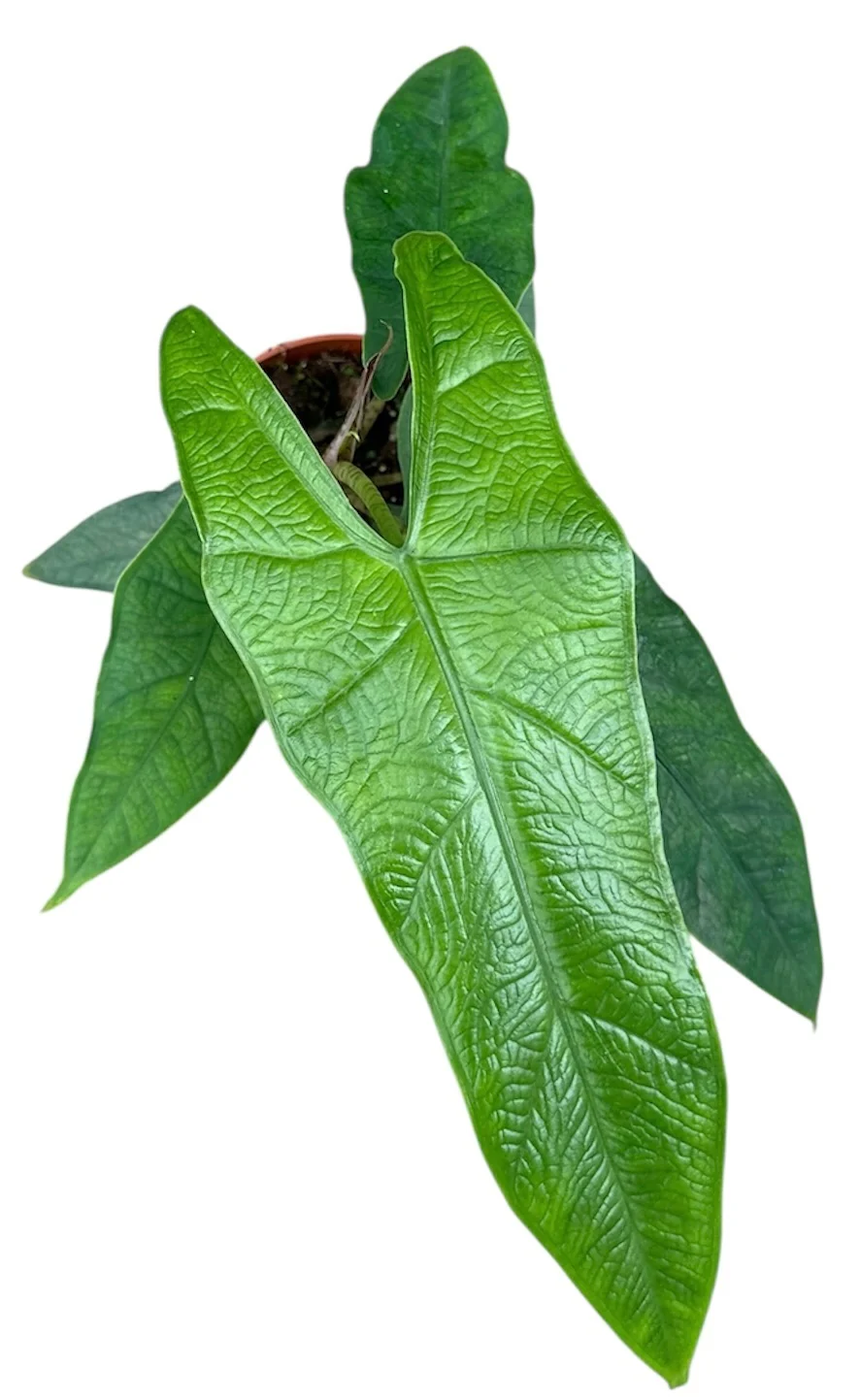
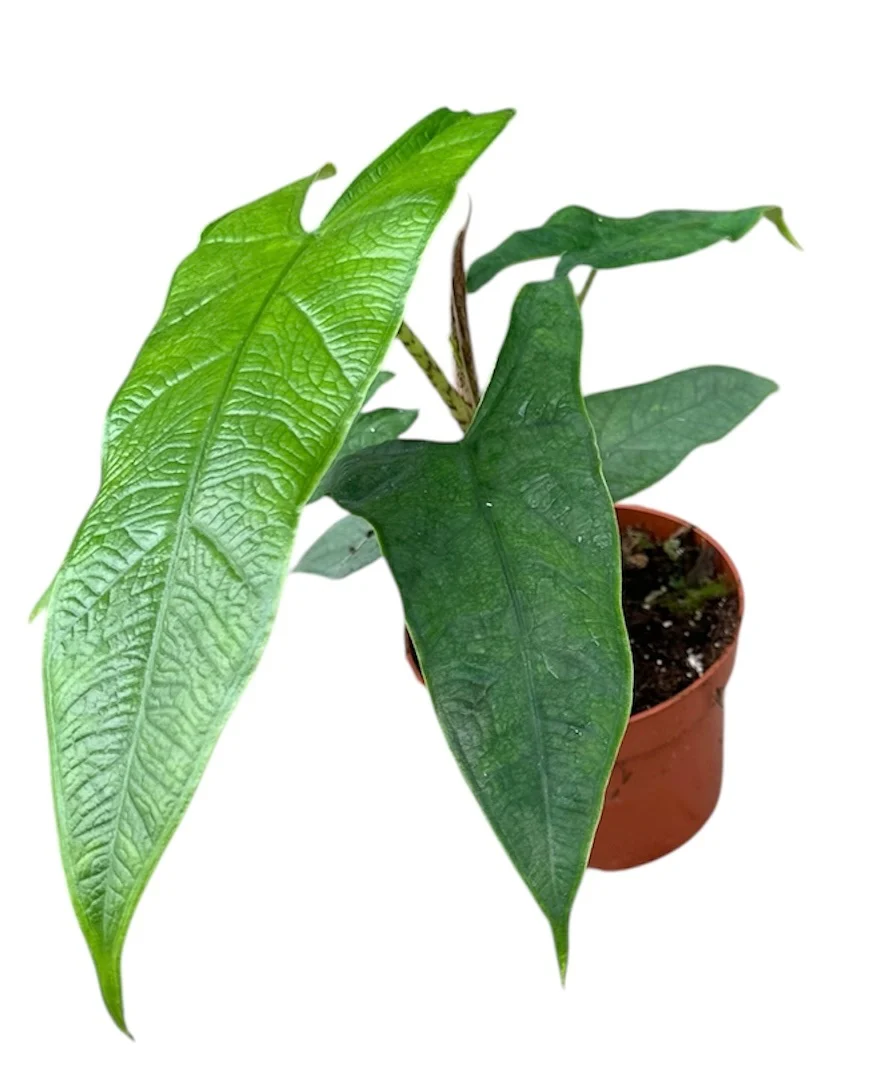
Hoya clemensiorum ‘Sumatra’ (Dark Leaf) is a highly sought-after collector hoya, prized for its dramatic, oversized foliage and deep, moody colouring. Native to Sumatra, this form is especially loved for its thick, leathery leaves with prominent veining and rich dark green tones that can deepen further under good light.
Appearance & Growth Habit
This is a slow to moderate-growing hoya with large, elongated leaves that feel firm and almost succulent-like. The veins are bold and deeply set, giving the foliage a sculptural, almost prehistoric look. New leaves often emerge lighter before hardening off into darker, richer shades. It has a climbing habit and performs best with support such as a trellis or moss pole.
Flowering is less common indoors, but when mature and happy, it can produce clusters of star-shaped flowers, typically pale cream to yellow with a contrasting centre and a light fragrance.
Light
Prefers bright indirect light. Strong light helps maintain the dark leaf colour and compact growth, but direct sun — especially midday sun — can scorch the foliage. Lower light will result in slower growth and greener, less dramatic leaves.
Watering
Allow the compost to dry out partially between waterings. Water thoroughly, then let excess drain away. Like most thick-leaved hoyas, this plant is far more tolerant of slight underwatering than overwatering. Consistently wet compost is the fastest way to cause root rot.
Humidity
Enjoys moderate to high humidity, ideally 60%+, though it is more forgiving than many thin-leaved tropical plants. Higher humidity encourages stronger leaf development and reduces stress during new growth.
Temperature
Thrives in warm conditions between 18–28°C. Avoid cold draughts and temperatures below 15°C, which can cause leaf drop or stalled growth.
Compost & Potting
Use a very free-draining, chunky hoya mix. A blend of houseplant compost, orchid bark, perlite, and a little coco coir works well. Hoyas prefer to be slightly root-bound, so only repot every 2–3 years and move up just one pot size at a time.
Feeding
Feed lightly during spring and summer with a diluted balanced fertiliser every 4–6 weeks. Too much fertiliser can cause weak, stretched growth and reduce leaf quality. No feeding is needed in winter.
Support & Training
This species benefits greatly from climbing support. Training it up a trellis or pole encourages larger leaves and more structured growth. Avoid frequent repositioning once it has settled, as hoyas prefer stability.
Common Issues
-
Yellowing leaves: Usually overwatering or poor drainage
-
Soft or wrinkled leaves: Root stress or inconsistent watering
-
Slow growth: Normal for the species, but worsened by low light or cool temperatures
-
Leaf damage: Often caused by cold or direct sun
Pet Safety
Like most hoyas, Hoya clemensiorum is generally regarded as pet-friendly, making it suitable for homes with cats and dogs.
Original: $26.38
-70%$26.38
$7.91Product Information
Product Information
Shipping & Returns
Shipping & Returns
Description
Hoya clemensiorum ‘Sumatra’ (Dark Leaf) is a highly sought-after collector hoya, prized for its dramatic, oversized foliage and deep, moody colouring. Native to Sumatra, this form is especially loved for its thick, leathery leaves with prominent veining and rich dark green tones that can deepen further under good light.
Appearance & Growth Habit
This is a slow to moderate-growing hoya with large, elongated leaves that feel firm and almost succulent-like. The veins are bold and deeply set, giving the foliage a sculptural, almost prehistoric look. New leaves often emerge lighter before hardening off into darker, richer shades. It has a climbing habit and performs best with support such as a trellis or moss pole.
Flowering is less common indoors, but when mature and happy, it can produce clusters of star-shaped flowers, typically pale cream to yellow with a contrasting centre and a light fragrance.
Light
Prefers bright indirect light. Strong light helps maintain the dark leaf colour and compact growth, but direct sun — especially midday sun — can scorch the foliage. Lower light will result in slower growth and greener, less dramatic leaves.
Watering
Allow the compost to dry out partially between waterings. Water thoroughly, then let excess drain away. Like most thick-leaved hoyas, this plant is far more tolerant of slight underwatering than overwatering. Consistently wet compost is the fastest way to cause root rot.
Humidity
Enjoys moderate to high humidity, ideally 60%+, though it is more forgiving than many thin-leaved tropical plants. Higher humidity encourages stronger leaf development and reduces stress during new growth.
Temperature
Thrives in warm conditions between 18–28°C. Avoid cold draughts and temperatures below 15°C, which can cause leaf drop or stalled growth.
Compost & Potting
Use a very free-draining, chunky hoya mix. A blend of houseplant compost, orchid bark, perlite, and a little coco coir works well. Hoyas prefer to be slightly root-bound, so only repot every 2–3 years and move up just one pot size at a time.
Feeding
Feed lightly during spring and summer with a diluted balanced fertiliser every 4–6 weeks. Too much fertiliser can cause weak, stretched growth and reduce leaf quality. No feeding is needed in winter.
Support & Training
This species benefits greatly from climbing support. Training it up a trellis or pole encourages larger leaves and more structured growth. Avoid frequent repositioning once it has settled, as hoyas prefer stability.
Common Issues
-
Yellowing leaves: Usually overwatering or poor drainage
-
Soft or wrinkled leaves: Root stress or inconsistent watering
-
Slow growth: Normal for the species, but worsened by low light or cool temperatures
-
Leaf damage: Often caused by cold or direct sun
Pet Safety
Like most hoyas, Hoya clemensiorum is generally regarded as pet-friendly, making it suitable for homes with cats and dogs.