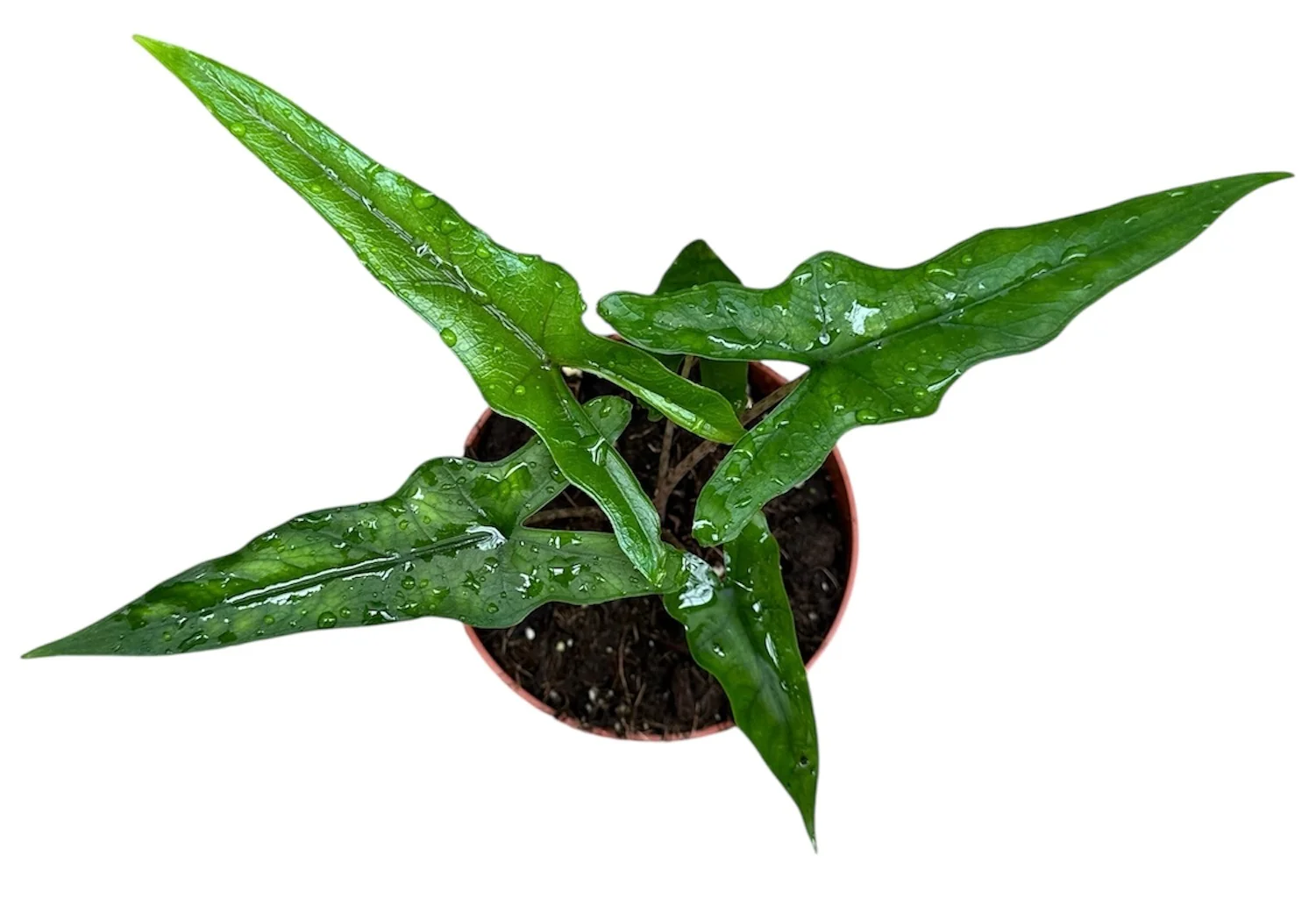
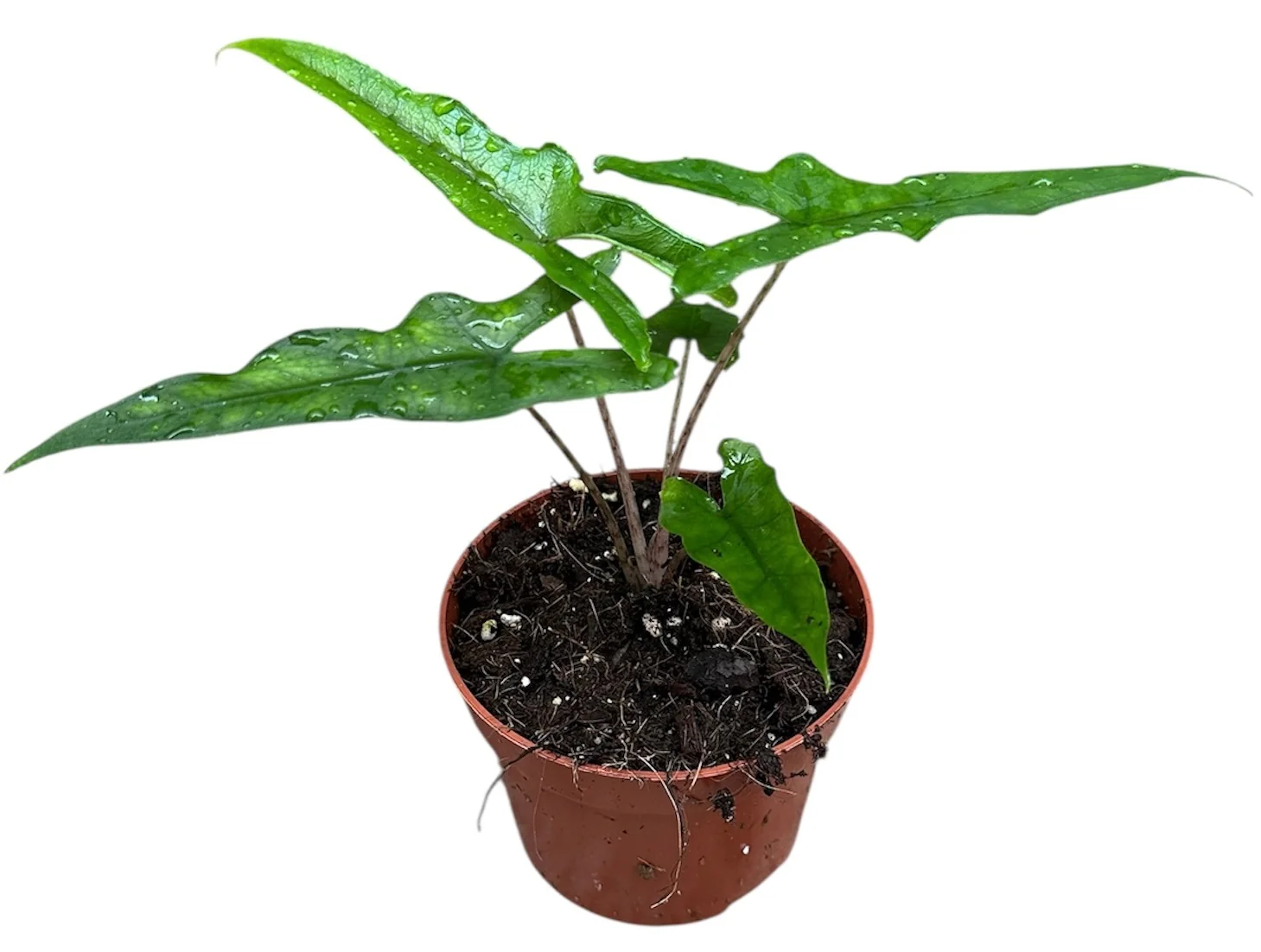
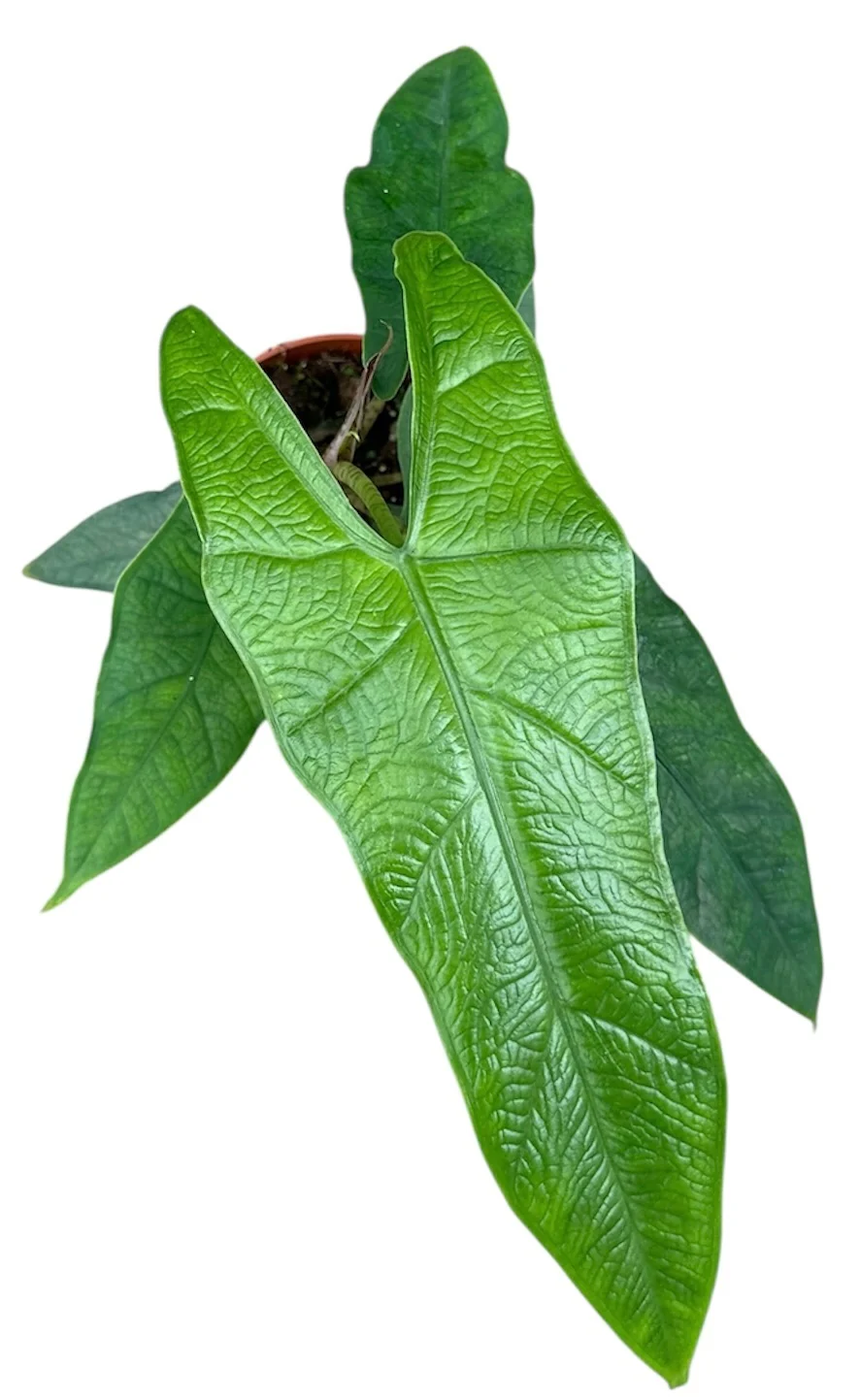
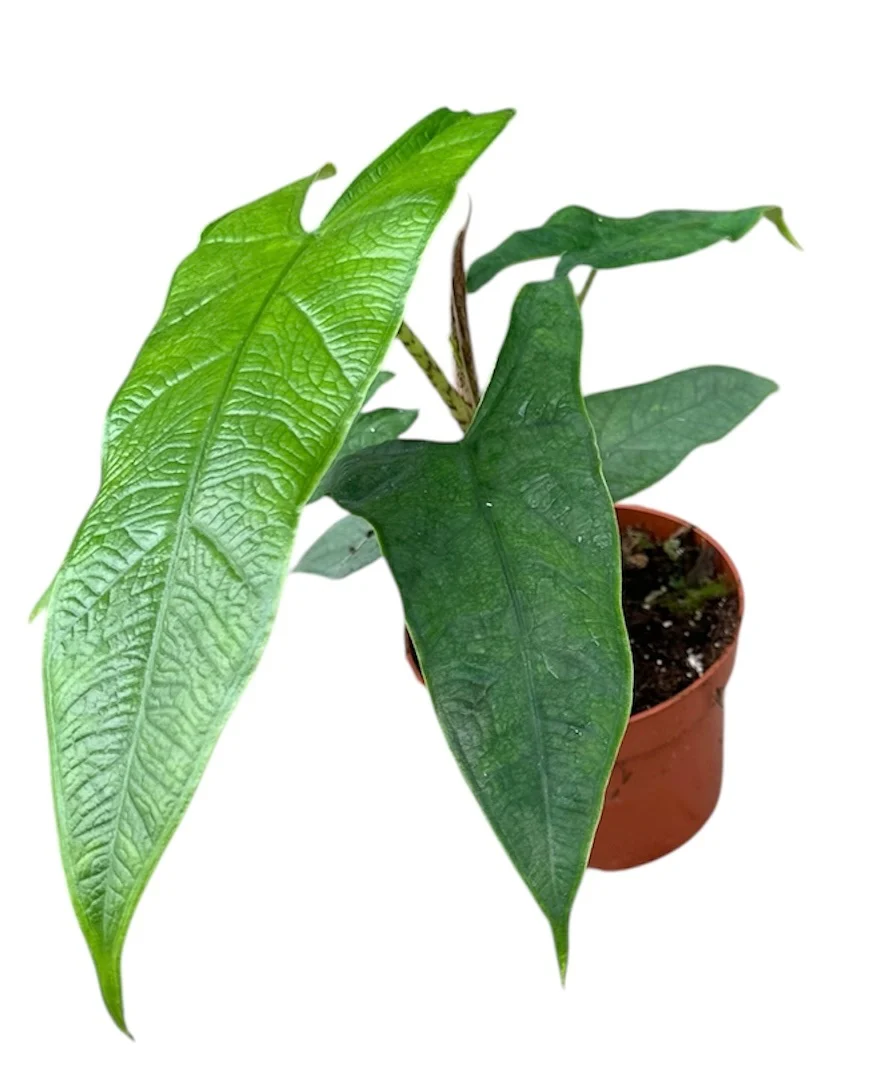
Hoya Erythrina 10.5cm Pot 10cm Height House Plant
Hoya erythrina is a highly desirable, lesser-seen Hoya species admired for its bold foliage, strong vining habit and vivid, warm-toned flowers. Native to Southeast Asia, this species grows naturally as an epiphyte, clinging to trees where it receives dappled light, excellent airflow and brief but regular rainfall. Understanding this natural habitat is key to keeping it thriving indoors.
Plant Description
Hoya erythrina produces long, thick, leathery leaves that feel substantial and almost succulent to the touch. The leaves are typically elongated and oval, tapering slightly at the tip, with a smooth, glossy surface. Mature foliage is usually deep green, but under brighter light it can develop subtle tonal variation and a richer sheen. Leaves grow in opposing pairs along firm, climbing stems.
The plant has a vigorous vining growth habit, making it well suited to hanging baskets, shelves, or being trained up a hoop or trellis. With time and the right conditions, it can produce impressively long trailing stems, giving it a dramatic, architectural presence.
The flowers are one of its standout features. When mature and well cared for, Hoya erythrina produces clusters of tubular, waxy flowers in shades of coral, red-orange or salmon, often with a slightly deeper centre. The blooms appear in rounded umbels and have a sculptural, almost exotic look. Like many Hoyas, the flowers are mildly fragrant and may produce nectar.
Light Requirements
Bright, indirect light is essential for healthy growth and flowering. A position near an east- or west-facing window works particularly well. Gentle morning or late-afternoon sun is beneficial and can encourage stronger stems and better blooming.
Avoid prolonged exposure to harsh midday sun, especially through south-facing glass, as this can scorch the leaves. If light levels are too low, the plant may survive but will grow slowly, produce longer internodes, and is unlikely to flower.
Watering
Hoya erythrina prefers a thorough but infrequent watering routine. Allow the top few centimetres of compost to dry out before watering again. When you do water, soak the substrate fully and allow all excess moisture to drain away.
During spring and summer, watering will be more regular as the plant is actively growing. In autumn and winter, reduce watering significantly; the plant will use less moisture and is more susceptible to root rot at this time.
Because of its semi-succulent leaves, it is far more tolerant of slight under-watering than over-watering. Wrinkled or slightly soft leaves usually indicate thirst, while yellowing leaves and mushy stems point to excess moisture.
Temperature & Humidity
This Hoya thrives in warm, stable temperatures, ideally between 18–27°C. It does not tolerate cold well and should be kept away from draughts, cold windowsills and unheated rooms in winter. Temperatures below 12°C can cause stress or damage.
Humidity is important but not extreme. It prefers moderate to high humidity, ideally above 50%. While it can adapt to average household conditions, higher humidity encourages stronger growth, healthier leaves and better flowering. Grouping plants together, using a humidifier or placing the pot near (but not directly on) a humidity tray can be beneficial.
Good airflow is just as important as humidity, helping to prevent fungal issues.
Soil & Potting
Hoya erythrina requires a very free-draining, airy growing medium. Heavy composts that retain water will quickly lead to root problems. The ideal mix mimics its epiphytic nature, allowing oxygen to reach the roots.
A chunky mix containing orchid bark, perlite or pumice, and a small amount of peat-free compost or coco coir works well. Terracotta pots are often preferred, as they allow excess moisture to evaporate more quickly.
Repot only when necessary. Hoyas generally prefer to be slightly root-bound, and frequent repotting can delay flowering.
Feeding
Feed lightly but consistently during the growing season. From spring through late summer, use a balanced houseplant fertiliser diluted to half strength every four to six weeks. A fertiliser that includes micronutrients can support leaf health and flowering.
Avoid heavy feeding, as Hoyas are not heavy feeders. During autumn and winter, feeding should be stopped altogether.
Pruning & Training
Hoya erythrina responds well to gentle pruning, which helps maintain shape and encourages branching. Prune sparingly and only during the active growing season.
Do not remove old flower spurs (peduncles), as Hoyas rebloom from the same points year after year. Removing these will reduce future flowering.
The plant can be allowed to trail naturally or trained onto a hoop, trellis or frame. Training often encourages more compact growth and can make flowering more visible.
Flowering Care Tips
Flowering usually occurs once the plant is mature and settled. Stability is key. Avoid frequently moving the plant, especially once buds begin to form, as sudden changes in light or temperature can cause buds to drop.
Bright light, consistent watering, warm temperatures and a slightly root-bound pot all contribute to successful blooming. Patience is essential—Hoyas often flower on their own schedule.
Propagation
Propagation is straightforward using stem cuttings. Choose a healthy stem with at least two nodes and place it in water or a well-draining propagation medium. Warmth, humidity and bright indirect light will encourage rooting, which typically occurs within a few weeks.
Overall Care Summary
Hoya erythrina is a rewarding plant for collectors and confident beginners alike. While not difficult, it does best when its epiphytic nature is respected: plenty of light, excellent drainage, warmth and patience. With time, it becomes a striking, long-lived houseplant that offers both bold foliage and exceptional blooms.
Original: $26.38
-70%$26.38
$7.91Product Information
Product Information
Shipping & Returns
Shipping & Returns
Description
Hoya erythrina is a highly desirable, lesser-seen Hoya species admired for its bold foliage, strong vining habit and vivid, warm-toned flowers. Native to Southeast Asia, this species grows naturally as an epiphyte, clinging to trees where it receives dappled light, excellent airflow and brief but regular rainfall. Understanding this natural habitat is key to keeping it thriving indoors.
Plant Description
Hoya erythrina produces long, thick, leathery leaves that feel substantial and almost succulent to the touch. The leaves are typically elongated and oval, tapering slightly at the tip, with a smooth, glossy surface. Mature foliage is usually deep green, but under brighter light it can develop subtle tonal variation and a richer sheen. Leaves grow in opposing pairs along firm, climbing stems.
The plant has a vigorous vining growth habit, making it well suited to hanging baskets, shelves, or being trained up a hoop or trellis. With time and the right conditions, it can produce impressively long trailing stems, giving it a dramatic, architectural presence.
The flowers are one of its standout features. When mature and well cared for, Hoya erythrina produces clusters of tubular, waxy flowers in shades of coral, red-orange or salmon, often with a slightly deeper centre. The blooms appear in rounded umbels and have a sculptural, almost exotic look. Like many Hoyas, the flowers are mildly fragrant and may produce nectar.
Light Requirements
Bright, indirect light is essential for healthy growth and flowering. A position near an east- or west-facing window works particularly well. Gentle morning or late-afternoon sun is beneficial and can encourage stronger stems and better blooming.
Avoid prolonged exposure to harsh midday sun, especially through south-facing glass, as this can scorch the leaves. If light levels are too low, the plant may survive but will grow slowly, produce longer internodes, and is unlikely to flower.
Watering
Hoya erythrina prefers a thorough but infrequent watering routine. Allow the top few centimetres of compost to dry out before watering again. When you do water, soak the substrate fully and allow all excess moisture to drain away.
During spring and summer, watering will be more regular as the plant is actively growing. In autumn and winter, reduce watering significantly; the plant will use less moisture and is more susceptible to root rot at this time.
Because of its semi-succulent leaves, it is far more tolerant of slight under-watering than over-watering. Wrinkled or slightly soft leaves usually indicate thirst, while yellowing leaves and mushy stems point to excess moisture.
Temperature & Humidity
This Hoya thrives in warm, stable temperatures, ideally between 18–27°C. It does not tolerate cold well and should be kept away from draughts, cold windowsills and unheated rooms in winter. Temperatures below 12°C can cause stress or damage.
Humidity is important but not extreme. It prefers moderate to high humidity, ideally above 50%. While it can adapt to average household conditions, higher humidity encourages stronger growth, healthier leaves and better flowering. Grouping plants together, using a humidifier or placing the pot near (but not directly on) a humidity tray can be beneficial.
Good airflow is just as important as humidity, helping to prevent fungal issues.
Soil & Potting
Hoya erythrina requires a very free-draining, airy growing medium. Heavy composts that retain water will quickly lead to root problems. The ideal mix mimics its epiphytic nature, allowing oxygen to reach the roots.
A chunky mix containing orchid bark, perlite or pumice, and a small amount of peat-free compost or coco coir works well. Terracotta pots are often preferred, as they allow excess moisture to evaporate more quickly.
Repot only when necessary. Hoyas generally prefer to be slightly root-bound, and frequent repotting can delay flowering.
Feeding
Feed lightly but consistently during the growing season. From spring through late summer, use a balanced houseplant fertiliser diluted to half strength every four to six weeks. A fertiliser that includes micronutrients can support leaf health and flowering.
Avoid heavy feeding, as Hoyas are not heavy feeders. During autumn and winter, feeding should be stopped altogether.
Pruning & Training
Hoya erythrina responds well to gentle pruning, which helps maintain shape and encourages branching. Prune sparingly and only during the active growing season.
Do not remove old flower spurs (peduncles), as Hoyas rebloom from the same points year after year. Removing these will reduce future flowering.
The plant can be allowed to trail naturally or trained onto a hoop, trellis or frame. Training often encourages more compact growth and can make flowering more visible.
Flowering Care Tips
Flowering usually occurs once the plant is mature and settled. Stability is key. Avoid frequently moving the plant, especially once buds begin to form, as sudden changes in light or temperature can cause buds to drop.
Bright light, consistent watering, warm temperatures and a slightly root-bound pot all contribute to successful blooming. Patience is essential—Hoyas often flower on their own schedule.
Propagation
Propagation is straightforward using stem cuttings. Choose a healthy stem with at least two nodes and place it in water or a well-draining propagation medium. Warmth, humidity and bright indirect light will encourage rooting, which typically occurs within a few weeks.
Overall Care Summary
Hoya erythrina is a rewarding plant for collectors and confident beginners alike. While not difficult, it does best when its epiphytic nature is respected: plenty of light, excellent drainage, warmth and patience. With time, it becomes a striking, long-lived houseplant that offers both bold foliage and exceptional blooms.