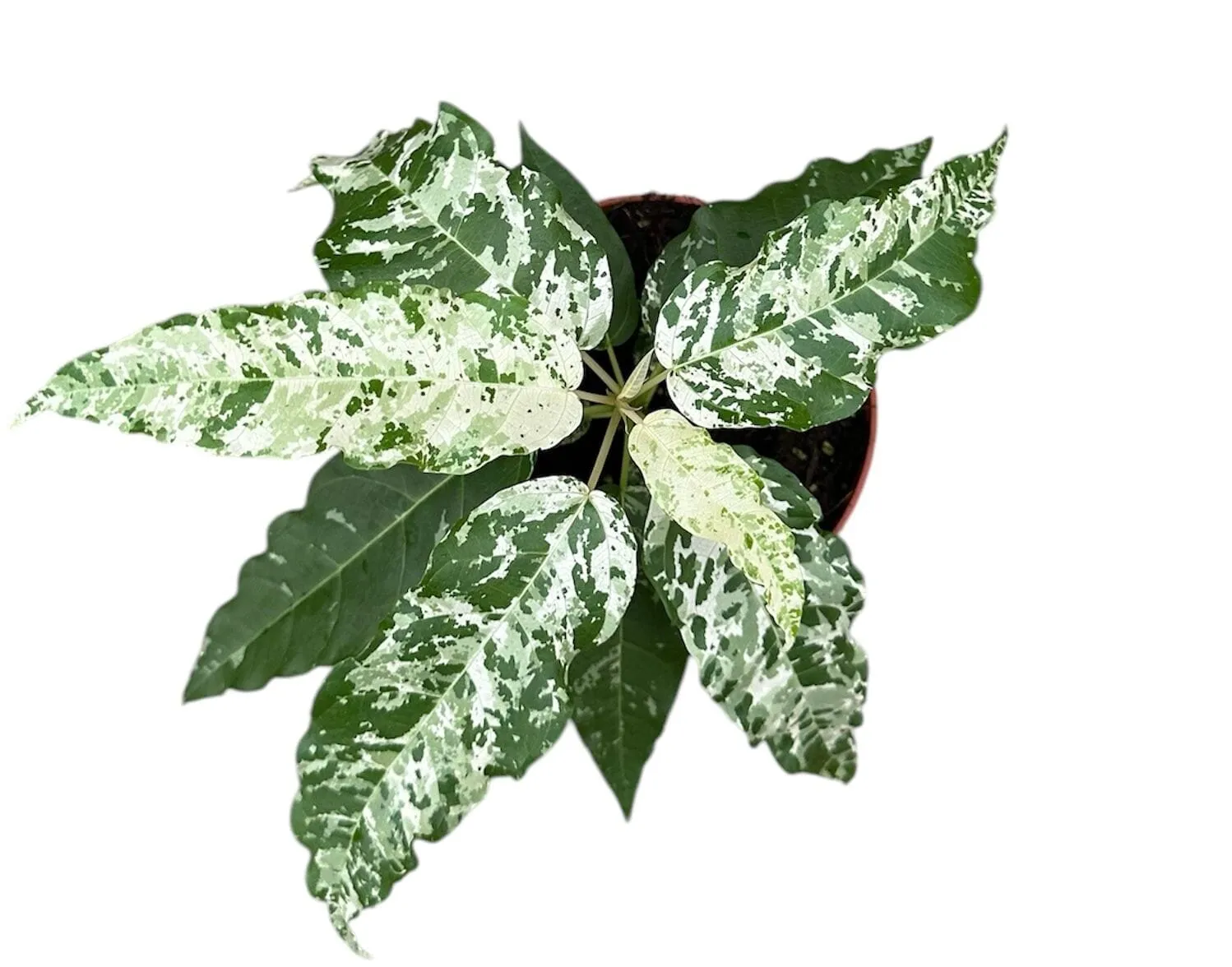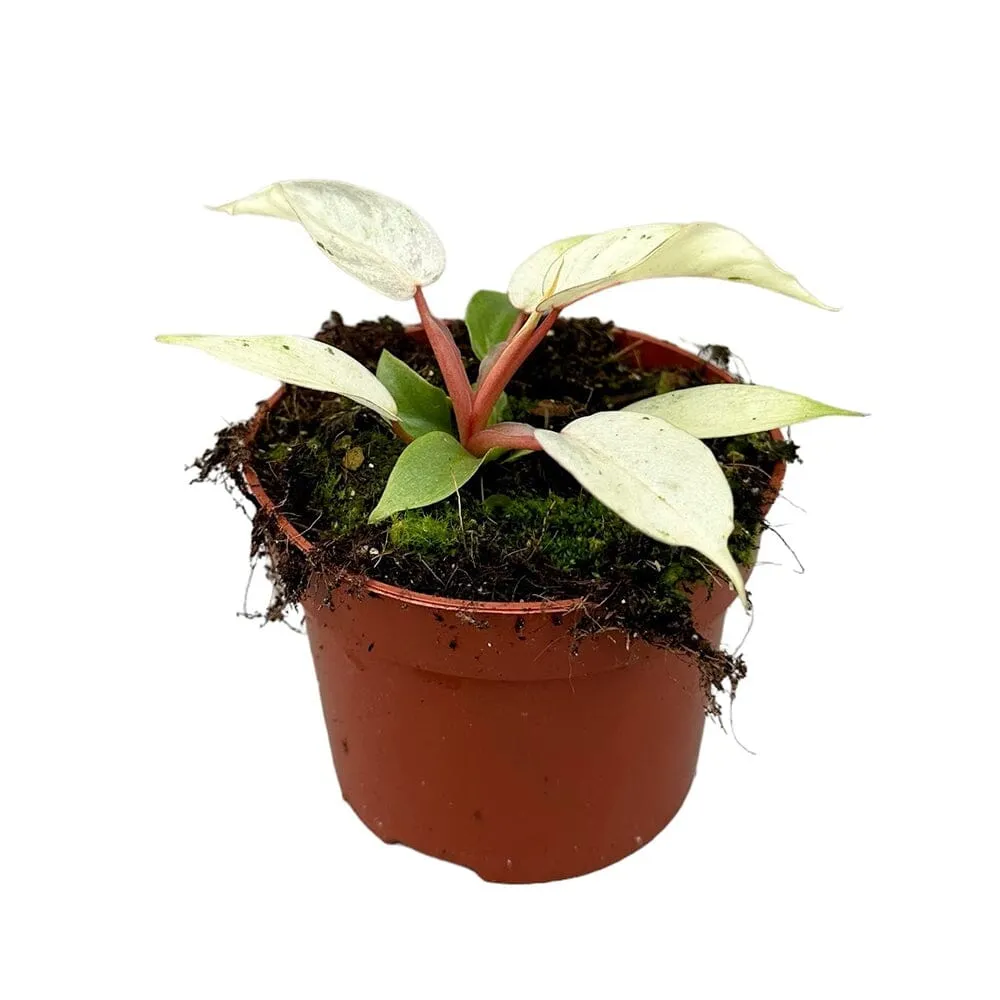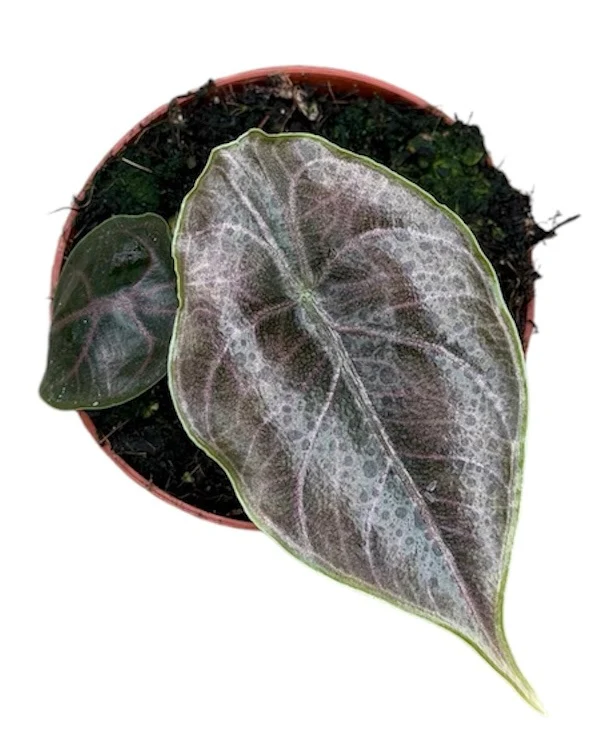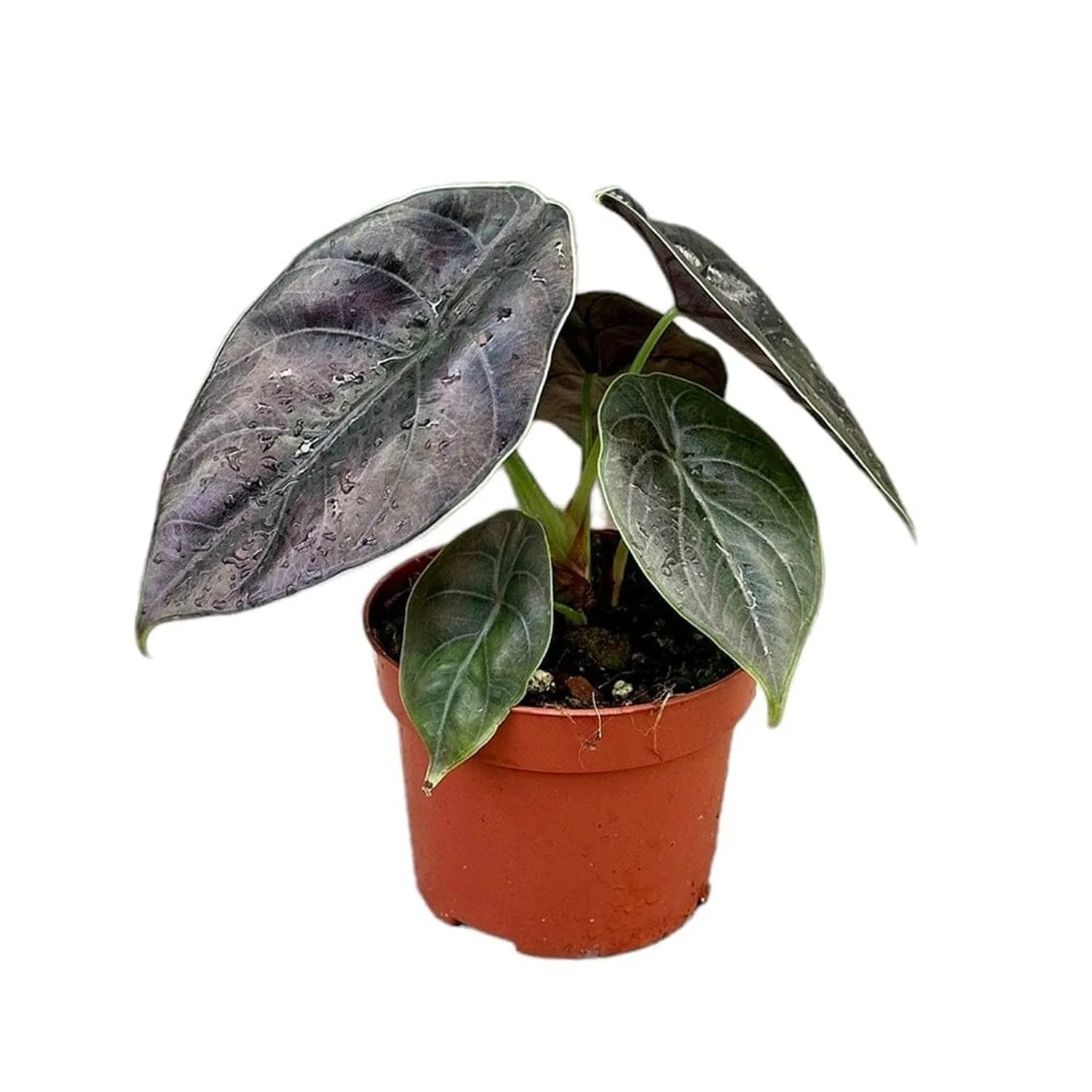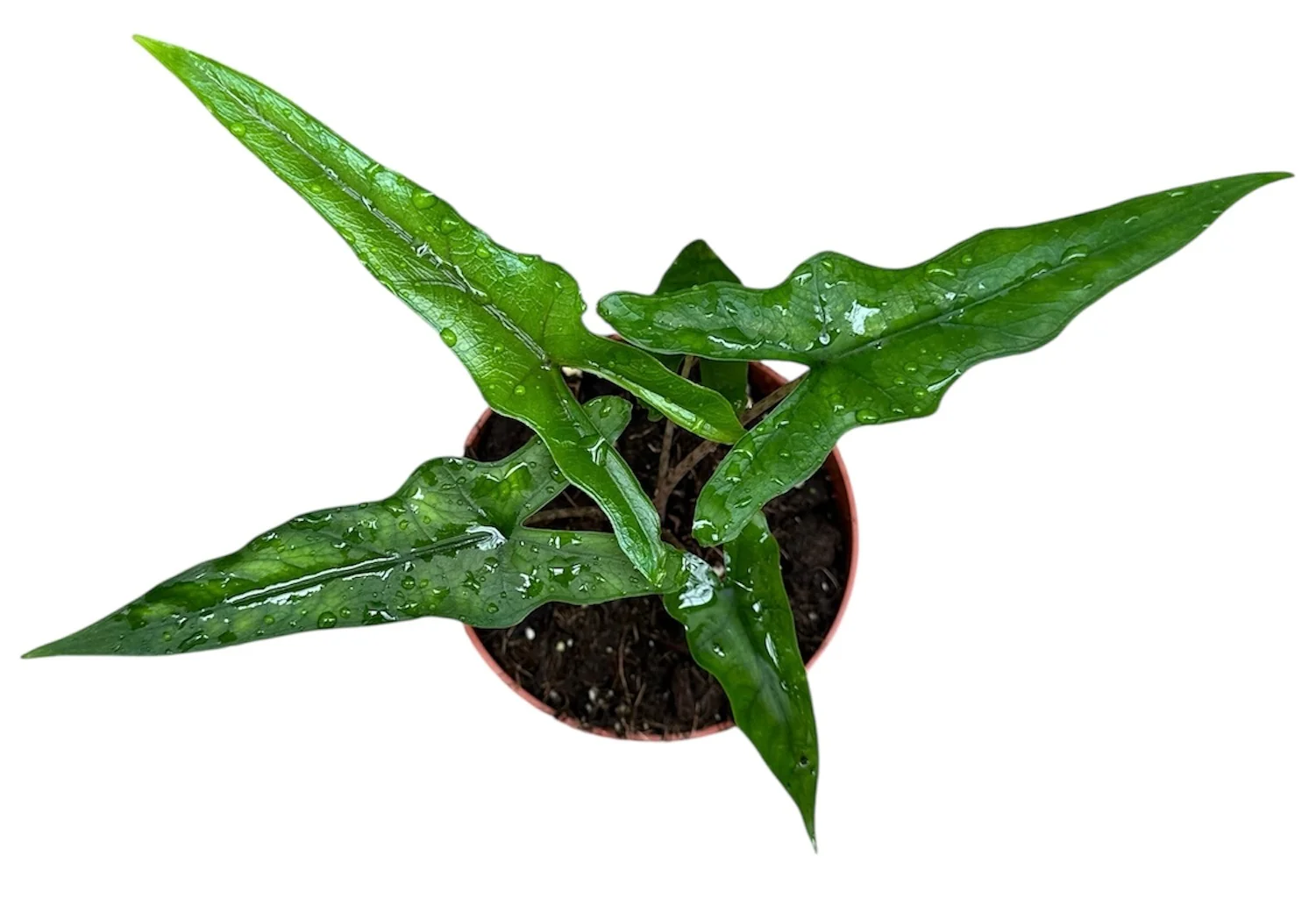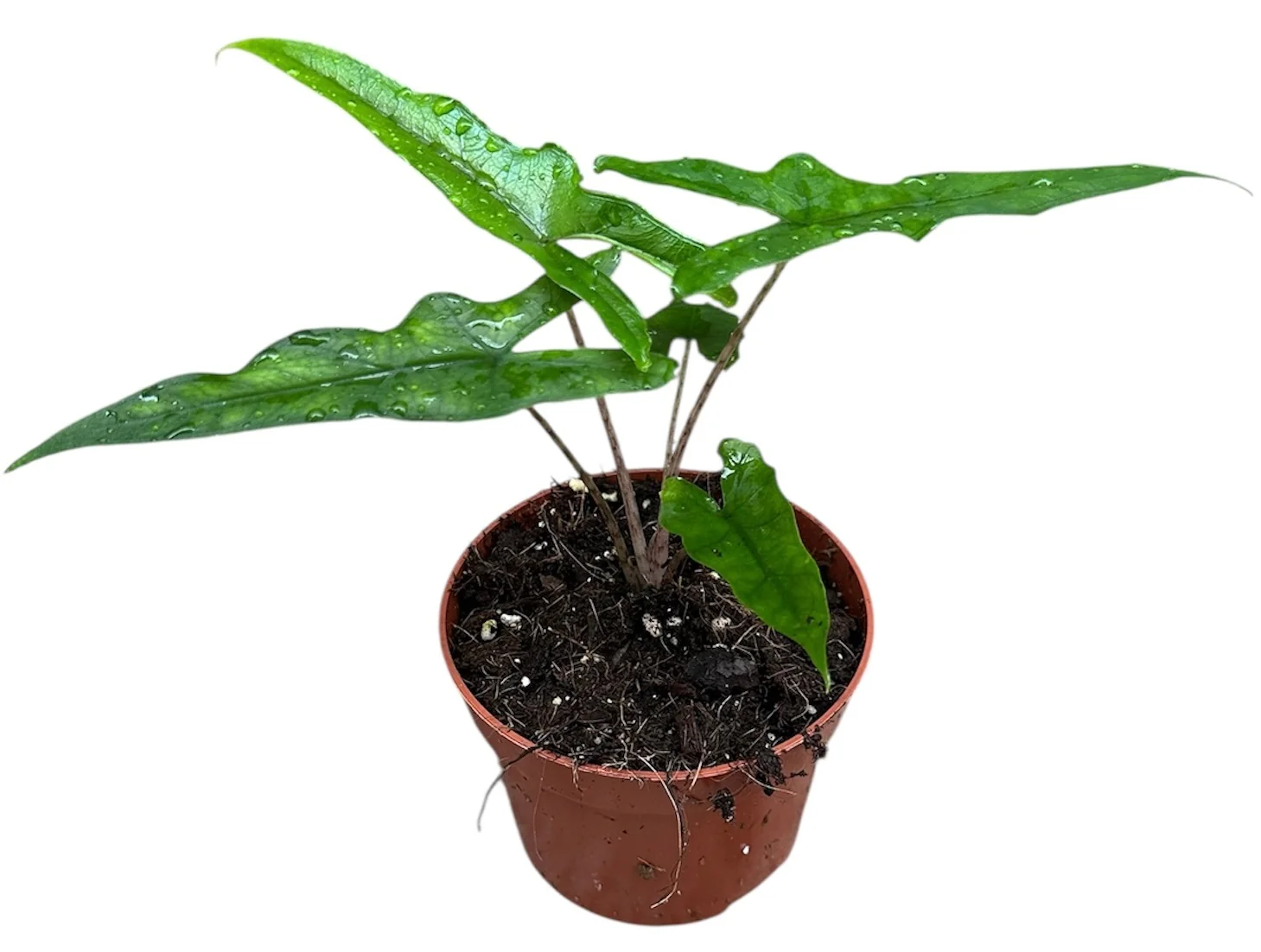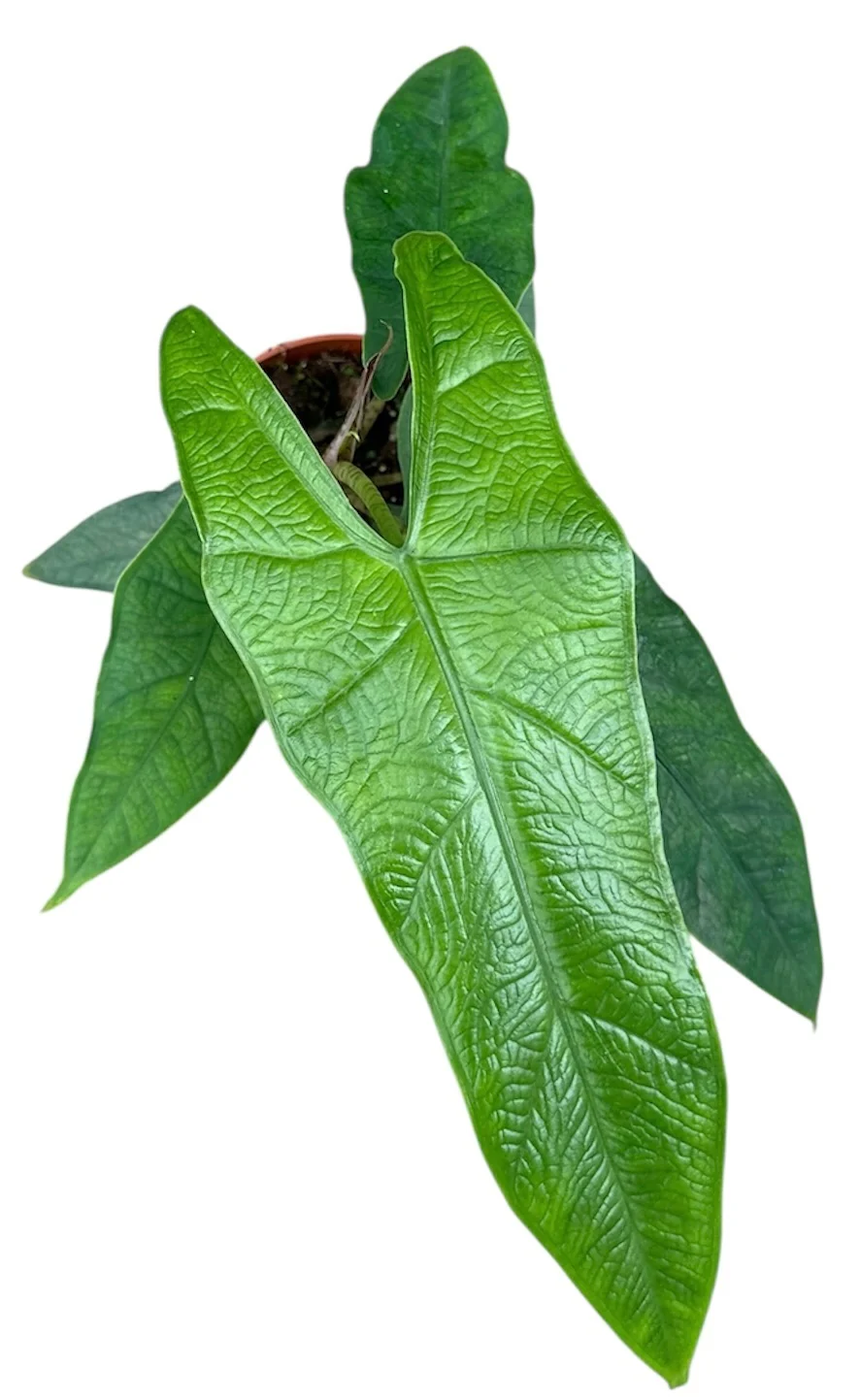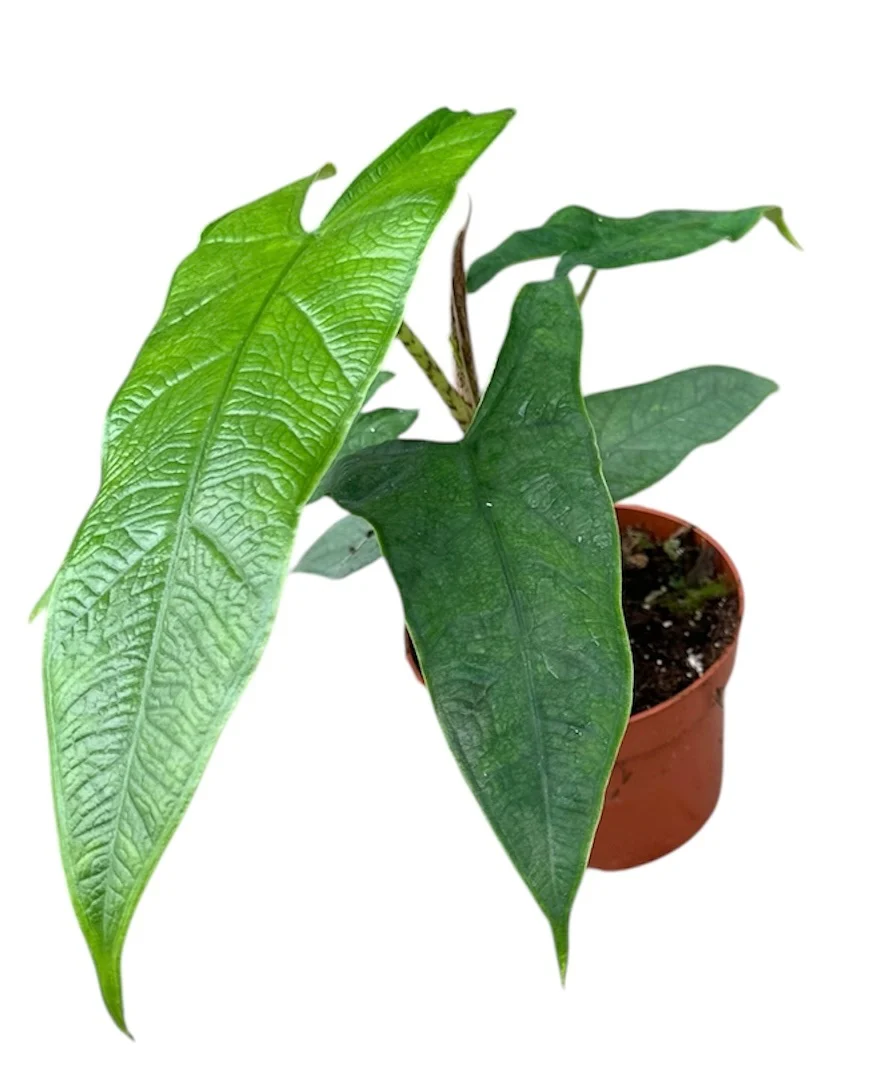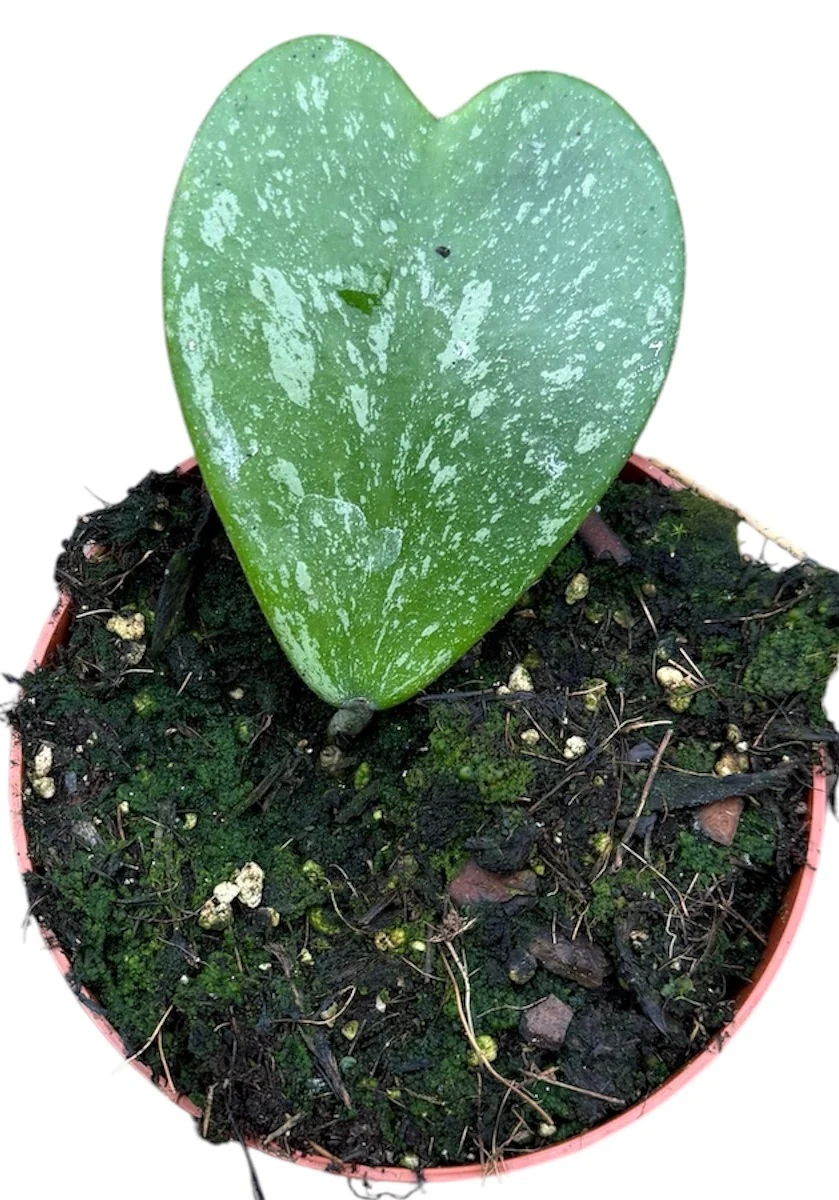
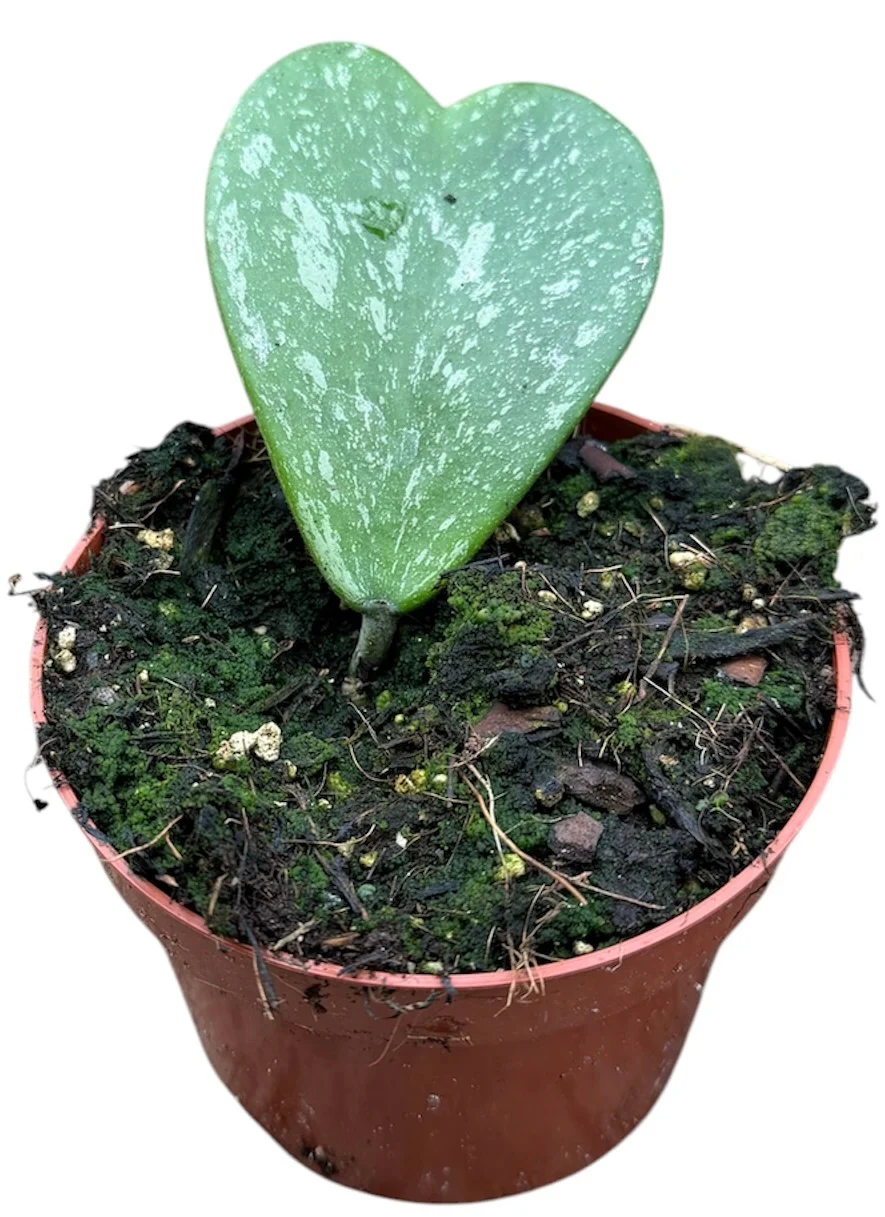
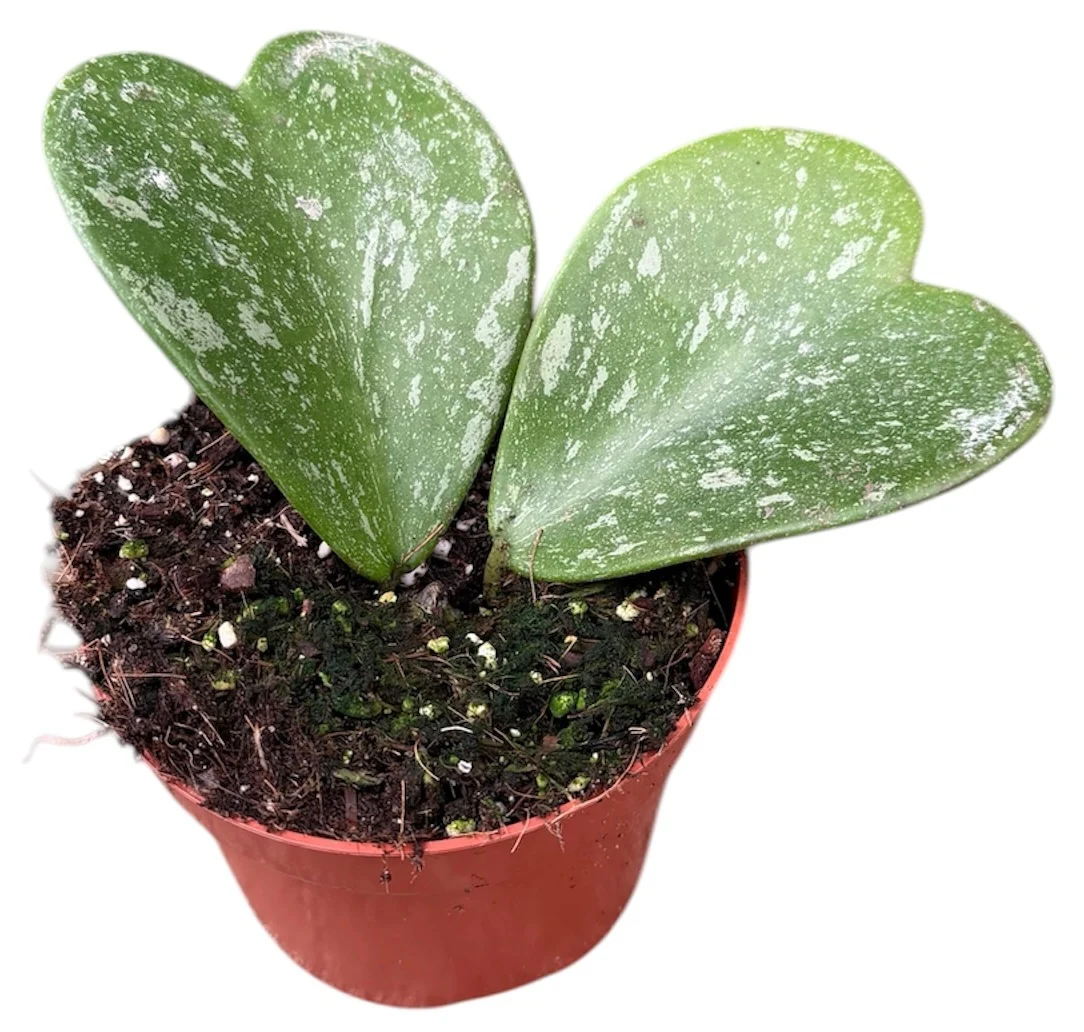
Hoya Kerri Splash 10.5cm Pot 15cm Height House Plant
Hoya kerrii ‘Splash’ is a distinctive and highly desirable cultivar of the classic Sweetheart Plant, recognised for its thick, heart-shaped leaves adorned with subtle silver “splash” variegation. Unlike the standard solid-green Hoya kerrii, this variety features flecked, speckled patterns across the leaf surface, giving it a more textured and visually dynamic appearance.
Native to Southeast Asia, Hoyas are epiphytic plants, meaning they naturally grow on trees rather than in soil. This influences how they should be cared for indoors—preferring excellent drainage, airflow, and bright light. ‘Splash’ retains the slow-growing nature of Hoya kerrii but rewards patience with a sculptural, long-lived plant that can develop into a trailing or climbing specimen over time.
Often sold as a single heart-shaped leaf, it’s important to note that these cuttings may not always grow into a full plant unless they include a node. A properly rooted, multi-node plant will gradually produce vines and additional foliage.
Key Features
- Iconic heart-shaped leaves with unique silver splash variegation
- Thick, succulent-like foliage that stores water
- Slow-growing but long-lived houseplant
- Trailing or climbing habit when mature
- Potential to produce fragrant, star-shaped flowers under ideal conditions
Detailed Care Guide
Light Requirements
Bright light is essential for healthy growth and to maintain the ‘Splash’ variegation.
- Ideal: Bright, indirect light
- Can tolerate: Some gentle direct morning or evening sun
- Avoid: Prolonged harsh midday sun, which may scorch leaves
- Low light: Leads to very slow growth and reduced variegation
Watering
Hoya kerrii ‘Splash’ prefers to dry out between waterings due to its semi-succulent nature.
- Allow at least 50–75% of the soil to dry out before watering
- Water thoroughly, then let excess drain away
- Reduce watering significantly in winter
- Avoid consistently damp soil, which can cause root rot
Tip: It’s better to underwater slightly than overwater with Hoyas.
Humidity & Temperature
Hoyas are adaptable but perform best in moderate humidity.
- Ideal humidity: 40–60% (higher encourages better growth and flowering)
- Temperature: 18–27°C
- Keep away from cold draughts and temperatures below 12–15°C
Soil & Potting Mix
A very well-draining mix is essential, reflecting its epiphytic nature.
Recommended mix:
- 40% orchid bark
- 30% perlite
- 20% houseplant compost
- 10% coco coir
This creates an airy structure that prevents waterlogging.
Feeding
Feed lightly during active growth.
- Use a balanced liquid fertiliser every 3–4 weeks in spring and summer
- Avoid overfeeding, as Hoyas are not heavy feeders
- Stop feeding in autumn and winter
Growth Habit & Support
- Naturally slow-growing
- Can develop long trailing vines over time
- Can be trained onto a hoop, trellis, or moss pole
- Leaves grow spaced along the vine, creating a clean, architectural look
Flowering
Mature plants can produce clusters of waxy, star-shaped flowers.
- Flowers are often fragrant, especially in the evening
- Do not remove old flower spurs (peduncles), as Hoyas rebloom from the same points
Propagation
Propagation is possible but slow.
Method:
- Take a stem cutting with at least one node
- Root in water, sphagnum moss, or a well-draining mix
- Ensure warmth and humidity for best success
Common Issues
1. Yellowing leaves
- Typically caused by overwatering
- Allow soil to dry out more between waterings
2. Wrinkled or soft leaves
- Sign of underwatering
- Increase watering frequency slightly
3. No growth from single leaf
- Likely a node-less cutting
- These can survive for years but won’t produce vines
4. Lack of variegation (“Splash”)
- Often due to low light
- Move to a brighter position
Styling & Placement Ideas
- Ideal for minimalist interiors as a sculptural feature
- Works well on shelves, desks, or windowsills
- Perfect for hanging pots or trailing displays as it matures
- Looks great trained into a heart-shaped hoop for added visual appeal
Toxicity
Hoya kerrii is generally considered non-toxic to pets, but it’s still best to keep plants out of reach to avoid damage.
Original: $26.38
-70%$26.38
$7.91Product Information
Product Information
Shipping & Returns
Shipping & Returns
Description
Hoya kerrii ‘Splash’ is a distinctive and highly desirable cultivar of the classic Sweetheart Plant, recognised for its thick, heart-shaped leaves adorned with subtle silver “splash” variegation. Unlike the standard solid-green Hoya kerrii, this variety features flecked, speckled patterns across the leaf surface, giving it a more textured and visually dynamic appearance.
Native to Southeast Asia, Hoyas are epiphytic plants, meaning they naturally grow on trees rather than in soil. This influences how they should be cared for indoors—preferring excellent drainage, airflow, and bright light. ‘Splash’ retains the slow-growing nature of Hoya kerrii but rewards patience with a sculptural, long-lived plant that can develop into a trailing or climbing specimen over time.
Often sold as a single heart-shaped leaf, it’s important to note that these cuttings may not always grow into a full plant unless they include a node. A properly rooted, multi-node plant will gradually produce vines and additional foliage.
Key Features
- Iconic heart-shaped leaves with unique silver splash variegation
- Thick, succulent-like foliage that stores water
- Slow-growing but long-lived houseplant
- Trailing or climbing habit when mature
- Potential to produce fragrant, star-shaped flowers under ideal conditions
Detailed Care Guide
Light Requirements
Bright light is essential for healthy growth and to maintain the ‘Splash’ variegation.
- Ideal: Bright, indirect light
- Can tolerate: Some gentle direct morning or evening sun
- Avoid: Prolonged harsh midday sun, which may scorch leaves
- Low light: Leads to very slow growth and reduced variegation
Watering
Hoya kerrii ‘Splash’ prefers to dry out between waterings due to its semi-succulent nature.
- Allow at least 50–75% of the soil to dry out before watering
- Water thoroughly, then let excess drain away
- Reduce watering significantly in winter
- Avoid consistently damp soil, which can cause root rot
Tip: It’s better to underwater slightly than overwater with Hoyas.
Humidity & Temperature
Hoyas are adaptable but perform best in moderate humidity.
- Ideal humidity: 40–60% (higher encourages better growth and flowering)
- Temperature: 18–27°C
- Keep away from cold draughts and temperatures below 12–15°C
Soil & Potting Mix
A very well-draining mix is essential, reflecting its epiphytic nature.
Recommended mix:
- 40% orchid bark
- 30% perlite
- 20% houseplant compost
- 10% coco coir
This creates an airy structure that prevents waterlogging.
Feeding
Feed lightly during active growth.
- Use a balanced liquid fertiliser every 3–4 weeks in spring and summer
- Avoid overfeeding, as Hoyas are not heavy feeders
- Stop feeding in autumn and winter
Growth Habit & Support
- Naturally slow-growing
- Can develop long trailing vines over time
- Can be trained onto a hoop, trellis, or moss pole
- Leaves grow spaced along the vine, creating a clean, architectural look
Flowering
Mature plants can produce clusters of waxy, star-shaped flowers.
- Flowers are often fragrant, especially in the evening
- Do not remove old flower spurs (peduncles), as Hoyas rebloom from the same points
Propagation
Propagation is possible but slow.
Method:
- Take a stem cutting with at least one node
- Root in water, sphagnum moss, or a well-draining mix
- Ensure warmth and humidity for best success
Common Issues
1. Yellowing leaves
- Typically caused by overwatering
- Allow soil to dry out more between waterings
2. Wrinkled or soft leaves
- Sign of underwatering
- Increase watering frequency slightly
3. No growth from single leaf
- Likely a node-less cutting
- These can survive for years but won’t produce vines
4. Lack of variegation (“Splash”)
- Often due to low light
- Move to a brighter position
Styling & Placement Ideas
- Ideal for minimalist interiors as a sculptural feature
- Works well on shelves, desks, or windowsills
- Perfect for hanging pots or trailing displays as it matures
- Looks great trained into a heart-shaped hoop for added visual appeal
Toxicity
Hoya kerrii is generally considered non-toxic to pets, but it’s still best to keep plants out of reach to avoid damage.