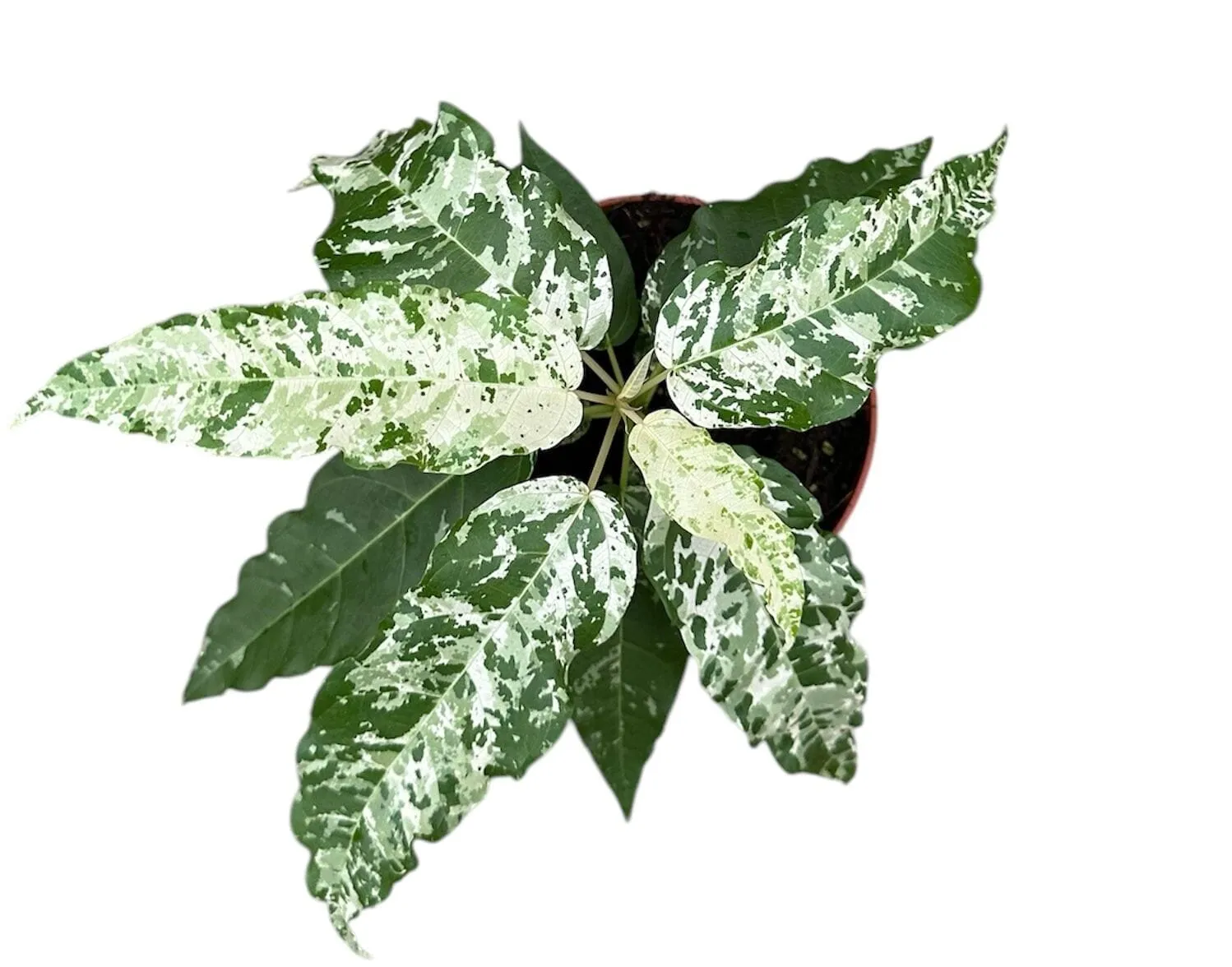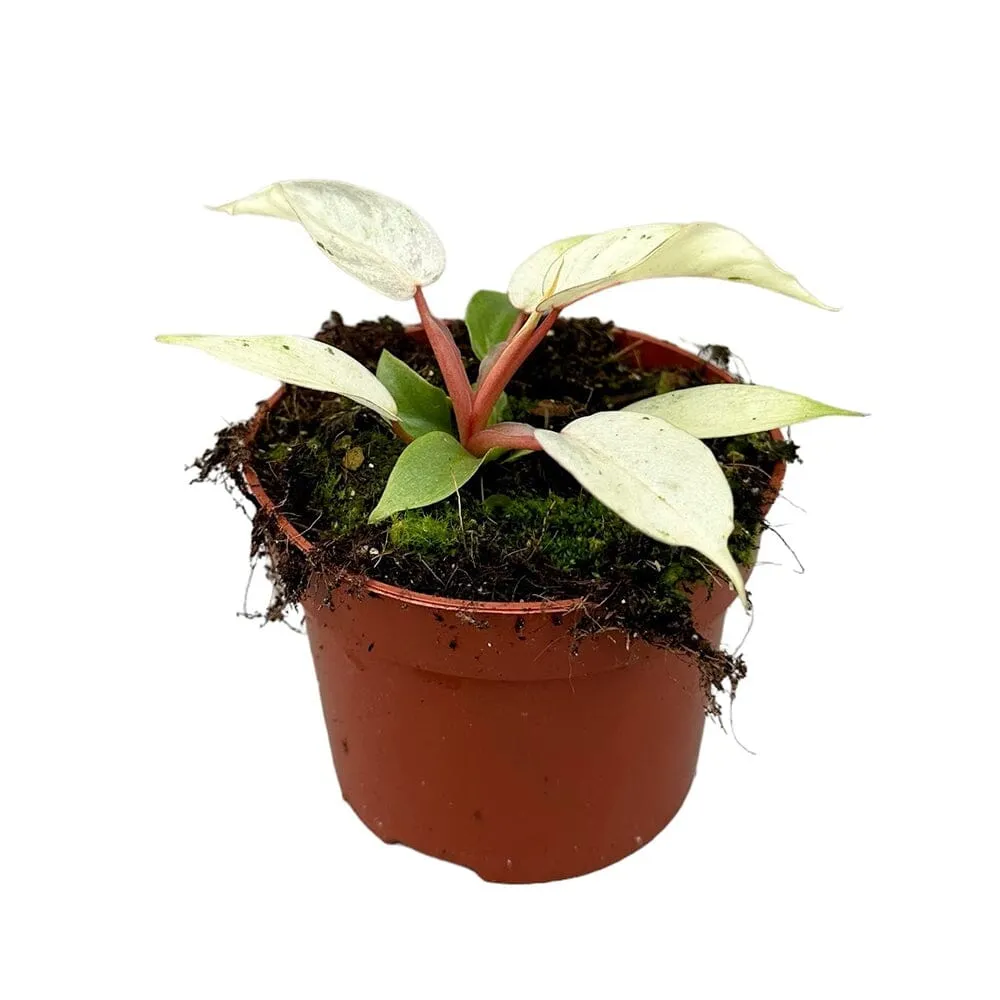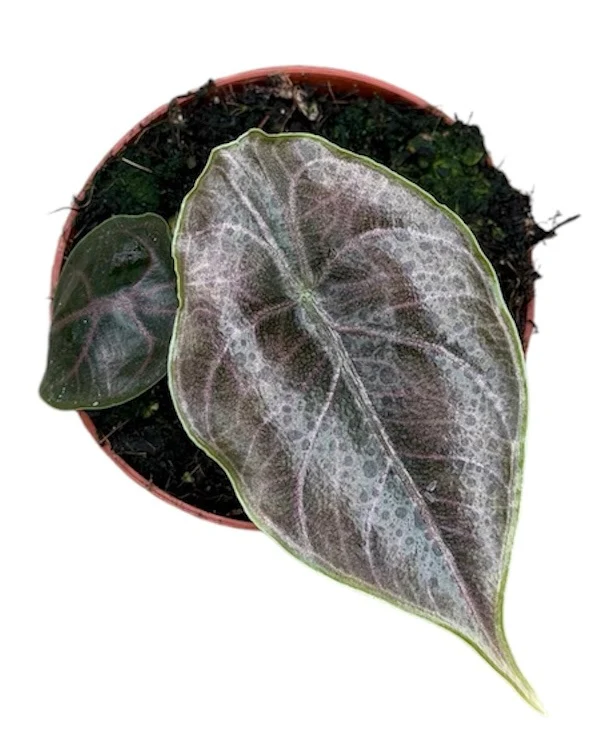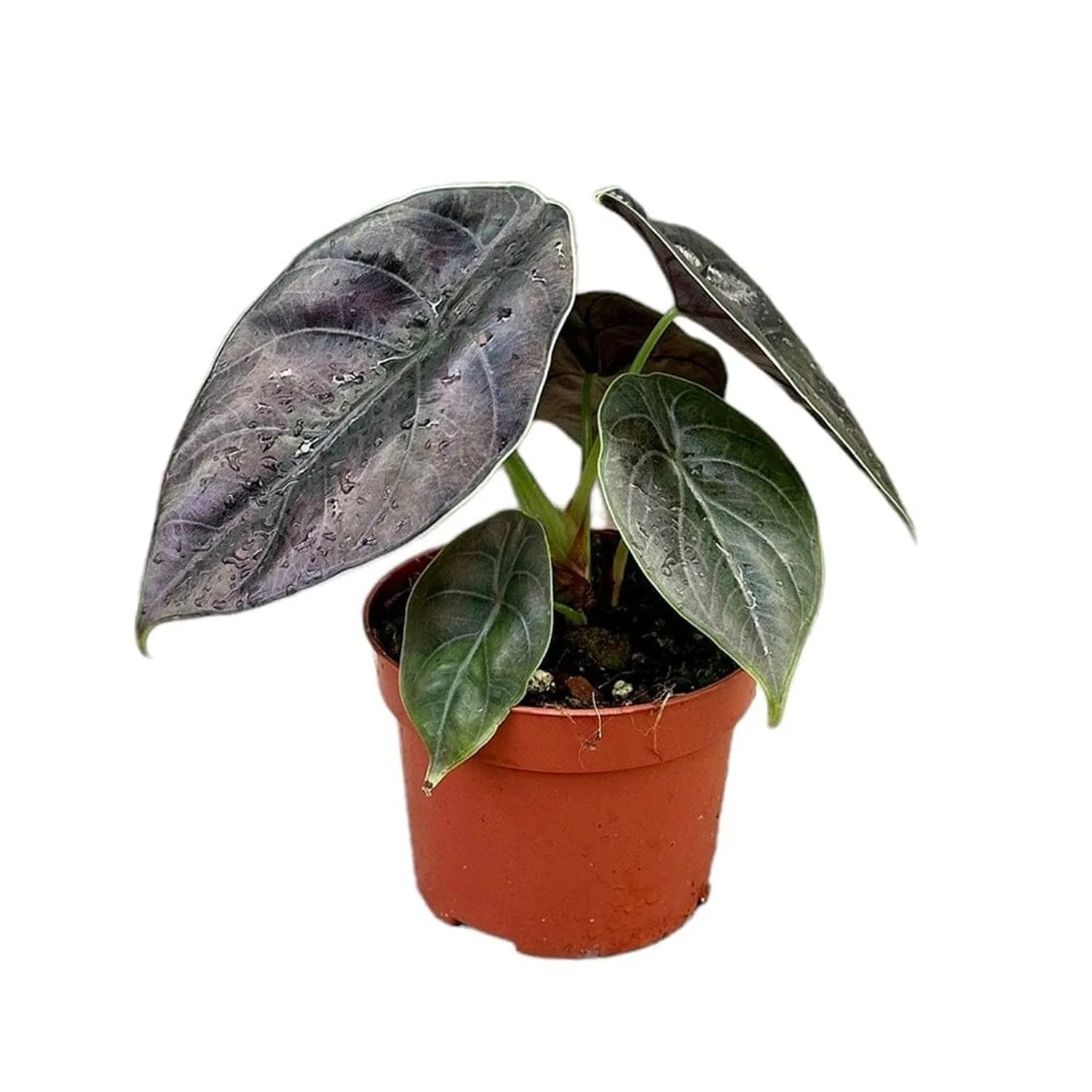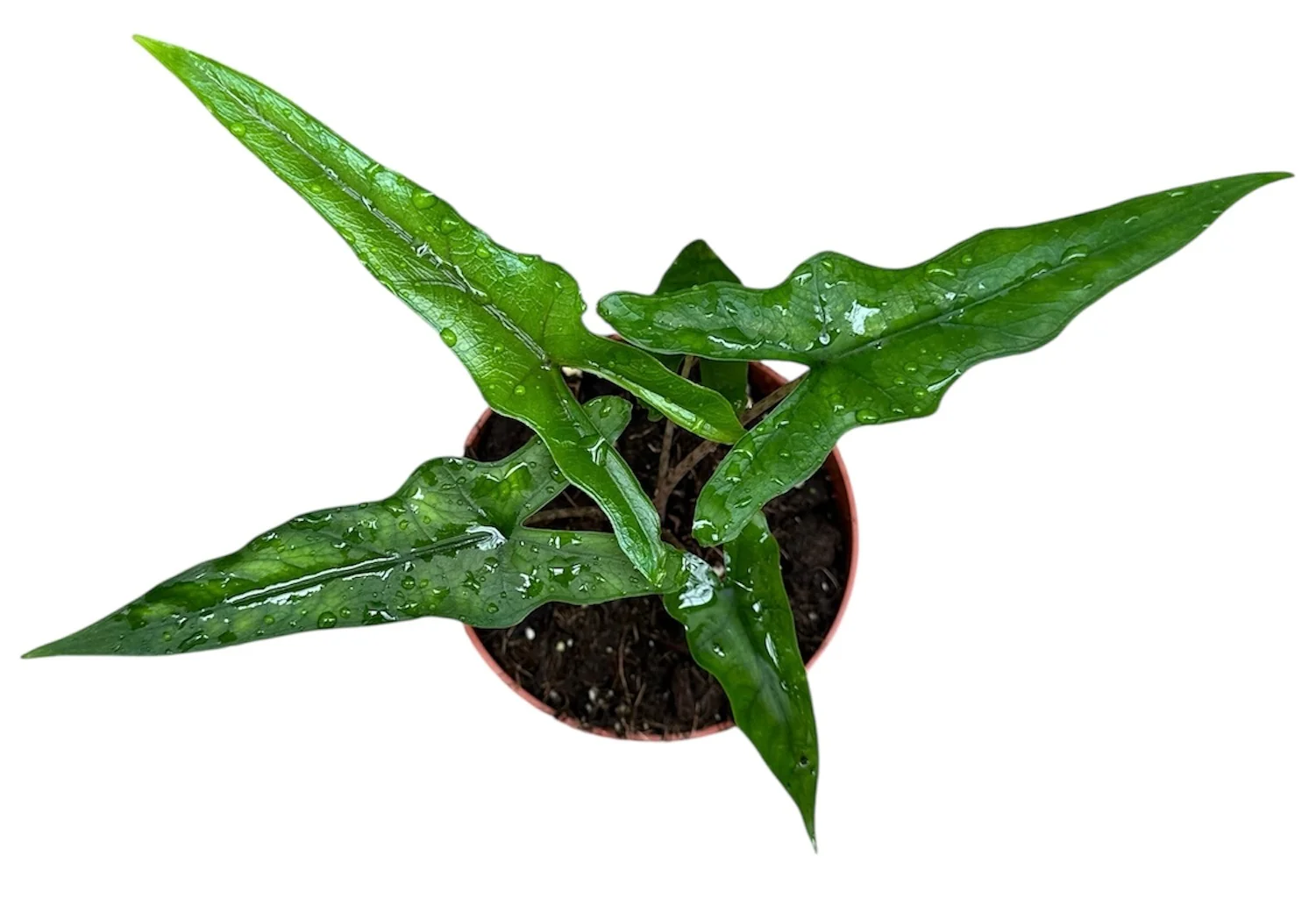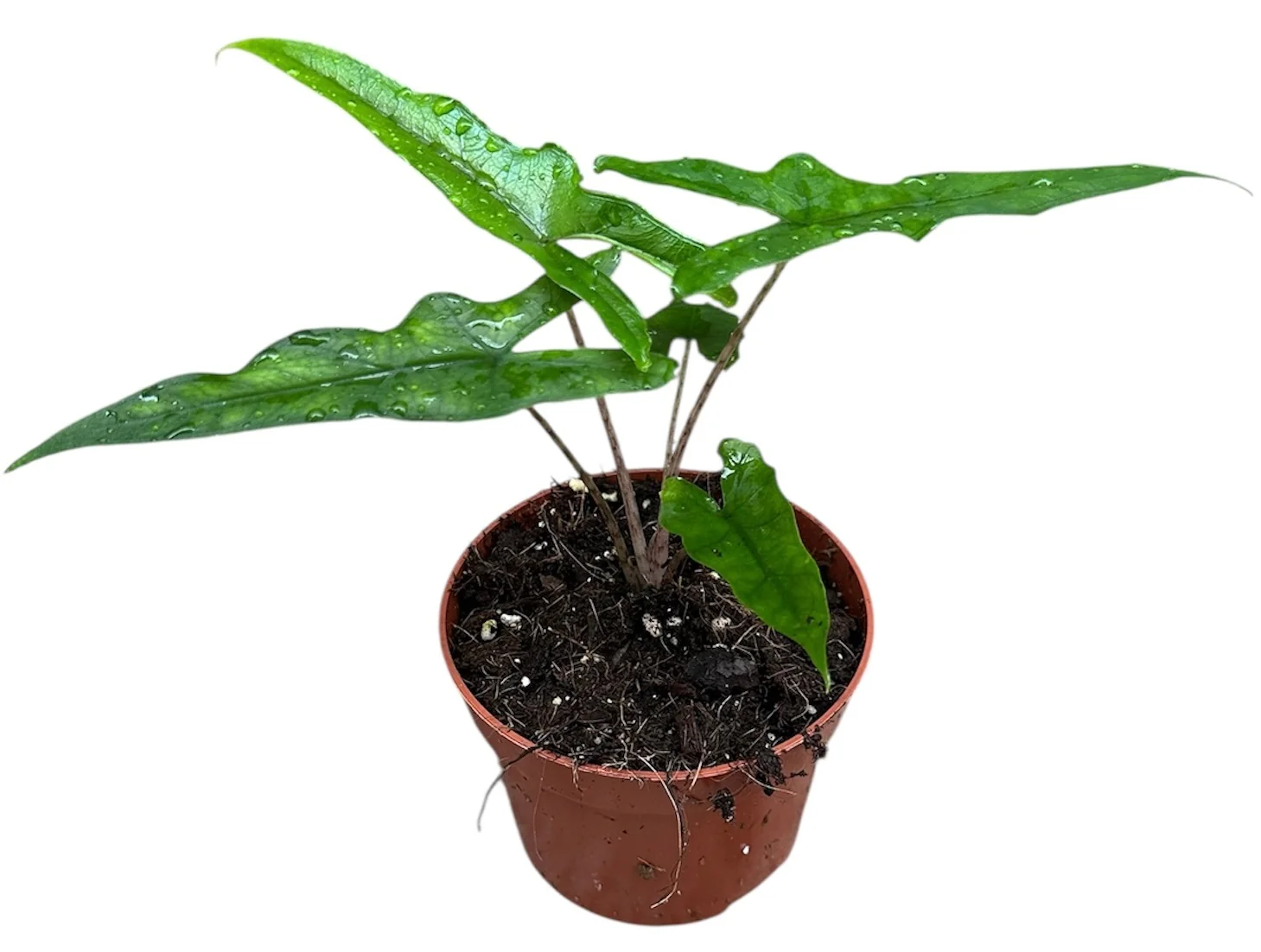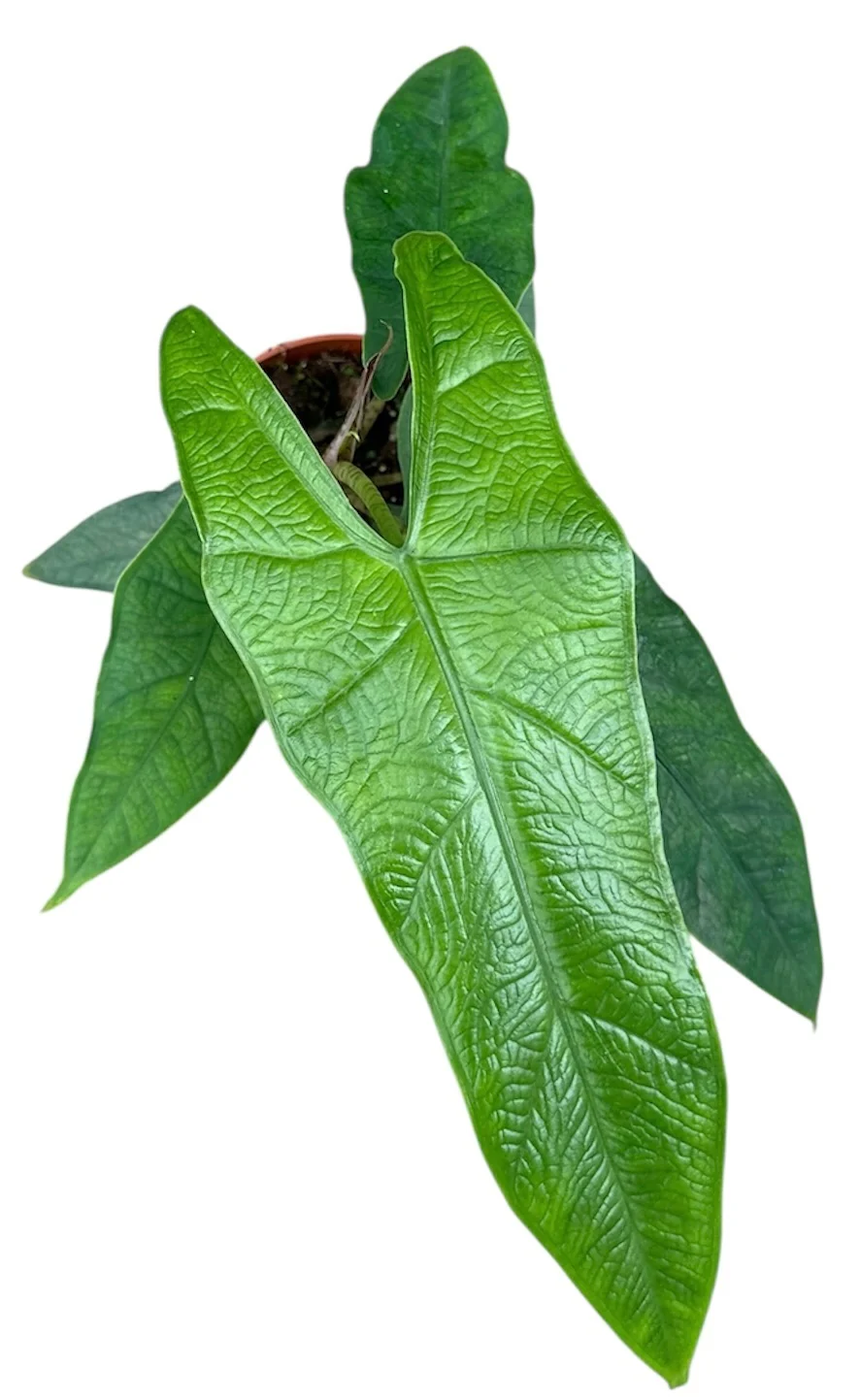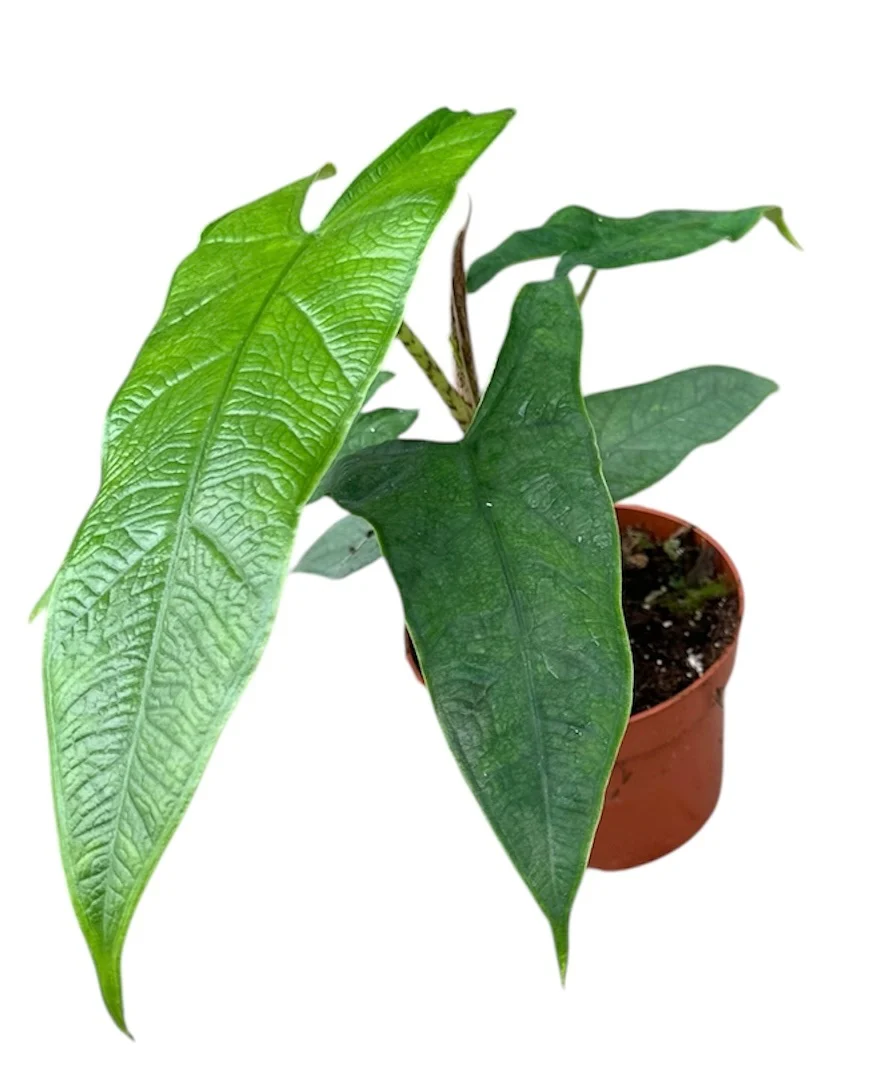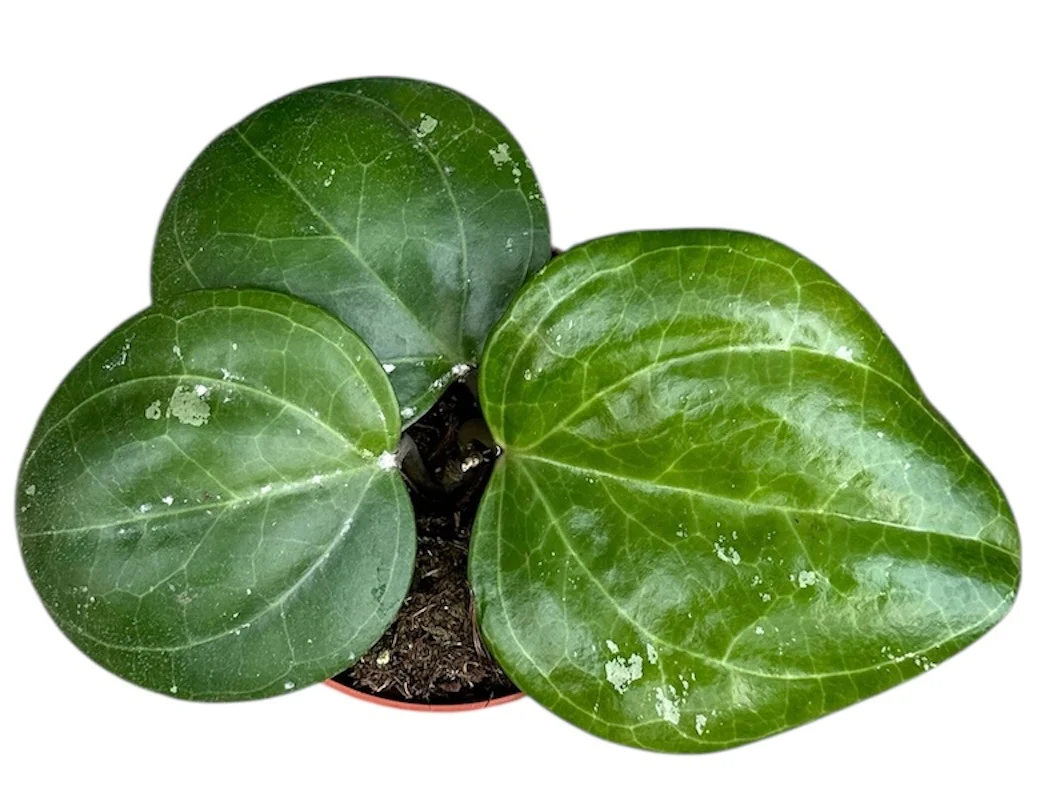
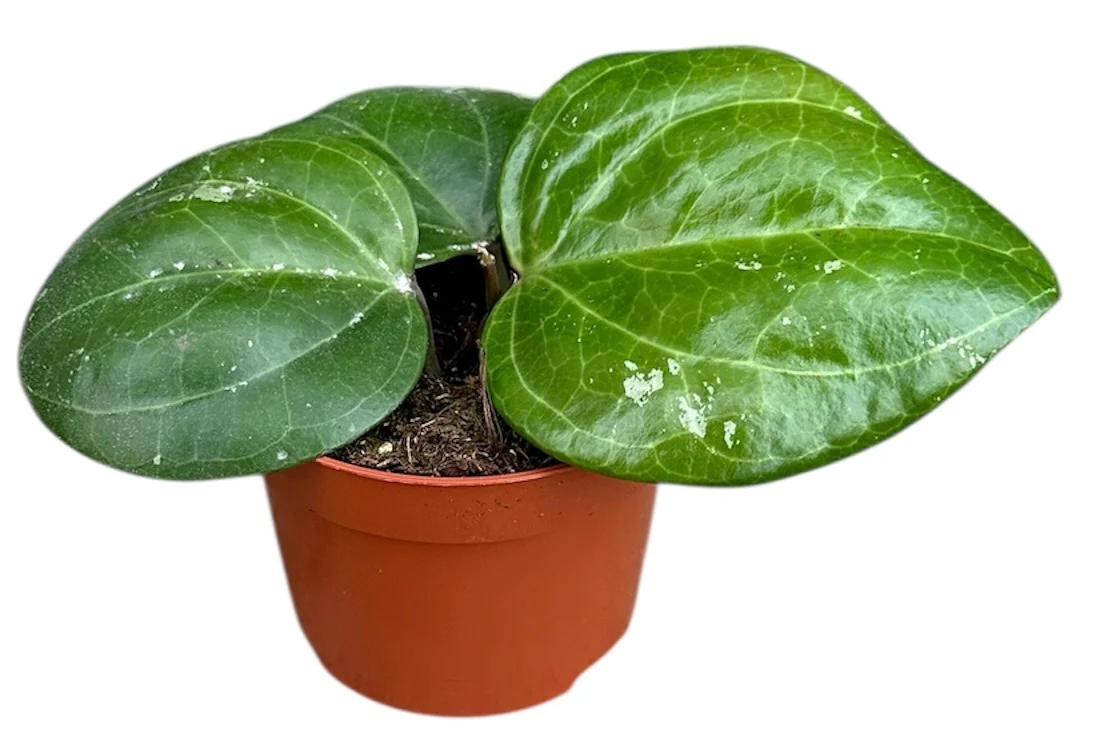
Hoya Sarawak Cream 10.5cm Pot 10cm Height House Plant
Hoya cinnamomifolia is a striking, large-leaved Hoya species admired for its bold, prominent veining, vigorous growth and classic waxy flowers. Native to Java and surrounding regions, it grows epiphytically in warm tropical forests, where it receives bright, filtered light, high humidity and excellent airflow. Compared to many compact Hoyas, this species has a more robust, architectural presence, making it a standout specimen once mature.
Plant Description
Hoya cinnamomifolia produces large, elongated oval leaves that are thick, leathery and deeply veined. The veins are strongly pronounced and often slightly raised, giving the foliage a textured, almost sculptural look reminiscent of cinnamon leaves — which is where the plant gets its name.
Leaves are typically mid to deep green with a soft sheen and are held on sturdy, climbing stems. New growth may emerge lighter in colour before darkening as it hardens. Over time, the plant develops long vines and benefits from support, forming an impressive climbing or trained display.
When mature and well established, it produces rounded umbels of waxy, star-shaped flowers, usually pale pink to creamy white with a deeper pink or red centre. The blooms are lightly fragrant and appear on persistent spurs that rebloom year after year if left intact.
Light Requirements
Bright, indirect light is essential for strong growth and flowering. An east- or west-facing window is ideal, or a bright position set back from a south-facing window.
Gentle morning or late-afternoon sun is beneficial and helps maintain compact growth. Prolonged harsh midday sun should be avoided, as it can scorch the large leaves. In lower light, the plant will grow slowly and is unlikely to flower.
Watering
Hoya cinnamomifolia prefers a soak-and-dry watering routine. Allow the top portion of the growing medium to dry out between waterings, then water thoroughly and allow all excess moisture to drain away.
During spring and summer, watering will be more regular as the plant is actively growing. In autumn and winter, reduce watering significantly and allow the compost to dry further between waterings. The thick leaves store moisture, so the plant tolerates brief dryness better than sitting in wet soil.
Wrinkled or slightly soft leaves usually indicate thirst, while yellowing leaves or soft stems point to overwatering.
Temperature & Humidity
This species thrives in warm, stable temperatures, ideally between 18–28°C. It should be protected from cold draughts, sudden temperature drops and unheated rooms. Temperatures below 12–13°C can cause stress and slowed growth.
Moderate to high humidity supports healthier foliage and more reliable flowering. While it can adapt to average household humidity, it performs best when humidity stays above 50%. Increased humidity should always be paired with good airflow.
Soil & Potting
A very free-draining, airy growing medium is essential. In nature, this Hoya’s roots receive moisture briefly before drying quickly. A chunky mix containing orchid bark, perlite or pumice, and a small amount of peat-free compost or coco coir works well.
Choose a pot that fits the root ball closely rather than oversizing. Hoya cinnamomifolia prefers to be slightly root-bound and may flower more readily when not repotted too frequently. Terracotta pots can help regulate moisture.
Feeding
Feed lightly during the growing season. From spring through late summer, apply a balanced houseplant fertiliser at half strength every four to six weeks. Avoid overfeeding, as this can encourage soft growth at the expense of leaf structure and flowering.
Do not feed during autumn and winter when growth slows.
Pruning & Training
Because of its vigorous, climbing habit, this Hoya benefits from early training. Guiding vines around a hoop, trellis or support helps manage size and showcases the foliage.
Pruning should be minimal and limited to removing damaged or overly long stems during the growing season. Never remove old flower spurs, as they are reused for future blooms.
Flowering Care Tips
Flowering typically occurs once the plant is mature and well settled. Stability is crucial. Avoid moving the plant or changing its environment suddenly when buds appear, as this can cause bud drop.
Bright indirect light, warm temperatures, consistent watering and a slightly root-bound pot all increase the likelihood of flowering. Patience is key, as this species often focuses on foliage before blooming.
Propagation
Propagation is straightforward via stem cuttings with at least two nodes. Cuttings can be rooted in water or in a well-draining propagation mix. Warmth, humidity and bright indirect light encourage rooting within a few weeks.
Overall Care Summary
Hoya cinnamomifolia is a bold, classic Hoya species best suited to growers who enjoy large foliage, climbing plants and long-term development. It is not difficult, but it does require bright light, excellent drainage and restrained watering. With time and stable care, it becomes an impressive, long-lived specimen with both dramatic leaves and beautiful, fragrant flowers.
Product Information
Product Information
Shipping & Returns
Shipping & Returns
Description
Hoya cinnamomifolia is a striking, large-leaved Hoya species admired for its bold, prominent veining, vigorous growth and classic waxy flowers. Native to Java and surrounding regions, it grows epiphytically in warm tropical forests, where it receives bright, filtered light, high humidity and excellent airflow. Compared to many compact Hoyas, this species has a more robust, architectural presence, making it a standout specimen once mature.
Plant Description
Hoya cinnamomifolia produces large, elongated oval leaves that are thick, leathery and deeply veined. The veins are strongly pronounced and often slightly raised, giving the foliage a textured, almost sculptural look reminiscent of cinnamon leaves — which is where the plant gets its name.
Leaves are typically mid to deep green with a soft sheen and are held on sturdy, climbing stems. New growth may emerge lighter in colour before darkening as it hardens. Over time, the plant develops long vines and benefits from support, forming an impressive climbing or trained display.
When mature and well established, it produces rounded umbels of waxy, star-shaped flowers, usually pale pink to creamy white with a deeper pink or red centre. The blooms are lightly fragrant and appear on persistent spurs that rebloom year after year if left intact.
Light Requirements
Bright, indirect light is essential for strong growth and flowering. An east- or west-facing window is ideal, or a bright position set back from a south-facing window.
Gentle morning or late-afternoon sun is beneficial and helps maintain compact growth. Prolonged harsh midday sun should be avoided, as it can scorch the large leaves. In lower light, the plant will grow slowly and is unlikely to flower.
Watering
Hoya cinnamomifolia prefers a soak-and-dry watering routine. Allow the top portion of the growing medium to dry out between waterings, then water thoroughly and allow all excess moisture to drain away.
During spring and summer, watering will be more regular as the plant is actively growing. In autumn and winter, reduce watering significantly and allow the compost to dry further between waterings. The thick leaves store moisture, so the plant tolerates brief dryness better than sitting in wet soil.
Wrinkled or slightly soft leaves usually indicate thirst, while yellowing leaves or soft stems point to overwatering.
Temperature & Humidity
This species thrives in warm, stable temperatures, ideally between 18–28°C. It should be protected from cold draughts, sudden temperature drops and unheated rooms. Temperatures below 12–13°C can cause stress and slowed growth.
Moderate to high humidity supports healthier foliage and more reliable flowering. While it can adapt to average household humidity, it performs best when humidity stays above 50%. Increased humidity should always be paired with good airflow.
Soil & Potting
A very free-draining, airy growing medium is essential. In nature, this Hoya’s roots receive moisture briefly before drying quickly. A chunky mix containing orchid bark, perlite or pumice, and a small amount of peat-free compost or coco coir works well.
Choose a pot that fits the root ball closely rather than oversizing. Hoya cinnamomifolia prefers to be slightly root-bound and may flower more readily when not repotted too frequently. Terracotta pots can help regulate moisture.
Feeding
Feed lightly during the growing season. From spring through late summer, apply a balanced houseplant fertiliser at half strength every four to six weeks. Avoid overfeeding, as this can encourage soft growth at the expense of leaf structure and flowering.
Do not feed during autumn and winter when growth slows.
Pruning & Training
Because of its vigorous, climbing habit, this Hoya benefits from early training. Guiding vines around a hoop, trellis or support helps manage size and showcases the foliage.
Pruning should be minimal and limited to removing damaged or overly long stems during the growing season. Never remove old flower spurs, as they are reused for future blooms.
Flowering Care Tips
Flowering typically occurs once the plant is mature and well settled. Stability is crucial. Avoid moving the plant or changing its environment suddenly when buds appear, as this can cause bud drop.
Bright indirect light, warm temperatures, consistent watering and a slightly root-bound pot all increase the likelihood of flowering. Patience is key, as this species often focuses on foliage before blooming.
Propagation
Propagation is straightforward via stem cuttings with at least two nodes. Cuttings can be rooted in water or in a well-draining propagation mix. Warmth, humidity and bright indirect light encourage rooting within a few weeks.
Overall Care Summary
Hoya cinnamomifolia is a bold, classic Hoya species best suited to growers who enjoy large foliage, climbing plants and long-term development. It is not difficult, but it does require bright light, excellent drainage and restrained watering. With time and stable care, it becomes an impressive, long-lived specimen with both dramatic leaves and beautiful, fragrant flowers.