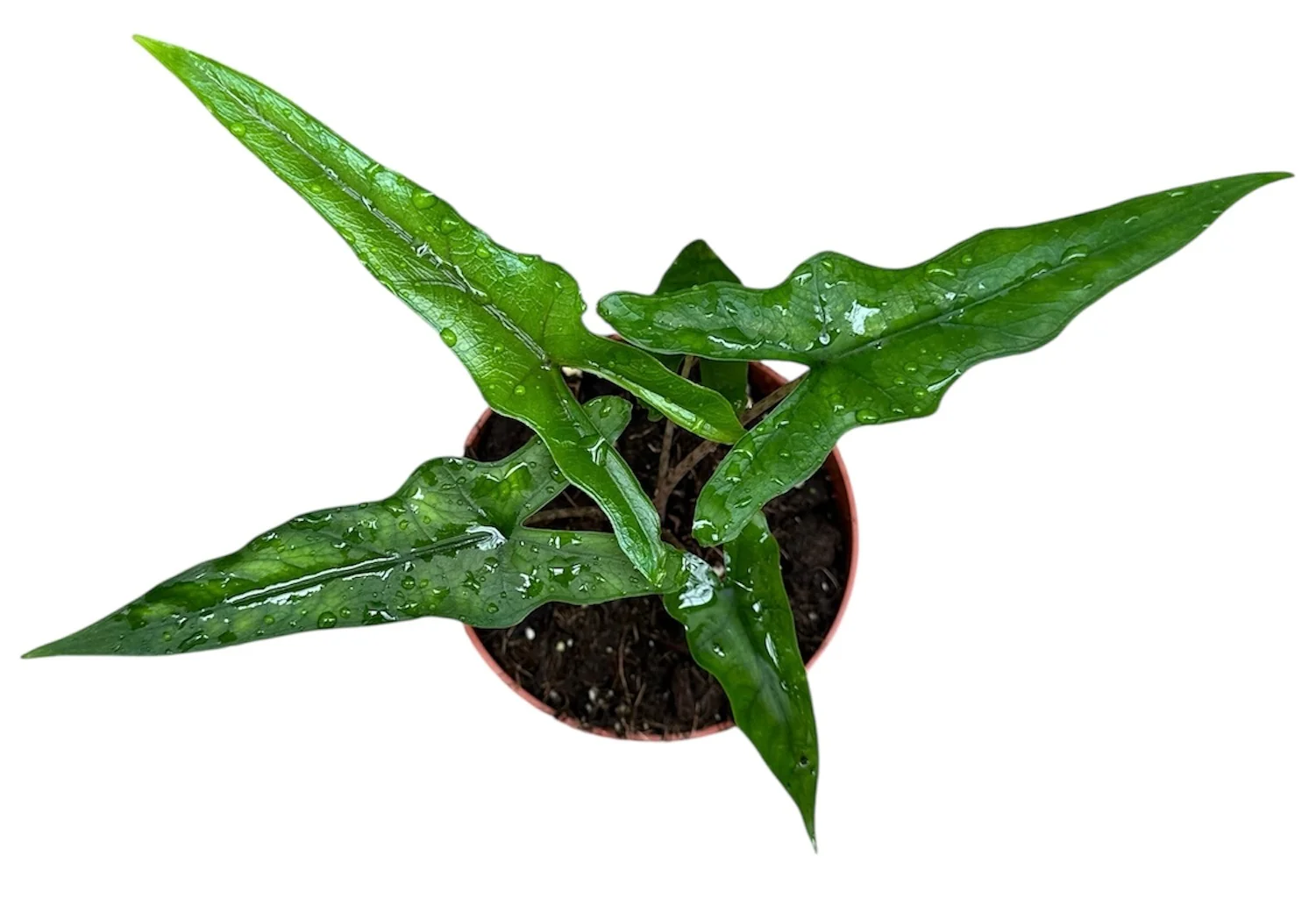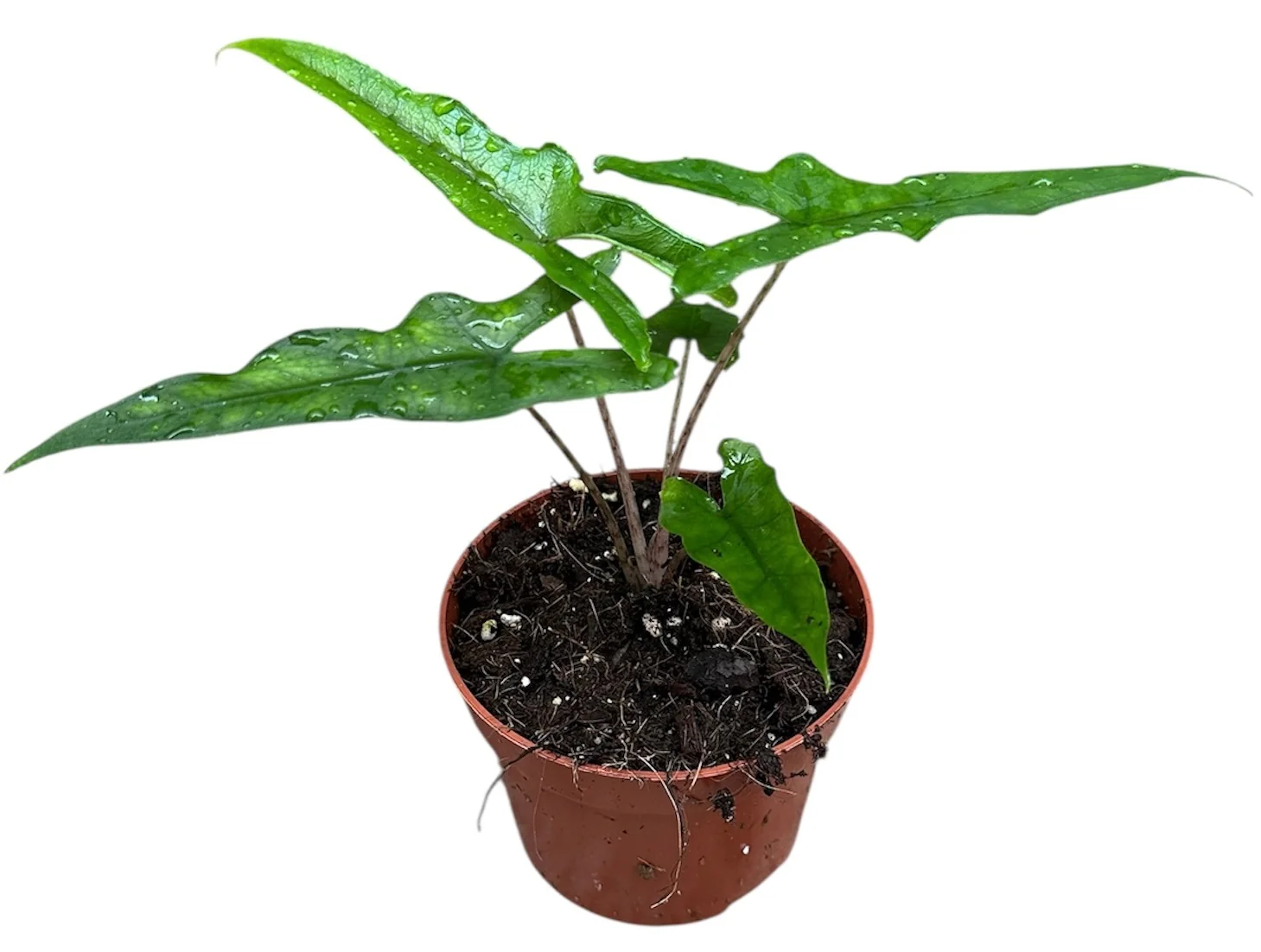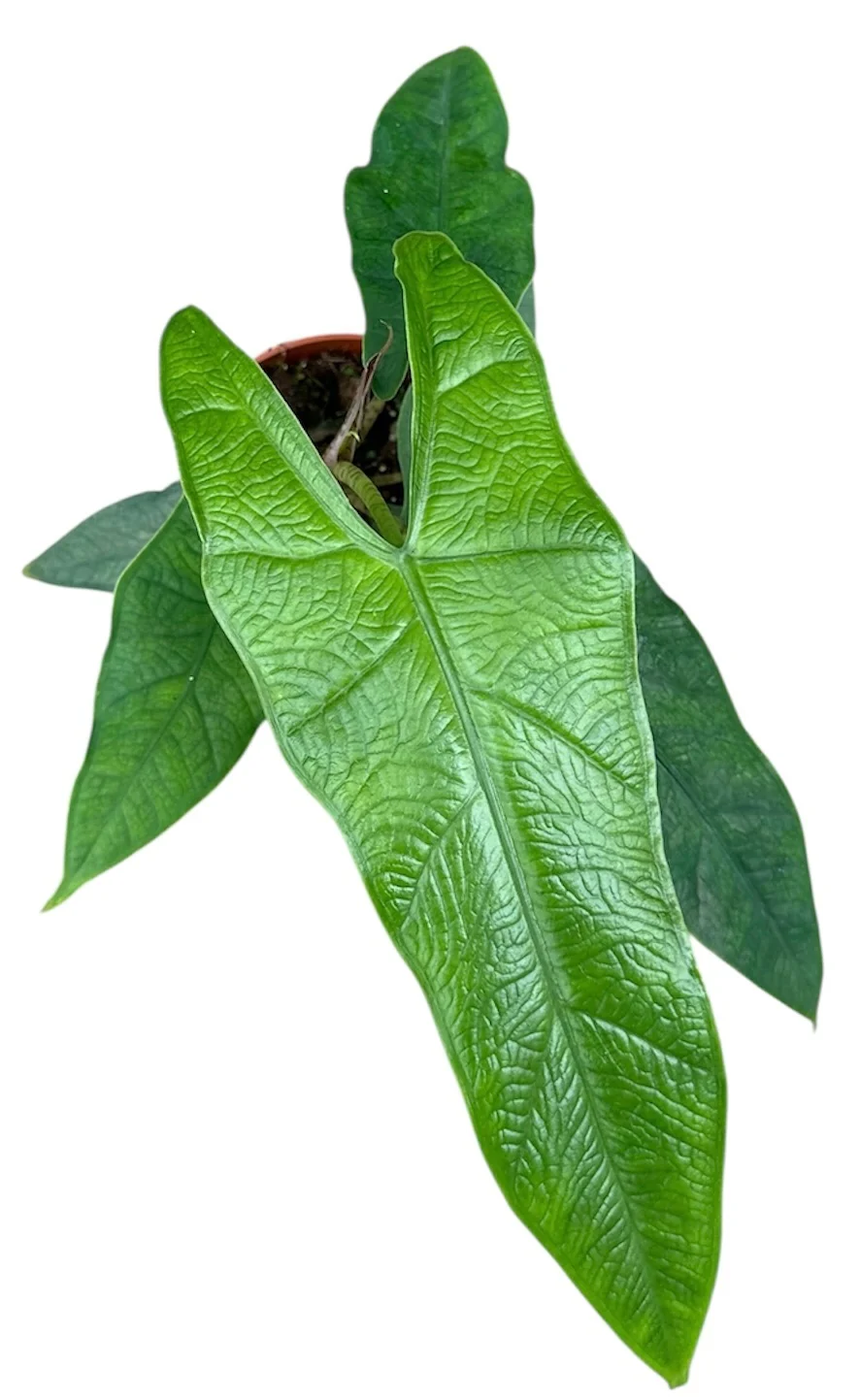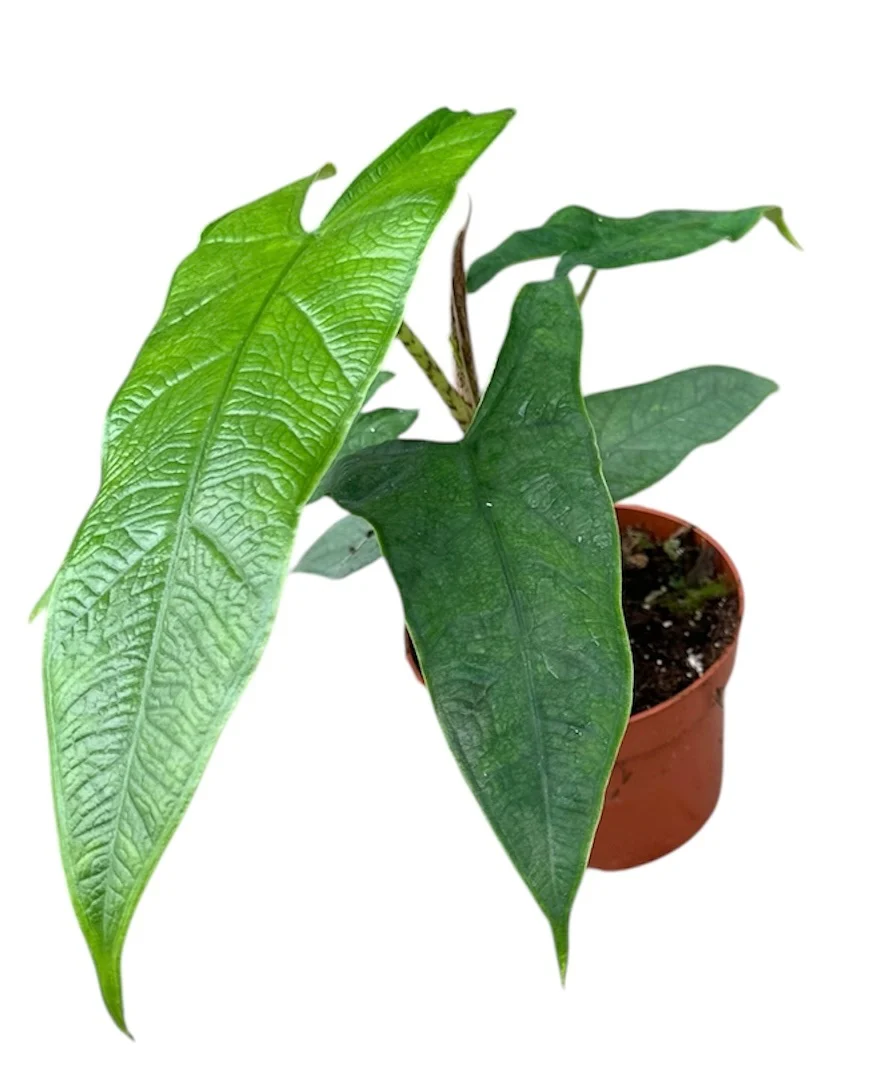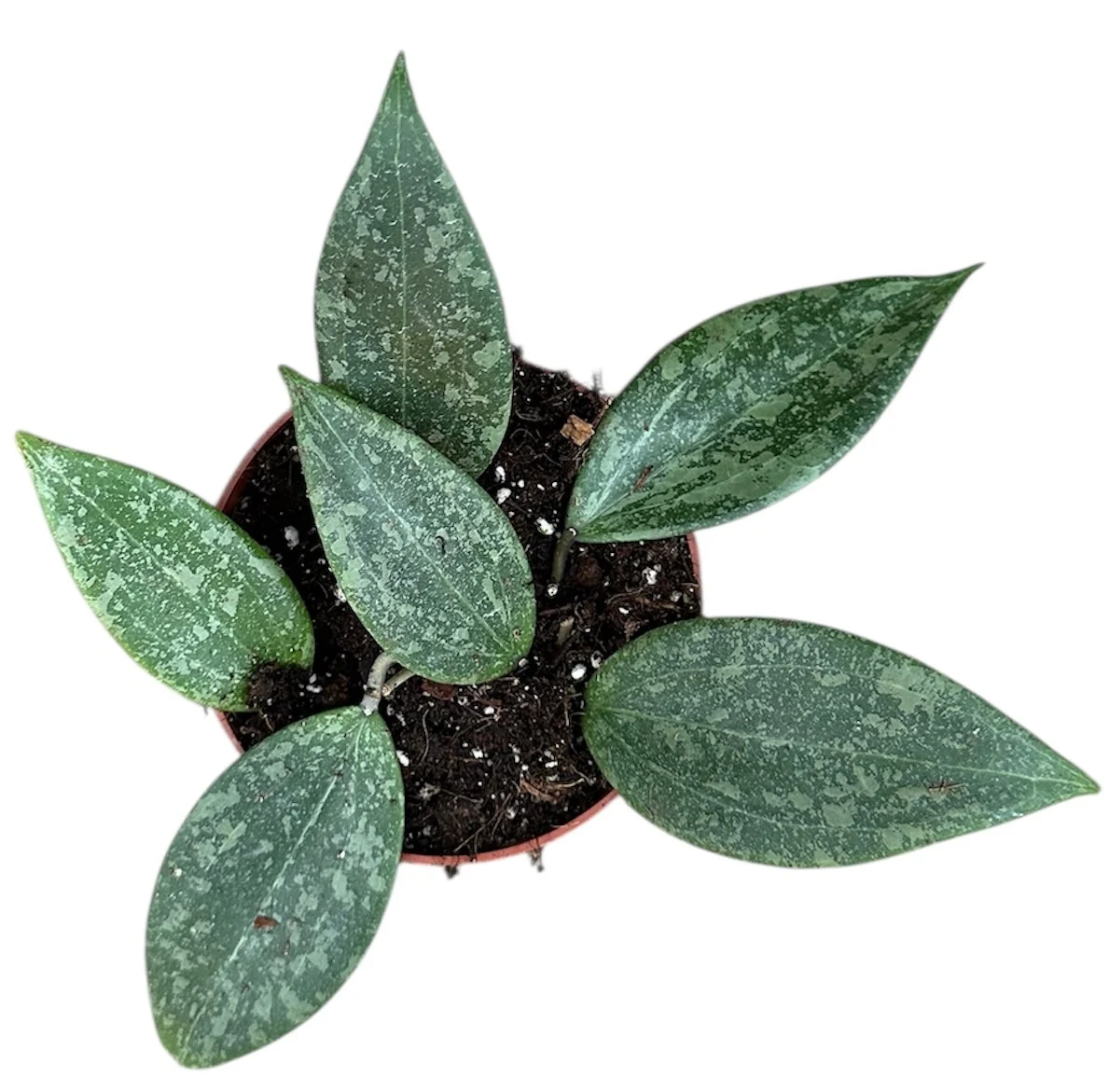

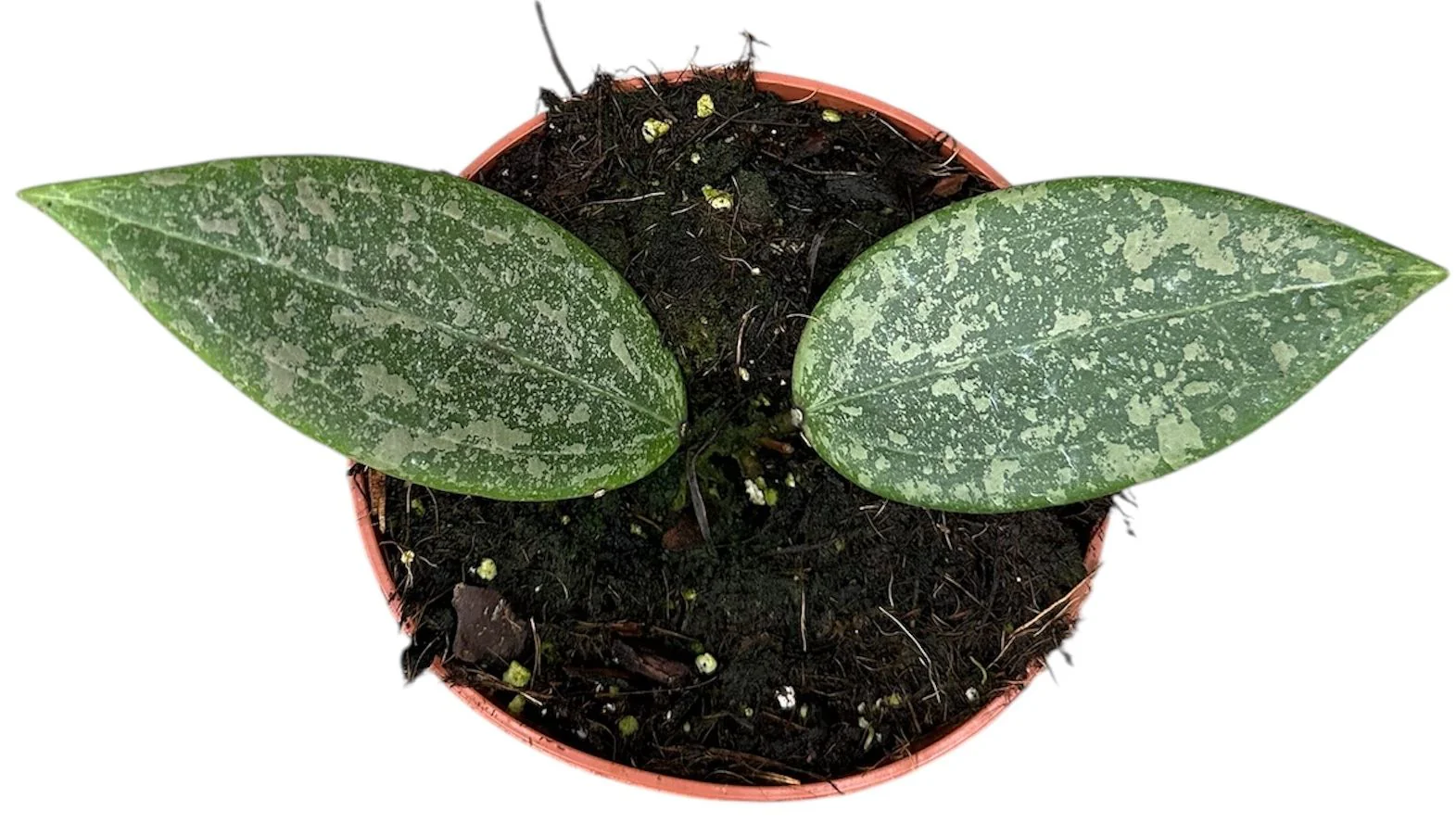
Hoya Wibergiae 10.5cm Pot 15cm Height House Plant
Hoya wibergiae is a rare and elegant species adored by collectors for its clean, refined foliage and charming growth habit. Native to the Philippines and part of the Apocynaceae family, this Hoya is characterised by its elongated, glossy leaves — typically a soft to mid green — with delicate, lighter venation running subtly along the surface. The leaves are smooth, slightly succulent, and gently pointed, creating a graceful, airy appearance on trailing or climbing vines.
As the plant matures, the foliage develops a beautiful sheen that catches the light, and new leaves may emerge a paler green before deepening in tone. In ideal conditions, Hoya wibergiae produces clusters of soft, star-shaped flowers with a sweet, gentle fragrance — a signature charm of many Hoyas.
Elegant, understated, and soothing in its presence, Hoya wibergiae is perfect for plant lovers who appreciate refined beauty and simple, natural textures. It brings a sense of calm and softness to interiors, whether displayed trailing from a shelf or trained onto a decorative trellis.
Hoya wibergiae – Care Guide
Light
Thrives in bright, indirect light. A few hours of soft morning sun can enhance growth and encourage flowering, but avoid harsh midday sun, which can scorch the leaves. Medium light is tolerated but may slow growth.
Watering
Allow the top 3–5 cm of soil to dry between waterings. As a semi-succulent species, Hoya wibergiae prefers slightly drier conditions and is more tolerant of underwatering than overwatering. Reduce watering in winter.
Temperature and Humidity
-
Temperature: Optimal range is 18–27 °C. Protect from cold draughts and avoid temperatures below 12–14 °C.
-
Humidity: Performs well in average household humidity but appreciates higher humidity (50–70%) to support leaf shine and flowering.
Soil and Potting
Use a very airy, well-draining mix — such as a combination of orchid bark, perlite, coco coir, and a little compost. Avoid dense or water-retentive soils. Repot every 1–2 years in spring, using only a slightly larger pot each time.
Feeding
Feed every 3–4 weeks during the growing season with a balanced liquid fertiliser. Switch to a bloom-boosting fertiliser if encouraging flowering.
Pruning and Maintenance
Trim lightly to control length or shape. Remove any yellowing or damaged leaves. Support climbing growth with a trellis or hoop, or allow the vines to trail naturally from a hanging pot. Do not remove spent flower spurs, as Hoyas often rebloom from them.
Growth and Maturity
A moderate grower that can produce long, elegant vines reaching 60–120 cm over time. When mature and given bright light, it may produce clusters of small, fragrant flowers.
Common Issues
-
Yellow leaves: Usually a sign of overwatering.
-
Slow growth: Often caused by insufficient light.
-
Leaf puckering: Underwatering or low humidity.
-
Pests: Watch for mealybugs and spider mites.
Background and Benefits
Hoya wibergiae is cherished for its simplicity, elegance and quiet beauty — a plant that adds refinement rather than drama. Its smooth leaves and soft green tones complement both minimalist and nature-inspired interiors, making it ideal for homes, studios, and workplaces.
This species is also valued for its easygoing nature. While rare, it is forgiving, adaptable, and rewarding — especially when it produces its charming clusters of pale, waxy blooms.
Quick Care Summary
Light: Bright, indirect; some gentle morning sun
Water: Allow top 3–5 cm to dry
Temperature: 18–27 °C
Humidity: Average–high (50–70%)
Soil: Very airy, fast-draining mix
Feed: Every 3–4 weeks in growing season
Growth: Trailing/climbing, up to 120 cm
Toxicity: Mildly toxic if ingested; keep away from pets and children
Styling Tip
Display Hoya wibergiae where its elegant vines can cascade or climb — on open shelving, hanging planters, or trained onto a minimalist trellis. A matte white, sage green, or terracotta pot enhances its gentle colouring and highlights its refined, natural beauty.
Original: $26.38
-70%$26.38
$7.91Product Information
Product Information
Shipping & Returns
Shipping & Returns
Description
Hoya wibergiae is a rare and elegant species adored by collectors for its clean, refined foliage and charming growth habit. Native to the Philippines and part of the Apocynaceae family, this Hoya is characterised by its elongated, glossy leaves — typically a soft to mid green — with delicate, lighter venation running subtly along the surface. The leaves are smooth, slightly succulent, and gently pointed, creating a graceful, airy appearance on trailing or climbing vines.
As the plant matures, the foliage develops a beautiful sheen that catches the light, and new leaves may emerge a paler green before deepening in tone. In ideal conditions, Hoya wibergiae produces clusters of soft, star-shaped flowers with a sweet, gentle fragrance — a signature charm of many Hoyas.
Elegant, understated, and soothing in its presence, Hoya wibergiae is perfect for plant lovers who appreciate refined beauty and simple, natural textures. It brings a sense of calm and softness to interiors, whether displayed trailing from a shelf or trained onto a decorative trellis.
Hoya wibergiae – Care Guide
Light
Thrives in bright, indirect light. A few hours of soft morning sun can enhance growth and encourage flowering, but avoid harsh midday sun, which can scorch the leaves. Medium light is tolerated but may slow growth.
Watering
Allow the top 3–5 cm of soil to dry between waterings. As a semi-succulent species, Hoya wibergiae prefers slightly drier conditions and is more tolerant of underwatering than overwatering. Reduce watering in winter.
Temperature and Humidity
-
Temperature: Optimal range is 18–27 °C. Protect from cold draughts and avoid temperatures below 12–14 °C.
-
Humidity: Performs well in average household humidity but appreciates higher humidity (50–70%) to support leaf shine and flowering.
Soil and Potting
Use a very airy, well-draining mix — such as a combination of orchid bark, perlite, coco coir, and a little compost. Avoid dense or water-retentive soils. Repot every 1–2 years in spring, using only a slightly larger pot each time.
Feeding
Feed every 3–4 weeks during the growing season with a balanced liquid fertiliser. Switch to a bloom-boosting fertiliser if encouraging flowering.
Pruning and Maintenance
Trim lightly to control length or shape. Remove any yellowing or damaged leaves. Support climbing growth with a trellis or hoop, or allow the vines to trail naturally from a hanging pot. Do not remove spent flower spurs, as Hoyas often rebloom from them.
Growth and Maturity
A moderate grower that can produce long, elegant vines reaching 60–120 cm over time. When mature and given bright light, it may produce clusters of small, fragrant flowers.
Common Issues
-
Yellow leaves: Usually a sign of overwatering.
-
Slow growth: Often caused by insufficient light.
-
Leaf puckering: Underwatering or low humidity.
-
Pests: Watch for mealybugs and spider mites.
Background and Benefits
Hoya wibergiae is cherished for its simplicity, elegance and quiet beauty — a plant that adds refinement rather than drama. Its smooth leaves and soft green tones complement both minimalist and nature-inspired interiors, making it ideal for homes, studios, and workplaces.
This species is also valued for its easygoing nature. While rare, it is forgiving, adaptable, and rewarding — especially when it produces its charming clusters of pale, waxy blooms.
Quick Care Summary
Light: Bright, indirect; some gentle morning sun
Water: Allow top 3–5 cm to dry
Temperature: 18–27 °C
Humidity: Average–high (50–70%)
Soil: Very airy, fast-draining mix
Feed: Every 3–4 weeks in growing season
Growth: Trailing/climbing, up to 120 cm
Toxicity: Mildly toxic if ingested; keep away from pets and children
Styling Tip
Display Hoya wibergiae where its elegant vines can cascade or climb — on open shelving, hanging planters, or trained onto a minimalist trellis. A matte white, sage green, or terracotta pot enhances its gentle colouring and highlights its refined, natural beauty.