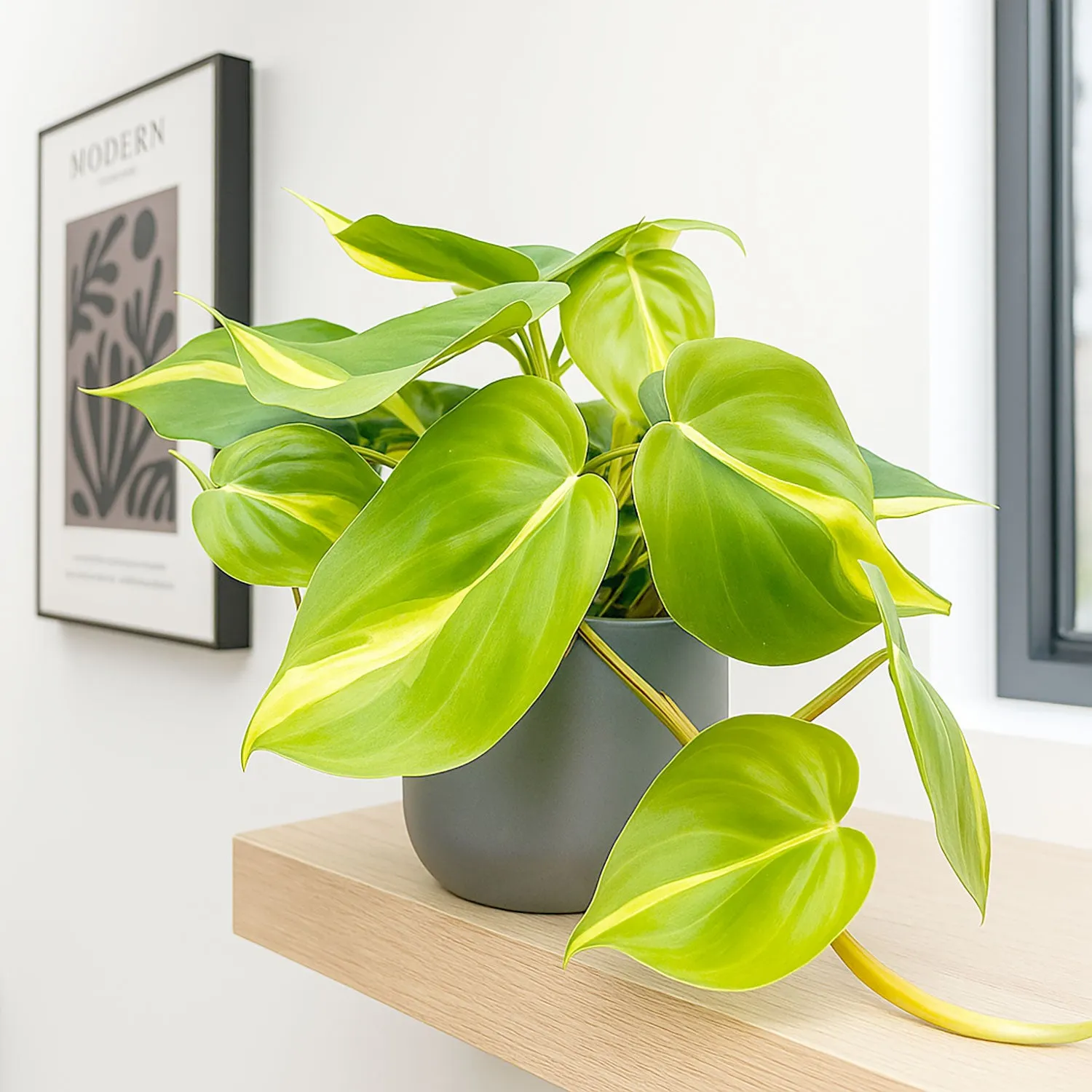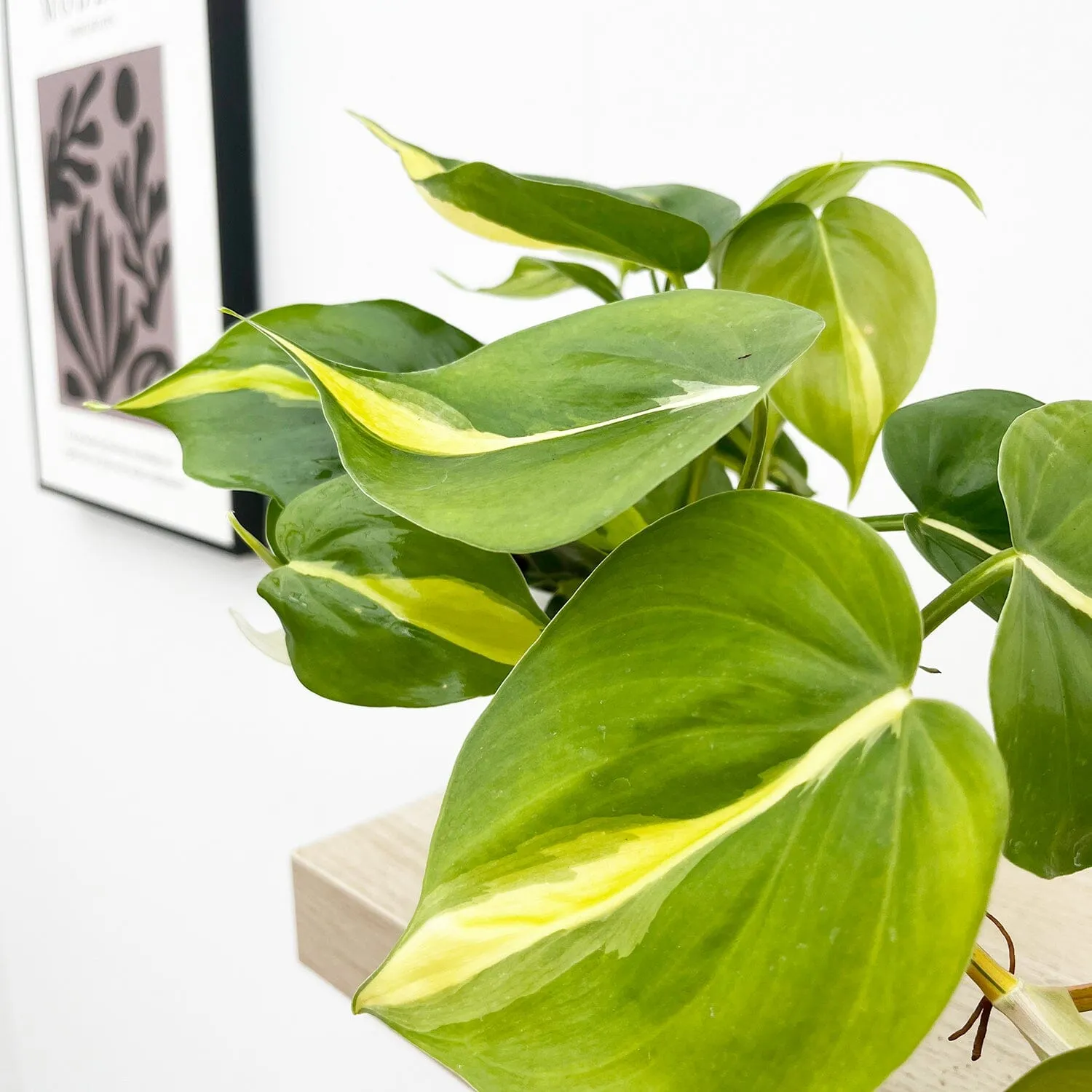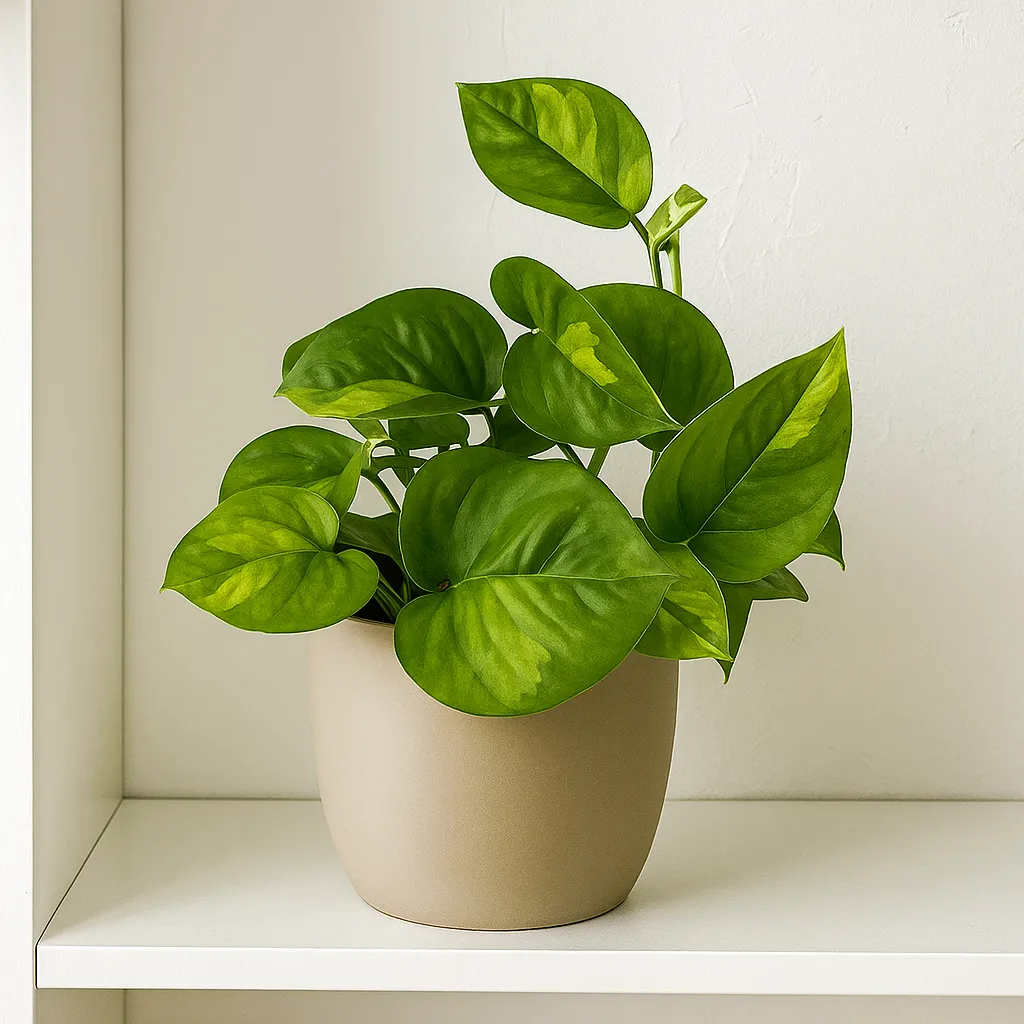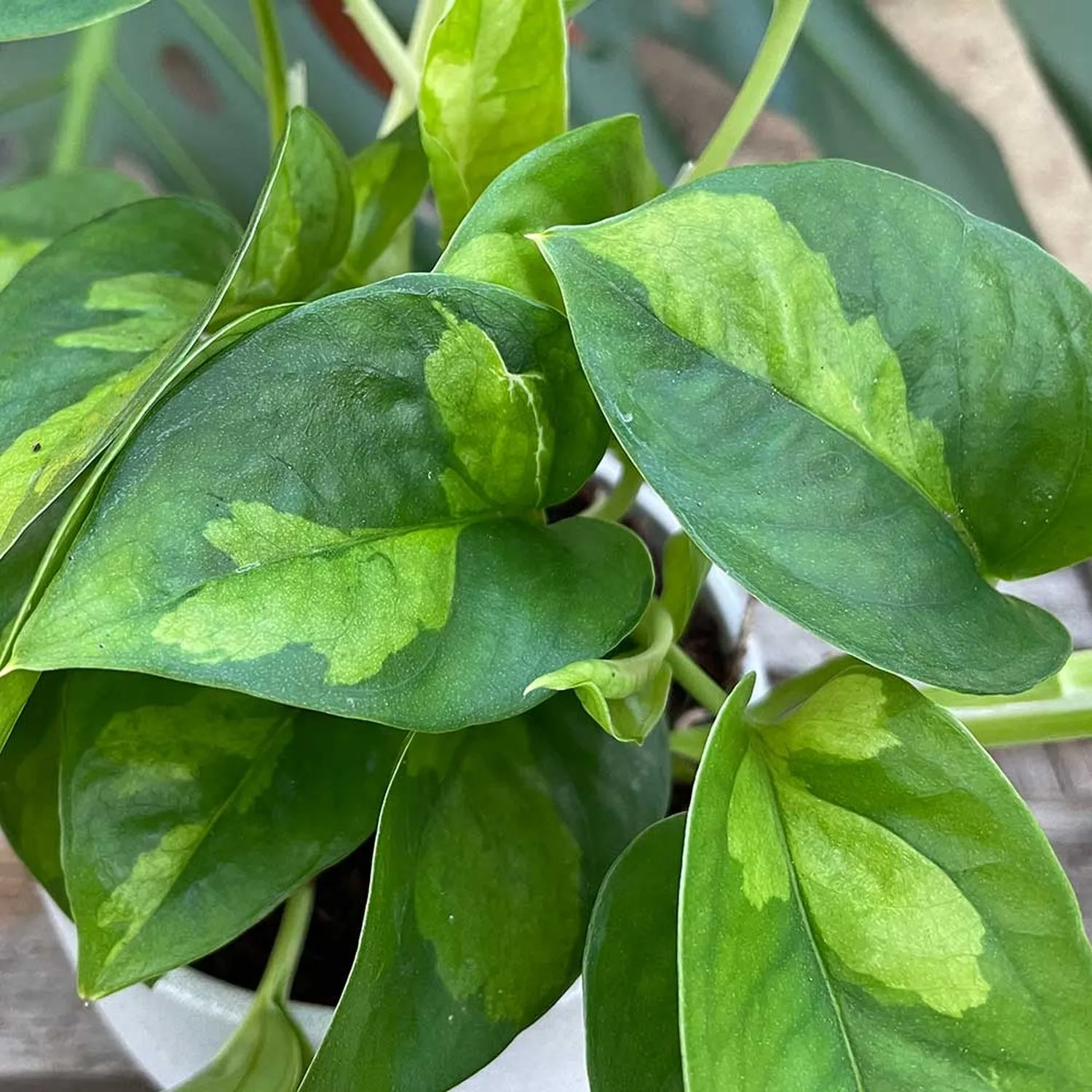

Juncus Spiralis Fern House Plant 6cm Pot
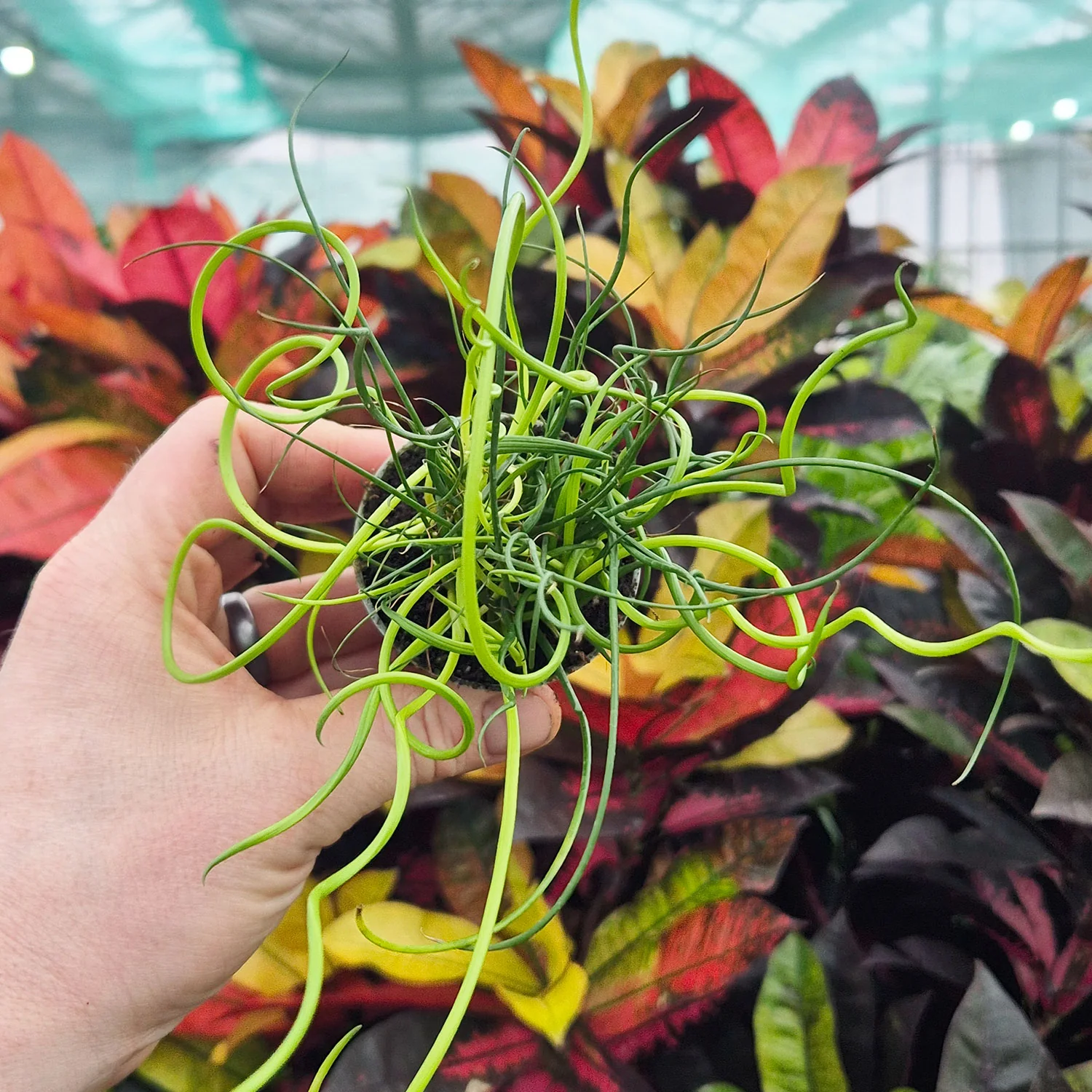
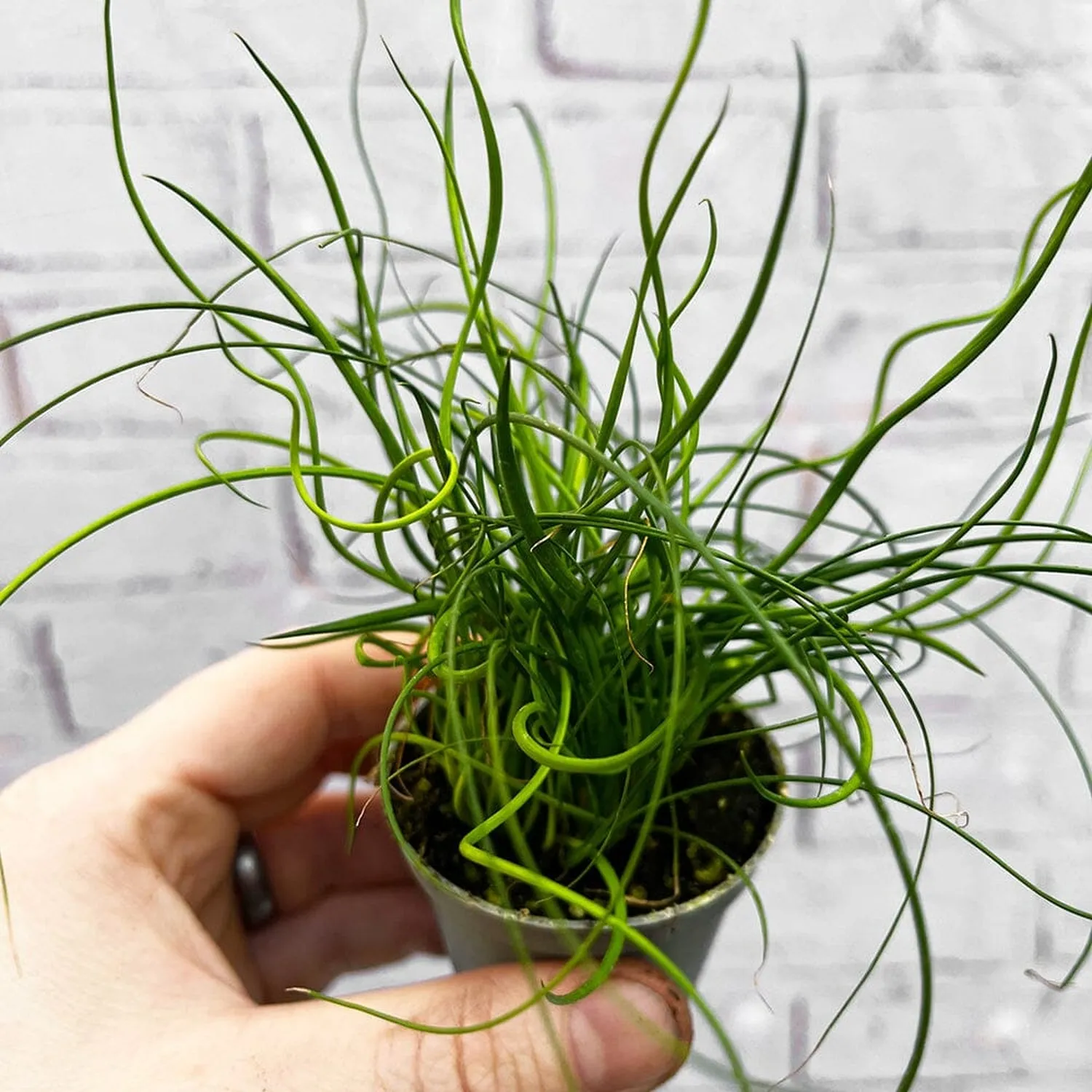
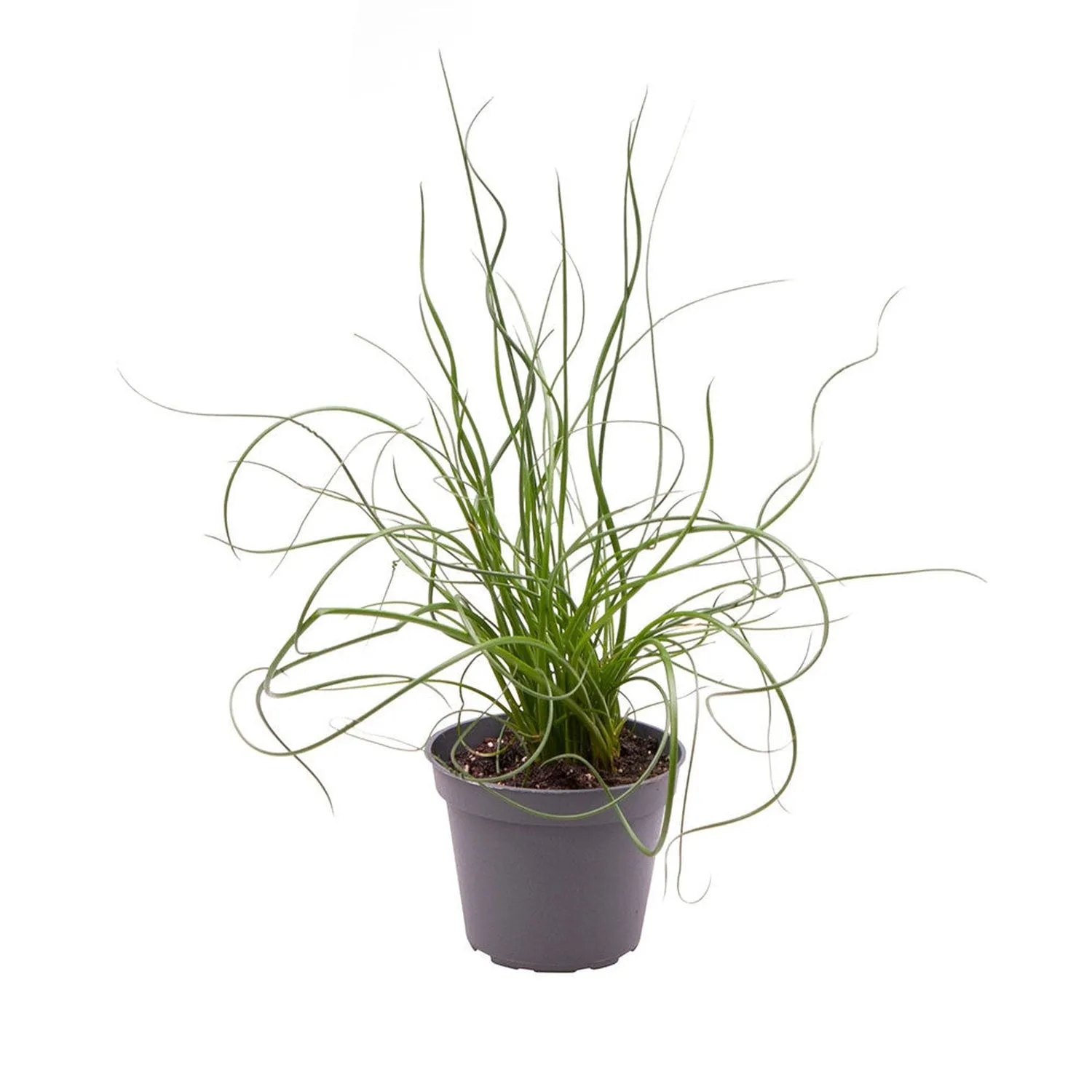
Juncus spiralis, commonly known as Corkscrew Rush, is a unique architectural plant admired for its twisting, spiralled green stems.
A cultivar of Juncus effusus, this variety forms upright clumps of tightly curled, cylindrical stems that create a bold sculptural effect. Unlike most houseplants, it thrives in consistently moist conditions and can even tolerate sitting in shallow water.
Modern, minimal and textural, Corkscrew Rush is ideal for bright kitchens, bathrooms or contemporary living spaces.
Key Features
-
🌿 Twisting, corkscrew-like green stems
-
🌿 Architectural and sculptural form
-
🌿 Thrives in consistently moist soil
-
🌿 Unusual texture for modern interiors
-
🌿 Suitable for indoor or patio use
Care Guide
Light
Bright light is essential.
-
Thrives in bright, indirect light
-
Can tolerate some direct sun
-
Avoid very low light
The brighter the light, the stronger and more upright the spirals remain.
Watering
Unlike most houseplants, Juncus prefers constant moisture.
-
Keep soil consistently moist
-
Can tolerate sitting in a shallow saucer of water
-
Do not allow soil to dry out
Drying out will cause stems to brown quickly.
Humidity
Happy in average to high humidity.
-
Performs well in bathrooms or kitchens
-
Tolerates typical UK indoor humidity
It is less fussy than tropical foliage plants.
Temperature
-
Ideal: 15–24°C
-
Tolerates slightly cooler conditions
-
Protect from frost
It can also be placed outdoors during warmer months.
Soil & Potting Mix
Use a moisture-retentive mix:
-
Peat-free houseplant compost
-
Avoid very free-draining succulent mixes
It prefers heavier, moisture-holding soil compared to tropical aroids.
Feeding
Feed during spring and summer:
-
Balanced liquid fertiliser every 4 weeks
-
Reduce feeding in autumn and winter
Overfeeding is rarely necessary.
Growth Habit
-
Clump-forming
-
Typically grows 30–45cm tall
-
New spirals emerge from the centre
Trim brown stems at the base to keep it tidy.
Propagation
Best propagated by division:
-
Remove from pot
-
Divide the root ball
-
Repot sections separately
This is easiest in spring.
Common Problems
Brown stems
-
Soil dried out
-
Low light
Yellowing
-
Poor drainage (rare but possible if soil is compacted)
Maintaining consistent moisture is key.
Styling Ideas
-
Ideal for modern, minimalist interiors
-
Works beautifully in white or black pots
-
Perfect for bathrooms or kitchens
-
Adds texture alongside leafy foliage plants
Its spiralled stems create movement and structure in plant displays.
Toxicity
Juncus spiralis is generally considered non-toxic to pets, but it is best kept out of reach to prevent chewing damage.
Original: $7.91
-70%$7.91
$2.37Product Information
Product Information
Shipping & Returns
Shipping & Returns
Description
Juncus spiralis, commonly known as Corkscrew Rush, is a unique architectural plant admired for its twisting, spiralled green stems.
A cultivar of Juncus effusus, this variety forms upright clumps of tightly curled, cylindrical stems that create a bold sculptural effect. Unlike most houseplants, it thrives in consistently moist conditions and can even tolerate sitting in shallow water.
Modern, minimal and textural, Corkscrew Rush is ideal for bright kitchens, bathrooms or contemporary living spaces.
Key Features
-
🌿 Twisting, corkscrew-like green stems
-
🌿 Architectural and sculptural form
-
🌿 Thrives in consistently moist soil
-
🌿 Unusual texture for modern interiors
-
🌿 Suitable for indoor or patio use
Care Guide
Light
Bright light is essential.
-
Thrives in bright, indirect light
-
Can tolerate some direct sun
-
Avoid very low light
The brighter the light, the stronger and more upright the spirals remain.
Watering
Unlike most houseplants, Juncus prefers constant moisture.
-
Keep soil consistently moist
-
Can tolerate sitting in a shallow saucer of water
-
Do not allow soil to dry out
Drying out will cause stems to brown quickly.
Humidity
Happy in average to high humidity.
-
Performs well in bathrooms or kitchens
-
Tolerates typical UK indoor humidity
It is less fussy than tropical foliage plants.
Temperature
-
Ideal: 15–24°C
-
Tolerates slightly cooler conditions
-
Protect from frost
It can also be placed outdoors during warmer months.
Soil & Potting Mix
Use a moisture-retentive mix:
-
Peat-free houseplant compost
-
Avoid very free-draining succulent mixes
It prefers heavier, moisture-holding soil compared to tropical aroids.
Feeding
Feed during spring and summer:
-
Balanced liquid fertiliser every 4 weeks
-
Reduce feeding in autumn and winter
Overfeeding is rarely necessary.
Growth Habit
-
Clump-forming
-
Typically grows 30–45cm tall
-
New spirals emerge from the centre
Trim brown stems at the base to keep it tidy.
Propagation
Best propagated by division:
-
Remove from pot
-
Divide the root ball
-
Repot sections separately
This is easiest in spring.
Common Problems
Brown stems
-
Soil dried out
-
Low light
Yellowing
-
Poor drainage (rare but possible if soil is compacted)
Maintaining consistent moisture is key.
Styling Ideas
-
Ideal for modern, minimalist interiors
-
Works beautifully in white or black pots
-
Perfect for bathrooms or kitchens
-
Adds texture alongside leafy foliage plants
Its spiralled stems create movement and structure in plant displays.
Toxicity
Juncus spiralis is generally considered non-toxic to pets, but it is best kept out of reach to prevent chewing damage.