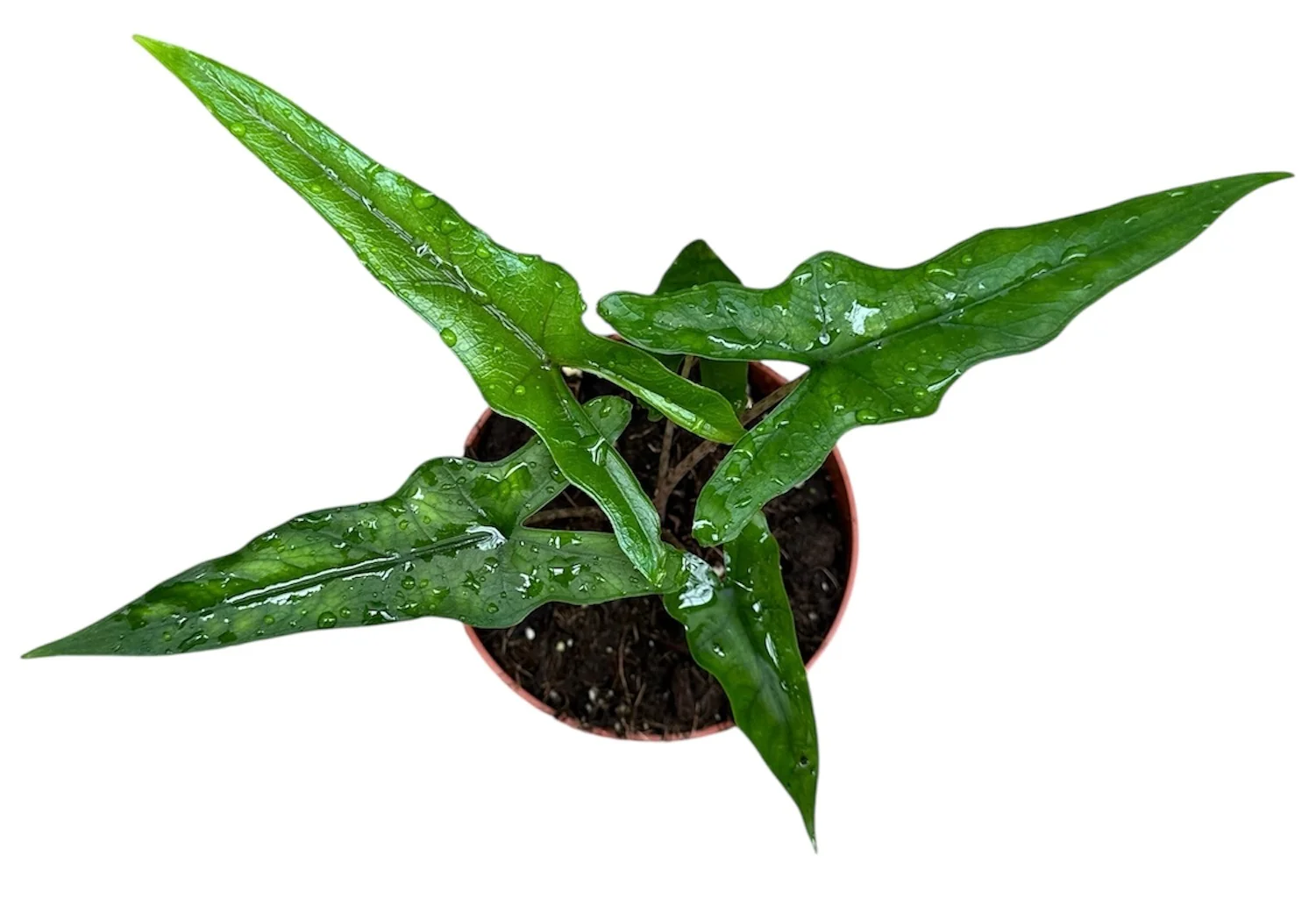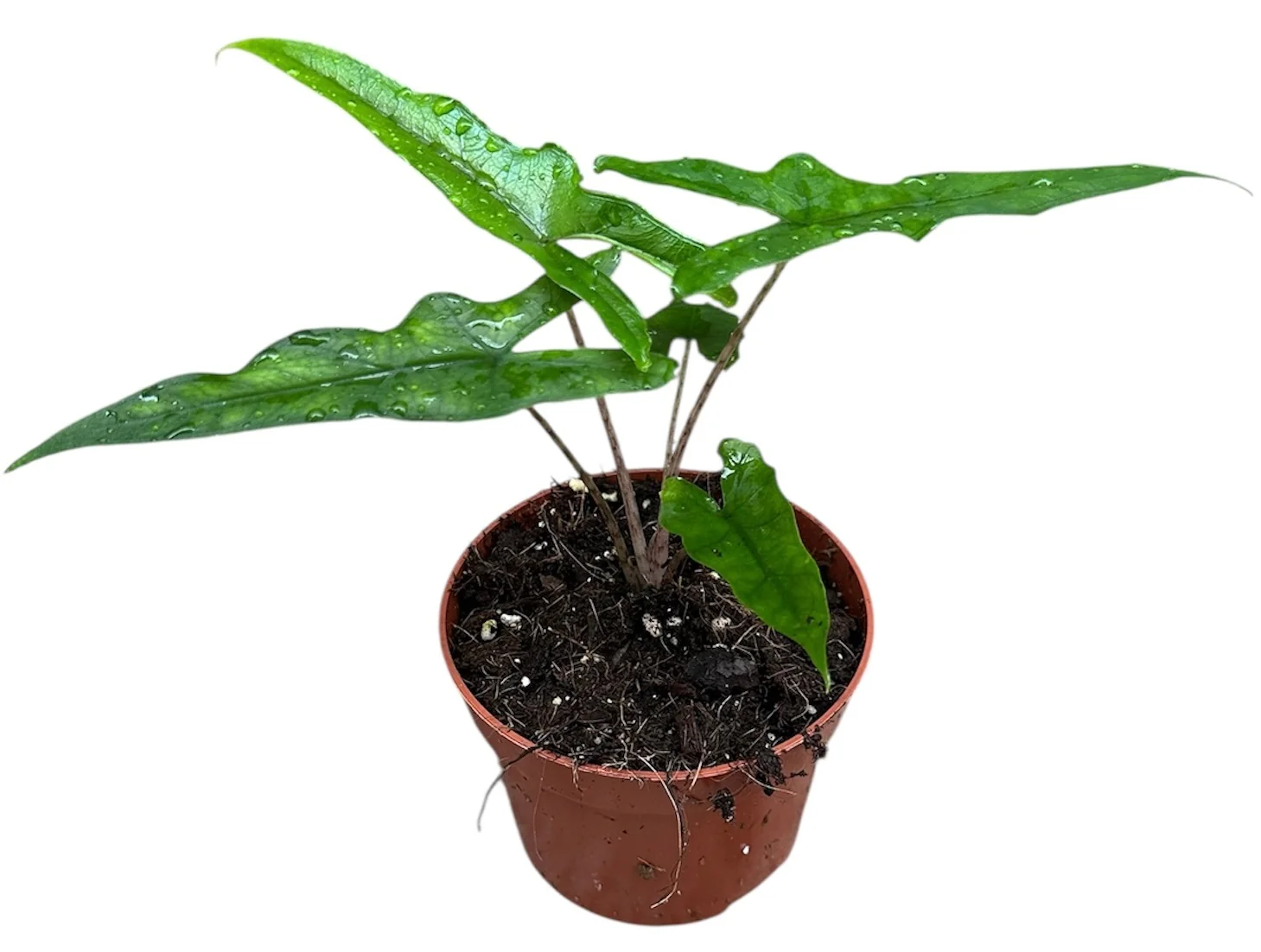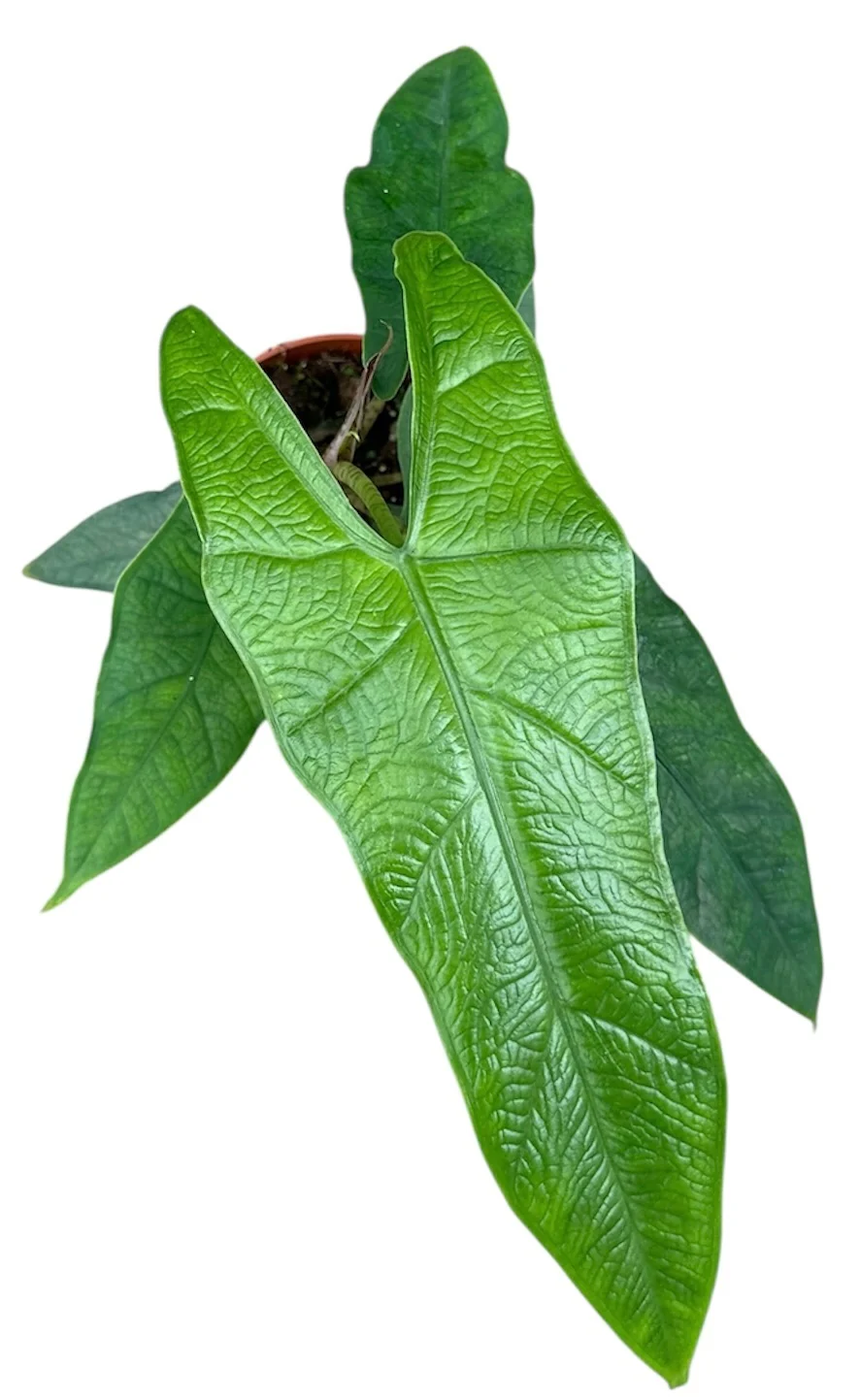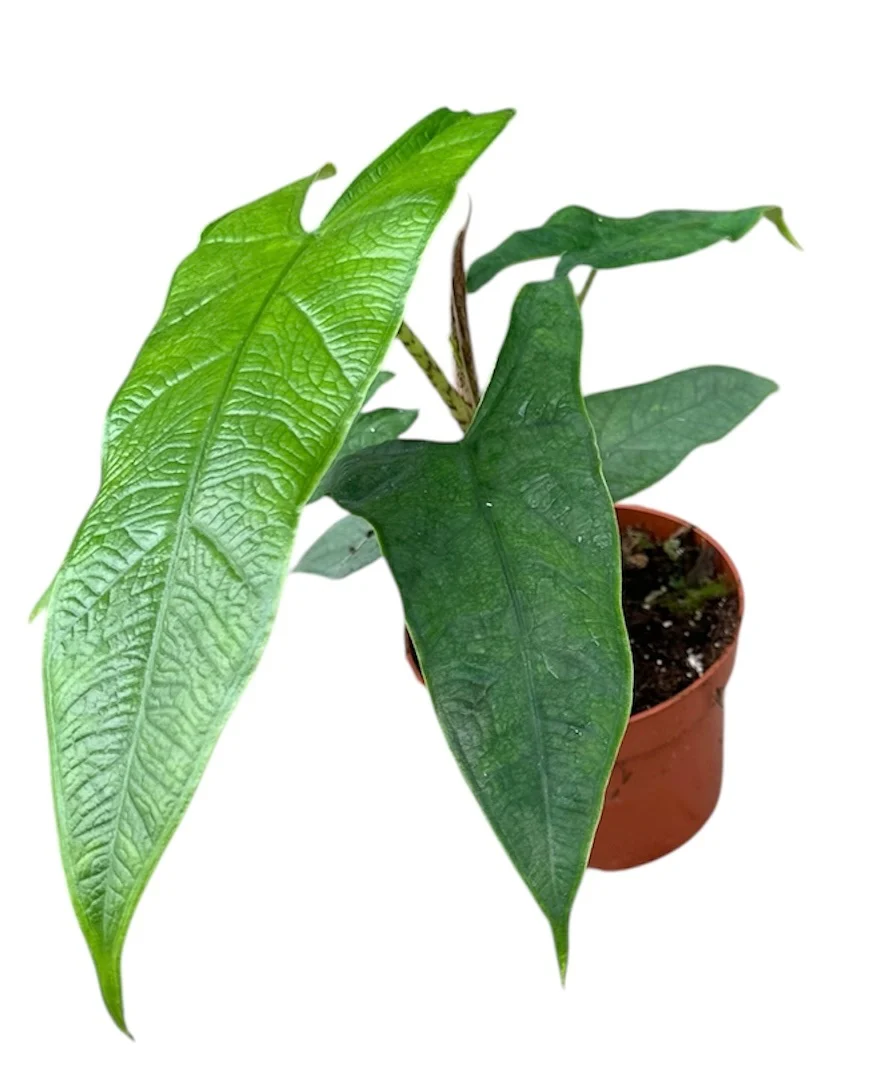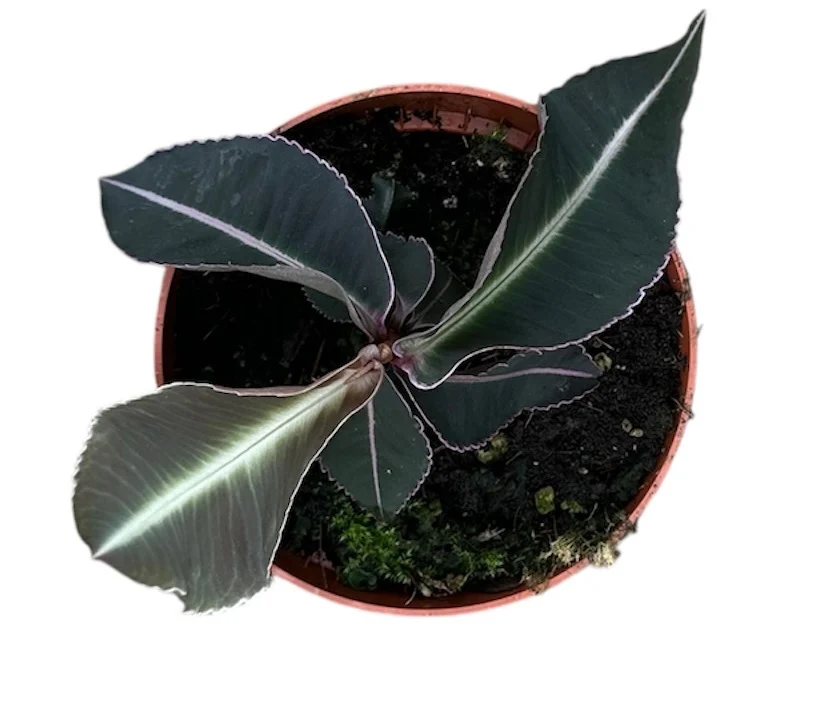
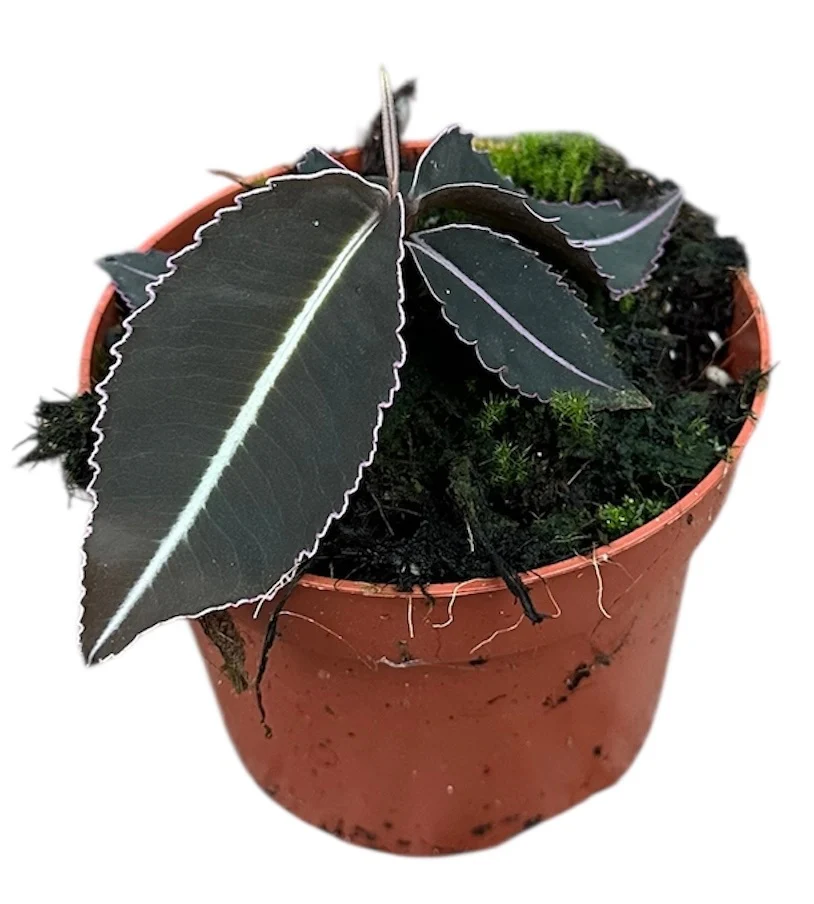
Labisia Pumila 10.5cm Pot 15cm Height House Plant
Labisia pumila, often referred to as Kacip Fatimah, is a beautifully textural, highly decorative rainforest plant prized for its compact form and striking, velvety foliage. Native to the shaded, humid understories of Southeast Asian tropical forests, this member of the Primulaceae family is admired for its richly patterned leaves, refined structure, and understated elegance.
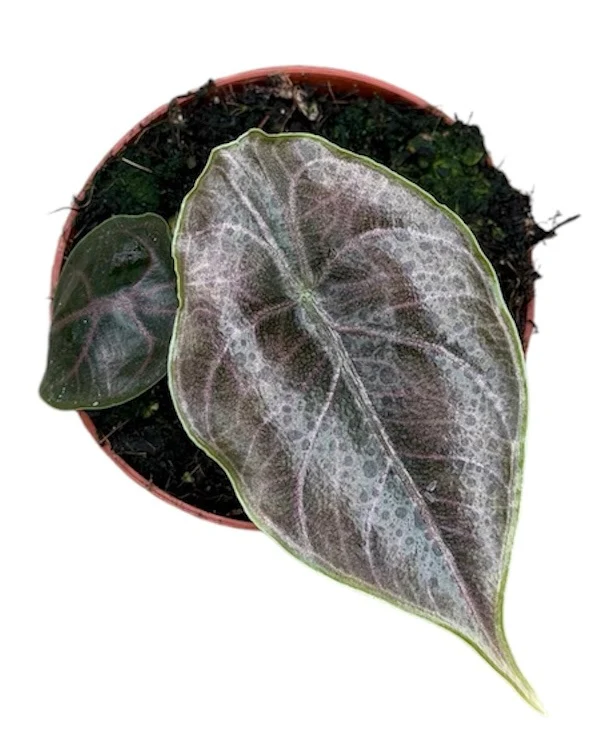
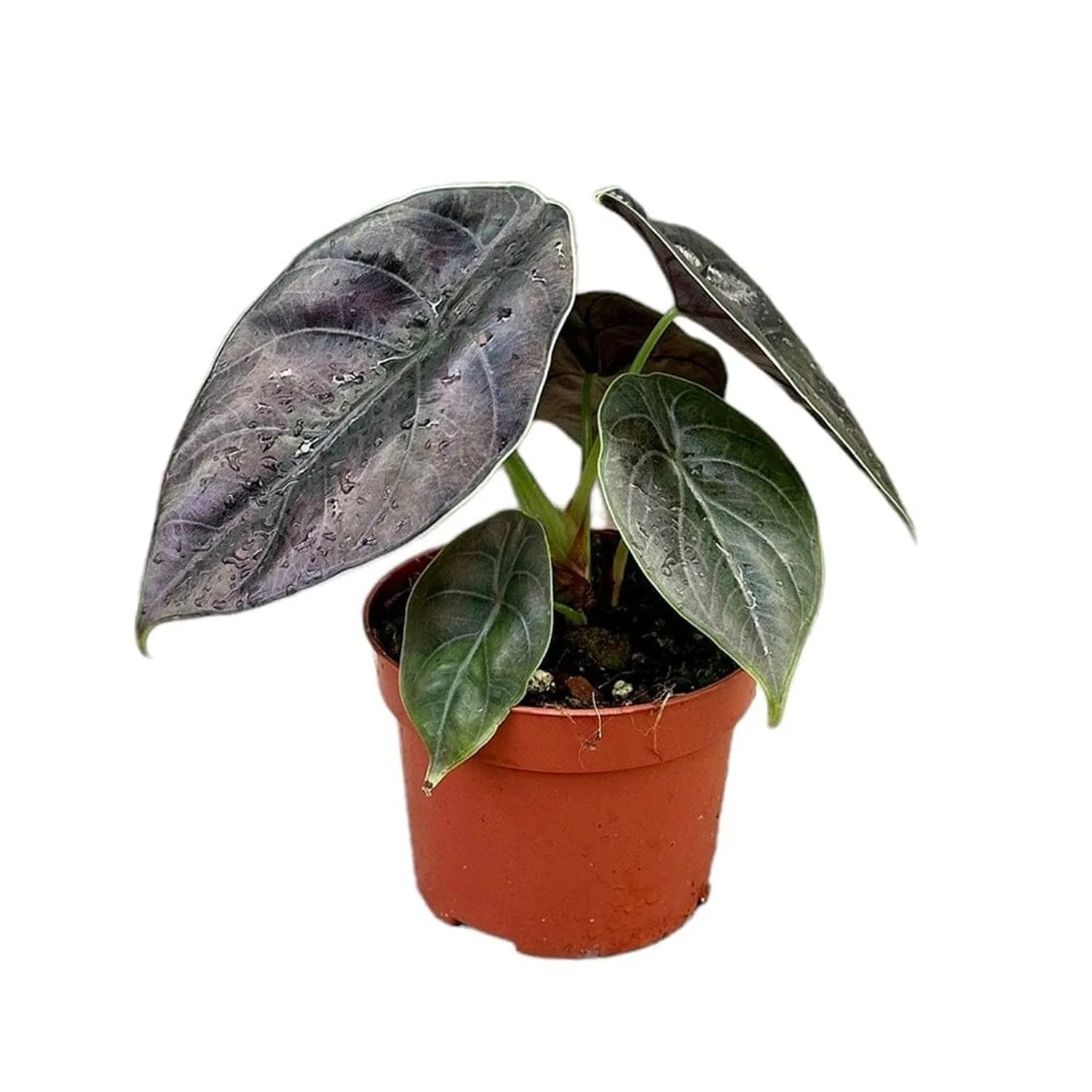
Each leaf is deep green to bronze-green with a soft, velvety sheen and delicate, contrasting veins that create a subtle but captivating marbled effect. The leaves grow in tidy rosettes close to the soil, giving the plant a low, domed form that looks both lush and architectural. Mature specimens often develop deeper colouring, with hints of burgundy on the undersides.
Elegant, compact, and surprisingly hardy when given the right conditions, Labisia pumila is a superb choice for terrariums, high-humidity plant cabinets, and collectors of rare tropical foliage.
Labisia pumila – Care Guide
Light
Prefers low to medium, filtered light — similar to the dappled shade it receives in nature. Too much light can scorch or discolour the leaves, while deep shade will slow growth. Perfect for terrariums, plant shelves, and north-facing spaces.
Watering
Keep the soil evenly moist but never soggy. Allow the top 1–2 cm to dry slightly before watering again. This species dislikes drought and should not be allowed to dry out fully. Use room-temperature, filtered or rainwater if possible to avoid mineral build-up.
Temperature and Humidity
-
Temperature: Thrives in warmth, ideally 20–28 °C. Protect from cold draughts and avoid temperatures below 15 °C.
-
Humidity: High humidity (70–90%) is essential for strong, healthy growth. This plant performs best in terrariums, display cabinets, or rooms with consistently high moisture levels.
Soil and Potting
Choose a light, moisture-retentive yet well-draining mix. A blend containing fine orchid bark, coco peat, perlite, and sphagnum moss works excellently. Avoid heavy soils. Repot every 1–2 years, but only into a slightly larger container.
Feeding
Feed with a gentle, diluted fertiliser every 4–6 weeks during spring and summer. Avoid strong feeds, which can scorch the delicate root system.
Pruning and Maintenance
Minimal pruning is needed. Remove ageing or damaged leaves at the base to encourage new growth and maintain a clean rosette shape. Mist the leaves lightly or use a humidifier to preserve the velvety texture.
Growth and Maturity
A slow to moderate grower that typically reaches 15–25 cm in height and spread. Over time, it forms a neat, compact clump and may produce clusters of tiny, delicate flowers close to the soil line.
Common Issues
-
Crispy leaf edges: Low humidity or underwatering.
-
Yellowing leaves: Often caused by overwatering or poor drainage.
-
Leaf fade: Too much direct light.
-
Pests: Generally resistant but can attract fungus gnats in overly wet soil.
Background and Benefits
Labisia pumila is a cherished plant in Southeast Asia, long valued both as a traditional herb and as a beautiful ornamental. Its compact growth habit and intricate foliage make it ideal for terrarium enthusiasts and collectors who appreciate plants with fine details and subtle beauty.
In interiors, it brings a sense of calm and lushness, with its velvety leaves adding softness and texture to plant displays. Its preference for lower light and high humidity makes it a perfect companion for other ground-layer tropical species.
Quick Care Summary
Light: Low–medium filtered light
Water: Keep evenly moist; avoid drying out
Temperature: 20–28 °C; avoid cold air
Humidity: High humidity essential
Soil: Moisture-retentive, airy mix
Feed: Gentle feed every 4–6 weeks
Growth: 15–25 cm; compact rosette
Toxicity: Thought to be non-toxic but best kept away from pets and children
Styling Tip
Display Labisia pumila in a terrarium, glass cabinet, or on a shaded shelf where its velvety leaves can be admired up close. Pair it with mosses, ferns, and other miniature tropicals for a lush, forest-floor aesthetic. A small ceramic or textured pot complements its refined, understated beauty.
Original: $26.38
-70%$26.38
$7.91Product Information
Product Information
Shipping & Returns
Shipping & Returns
Description
Labisia pumila, often referred to as Kacip Fatimah, is a beautifully textural, highly decorative rainforest plant prized for its compact form and striking, velvety foliage. Native to the shaded, humid understories of Southeast Asian tropical forests, this member of the Primulaceae family is admired for its richly patterned leaves, refined structure, and understated elegance.
Each leaf is deep green to bronze-green with a soft, velvety sheen and delicate, contrasting veins that create a subtle but captivating marbled effect. The leaves grow in tidy rosettes close to the soil, giving the plant a low, domed form that looks both lush and architectural. Mature specimens often develop deeper colouring, with hints of burgundy on the undersides.
Elegant, compact, and surprisingly hardy when given the right conditions, Labisia pumila is a superb choice for terrariums, high-humidity plant cabinets, and collectors of rare tropical foliage.
Labisia pumila – Care Guide
Light
Prefers low to medium, filtered light — similar to the dappled shade it receives in nature. Too much light can scorch or discolour the leaves, while deep shade will slow growth. Perfect for terrariums, plant shelves, and north-facing spaces.
Watering
Keep the soil evenly moist but never soggy. Allow the top 1–2 cm to dry slightly before watering again. This species dislikes drought and should not be allowed to dry out fully. Use room-temperature, filtered or rainwater if possible to avoid mineral build-up.
Temperature and Humidity
-
Temperature: Thrives in warmth, ideally 20–28 °C. Protect from cold draughts and avoid temperatures below 15 °C.
-
Humidity: High humidity (70–90%) is essential for strong, healthy growth. This plant performs best in terrariums, display cabinets, or rooms with consistently high moisture levels.
Soil and Potting
Choose a light, moisture-retentive yet well-draining mix. A blend containing fine orchid bark, coco peat, perlite, and sphagnum moss works excellently. Avoid heavy soils. Repot every 1–2 years, but only into a slightly larger container.
Feeding
Feed with a gentle, diluted fertiliser every 4–6 weeks during spring and summer. Avoid strong feeds, which can scorch the delicate root system.
Pruning and Maintenance
Minimal pruning is needed. Remove ageing or damaged leaves at the base to encourage new growth and maintain a clean rosette shape. Mist the leaves lightly or use a humidifier to preserve the velvety texture.
Growth and Maturity
A slow to moderate grower that typically reaches 15–25 cm in height and spread. Over time, it forms a neat, compact clump and may produce clusters of tiny, delicate flowers close to the soil line.
Common Issues
-
Crispy leaf edges: Low humidity or underwatering.
-
Yellowing leaves: Often caused by overwatering or poor drainage.
-
Leaf fade: Too much direct light.
-
Pests: Generally resistant but can attract fungus gnats in overly wet soil.
Background and Benefits
Labisia pumila is a cherished plant in Southeast Asia, long valued both as a traditional herb and as a beautiful ornamental. Its compact growth habit and intricate foliage make it ideal for terrarium enthusiasts and collectors who appreciate plants with fine details and subtle beauty.
In interiors, it brings a sense of calm and lushness, with its velvety leaves adding softness and texture to plant displays. Its preference for lower light and high humidity makes it a perfect companion for other ground-layer tropical species.
Quick Care Summary
Light: Low–medium filtered light
Water: Keep evenly moist; avoid drying out
Temperature: 20–28 °C; avoid cold air
Humidity: High humidity essential
Soil: Moisture-retentive, airy mix
Feed: Gentle feed every 4–6 weeks
Growth: 15–25 cm; compact rosette
Toxicity: Thought to be non-toxic but best kept away from pets and children
Styling Tip
Display Labisia pumila in a terrarium, glass cabinet, or on a shaded shelf where its velvety leaves can be admired up close. Pair it with mosses, ferns, and other miniature tropicals for a lush, forest-floor aesthetic. A small ceramic or textured pot complements its refined, understated beauty.