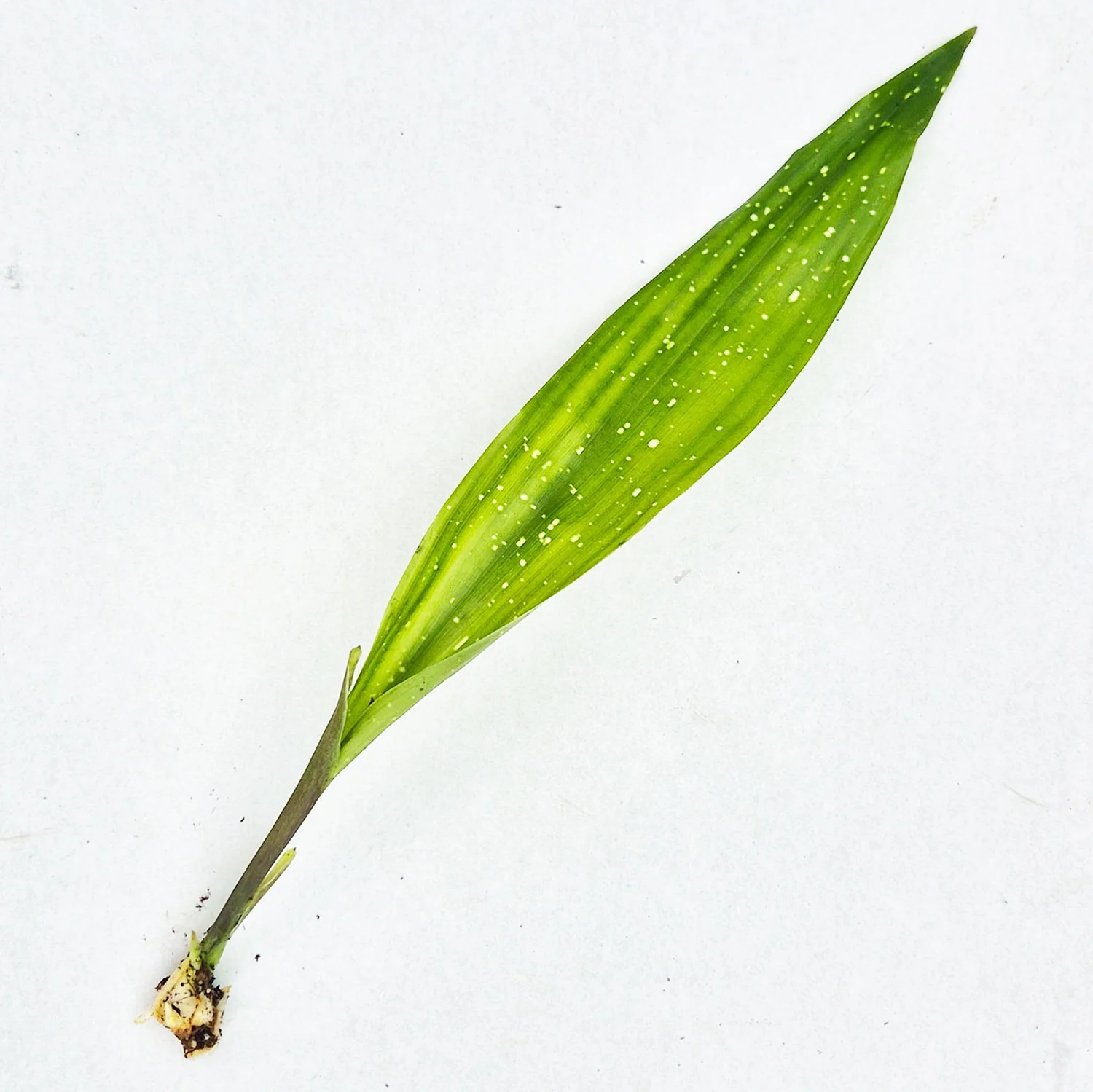
Milky Way Aspidistra Rooted Cutting
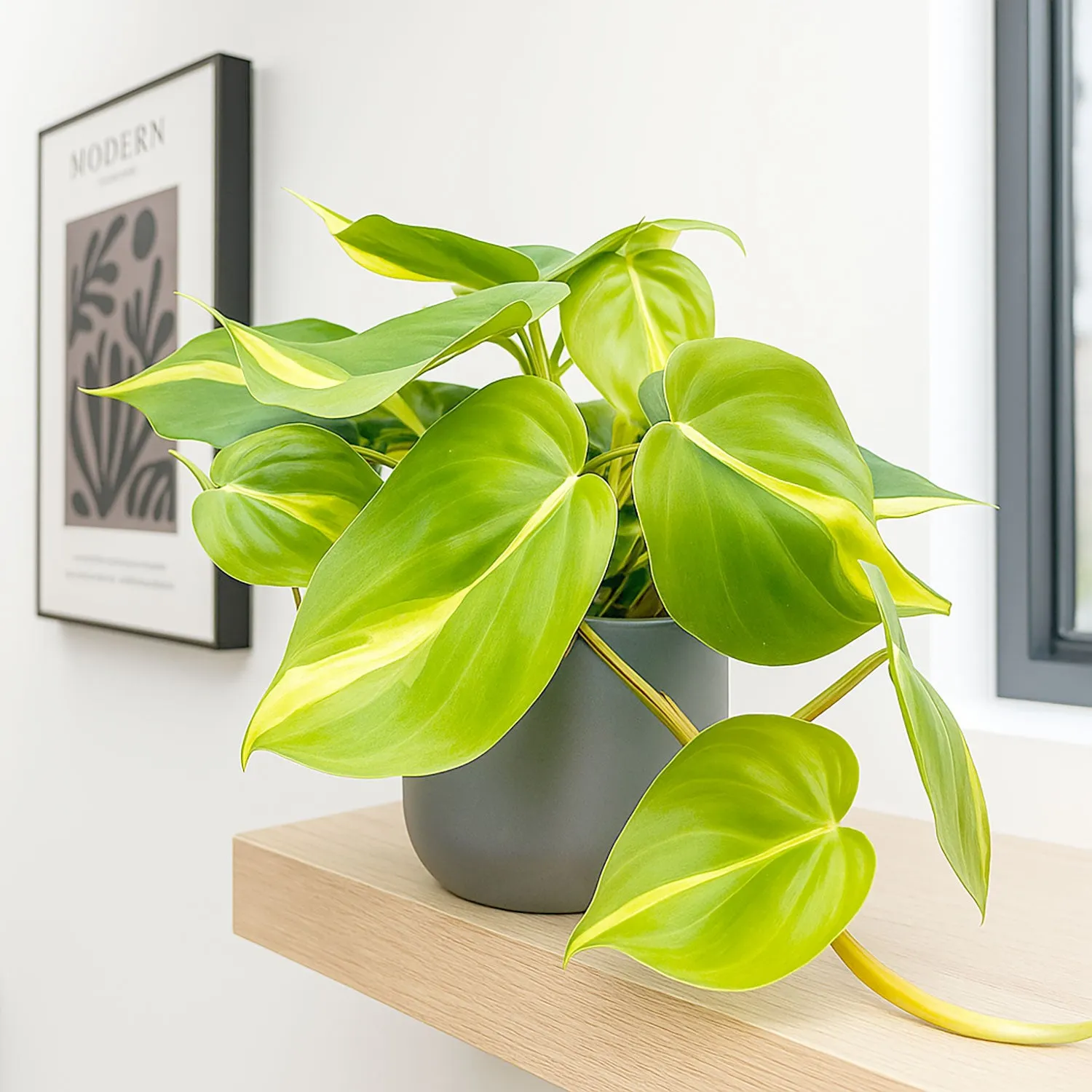
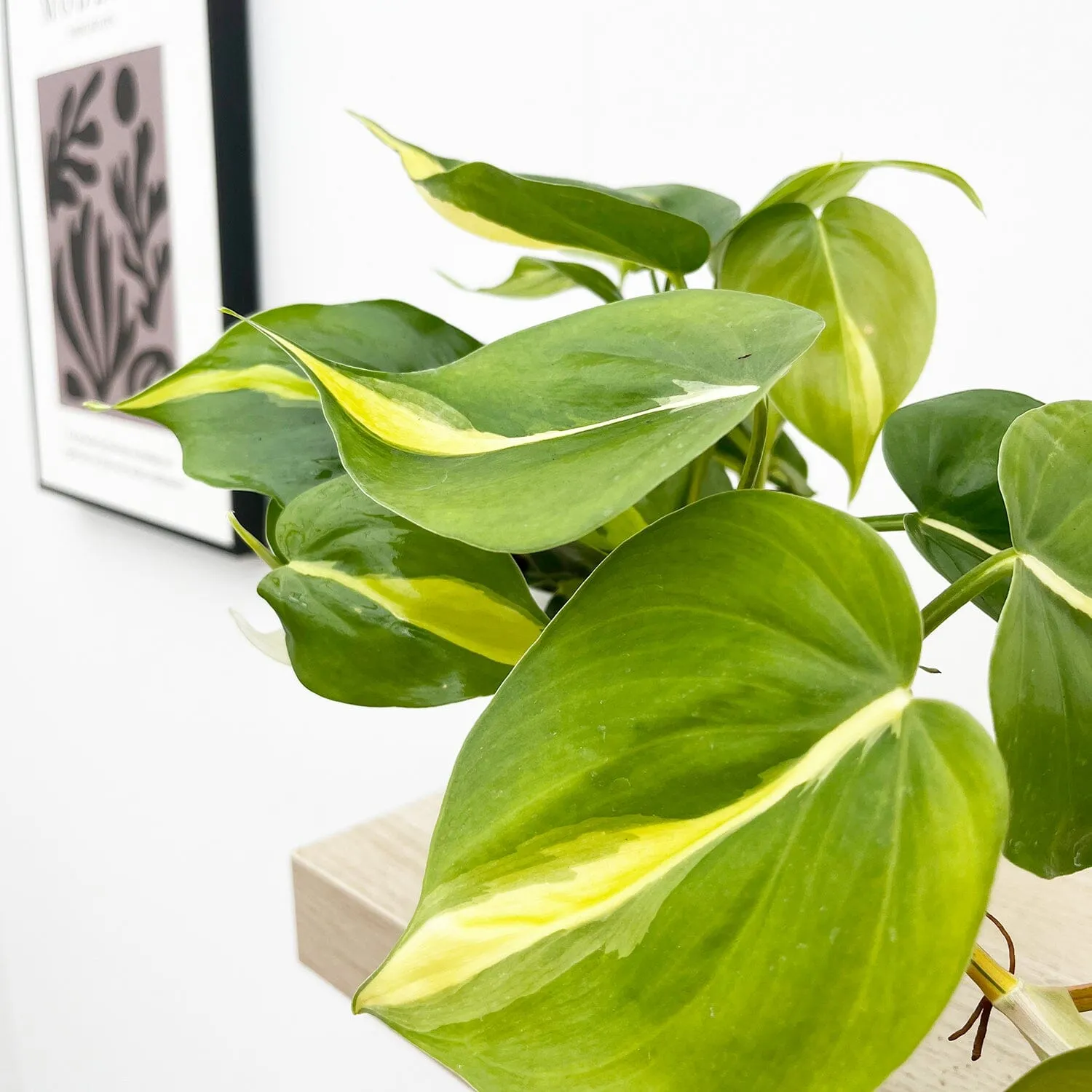
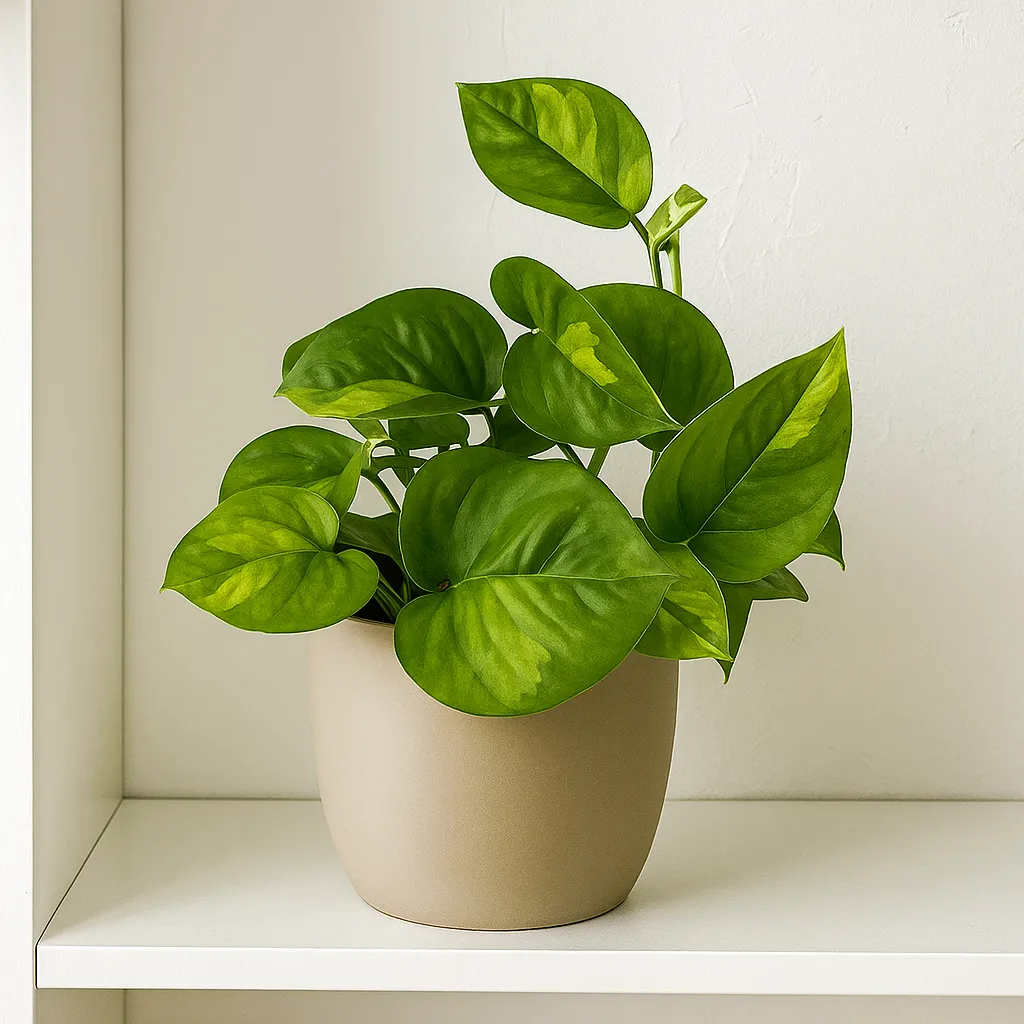
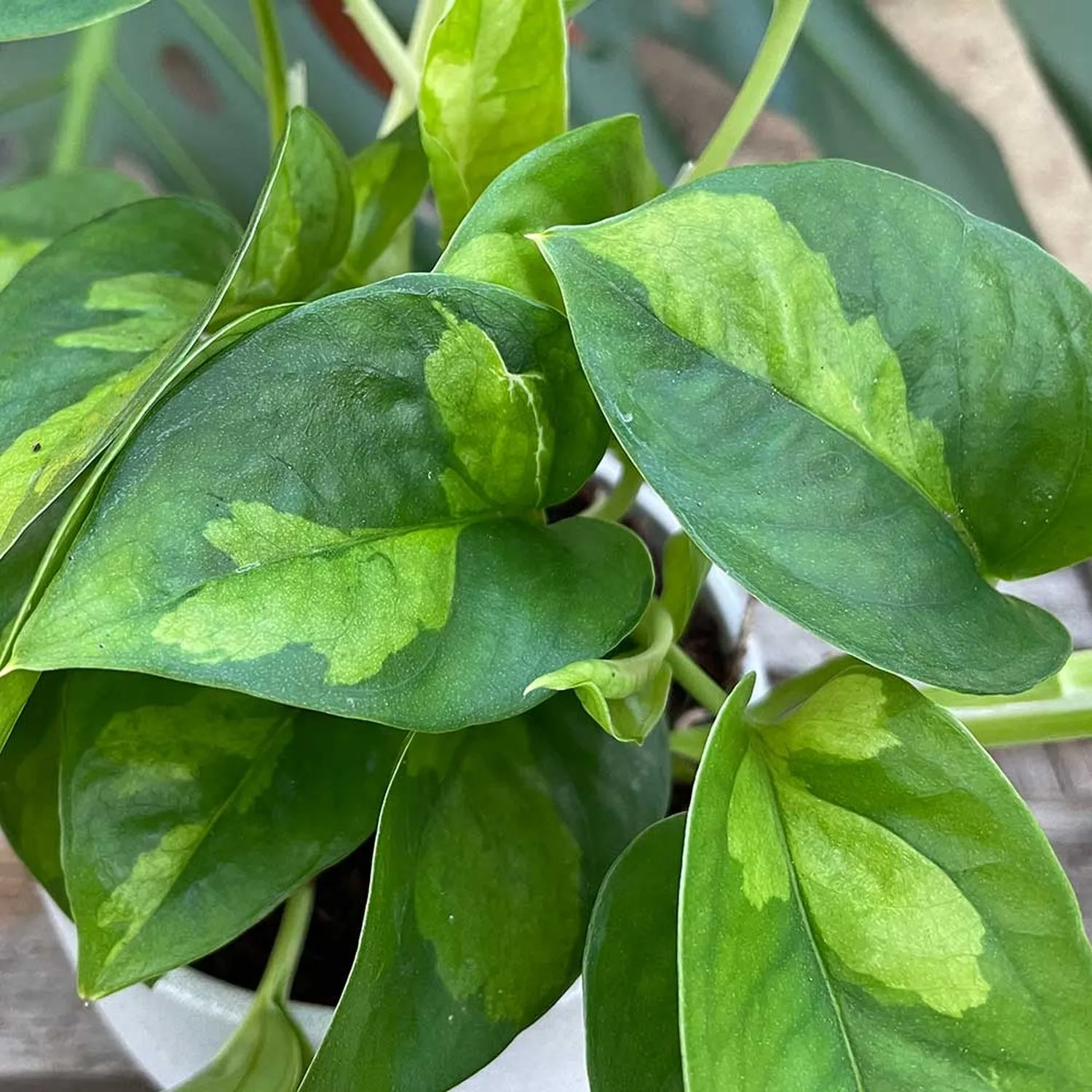
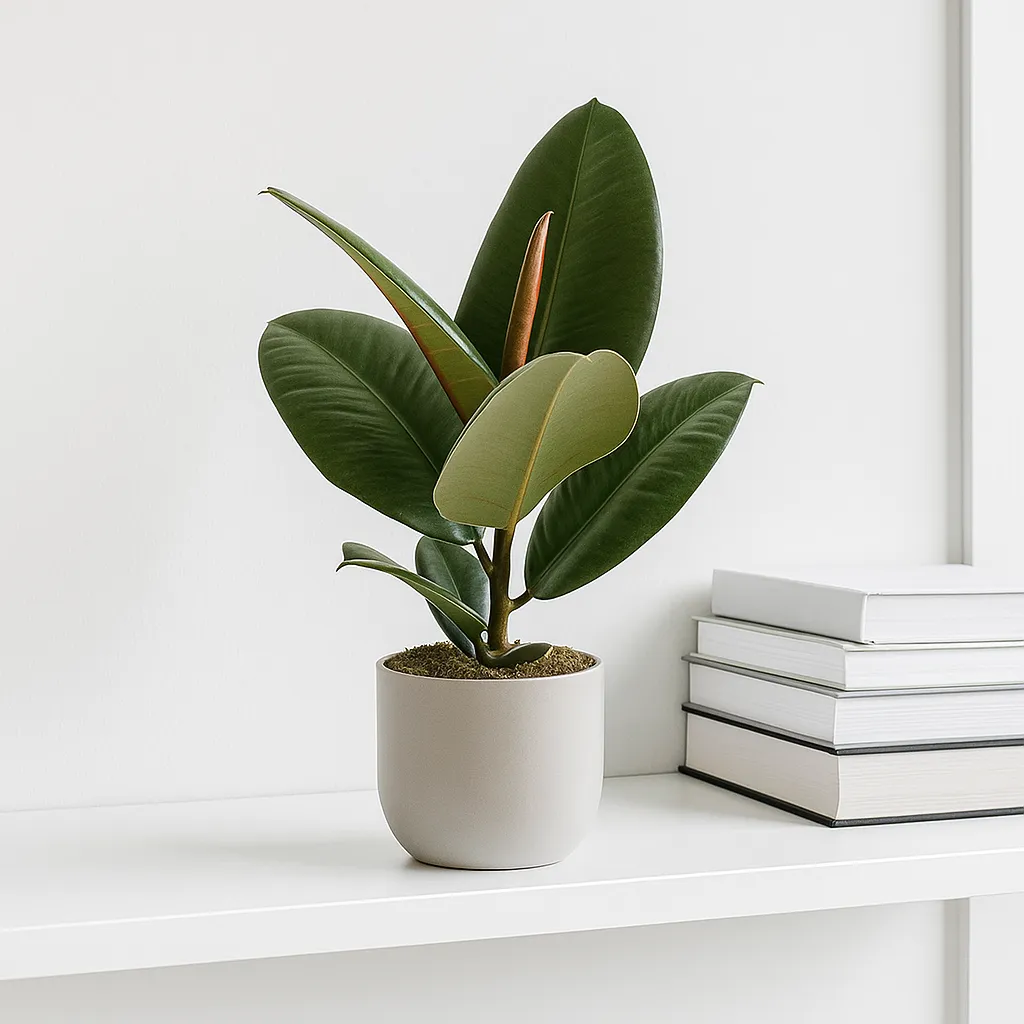
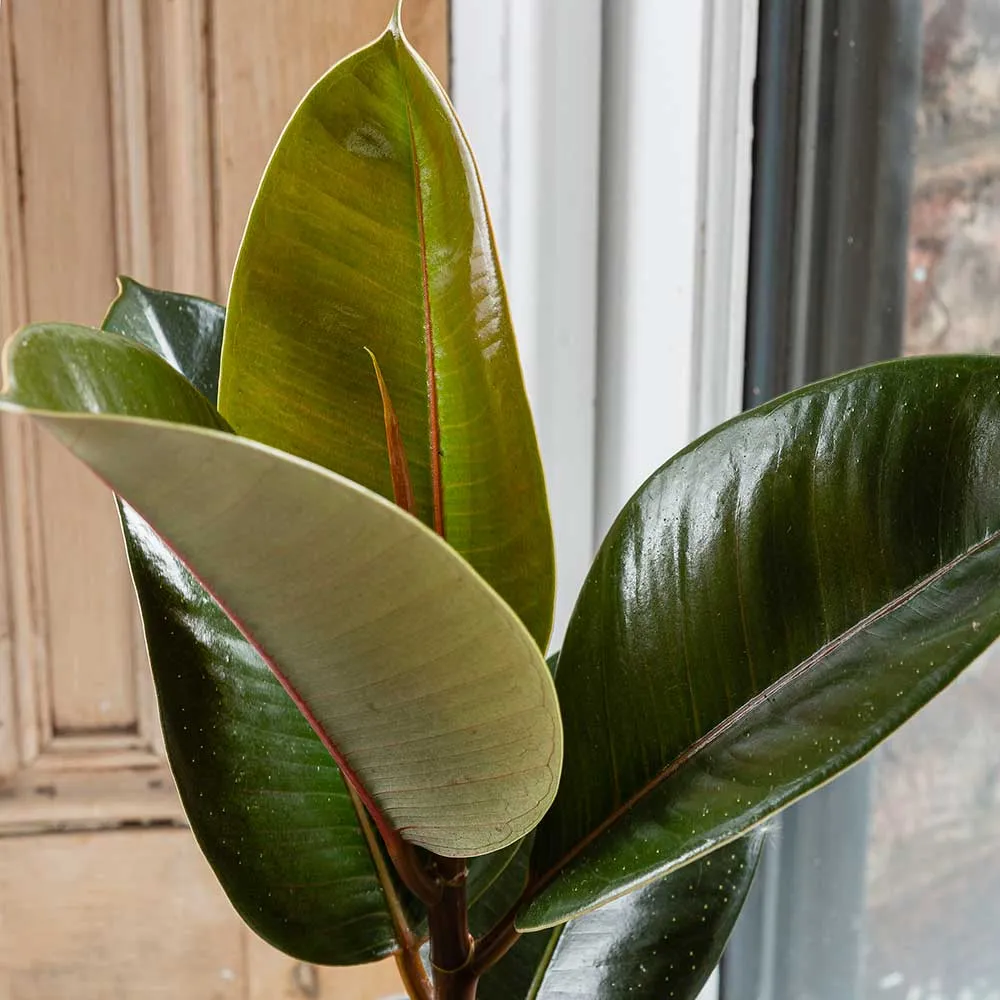
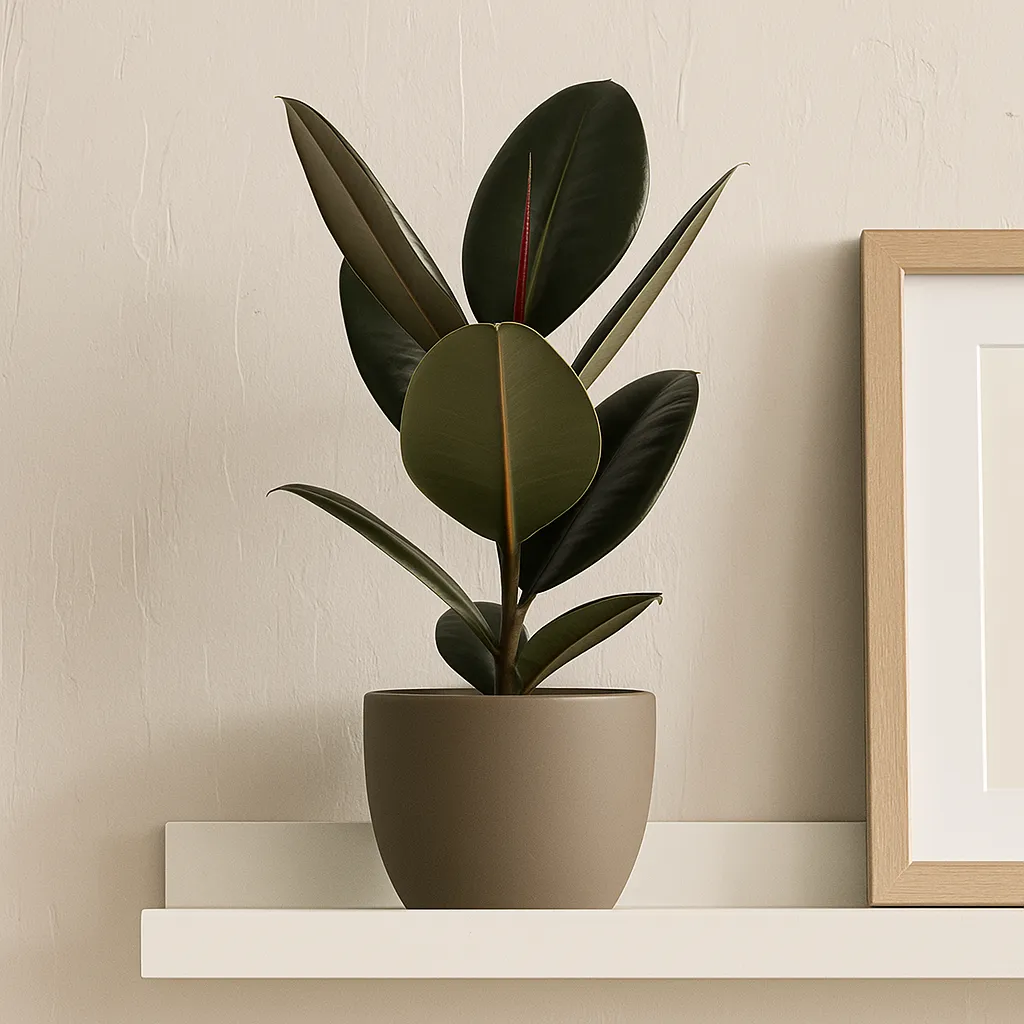
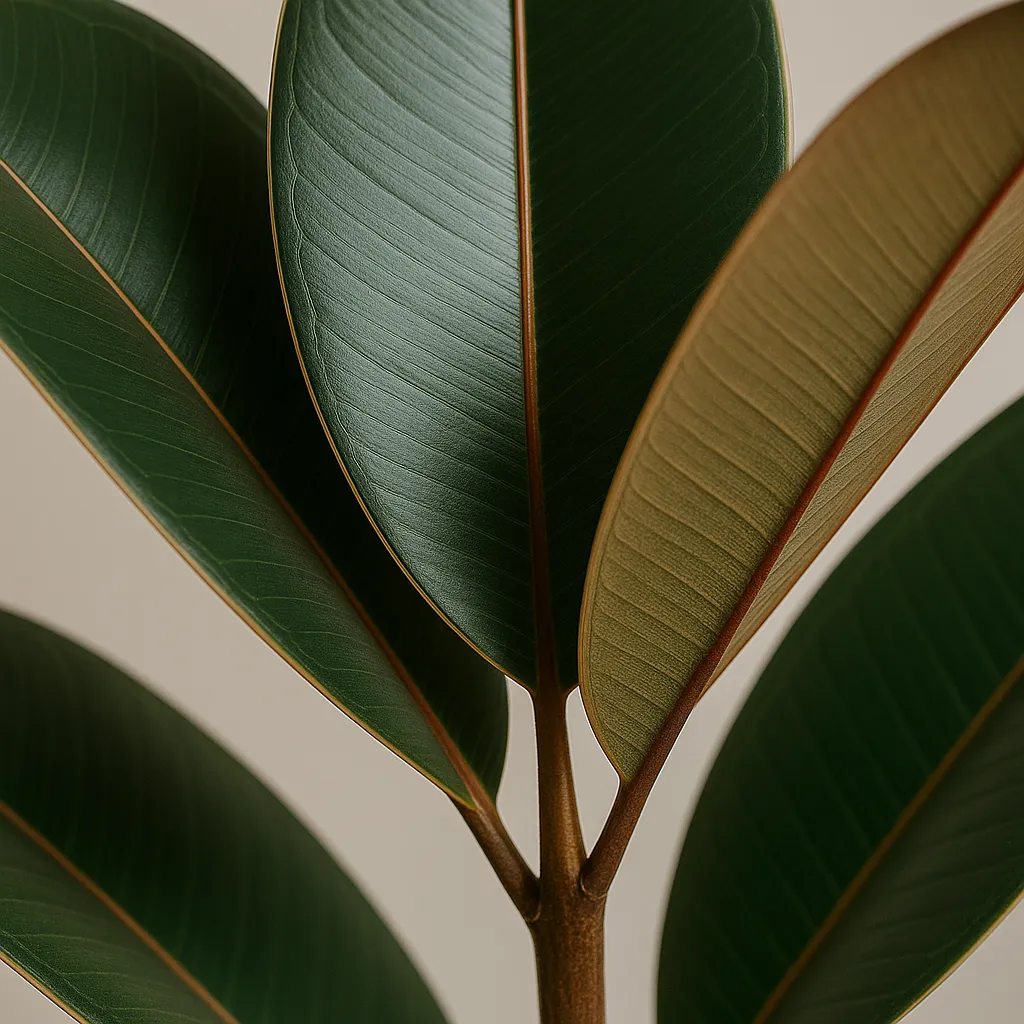
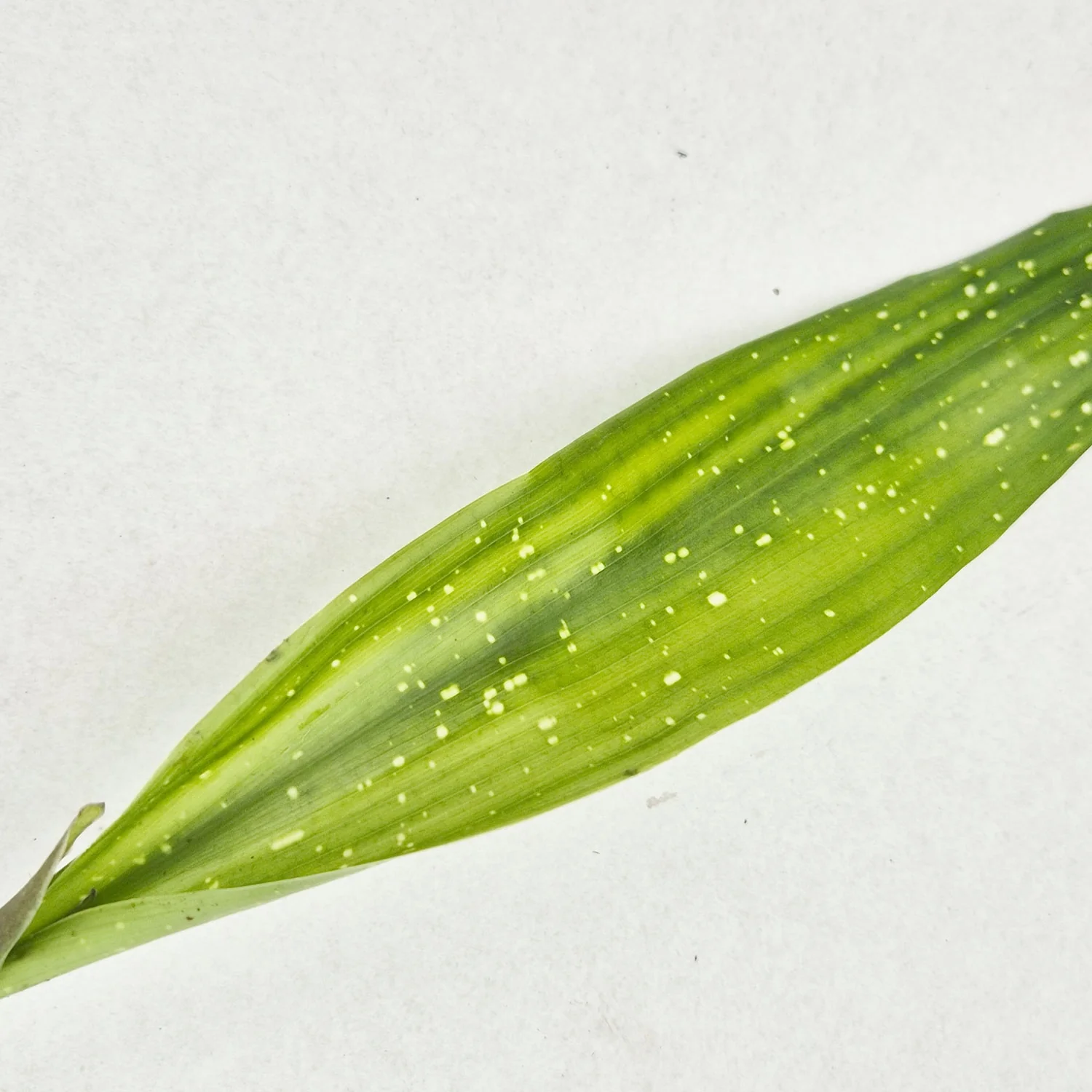
Aspidistra ‘Milky Way’ is a rare and highly unusual form of Cast Iron Plant, admired for its beautifully speckled foliage covered in delicate cream and white markings. The foliage appears dusted with tiny stars, giving the plant its distinctive “Milky Way” name.
This variety produces deep green, lance-shaped leaves decorated with fine flecking and subtle mottled variegation throughout the foliage. Unlike bold variegated plants, the patterning on Aspidistra ‘Milky Way’ is refined and understated, creating a natural textured appearance that becomes more impressive as the plant matures.
A rooted cutting is an excellent way to establish this slow-growing collector’s plant. Once established, the plant develops into a dense clump of elegant upright foliage emerging directly from underground rhizomes.
Aspidistra varieties are famous for their resilience and tolerance of lower light conditions, earning the common name “Cast Iron Plant”. ‘Milky Way’ combines this toughness with rare ornamental foliage, making it ideal for both beginners and collectors.
Aspidistra ‘Milky Way’ Rooted Cutting Care Guide
Light Requirements
Aspidistra ‘Milky Way’ thrives in low to moderate indirect light, making it ideal for darker rooms and shaded indoor spaces.
Avoid strong direct sunlight, as this can scorch the foliage and fade the delicate speckled markings.
Ideal locations include:
- Shaded rooms
- North-facing windows
- Offices or hallways with indirect light
- Shelves away from direct sun
Brighter indirect light can encourage slightly faster growth while maintaining healthy foliage colour.
Watering
Allow the soil to dry slightly between waterings. Aspidistra prefers lightly moist soil but is highly tolerant of occasional neglect once established.
Overwatering is one of the few things this plant dislikes and may lead to root rot.
Signs the plant may need water:
- Dry topsoil
- Lightweight pot
- Slight softening of foliage
During winter, reduce watering frequency significantly.
Humidity
Aspidistra ‘Milky Way’ adapts well to normal household humidity and does not require high humidity levels.
It tolerates:
- Average indoor humidity
- Cooler rooms
- Drier household conditions better than many tropical houseplants
Occasional wiping of the leaves helps keep the foliage clean and healthy.
Temperature
Best grown in temperatures between:
- 15–26°C
Avoid:
- Frost
- Prolonged cold exposure
- Sudden temperature extremes
One of the reasons Aspidistra is so popular is its ability to tolerate cooler indoor conditions better than many tropical plants.
Soil Mix
Use a well-draining houseplant compost that retains some moisture without becoming waterlogged.
A suitable mix may include:
- Peat-free houseplant compost
- Perlite
- Fine bark
Good drainage is essential, especially for young rooted cuttings.
Feeding
Feed lightly during spring and summer using a balanced liquid fertiliser every 4–6 weeks.
Avoid overfeeding, as Aspidistra is naturally slow growing and does not require heavy fertilisation.
Growth Habit
Aspidistra ‘Milky Way’ is a slow-growing rhizomatous plant. Over time, rooted cuttings gradually develop into fuller clumps of foliage.
Growth characteristics include:
- Upright leaves
- Compact clumping habit
- Thick underground rhizomes
- Long-lasting foliage
Patience is important, as this variety focuses on steady, durable growth rather than rapid development.
Rooted Cutting Notes
As a rooted cutting, this plant is already established and capable of producing new growth from the rhizome.
For best results:
- Avoid overpotting
- Keep conditions stable while establishing
- Do not keep compost overly wet
- Allow time for the root system to strengthen before expecting rapid growth
New shoots typically emerge directly from the soil surface.
Toxicity
Aspidistra is considered non-toxic to pets and humans, making it a pet-friendly houseplant option.
Product Information
Product Information
Shipping & Returns
Shipping & Returns
Description
Aspidistra ‘Milky Way’ is a rare and highly unusual form of Cast Iron Plant, admired for its beautifully speckled foliage covered in delicate cream and white markings. The foliage appears dusted with tiny stars, giving the plant its distinctive “Milky Way” name.
This variety produces deep green, lance-shaped leaves decorated with fine flecking and subtle mottled variegation throughout the foliage. Unlike bold variegated plants, the patterning on Aspidistra ‘Milky Way’ is refined and understated, creating a natural textured appearance that becomes more impressive as the plant matures.
A rooted cutting is an excellent way to establish this slow-growing collector’s plant. Once established, the plant develops into a dense clump of elegant upright foliage emerging directly from underground rhizomes.
Aspidistra varieties are famous for their resilience and tolerance of lower light conditions, earning the common name “Cast Iron Plant”. ‘Milky Way’ combines this toughness with rare ornamental foliage, making it ideal for both beginners and collectors.
Aspidistra ‘Milky Way’ Rooted Cutting Care Guide
Light Requirements
Aspidistra ‘Milky Way’ thrives in low to moderate indirect light, making it ideal for darker rooms and shaded indoor spaces.
Avoid strong direct sunlight, as this can scorch the foliage and fade the delicate speckled markings.
Ideal locations include:
- Shaded rooms
- North-facing windows
- Offices or hallways with indirect light
- Shelves away from direct sun
Brighter indirect light can encourage slightly faster growth while maintaining healthy foliage colour.
Watering
Allow the soil to dry slightly between waterings. Aspidistra prefers lightly moist soil but is highly tolerant of occasional neglect once established.
Overwatering is one of the few things this plant dislikes and may lead to root rot.
Signs the plant may need water:
- Dry topsoil
- Lightweight pot
- Slight softening of foliage
During winter, reduce watering frequency significantly.
Humidity
Aspidistra ‘Milky Way’ adapts well to normal household humidity and does not require high humidity levels.
It tolerates:
- Average indoor humidity
- Cooler rooms
- Drier household conditions better than many tropical houseplants
Occasional wiping of the leaves helps keep the foliage clean and healthy.
Temperature
Best grown in temperatures between:
- 15–26°C
Avoid:
- Frost
- Prolonged cold exposure
- Sudden temperature extremes
One of the reasons Aspidistra is so popular is its ability to tolerate cooler indoor conditions better than many tropical plants.
Soil Mix
Use a well-draining houseplant compost that retains some moisture without becoming waterlogged.
A suitable mix may include:
- Peat-free houseplant compost
- Perlite
- Fine bark
Good drainage is essential, especially for young rooted cuttings.
Feeding
Feed lightly during spring and summer using a balanced liquid fertiliser every 4–6 weeks.
Avoid overfeeding, as Aspidistra is naturally slow growing and does not require heavy fertilisation.
Growth Habit
Aspidistra ‘Milky Way’ is a slow-growing rhizomatous plant. Over time, rooted cuttings gradually develop into fuller clumps of foliage.
Growth characteristics include:
- Upright leaves
- Compact clumping habit
- Thick underground rhizomes
- Long-lasting foliage
Patience is important, as this variety focuses on steady, durable growth rather than rapid development.
Rooted Cutting Notes
As a rooted cutting, this plant is already established and capable of producing new growth from the rhizome.
For best results:
- Avoid overpotting
- Keep conditions stable while establishing
- Do not keep compost overly wet
- Allow time for the root system to strengthen before expecting rapid growth
New shoots typically emerge directly from the soil surface.
Toxicity
Aspidistra is considered non-toxic to pets and humans, making it a pet-friendly houseplant option.