

Peperomia Prostrata Radiator House Plant 6cm Pot
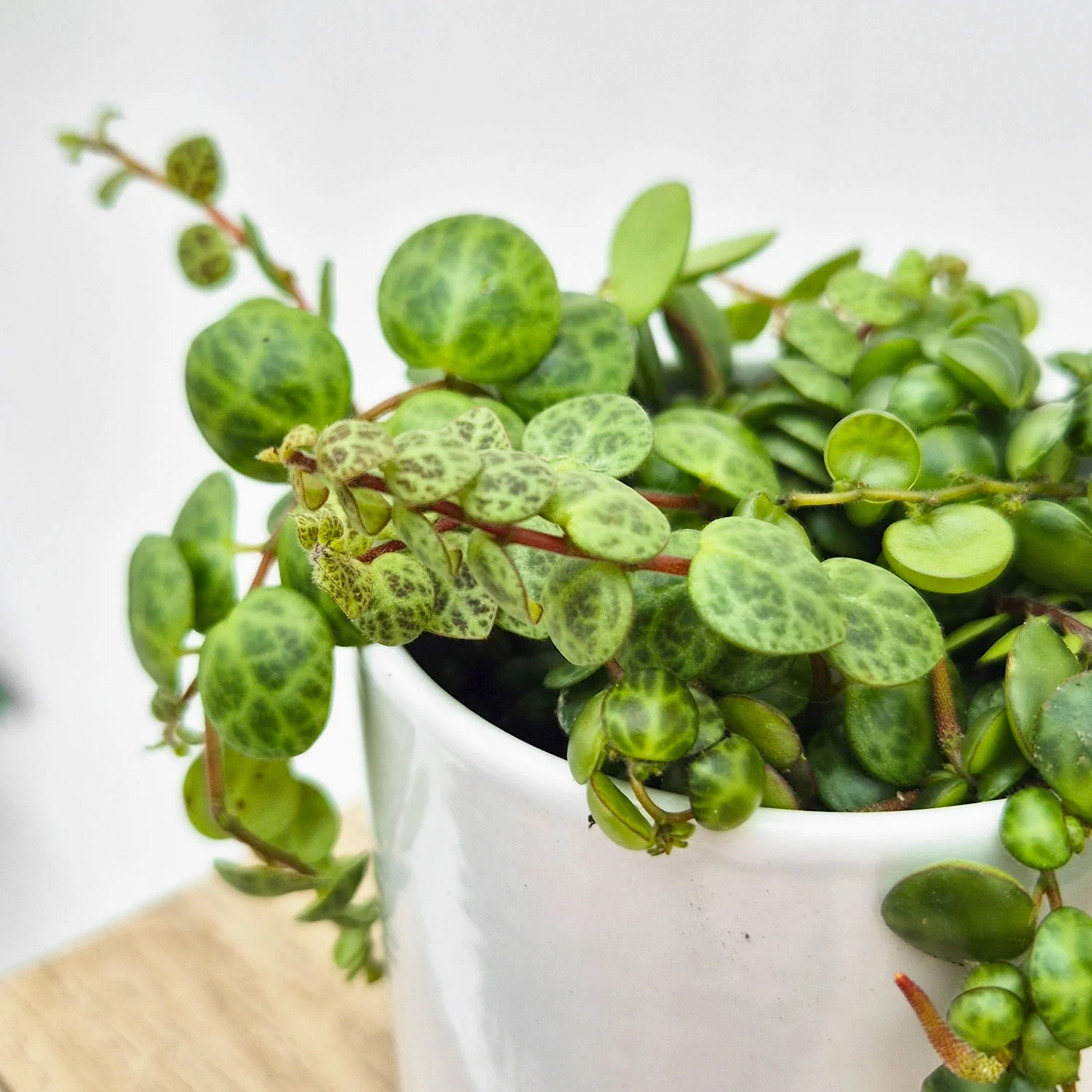
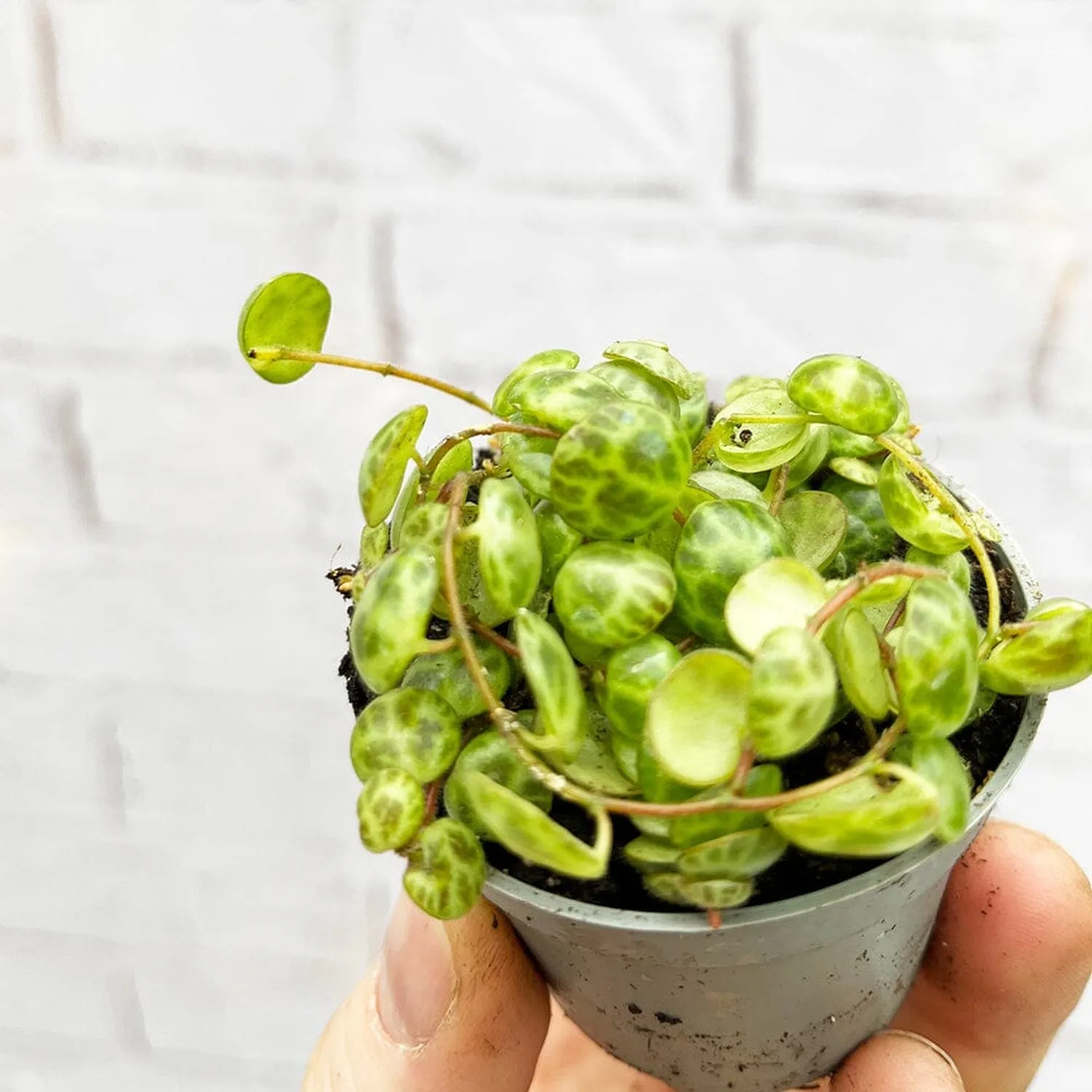
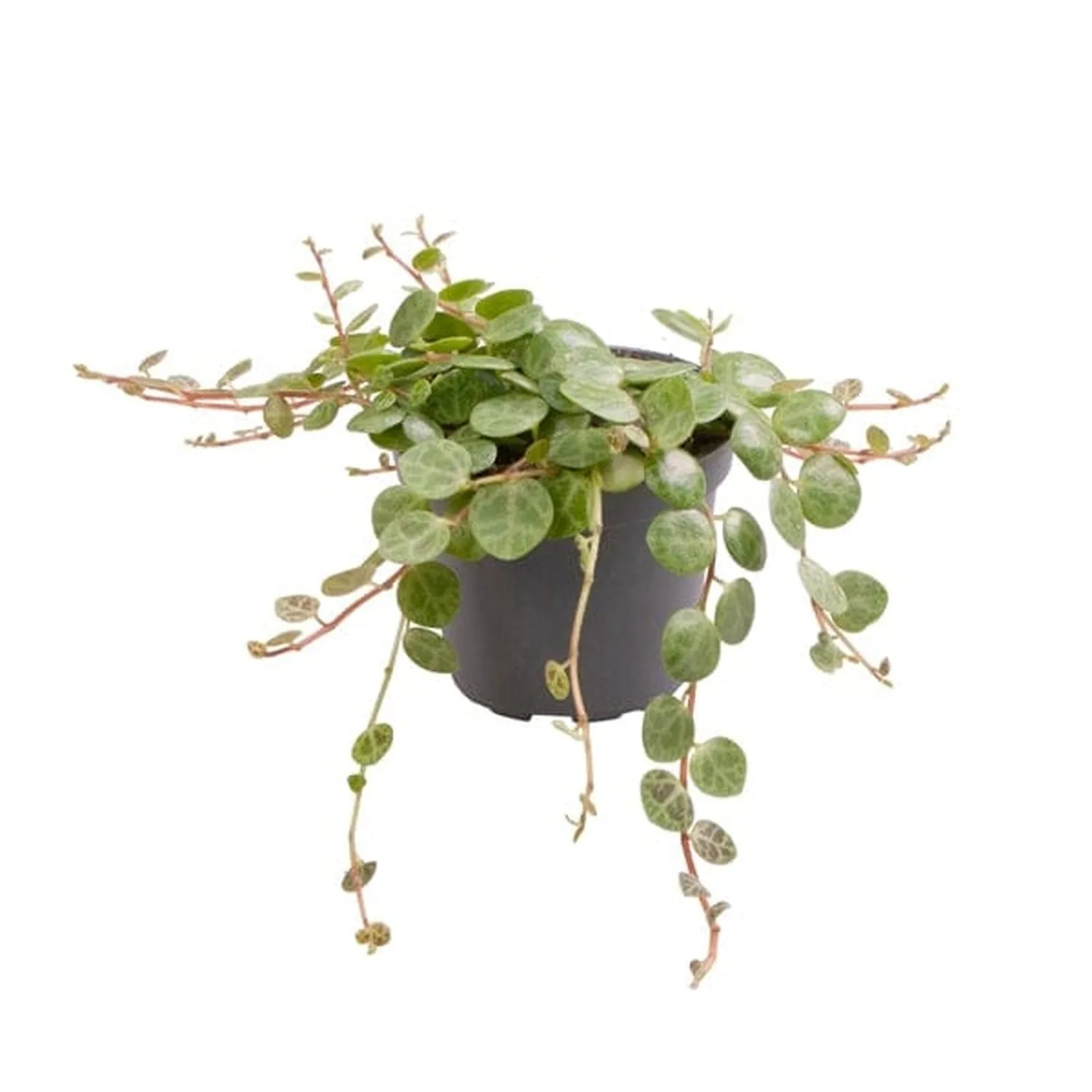
Peperomia prostrata, commonly known as String of Turtles, is a charming trailing plant admired for its tiny, round leaves patterned like miniature turtle shells.
Native to South America, this semi-succulent species forms delicate cascading stems covered in coin-shaped foliage marked with intricate light and dark green veining. Its compact growth and unique texture make it perfect for shelves, hanging planters or terrariums.
Despite its delicate appearance, it’s relatively easy to care for once you understand its watering needs.
Key Features
-
🌿 Small, round “turtle shell” patterned leaves
-
🌿 Trailing, cascading growth
-
🌿 Compact and slow-growing
-
🌿 Semi-succulent foliage
-
🌿 Ideal for shelves and hanging pots
Care Guide
Light
Bright, indirect light is best.
-
East- or west-facing windows are ideal
-
Avoid harsh direct sunlight
-
Too little light may cause leggy growth and faded patterns
Bright conditions keep the leaf markings bold and defined.
Watering
Peperomia prostrata prefers to dry slightly between waterings.
-
Allow the top half of the soil to dry out
-
Water thoroughly, then allow excess to drain
-
Reduce watering in winter
As a semi-succulent, it stores some moisture in its leaves and is more tolerant of slight underwatering than overwatering.
Overwatering is the most common cause of root rot.
Humidity
Adapts well to average UK home humidity.
-
Ideal range: 40–60%
-
Does not require high humidity
-
Avoid very dry air in winter
Unlike Calatheas, it is not particularly fussy about humidity.
Temperature
-
Ideal: 18–24°C
-
Avoid temperatures below 15°C
-
Keep away from cold draughts
Stable indoor warmth suits it well.
Soil & Potting Mix
Use a free-draining mix:
-
Peat-free houseplant compost
-
Perlite
-
Orchid bark or coarse sand
Good drainage is essential to prevent root rot.
Feeding
Feed lightly during spring and summer:
-
Balanced liquid fertiliser every 4–6 weeks
-
Dilute to half strength
-
Do not feed in winter
Overfeeding can cause soft growth.
Growth Habit
-
Trailing and cascading
-
Stems can grow 30cm+ in length
-
Slow to moderate growth rate
Pinching back stems encourages bushier growth.
Propagation
Very easy to propagate:
-
Take stem cuttings with a few leaves
-
Root in water or directly in soil
-
Keep warm and lightly moist
Roots typically develop within 2–4 weeks.
Common Problems
Shrivelled leaves
-
Underwatering
Yellow, soft leaves
-
Overwatering
Leggy growth
-
Insufficient light
Leaf drop
-
Sudden temperature change
Styling Ideas
-
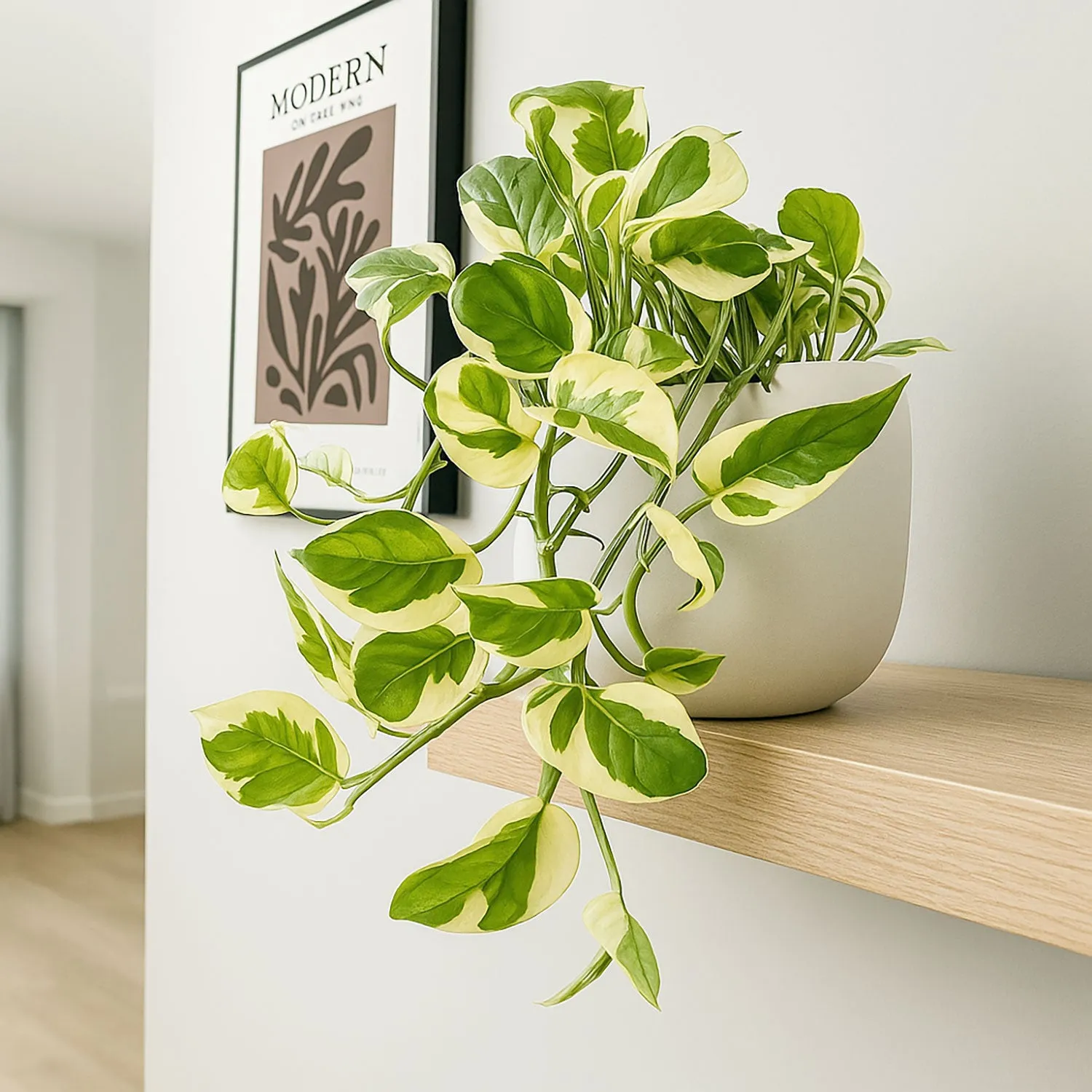
Perfect for hanging planters
-
Beautiful cascading from shelves
-
Ideal for terrariums
-
Pairs well with other trailing plants
Its fine texture contrasts beautifully with larger-leaved plants.
Toxicity
Peperomia prostrata is generally considered non-toxic to pets, making it a safer choice for homes with cats and dogs.
Original: $7.91
-70%$7.91
$2.37Product Information
Product Information
Shipping & Returns
Shipping & Returns
Description
Peperomia prostrata, commonly known as String of Turtles, is a charming trailing plant admired for its tiny, round leaves patterned like miniature turtle shells.
Native to South America, this semi-succulent species forms delicate cascading stems covered in coin-shaped foliage marked with intricate light and dark green veining. Its compact growth and unique texture make it perfect for shelves, hanging planters or terrariums.
Despite its delicate appearance, it’s relatively easy to care for once you understand its watering needs.
Key Features
-
🌿 Small, round “turtle shell” patterned leaves
-
🌿 Trailing, cascading growth
-
🌿 Compact and slow-growing
-
🌿 Semi-succulent foliage
-
🌿 Ideal for shelves and hanging pots
Care Guide
Light
Bright, indirect light is best.
-
East- or west-facing windows are ideal
-
Avoid harsh direct sunlight
-
Too little light may cause leggy growth and faded patterns
Bright conditions keep the leaf markings bold and defined.
Watering
Peperomia prostrata prefers to dry slightly between waterings.
-
Allow the top half of the soil to dry out
-
Water thoroughly, then allow excess to drain
-
Reduce watering in winter
As a semi-succulent, it stores some moisture in its leaves and is more tolerant of slight underwatering than overwatering.
Overwatering is the most common cause of root rot.
Humidity
Adapts well to average UK home humidity.
-
Ideal range: 40–60%
-
Does not require high humidity
-
Avoid very dry air in winter
Unlike Calatheas, it is not particularly fussy about humidity.
Temperature
-
Ideal: 18–24°C
-
Avoid temperatures below 15°C
-
Keep away from cold draughts
Stable indoor warmth suits it well.
Soil & Potting Mix
Use a free-draining mix:
-
Peat-free houseplant compost
-
Perlite
-
Orchid bark or coarse sand
Good drainage is essential to prevent root rot.
Feeding
Feed lightly during spring and summer:
-
Balanced liquid fertiliser every 4–6 weeks
-
Dilute to half strength
-
Do not feed in winter
Overfeeding can cause soft growth.
Growth Habit
-
Trailing and cascading
-
Stems can grow 30cm+ in length
-
Slow to moderate growth rate
Pinching back stems encourages bushier growth.
Propagation
Very easy to propagate:
-
Take stem cuttings with a few leaves
-
Root in water or directly in soil
-
Keep warm and lightly moist
Roots typically develop within 2–4 weeks.
Common Problems
Shrivelled leaves
-
Underwatering
Yellow, soft leaves
-
Overwatering
Leggy growth
-
Insufficient light
Leaf drop
-
Sudden temperature change
Styling Ideas
-
Perfect for hanging planters
-
Beautiful cascading from shelves
-
Ideal for terrariums
-
Pairs well with other trailing plants
Its fine texture contrasts beautifully with larger-leaved plants.
Toxicity
Peperomia prostrata is generally considered non-toxic to pets, making it a safer choice for homes with cats and dogs.