
Philodendron Prince of Orange House Plant 6cm Pot
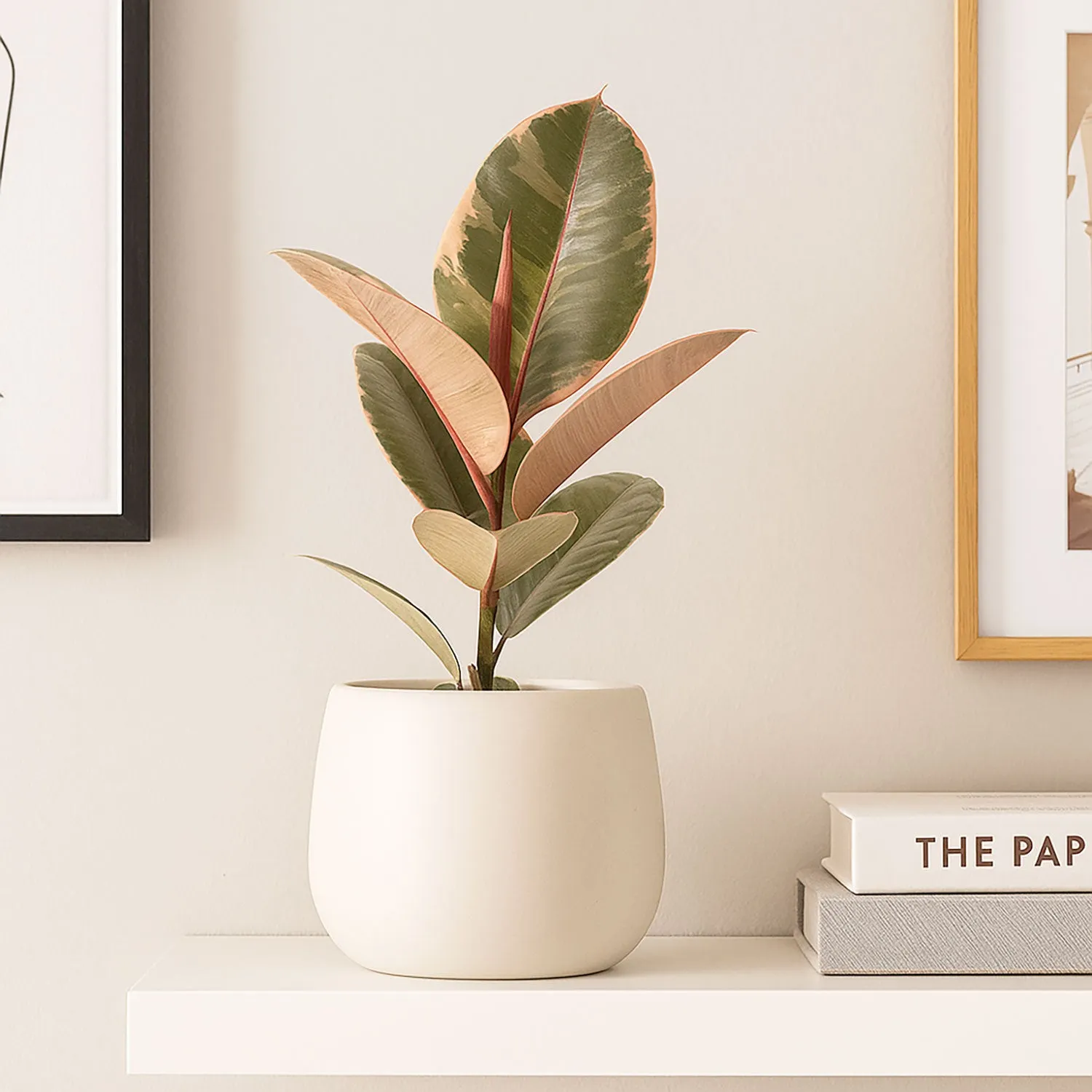
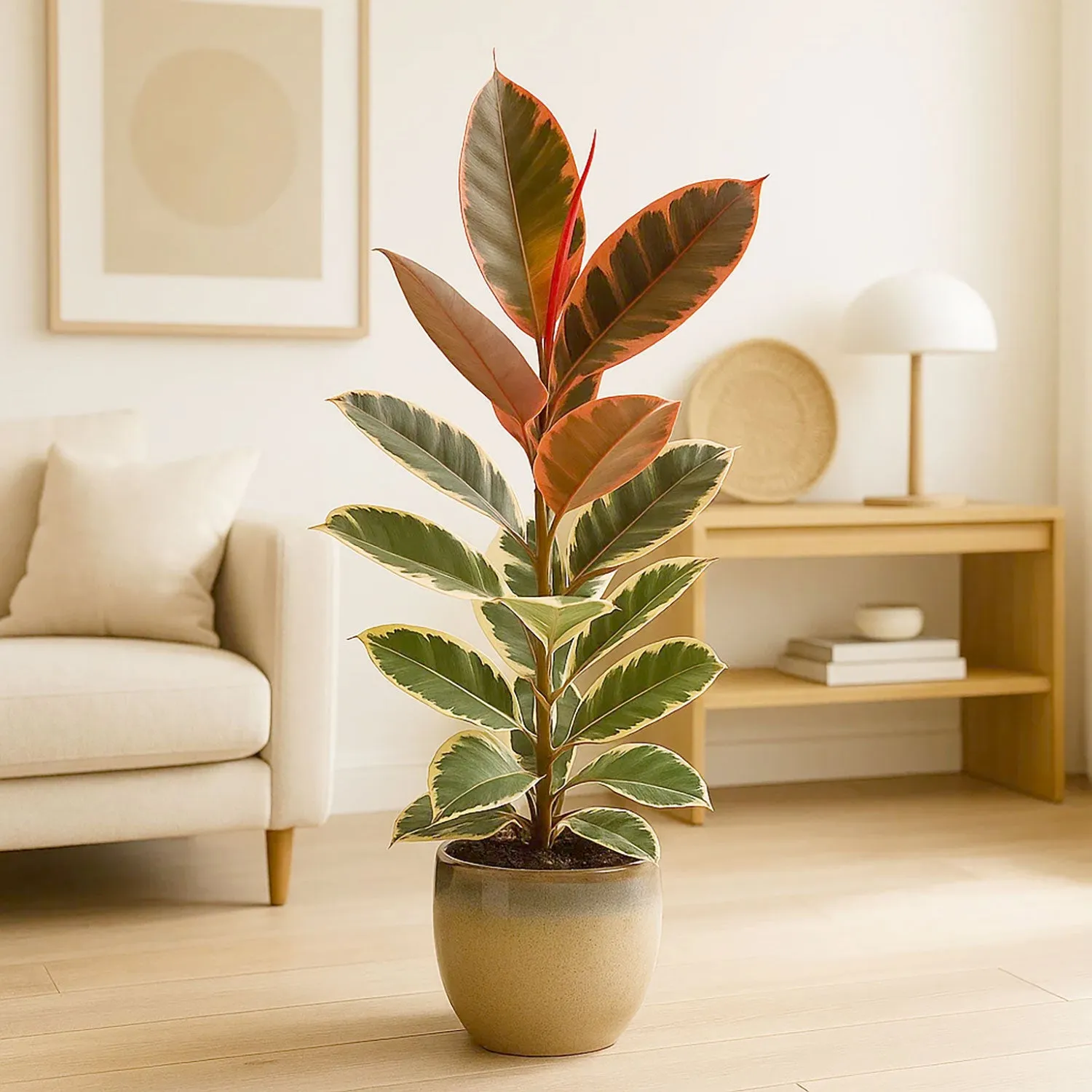
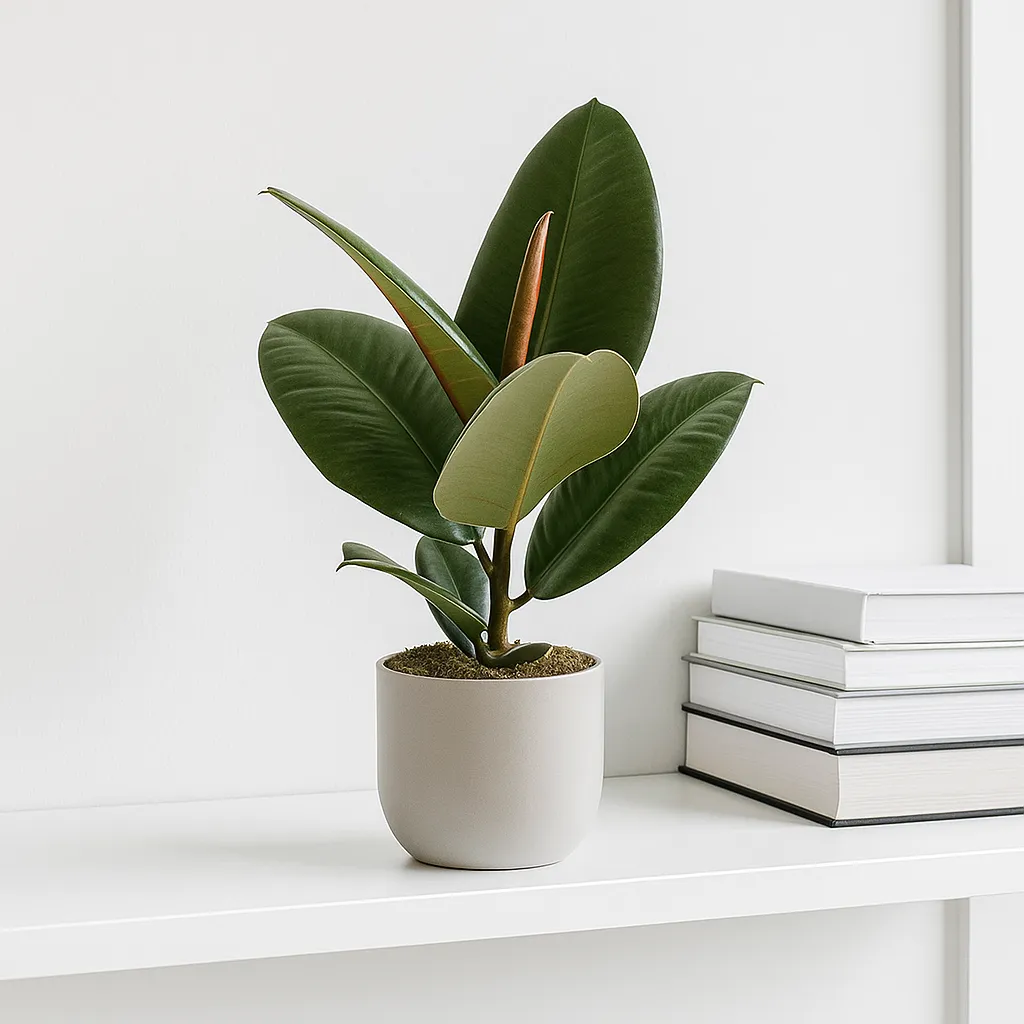
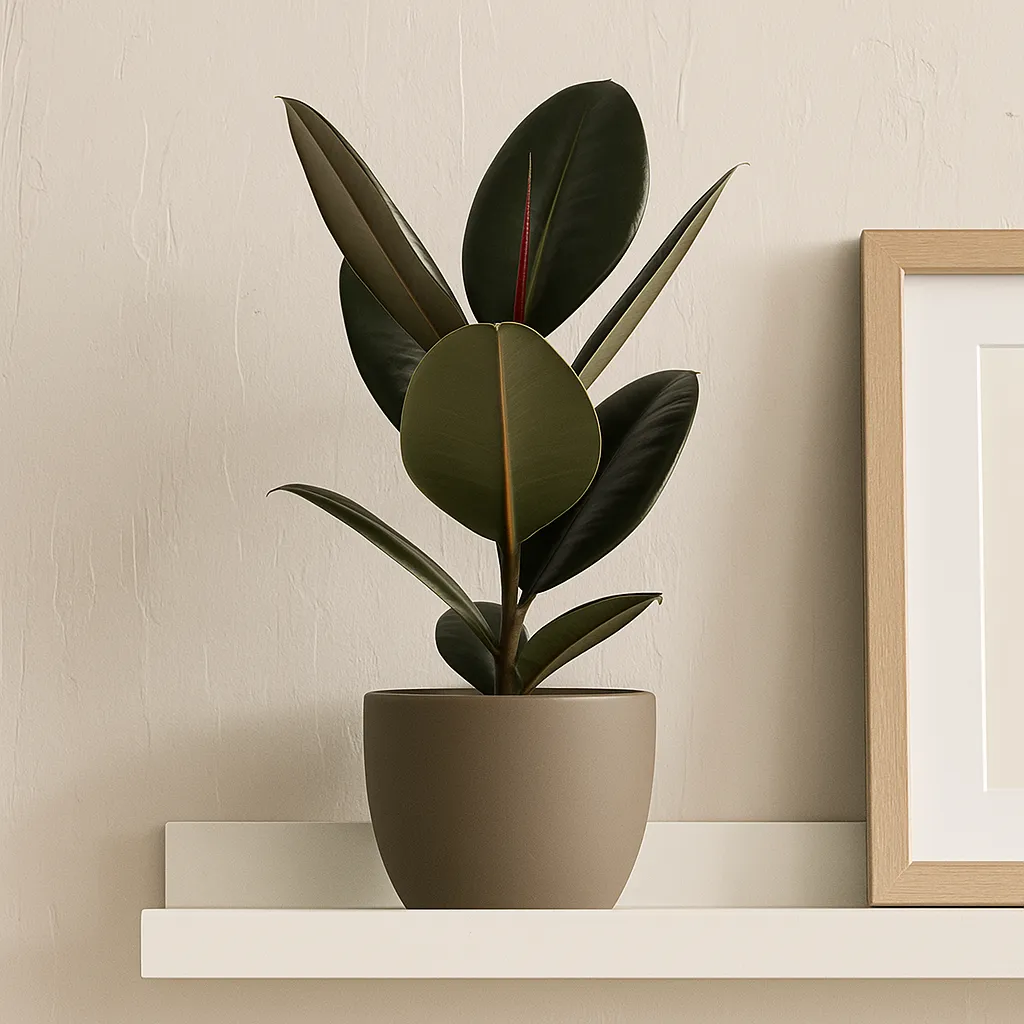
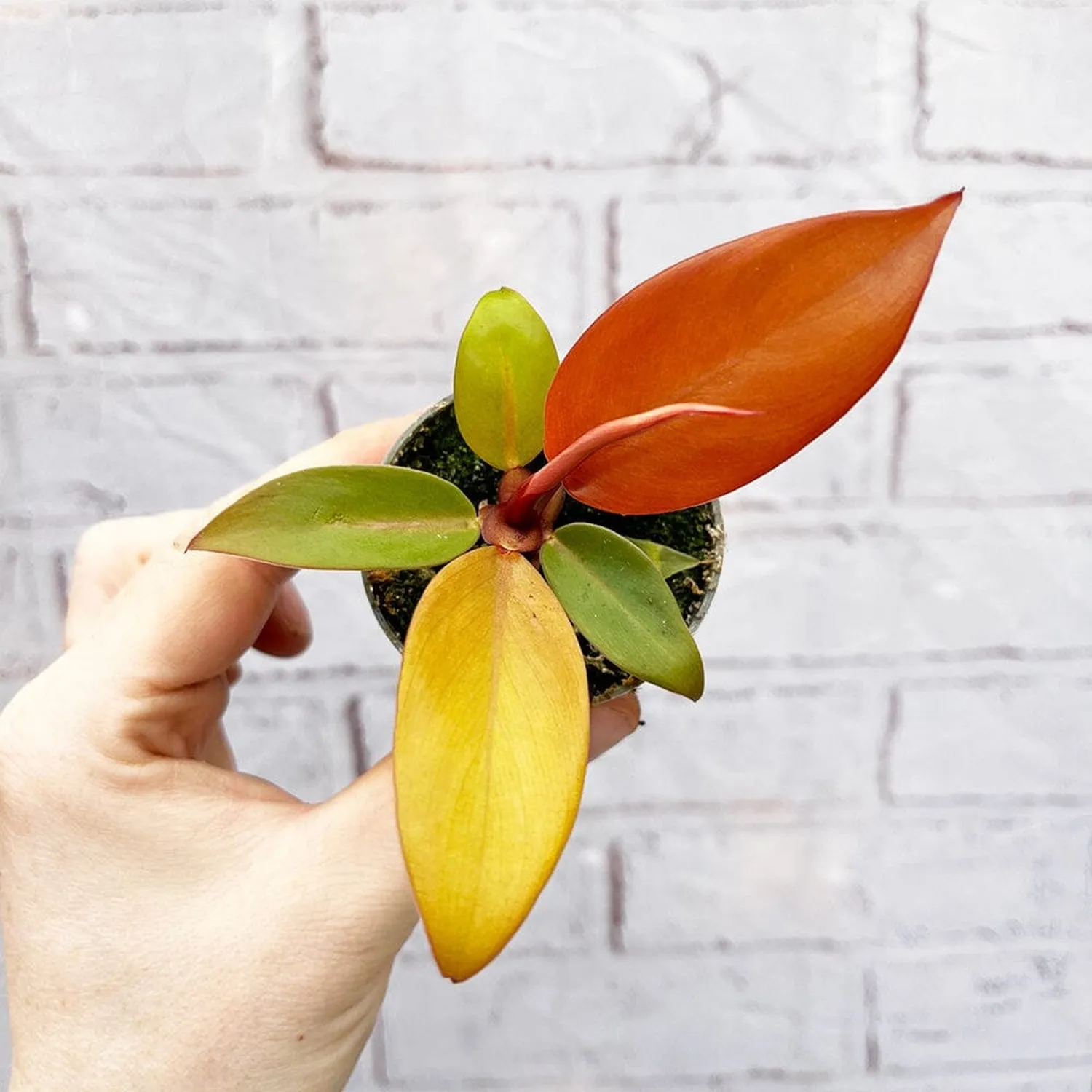
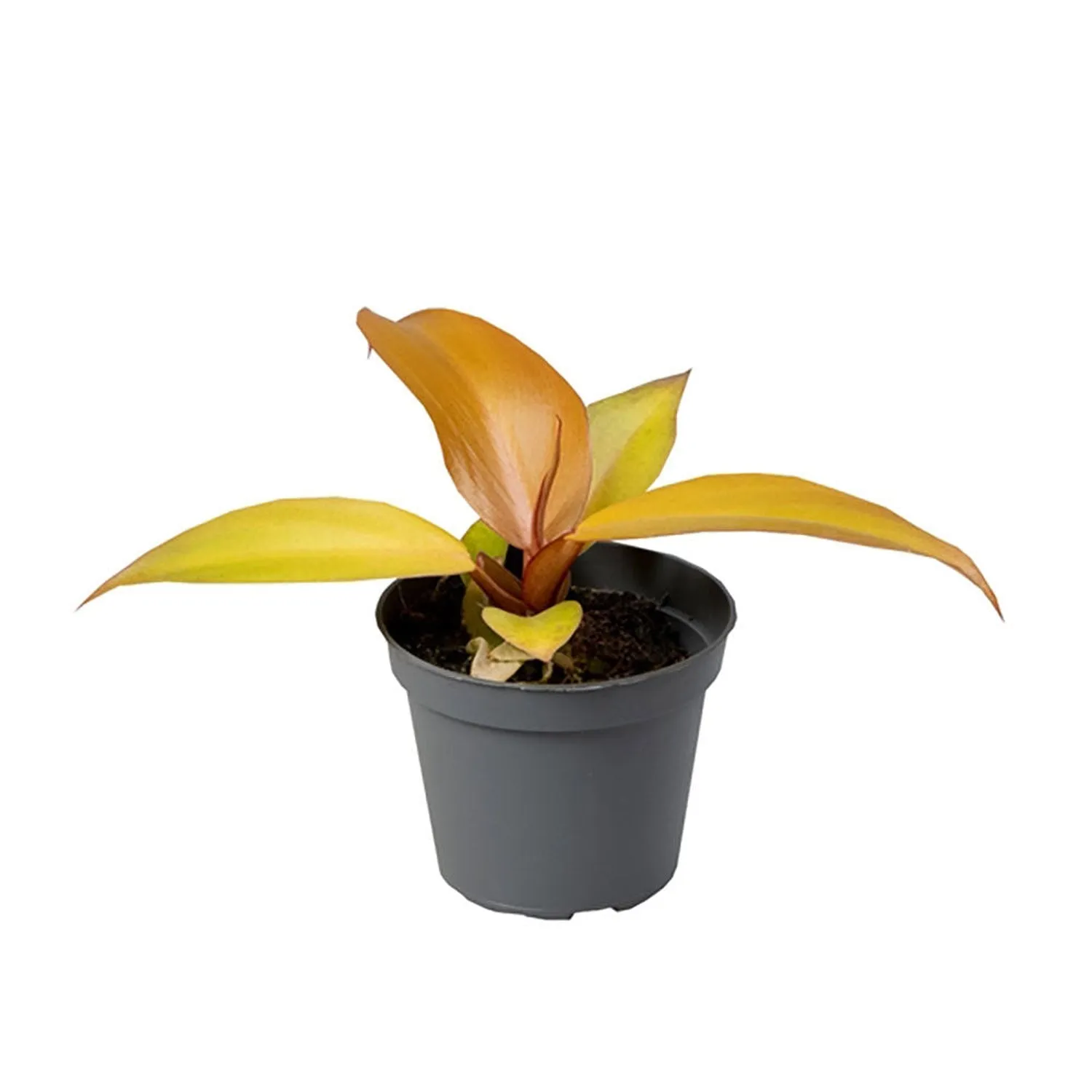
Philodendron ‘Prince of Orange’ is a bold, colour-changing hybrid prized for its vibrant new growth. Unlike trailing philodendrons, this variety grows in a compact, self-heading rosette form.
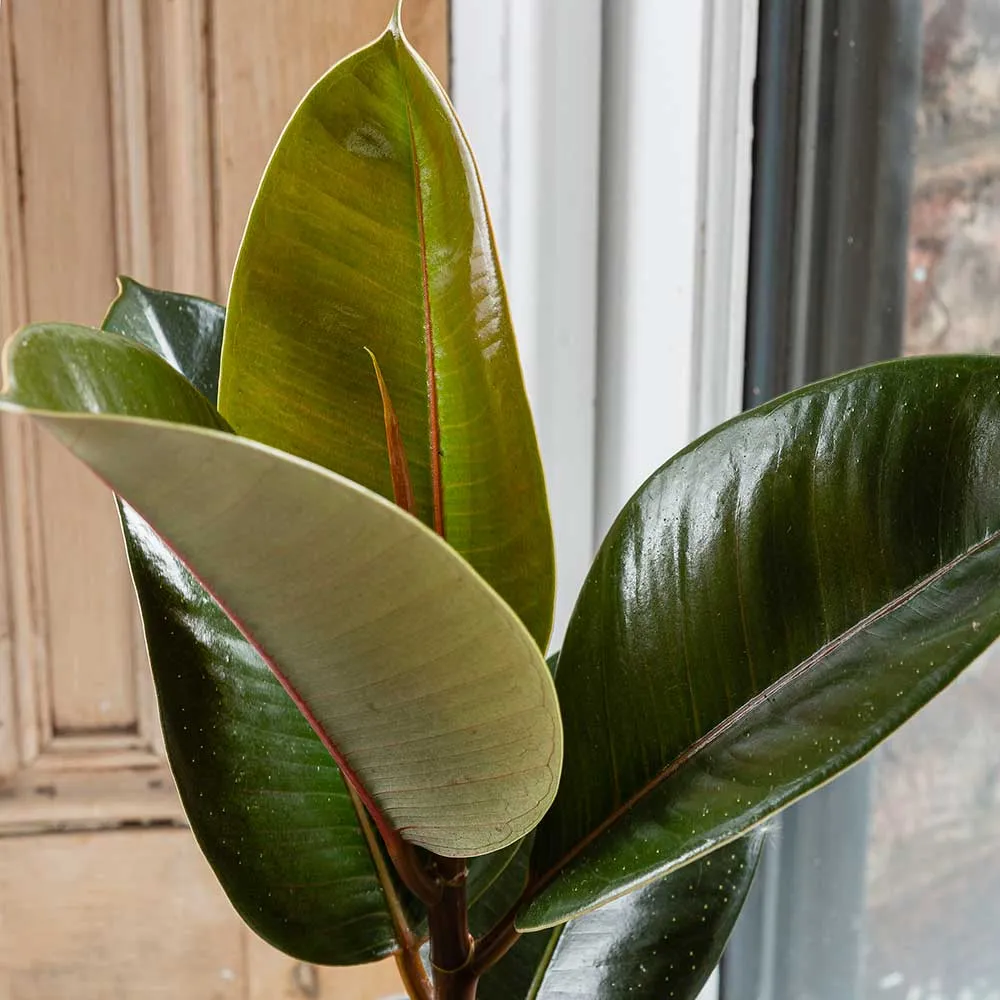
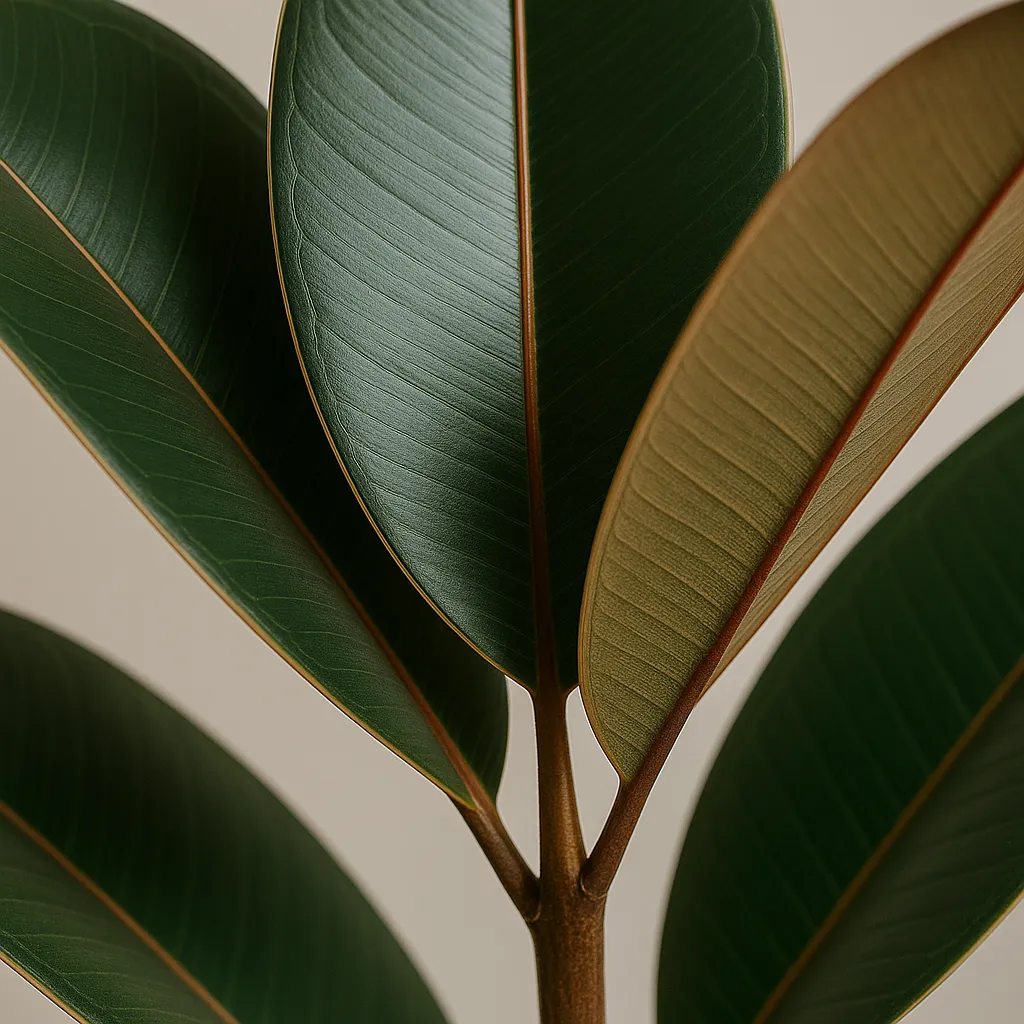
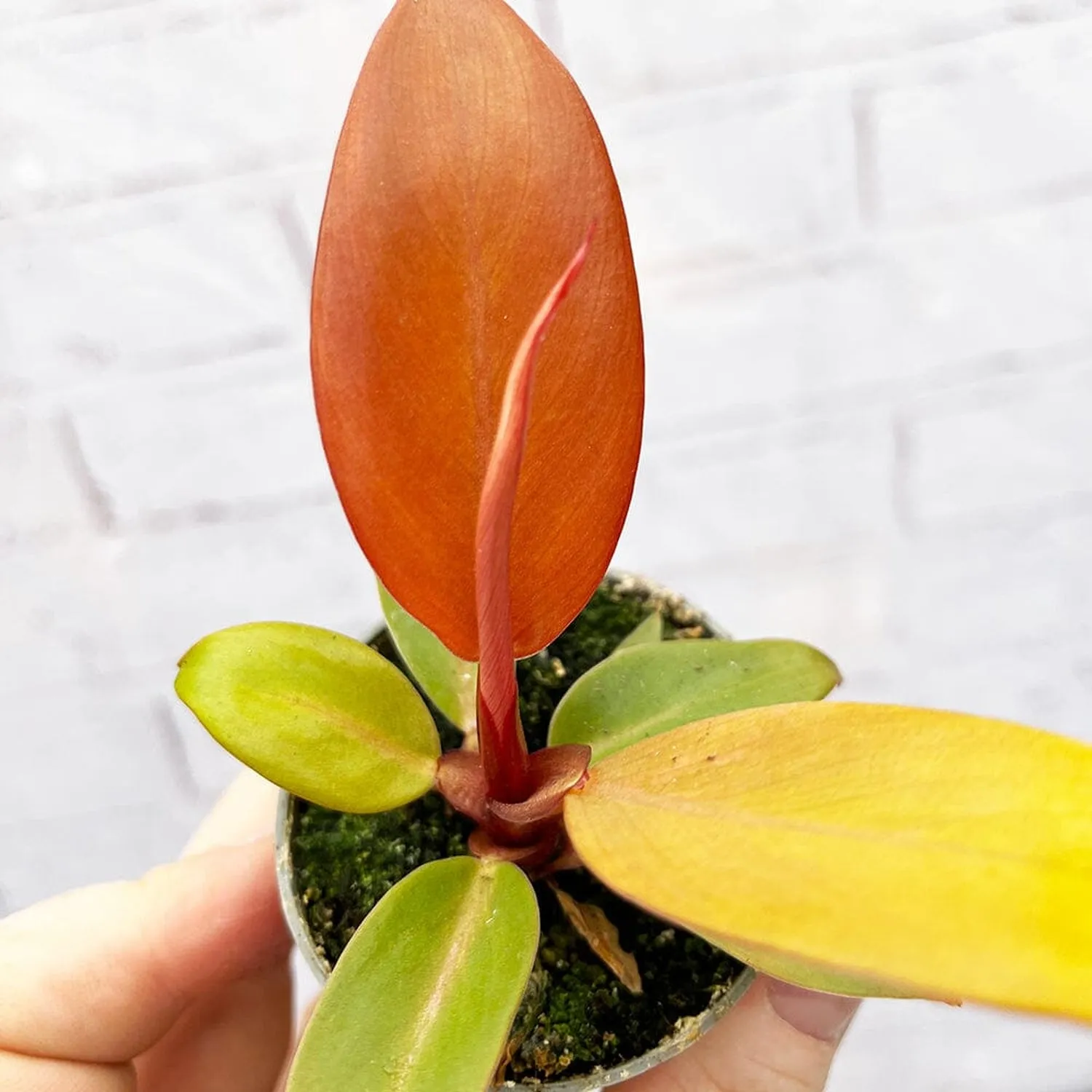
New leaves emerge in bright coppery orange before gradually maturing through shades of apricot and golden tones to deep green. This constant colour transition means the plant displays multiple warm hues at once, creating a rich, layered look.
A cultivar within the Philodendron family, ‘Prince of Orange’ is relatively easy to care for and makes a striking focal point in any indoor space.
Key Features
-
🌿 Bright orange new growth
-
🌿 Leaves mature from copper to green
-
🌿 Compact, upright rosette growth
-
🌿 Non-climbing (self-heading) variety
-
🌿 Bold tropical statement plant
Care Guide
Light
Bright, indirect light is ideal.
-
Thrives near east or west-facing windows
-
Avoid harsh direct sunlight
-
Too little light may dull orange tones
Brighter light encourages richer colour development.
Watering
Allow the top 3–5cm of soil to dry before watering.
-
Spring/Summer: Water roughly every 7–10 days
-
Autumn/Winter: Reduce frequency
Important:
-
Use a pot with drainage holes
-
Avoid leaving roots sitting in water
Philodendrons prefer lightly moist soil but tolerate slight drying between waterings.
Humidity
Prefers moderate humidity.
-
Ideal range: 50–70%
-
Adapts to average UK homes
-
Benefits from increased humidity during winter
Higher humidity can encourage larger leaves.
Temperature
-
Ideal: 18–28°C
-
Avoid temperatures below 15°C
-
Protect from draughts
Stable warmth keeps growth consistent.
Soil & Potting Mix
Use a well-draining aroid mix:
-
Peat-free houseplant compost
-
Perlite
-
Orchid bark
Good airflow around roots prevents rot.
Feeding
Feed during active growth (March–September):
-
Balanced liquid fertiliser every 2–4 weeks
-
Reduce feeding in winter
Avoid overfeeding to prevent leaf tip burn.
Growth Habit
-
Upright, clump-forming
-
Typically reaches 40–60cm tall
-
New leaves emerge from the centre
It does not climb, making it ideal for tabletops or plant stands.
Propagation
Best propagated by division if offsets form.
Unlike vining philodendrons, it cannot be easily propagated from simple stem cuttings.
Propagation is usually done by experienced growers.
Common Problems
Yellow leaves
-
Overwatering
Dull colour
-
Insufficient light
Brown edges
-
Low humidity
Slow growth
-
Cool temperatures or low light
Styling Ideas
-
Beautiful centrepiece on a plant stand
-
Pairs well with deep green foliage plants
-
Looks stunning in white or terracotta pots
-
Adds warmth to minimalist interiors
Its shifting orange tones make it a standout plant for colourful foliage collections.
Toxicity
Like other philodendrons, it is toxic if ingested by pets or humans. Keep out of reach of cats and dogs.
Original: $7.91
-70%$7.91
$2.37Product Information
Product Information
Shipping & Returns
Shipping & Returns
Description
Philodendron ‘Prince of Orange’ is a bold, colour-changing hybrid prized for its vibrant new growth. Unlike trailing philodendrons, this variety grows in a compact, self-heading rosette form.
New leaves emerge in bright coppery orange before gradually maturing through shades of apricot and golden tones to deep green. This constant colour transition means the plant displays multiple warm hues at once, creating a rich, layered look.
A cultivar within the Philodendron family, ‘Prince of Orange’ is relatively easy to care for and makes a striking focal point in any indoor space.
Key Features
-
🌿 Bright orange new growth
-
🌿 Leaves mature from copper to green
-
🌿 Compact, upright rosette growth
-
🌿 Non-climbing (self-heading) variety
-
🌿 Bold tropical statement plant
Care Guide
Light
Bright, indirect light is ideal.
-
Thrives near east or west-facing windows
-
Avoid harsh direct sunlight
-
Too little light may dull orange tones
Brighter light encourages richer colour development.
Watering
Allow the top 3–5cm of soil to dry before watering.
-
Spring/Summer: Water roughly every 7–10 days
-
Autumn/Winter: Reduce frequency
Important:
-
Use a pot with drainage holes
-
Avoid leaving roots sitting in water
Philodendrons prefer lightly moist soil but tolerate slight drying between waterings.
Humidity
Prefers moderate humidity.
-
Ideal range: 50–70%
-
Adapts to average UK homes
-
Benefits from increased humidity during winter
Higher humidity can encourage larger leaves.
Temperature
-
Ideal: 18–28°C
-
Avoid temperatures below 15°C
-
Protect from draughts
Stable warmth keeps growth consistent.
Soil & Potting Mix
Use a well-draining aroid mix:
-
Peat-free houseplant compost
-
Perlite
-
Orchid bark
Good airflow around roots prevents rot.
Feeding
Feed during active growth (March–September):
-
Balanced liquid fertiliser every 2–4 weeks
-
Reduce feeding in winter
Avoid overfeeding to prevent leaf tip burn.
Growth Habit
-
Upright, clump-forming
-
Typically reaches 40–60cm tall
-
New leaves emerge from the centre
It does not climb, making it ideal for tabletops or plant stands.
Propagation
Best propagated by division if offsets form.
Unlike vining philodendrons, it cannot be easily propagated from simple stem cuttings.
Propagation is usually done by experienced growers.
Common Problems
Yellow leaves
-
Overwatering
Dull colour
-
Insufficient light
Brown edges
-
Low humidity
Slow growth
-
Cool temperatures or low light
Styling Ideas
-
Beautiful centrepiece on a plant stand
-
Pairs well with deep green foliage plants
-
Looks stunning in white or terracotta pots
-
Adds warmth to minimalist interiors
Its shifting orange tones make it a standout plant for colourful foliage collections.
Toxicity
Like other philodendrons, it is toxic if ingested by pets or humans. Keep out of reach of cats and dogs.