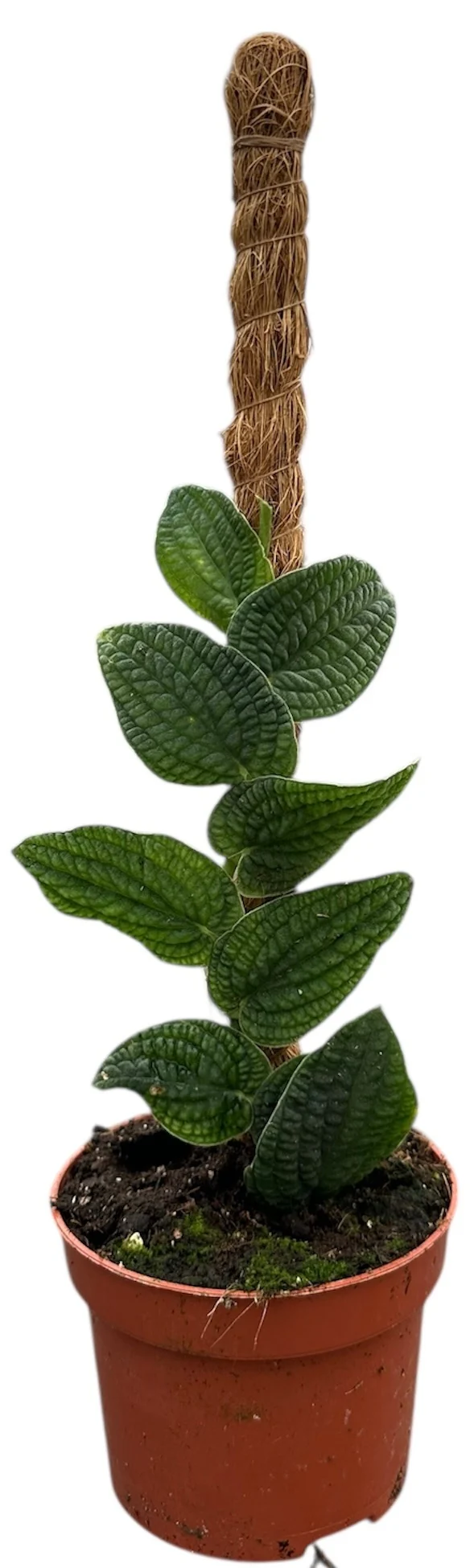
Rhaphidophora Tenuis Silver 10.5cm Pot 10.5cm Height House Plant
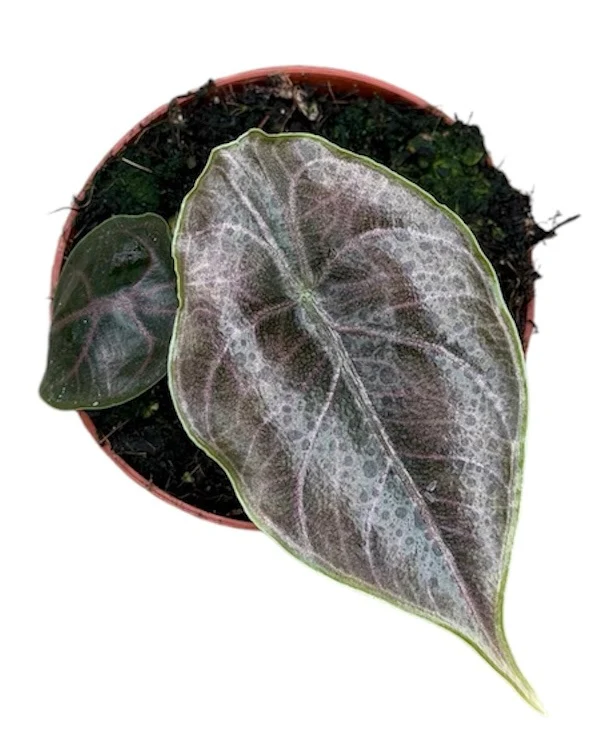
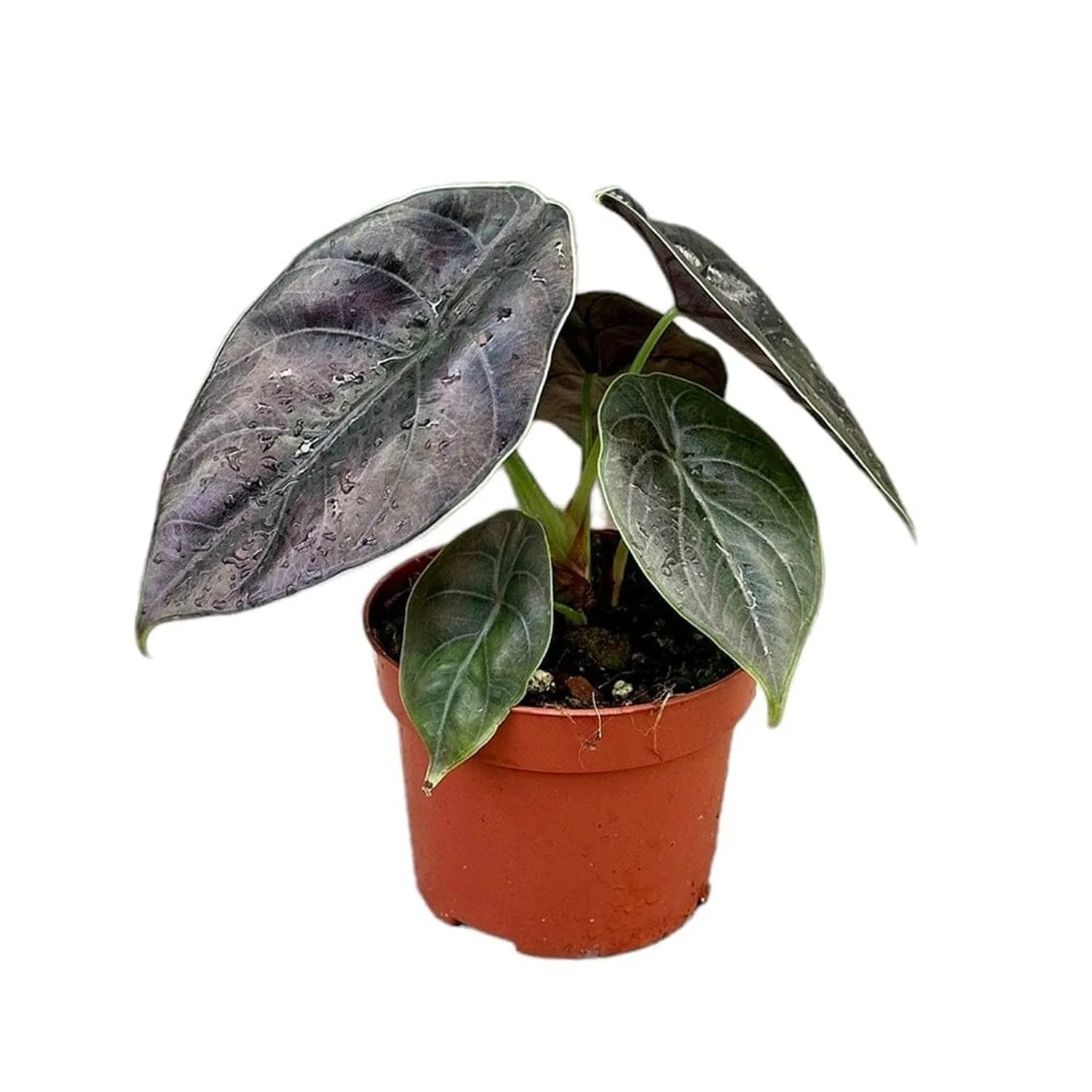
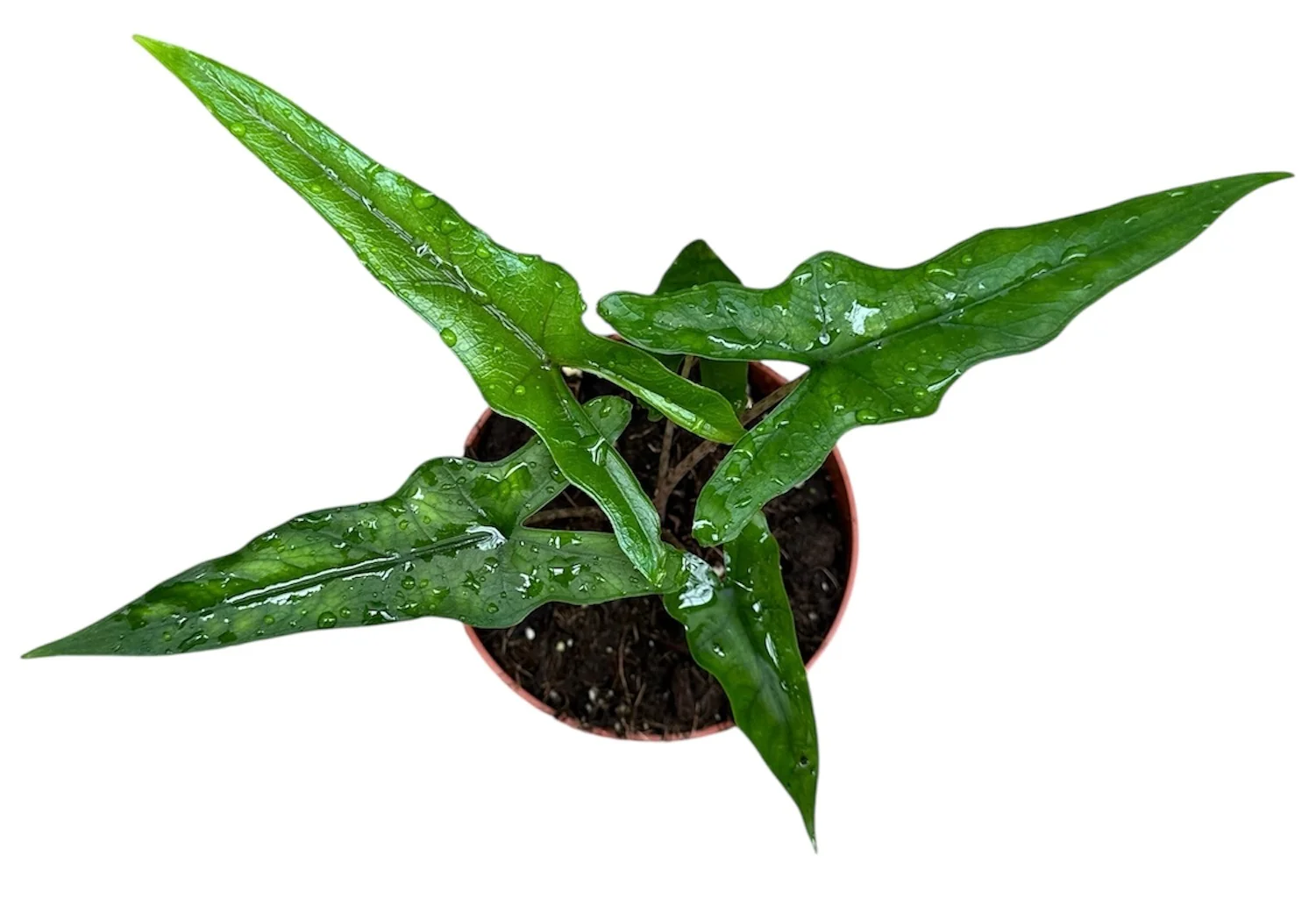
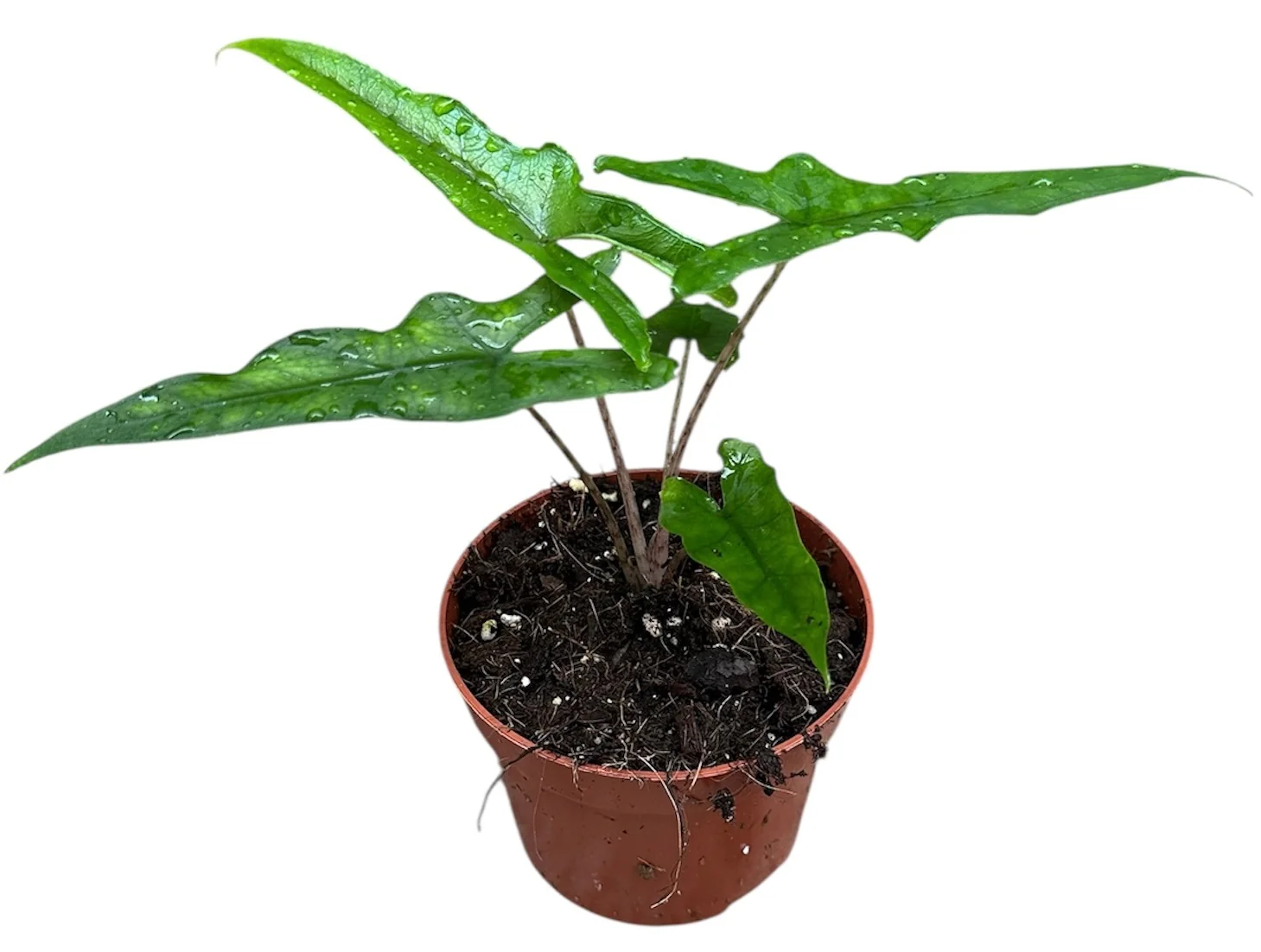
Rhaphidophora tenuis ‘Silver’ is a highly sought-after aroid admired for its elongated, narrow leaves washed with a cool silvery sheen and its refined, climbing growth habit. Elegant rather than bold, it offers a modern, architectural look that suits collectors who enjoy plants with subtle texture and movement. Native to tropical Southeast Asia, it grows naturally as a climber, attaching itself to trees where it receives bright, filtered light, warmth and regular humidity.
Plant Description
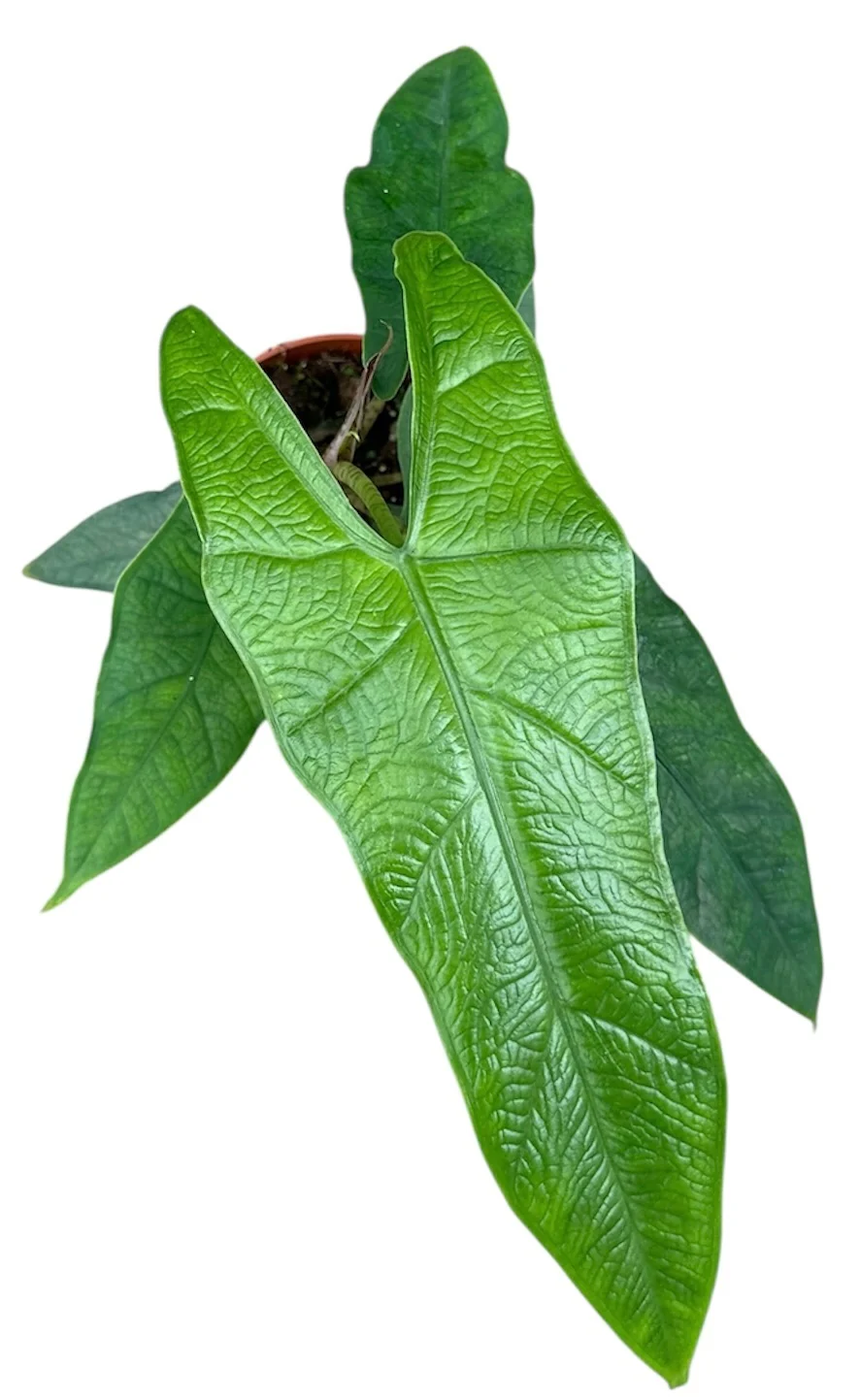
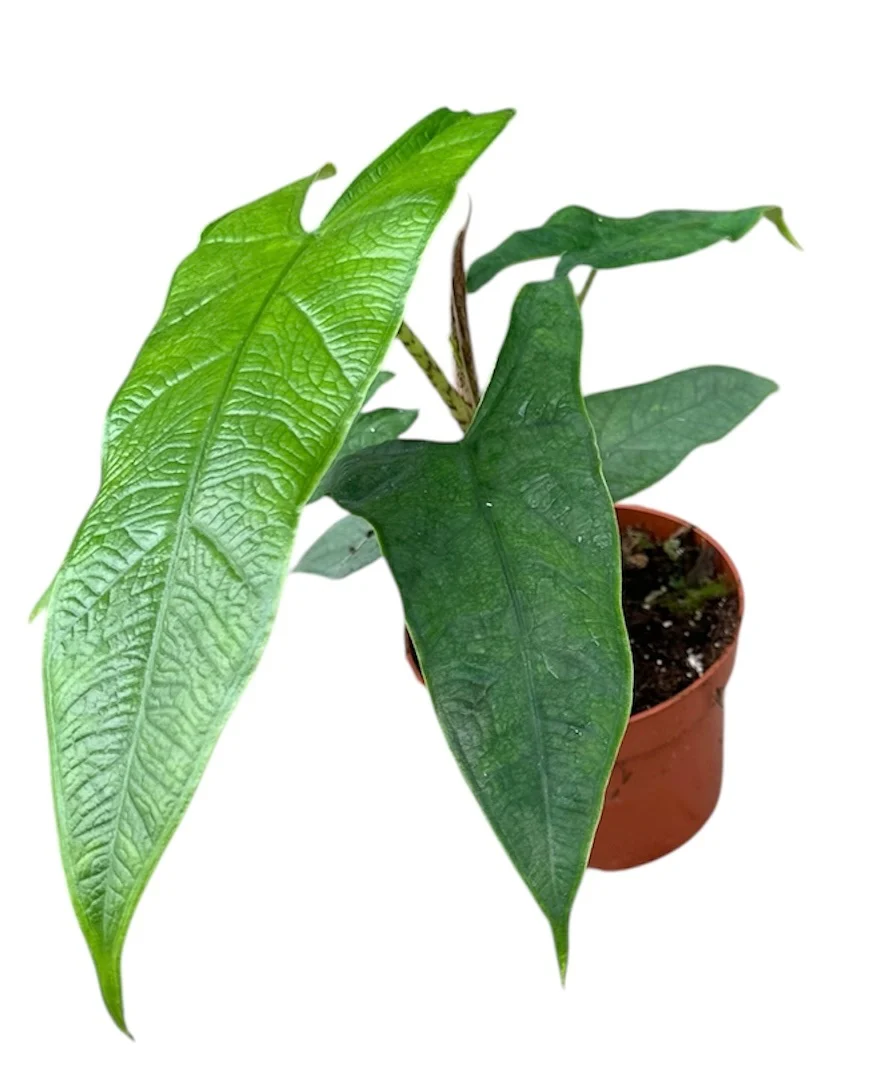
This plant produces long, slender leaves that are noticeably narrower than many other aroids. The foliage has a soft metallic or silvery overlay, often strongest on mature leaves and most pronounced in bright, indirect light. Leaf texture is smooth and slightly leathery, with a graceful taper towards the tip.
Rhaphidophora tenuis ‘Silver’ is a true climber, producing long internodes and aerial roots that naturally seek support. When grown up a moss pole or plank, the leaves tend to size up slightly and display more structure. Left unsupported, it will trail, but the foliage usually looks its best when allowed to climb.
This species is grown almost entirely for its foliage; flowering indoors is rare and not a primary feature.
Light Requirements
Bright, indirect light is essential to maintain strong growth and enhance the silver tones of the leaves. An east-facing window or a bright position set back from a south- or west-facing window works well.
Direct sunlight should be avoided, as it can scorch the narrow leaves and dull the silvery finish. In low light, growth becomes slower, internodes stretch, and the foliage may appear greener and less defined.
Watering
Rhaphidophora tenuis ‘Silver’ prefers a balanced watering routine, staying lightly moist but never saturated. Allow the top few centimetres of the growing medium to dry out between waterings, then water thoroughly and let excess moisture drain away.
During spring and summer, watering will be more regular as the plant actively grows. In autumn and winter, reduce watering and allow the compost to dry slightly more between waterings. Prolonged wet soil can lead to root rot, while extended dryness may cause leaf curling or limp growth.
Temperature & Humidity
This plant thrives in warm, stable temperatures, ideally between 18–28°C. It should be kept away from cold draughts, unheated rooms and chilly windows in winter. Temperatures below 15°C can slow growth and cause stress.
Humidity plays an important role in leaf quality. Moderate to high humidity encourages smoother leaves and more vigorous growth. While it can adapt to average household humidity, it performs best when humidity is consistently above 50%. Higher humidity should always be paired with good airflow.
Soil & Potting
A well-draining yet moisture-retentive aroid mix is ideal. The roots appreciate airflow but should not dry out too quickly. A mix containing peat-free compost or coco coir, perlite or pumice, and a small amount of orchid bark works well.
Choose a pot with good drainage and avoid oversizing. Repot only when the plant becomes root-bound, ideally during the growing season. Providing a moss pole or climbing support early helps establish a strong growth pattern.
Feeding
Feed lightly during the growing season. From spring through late summer, apply a balanced houseplant fertiliser at half strength every four to six weeks. Overfeeding can lead to overly soft growth and reduced leaf quality.
Do not feed during autumn and winter when growth slows.
Pruning & Training
Minimal pruning is required. Remove only damaged or unwanted growth using clean tools. Training the plant up a moss pole, plank or trellis encourages tidier growth and improves leaf presentation.
Aerial roots can be gently guided into the support or left free; they help stabilise the plant and improve nutrient uptake when in contact with a moist surface.
Common Issues & Sensitivities
Leggy growth usually indicates insufficient light. Yellowing leaves may point to overwatering or poor drainage, while curling or limp leaves often signal underwatering or low humidity. The plant is generally resilient if its basic needs are met.
Pests are uncommon but can include spider mites in very dry conditions, making humidity management important.
Propagation
Propagation is done via stem cuttings with at least one node. Cuttings can be rooted in water or in a well-aerated propagation mix. Warmth, humidity and bright indirect light encourage rooting, which typically occurs within a few weeks.
Overall Care Summary
Rhaphidophora tenuis ‘Silver’ is an elegant, collector-focused aroid that rewards bright indirect light, consistent moisture and climbing support. It is not difficult, but it does require stability and patience to reach its full potential. When grown well, it becomes a striking vertical feature with refined, silvery foliage and a distinctly contemporary feel.
Original: $26.38
-70%$26.38
$7.91Product Information
Product Information
Shipping & Returns
Shipping & Returns
Description
Rhaphidophora tenuis ‘Silver’ is a highly sought-after aroid admired for its elongated, narrow leaves washed with a cool silvery sheen and its refined, climbing growth habit. Elegant rather than bold, it offers a modern, architectural look that suits collectors who enjoy plants with subtle texture and movement. Native to tropical Southeast Asia, it grows naturally as a climber, attaching itself to trees where it receives bright, filtered light, warmth and regular humidity.
Plant Description
This plant produces long, slender leaves that are noticeably narrower than many other aroids. The foliage has a soft metallic or silvery overlay, often strongest on mature leaves and most pronounced in bright, indirect light. Leaf texture is smooth and slightly leathery, with a graceful taper towards the tip.
Rhaphidophora tenuis ‘Silver’ is a true climber, producing long internodes and aerial roots that naturally seek support. When grown up a moss pole or plank, the leaves tend to size up slightly and display more structure. Left unsupported, it will trail, but the foliage usually looks its best when allowed to climb.
This species is grown almost entirely for its foliage; flowering indoors is rare and not a primary feature.
Light Requirements
Bright, indirect light is essential to maintain strong growth and enhance the silver tones of the leaves. An east-facing window or a bright position set back from a south- or west-facing window works well.
Direct sunlight should be avoided, as it can scorch the narrow leaves and dull the silvery finish. In low light, growth becomes slower, internodes stretch, and the foliage may appear greener and less defined.
Watering
Rhaphidophora tenuis ‘Silver’ prefers a balanced watering routine, staying lightly moist but never saturated. Allow the top few centimetres of the growing medium to dry out between waterings, then water thoroughly and let excess moisture drain away.
During spring and summer, watering will be more regular as the plant actively grows. In autumn and winter, reduce watering and allow the compost to dry slightly more between waterings. Prolonged wet soil can lead to root rot, while extended dryness may cause leaf curling or limp growth.
Temperature & Humidity
This plant thrives in warm, stable temperatures, ideally between 18–28°C. It should be kept away from cold draughts, unheated rooms and chilly windows in winter. Temperatures below 15°C can slow growth and cause stress.
Humidity plays an important role in leaf quality. Moderate to high humidity encourages smoother leaves and more vigorous growth. While it can adapt to average household humidity, it performs best when humidity is consistently above 50%. Higher humidity should always be paired with good airflow.
Soil & Potting
A well-draining yet moisture-retentive aroid mix is ideal. The roots appreciate airflow but should not dry out too quickly. A mix containing peat-free compost or coco coir, perlite or pumice, and a small amount of orchid bark works well.
Choose a pot with good drainage and avoid oversizing. Repot only when the plant becomes root-bound, ideally during the growing season. Providing a moss pole or climbing support early helps establish a strong growth pattern.
Feeding
Feed lightly during the growing season. From spring through late summer, apply a balanced houseplant fertiliser at half strength every four to six weeks. Overfeeding can lead to overly soft growth and reduced leaf quality.
Do not feed during autumn and winter when growth slows.
Pruning & Training
Minimal pruning is required. Remove only damaged or unwanted growth using clean tools. Training the plant up a moss pole, plank or trellis encourages tidier growth and improves leaf presentation.
Aerial roots can be gently guided into the support or left free; they help stabilise the plant and improve nutrient uptake when in contact with a moist surface.
Common Issues & Sensitivities
Leggy growth usually indicates insufficient light. Yellowing leaves may point to overwatering or poor drainage, while curling or limp leaves often signal underwatering or low humidity. The plant is generally resilient if its basic needs are met.
Pests are uncommon but can include spider mites in very dry conditions, making humidity management important.
Propagation
Propagation is done via stem cuttings with at least one node. Cuttings can be rooted in water or in a well-aerated propagation mix. Warmth, humidity and bright indirect light encourage rooting, which typically occurs within a few weeks.
Overall Care Summary
Rhaphidophora tenuis ‘Silver’ is an elegant, collector-focused aroid that rewards bright indirect light, consistent moisture and climbing support. It is not difficult, but it does require stability and patience to reach its full potential. When grown well, it becomes a striking vertical feature with refined, silvery foliage and a distinctly contemporary feel.