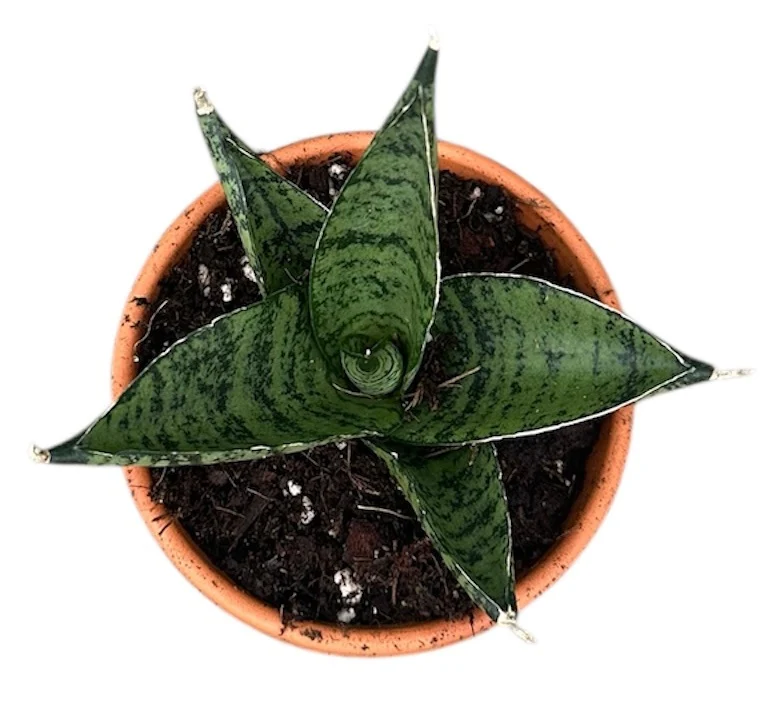
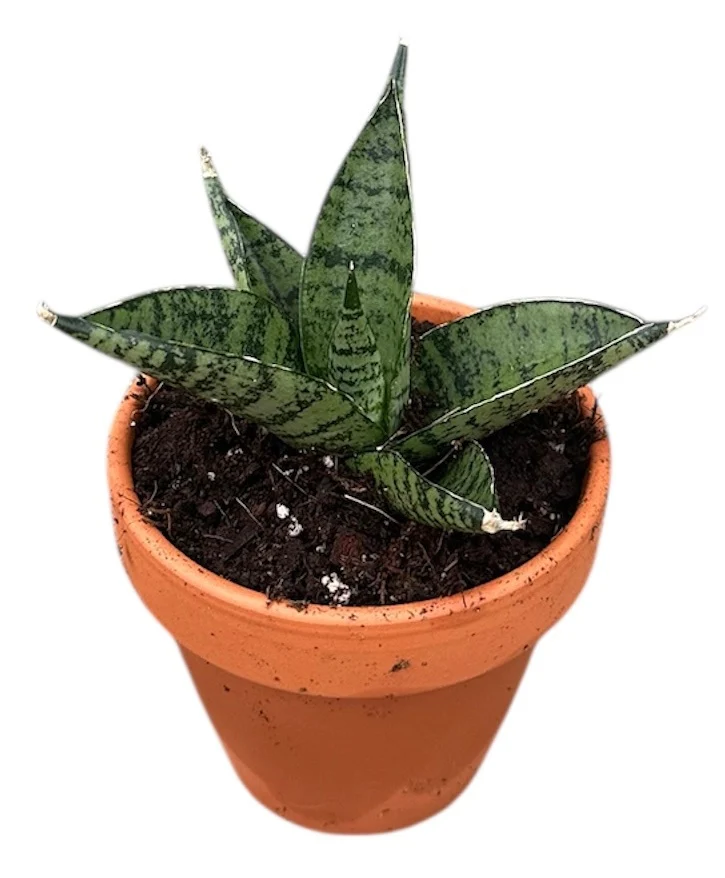
Sansevieria Pagodah Dark 8cm Pot 15cm Height House Plant
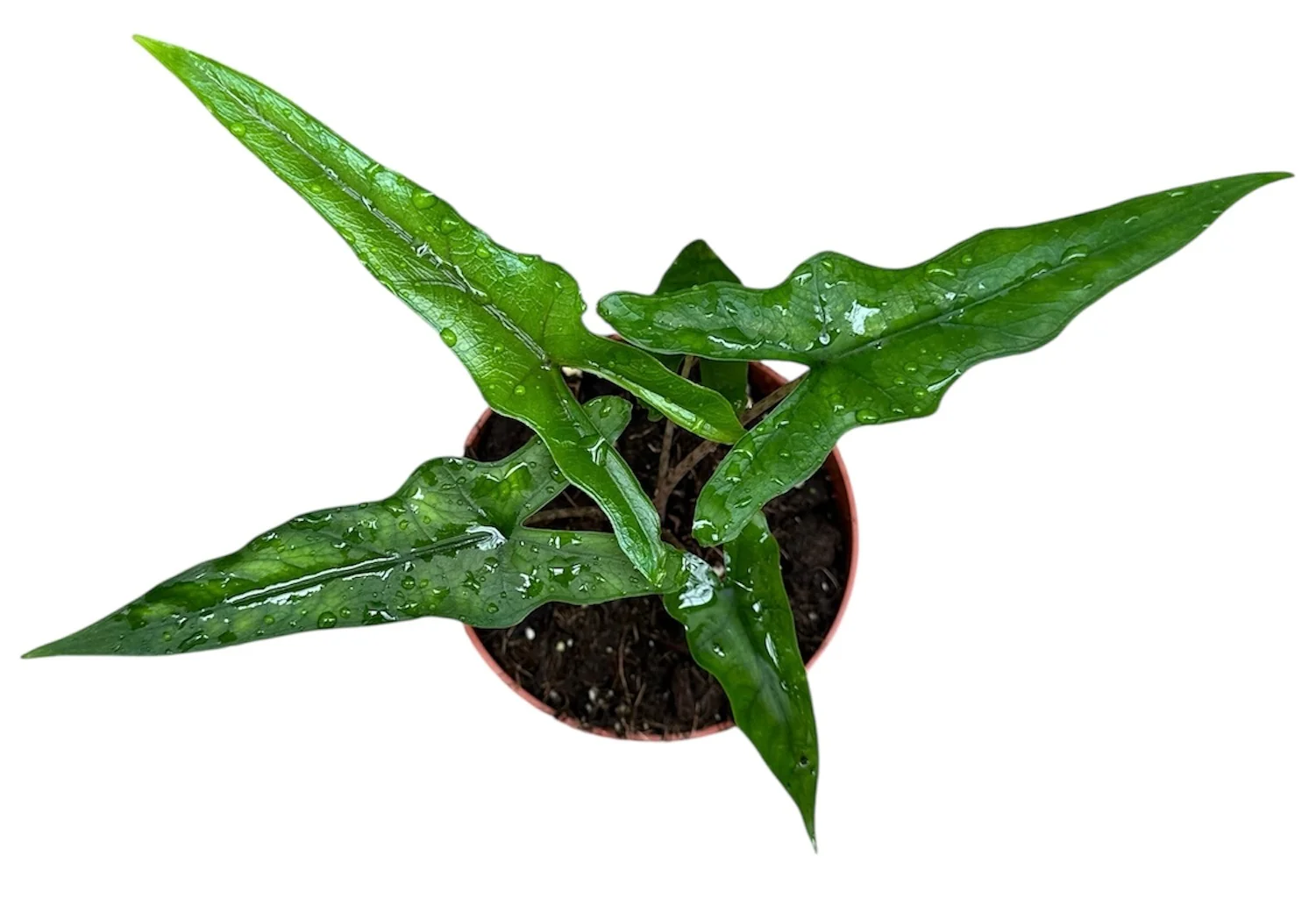
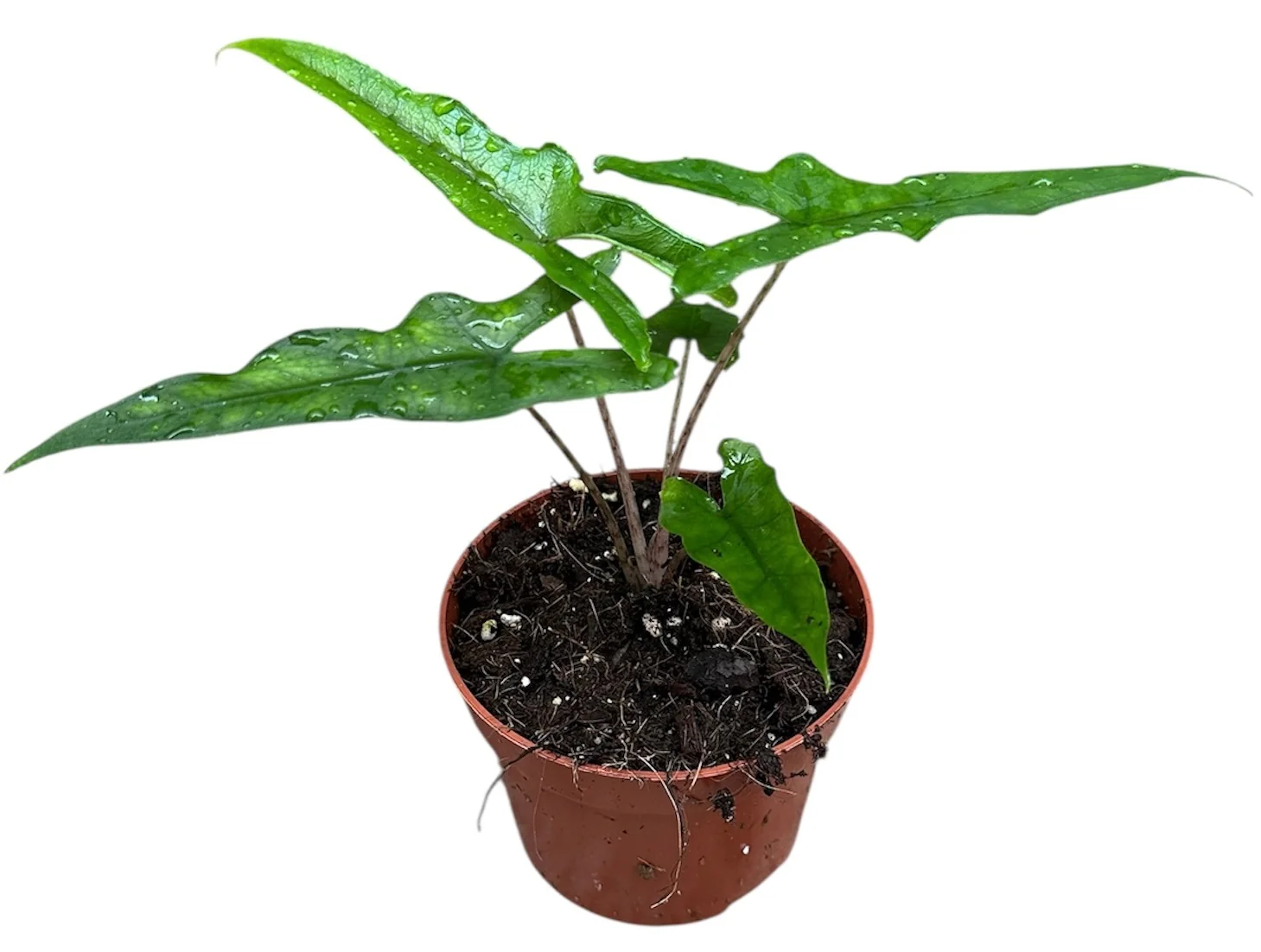
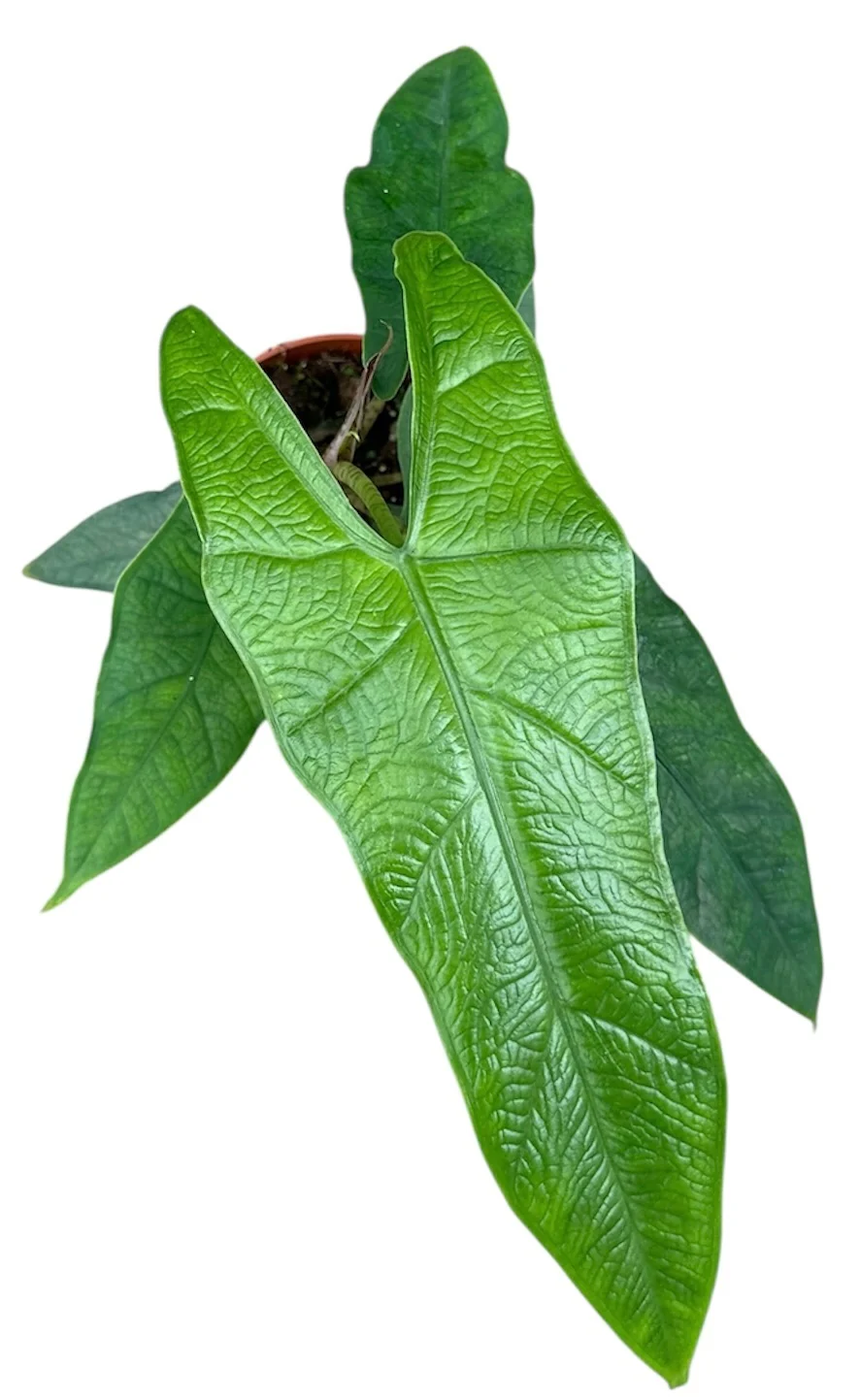
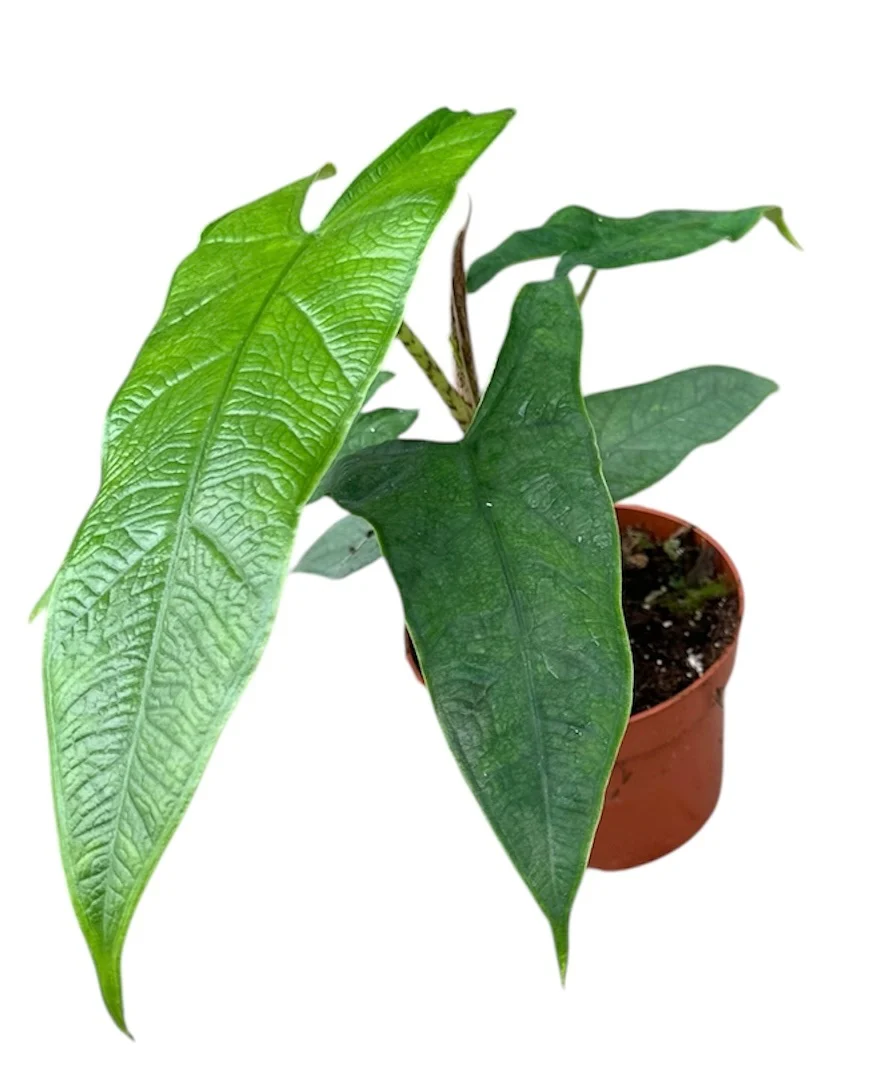
Sansevieria ‘Pagodah Dark’ is a striking, architectural succulent prized for its dramatic stacked growth, deep colouring, and sculptural form. A member of the Asparagaceae family and native to arid regions of Africa, this compact cultivar is known for its tiered, pagoda-like rosette — giving the plant its distinctive name.
The leaves are thick, triangular, and sharply pointed, arranged in tight, geometric layers that resemble a miniature pagoda tower. Their surface is typically a very dark green to near-black, often marked with subtle horizontal banding or mottled patterns that add visual depth. The matte finish and strong, symmetrical structure give ‘Pagodah Dark’ a modern, minimalist aesthetic.
Compact yet commanding, this Sansevieria is exceptionally hardy, highly ornamental, and ideal for collectors who appreciate structured, slow-growing succulents with a bold silhouette.
Sansevieria ‘Pagodah Dark’ – Care Guide
Light
Extremely adaptable. Thrives in bright, indirect light but also tolerates lower light levels better than most plants. Strong light will deepen its dark colouring and encourage tighter stacking. Avoid harsh midday sun, which can scorch the leaves.
Watering
Allow the soil to dry out completely between waterings. As a succulent, ‘Pagodah Dark’ prefers infrequent watering and is highly sensitive to overwatering. In winter, water sparingly — often once every 3–5 weeks depending on your environment.
Temperature and Humidity
-
Temperature: Prefers 18–30 °C. Very tolerant of warm, dry conditions. Avoid temperatures below 10 °C.
-
Humidity: Performs well in low to average household humidity; no need for added moisture.
Soil and Potting
Use a gritty, fast-draining succulent or cactus mix. A combination of coarse sand, pumice, perlite, and well-draining compost works well. Repot infrequently — every 2–3 years — as Sansevierias prefer to be slightly root-bound.
Feeding
Feed lightly every 6–8 weeks during spring and summer with a diluted cactus or succulent fertiliser. Do not feed in winter.
Pruning and Maintenance
Minimal maintenance required. Remove old or damaged leaves at the base. Wipe leaves occasionally to maintain their rich, dark sheen.
Growth and Maturity
A slow grower that typically reaches 20–35 cm in height. Over time, it may form pups at the base that can develop into a dense cluster of pagoda-like rosettes.
Common Issues
-
Soft, mushy leaves: Overwatering.
-
Pale leaves or stretching: Insufficient light.
-
Brown tips: Natural or caused by underwatering; not usually harmful.
-
Pests: Rare, but may occasionally attract mealybugs.
Background and Benefits
Sansevieria ‘Pagodah Dark’ is beloved for its sculptural shape and almost indestructible nature. Its geometric tiers and rich, dark tones make it a favourite for modern interiors, minimalist spaces, and collectors who appreciate unusual structural succulents.
Highly drought-tolerant and resilient, it’s one of the best plants for beginners, offices, or low-maintenance setups — combining ease with striking ornamental value.
Quick Care Summary
Light: Bright, indirect; tolerates low
Water: Let soil dry fully; very drought-tolerant
Temperature: 18–30 °C
Humidity: Low–average
Soil: Fast-draining succulent/cactus mix
Feed: Every 6–8 weeks in growing season
Growth: 20–35 cm; stacked pagoda form
Toxicity: Toxic if ingested; keep away from pets and children
Styling Tip
Showcase Sansevieria ‘Pagodah Dark’ in a sleek concrete, black ceramic, or stone-textured pot to complement its modern, sculptural form. Place it on desks, shelves, or coffee tables where its tiered silhouette can be appreciated from all angles.
Product Information
Product Information
Shipping & Returns
Shipping & Returns
Description
Sansevieria ‘Pagodah Dark’ is a striking, architectural succulent prized for its dramatic stacked growth, deep colouring, and sculptural form. A member of the Asparagaceae family and native to arid regions of Africa, this compact cultivar is known for its tiered, pagoda-like rosette — giving the plant its distinctive name.
The leaves are thick, triangular, and sharply pointed, arranged in tight, geometric layers that resemble a miniature pagoda tower. Their surface is typically a very dark green to near-black, often marked with subtle horizontal banding or mottled patterns that add visual depth. The matte finish and strong, symmetrical structure give ‘Pagodah Dark’ a modern, minimalist aesthetic.
Compact yet commanding, this Sansevieria is exceptionally hardy, highly ornamental, and ideal for collectors who appreciate structured, slow-growing succulents with a bold silhouette.
Sansevieria ‘Pagodah Dark’ – Care Guide
Light
Extremely adaptable. Thrives in bright, indirect light but also tolerates lower light levels better than most plants. Strong light will deepen its dark colouring and encourage tighter stacking. Avoid harsh midday sun, which can scorch the leaves.
Watering
Allow the soil to dry out completely between waterings. As a succulent, ‘Pagodah Dark’ prefers infrequent watering and is highly sensitive to overwatering. In winter, water sparingly — often once every 3–5 weeks depending on your environment.
Temperature and Humidity
-
Temperature: Prefers 18–30 °C. Very tolerant of warm, dry conditions. Avoid temperatures below 10 °C.
-
Humidity: Performs well in low to average household humidity; no need for added moisture.
Soil and Potting
Use a gritty, fast-draining succulent or cactus mix. A combination of coarse sand, pumice, perlite, and well-draining compost works well. Repot infrequently — every 2–3 years — as Sansevierias prefer to be slightly root-bound.
Feeding
Feed lightly every 6–8 weeks during spring and summer with a diluted cactus or succulent fertiliser. Do not feed in winter.
Pruning and Maintenance
Minimal maintenance required. Remove old or damaged leaves at the base. Wipe leaves occasionally to maintain their rich, dark sheen.
Growth and Maturity
A slow grower that typically reaches 20–35 cm in height. Over time, it may form pups at the base that can develop into a dense cluster of pagoda-like rosettes.
Common Issues
-
Soft, mushy leaves: Overwatering.
-
Pale leaves or stretching: Insufficient light.
-
Brown tips: Natural or caused by underwatering; not usually harmful.
-
Pests: Rare, but may occasionally attract mealybugs.
Background and Benefits
Sansevieria ‘Pagodah Dark’ is beloved for its sculptural shape and almost indestructible nature. Its geometric tiers and rich, dark tones make it a favourite for modern interiors, minimalist spaces, and collectors who appreciate unusual structural succulents.
Highly drought-tolerant and resilient, it’s one of the best plants for beginners, offices, or low-maintenance setups — combining ease with striking ornamental value.
Quick Care Summary
Light: Bright, indirect; tolerates low
Water: Let soil dry fully; very drought-tolerant
Temperature: 18–30 °C
Humidity: Low–average
Soil: Fast-draining succulent/cactus mix
Feed: Every 6–8 weeks in growing season
Growth: 20–35 cm; stacked pagoda form
Toxicity: Toxic if ingested; keep away from pets and children
Styling Tip
Showcase Sansevieria ‘Pagodah Dark’ in a sleek concrete, black ceramic, or stone-textured pot to complement its modern, sculptural form. Place it on desks, shelves, or coffee tables where its tiered silhouette can be appreciated from all angles.