20 - 30cm Scindapsus Marble Queen 12cm Pot House Plant
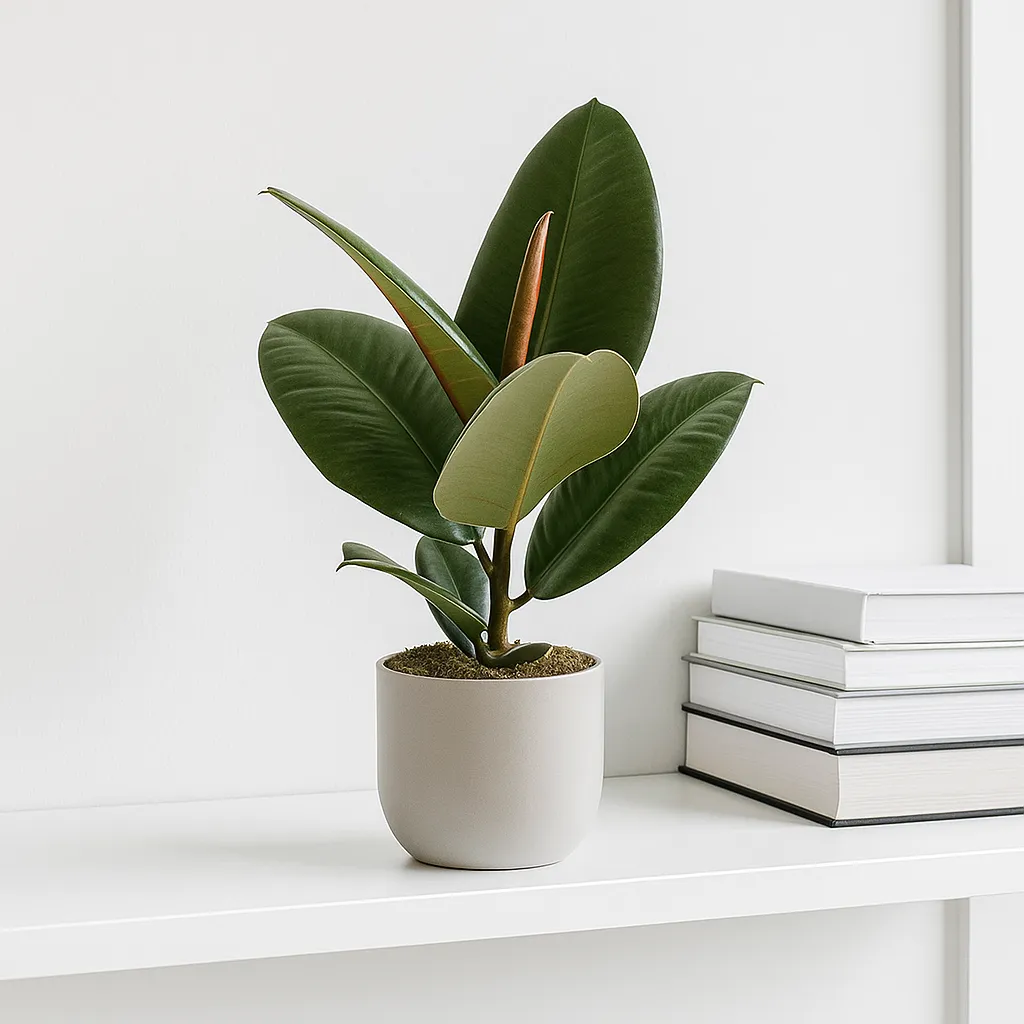
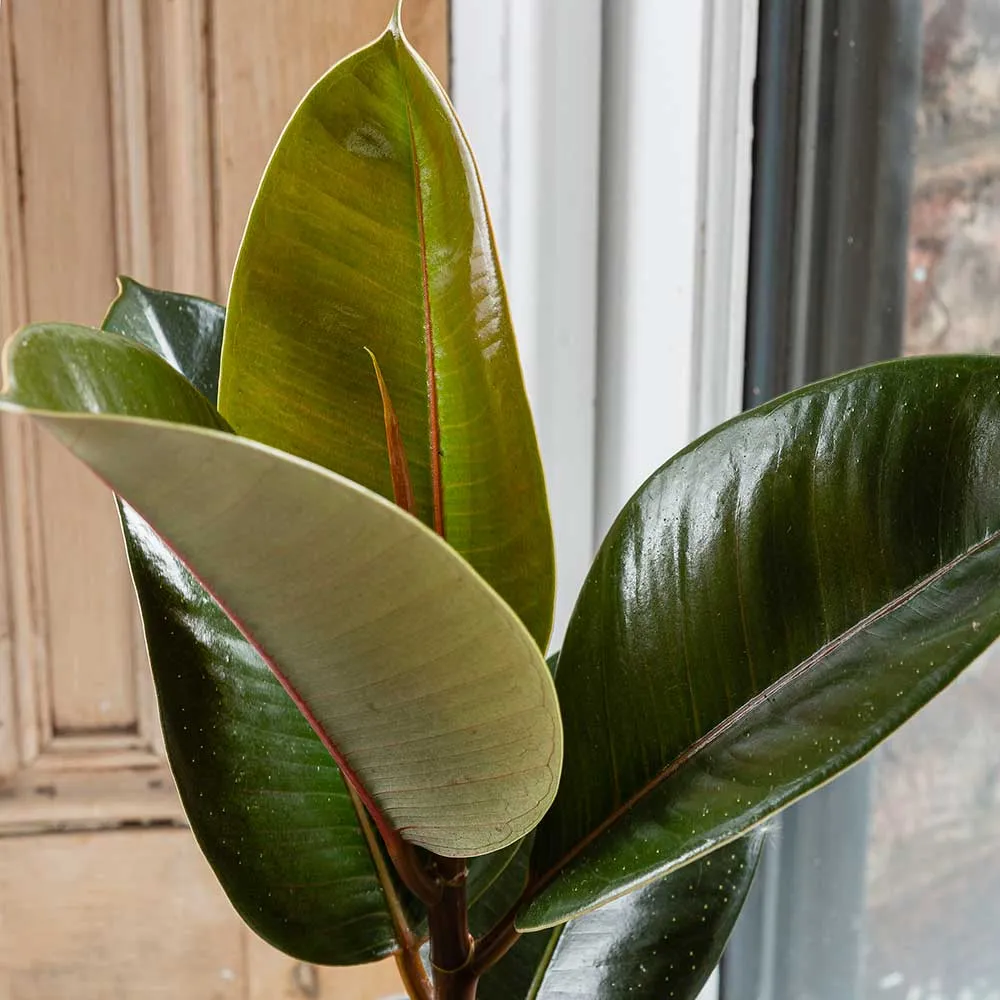
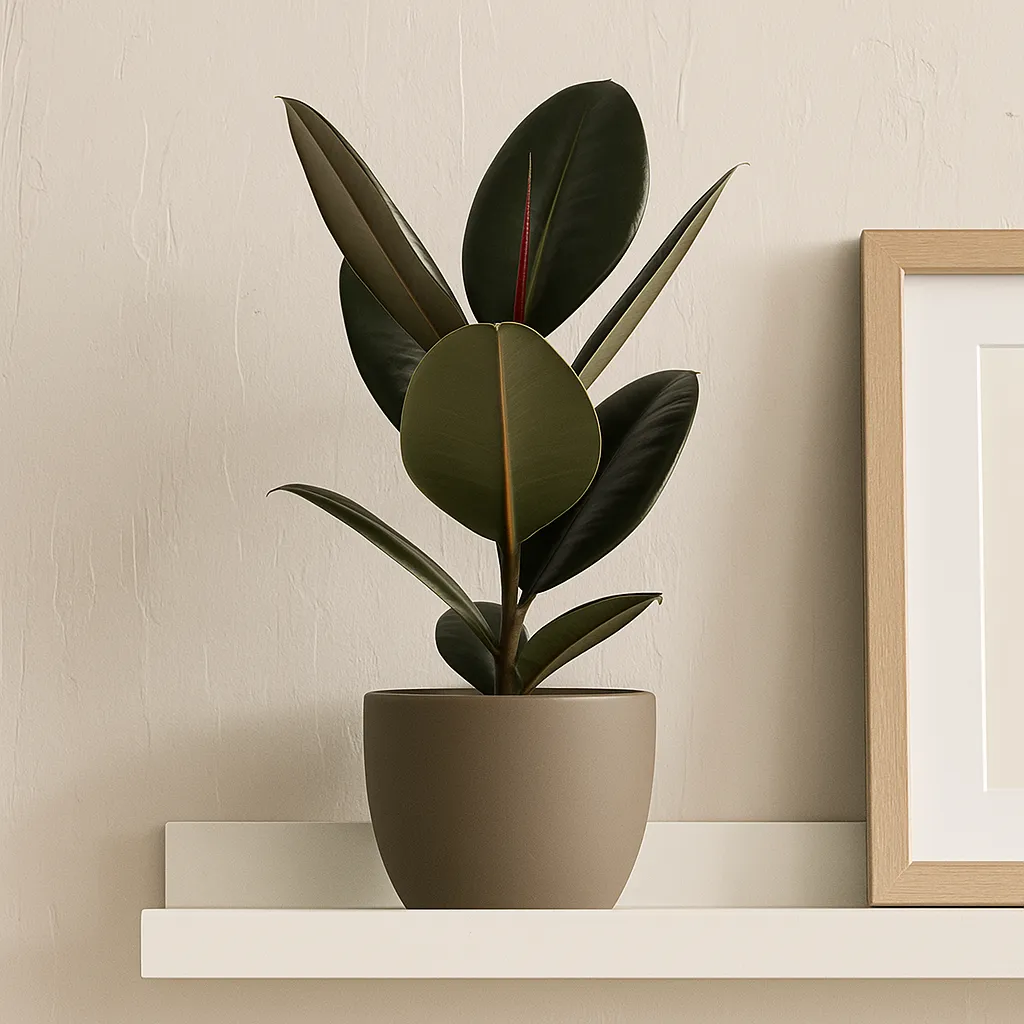
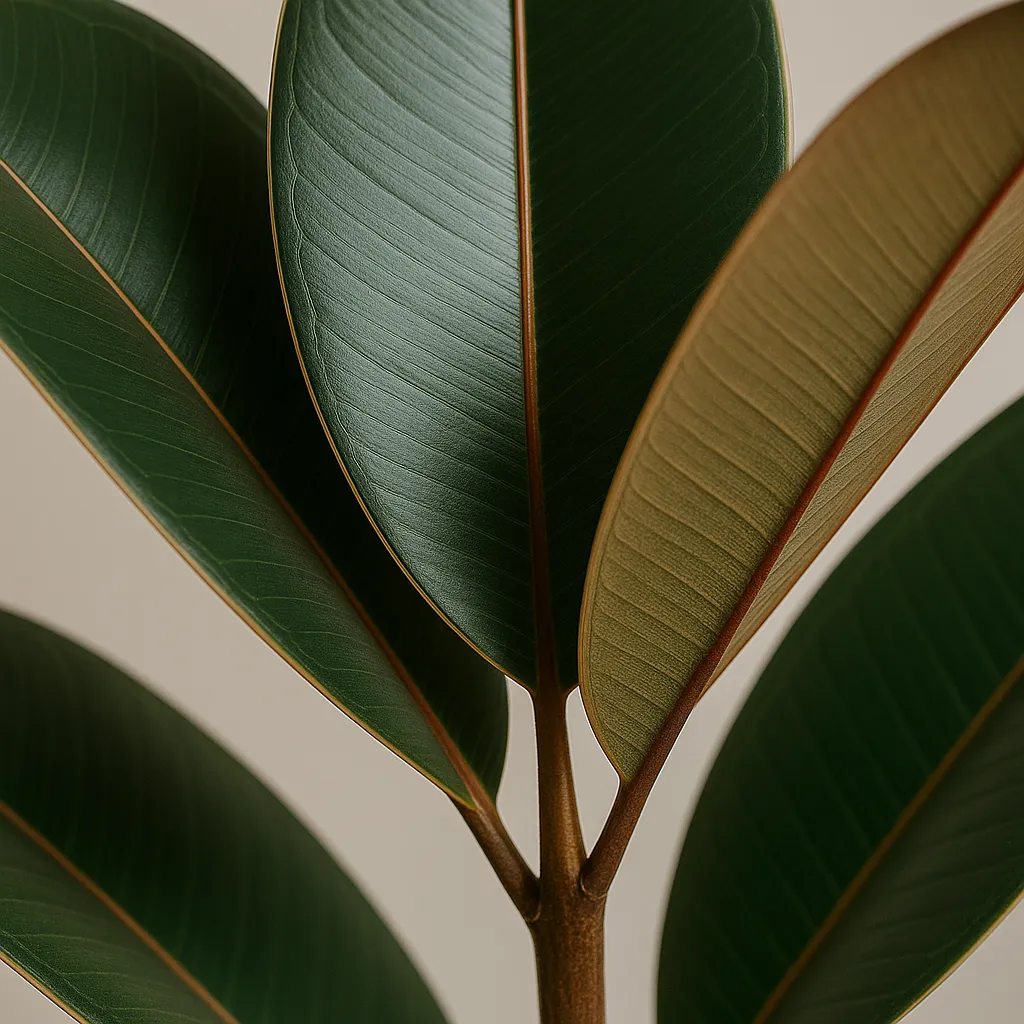
Scindapsus aureus ‘Marble Queen’, also known as the Marble Queen Pothos, is one of the most elegant and sought-after cultivars in the Epipremnum family. Native to the tropical forests of Southeast Asia and the Solomon Islands, this trailing evergreen is loved for its creamy-white and green marbled foliage and easy-going temperament.
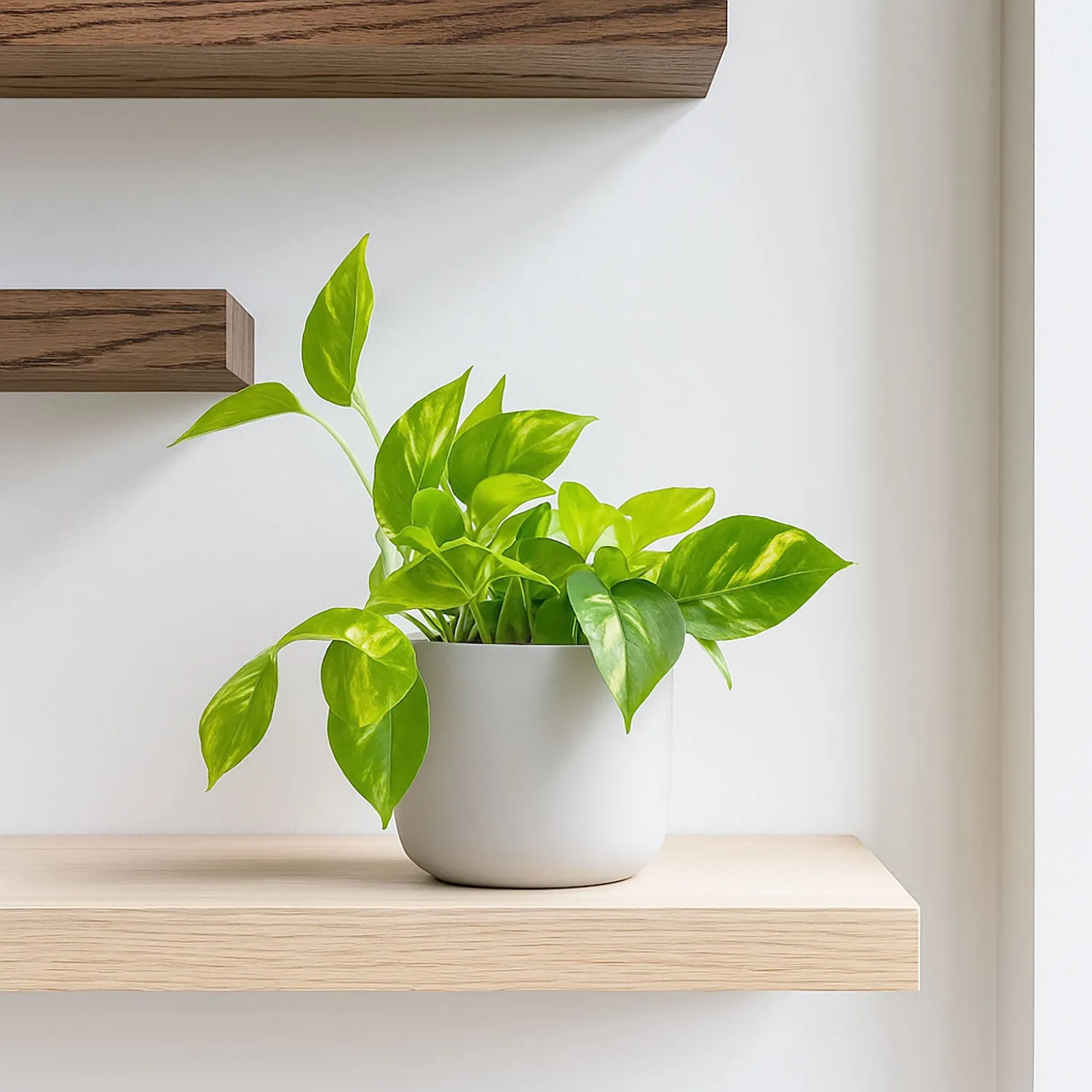
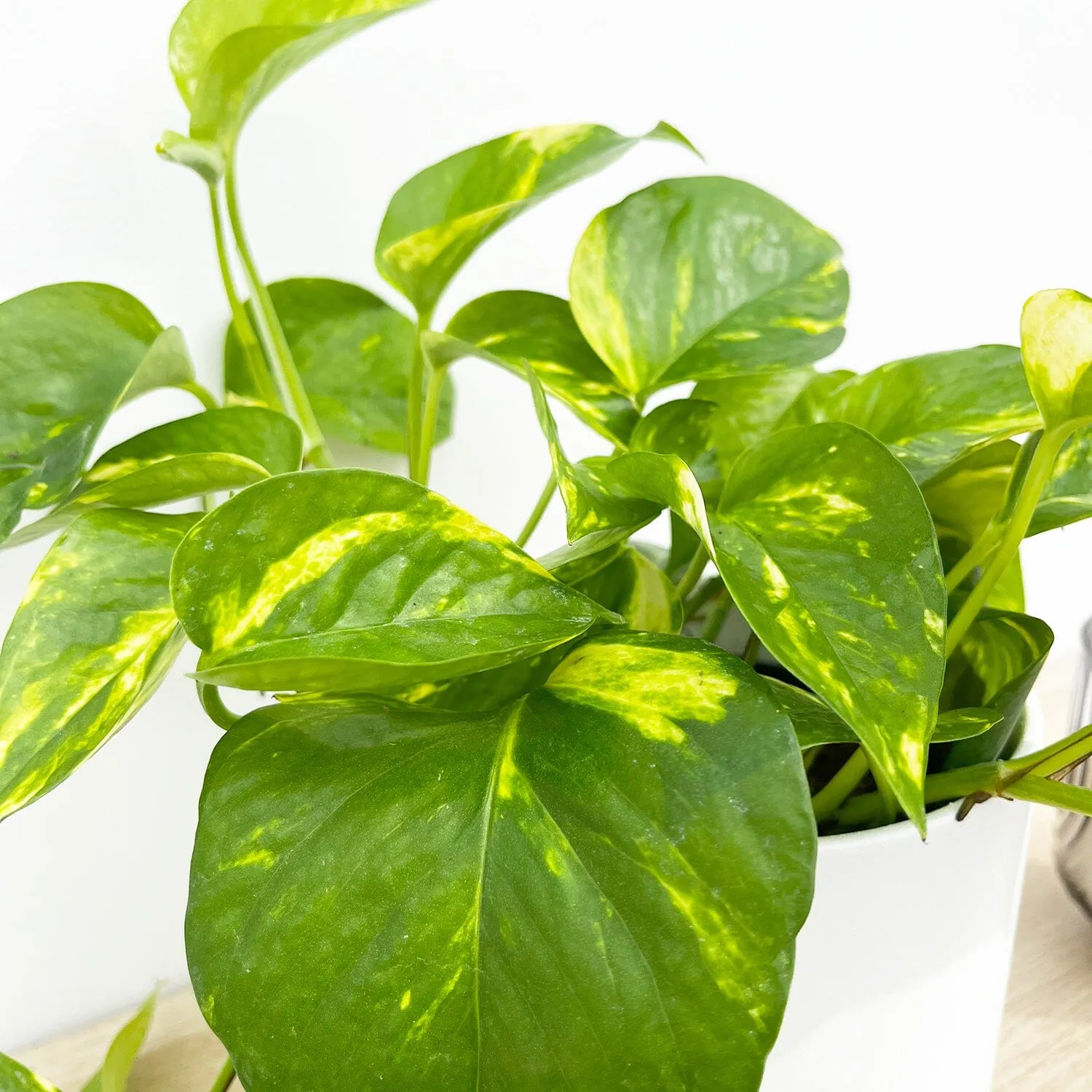
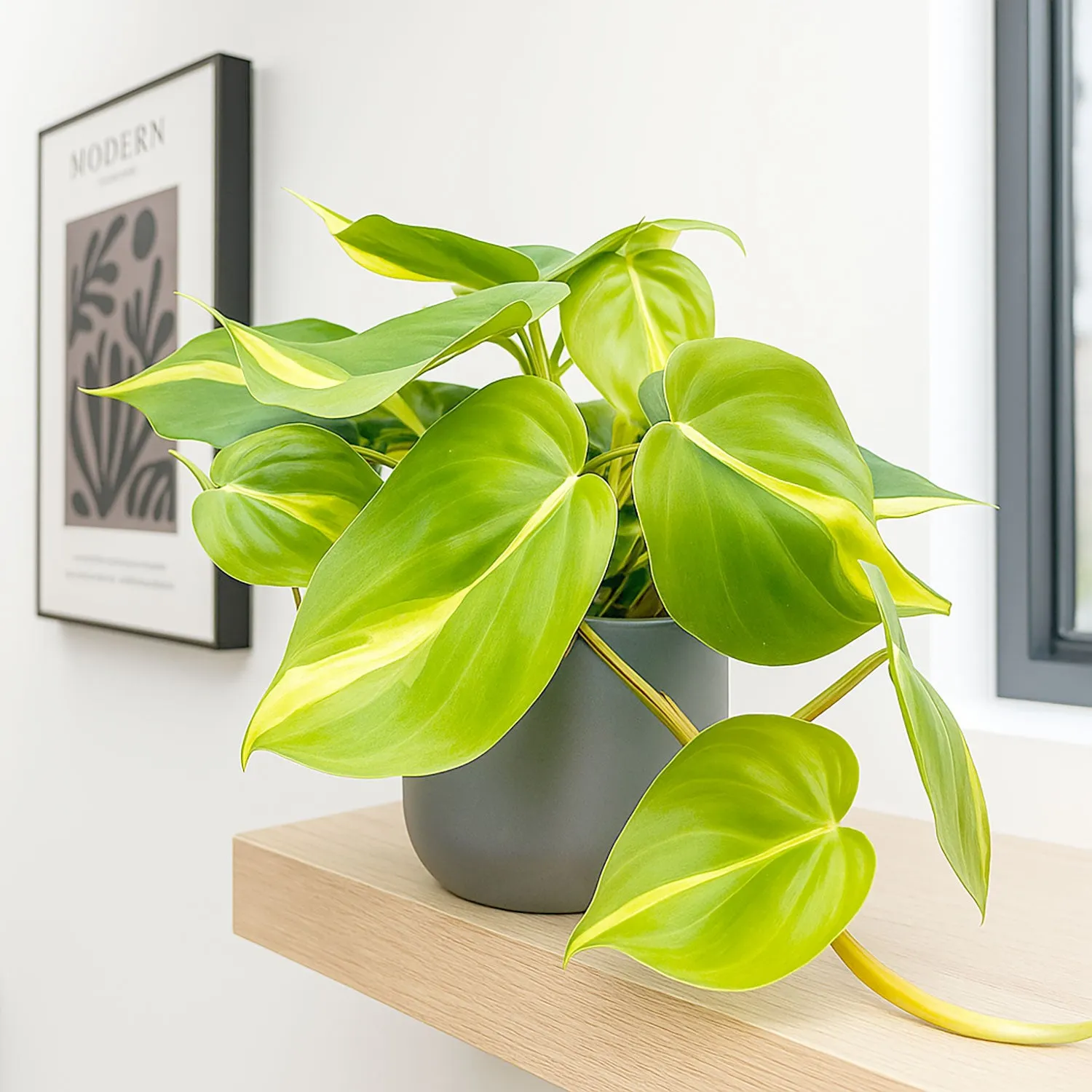
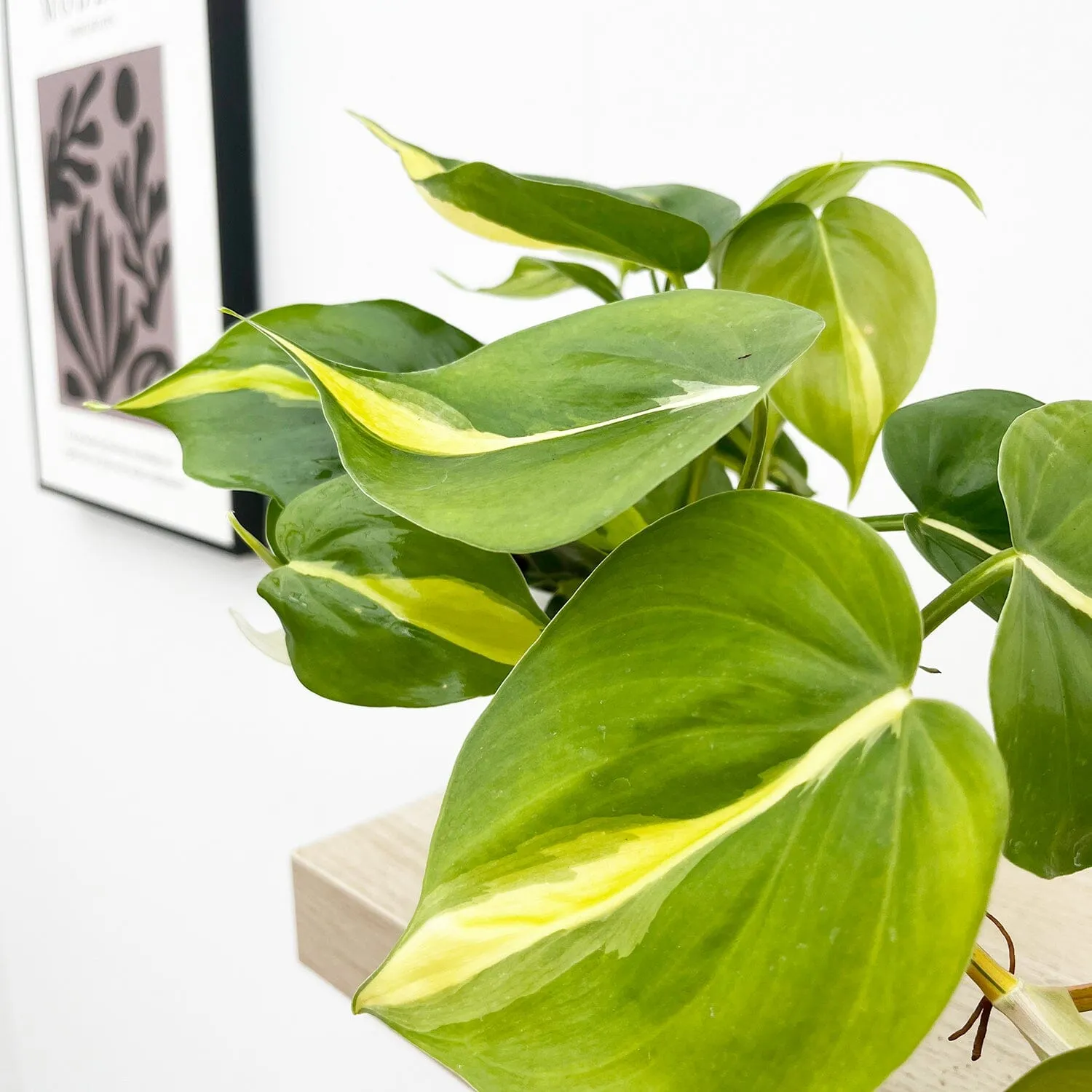
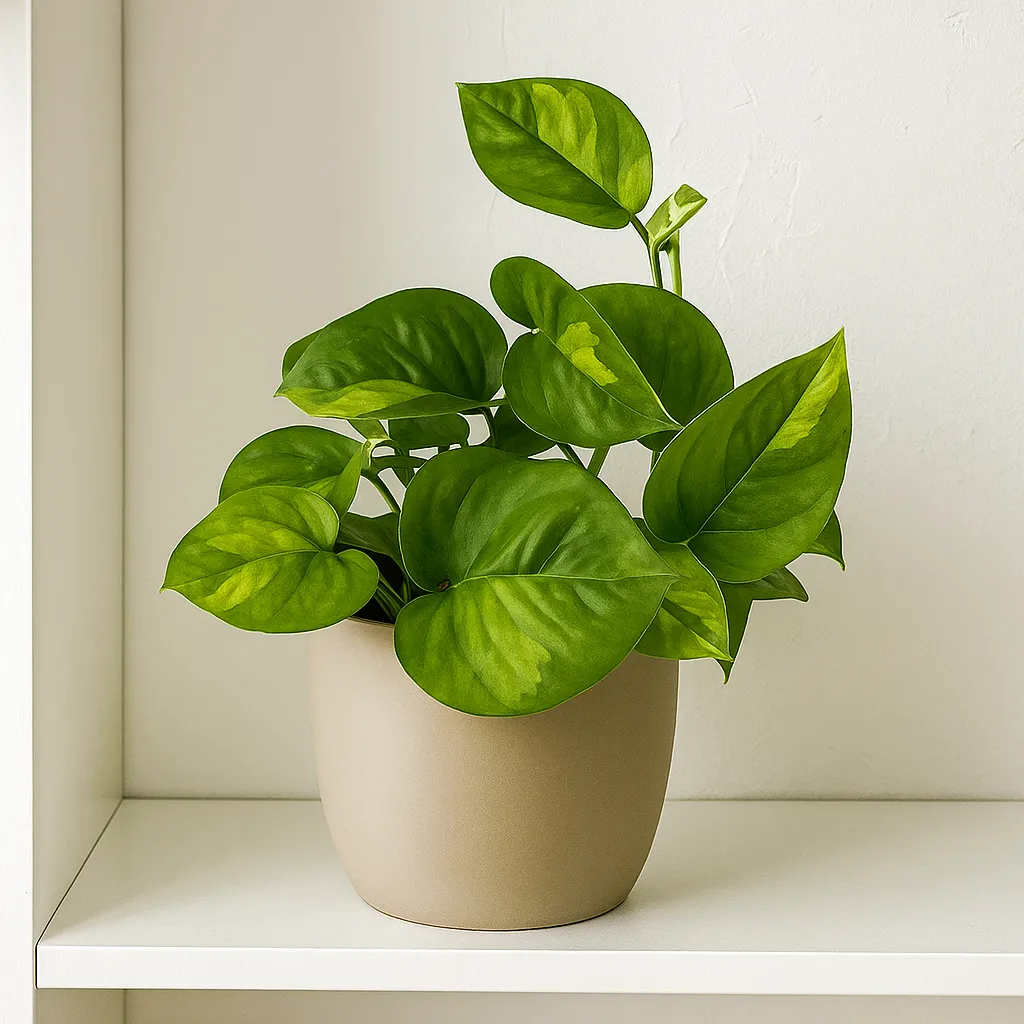
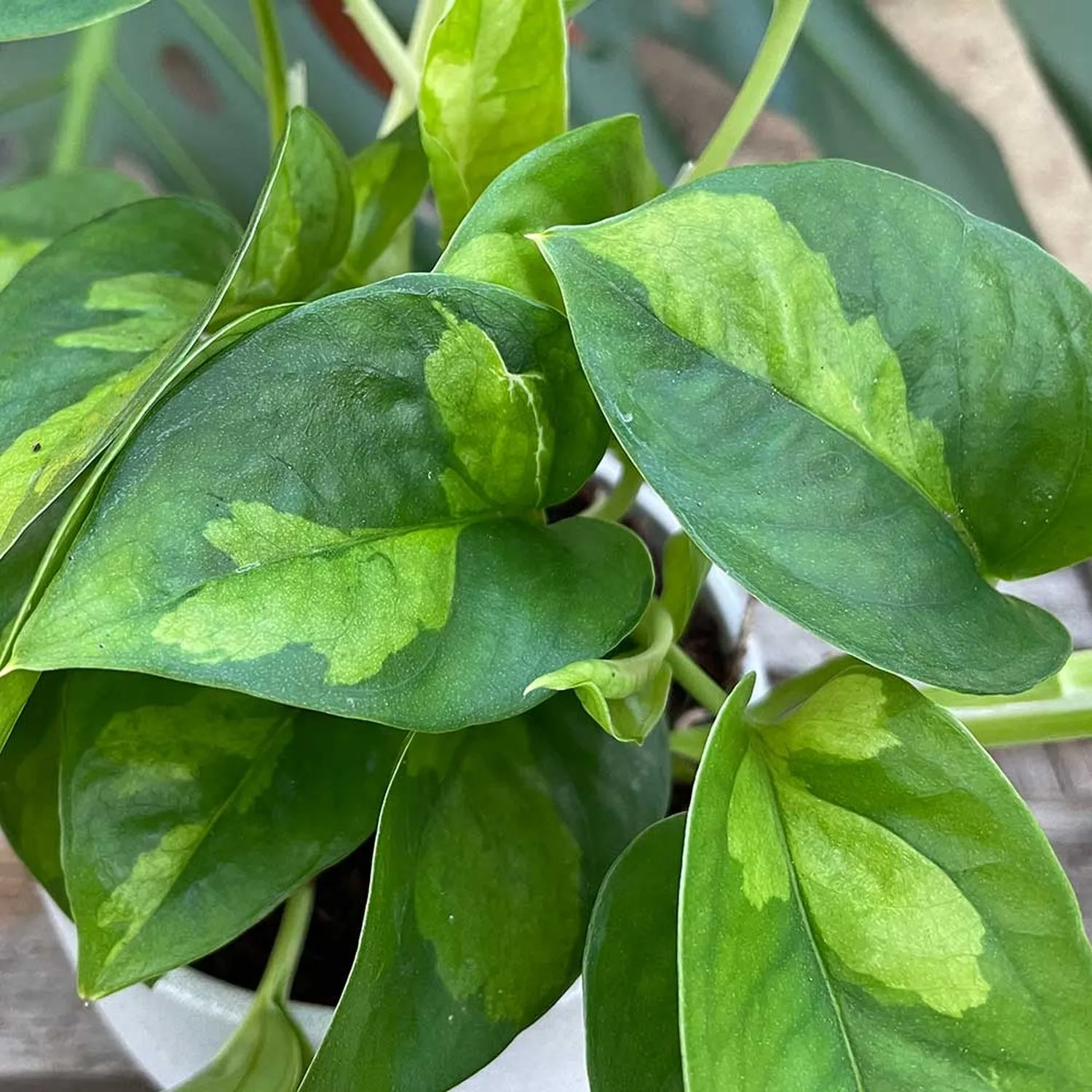
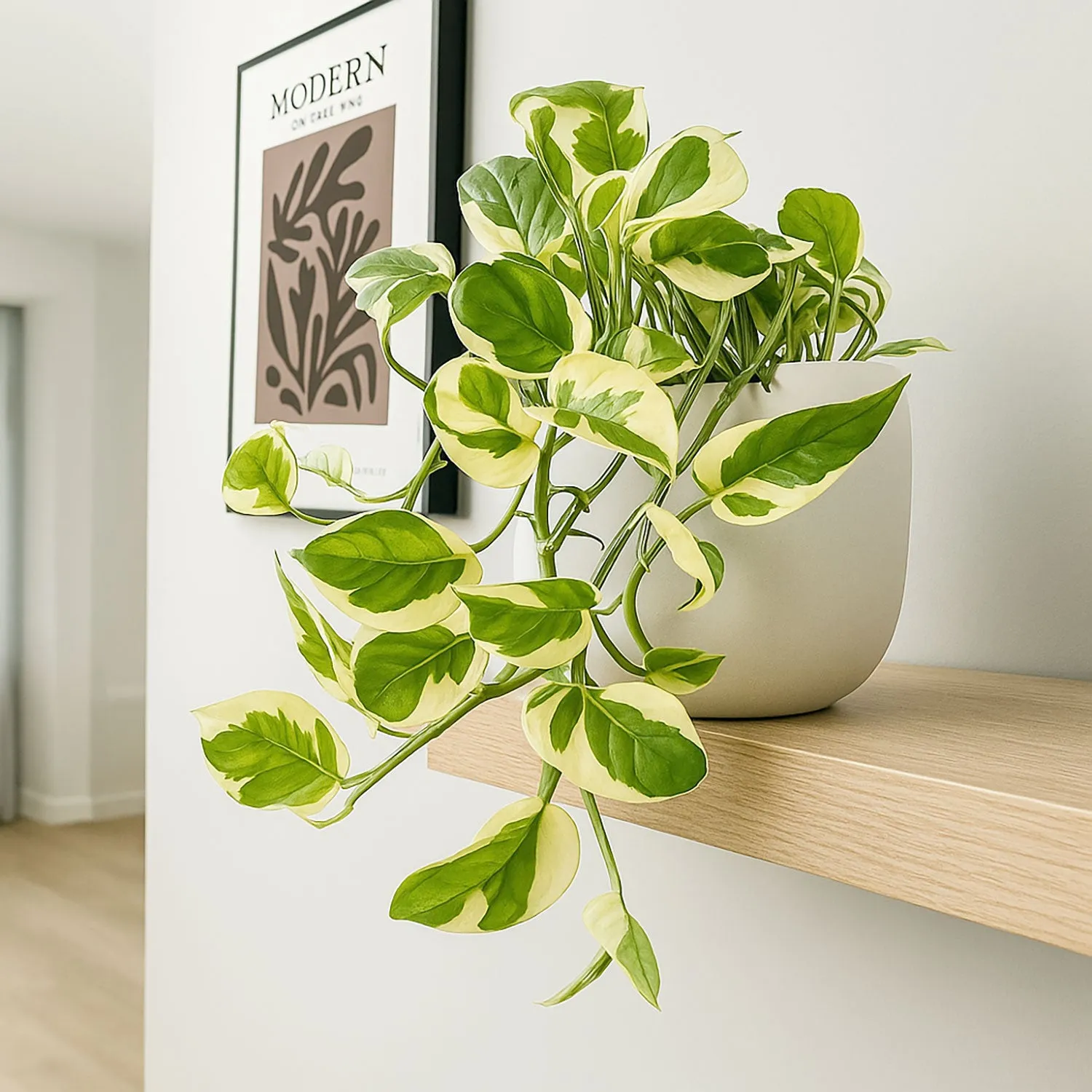
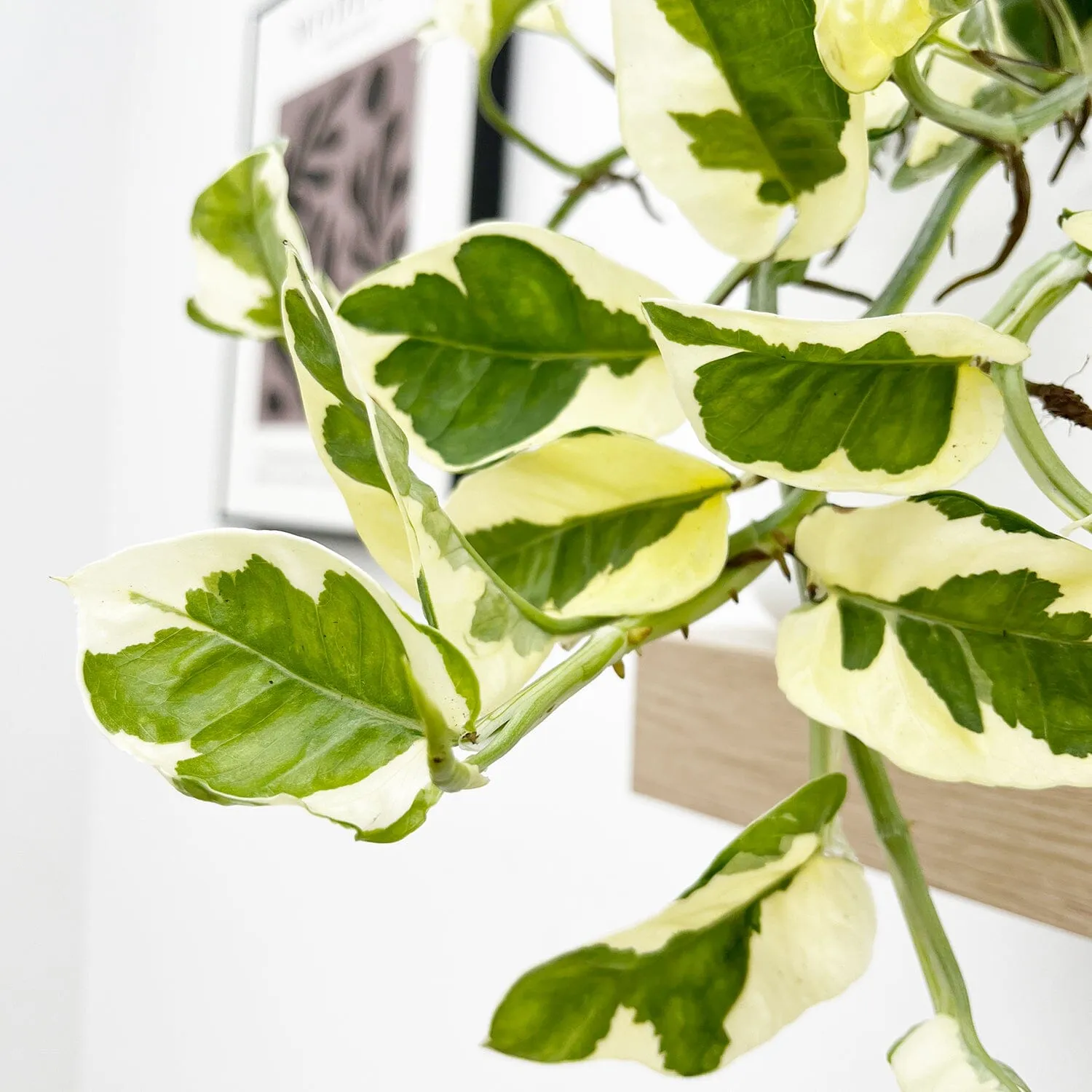
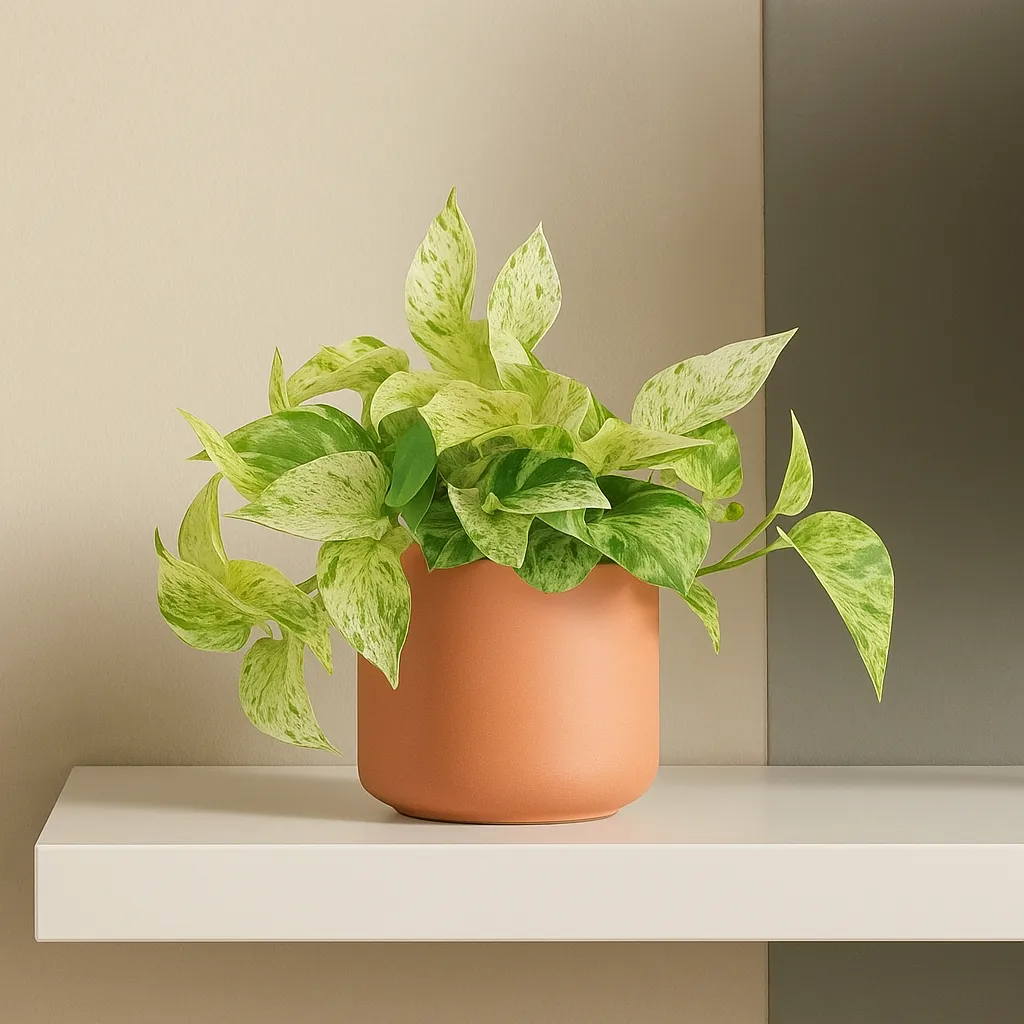
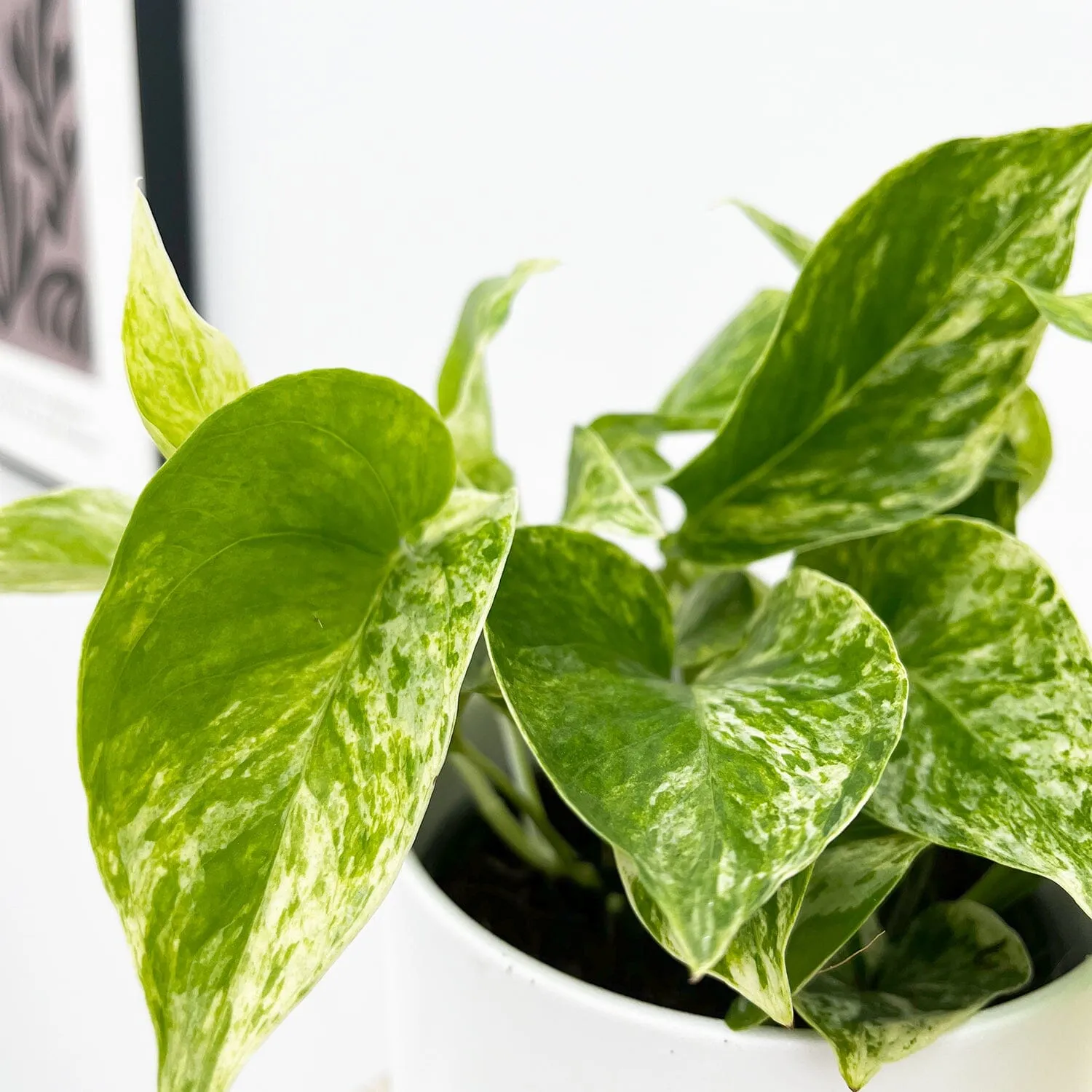
The heart-shaped leaves display intricate variegation — creamy-white splashes, streaks, and flecks blending beautifully with deep green. Each leaf has its own unique pattern, giving the plant a luxurious, painterly appearance. When allowed to climb, the leaves become larger and more dramatic, while trailing vines create a soft, cascading effect when grown in hanging baskets or on shelves.
Durable, adaptable, and decorative, Scindapsus ‘Marble Queen’ is the perfect houseplant for adding light and movement to any space, from bright offices to shaded living rooms.
Scindapsus aureus ‘Marble Queen’ – Care Guide
Light
Thrives in bright, indirect light to maintain its vivid variegation. Too little light may cause the white marbling to fade and turn green. Avoid direct sunlight, which can scorch the leaves.
Watering
Water when the top 2–3 cm of soil feels dry. Keep the soil lightly moist but not waterlogged. Reduce watering slightly in winter. Overwatering is the most common cause of yellowing leaves.
Temperature and Humidity
-
Temperature: Prefers warmth, 18–28°C. Protect from draughts and cold below 15°C.
-
Humidity: Adapts to normal indoor humidity but thrives in moderate to high humidity (50–70%). Mist occasionally to keep the leaves fresh.
Soil and Potting
Use a chunky, free-draining aroid mix – peat-free compost enriched with orchid bark, perlite, and coco coir works well. Repot every 1–2 years in spring to refresh the soil and support vigorous root growth.
Feeding
Feed every 4–6 weeks during spring and summer with a balanced, diluted liquid fertiliser. Do not feed during winter dormancy.
Pruning and Maintenance
Prune vines to maintain shape and encourage bushier growth. Remove any yellowing or damaged leaves at the base. Cuttings root easily in water, moss, or soil, making propagation simple.
Growth and Maturity
A moderately fast-growing trailing or climbing plant, capable of reaching 1–2 metres indoors. Its marbled leaves grow larger and more defined when trained to climb.
Common Issues
-
Loss of variegation: Insufficient light.
-
Yellow leaves: Overwatering.
-
Brown tips: Low humidity or inconsistent watering.
-
Pests: Occasionally mealybugs or spider mites.
Background and Benefits
Scindapsus aureus ‘Marble Queen’ is a long-standing favourite among indoor gardeners. Its marbled leaves and forgiving nature make it a versatile and attractive choice for any room. Like other Epipremnum species, it also helps purify indoor air by filtering out toxins such as formaldehyde and xylene — combining beauty with function.
✅ Quick Care Summary
-
Light: Bright, indirect; tolerates medium light
-
Water: Lightly moist; allow topsoil to dry slightly
-
Temperature: 18–28°C; avoid below 15°C
-
Humidity: Average to high (50–70%)
-
Soil: Chunky, well-draining aroid mix
-
Feed: Every 4–6 weeks in spring/summer
-
Growth: Trailing or climbing vine, 1–2 m; creamy-white and green marbled heart-shaped leaves
Original: $11.86
-70%$11.86
$3.56Product Information
Product Information
Shipping & Returns
Shipping & Returns
Description
Scindapsus aureus ‘Marble Queen’, also known as the Marble Queen Pothos, is one of the most elegant and sought-after cultivars in the Epipremnum family. Native to the tropical forests of Southeast Asia and the Solomon Islands, this trailing evergreen is loved for its creamy-white and green marbled foliage and easy-going temperament.
The heart-shaped leaves display intricate variegation — creamy-white splashes, streaks, and flecks blending beautifully with deep green. Each leaf has its own unique pattern, giving the plant a luxurious, painterly appearance. When allowed to climb, the leaves become larger and more dramatic, while trailing vines create a soft, cascading effect when grown in hanging baskets or on shelves.
Durable, adaptable, and decorative, Scindapsus ‘Marble Queen’ is the perfect houseplant for adding light and movement to any space, from bright offices to shaded living rooms.
Scindapsus aureus ‘Marble Queen’ – Care Guide
Light
Thrives in bright, indirect light to maintain its vivid variegation. Too little light may cause the white marbling to fade and turn green. Avoid direct sunlight, which can scorch the leaves.
Watering
Water when the top 2–3 cm of soil feels dry. Keep the soil lightly moist but not waterlogged. Reduce watering slightly in winter. Overwatering is the most common cause of yellowing leaves.
Temperature and Humidity
-
Temperature: Prefers warmth, 18–28°C. Protect from draughts and cold below 15°C.
-
Humidity: Adapts to normal indoor humidity but thrives in moderate to high humidity (50–70%). Mist occasionally to keep the leaves fresh.
Soil and Potting
Use a chunky, free-draining aroid mix – peat-free compost enriched with orchid bark, perlite, and coco coir works well. Repot every 1–2 years in spring to refresh the soil and support vigorous root growth.
Feeding
Feed every 4–6 weeks during spring and summer with a balanced, diluted liquid fertiliser. Do not feed during winter dormancy.
Pruning and Maintenance
Prune vines to maintain shape and encourage bushier growth. Remove any yellowing or damaged leaves at the base. Cuttings root easily in water, moss, or soil, making propagation simple.
Growth and Maturity
A moderately fast-growing trailing or climbing plant, capable of reaching 1–2 metres indoors. Its marbled leaves grow larger and more defined when trained to climb.
Common Issues
-
Loss of variegation: Insufficient light.
-
Yellow leaves: Overwatering.
-
Brown tips: Low humidity or inconsistent watering.
-
Pests: Occasionally mealybugs or spider mites.
Background and Benefits
Scindapsus aureus ‘Marble Queen’ is a long-standing favourite among indoor gardeners. Its marbled leaves and forgiving nature make it a versatile and attractive choice for any room. Like other Epipremnum species, it also helps purify indoor air by filtering out toxins such as formaldehyde and xylene — combining beauty with function.
✅ Quick Care Summary
-
Light: Bright, indirect; tolerates medium light
-
Water: Lightly moist; allow topsoil to dry slightly
-
Temperature: 18–28°C; avoid below 15°C
-
Humidity: Average to high (50–70%)
-
Soil: Chunky, well-draining aroid mix
-
Feed: Every 4–6 weeks in spring/summer
-
Growth: Trailing or climbing vine, 1–2 m; creamy-white and green marbled heart-shaped leaves