25 - 35 Syngonium Neon Arrowhead House Plant 12cm Pot
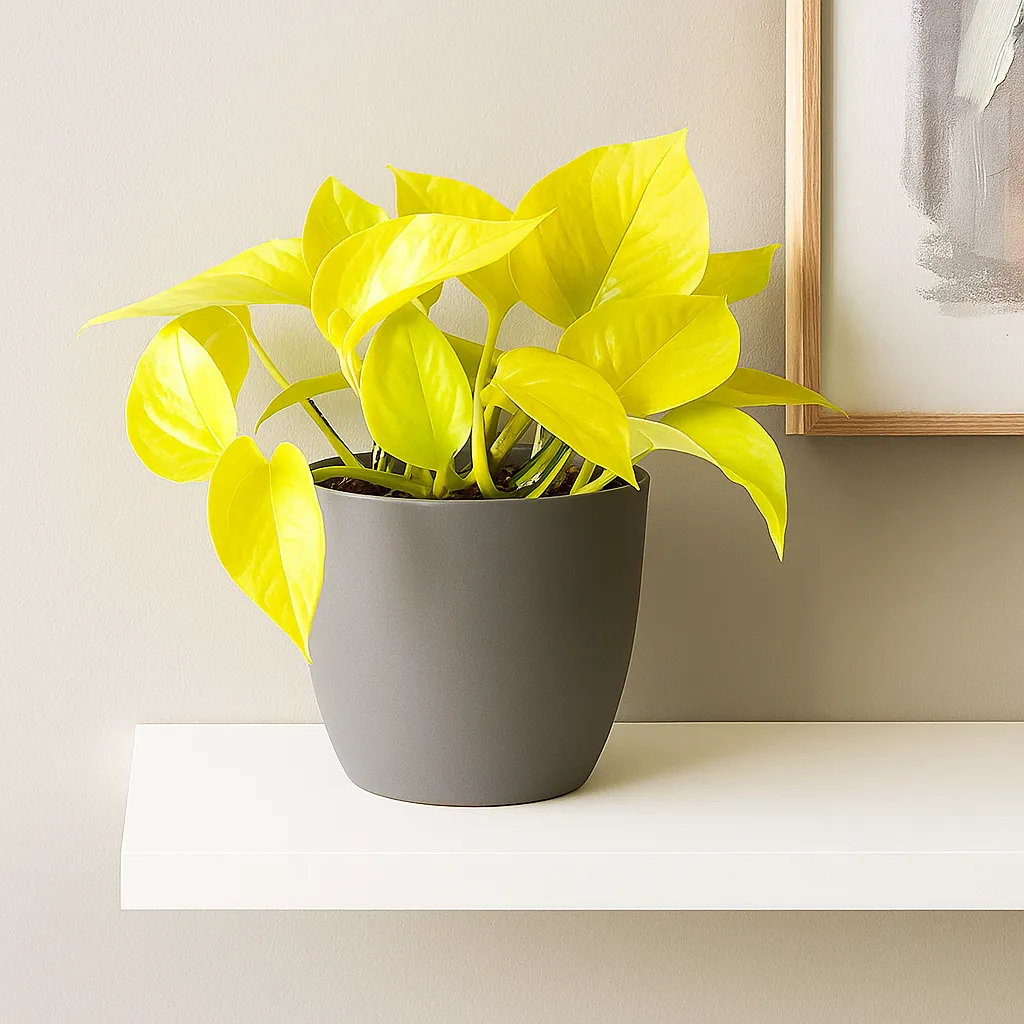
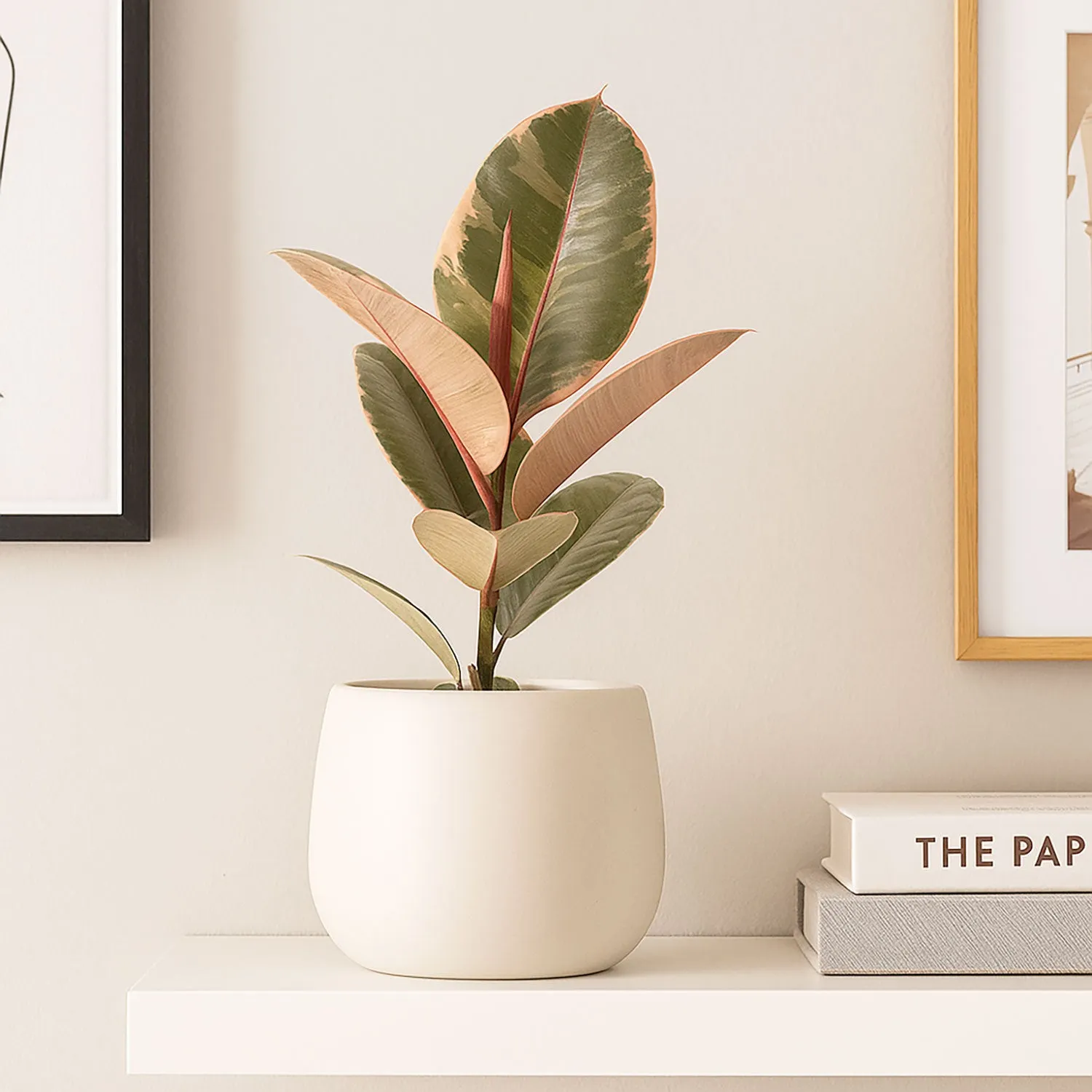
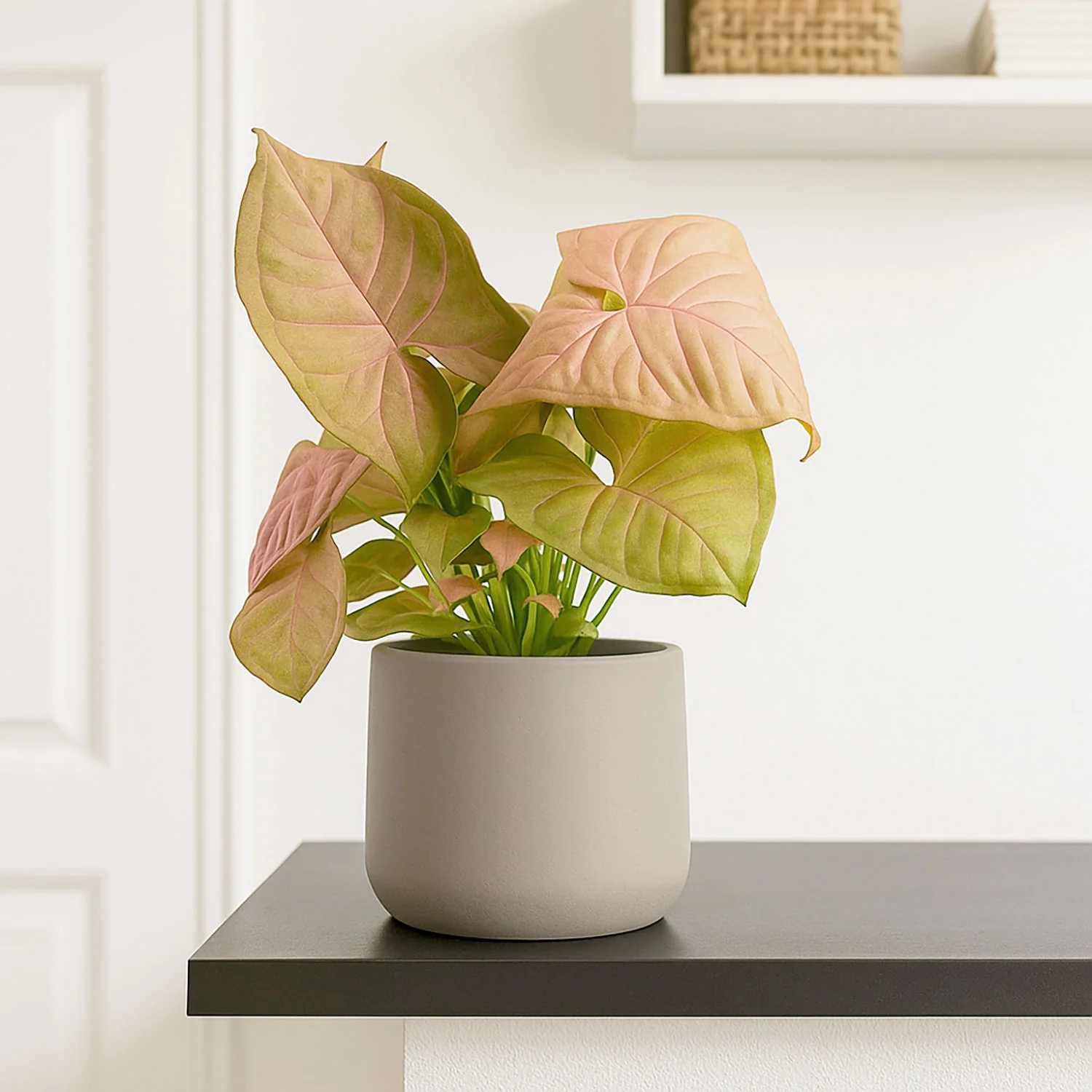
Syngonium ‘Neon’, a cultivar of Syngonium podophyllum, is an eye-catching houseplant treasured for its soft, rosy-pink foliage. Belonging to the Araceae family and native to the tropical rainforests of Central and South America, syngoniums are known for their arrow-shaped leaves and easy adaptability.
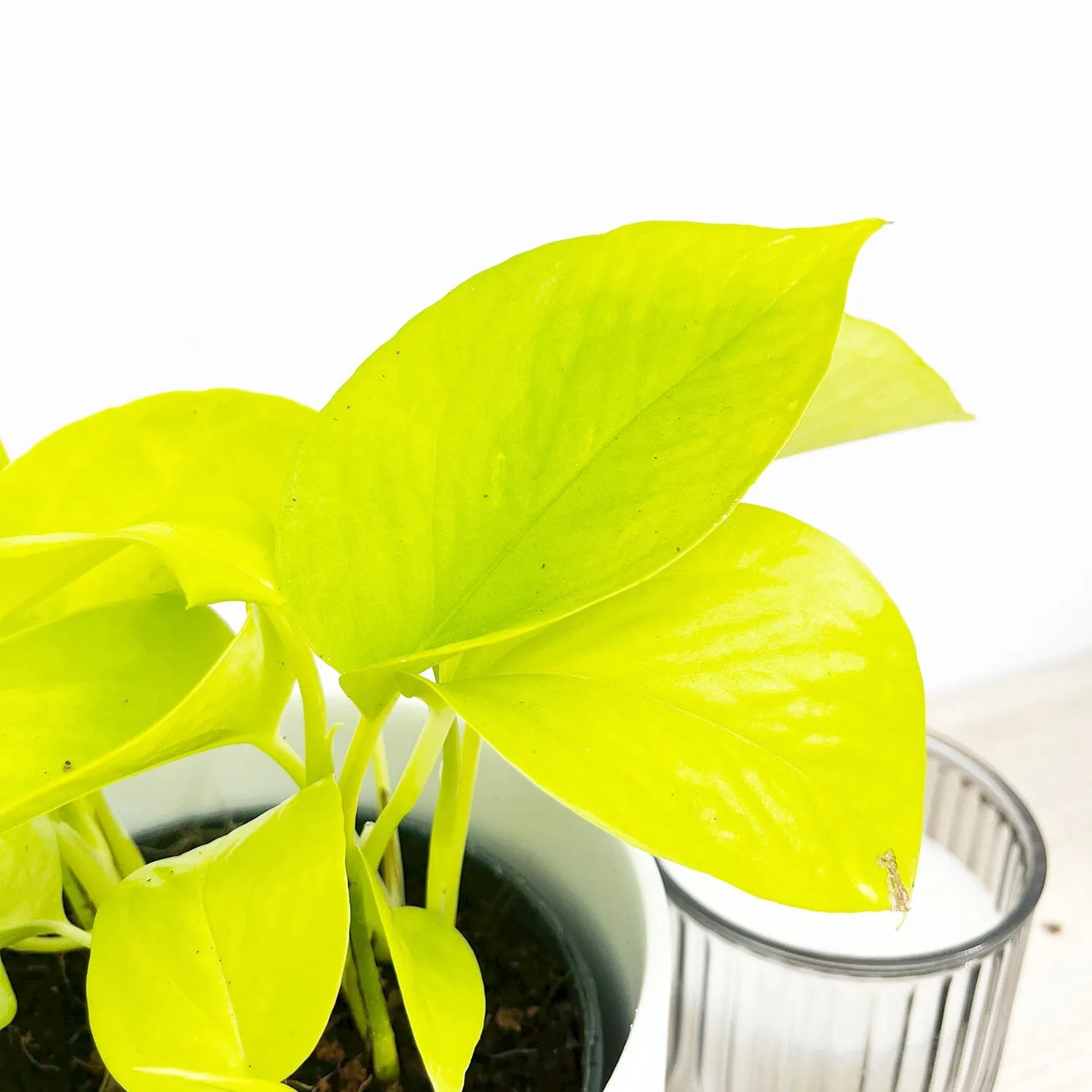
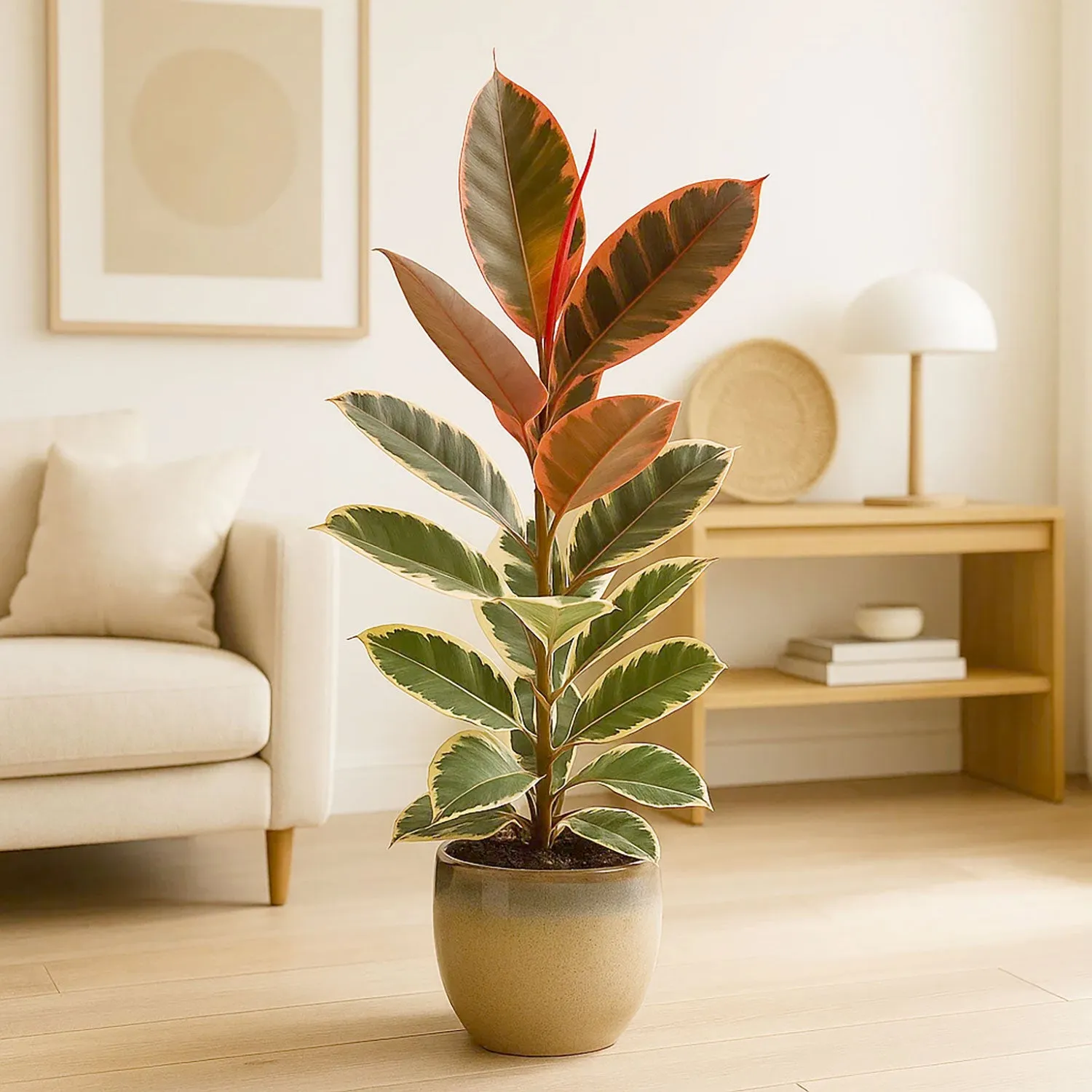
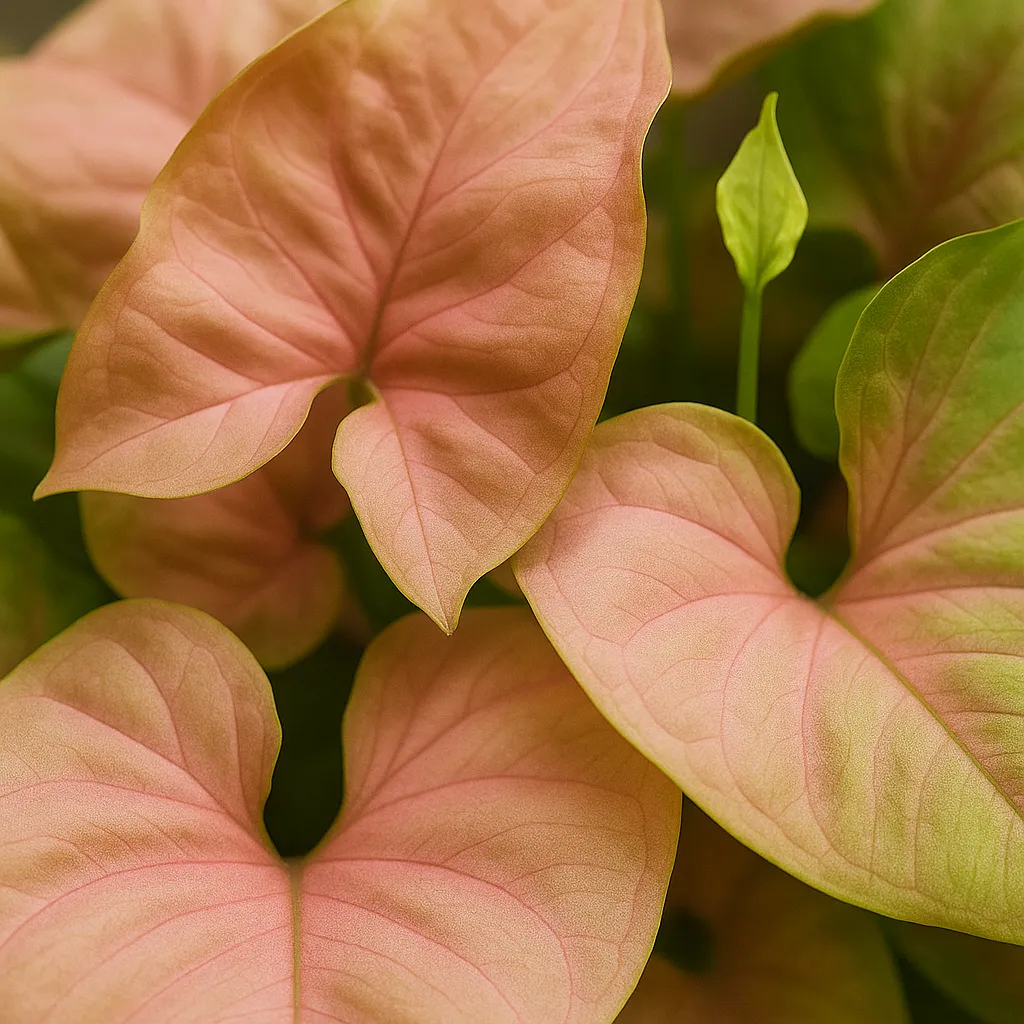
The ‘Neon’ variety is particularly striking because of its unusual colouring. Its young leaves emerge in vibrant shades of pastel pink to rose, gradually maturing into a softer, green-pink blend with subtle veining. The contrast of new and older leaves creates a layered effect, with a constant flush of pink tones that brighten shaded interiors.
Compact in growth, Syngonium ‘Neon’ typically reaches 30–60 cm tall and wide indoors. Its versatile form allows it to be grown as a clumping tabletop plant or trained to climb a moss pole, where leaves can become larger and more dramatic. Its unique colouring makes it a favourite among collectors of variegated and colourful foliage plants.
Syngonium ‘Neon’ – Care Guide
Light
Thrives in bright, indirect light to maintain vibrant pink tones. Tolerates medium light but the colour may fade. Avoid prolonged direct sun, which can scorch delicate leaves.
Watering
Keep soil evenly moist, watering when the top 2–3 cm feels dry. Reduce watering slightly in winter, but never allow the plant to completely dry out. Overwatering may cause yellowing leaves.
Temperature and Humidity
-
Temperature: Prefers 18–26°C. Avoid draughts and prolonged exposure below 12°C.
-
Humidity: Appreciates moderate to high humidity. Mist occasionally, use a pebble tray, or place near a humidifier to encourage lush growth.
Soil and Potting
Plant in a free-draining, peat-free houseplant compost with added perlite or orchid bark. Repot every 1–2 years in spring to refresh the soil and give roots more space.
Feeding
Feed every 4 weeks in spring and summer with a balanced liquid fertiliser. Stop feeding in autumn and winter.
Pruning and Training
Prune regularly to maintain bushiness and encourage new shoots. Stems can also be trained to climb, producing larger leaves over time. Propagate easily from stem cuttings in water or soil.
Growth and Maturity
A moderately fast grower, ‘Neon’ develops a bushy clump that can be shaped into a trailing, climbing, or compact plant depending on how it is trained. Mature plants can display larger, more elongated leaves.
Common Issues
-
Faded colour: Caused by insufficient light.
-
Yellow leaves: Linked to overwatering or poor drainage.
-
Brown tips: Typically due to low humidity or inconsistent watering.
-
Pests: May attract spider mites, aphids, or mealybugs; inspect leaves regularly.
Background and Benefits
Like other syngoniums, ‘Neon’ is valued for both its ornamental foliage and adaptability. Its pink tones make it one of the most decorative cultivars, brightening plant collections and interiors with a splash of colour.
✅ Quick Care Summary
-
Light: Bright, indirect preferred; tolerates medium
-
Water: Keep evenly moist; reduce in winter
-
Temperature: 18–26°C; avoid below 12°C
-
Humidity: Moderate to high
-
Soil: Free-draining, peat-free mix
-
Feed: Monthly in spring/summer
-
Growth: 30–60 cm; pastel pink leaves maturing to green-pink tones
Original: $11.86
-70%$11.86
$3.56Product Information
Product Information
Shipping & Returns
Shipping & Returns
Description
Syngonium ‘Neon’, a cultivar of Syngonium podophyllum, is an eye-catching houseplant treasured for its soft, rosy-pink foliage. Belonging to the Araceae family and native to the tropical rainforests of Central and South America, syngoniums are known for their arrow-shaped leaves and easy adaptability.
The ‘Neon’ variety is particularly striking because of its unusual colouring. Its young leaves emerge in vibrant shades of pastel pink to rose, gradually maturing into a softer, green-pink blend with subtle veining. The contrast of new and older leaves creates a layered effect, with a constant flush of pink tones that brighten shaded interiors.
Compact in growth, Syngonium ‘Neon’ typically reaches 30–60 cm tall and wide indoors. Its versatile form allows it to be grown as a clumping tabletop plant or trained to climb a moss pole, where leaves can become larger and more dramatic. Its unique colouring makes it a favourite among collectors of variegated and colourful foliage plants.
Syngonium ‘Neon’ – Care Guide
Light
Thrives in bright, indirect light to maintain vibrant pink tones. Tolerates medium light but the colour may fade. Avoid prolonged direct sun, which can scorch delicate leaves.
Watering
Keep soil evenly moist, watering when the top 2–3 cm feels dry. Reduce watering slightly in winter, but never allow the plant to completely dry out. Overwatering may cause yellowing leaves.
Temperature and Humidity
-
Temperature: Prefers 18–26°C. Avoid draughts and prolonged exposure below 12°C.
-
Humidity: Appreciates moderate to high humidity. Mist occasionally, use a pebble tray, or place near a humidifier to encourage lush growth.
Soil and Potting
Plant in a free-draining, peat-free houseplant compost with added perlite or orchid bark. Repot every 1–2 years in spring to refresh the soil and give roots more space.
Feeding
Feed every 4 weeks in spring and summer with a balanced liquid fertiliser. Stop feeding in autumn and winter.
Pruning and Training
Prune regularly to maintain bushiness and encourage new shoots. Stems can also be trained to climb, producing larger leaves over time. Propagate easily from stem cuttings in water or soil.
Growth and Maturity
A moderately fast grower, ‘Neon’ develops a bushy clump that can be shaped into a trailing, climbing, or compact plant depending on how it is trained. Mature plants can display larger, more elongated leaves.
Common Issues
-
Faded colour: Caused by insufficient light.
-
Yellow leaves: Linked to overwatering or poor drainage.
-
Brown tips: Typically due to low humidity or inconsistent watering.
-
Pests: May attract spider mites, aphids, or mealybugs; inspect leaves regularly.
Background and Benefits
Like other syngoniums, ‘Neon’ is valued for both its ornamental foliage and adaptability. Its pink tones make it one of the most decorative cultivars, brightening plant collections and interiors with a splash of colour.
✅ Quick Care Summary
-
Light: Bright, indirect preferred; tolerates medium
-
Water: Keep evenly moist; reduce in winter
-
Temperature: 18–26°C; avoid below 12°C
-
Humidity: Moderate to high
-
Soil: Free-draining, peat-free mix
-
Feed: Monthly in spring/summer
-
Growth: 30–60 cm; pastel pink leaves maturing to green-pink tones