20 - 35cm Syngonium Red Heart Arrowhead Plant House Plant 12cm Pot
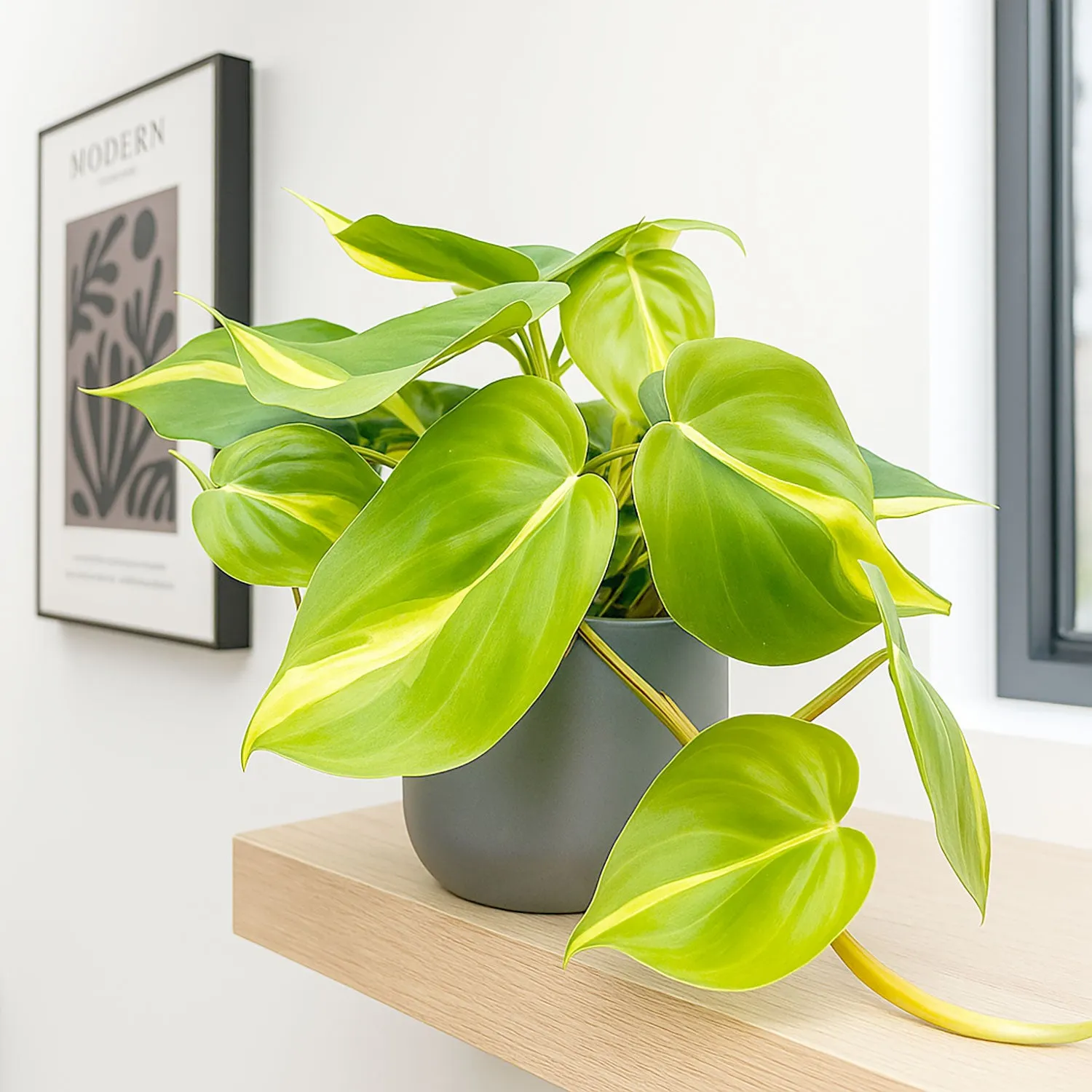
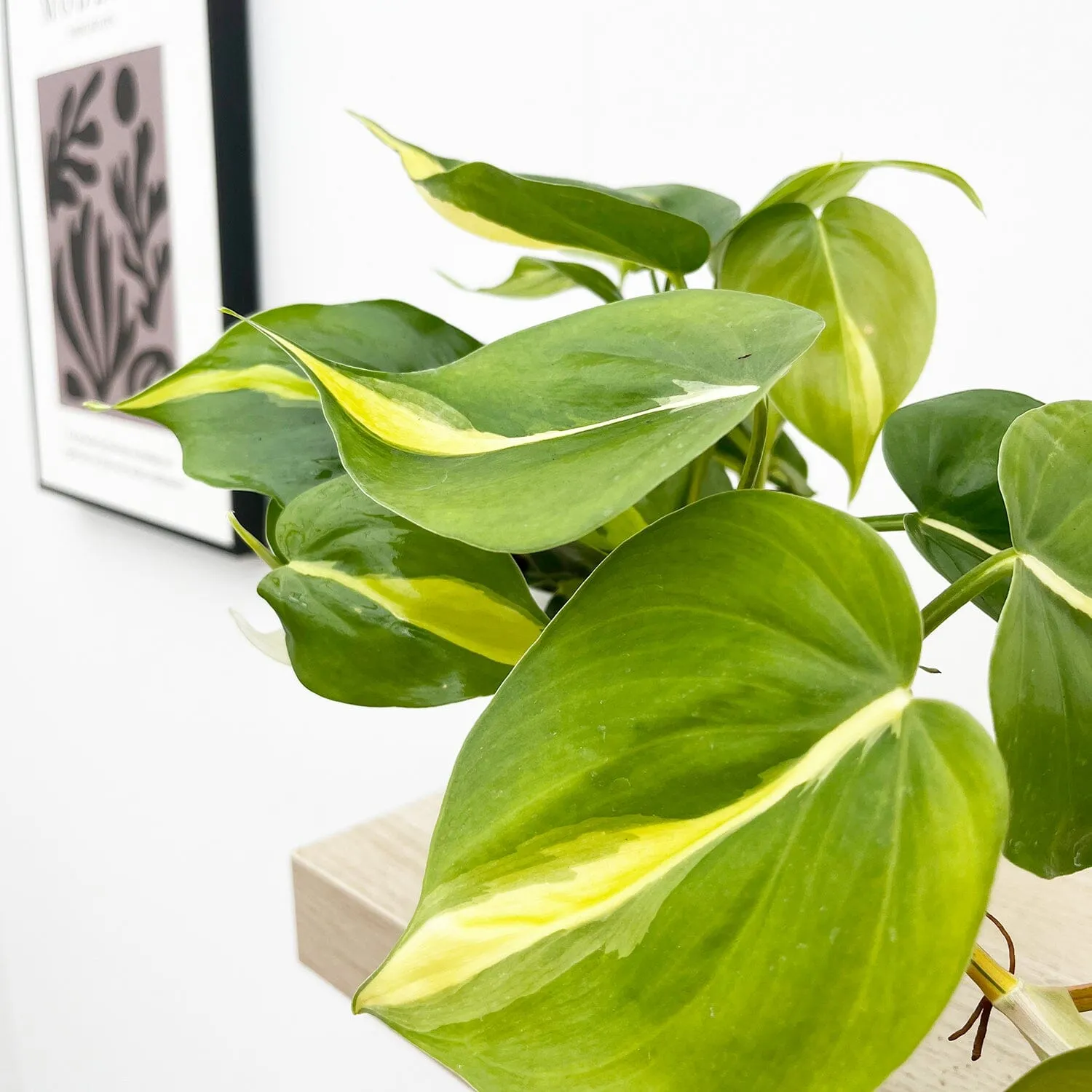
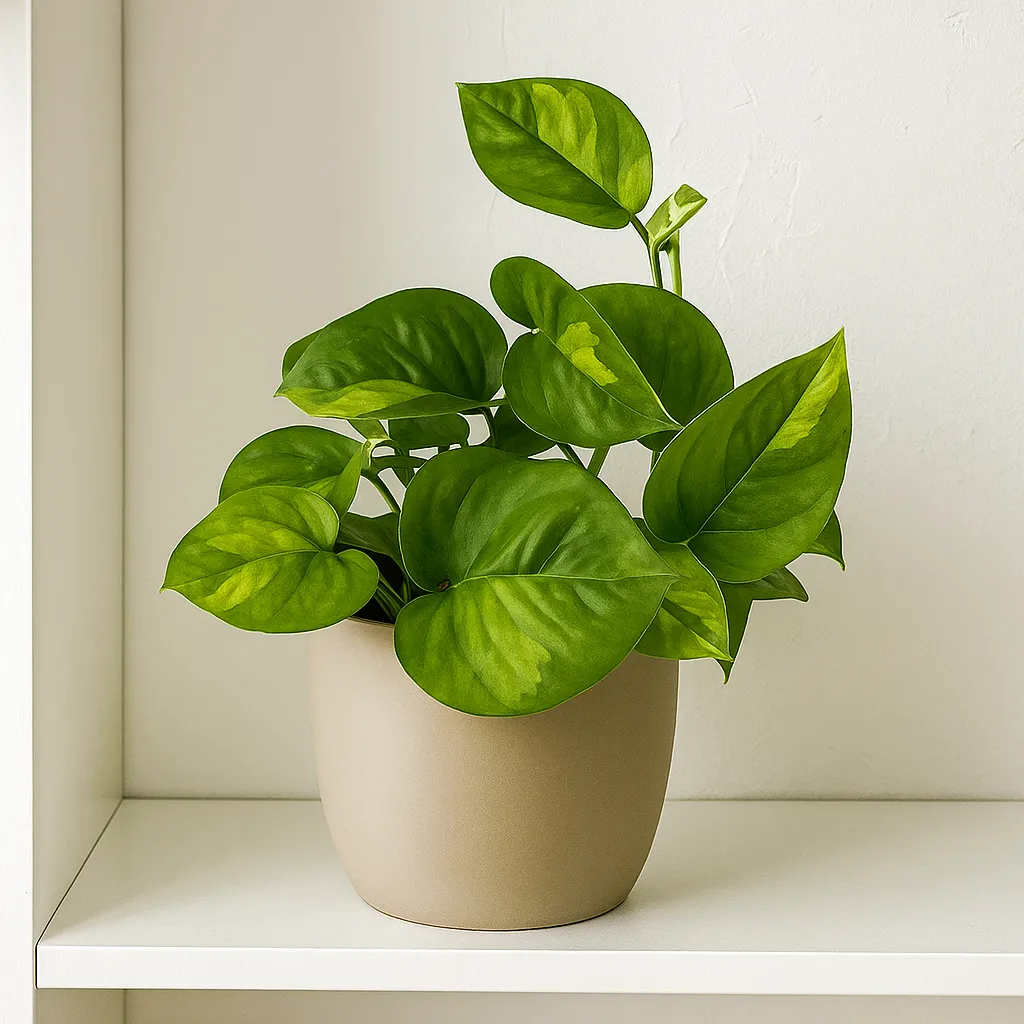
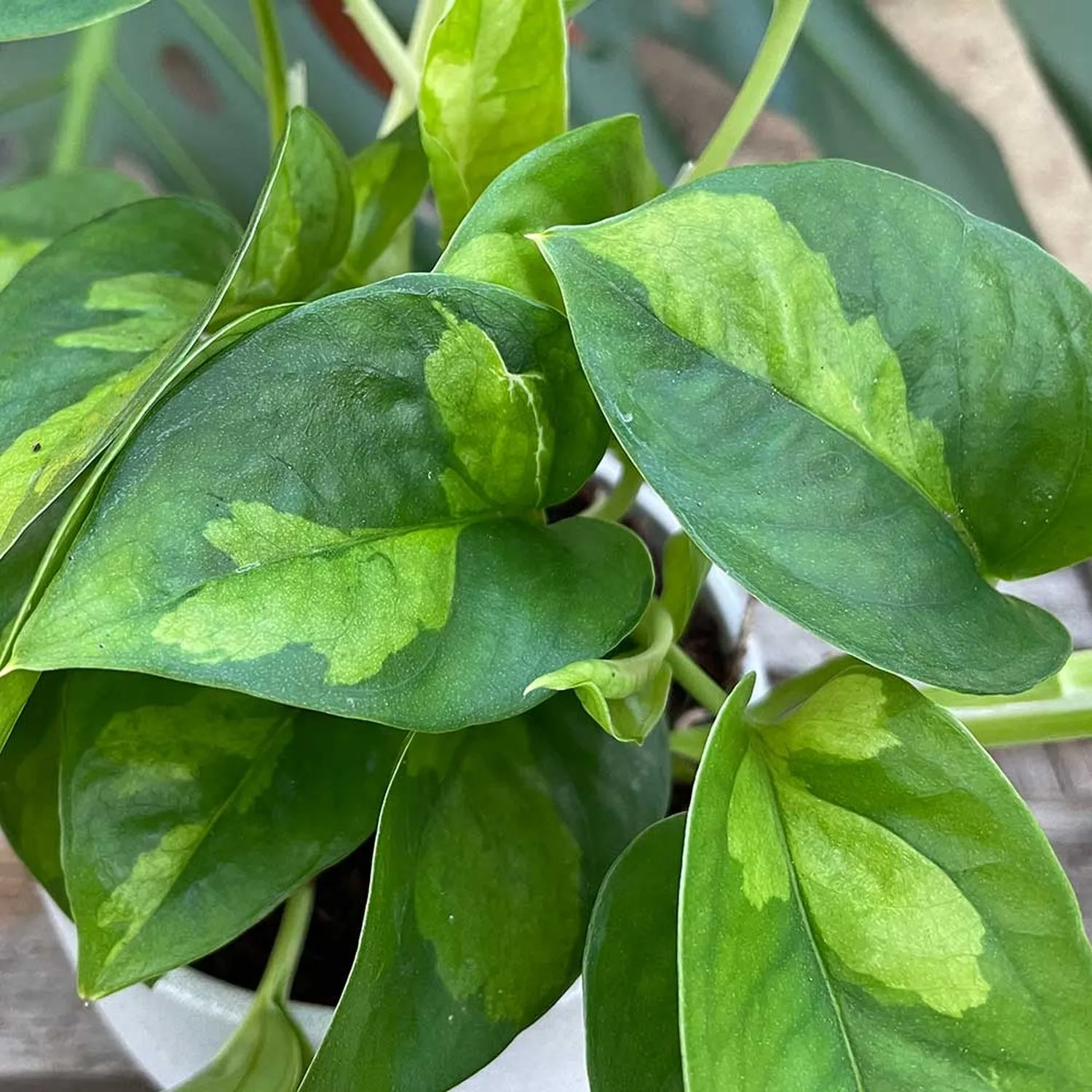
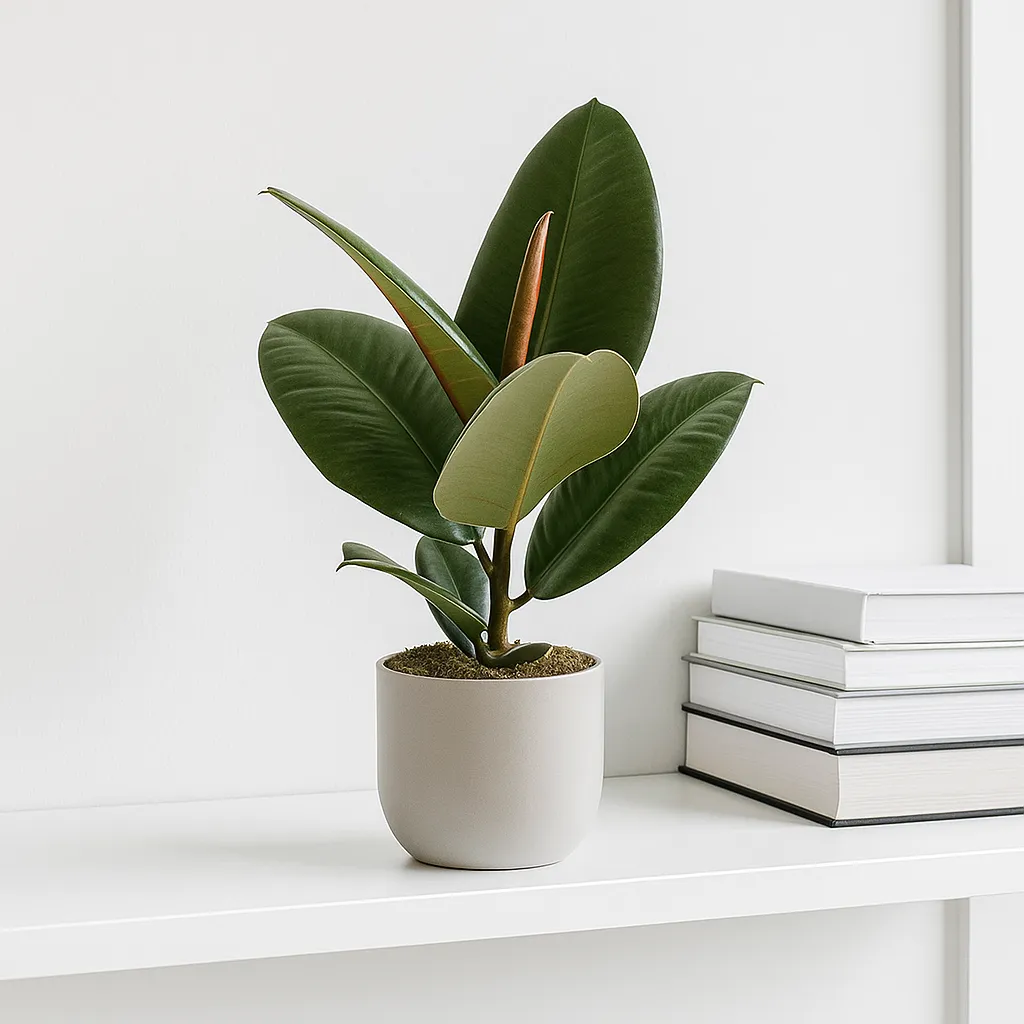
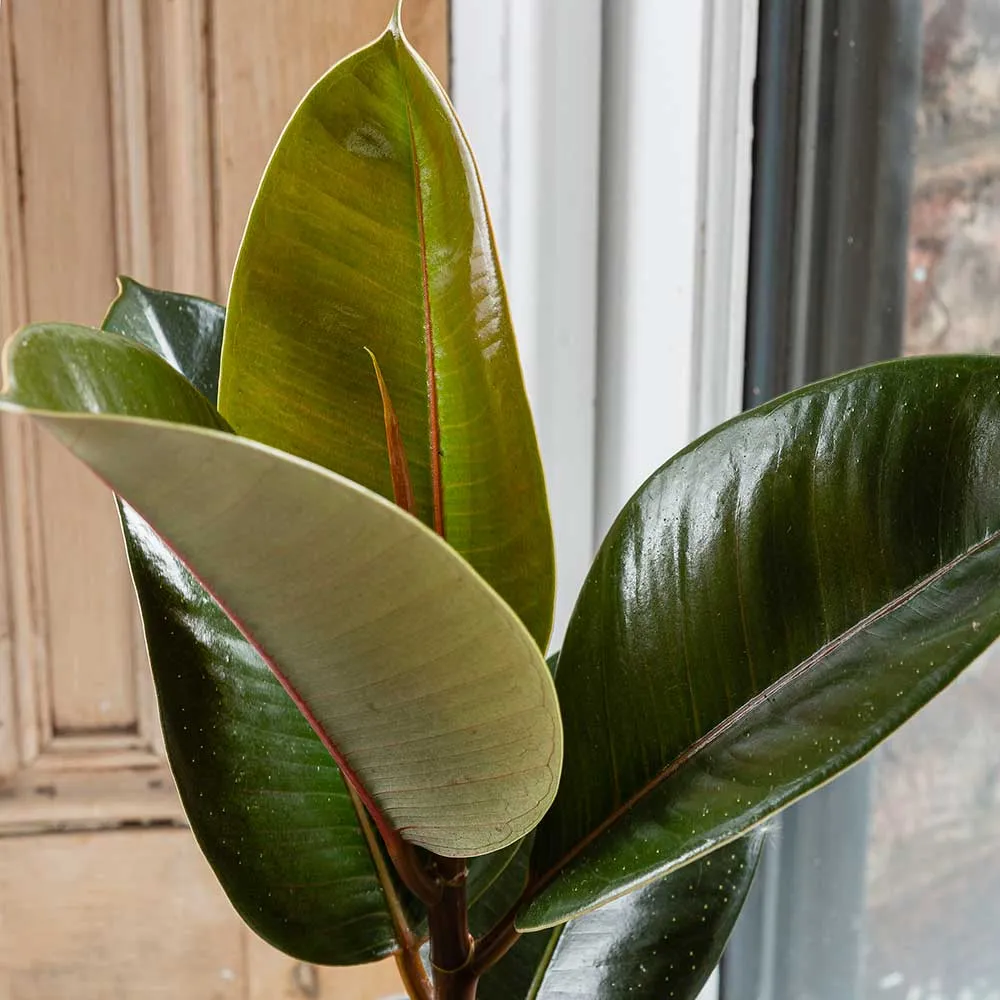
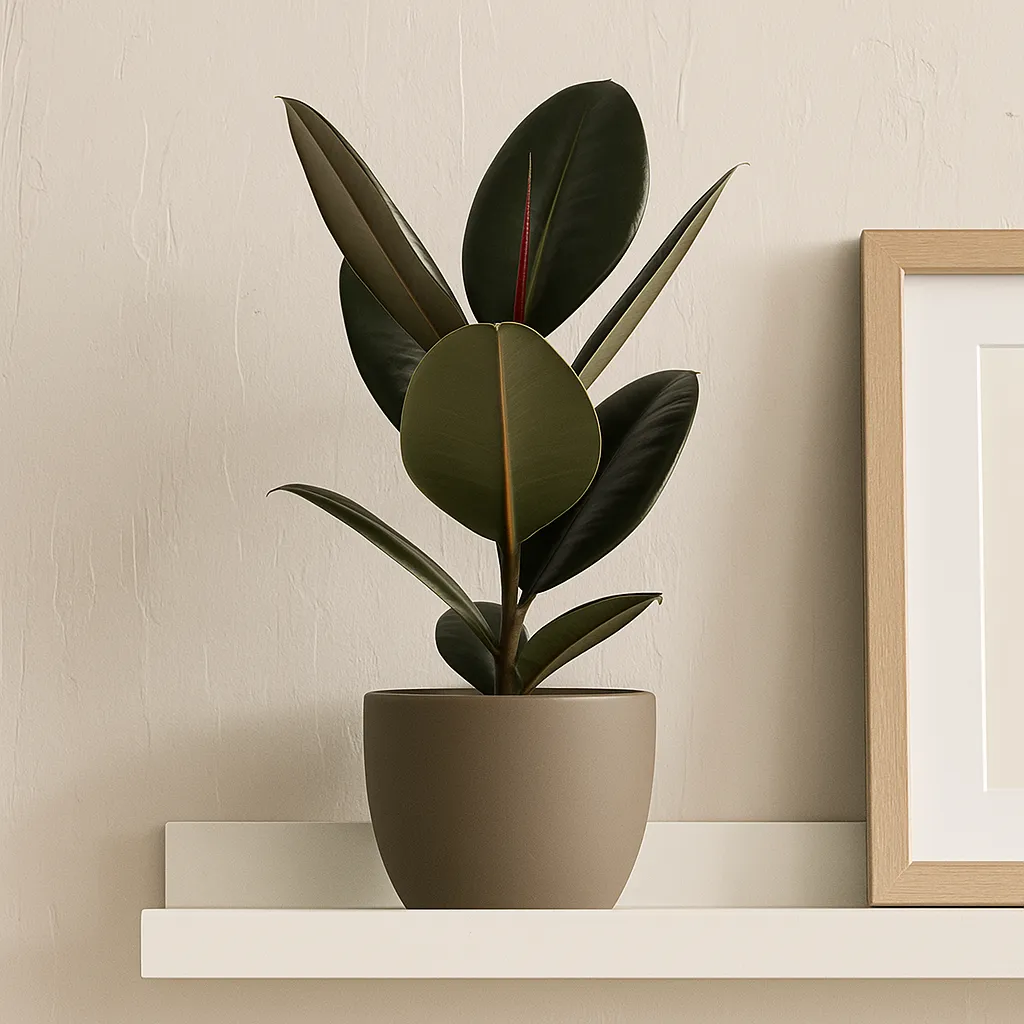
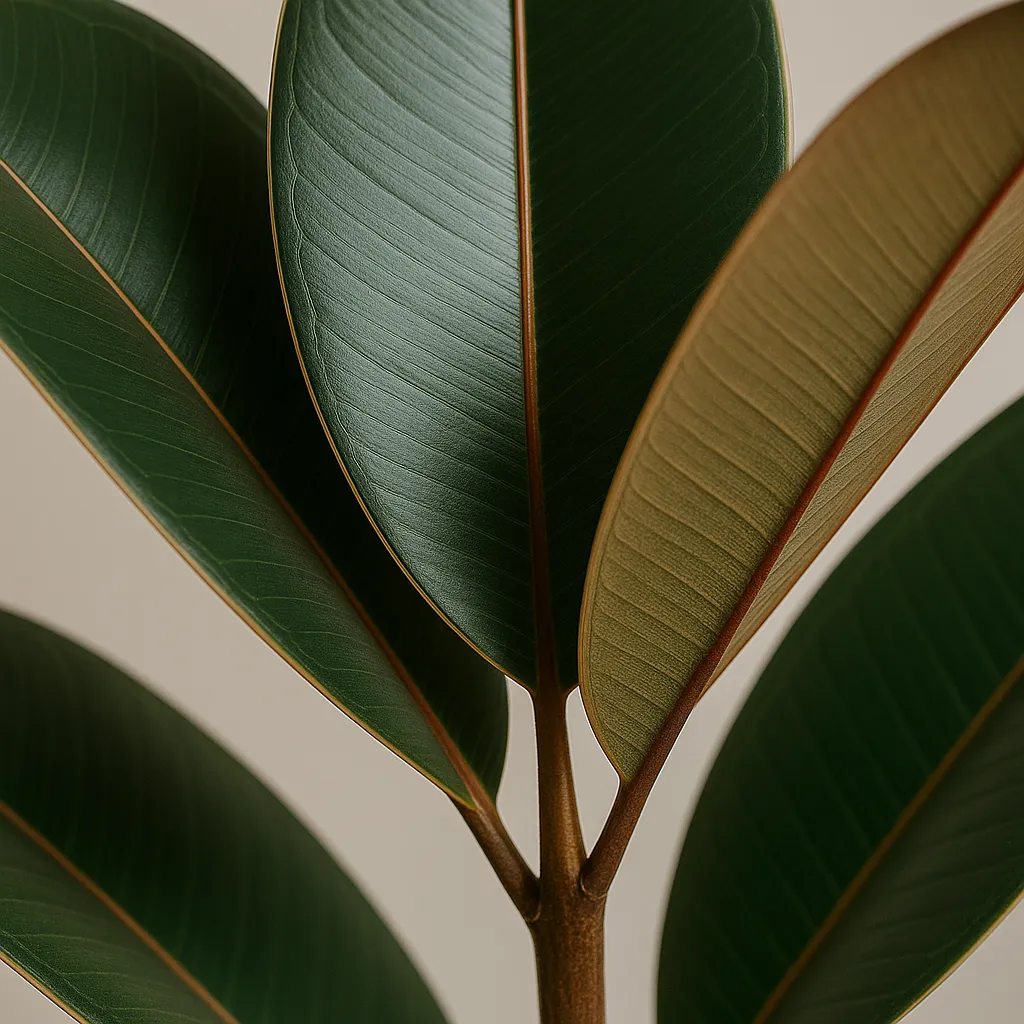
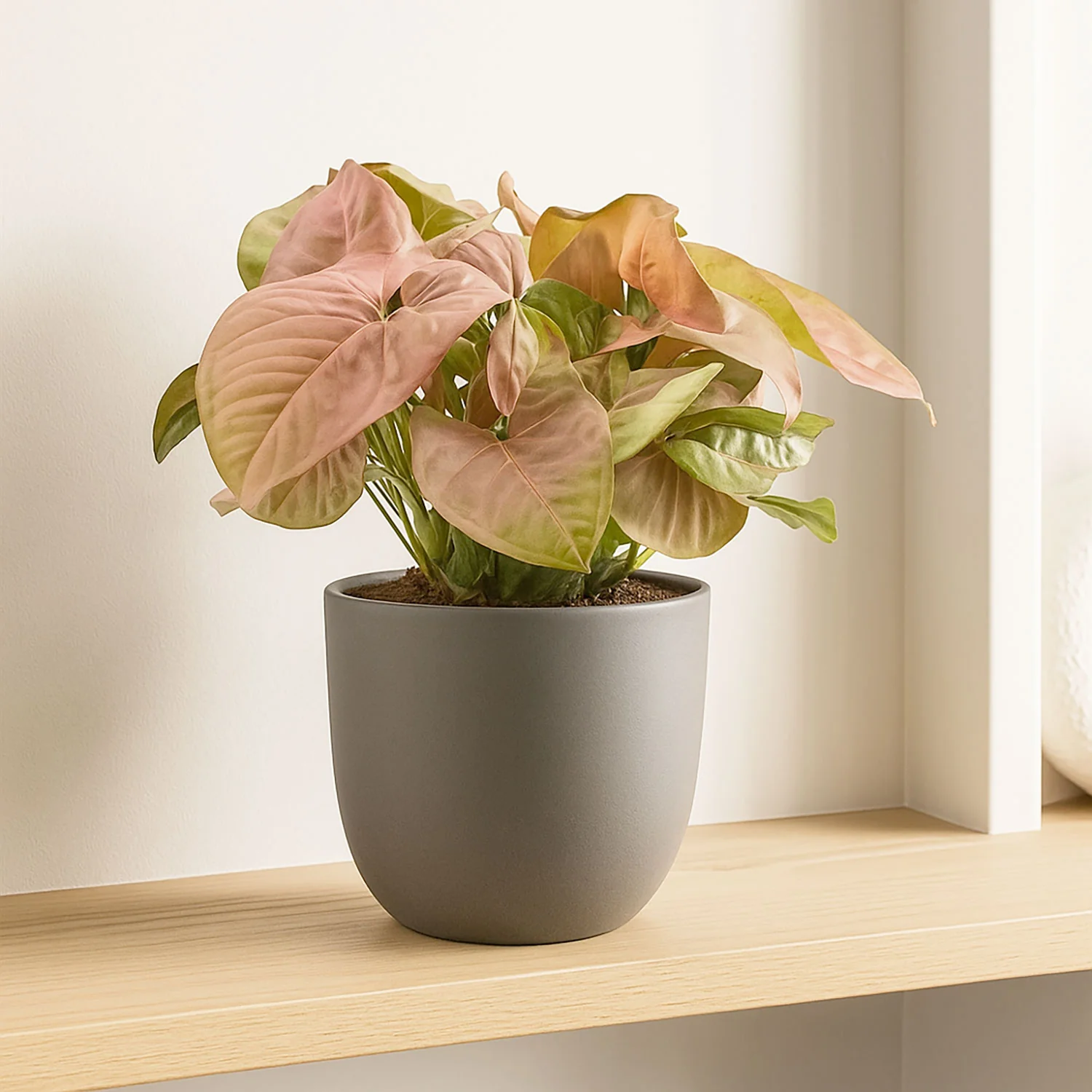
Syngonium ‘Red Heart’ is a stunning and compact variety of Syngonium podophyllum, celebrated for its soft pink, heart-shaped foliage and delicate, pastel charm. A native of the tropical rainforests of Central and South America, this plant belongs to the Araceae family and brings a romantic, calming beauty to any indoor collection.
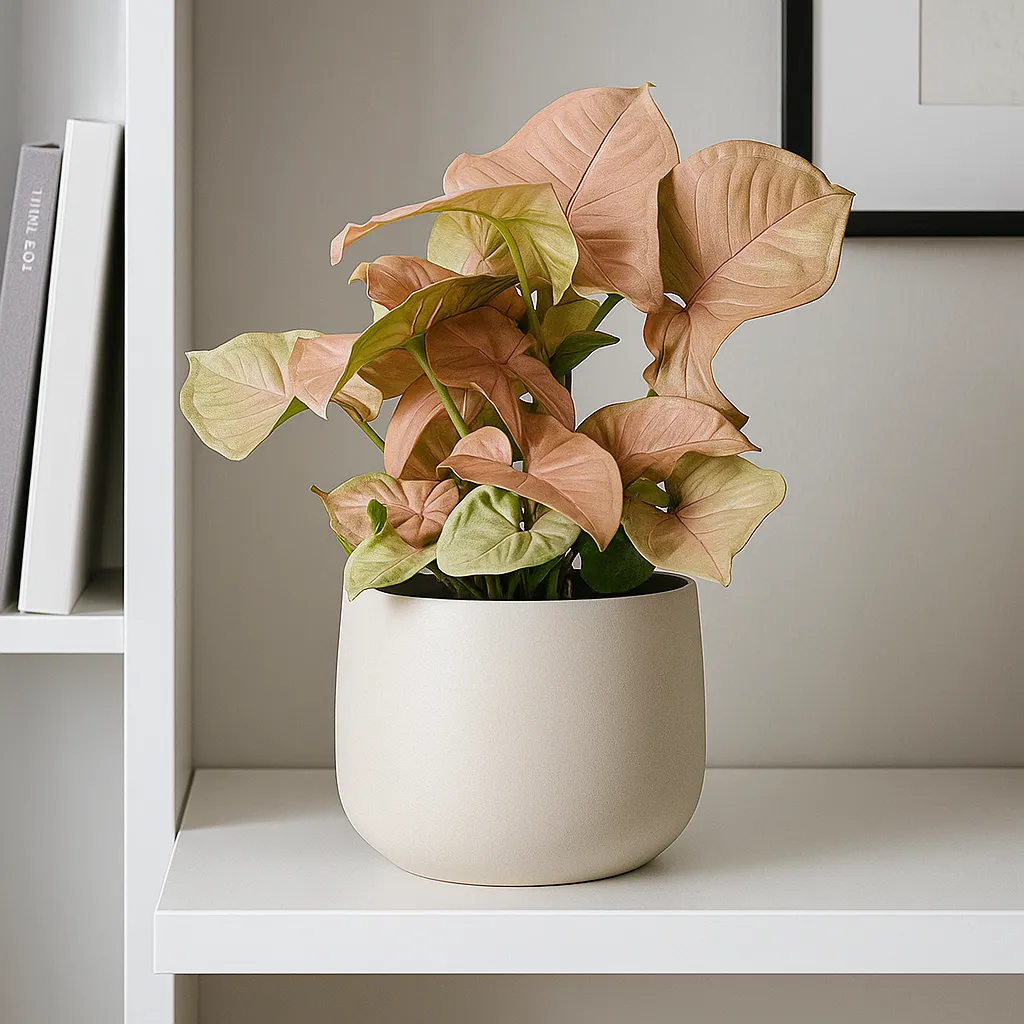
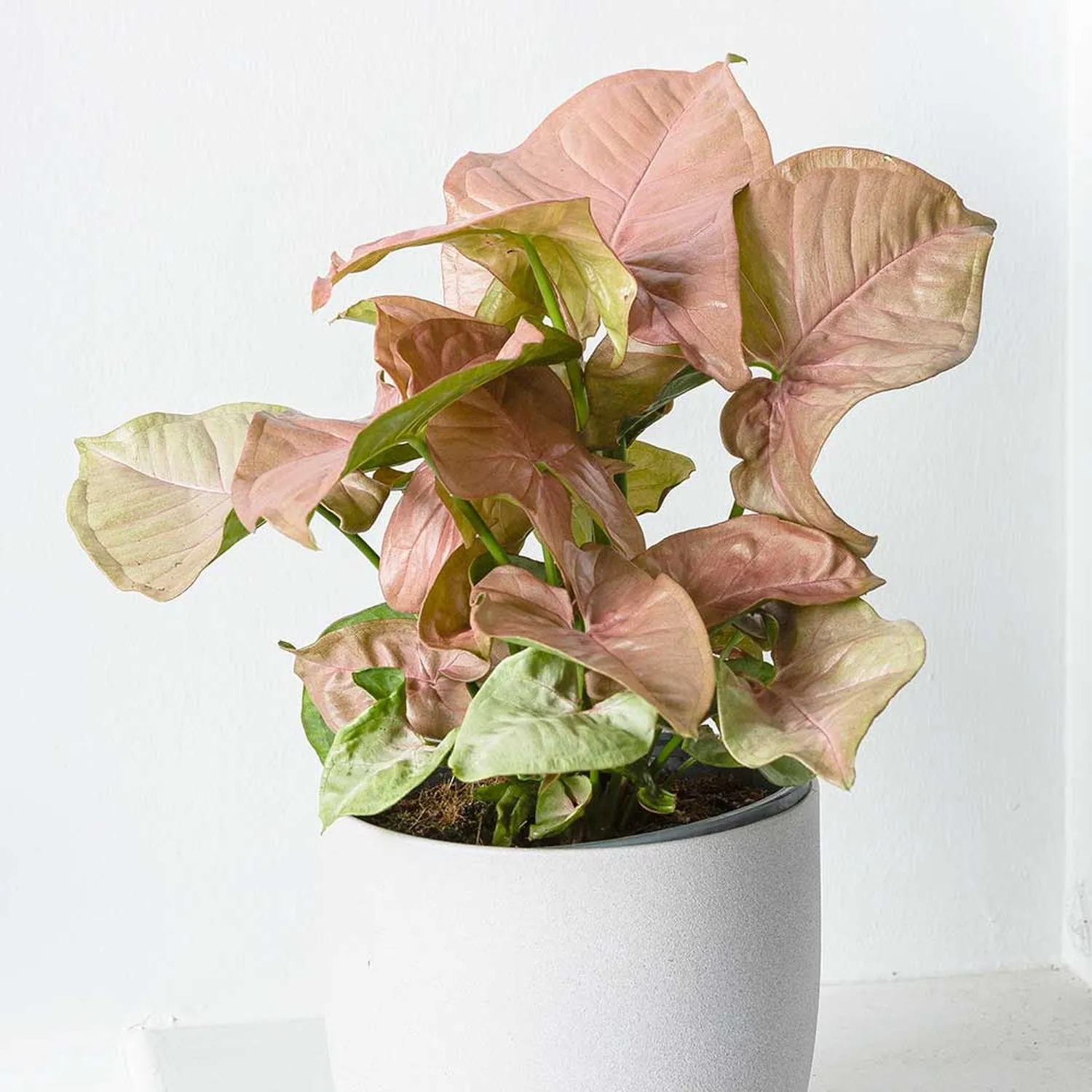
Unlike other Syngonium varieties that develop lobed leaves as they mature, ‘Red Heart’ retains its rounded, heart-shaped form — making it a favourite among collectors for its uniform, blushing leaves. The foliage is an enchanting mix of dusty rose and peachy-pink tones, with subtle green undertones near the veins. Compact, elegant, and easy to care for, Syngonium ‘Red Heart’ is perfect for tabletops, desks, and smaller spaces where its colour and texture can truly shine.
Soft yet vibrant, this pink-toned beauty brings warmth and serenity to interiors — a living expression of balance and grace.
Syngonium ‘Red Heart’ – Care Guide
Light
Thrives in bright, indirect light, which maintains its pink colouring and healthy growth. Too much direct sunlight can scorch the leaves, while too little light may cause them to turn greener. East- or north-facing windows are ideal. It can tolerate lower light but will grow slower and lose vibrancy.
Watering
Keep the soil lightly moist, watering when the top 2–3 cm feels dry. Avoid overwatering, as Syngonium ‘Red Heart’ prefers a consistent rhythm of moist (not soggy) soil. Ensure the pot has drainage holes and reduce watering slightly in winter when growth slows.
Temperature and Humidity
Temperature: Prefers warmth between 18–28 °C. Avoid temperatures below 15 °C and protect from cold drafts or heaters.
Humidity: Moderate to high humidity (50–70%) enhances leaf colour and prevents crisping edges. Mist occasionally, use a humidifier, or group with other tropical plants.
Soil and Potting
Use a well-draining, moisture-retentive mix — ideally compost combined with perlite and coco coir. This provides steady hydration while preventing root rot. Repot every 1–2 years in spring to refresh nutrients and allow room for growth.
Feeding
Feed every 4–6 weeks in spring and summer with a balanced, diluted liquid fertiliser. Over-fertilising can cause leaf discolouration, so apply sparingly. Pause feeding during autumn and winter.
Pruning and Maintenance
Trim away older or yellowing leaves to maintain a neat shape and stimulate new growth. Rotate the plant occasionally for even light exposure. Wipe leaves with a soft, damp cloth to keep them clean and enhance their natural sheen.
Growth and Maturity
A compact and moderately fast grower, Syngonium ‘Red Heart’ typically reaches 30–50 cm in height and spread indoors. It remains more compact than climbing Syngonium types, maintaining a bushy, symmetrical form. With age, it may develop longer petioles and a more graceful, arching habit.
Common Issues
-
Yellowing leaves: Overwatering or poor drainage.
-
Faded colour: Insufficient light.
-
Crispy edges: Low humidity or underwatering.
-
Pests: Occasionally affected by spider mites or aphids; treat promptly with neem oil or insecticidal soap.
Background and Benefits
Originating from the tropical forests of Central and South America, Syngonium ‘Red Heart’ is a cultivar bred for its rare, consistent pink tones and compact size. Like other Syngoniums, it symbolises personal growth and positive energy — making it a meaningful addition to home and workspace environments.
Beyond its visual appeal, it also contributes to improved indoor air quality by filtering toxins such as formaldehyde and benzene. Non-toxic to touch but mildly toxic if ingested, it should be kept out of reach of pets and small children.
Quick Care Summary
-
Light: Bright, indirect light; avoid direct sun
-
Water: Keep soil lightly moist; allow top few cm to dry
-
Temperature: 18–28 °C; avoid below 15 °C
-
Humidity: Moderate to high (50–70%)
-
Soil: Moisture-retentive, well-draining mix – compost, perlite, coco coir
-
Feed: Every 4–6 weeks in spring/summer
-
Growth: 30–50 cm tall; heart-shaped pink leaves with soft green undertones
⚠️ Toxicity note: Mildly toxic to pets and humans if ingested; may cause mouth or skin irritation.
Styling Tip
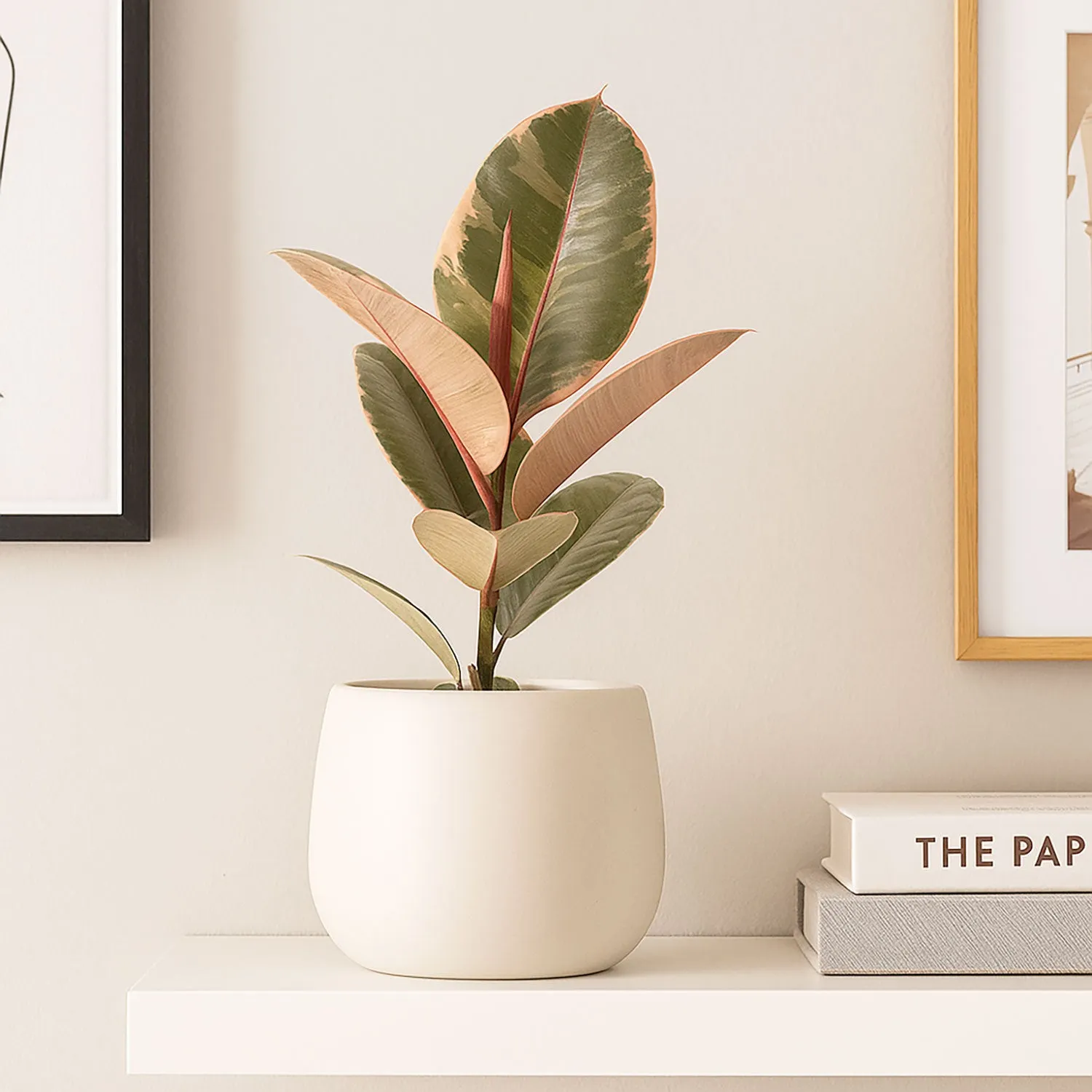
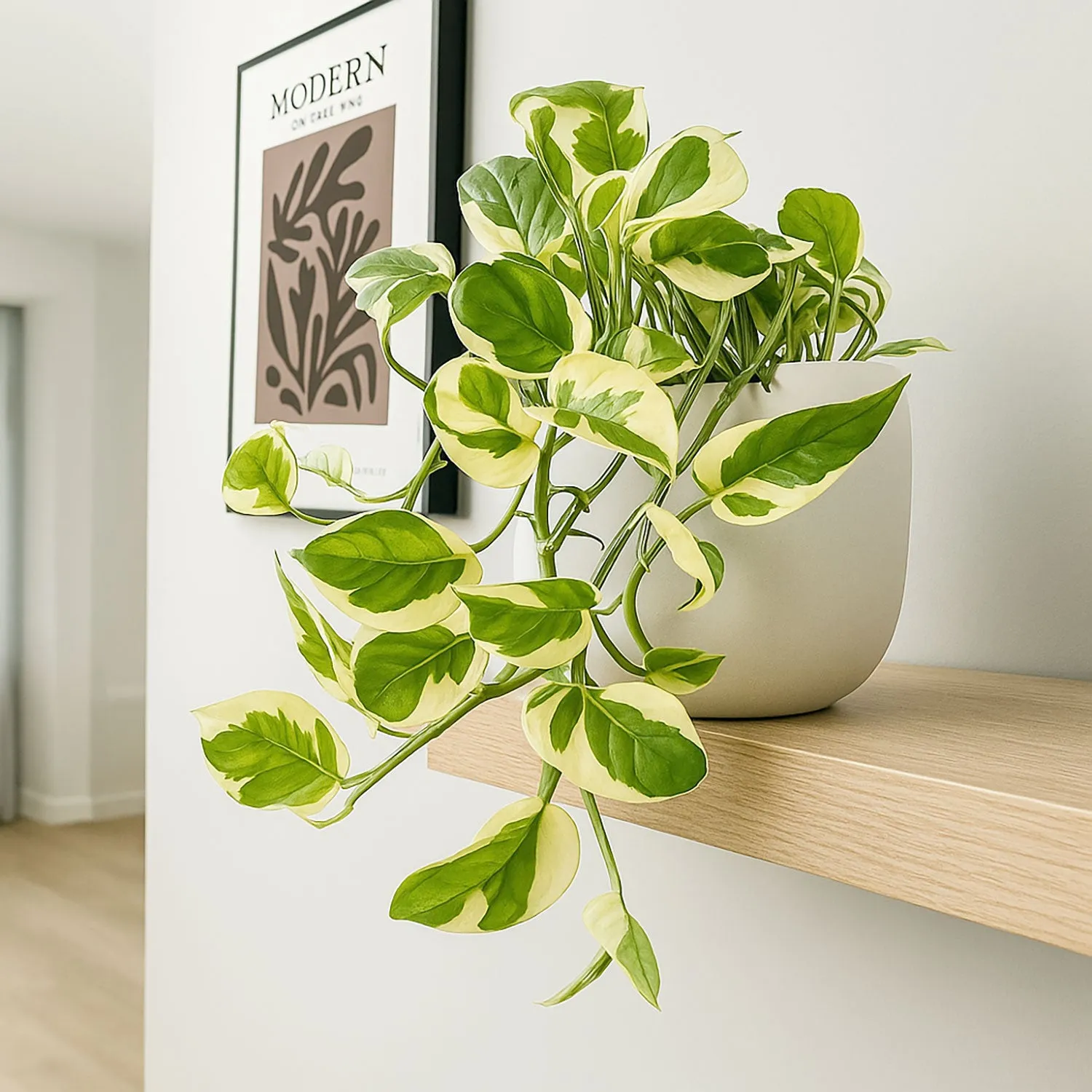
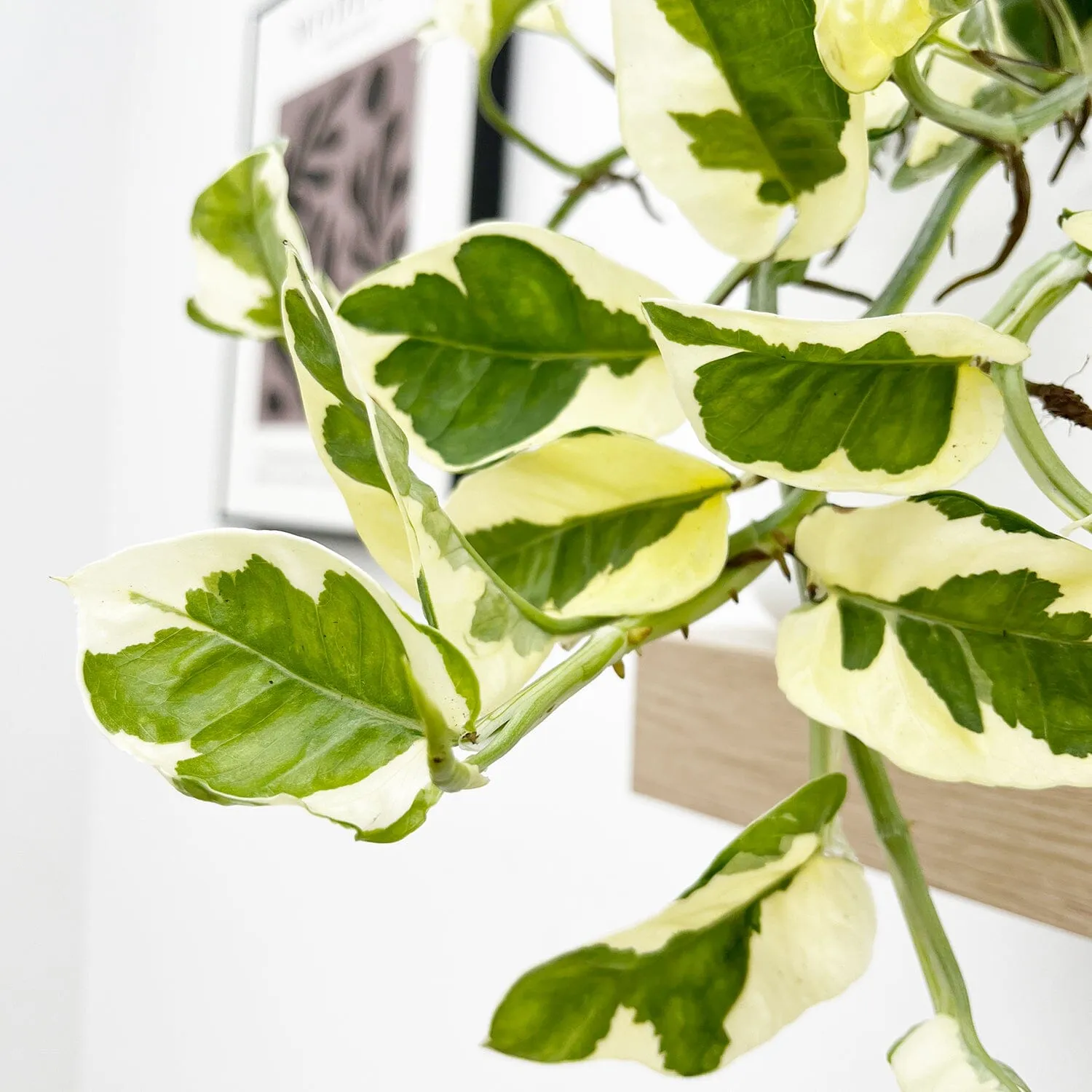
Showcase Syngonium ‘Red Heart’ in a white, grey, or gold planter to highlight its pink foliage. It pairs beautifully with green or silver-leaved plants such as Epipremnum ‘N’Joy’ or Phlebodium ‘Blue Star’, adding contrast and warmth to mixed displays. Perfect for desks, shelves, or bedside tables, this variety thrives in bright, humid rooms — a charming, low-maintenance way to bring soft tropical colour into modern interiors.
Original: $11.86
-70%$11.86
$3.56Product Information
Product Information
Shipping & Returns
Shipping & Returns
Description
Syngonium ‘Red Heart’ is a stunning and compact variety of Syngonium podophyllum, celebrated for its soft pink, heart-shaped foliage and delicate, pastel charm. A native of the tropical rainforests of Central and South America, this plant belongs to the Araceae family and brings a romantic, calming beauty to any indoor collection.
Unlike other Syngonium varieties that develop lobed leaves as they mature, ‘Red Heart’ retains its rounded, heart-shaped form — making it a favourite among collectors for its uniform, blushing leaves. The foliage is an enchanting mix of dusty rose and peachy-pink tones, with subtle green undertones near the veins. Compact, elegant, and easy to care for, Syngonium ‘Red Heart’ is perfect for tabletops, desks, and smaller spaces where its colour and texture can truly shine.
Soft yet vibrant, this pink-toned beauty brings warmth and serenity to interiors — a living expression of balance and grace.
Syngonium ‘Red Heart’ – Care Guide
Light
Thrives in bright, indirect light, which maintains its pink colouring and healthy growth. Too much direct sunlight can scorch the leaves, while too little light may cause them to turn greener. East- or north-facing windows are ideal. It can tolerate lower light but will grow slower and lose vibrancy.
Watering
Keep the soil lightly moist, watering when the top 2–3 cm feels dry. Avoid overwatering, as Syngonium ‘Red Heart’ prefers a consistent rhythm of moist (not soggy) soil. Ensure the pot has drainage holes and reduce watering slightly in winter when growth slows.
Temperature and Humidity
Temperature: Prefers warmth between 18–28 °C. Avoid temperatures below 15 °C and protect from cold drafts or heaters.
Humidity: Moderate to high humidity (50–70%) enhances leaf colour and prevents crisping edges. Mist occasionally, use a humidifier, or group with other tropical plants.
Soil and Potting
Use a well-draining, moisture-retentive mix — ideally compost combined with perlite and coco coir. This provides steady hydration while preventing root rot. Repot every 1–2 years in spring to refresh nutrients and allow room for growth.
Feeding
Feed every 4–6 weeks in spring and summer with a balanced, diluted liquid fertiliser. Over-fertilising can cause leaf discolouration, so apply sparingly. Pause feeding during autumn and winter.
Pruning and Maintenance
Trim away older or yellowing leaves to maintain a neat shape and stimulate new growth. Rotate the plant occasionally for even light exposure. Wipe leaves with a soft, damp cloth to keep them clean and enhance their natural sheen.
Growth and Maturity
A compact and moderately fast grower, Syngonium ‘Red Heart’ typically reaches 30–50 cm in height and spread indoors. It remains more compact than climbing Syngonium types, maintaining a bushy, symmetrical form. With age, it may develop longer petioles and a more graceful, arching habit.
Common Issues
-
Yellowing leaves: Overwatering or poor drainage.
-
Faded colour: Insufficient light.
-
Crispy edges: Low humidity or underwatering.
-
Pests: Occasionally affected by spider mites or aphids; treat promptly with neem oil or insecticidal soap.
Background and Benefits
Originating from the tropical forests of Central and South America, Syngonium ‘Red Heart’ is a cultivar bred for its rare, consistent pink tones and compact size. Like other Syngoniums, it symbolises personal growth and positive energy — making it a meaningful addition to home and workspace environments.
Beyond its visual appeal, it also contributes to improved indoor air quality by filtering toxins such as formaldehyde and benzene. Non-toxic to touch but mildly toxic if ingested, it should be kept out of reach of pets and small children.
Quick Care Summary
-
Light: Bright, indirect light; avoid direct sun
-
Water: Keep soil lightly moist; allow top few cm to dry
-
Temperature: 18–28 °C; avoid below 15 °C
-
Humidity: Moderate to high (50–70%)
-
Soil: Moisture-retentive, well-draining mix – compost, perlite, coco coir
-
Feed: Every 4–6 weeks in spring/summer
-
Growth: 30–50 cm tall; heart-shaped pink leaves with soft green undertones
⚠️ Toxicity note: Mildly toxic to pets and humans if ingested; may cause mouth or skin irritation.
Styling Tip
Showcase Syngonium ‘Red Heart’ in a white, grey, or gold planter to highlight its pink foliage. It pairs beautifully with green or silver-leaved plants such as Epipremnum ‘N’Joy’ or Phlebodium ‘Blue Star’, adding contrast and warmth to mixed displays. Perfect for desks, shelves, or bedside tables, this variety thrives in bright, humid rooms — a charming, low-maintenance way to bring soft tropical colour into modern interiors.