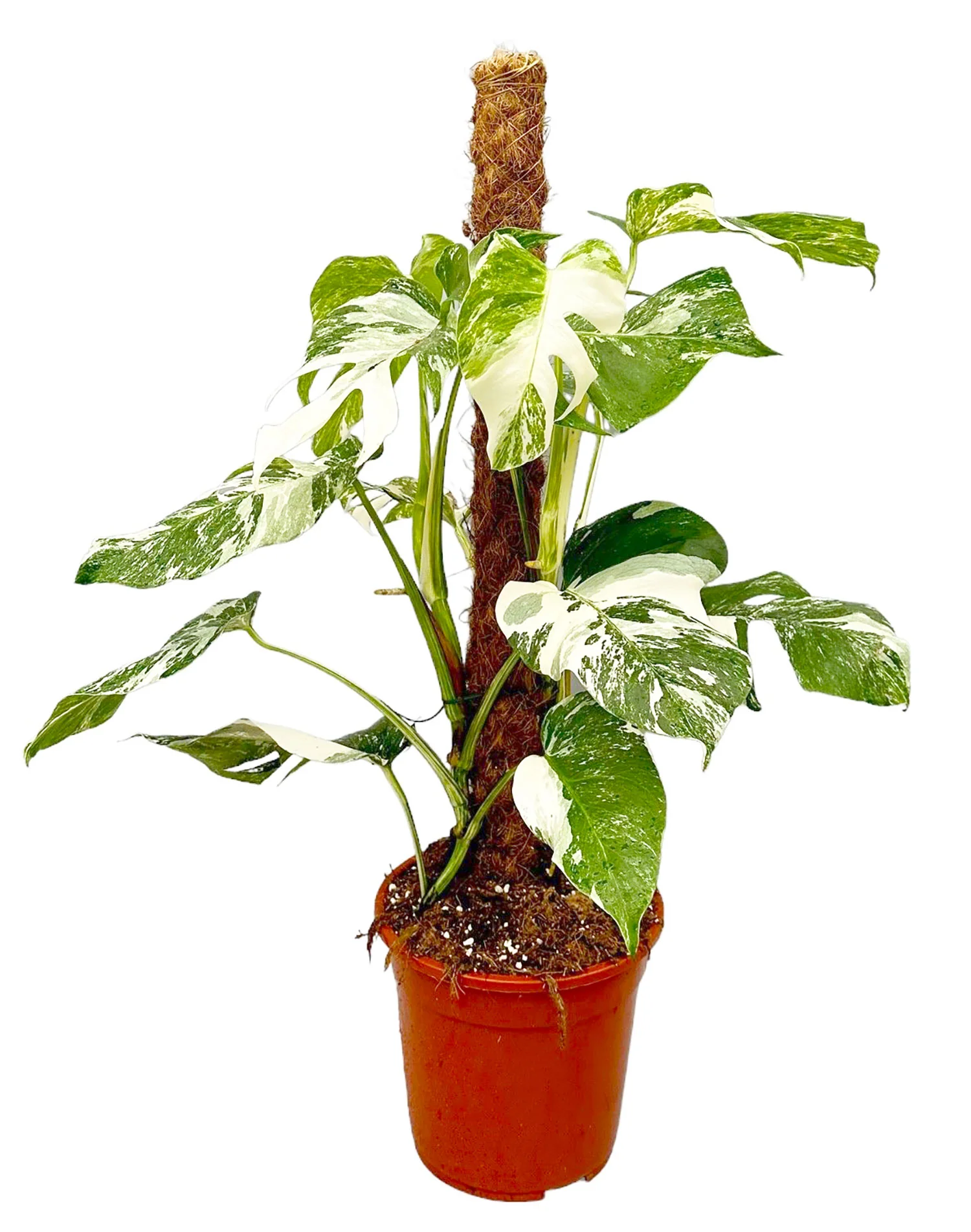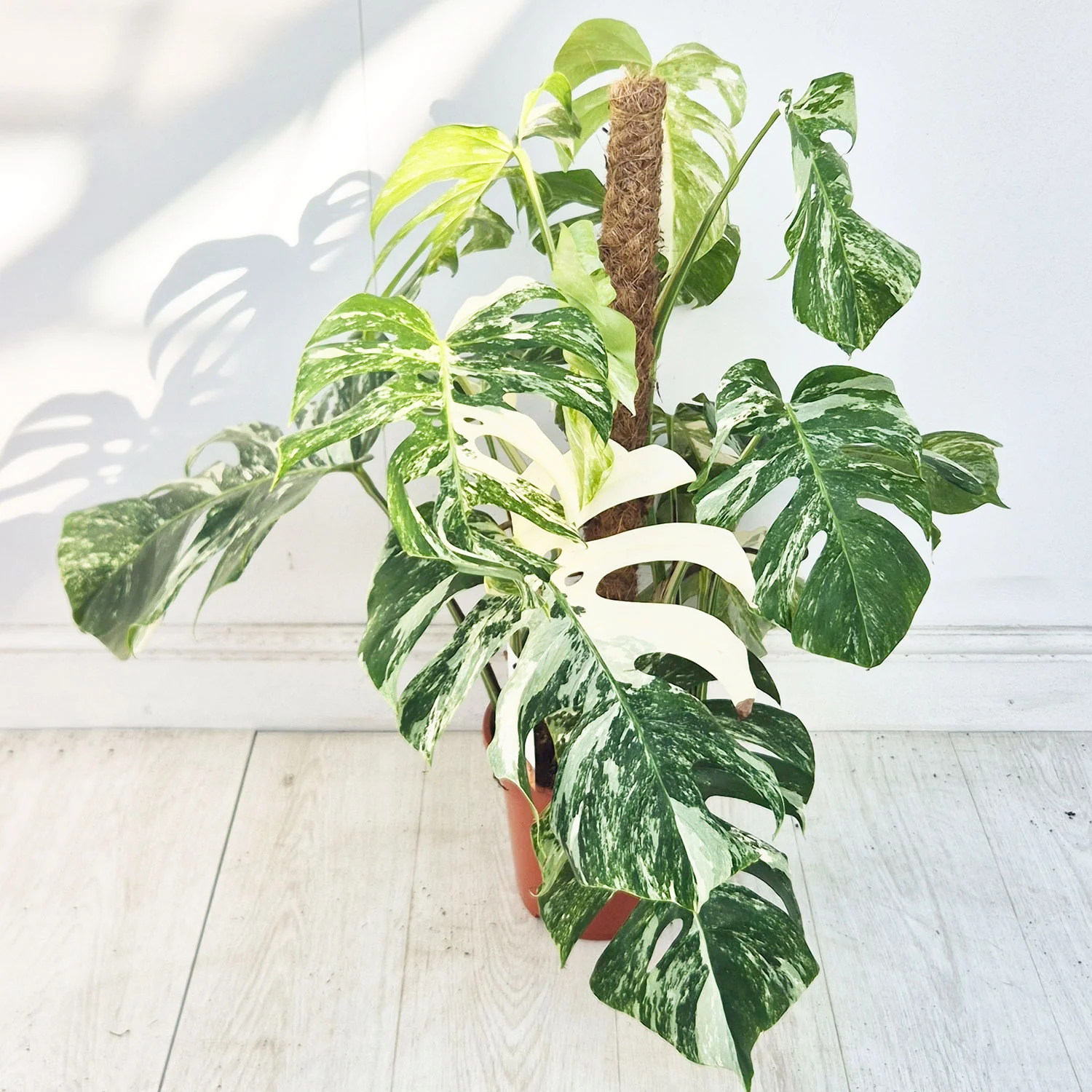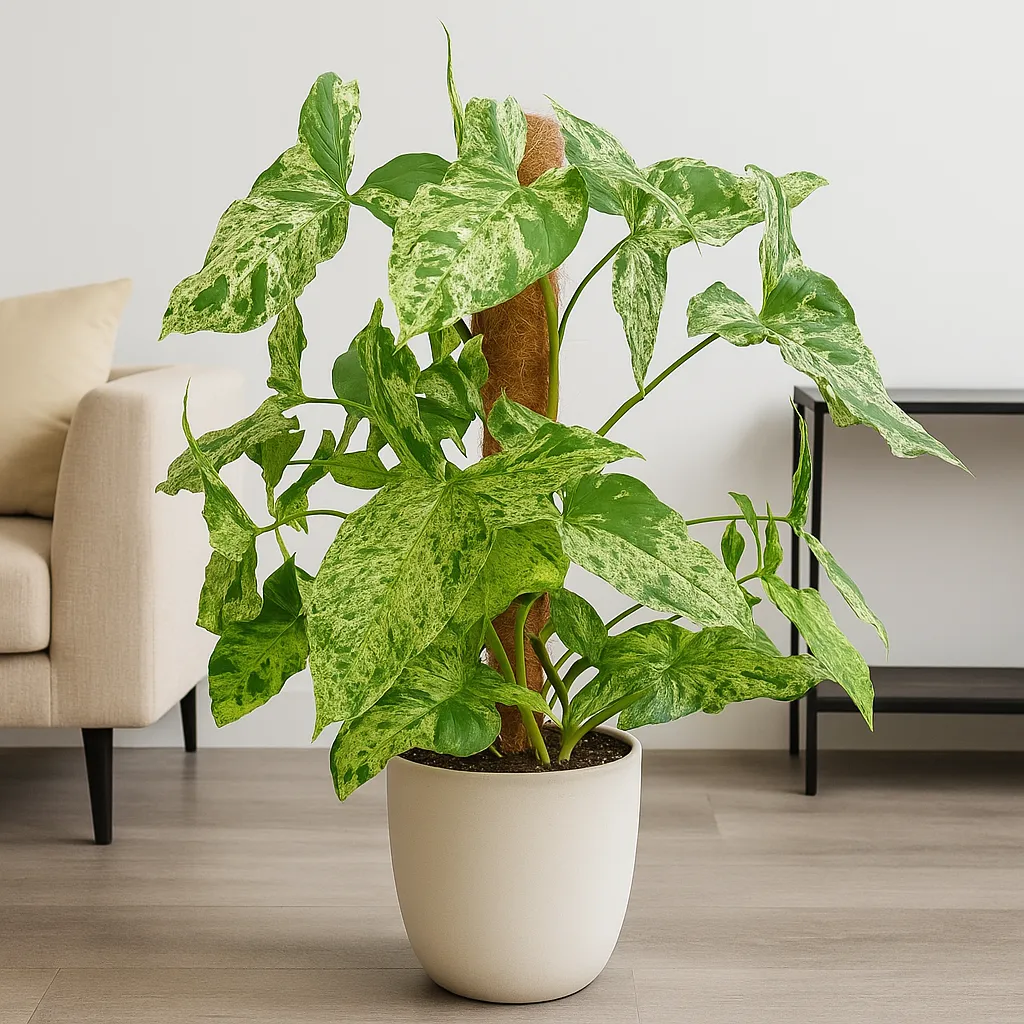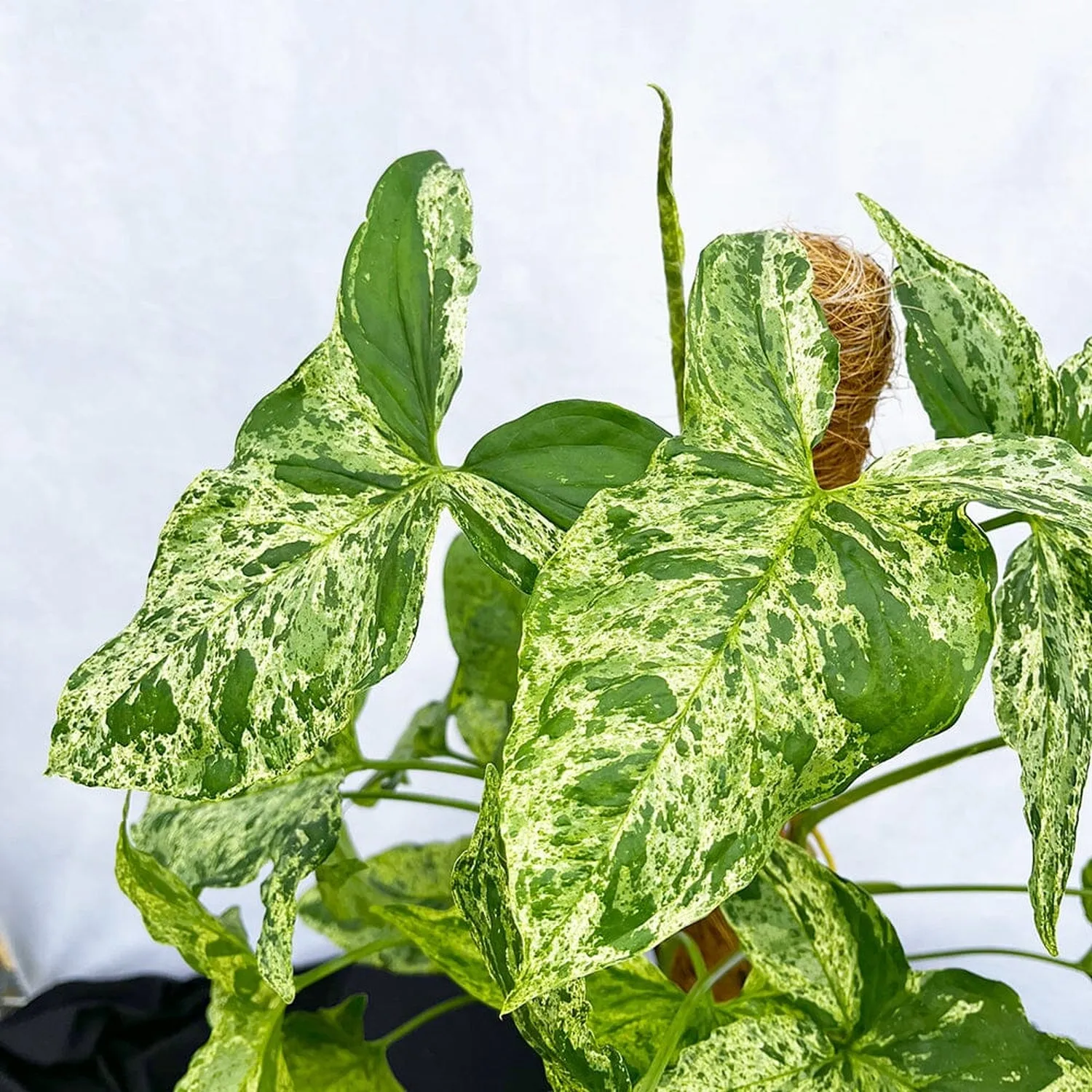
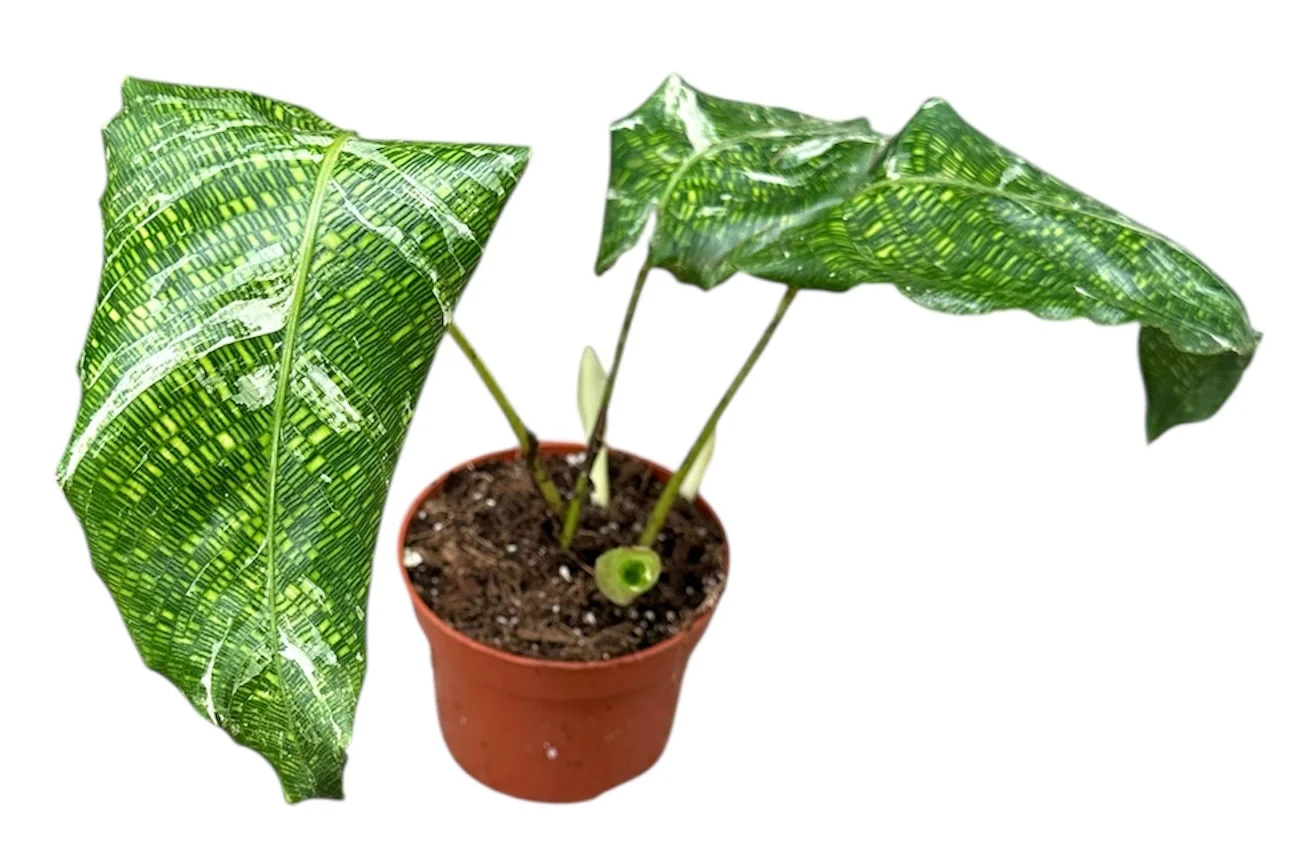
Calathea Musaica Variegata 10.5cm Pot House Plant
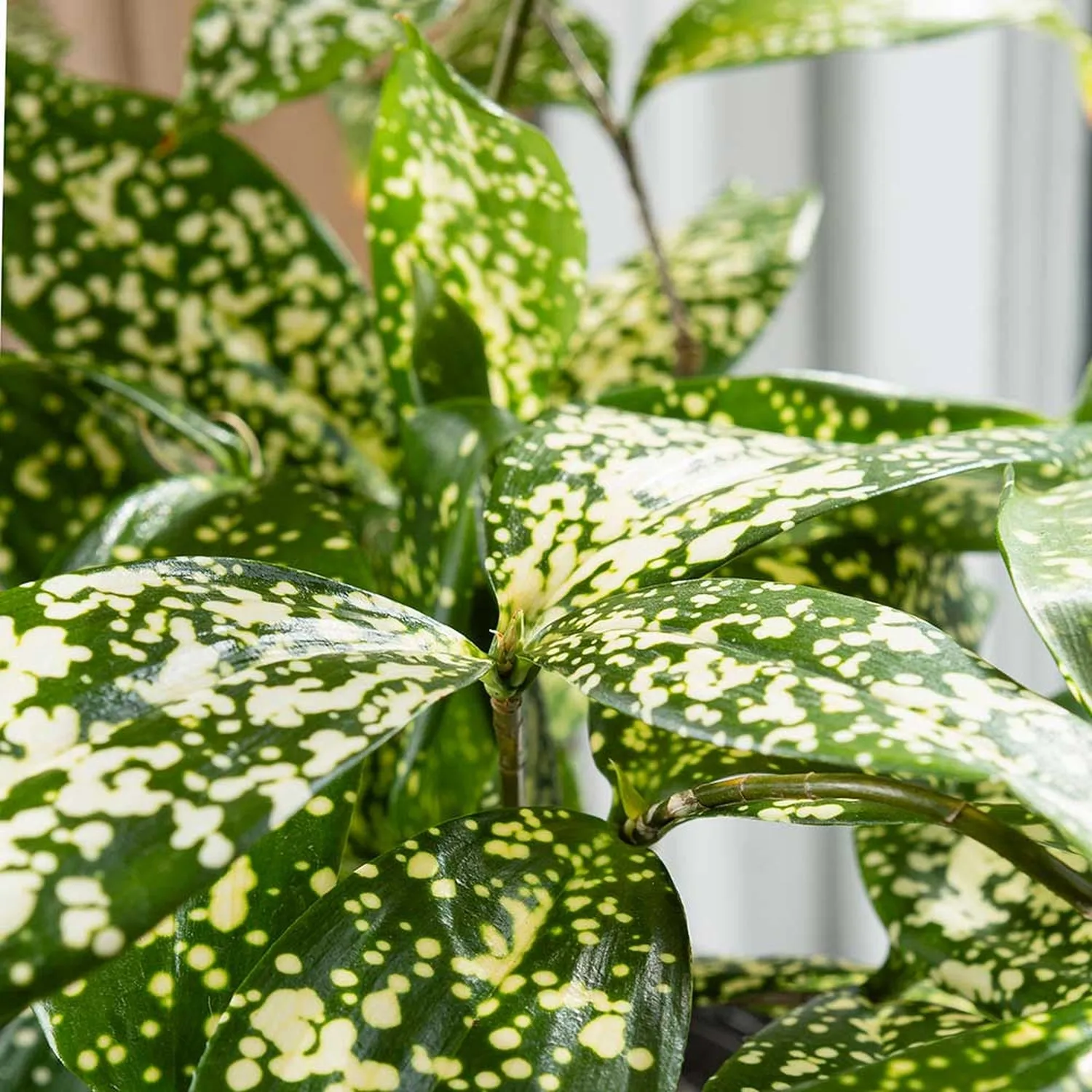
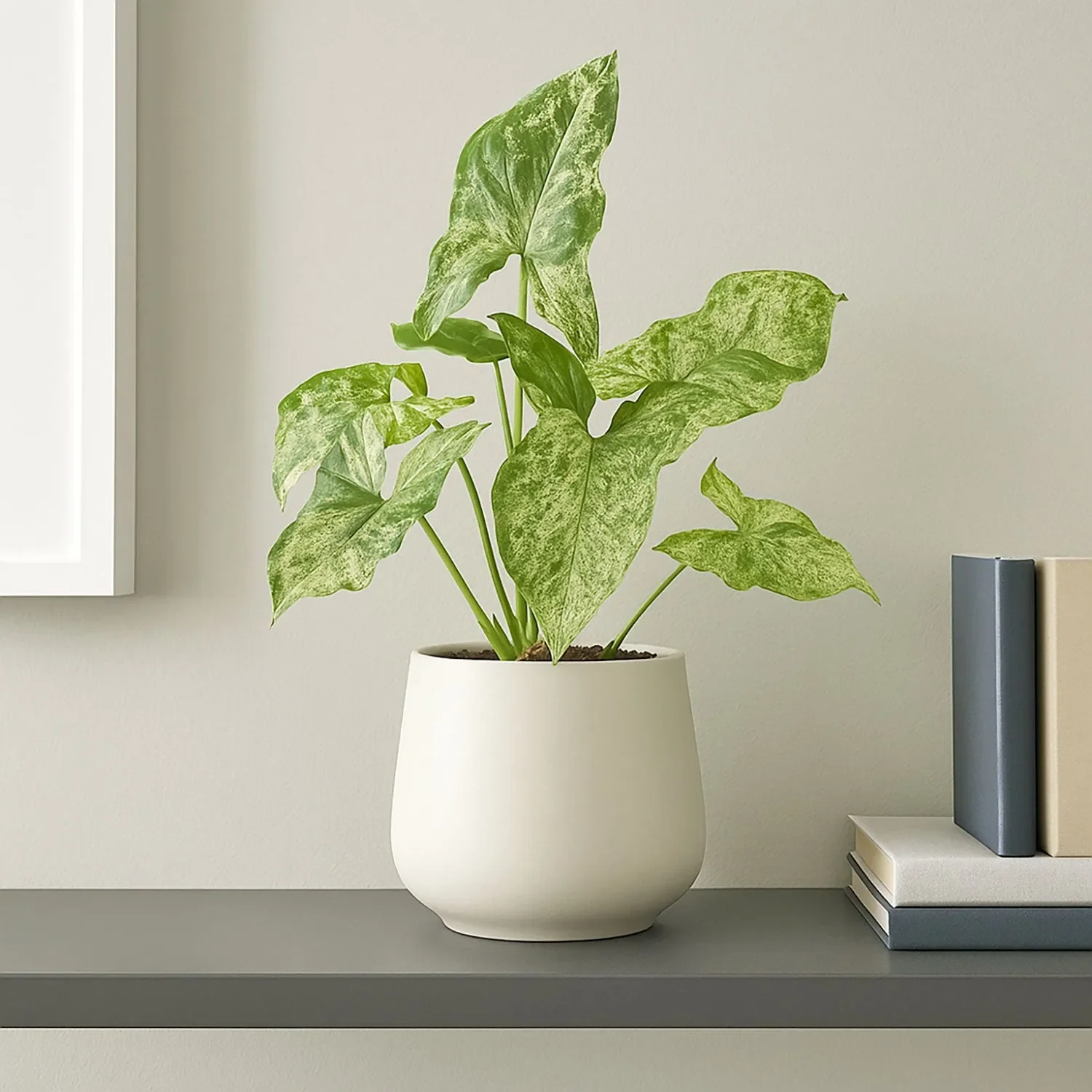
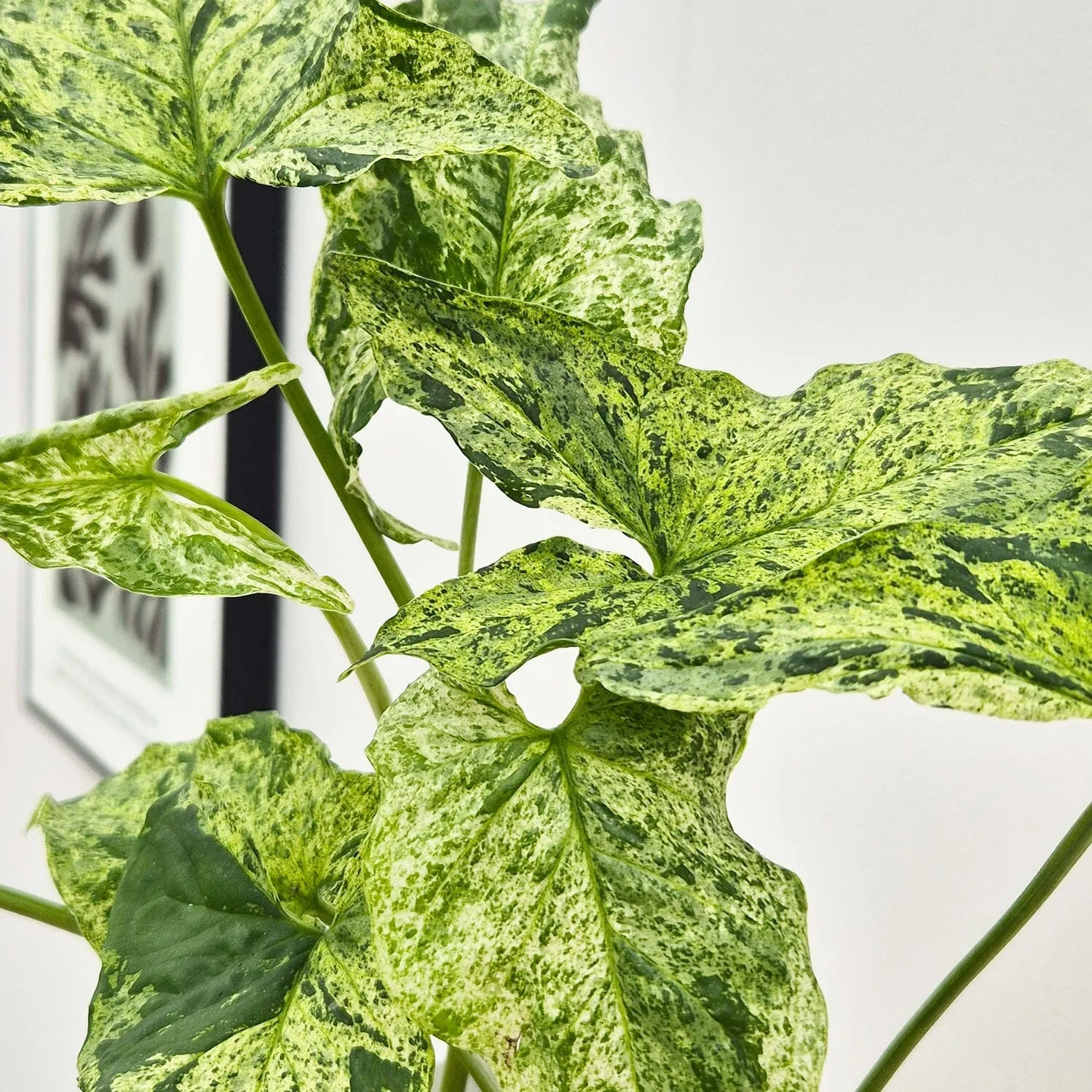
Calathea musaica ‘Variegata’, often sold under its former botanical name Goeppertia kegeljanii, is prized for its intricate, mosaic-like leaf patterning overlaid with creamy variegation. Unlike many calatheas, its leaves are slightly firmer and glossier, giving it a refined, architectural look while still offering the classic “prayer plant” movement.
Appearance & Growth Habit
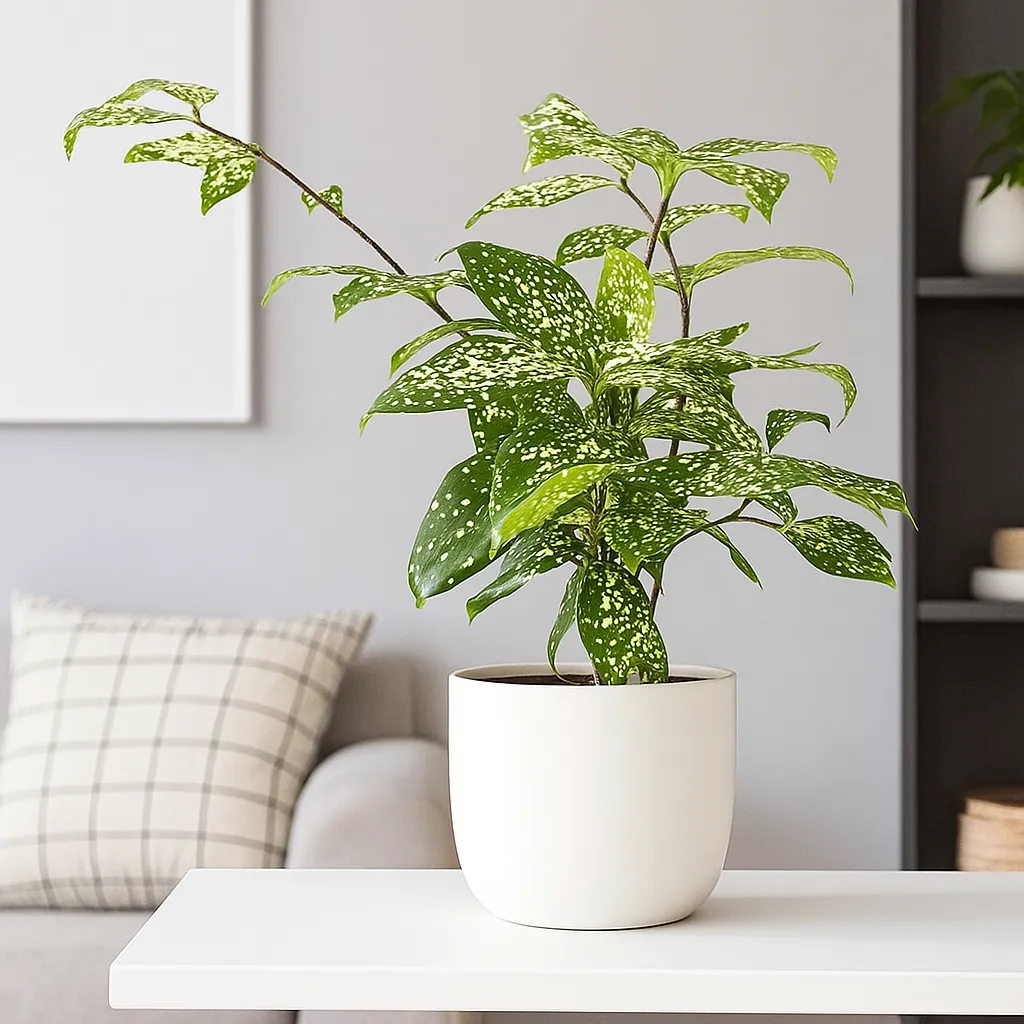
This is a compact, clump-forming plant with oval leaves etched in a fine, network pattern. The variegated form features irregular cream to pale yellow patches that contrast beautifully with the fresh green base. Leaves gently rise and settle between day and night, adding subtle movement. Indoors, it typically reaches 30–50 cm in height and width, making it ideal for shelves, sideboards, or grouped displays.
Light Requirements
Bright, indirect light is ideal. Variegation needs good light to stay crisp, but direct sun will scorch the leaves and fade the pattern. An east-facing window or a position a few feet back from a south or west window works well. In lower light, growth slows and variegation may become less pronounced.
Watering
Keep the compost consistently lightly moist, never waterlogged. Water when the top 2–3 cm of compost feels dry. Calatheas are sensitive to minerals, so use rainwater, distilled water, or filtered tap water where possible. Allow excess water to drain freely and never let the pot sit in standing water, as this can lead to root issues.
Humidity
High humidity is essential for long-term success. Aim for 60% or higher. Dry air often causes brown leaf edges or curling. Use a humidifier, group plants together, or place the pot on a pebble tray topped up with water (ensuring the pot base stays dry). Bathrooms and kitchens with good light can be excellent locations.
Temperature
Prefers warm, stable conditions between 18–26°C. Avoid cold draughts, sudden temperature drops, and positioning near radiators or air-conditioning units. Temperatures below 15°C can cause stress and leaf damage.
Compost & Potting
Use a free-draining but moisture-retentive mix, such as a blend of houseplant compost with added perlite and a little orchid bark or coco coir. Repot every 1–2 years in spring, only going up one pot size at a time to prevent excess moisture around the roots.
Feeding
Feed lightly during the growing season (spring to early autumn) with a diluted balanced houseplant fertiliser every 4–6 weeks. Overfeeding can lead to salt build-up and leaf tip burn, so less is more with calatheas. Do not feed in winter.
Maintenance & Care
Wipe leaves occasionally with a soft, damp cloth to remove dust and keep the intricate pattern looking sharp. Trim away any damaged or yellowing leaves at the base using clean scissors to encourage healthy new growth.
Common Issues
-
Brown edges or tips: Usually low humidity or mineral-heavy water
-
Yellowing leaves: Often overwatering or poor drainage
-
Fading variegation: Insufficient light
-
Leaf curl: Underwatering, cold temperatures, or dry air
Pet Safety
Like other calatheas, Calathea musaica ‘Variegata’ is non-toxic to cats and dogs, making it a safe choice for pet-friendly homes.
Product Information
Product Information
Shipping & Returns
Shipping & Returns
Description
Calathea musaica ‘Variegata’, often sold under its former botanical name Goeppertia kegeljanii, is prized for its intricate, mosaic-like leaf patterning overlaid with creamy variegation. Unlike many calatheas, its leaves are slightly firmer and glossier, giving it a refined, architectural look while still offering the classic “prayer plant” movement.
Appearance & Growth Habit
This is a compact, clump-forming plant with oval leaves etched in a fine, network pattern. The variegated form features irregular cream to pale yellow patches that contrast beautifully with the fresh green base. Leaves gently rise and settle between day and night, adding subtle movement. Indoors, it typically reaches 30–50 cm in height and width, making it ideal for shelves, sideboards, or grouped displays.
Light Requirements
Bright, indirect light is ideal. Variegation needs good light to stay crisp, but direct sun will scorch the leaves and fade the pattern. An east-facing window or a position a few feet back from a south or west window works well. In lower light, growth slows and variegation may become less pronounced.
Watering
Keep the compost consistently lightly moist, never waterlogged. Water when the top 2–3 cm of compost feels dry. Calatheas are sensitive to minerals, so use rainwater, distilled water, or filtered tap water where possible. Allow excess water to drain freely and never let the pot sit in standing water, as this can lead to root issues.
Humidity
High humidity is essential for long-term success. Aim for 60% or higher. Dry air often causes brown leaf edges or curling. Use a humidifier, group plants together, or place the pot on a pebble tray topped up with water (ensuring the pot base stays dry). Bathrooms and kitchens with good light can be excellent locations.
Temperature
Prefers warm, stable conditions between 18–26°C. Avoid cold draughts, sudden temperature drops, and positioning near radiators or air-conditioning units. Temperatures below 15°C can cause stress and leaf damage.
Compost & Potting
Use a free-draining but moisture-retentive mix, such as a blend of houseplant compost with added perlite and a little orchid bark or coco coir. Repot every 1–2 years in spring, only going up one pot size at a time to prevent excess moisture around the roots.
Feeding
Feed lightly during the growing season (spring to early autumn) with a diluted balanced houseplant fertiliser every 4–6 weeks. Overfeeding can lead to salt build-up and leaf tip burn, so less is more with calatheas. Do not feed in winter.
Maintenance & Care
Wipe leaves occasionally with a soft, damp cloth to remove dust and keep the intricate pattern looking sharp. Trim away any damaged or yellowing leaves at the base using clean scissors to encourage healthy new growth.
Common Issues
-
Brown edges or tips: Usually low humidity or mineral-heavy water
-
Yellowing leaves: Often overwatering or poor drainage
-
Fading variegation: Insufficient light
-
Leaf curl: Underwatering, cold temperatures, or dry air
Pet Safety
Like other calatheas, Calathea musaica ‘Variegata’ is non-toxic to cats and dogs, making it a safe choice for pet-friendly homes.