Hoya Compacta Variegata House Plant 6cm Pot
Hoya compacta ‘Variegata’, also known as the Variegated Hindu Rope Plant, is a highly sought-after tropical succulent vine admired for its unique twisted foliage and creamy variegation. A variegated form of Hoya carnosa compacta, this cultivar combines the distinctive curled leaves of the original species with a marbled mix of green, cream, and pink tones that deepen with good light.
The leaves are thick, glossy, and tightly folded, growing in contorted chains along trailing vines. Each leaf displays cream to yellow variegation, often tinged with soft pink hues on new growth. Mature plants produce clusters of fragrant, star-shaped flowers in shades of pale pink with dark red centres, releasing a sweet, honey-like scent in the evening.
With its sculptural form, slow growth, and exquisite variegation, Hoya compacta ‘Variegata’ is a collector’s gem — a plant that combines intricate texture, fragrance, and timeless elegance.
Hoya compacta ‘Variegata’ – Care Guide
Light
Thrives in bright, indirect light. A few hours of soft morning or late-afternoon sun will enhance variegation and may encourage flowering. Avoid prolonged harsh sunlight, which can scorch the leaves, and low light, which may reduce variegation and cause leggy growth.
Watering
Allow the top 3–4 cm of soil to dry before watering. The thick, waxy leaves store moisture, making this Hoya drought-tolerant. Water thoroughly, allowing excess to drain away, and reduce watering in winter. Overwatering is the most common cause of problems.
Temperature and Humidity
-
Temperature: Prefers 18–28°C; avoid cold draughts and temperatures below 15°C.
-
Humidity: Adapts well to normal indoor humidity (40–60%) but benefits from moderate humidity (60–80%), which helps support flowering and lush growth.
Soil and Potting
Use a loose, well-draining mix such as orchid bark, perlite, and coco coir or a specialist Hoya blend. Hoyas prefer a slightly snug pot and dislike compacted, soggy soil. Terracotta pots are ideal to prevent excess moisture build-up. Repot every 2–3 years, or only when the plant becomes root-bound.
Feeding
Feed every 4–6 weeks during spring and summer with a diluted, balanced liquid fertiliser or a bloom-boosting formula high in phosphorus to encourage flowering. Stop feeding during autumn and winter when the plant rests.
Pruning and Maintenance
Prune lightly to control shape and encourage branching. Avoid removing the peduncles (flower spurs) — Hoya compacta ‘Variegata’ reblooms from the same points each season. Wipe the leaves occasionally with a soft, damp cloth to remove dust and highlight their natural sheen.
Growth and Maturity
A slow-growing trailing vine, typically reaching 1–1.5 metres in length when mature. Growth can be slow due to its thick, twisted foliage, but patience is rewarded with spectacular blooms and sculptural, cascading vines.
Common Issues
-
Yellow leaves: Overwatering or poor drainage.
-
Wrinkled leaves: Underwatering or low humidity.
-
Faded variegation: Insufficient light.
-
Pests: Occasionally mealybugs or aphids; remove manually and treat with neem oil or insecticidal soap.
Background and Benefits
Hoya compacta ‘Variegata’ is a variegated form of the beloved Hoya carnosa compacta, which originates from India and Southeast Asia. The species is part of the “wax plant” family, named for its thick, glossy leaves and porcelain-like flowers.
The variegated form is especially prized for its intricate leaf patterning and slow, ornamental growth. Like all Hoyas, it’s an excellent air-purifying plant, removing toxins and releasing oxygen at night. Its twisted vines and pastel tones add texture, charm, and a touch of whimsy to tropical interiors and curated plant collections.
Quick Care Summary
Light: Bright, indirect; gentle morning sun preferred
Water: Let top 3–4 cm of soil dry before watering
Temperature: 18–28°C; avoid below 15°C
Humidity: Moderate (40–80%)
Soil: Airy, free-draining mix – bark, perlite, coco coir
Feed: Every 4–6 weeks in spring/summer
Growth: Slow-growing trailing vine, 1–1.5 m; curled, variegated green, cream, and pink leaves; fragrant pink flowers
⚠️ Toxicity note: Contains mild latex sap that may irritate skin and is toxic if ingested. Keep away from pets and children.
Styling Tip
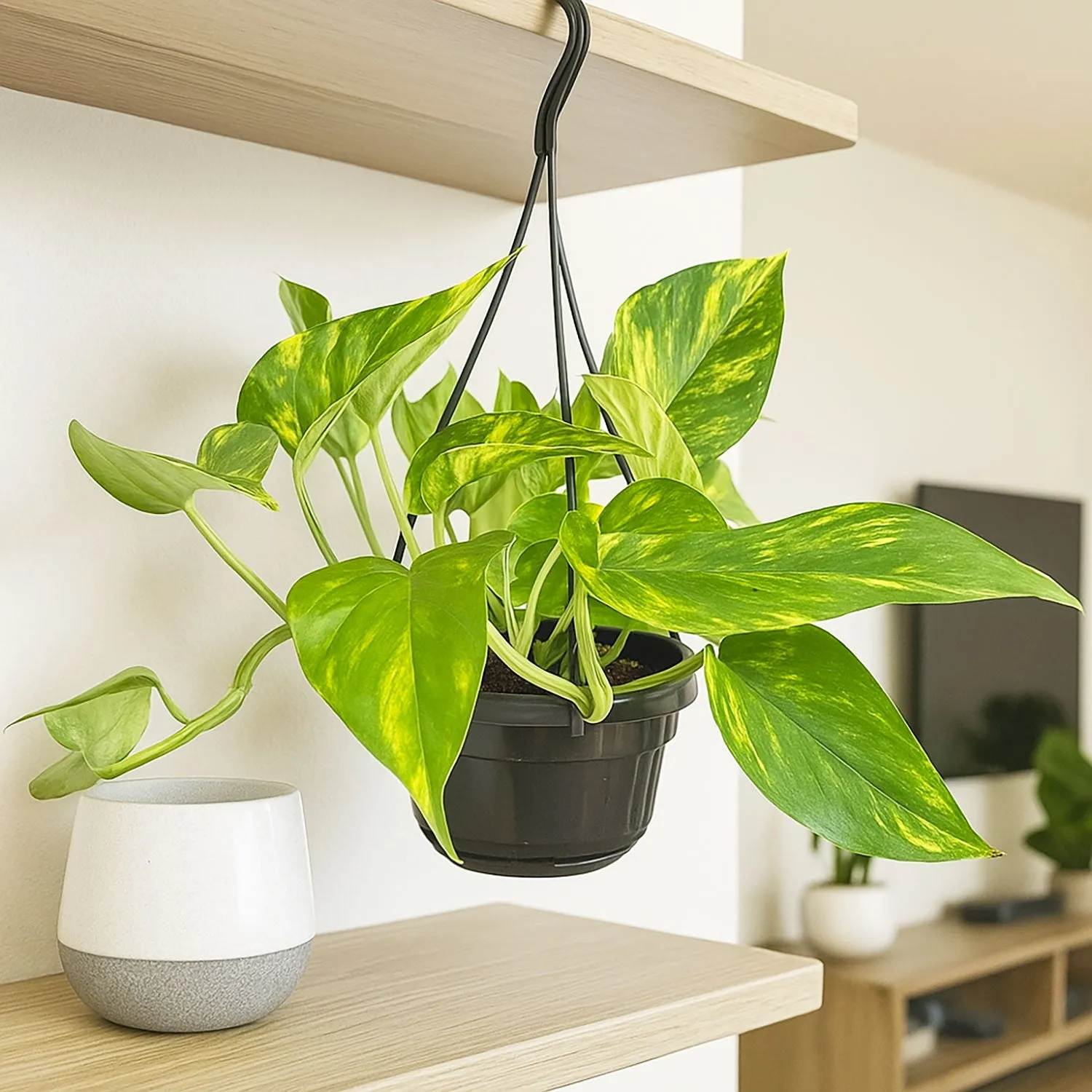
Display Hoya compacta ‘Variegata’ in a hanging planter or trailing from a high shelf, where its twisted, rope-like vines can cascade naturally. The variegation looks striking against darker backgrounds and pairs beautifully with solid green Hoyas such as Hoya carnosa ‘Chelsea’ or Hoya pubicalyx ‘Royal Hawaiian Purple’. For a bold contrast, combine it with silver-toned foliage plants like Scindapsus pictus ‘Exotica’ for a sophisticated, layered effect.
Original: $22.42
-70%$22.42
$6.73Product Information
Product Information
Shipping & Returns
Shipping & Returns
Description
Hoya compacta ‘Variegata’, also known as the Variegated Hindu Rope Plant, is a highly sought-after tropical succulent vine admired for its unique twisted foliage and creamy variegation. A variegated form of Hoya carnosa compacta, this cultivar combines the distinctive curled leaves of the original species with a marbled mix of green, cream, and pink tones that deepen with good light.
The leaves are thick, glossy, and tightly folded, growing in contorted chains along trailing vines. Each leaf displays cream to yellow variegation, often tinged with soft pink hues on new growth. Mature plants produce clusters of fragrant, star-shaped flowers in shades of pale pink with dark red centres, releasing a sweet, honey-like scent in the evening.
With its sculptural form, slow growth, and exquisite variegation, Hoya compacta ‘Variegata’ is a collector’s gem — a plant that combines intricate texture, fragrance, and timeless elegance.
Hoya compacta ‘Variegata’ – Care Guide
Light
Thrives in bright, indirect light. A few hours of soft morning or late-afternoon sun will enhance variegation and may encourage flowering. Avoid prolonged harsh sunlight, which can scorch the leaves, and low light, which may reduce variegation and cause leggy growth.
Watering
Allow the top 3–4 cm of soil to dry before watering. The thick, waxy leaves store moisture, making this Hoya drought-tolerant. Water thoroughly, allowing excess to drain away, and reduce watering in winter. Overwatering is the most common cause of problems.
Temperature and Humidity
-
Temperature: Prefers 18–28°C; avoid cold draughts and temperatures below 15°C.
-
Humidity: Adapts well to normal indoor humidity (40–60%) but benefits from moderate humidity (60–80%), which helps support flowering and lush growth.
Soil and Potting
Use a loose, well-draining mix such as orchid bark, perlite, and coco coir or a specialist Hoya blend. Hoyas prefer a slightly snug pot and dislike compacted, soggy soil. Terracotta pots are ideal to prevent excess moisture build-up. Repot every 2–3 years, or only when the plant becomes root-bound.
Feeding
Feed every 4–6 weeks during spring and summer with a diluted, balanced liquid fertiliser or a bloom-boosting formula high in phosphorus to encourage flowering. Stop feeding during autumn and winter when the plant rests.
Pruning and Maintenance
Prune lightly to control shape and encourage branching. Avoid removing the peduncles (flower spurs) — Hoya compacta ‘Variegata’ reblooms from the same points each season. Wipe the leaves occasionally with a soft, damp cloth to remove dust and highlight their natural sheen.
Growth and Maturity
A slow-growing trailing vine, typically reaching 1–1.5 metres in length when mature. Growth can be slow due to its thick, twisted foliage, but patience is rewarded with spectacular blooms and sculptural, cascading vines.
Common Issues
-
Yellow leaves: Overwatering or poor drainage.
-
Wrinkled leaves: Underwatering or low humidity.
-
Faded variegation: Insufficient light.
-
Pests: Occasionally mealybugs or aphids; remove manually and treat with neem oil or insecticidal soap.
Background and Benefits
Hoya compacta ‘Variegata’ is a variegated form of the beloved Hoya carnosa compacta, which originates from India and Southeast Asia. The species is part of the “wax plant” family, named for its thick, glossy leaves and porcelain-like flowers.
The variegated form is especially prized for its intricate leaf patterning and slow, ornamental growth. Like all Hoyas, it’s an excellent air-purifying plant, removing toxins and releasing oxygen at night. Its twisted vines and pastel tones add texture, charm, and a touch of whimsy to tropical interiors and curated plant collections.
Quick Care Summary
Light: Bright, indirect; gentle morning sun preferred
Water: Let top 3–4 cm of soil dry before watering
Temperature: 18–28°C; avoid below 15°C
Humidity: Moderate (40–80%)
Soil: Airy, free-draining mix – bark, perlite, coco coir
Feed: Every 4–6 weeks in spring/summer
Growth: Slow-growing trailing vine, 1–1.5 m; curled, variegated green, cream, and pink leaves; fragrant pink flowers
⚠️ Toxicity note: Contains mild latex sap that may irritate skin and is toxic if ingested. Keep away from pets and children.
Styling Tip
Display Hoya compacta ‘Variegata’ in a hanging planter or trailing from a high shelf, where its twisted, rope-like vines can cascade naturally. The variegation looks striking against darker backgrounds and pairs beautifully with solid green Hoyas such as Hoya carnosa ‘Chelsea’ or Hoya pubicalyx ‘Royal Hawaiian Purple’. For a bold contrast, combine it with silver-toned foliage plants like Scindapsus pictus ‘Exotica’ for a sophisticated, layered effect.