
Labisia Japonica 10.5cm Pot House Plant
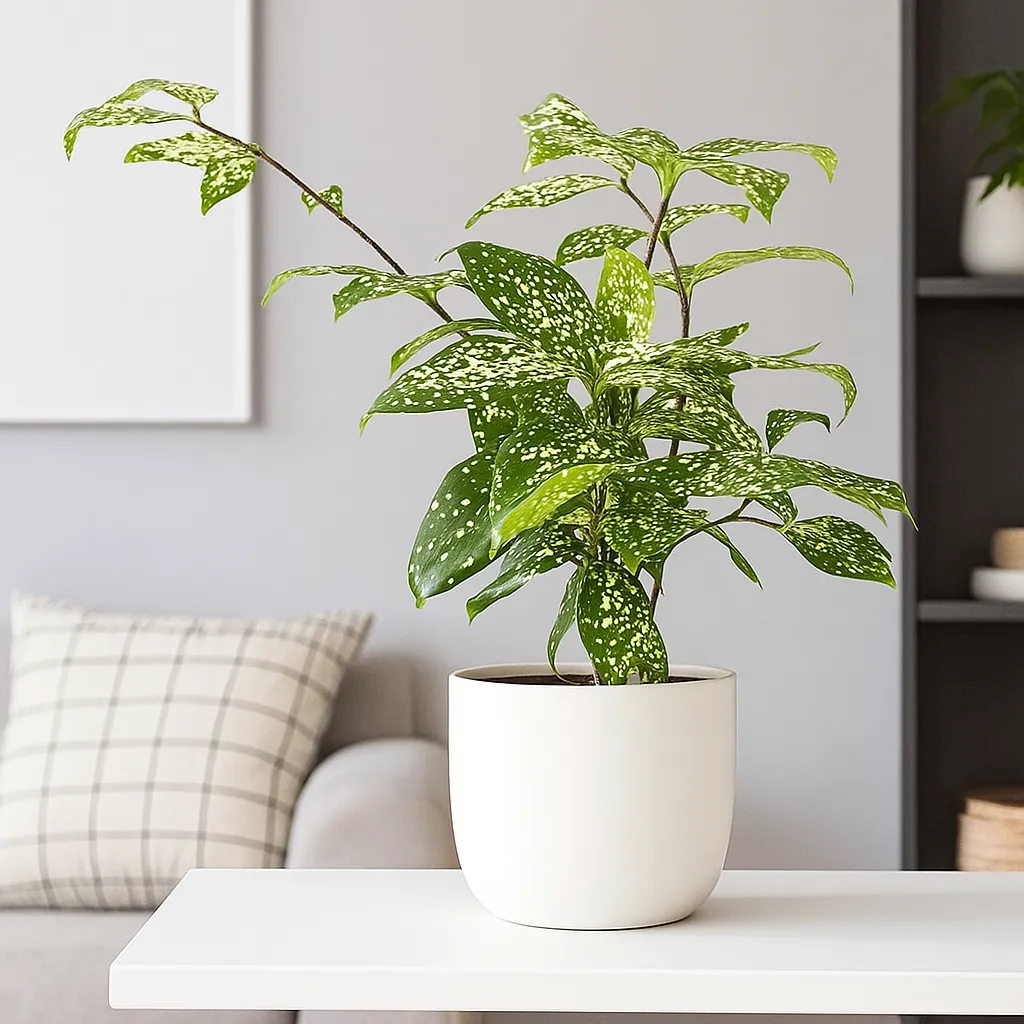
Labisia japonica is a rare and unusual foliage plant from the Primulaceae family, closely related to the well-known Labisia pumila. Native to Southeast Asia and Japan, this species is admired for its compact growth habit and decorative foliage, making it a desirable addition to terrariums and rare plant collections.
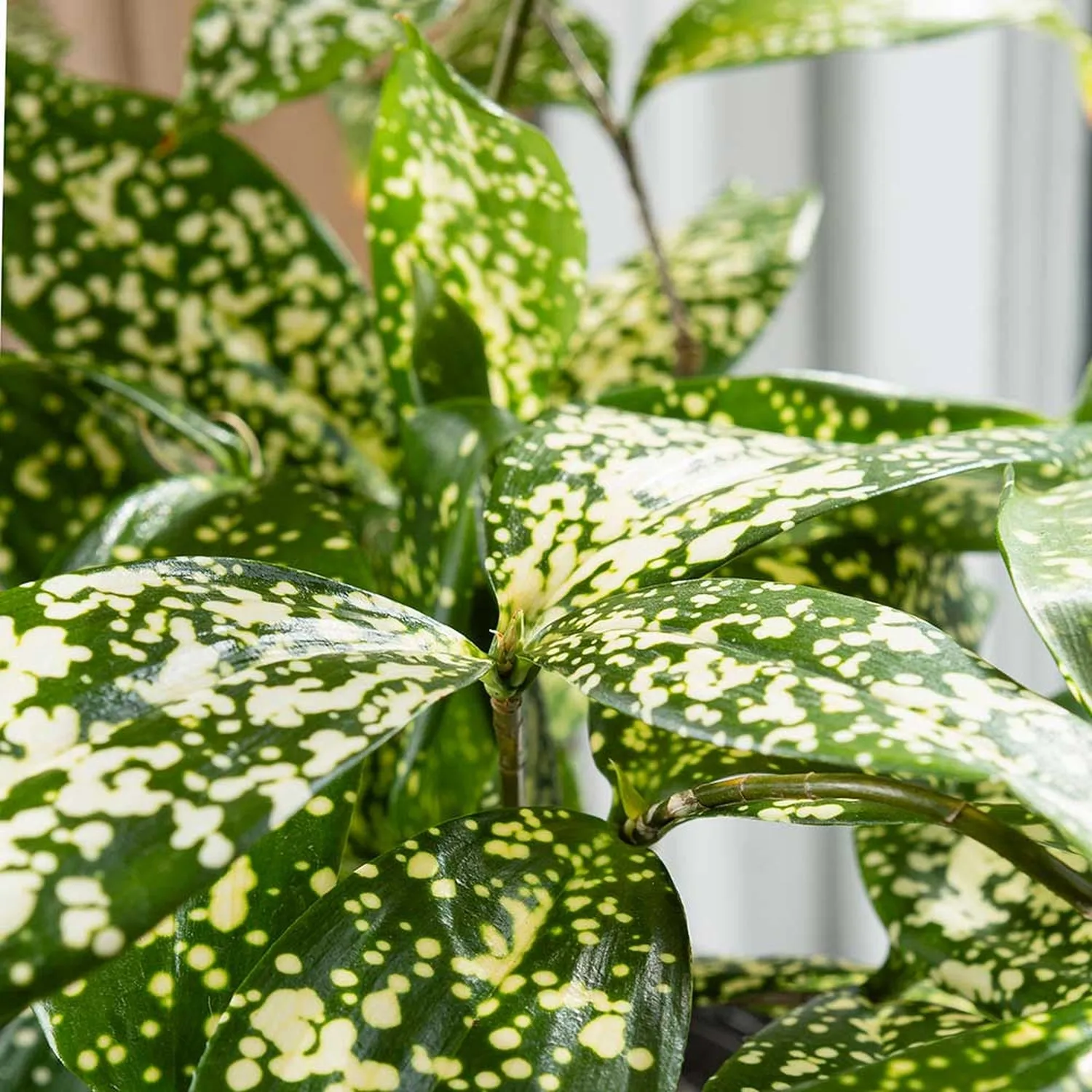
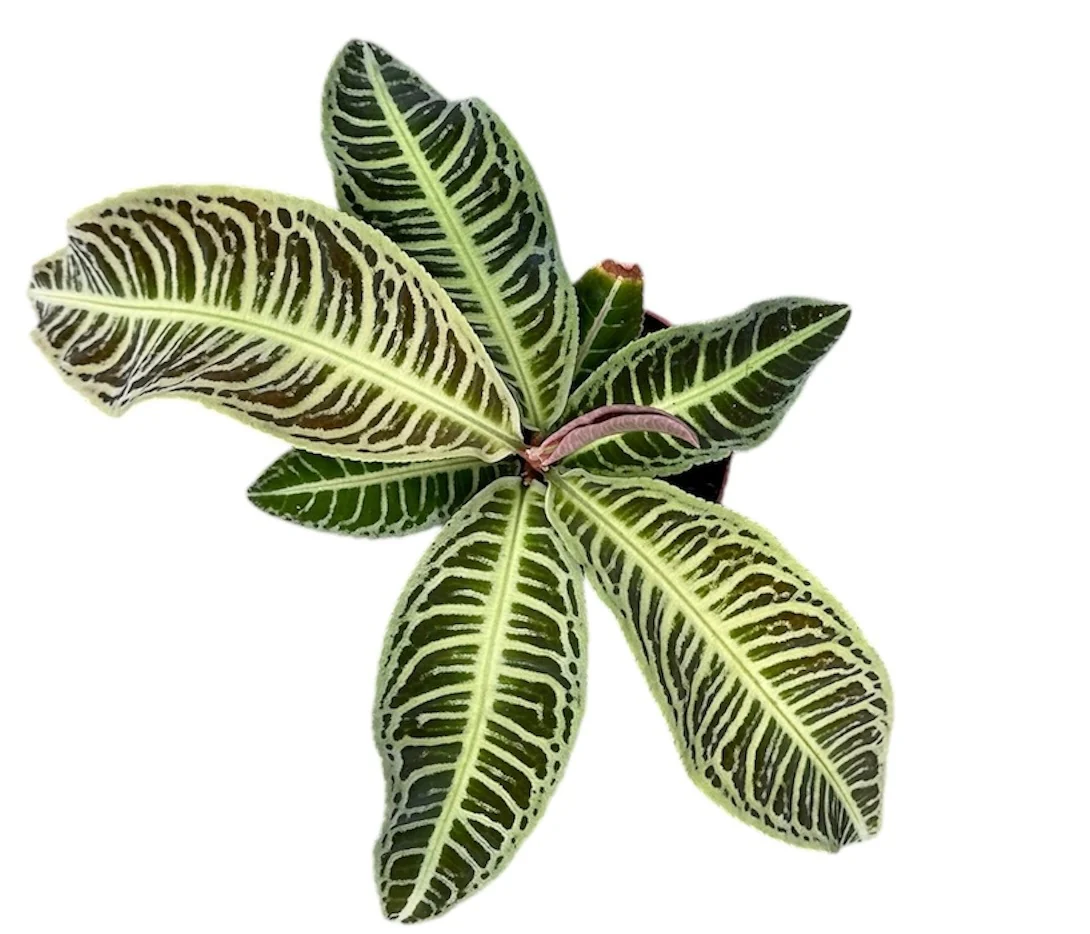
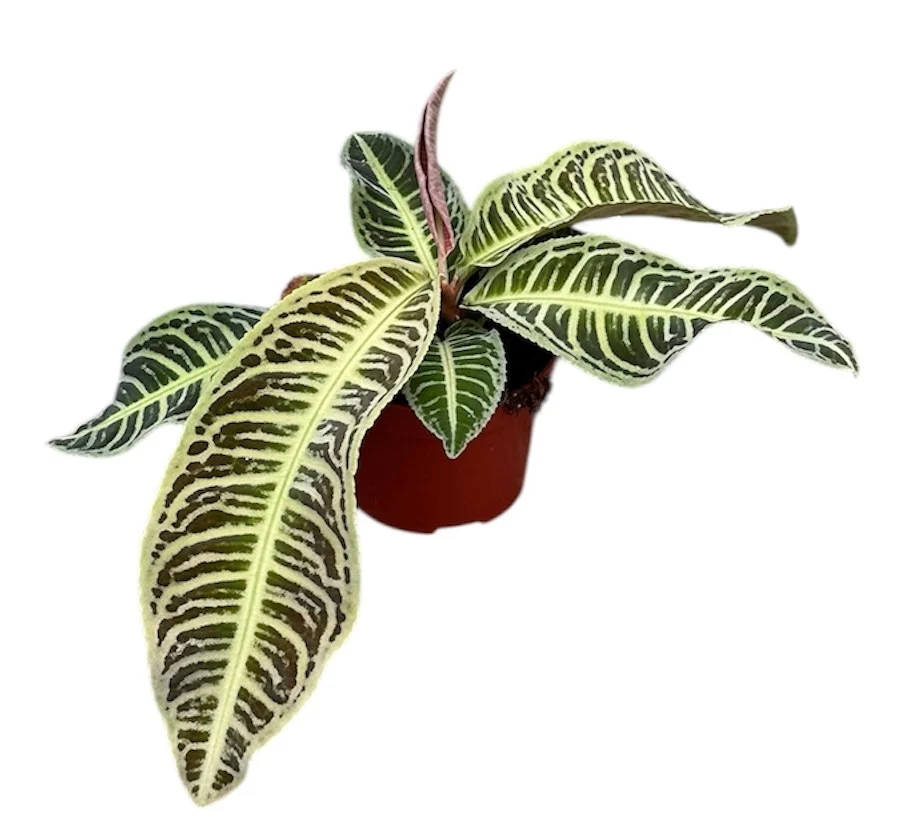
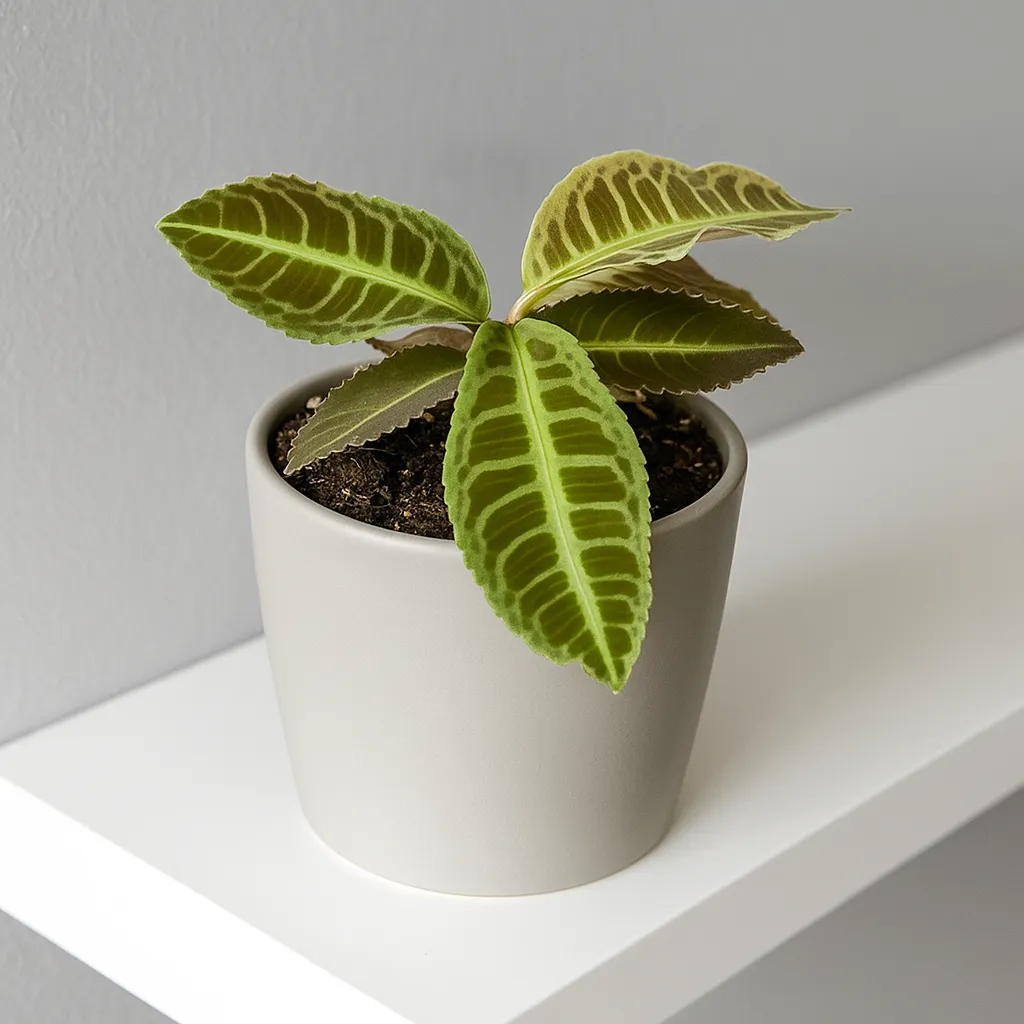
The plant forms low, clumping rosettes of ovate to lance-shaped leaves with a leathery texture. Foliage is typically deep green with striking venation in silver or light green, sometimes showing a subtle iridescent sheen under the light. The undersides are often flushed with reddish or purplish tones, adding depth and colour contrast.
Unlike many large tropical ornamentals, Labisia japonica remains small, generally reaching only 10–20 cm tall, making it perfect for small pots, terrariums, and display cases where its jewel-like foliage can be admired up close.
Labisia japonica – Care Guide
Light
Prefers bright, indirect light or dappled shade. Avoid direct sunlight, which can scorch its delicate foliage. It thrives in terrarium conditions under grow lights.
Watering
Keep the substrate consistently moist but never soggy. Water when the top layer feels just slightly dry. Use rainwater, distilled, or filtered water if possible, as Labisia can be sensitive to mineral build-up.
Temperature and Humidity
-
Temperature: Thrives in 20–26°C. Avoid prolonged cold below 16°C.
-
Humidity: Requires high humidity (70–90%). Best suited to terrariums, greenhouse cabinets, or enclosed displays.
Soil and Potting
Use a light, airy, and moisture-retentive substrate – a blend of sphagnum moss, fine orchid bark, perlite, and peat-free compost works well. Shallow pots are ideal for its compact root system.
Feeding
Feed sparingly every 4–6 weeks during spring and summer with a very diluted balanced fertiliser. Overfeeding can damage delicate roots.
Pruning and Maintenance
Remove any damaged or yellowing leaves at the base. Growth is naturally slow and compact, so little pruning is required.
Growth and Maturity
A slow-growing plant that generally stays under 20 cm in height. With stable humidity and warmth, it will steadily produce new leaves from its rosette.
Common Issues
-
Crisping edges: Low humidity or underwatering.
-
Yellowing leaves: Overwatering or hard water.
-
Weak growth: Insufficient light or nutrients.
-
Pests: Rare in terrariums but may be susceptible to thrips or spider mites in open air.
Background and Benefits
Labisia japonica is part of the “jewel plant” group – compact species admired for their unique and iridescent foliage. Its rarity in cultivation and preference for terrarium-like conditions make it a prized specimen for collectors of unusual tropical plants.
✅ Quick Care Summary
-
Light: Bright, indirect or shaded; excellent for terrariums
-
Water: Keep moist but not soggy; use soft water
-
Temperature: 20–26°C; avoid below 16°C
-
Humidity: Very high (70–90%)
-
Soil: Light, moisture-retentive mix with moss and bark
-
Feed: Very diluted fertiliser every 4–6 weeks in growing season
-
Growth: Compact rosette, 10–20 cm tall; deep green leaves with silver venation and purplish undersides
Original: $36.94
-70%$36.94
$11.08Product Information
Product Information
Shipping & Returns
Shipping & Returns
Description
Labisia japonica is a rare and unusual foliage plant from the Primulaceae family, closely related to the well-known Labisia pumila. Native to Southeast Asia and Japan, this species is admired for its compact growth habit and decorative foliage, making it a desirable addition to terrariums and rare plant collections.
The plant forms low, clumping rosettes of ovate to lance-shaped leaves with a leathery texture. Foliage is typically deep green with striking venation in silver or light green, sometimes showing a subtle iridescent sheen under the light. The undersides are often flushed with reddish or purplish tones, adding depth and colour contrast.
Unlike many large tropical ornamentals, Labisia japonica remains small, generally reaching only 10–20 cm tall, making it perfect for small pots, terrariums, and display cases where its jewel-like foliage can be admired up close.
Labisia japonica – Care Guide
Light
Prefers bright, indirect light or dappled shade. Avoid direct sunlight, which can scorch its delicate foliage. It thrives in terrarium conditions under grow lights.
Watering
Keep the substrate consistently moist but never soggy. Water when the top layer feels just slightly dry. Use rainwater, distilled, or filtered water if possible, as Labisia can be sensitive to mineral build-up.
Temperature and Humidity
-
Temperature: Thrives in 20–26°C. Avoid prolonged cold below 16°C.
-
Humidity: Requires high humidity (70–90%). Best suited to terrariums, greenhouse cabinets, or enclosed displays.
Soil and Potting
Use a light, airy, and moisture-retentive substrate – a blend of sphagnum moss, fine orchid bark, perlite, and peat-free compost works well. Shallow pots are ideal for its compact root system.
Feeding
Feed sparingly every 4–6 weeks during spring and summer with a very diluted balanced fertiliser. Overfeeding can damage delicate roots.
Pruning and Maintenance
Remove any damaged or yellowing leaves at the base. Growth is naturally slow and compact, so little pruning is required.
Growth and Maturity
A slow-growing plant that generally stays under 20 cm in height. With stable humidity and warmth, it will steadily produce new leaves from its rosette.
Common Issues
-
Crisping edges: Low humidity or underwatering.
-
Yellowing leaves: Overwatering or hard water.
-
Weak growth: Insufficient light or nutrients.
-
Pests: Rare in terrariums but may be susceptible to thrips or spider mites in open air.
Background and Benefits
Labisia japonica is part of the “jewel plant” group – compact species admired for their unique and iridescent foliage. Its rarity in cultivation and preference for terrarium-like conditions make it a prized specimen for collectors of unusual tropical plants.
✅ Quick Care Summary
-
Light: Bright, indirect or shaded; excellent for terrariums
-
Water: Keep moist but not soggy; use soft water
-
Temperature: 20–26°C; avoid below 16°C
-
Humidity: Very high (70–90%)
-
Soil: Light, moisture-retentive mix with moss and bark
-
Feed: Very diluted fertiliser every 4–6 weeks in growing season
-
Growth: Compact rosette, 10–20 cm tall; deep green leaves with silver venation and purplish undersides